 Zenit Window
How Much Do Aluminium Windows Cost in 2026?
Aluminium Windows Prices in 2026 will depend less on a headline per-window figure than on the opening, specification, and installation. A two-panel window for a modest bedroom is not comparable to a thermally broken, powder-coated unit for a wide living-room opening. Glass choice, frame finish, access, removal, and local labor can all shift the final quote. Small details matter.
Published benchmarks offer context, not an aluminium price list. Remodeling magazine’s 2024 Cost vs. Value report estimated a U.S. vinyl-window replacement project at $21,264 nationally. That figure covers a project, not an individual window, and the report does not establish an aluminium-specific 2026 rate. It is useful for scale, but not a substitute for local, itemized quotes. That comparison is imperfect.
For the performance side, the U.S. Department of Energy advises comparing window ratings, including U-factor and solar heat gain coefficient, rather than judging products by frame material alone. Energy-efficiency expert Amory Lovins has put the principle plainly: “The greenest energy is the energy we don’t use.” It is a useful reminder, though it does not prove that a higher-priced frame will repay its cost in every home.
This guide examines what buyers may pay in 2026, which specifications add cost, and where estimates can mislead. Treat any early budget as provisional. Measure the actual openings, ask whether fitting and disposal are included, and compare like-for-like quotes. A weak point in many online estimates is that they look precise before anyone has inspected the building.
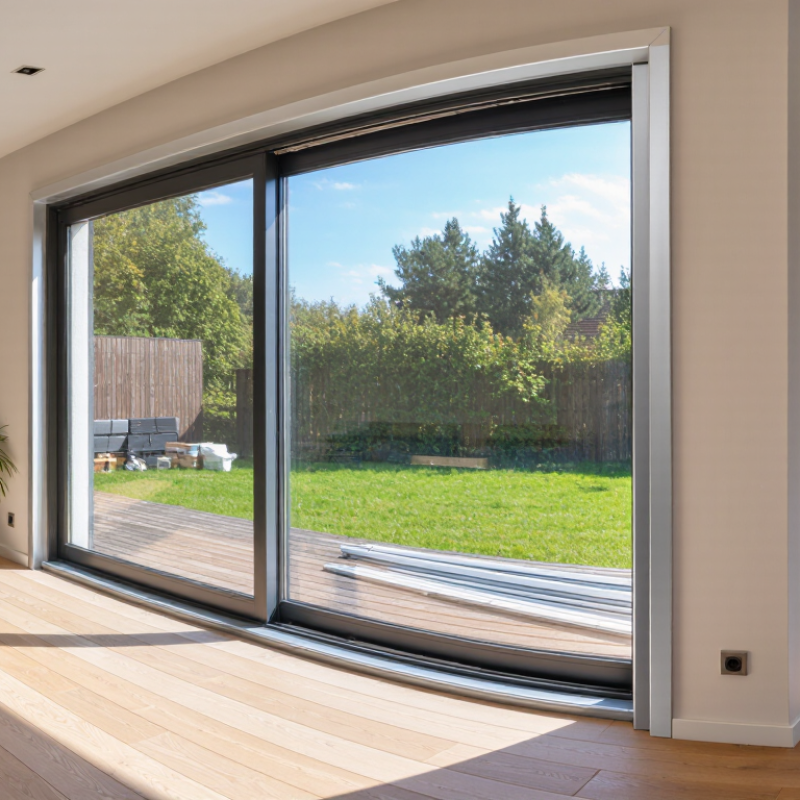
What Is Included in the Cost of Aluminium Windows in 2026?
A 2026 aluminium-window quote should show more than the frame price. It may include the frame, thermal breaks, glazing, handles, locks, hinges, and factory-applied finishes. Glass specifications matter: double or triple glazing, low-emissivity coatings, and gas-filled cavities can change both the price and performance. Ask whether the quote covers measuring, delivery, installation, and removal of old windows. Details matter.
Installation may add costs for access equipment, making good interior reveals, disposal, and repairs to damaged openings. These items are often missed in headline estimates. The U.S. Department of Energy’s Energy Saver guidance estimates that windows account for 25–30% of residential heating and cooling energy use. That figure is not a savings guarantee, but it shows why fitting and sealing deserve attention. A poorly sealed new window can disappoint.
Check the performance paperwork too. The National Fenestration Rating Council’s product-labeling program reports measures such as U-factor and solar heat gain coefficient, helping buyers compare products on consistent terms. Ask for those ratings alongside the exact glass and frame specification. Request a written breakdown of labour, materials, taxes, warranty coverage, and any exclusions. Local labour rates and opening conditions vary, so two quotes may not cover the same work. A small omission can become an awkward surprise.
FAQS
It may cover frames, glazing, thermal breaks, handles, locks, hinges, and factory-applied finishes. Check whether measuring, delivery, installation, and old-window removal are included.
Thermal breaks separate interior and exterior aluminium sections with an insulating barrier. They can improve comfort, but usually cost more than basic frames. Details matter.
Triple glazing, acoustic glass, and low-emissivity coatings may raise the price. The best choice depends on your climate, noise levels, and energy goals.
Yes. Sliding, tilt-and-turn, and custom-shaped windows may cost more than fixed units. Large panes may need stronger sections and careful handling.
Extra costs can include access equipment, disposal, sealing, plaster repairs, and exterior finishing. Upper-floor work may add charges. That adds up.
A survey may reveal uneven openings, damp timber, damaged brickwork, or hidden water damage. Repairs can change the final bill, even after a careful visit.
Match the frame, glass, hardware, installation, and disposal details. Ask for labour, materials, taxes, warranty coverage, and exclusions in writing. A low figure may hide gaps.
Consider keeping around 10% aside, adjusting it to your property’s condition. It is not a guarantee; an old sill can hide a small problem. I might be overcautious, but that uncertainty is worth considering.
Conclusion
Aluminium Windows Prices in 2026 depend on more than the frame itself. A typical estimate may include the window unit, glazing, hardware, delivery, and installation, but the exact package varies by supplier and project. Window size and design are major factors: larger openings, custom shapes, and complex configurations generally require more materials and labour. The choice of finish, glass type, thermal performance, security features, and opening style can also affect the final price.
When planning a budget, allow for possible charges such as removing old windows, preparing openings, access equipment, disposal, and finishing work. To compare quotes fairly, check that each one covers the same sizes, specifications, installation tasks, and aftercare. Ask for a clear itemised breakdown and confirm whether taxes and any additional work are included. Comparing complete quotes, rather than headline prices alone, helps you estimate the total cost more accurately.
