Zenit Window
Enterprise BiFold Window Portfolio
Explore our flagship high-performance aluminum folding window solutions certified for hurricane resilience, acoustic damping, and extreme thermal efficiency.
Enterprise Capacity & Engineering Mastery
Founded in 2015, Chengdu Zenit Window & Door Co., Ltd. operates as an industry-leading manufacturer and exporter of advanced bi-fold window systems and architectural fenestration solutions.
Global Infrastructure & Scale
Operated across a modern 25,000-square-meter production hub, Chengdu Zenit combines 11 years of architectural industry expertise with 8 years of specialized international export operations. Serving North America, Australia, and Western Europe, we supply residential home builders, commercial contractors, and global building material wholesalers with zero-defect fenestration assemblies.
Rigorous Quality Assurance
Our quality control protocol is directed by a dedicated team of 35 specialized inspectors. Every unit undergoes structured testing workflows, including air permeability evaluations, dynamic water tightness testing, frame corner shear strength testing, and hardware cycle endurance checks. Supported by over 600 verified supply chain partners, we guarantee structural stability and thermal durability.
R&D & Engineering Customization
Driven by an active R&D division of 42 design engineers, Zenit released over 50 new architectural window systems in the past year alone. We deliver complete customization, including multi-cavity thermal break profiles, specialized fluoropolymer powder coatings, marine-grade custom anodized finishes, and acoustic triple-pane glass assemblies engineered for challenging microclimates.
Global Commercial & Industrial Market Landscape
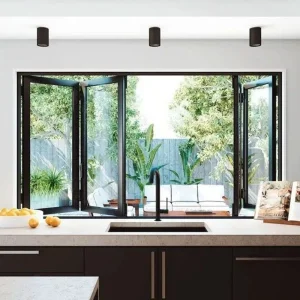
Bi-fold window systems (accordion windows) have evolved from niche residential luxury features into essential high-performance facade components across commercial, hospitality, and multi-family developments.
North American Coastal & Urban Densification
In North America, high-demand coastal regions require rigorous building codes. Suppliers must deliver Miami-Dade NOA (Notice of Acceptance) compliance to withstand severe hurricane wind pressures. Concurrently, urban hospitality venues utilize bi-fold pass-through windows to maximize indoor-outdoor dining square footage without expanding structural footprints.
European Union Energy Standards (EPBD)
Driven by strict EU Energy Performance of Buildings Directives, European procurement prioritizes structural U-values below 0.8 W/m²K. Modern bi-fold systems exported to Western Europe combine multi-chambered polyamide thermal breaks (PA66 GF25) with Argon-filled Low-E triple glazing to prevent heat transfer during severe winter cycles.
Australian & Pacific Rim Architectural Standards
Compliance with AS2047 and AS1288 is paramount in the Oceania market. Bi-fold systems in Australia must demonstrate superior resistance to high solar radiation (UV degradation of powder coats) and wind-driven rain penetration, requiring specialized heavy-duty stainless steel top-hung or bottom-rolling tracks.
Structural Advantage: Top-Hung vs. Bottom-Rolling Systems
Modern commercial bi-fold installations utilize either top-hung support mechanisms—where the weight is suspended from an overhead lintel—or bottom-rolling track assemblies. Top-hung systems offer ultra-smooth fingertip operation and minimal track debris interference, while engineered bottom-rolling configurations distribute load strain evenly across lower structural sills, ideal for retrofits with restricted overhead load-bearing capacities.
Engineering Specifications & Material Architecture
Comprehensive engineering matrix defining the physical, structural, and thermal properties of Zenit enterprise bi-fold window systems.
| Performance Vector | Technical Specification | International Standard Compliance |
|---|---|---|
| Aluminum Alloy Profile | High-precision 6063-T5 / 6060-T6 architectural grade aluminum, wall thickness 1.8mm to 3.0mm | ASTM B221 / GB 5237 |
| Thermal Barrier Technology | Polyamide PA66 GF25 (25% Glass Fiber Reinforced) multi-chamber thermal breaks | EN 14024 / ISO 10077 |
| Glazing Configurations | 5mm+12Ar+5mm Double Tempered, Triple Glazed, or Laminated Impact-Resistant (SentryGlas®) | ANSI Z97.1 / EN 12150 |
| Overall U-Factor (Thermal) | 1.1 to 1.6 W/m²K (0.19 - 0.28 BTU/h·ft²·°F) optimized with argon fill and Low-E coating | NFRC 100 / ISO 10077-1 |
| Acoustic Damping (STC) | Sound Transmission Class STC 36 dB to 44 dB based on acoustic laminated glass thickness | ASTM E90 / ISO 140-3 |
| Wind Pressure Resistance | Design Wind Pressure up to 5000 Pa (Miami-Dade Large Missile Impact Resistant) | ASTM E1300 / TAS 201/202/203 |
| Weather Sealing System | Triple continuous EPDM gasket seals with vulcanized corner seals and dual-lip bottom brushes | ASTM C864 / EN 12365 |
| Hardware & Carriage Systems | Heavy-duty 316 Stainless Steel multi-wheel roller carriages; rated up to 150kg per sash | BS EN 13126 / AAMA 904 |
Architectural Trends & Technology Roadmap
Key technological shifts reshaping the global bi-fold window supply chain over the next decade.
1. Ultra-Slim Sightlines & Invisible Frames
Architectural demand is moving toward ultra-narrow profile sightlines (under 50mm face width) that maximize natural sunlight. By utilizing high-tensile structural aluminum alloys, suppliers can support larger glass panels with less visible frame area.
2. Smart-Home Automation & Motorization
Integration of low-voltage hidden electric actuators allows multi-panel bi-fold systems to open or close via smart-home controllers, weather sensor arrays (closing automatically during rain events), or smartphone applications.
3. Vacuum Insulated Glass (VIG) Integration
The emerging application of VIG technology offers U-values as low as 0.4 W/m²K within a profile thickness comparable to single glazing. This enables lightweight folding sashes that put significantly less wear on roller hardware.
Macro-Industry Solutions & Architectural Deployments
Engineered solutions tailored to specific commercial operational environments and severe geographic microclimates.
Hospitality & Pass-Through Kitchen Counters
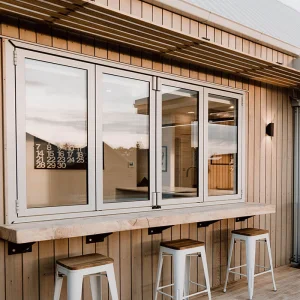
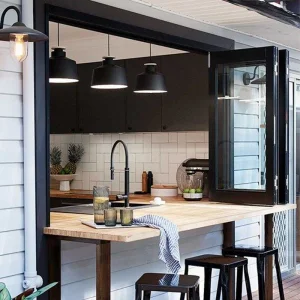
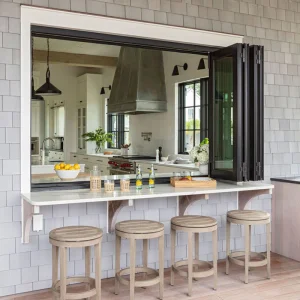
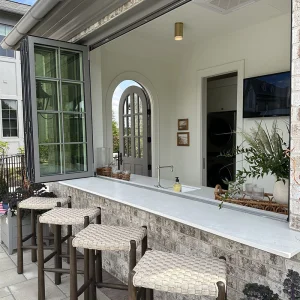
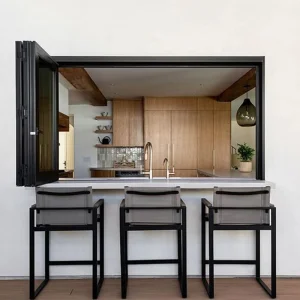
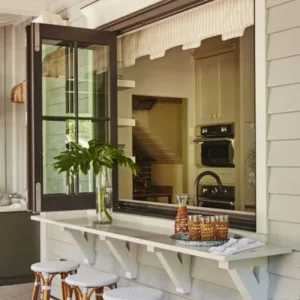
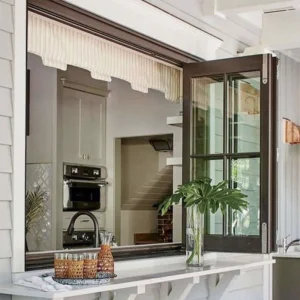
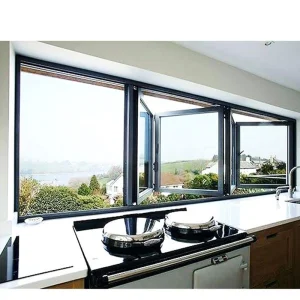
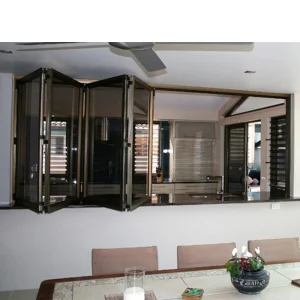
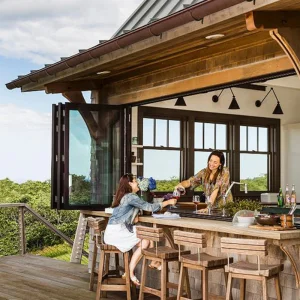
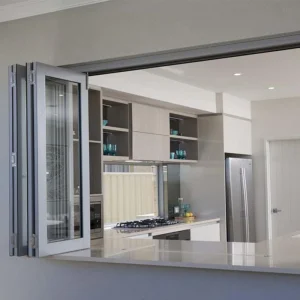
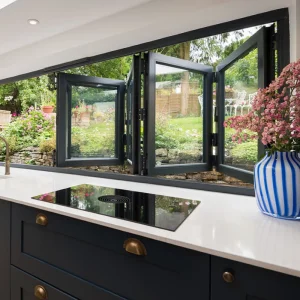
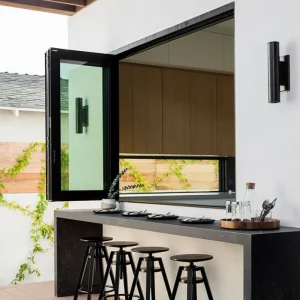
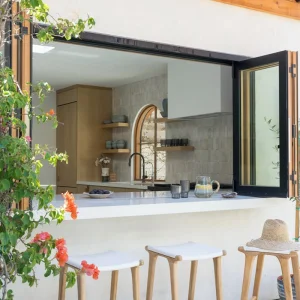
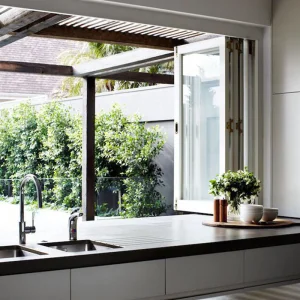
Bi-fold windows are increasingly specified as fold-up or accordion pass-through solutions for commercial bar counters and kitchen-to-patio areas. Zero-threshold flush tracks eliminate tripping hazards while seamlessly connecting indoor service teams with outdoor dining areas.
High-Rise Residential Balcony Enclosures
Urban apartments utilize vertical or accordion bi-fold glazing systems to convert open balconies into flexible sunrooms. These systems provide acoustic insulation against traffic noise while maintaining weather resilience during heavy storms.
Coastal Extreme-Weather Envelopes
For properties built near saltwater environments, our customized bi-fold windows feature 25-micron anodized aluminum surfaces, 316 marine-grade stainless hardware components, and laminated safety glass to resist coastal corrosion and high wind-driven rains.
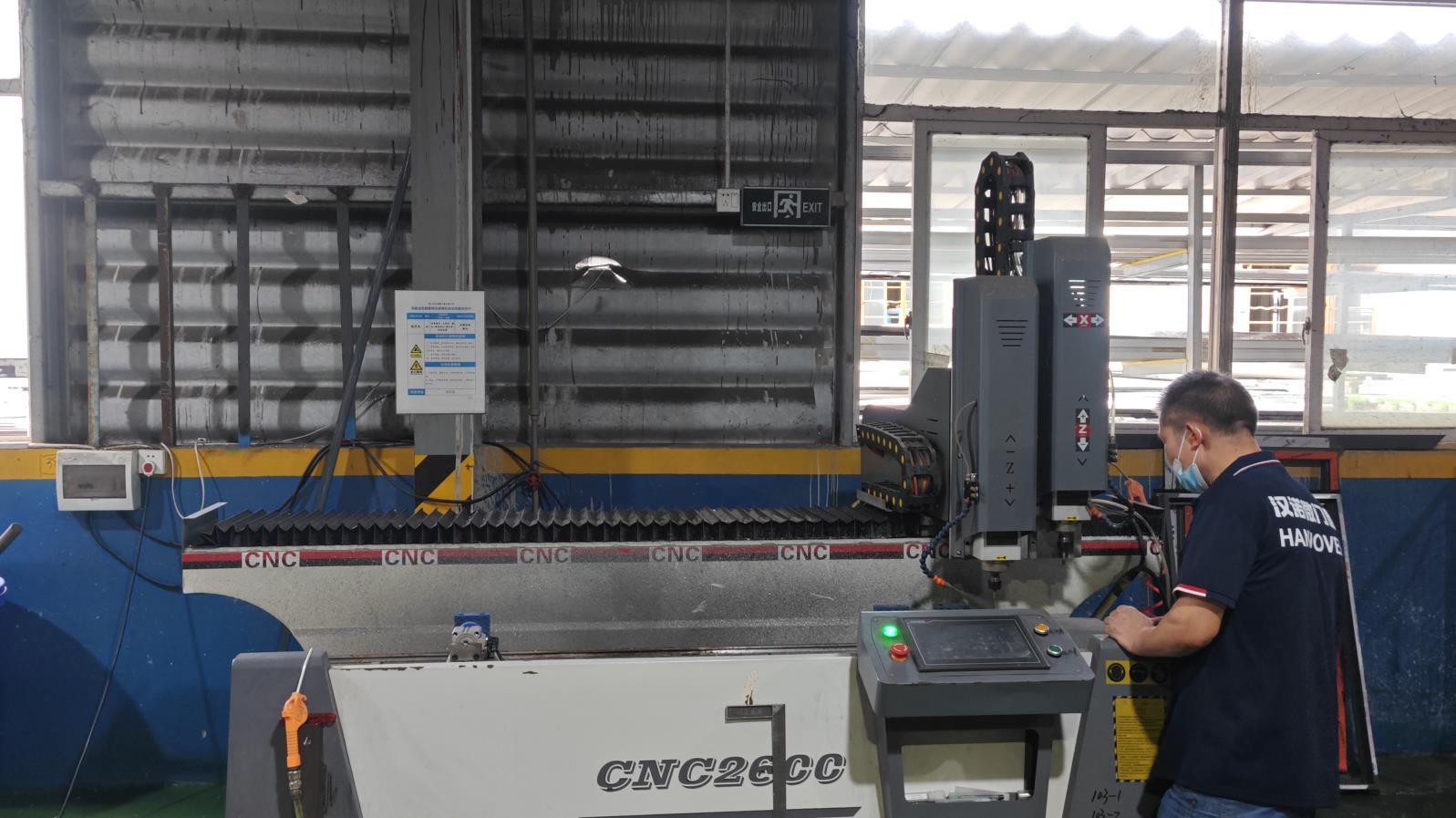
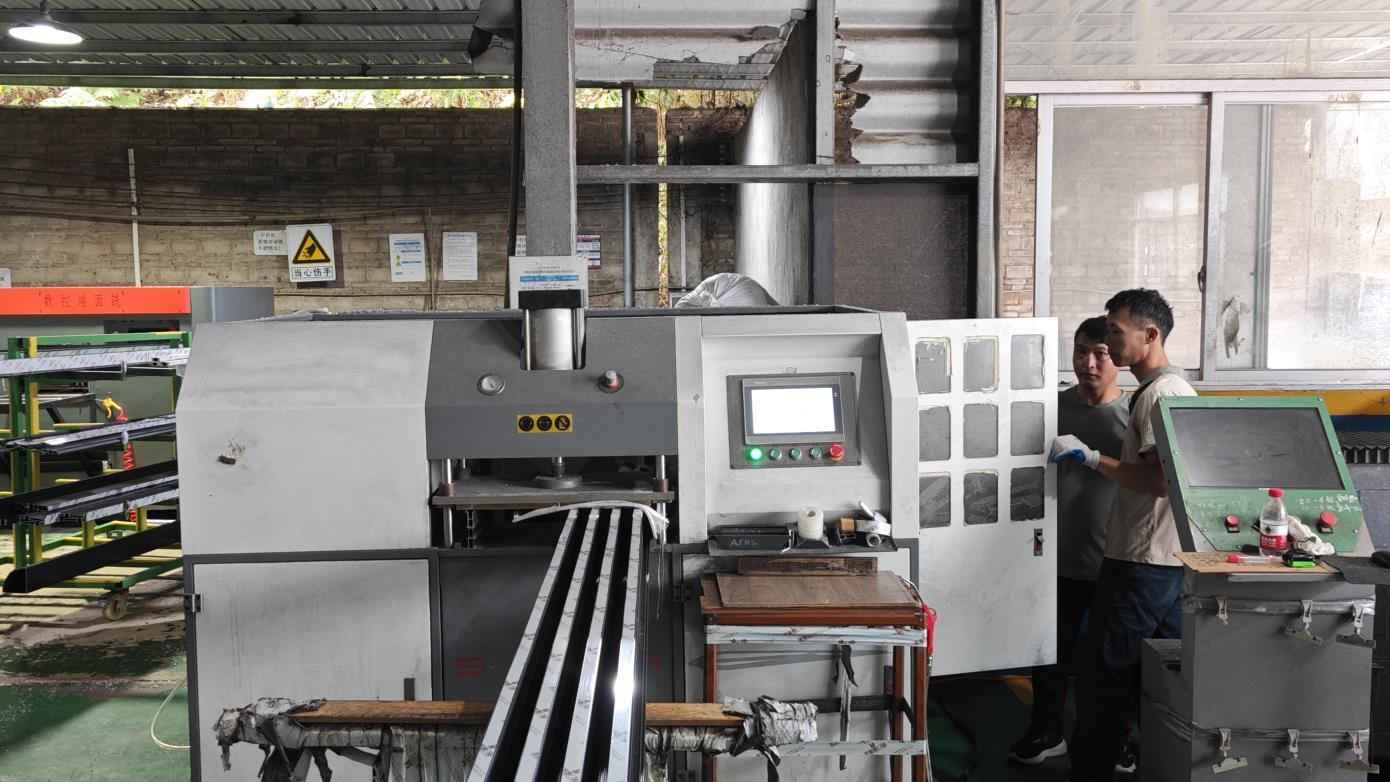
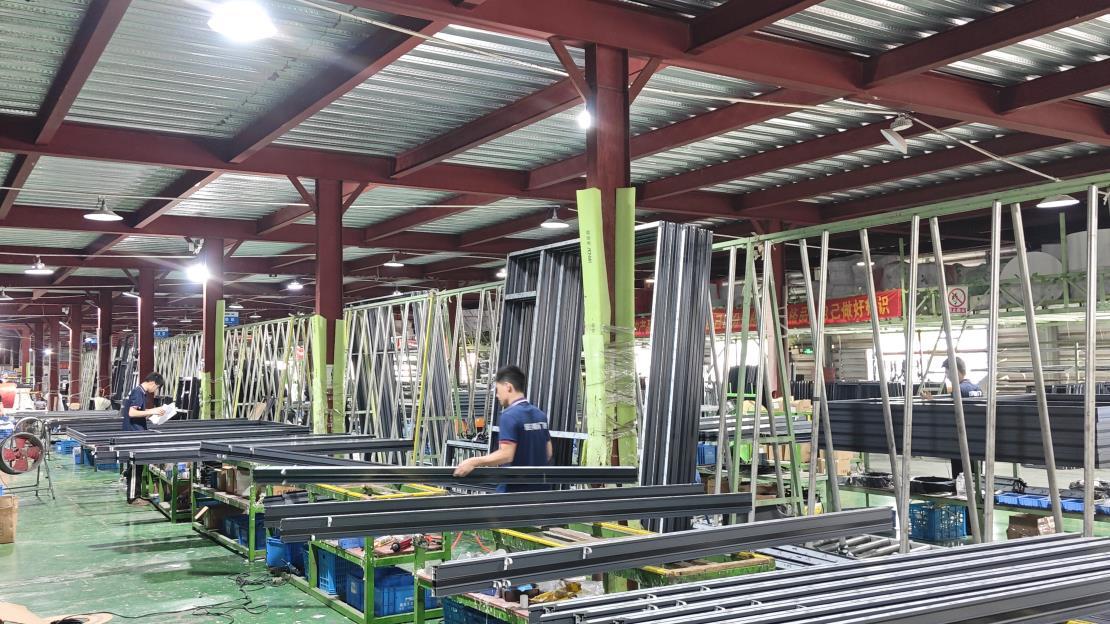
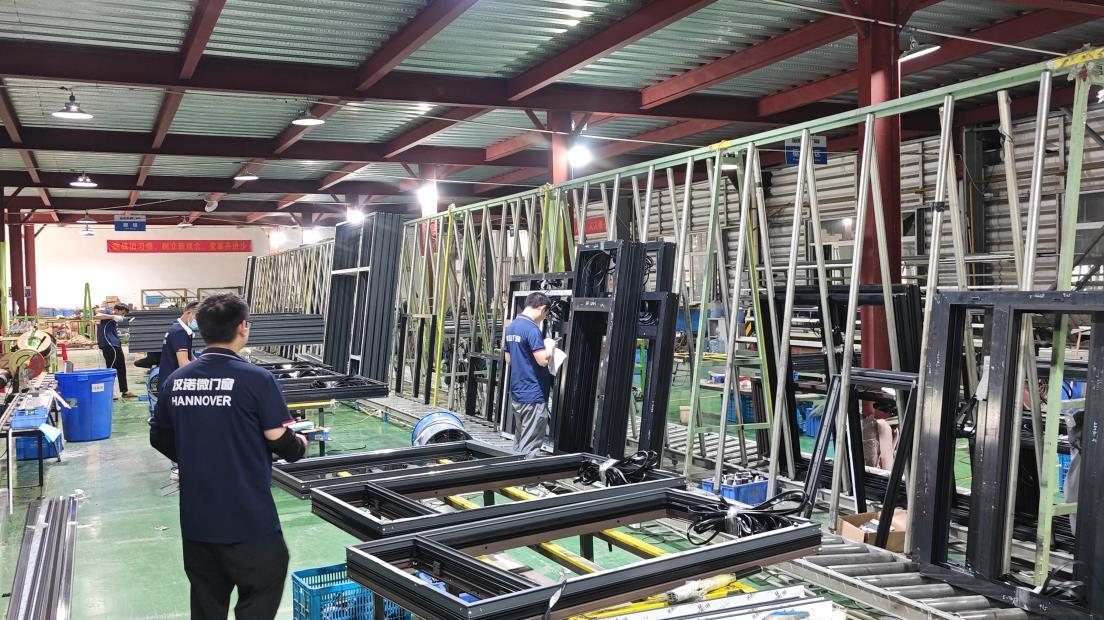
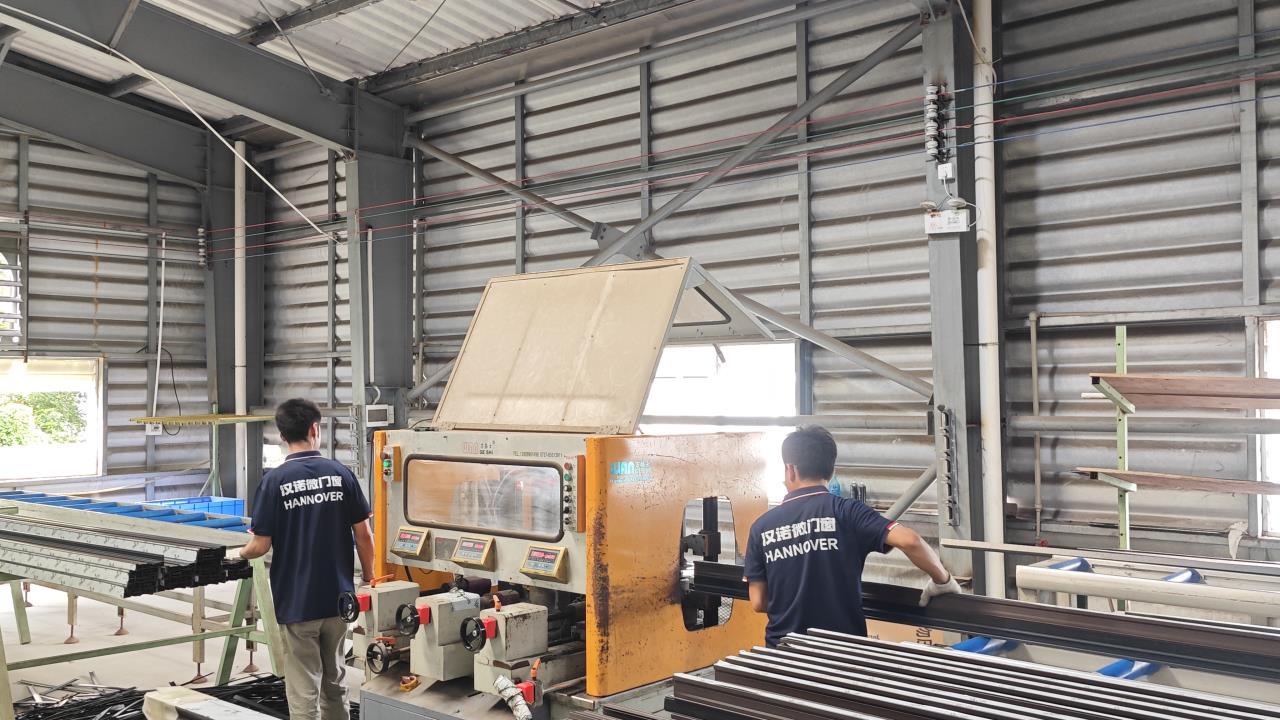
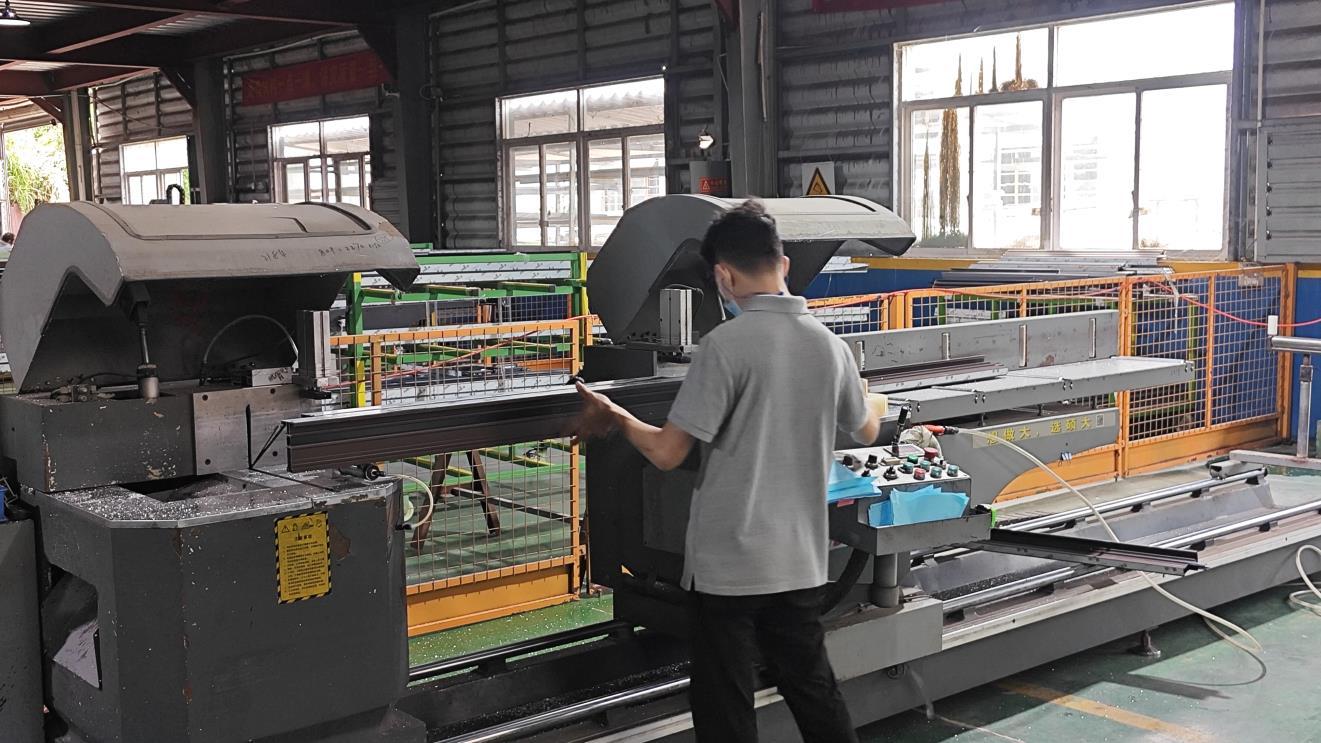
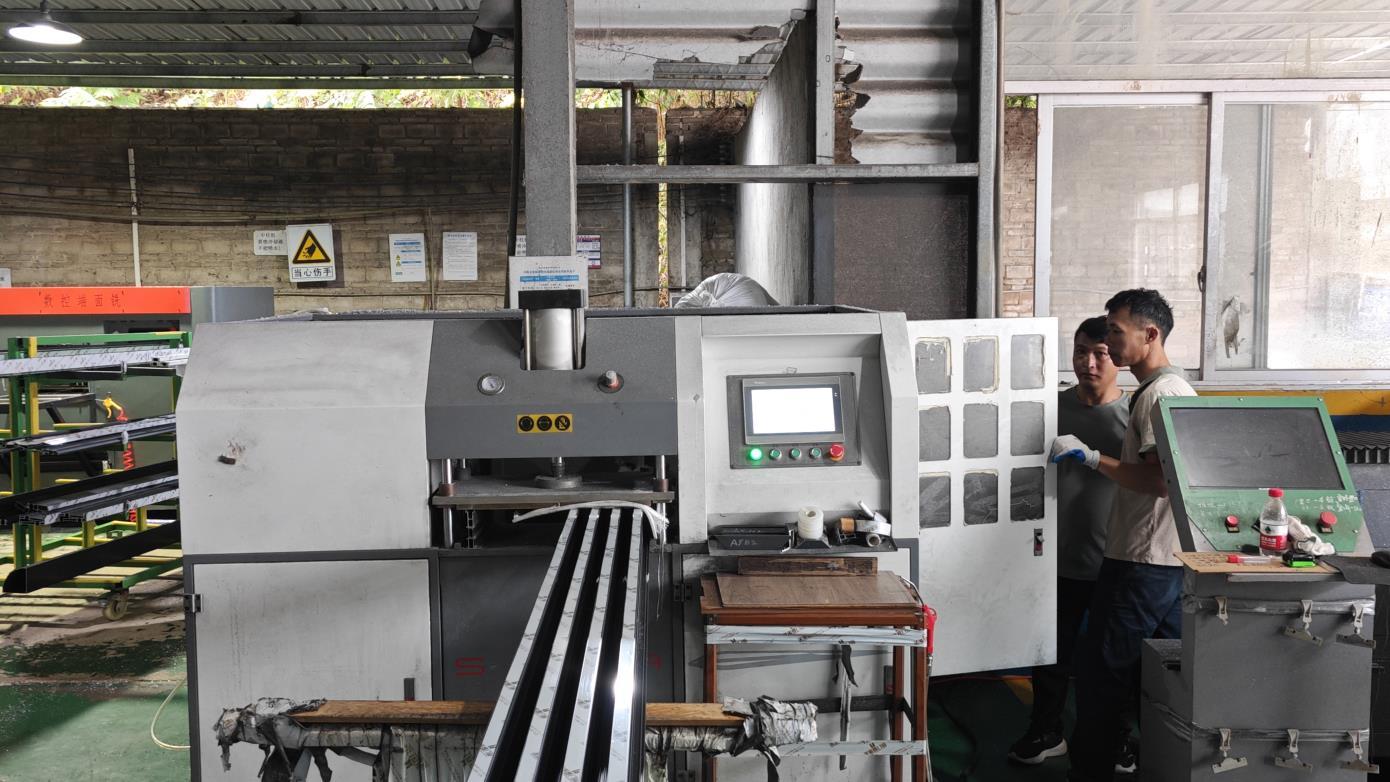
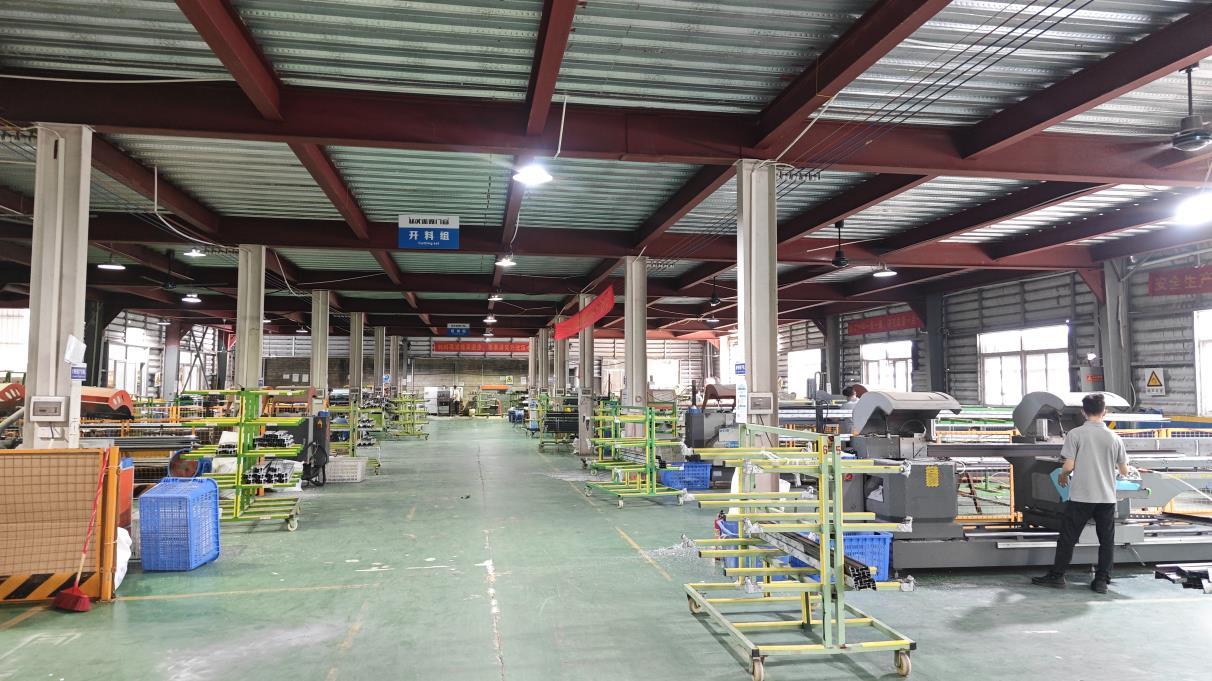
End-to-End Production & Quality Assurance Workflow
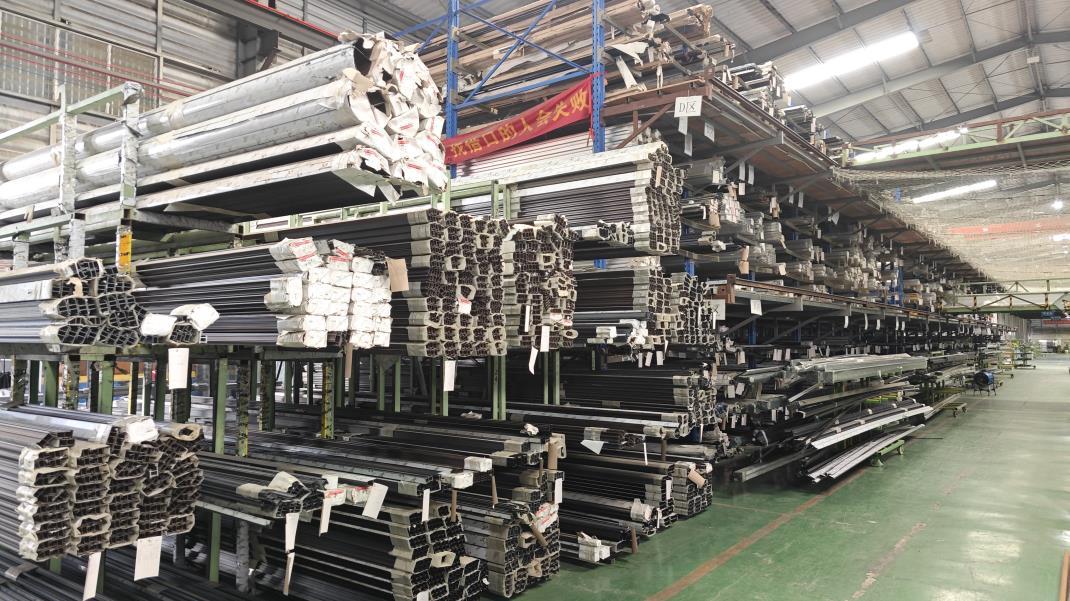
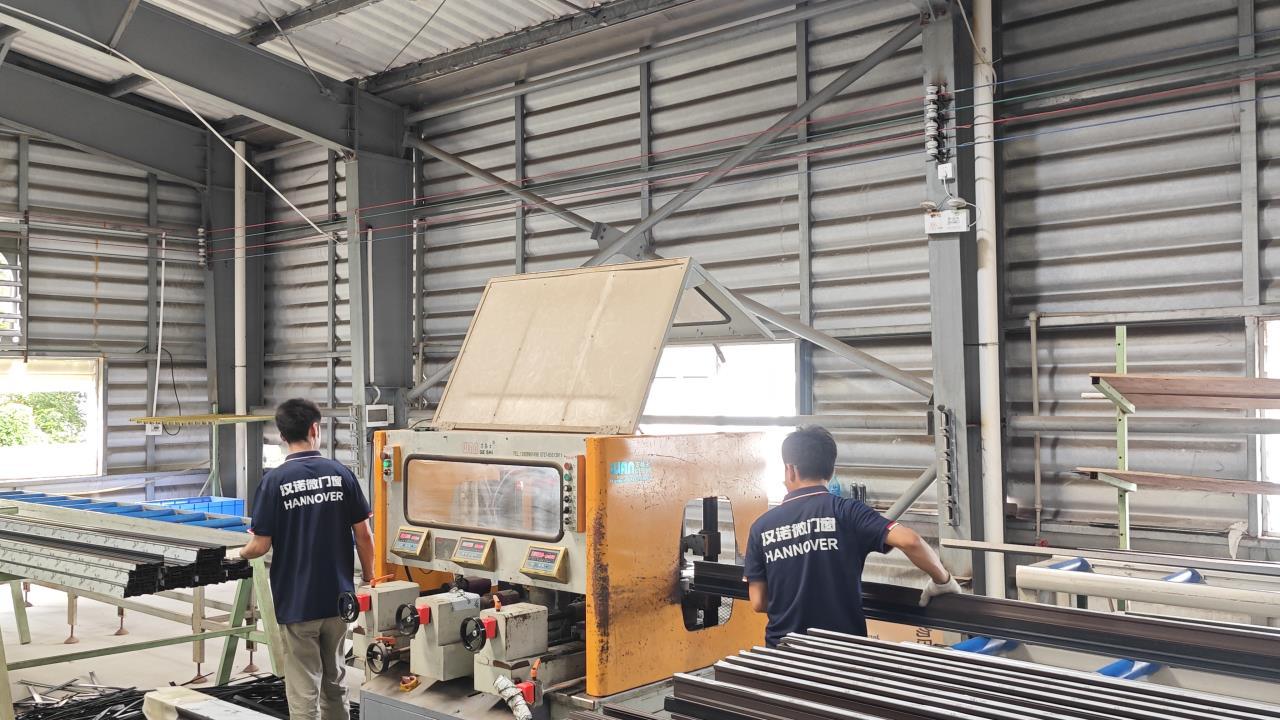
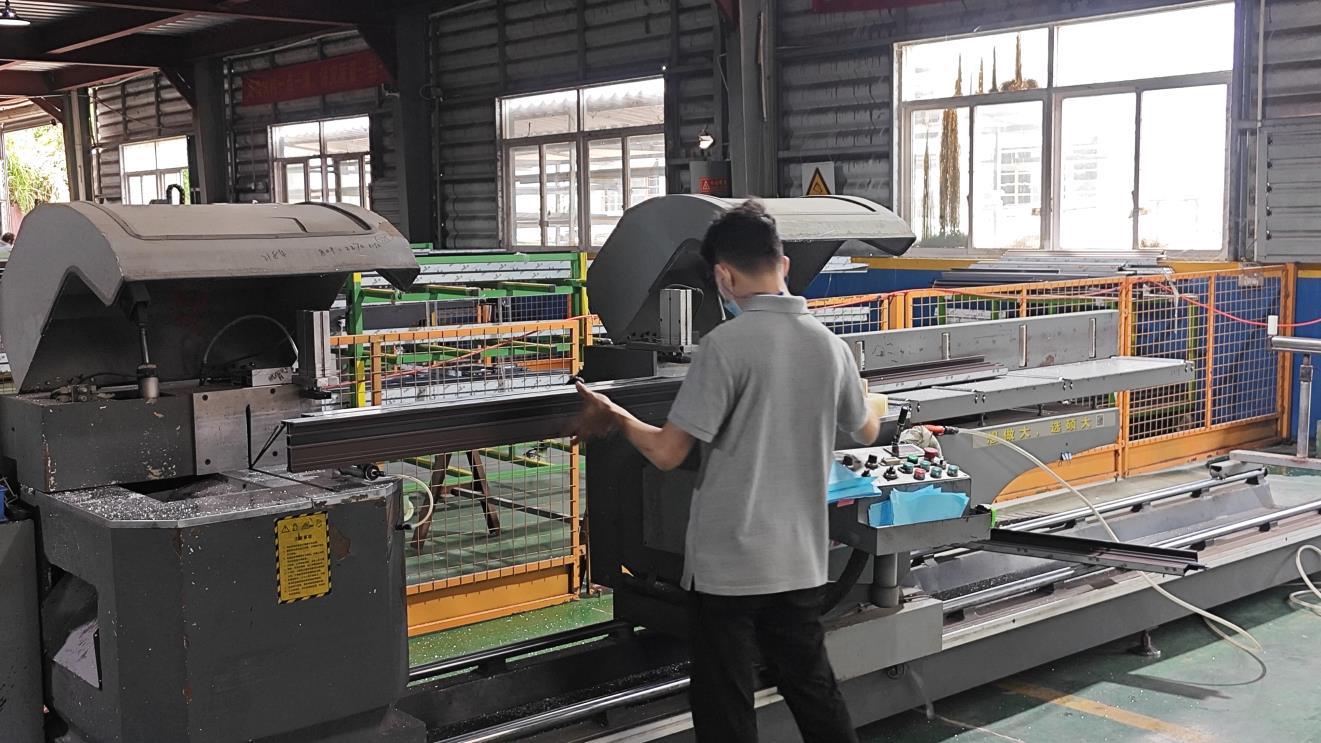
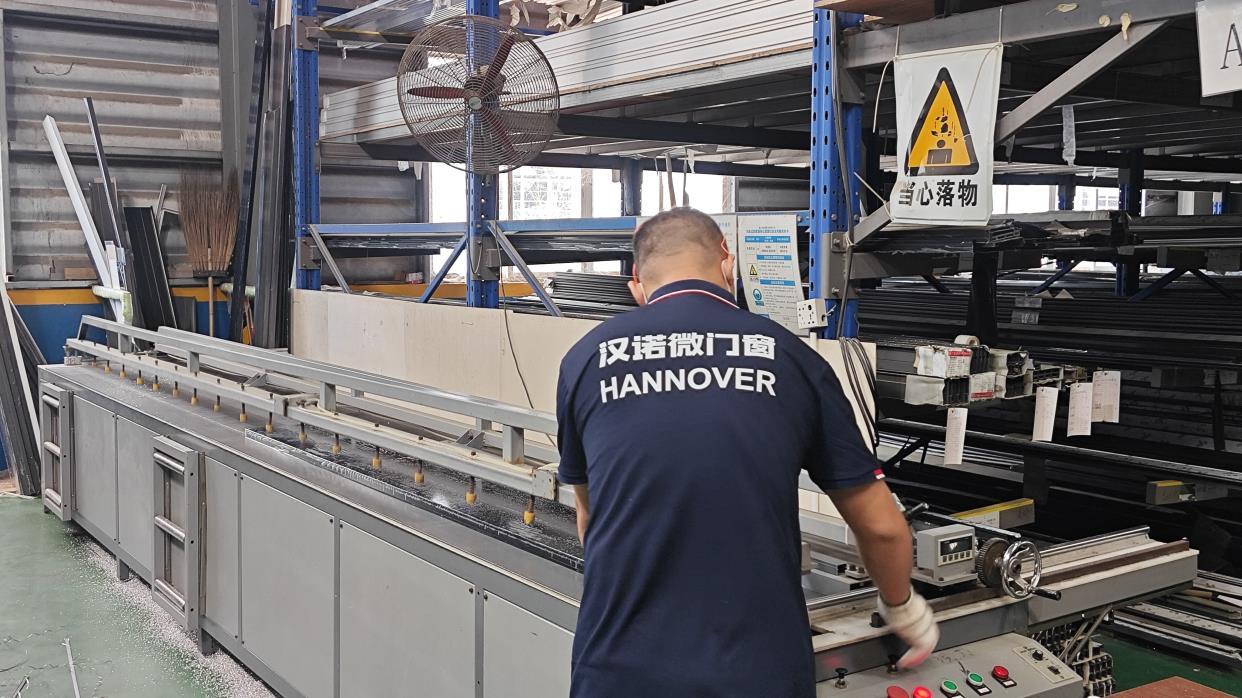
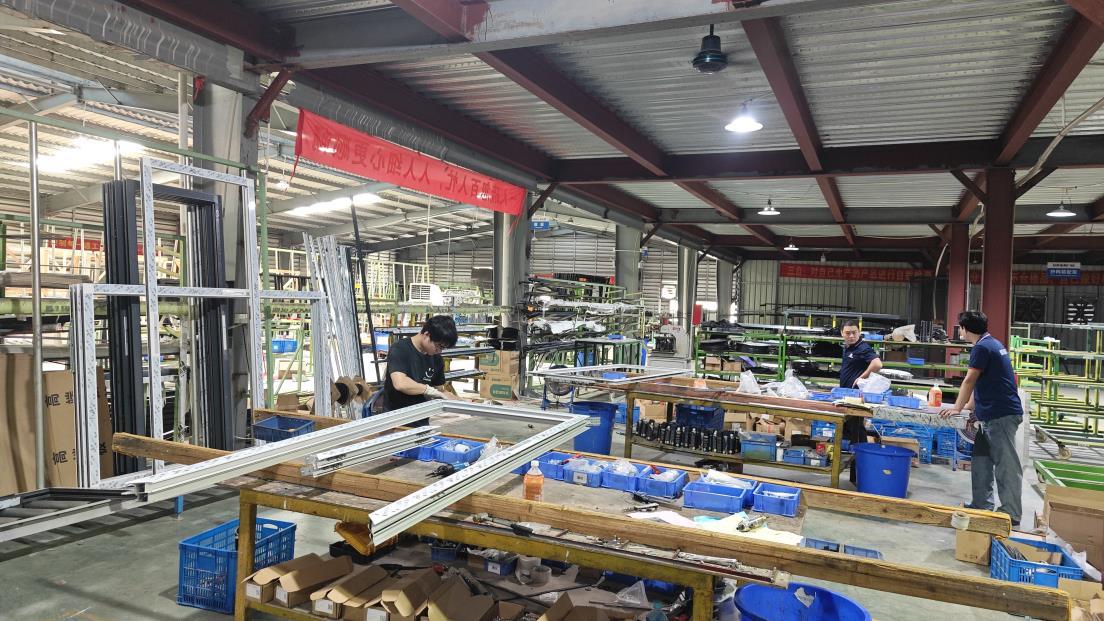
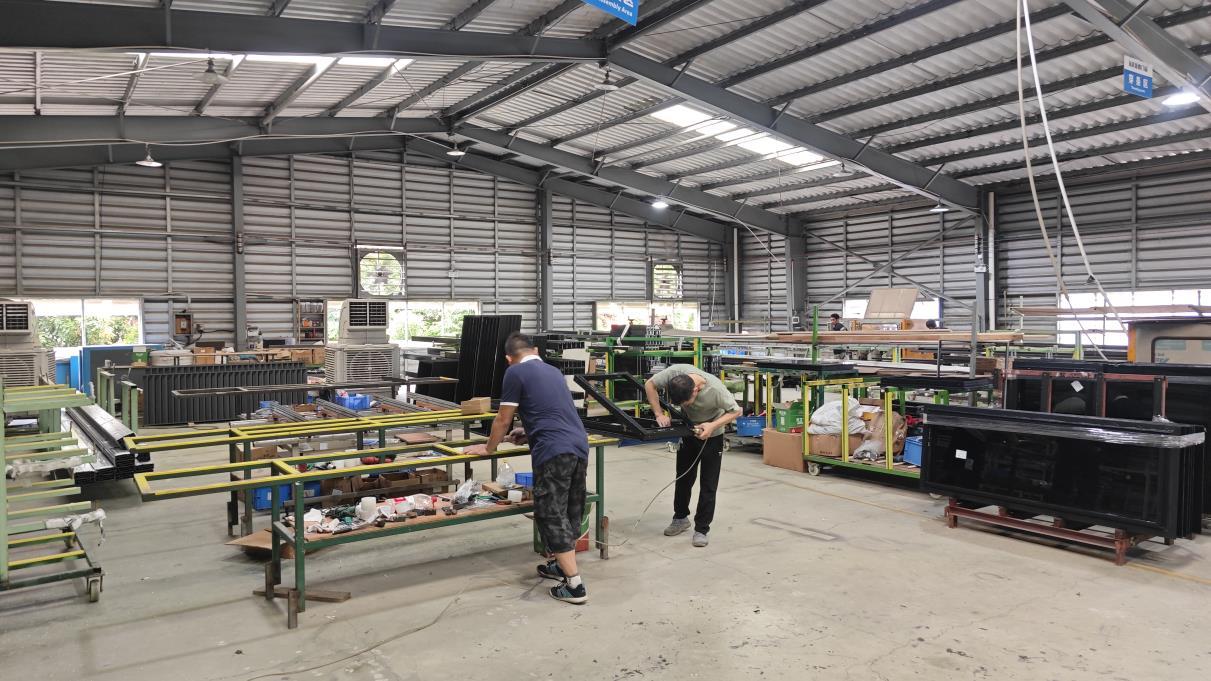
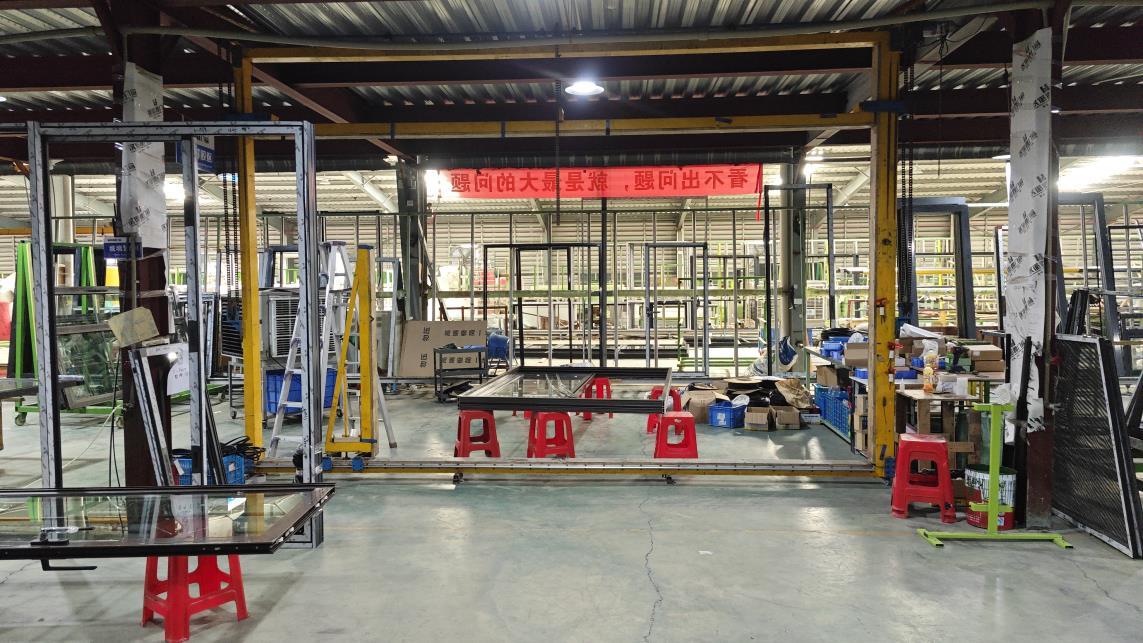
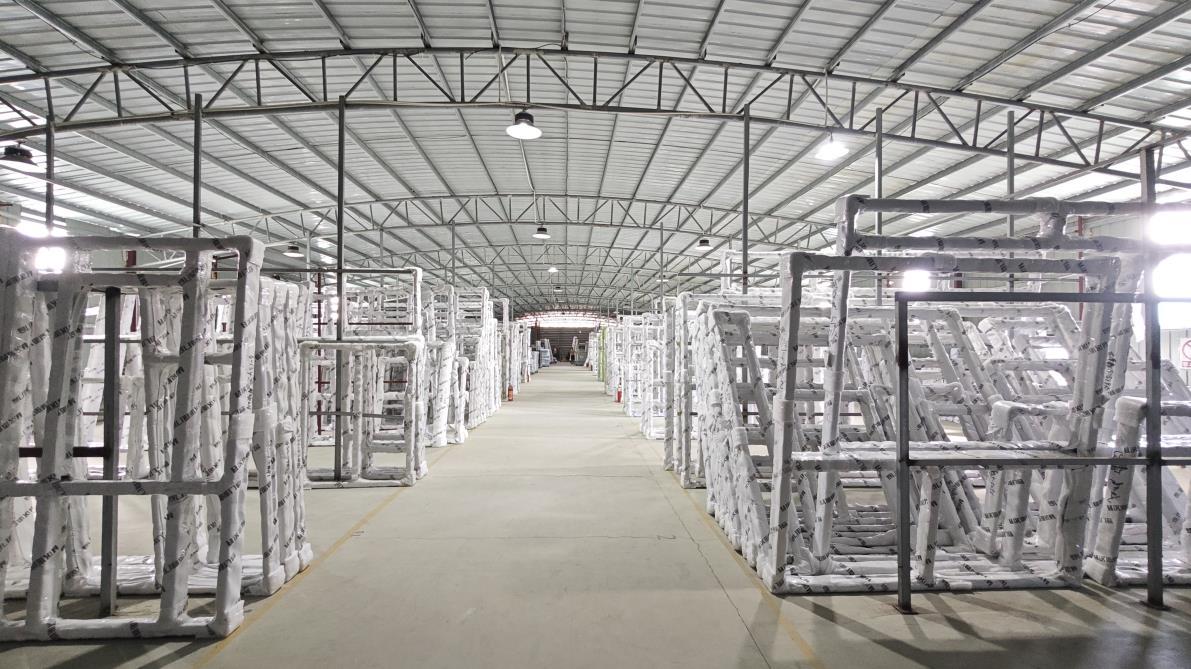
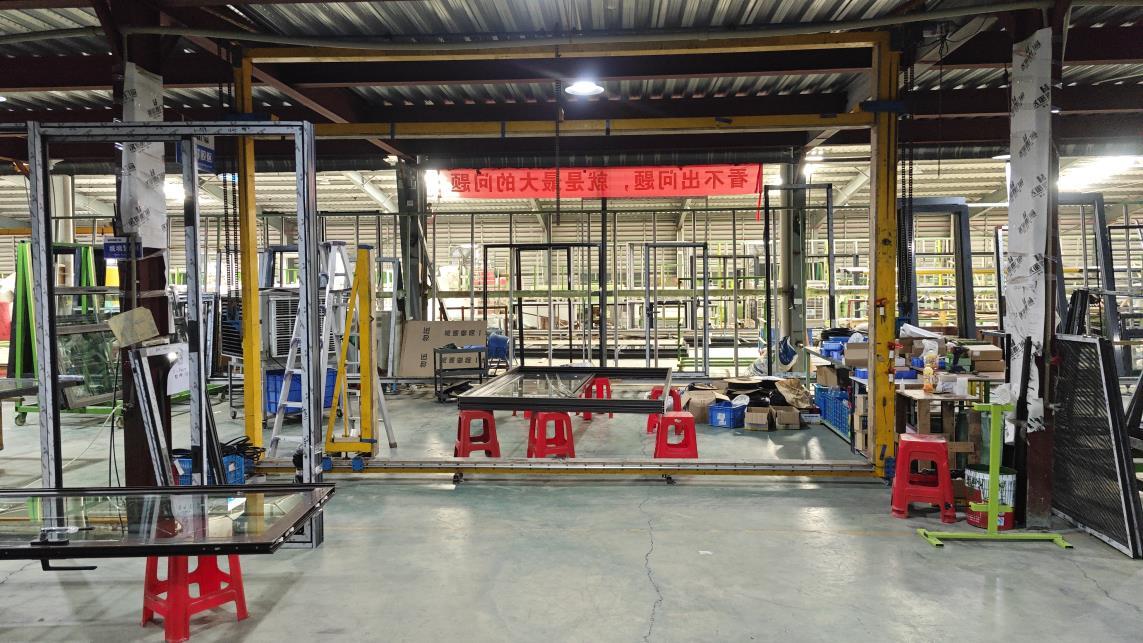
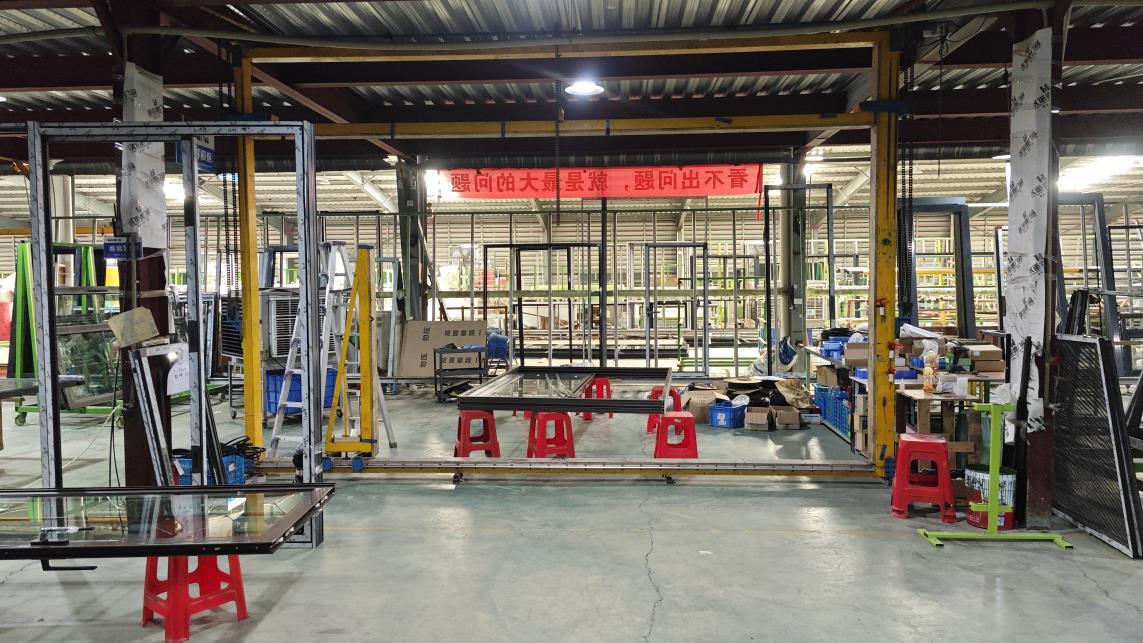
Inside our 25,000 m² advanced manufacturing facility: precision machining, automated assembly, and standardized testing racks.
B2B Buyer & Architectural FAQ
Direct answers to essential engineering, export compliance, structural customization, and logistics questions.
Specialized BiFold Application Systems
Explore specialized functional configurations tailored to high-density residential, acoustic studio, and panoramic living spaces.