Zenit Window
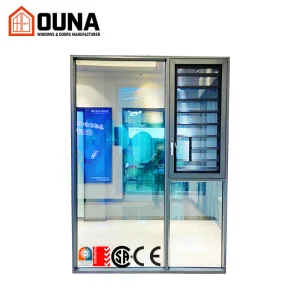
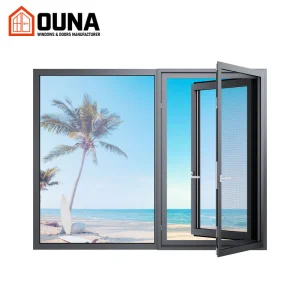
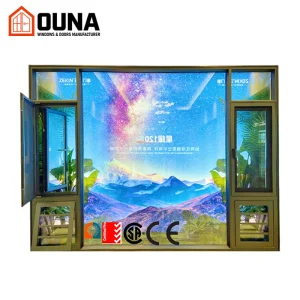
High-Performance Casement Window Solutions
Explore engineered aluminum casement fenestration systems certified for energy efficiency, extreme hurricane impact, and structural acoustic isolation.
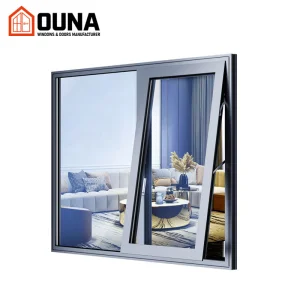
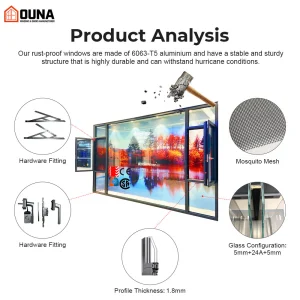
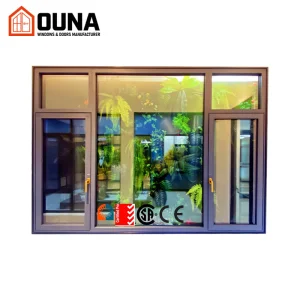
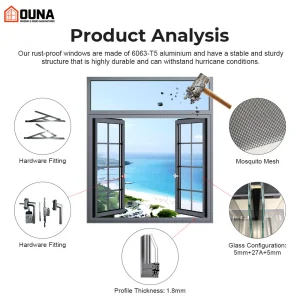
Enterprise Infrastructure & Global Capacity
Strategic overview of Chengdu Zenit Window & Door Co., Ltd. - Driving industrial innovation through smart engineering and global trade integration.
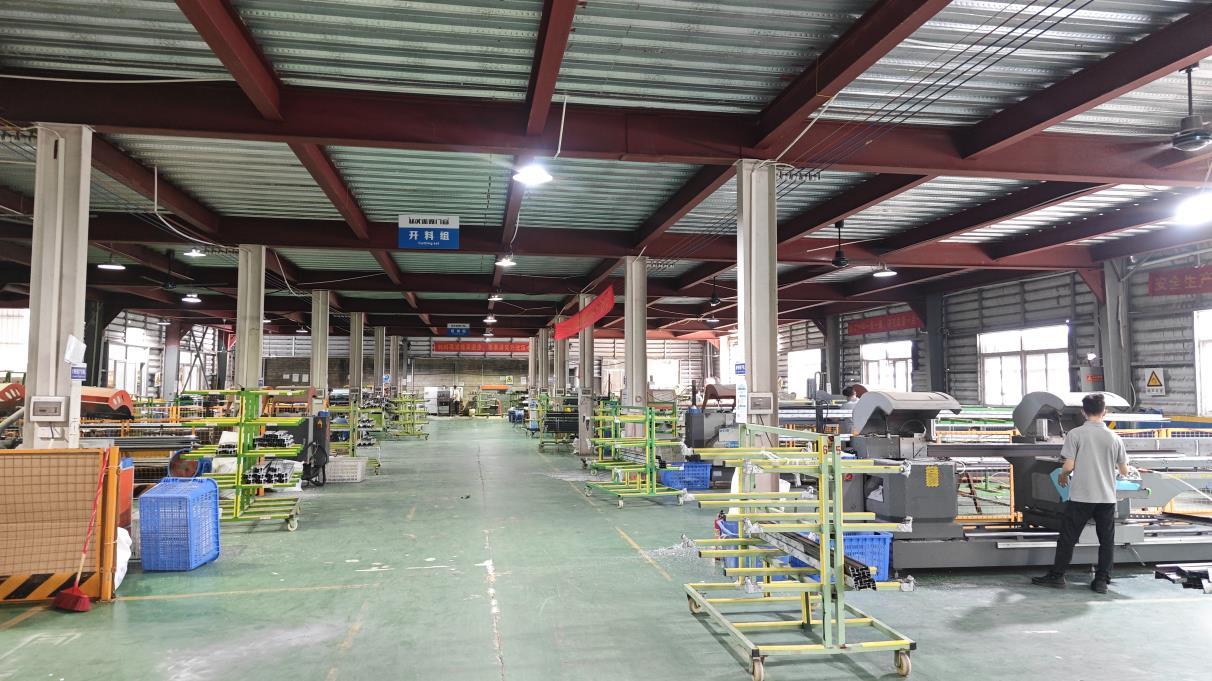
Founded in 2015, Chengdu Zenit Window & Door Co., Ltd. operates a state-of-the-art 25,000-square-meter manufacturing facility. Backed by 11 years of deep industry expertise and 8 years of global trade experience, the company achieves an annual export turnover of $26 million. Our primary export markets cover North America, Australia, and Western Europe, catering directly to high-end residential home builders, commercial architectural contractors, and building material wholesalers.
Quality control is strictly managed by a specialized team of 35 inspectors who perform rigorous air permeability testing, structural water tightness checks, and frame corner mechanical strength evaluations. Supported by over 600 trusted supply chain partners, Zenit delivers comprehensive customization options including precision thermal break profiles, custom anodized and fluorocarbon finishes, and high-performance triple-pane soundproof glass. Driven by an active R&D division of 42 engineers, we successfully released 50 new architectural window systems over the past year alone.
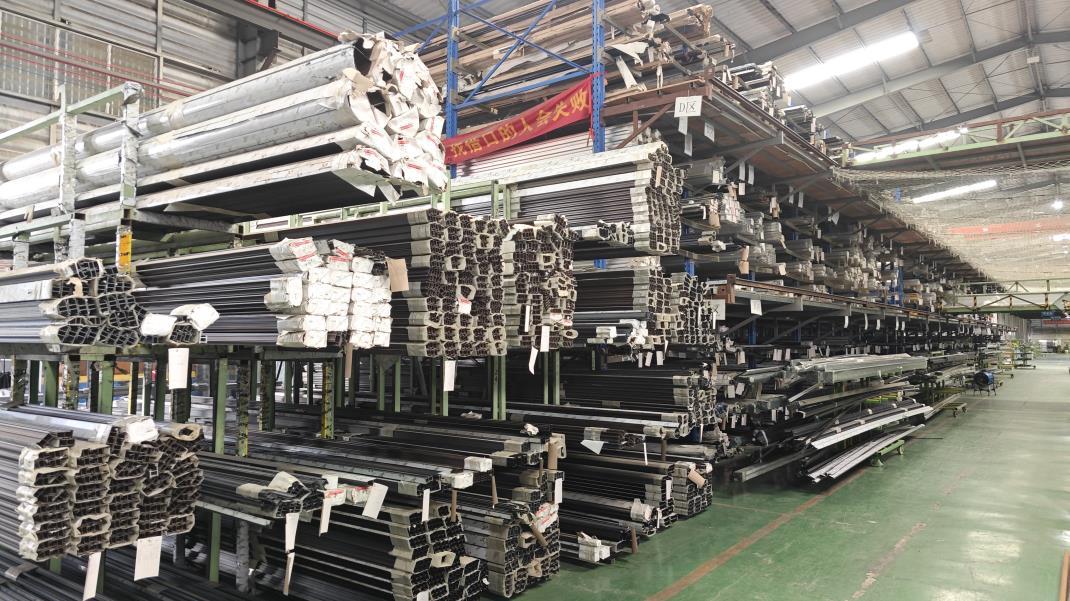
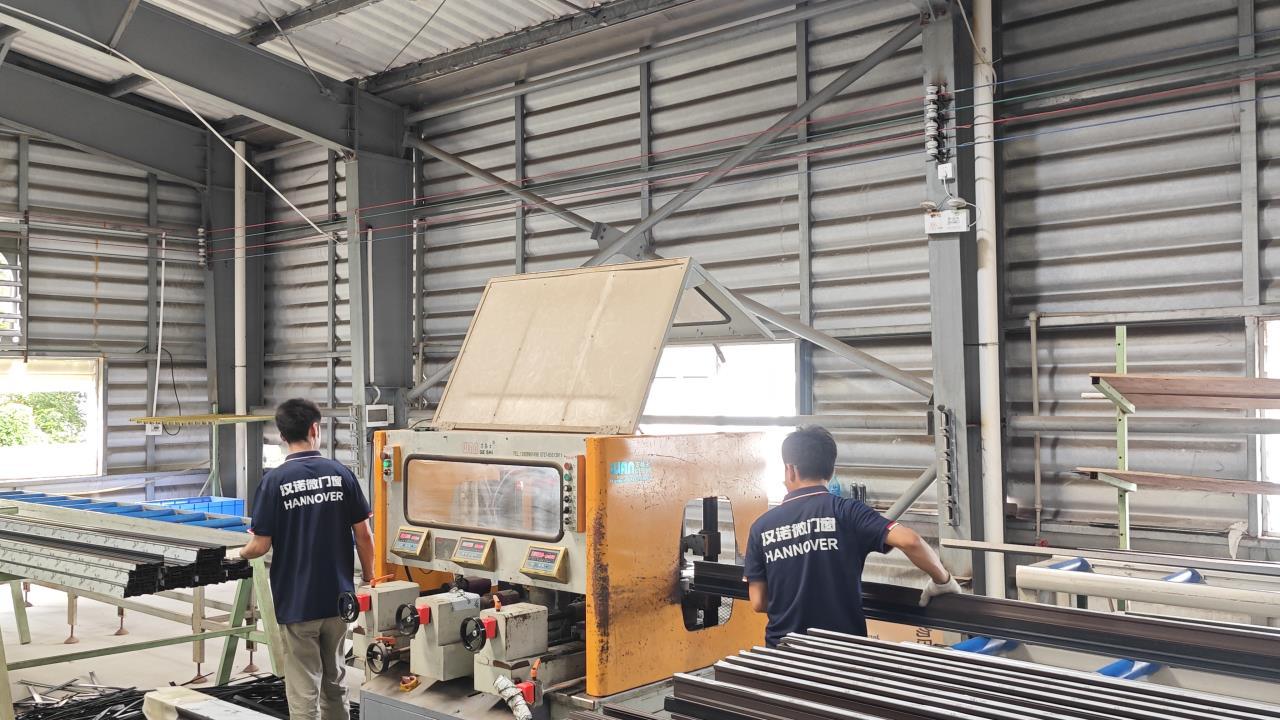
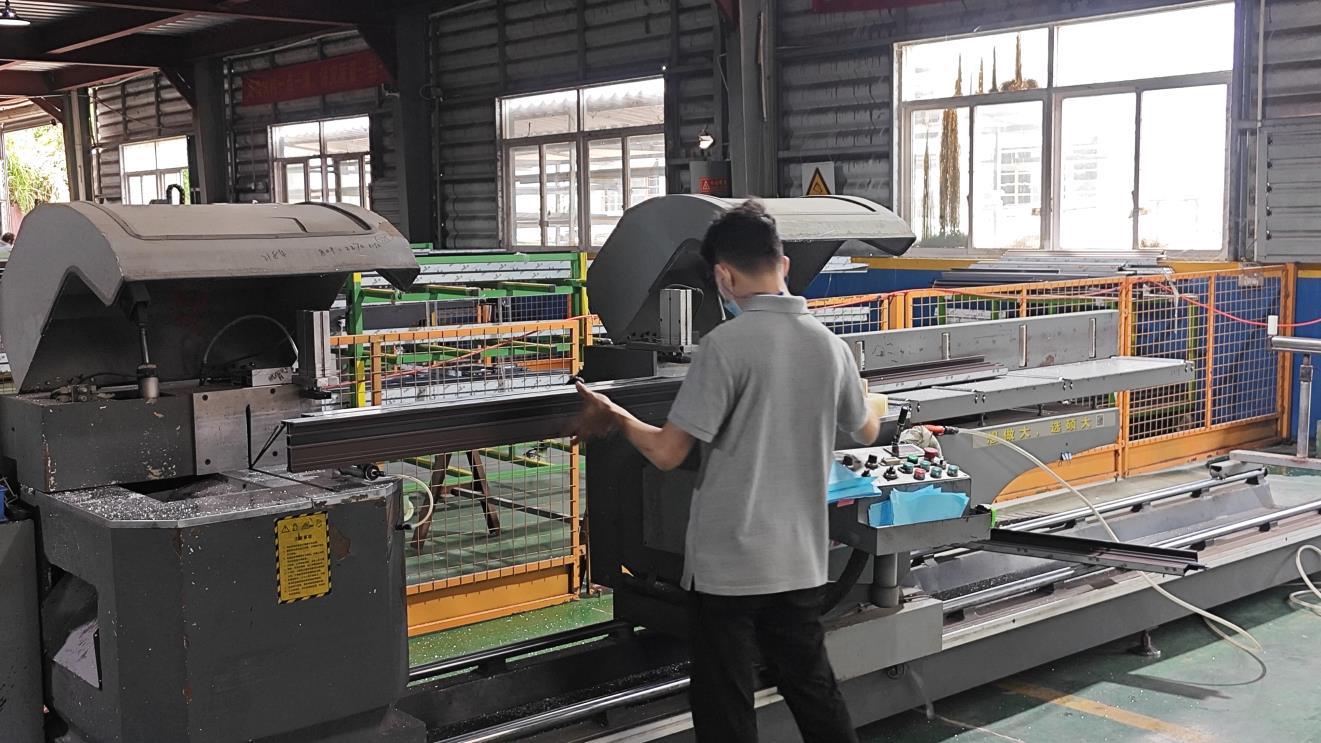
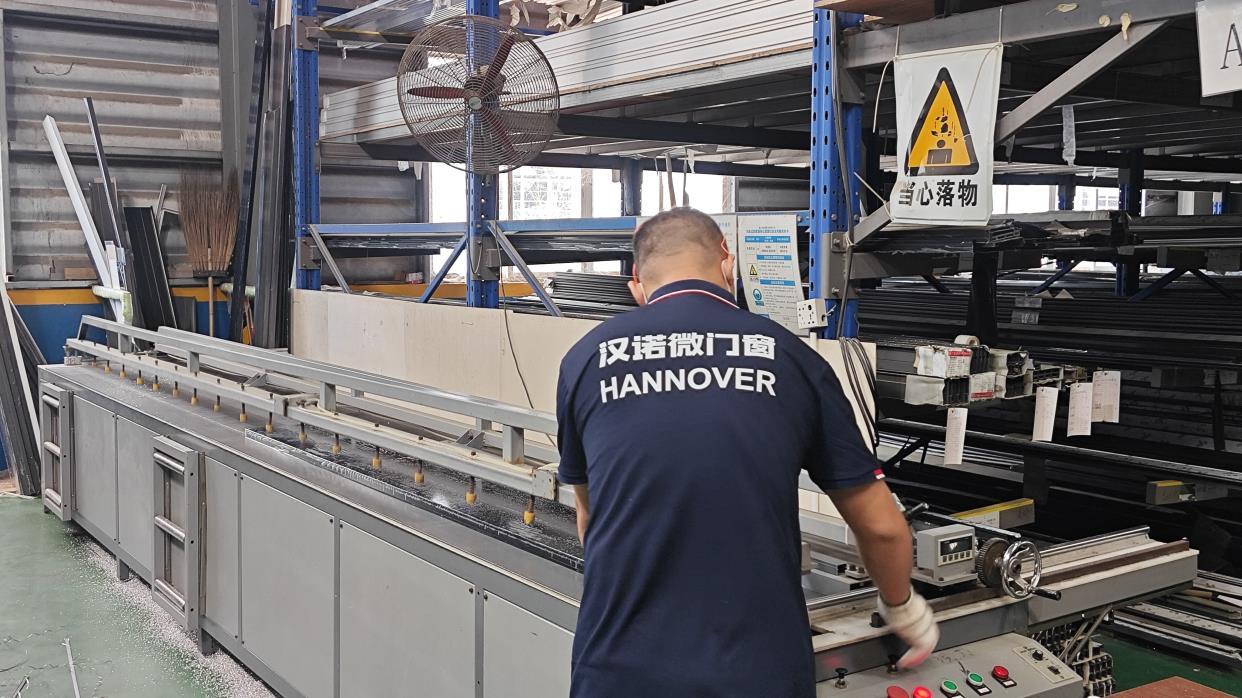
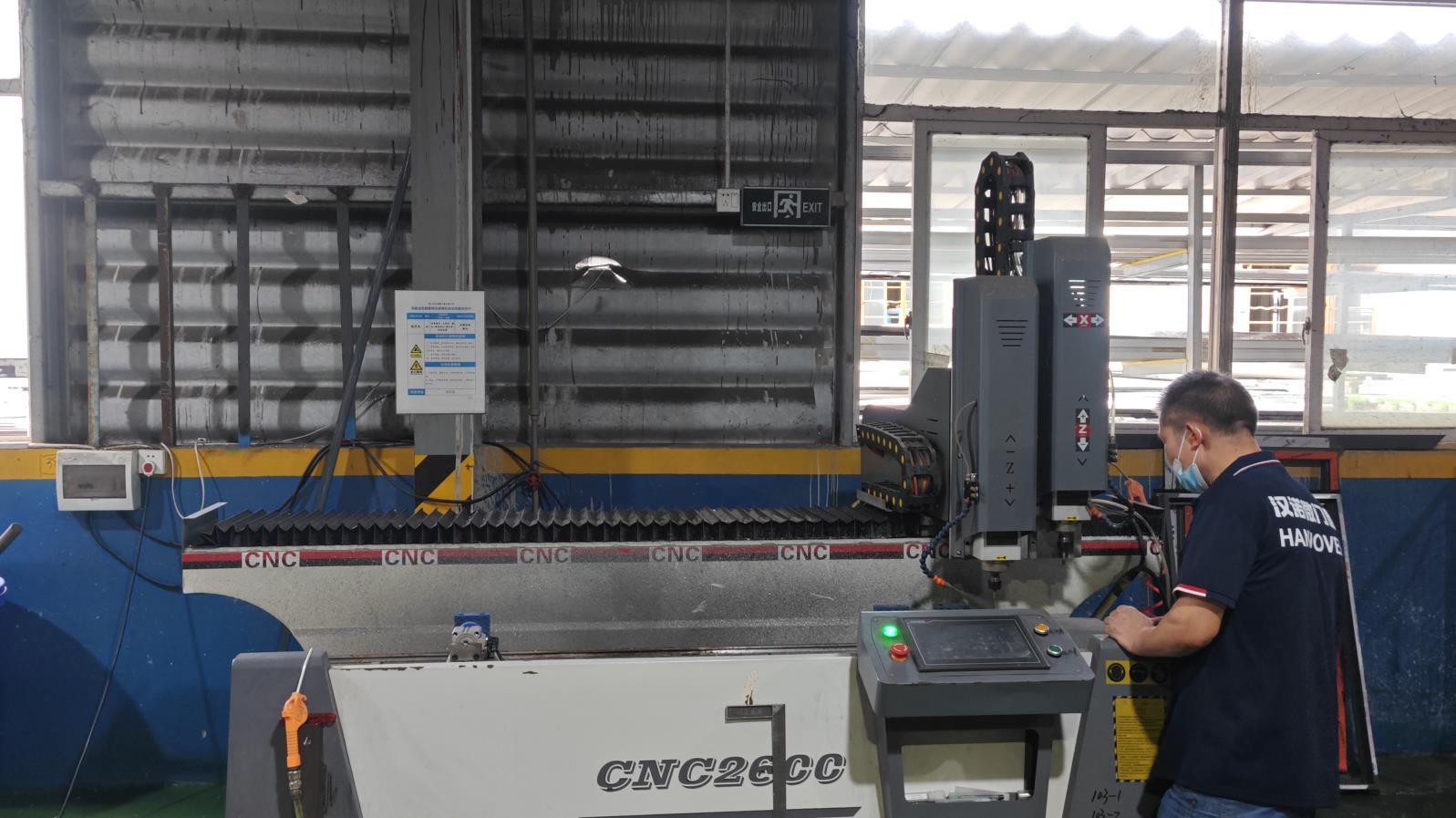
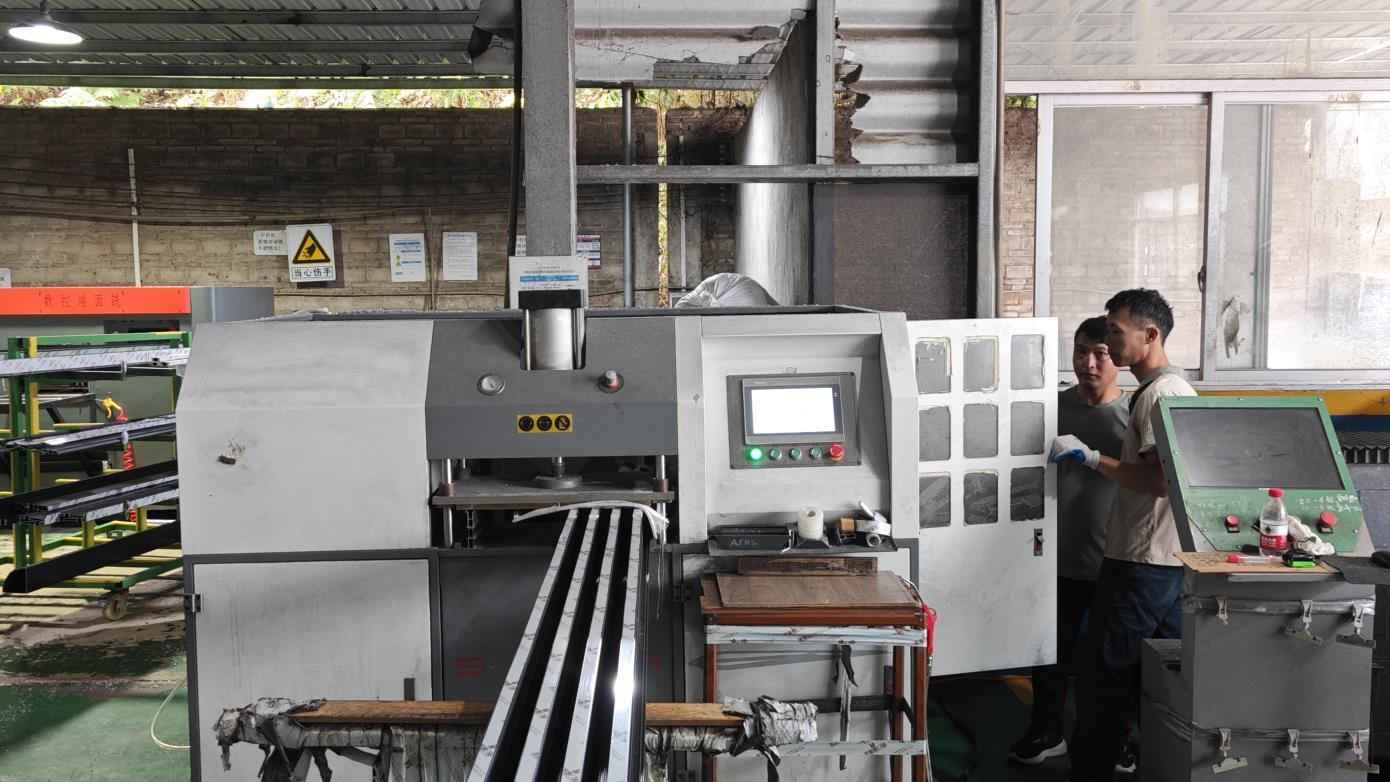
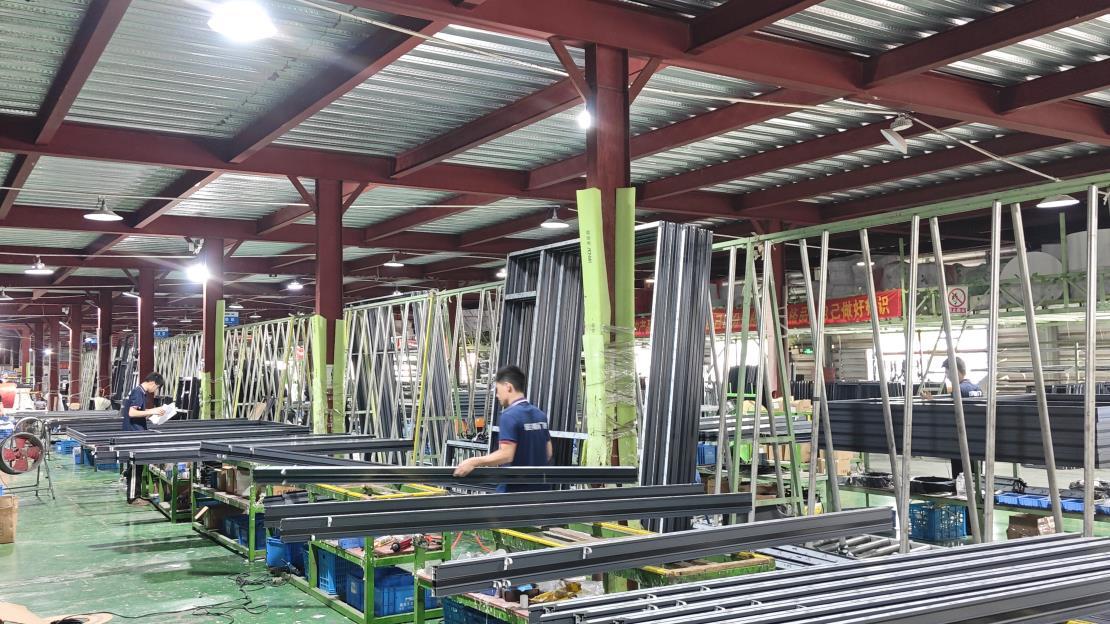
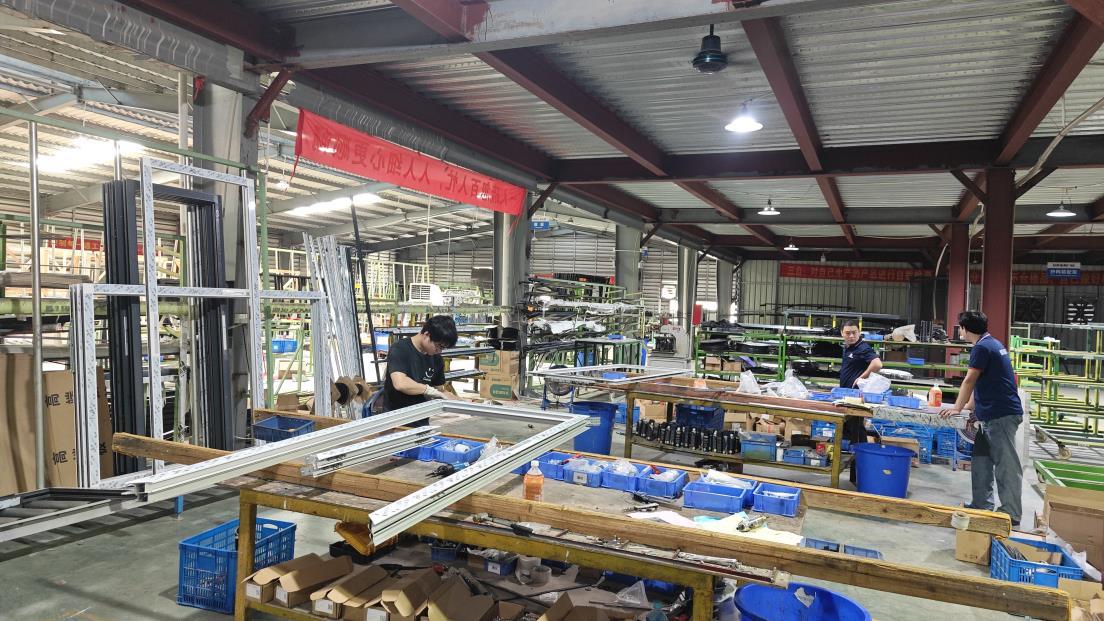
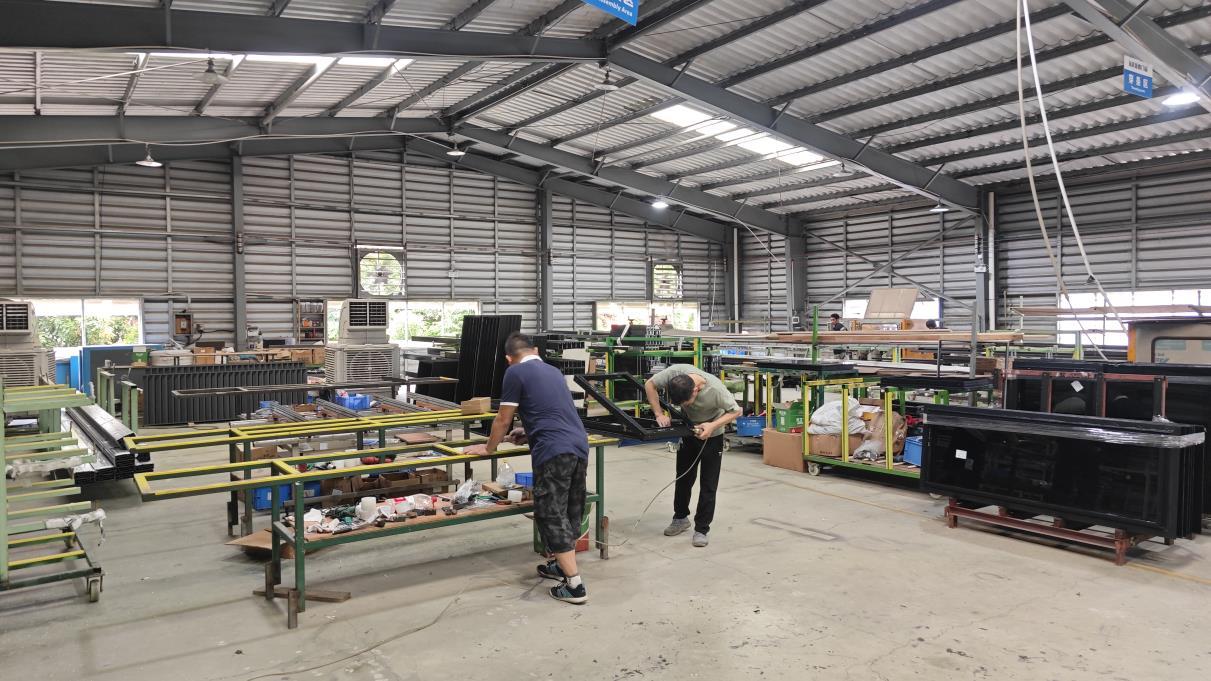
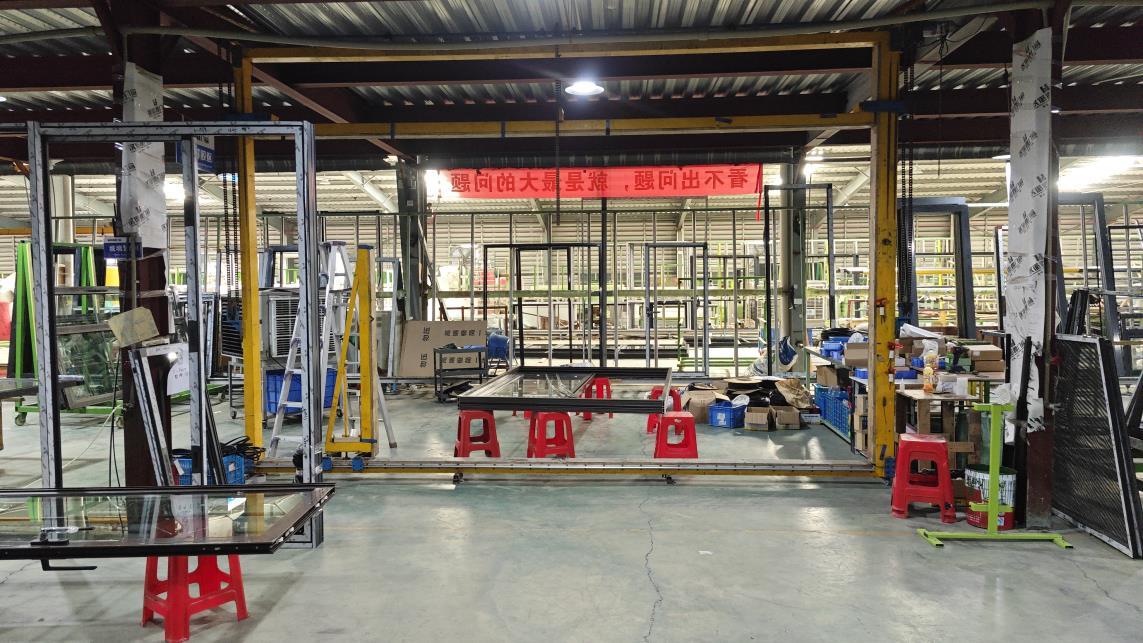
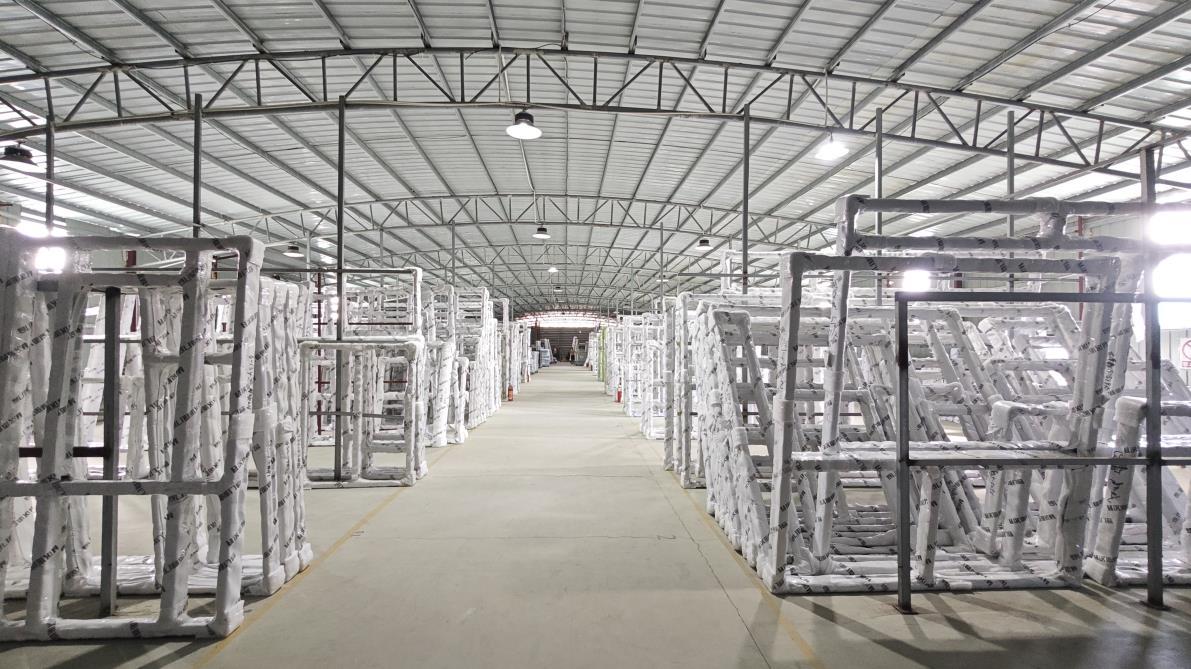
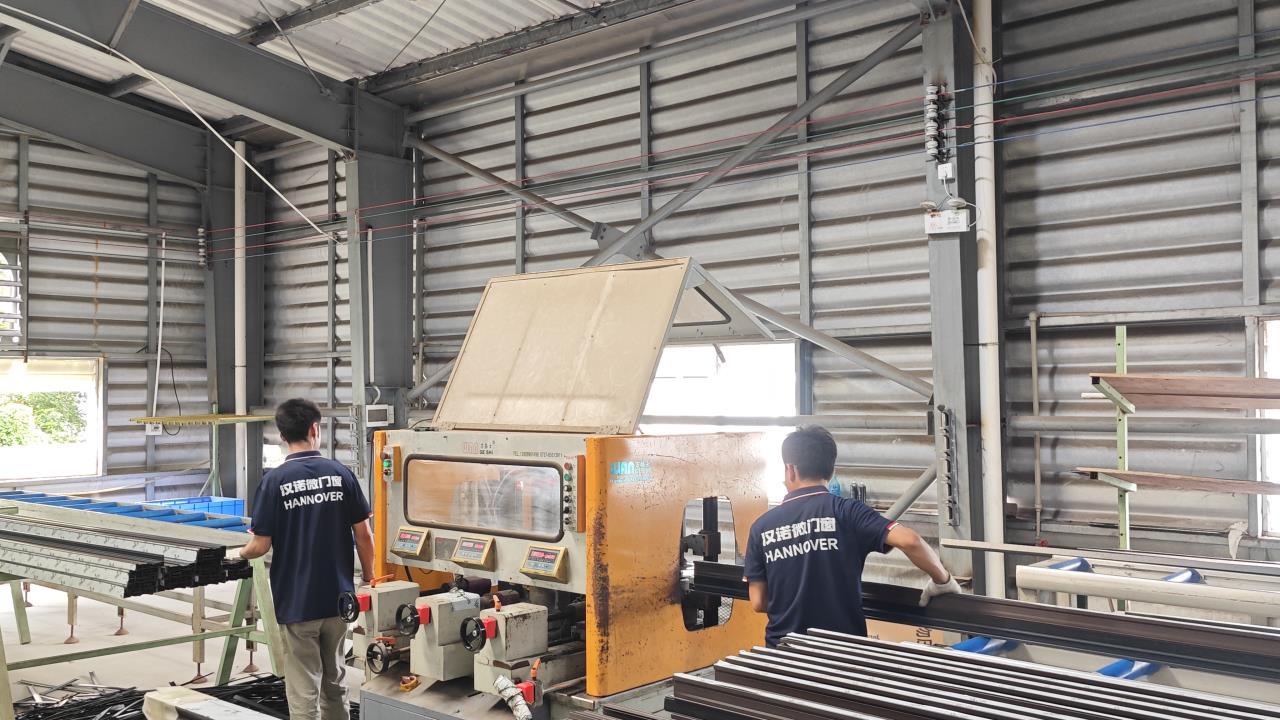
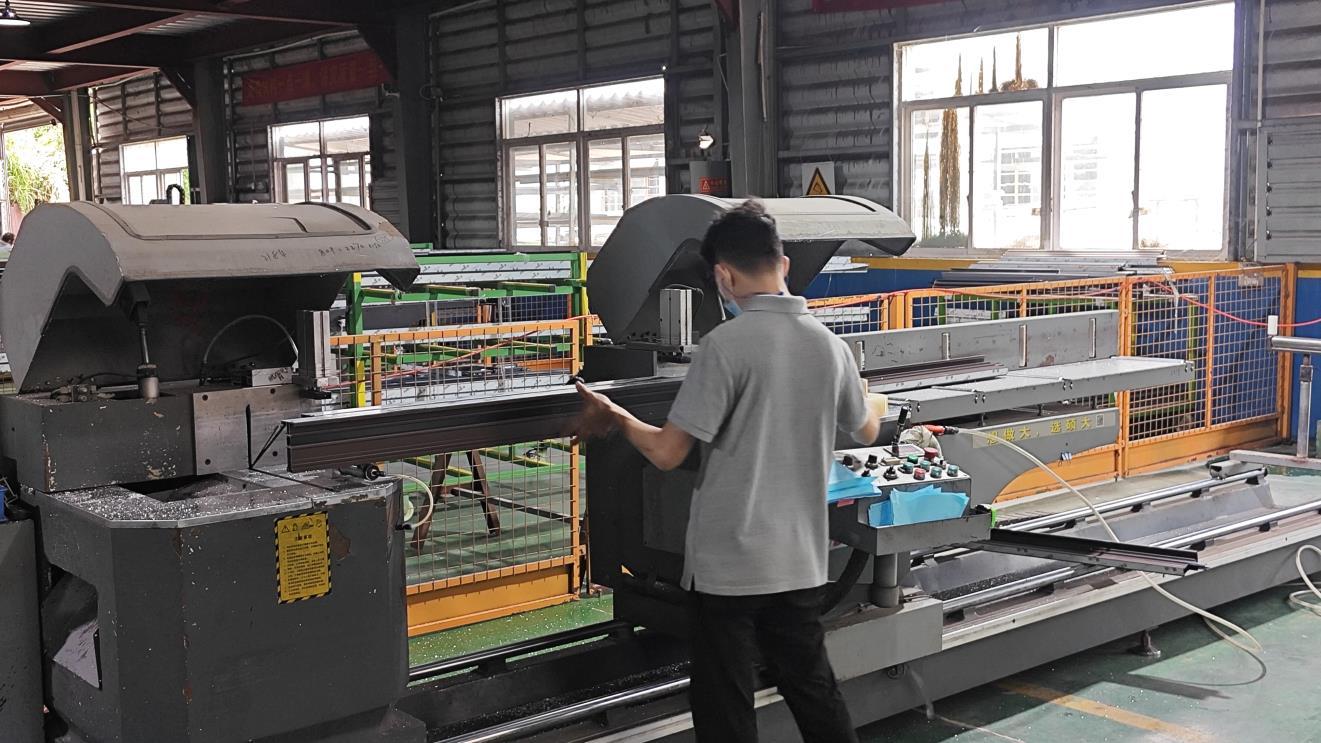
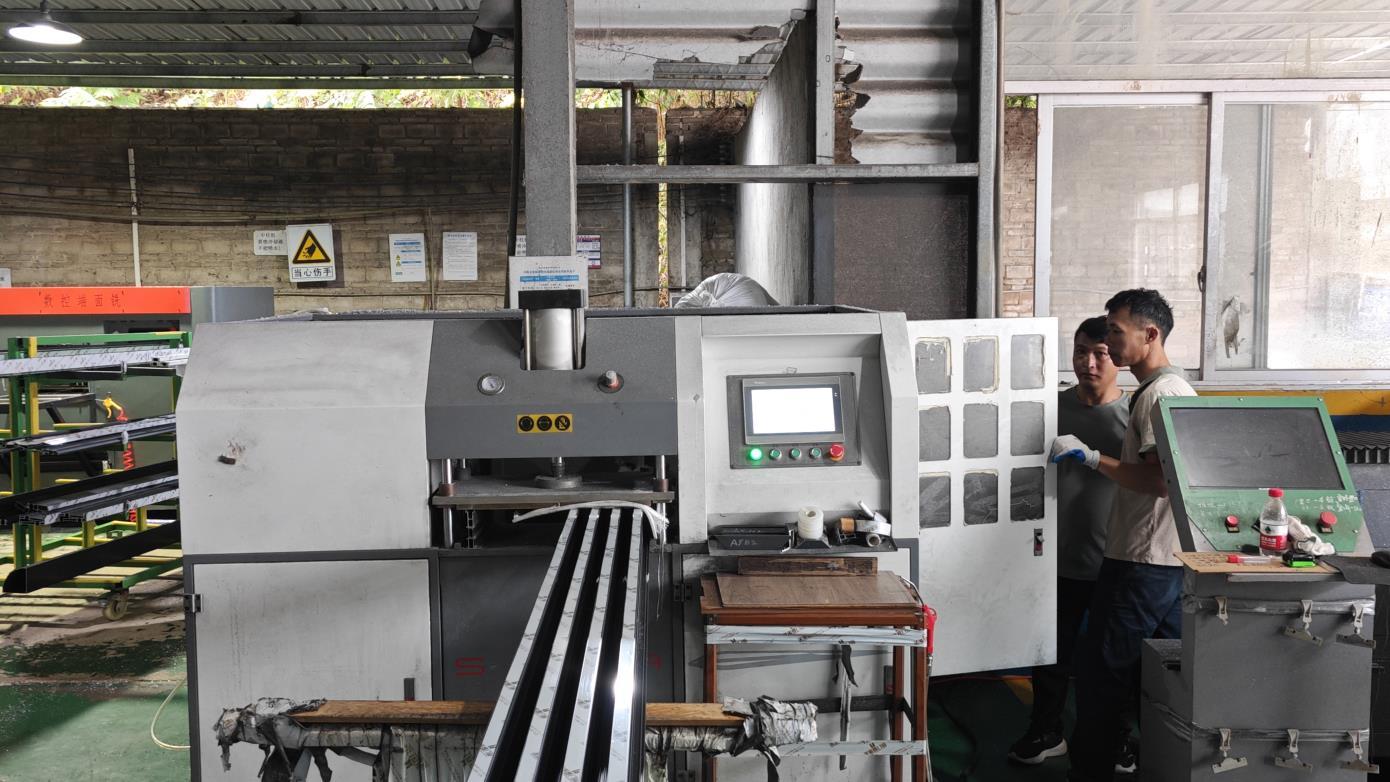
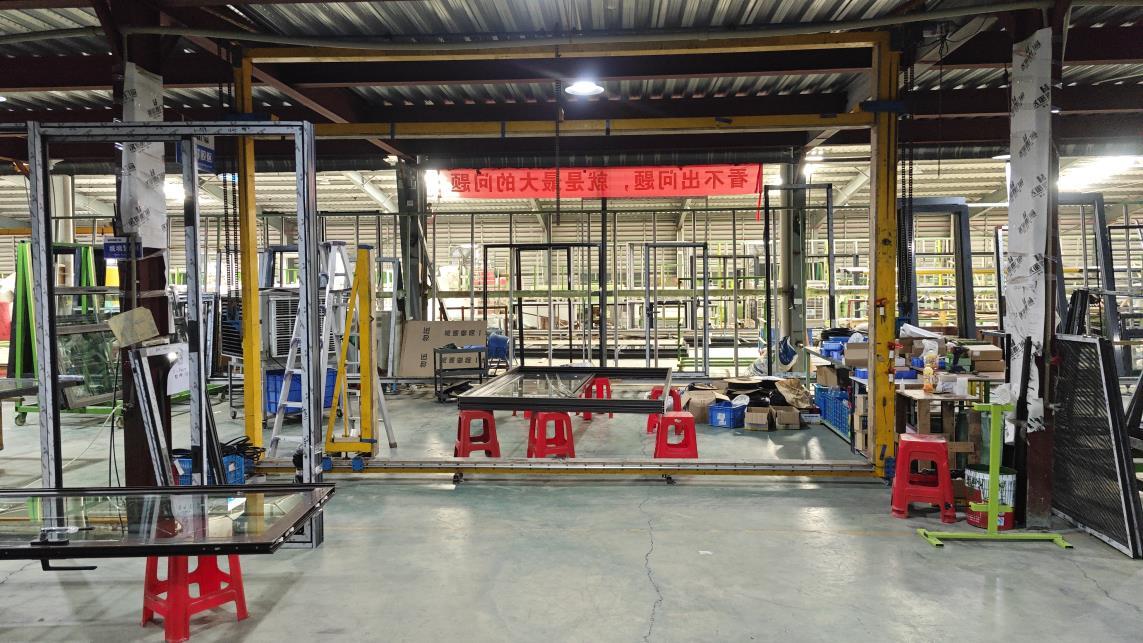
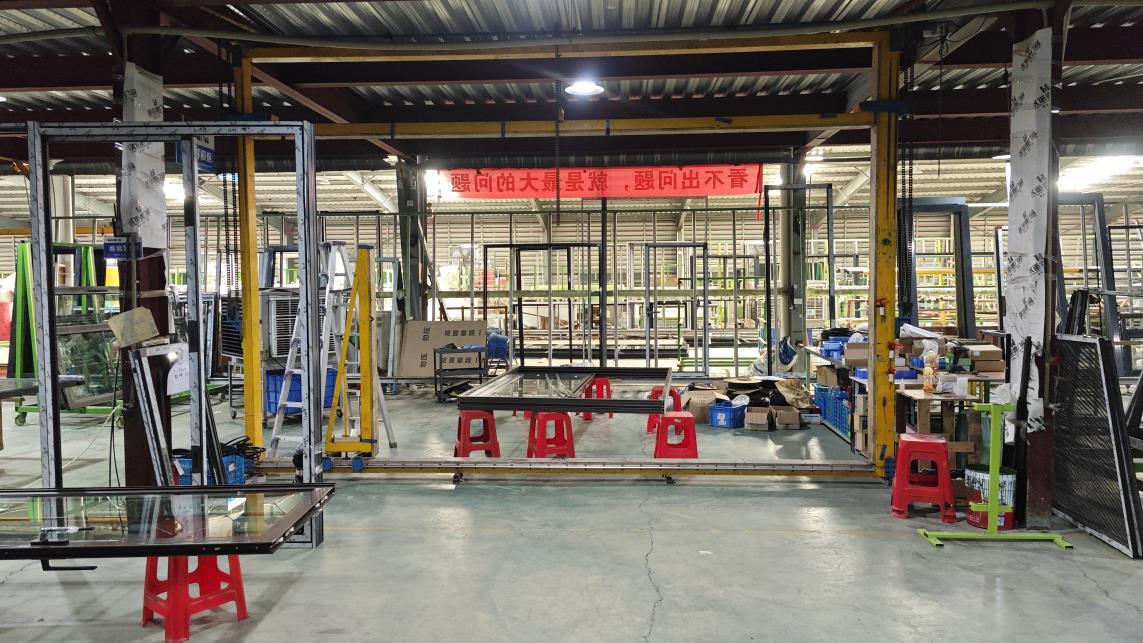
China Factory 4.0: Precision Manufacturing Process
Step-by-step technological integration inside our smart production facility. Retaining 100% full-process traceability from raw billet extrusion to final rack debugging.

Technical Whitepaper: Casement Windows Engineering & Global Sourcing
In-depth structural evaluation, thermal thermodynamics, compliance benchmarks, and supply chain risk mitigation for enterprise buyers.
1. Advanced Engineering & Technology Roadmap for Modern Casement Windows
Casement window design has evolved from basic outward-opening ventilation frames into highly complex architectural envelopes capable of structural load bearing, extreme thermal resistance, and acoustical dampening. Today's architectural projects demand precise structural calculations to minimize overall heat transfer coefficients (U-Factor) while maintaining high Solar Heat Gain Coefficients (SHGC) tailored to specific climate zones.
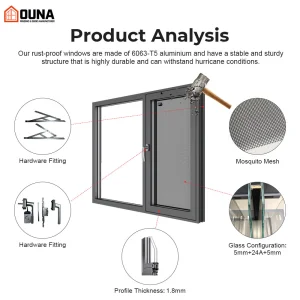
Polyamide Thermal Barriers (PA66 GF25): Modern aluminum casement systems produced at our facility utilize multi-cavity glass-fiber reinforced polyamide thermal break strips (PA66 GF25). By inserting low-conductivity polyamide isolators between inner and outer extruded aluminum profiles, heat conduction through the metal frame is virtually eliminated. This lowers overall window U-factors down to sub-1.2 W/m²K levels, effortlessly meeting Passive House standards.
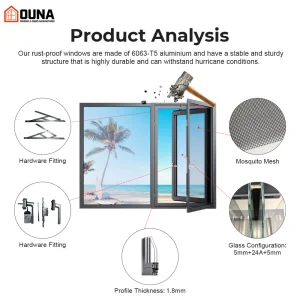
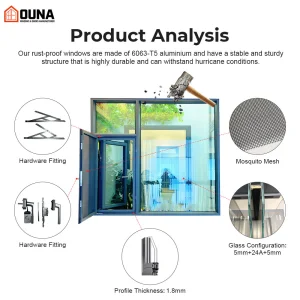
Impact-Resistant Structural Glazing & Laminated Interlayers: For high-velocity hurricane zones (HVHZ), casement sashes incorporate dual or triple tempered safety glass combined with SentryGlas® (SGP) or Polyvinyl Butyral (PVB) structural interlayers. Under severe wind loads or projectile impacts, the glass shatters safely while adhering securely to the interlayer membrane, preserving building structural integrity and preventing sudden internal pressurization.
Multi-Point Compression Locking Mechanisms: Traditional single-point latches suffer from air leakage and frame warping over time. Advanced casement systems rely on perimeter multi-point locking hardware engineered with corrosion-resistant stainless steel (SUS304/SUS316) continuous gear drives. Upon closing, multiple mushroom head rollers engage steel keepers around the sash circumference, compressing EPDM triple-seal weatherstrips evenly for superior air tightness (Class 4 EN 12207) and water resistance (900 Pa EN 12208).
2. Macro Industry Solutions & Architectural Applications
Casement windows provide distinct mechanical advantages over sliding or double-hung windows. Because the sash presses directly against the frame seals when closed, casement systems achieve unmatched air permeability and water resistance metrics, making them the preferred fenestration choice across diverse vertical markets:
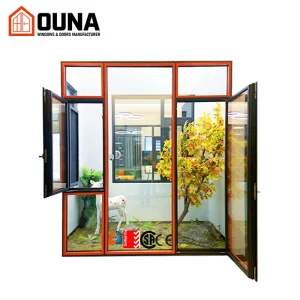
- High-End Residential Villas: Providing grand un-obstructed glass vistas with maximum clear opening areas for natural ventilation. Custom concealed hinges allow clean exterior sightlines without visible ironmongery.
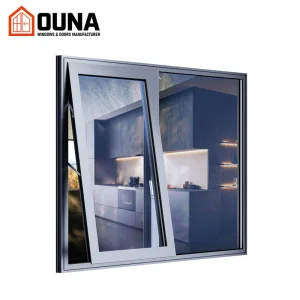
- High-Rise Commercial & Mixed-Use Towers: Tilt-and-turn modern casement configurations offer Dual-Action functionality—tilting inward from the top for secure draft-free background ventilation, or swinging inward completely for effortless glass cleaning from inside the building.
- Coastal & Extreme Weather Environments: Utilizing marine-grade powder coatings (Qualicoat Class 2 standard) and anodized aluminum treatments (25 micron depth) that resist severe salt spray corrosion (ASTM B117 tested up to 3,000 hours without oxidation).
- Net-Zero Carbon Buildings & Energy Retrofits: Integrated with argon-filled low-emissivity (Low-E) triple glazing, warm-edge composite spacers, and aerogel-infused frame insulation cores to dramatically lower heating, ventilation, and air conditioning (HVAC) operating costs.
3. Global Compliance Standards & Localization Guarantees
Navigating global window importing requires strict compliance with international architectural building codes. Zenit’s production lines are pre-certified across major international testing regimes, reducing regulatory friction for regional importers:
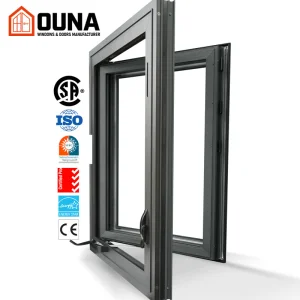
North American Market Compliance (NFRC, CSA, Florida NOA): Our casement products undergo rigorous physical structural testing per AAMA/WDMA/CSA 101/I.S.2/A440 standards. We provide certified U-Factor, SHGC, and Visible Transmittance (VT) ratings verified by the National Fenestration Rating Council (NFRC). For coastal regions such as Florida, structural hurricane casements maintain Notice of Acceptance (NOA) compliance for high-velocity hurricane zone impact resistance.
Australian Market Standards (AS2047 & AS1288): Windows destined for Australia are fully compliant with AS2047 (Windows and External Glazed Doors in Buildings) and AS1288 (Glass in Buildings). Testing covers Ultimate Limit State (ULS) wind pressure up to 4500 Pa, Water Penetration Resistance up to 700 Pa, and Air Infiltration standards, ensuring structural durability in harsh Outback and coastal climates.
European Union Standards (CE Marking & EN 14351-1): Certified to meet European harmonized standard EN 14351-1, incorporating REACH-compliant materials, non-toxic EPDM gaskets, and verified sound insulation indexes (Rw ratings up to 48 dB for heavy traffic zones).
4. Global Enterprise Procurement: TCO & Risk Mitigation
For architectural distributors, developers, and commercial contractors, window sourcing extends beyond initial unit purchasing price. Evaluating the Total Cost of Ownership (TCO) involves manufacturing precision, packaging protection, container fill-factor, and after-sales spare parts support.
Supply Chain Resilience & Direct Factory Savings: By operating directly out of Chengdu’s manufacturing hub with over 600 vertical raw material partners (from raw aluminum billets to EPDM extrusion lines), Zenit eliminates intermediary distributor markups, saving enterprise buyers between 22% and 35% on volume procurement.
Quality Assurance Protocol (35 Quality Inspectors): Every custom order passes through a strict 5-stage quality gate: raw profile alloy testing, thermal strip insertion pull-out torque verification, CNC corner crimping alignment tolerance (<0.5mm deviation), pre-glazing air/water bench testing, and continuous cycle hardware operation testing (tested to 50,000 open/close cycles).
Export-Ready Logistics Packaging: Glass and finished aluminum frames are protected with anti-scratch protective films, heavy-duty foam corner guards, and vacuum-sealed plastic wrappings before being secured inside ISPM-15 certified fumigated wooden crates or steel-framed export stillages. This prevents transit vibration damage and glass breakage during cross-ocean freight shipping.
Frequently Asked Questions (FAQ) for Global Buyers
Direct answers regarding customization, technical certifications, factory capacity, minimum order quantities (MOQ), and international logistics.
Complete Enterprise Product Line
Browse our complete catalog of certified casement fenestration systems tailored for commercial projects, luxury villas, and wholesale distribution.