What Is an Aluminum Window and Why Choose It?

Time:2026-09-30 Author:Mason
0%

An Aluminum Window is more than a slim frame around glass. It is a carefully engineered part of the building envelope. Aluminum provides strength, dimensional stability, and a clean appearance. Its narrow profiles can bring larger areas of daylight into homes, offices, and retail spaces. The material also resists warping, cracking, and insect damage. That matters in rooms exposed to strong sunlight, coastal air, or daily use.

“Windows are often the weakest link in the building envelope,” says Stephen Selkowitz, former head of the Windows and Daylighting Group at Lawrence Berkeley National Laboratory. His observation explains why choosing an Aluminum Window requires more than judging its color or price. Thermal breaks, low-emissivity glass, weather seals, drainage paths, and professional installation all affect performance. A well-designed system can reduce unwanted heat transfer and improve indoor comfort. A poorly specified one may develop condensation, air leakage, or cold interior edges.

The choice is practical.

Aluminum is also highly recyclable, which supports more responsible material use. However, it is not automatically the best option for every building. Basic frames can conduct heat quickly, especially in cold climates. Manufacturing quality varies, and attractive photographs cannot reveal every weakness. This article examines how Aluminum Window systems are made, where they perform well, and which details deserve careful questioning. The goal is not to promise perfection. It is to help readers compare profiles, glazing, hardware, finishes, and installation with clearer expectations. Small details often decide whether a window feels quiet and comfortable, or merely looks modern.
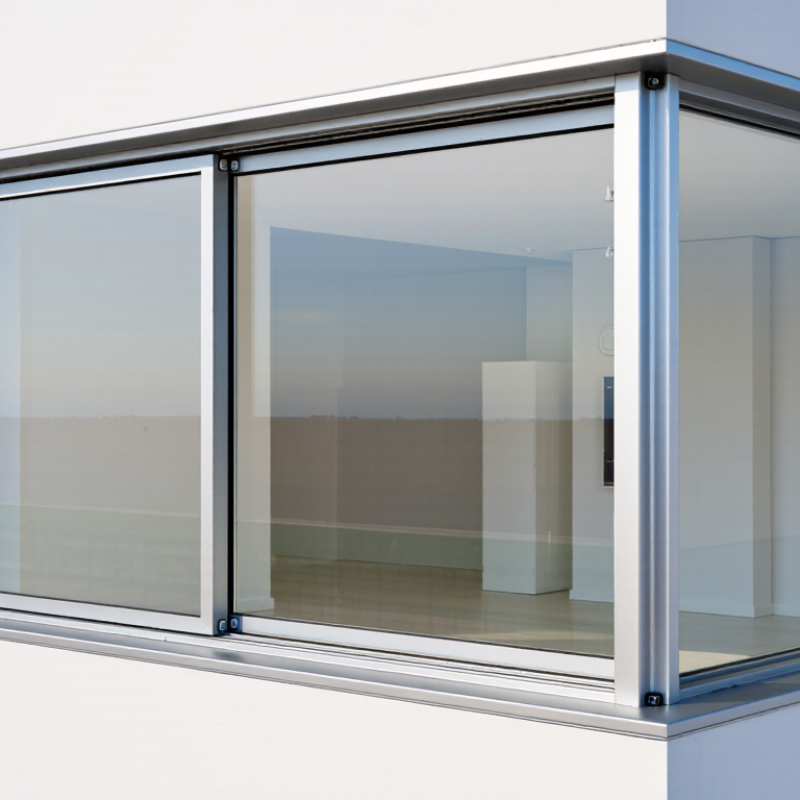
What Is an Aluminum Window and Why Choose It?

What Is an Aluminum Window?

What Is an Aluminum Window?

An aluminum window uses an aluminum frame to hold glass, seals, hardware, and drainage channels. Aluminum is light, rigid, and naturally protected by a thin oxide layer. This makes it suitable for large openings, sliding panels, and slim sightlines. In practice, the frame feels firm when a sash closes. It also resists warping better than many organic materials in changing weather.

However, an aluminum window is not automatically energy efficient. Standard metal conducts heat quickly. A modern frame usually needs a thermal break, which separates the indoor and outdoor aluminum sections with an insulating material. Glazing, edge spacers, seals, and installation also affect performance. The U.S. Department of Energy reports that windows can represent 25–30% of residential heating and cooling energy use. The frame alone never tells the whole story. Check the U-factor and solar heat gain coefficient on a National Fenestration Rating Council label. Those values are more useful than a shiny finish.

Aluminum also has a strong circularity advantage. The International Aluminium Institute states that recycling aluminum uses about 95% less energy than producing primary aluminum. Still, recycling depends on collection and proper processing. That detail is easy to overlook. For a real project, inspect drainage paths, corner joints, seal quality, and thermal-break continuity. A narrow frame may look elegant, but poor installation can create drafts, condensation, and disappointing comfort.

How Aluminum Windows Are Designed and Manufactured

What Is an Aluminum Window and Why Choose It?

How Aluminum Windows Are Designed and Manufactured

An aluminum window begins with alloy selection, not decoration. Manufacturers typically heat aluminum billets and push them through precision dies. This extrusion process creates narrow frames, drainage paths, and glazing channels in one profile. Engineers then model air, water, and structural performance before production. The U.S. Department of Energy reports that windows can account for 25–30% of residential heating and cooling energy use. Frame design matters.

Modern systems often use a thermal break between the inner and outer aluminum sections. Polyamide strips reduce direct heat transfer while preserving aluminum’s strength. Factories cut profiles with computer-controlled saws, machine drainage holes, and assemble corners by crimping or mechanical fastening. Glass units are then fitted with gaskets, spacers, and controlled sealant lines. Small details matter.

Surface finishing may include anodizing or powder coating, followed by inspection for thickness, color, and adhesion. Independent laboratories commonly test air leakage under ASTM E283 and water penetration under ASTM E331. These tests reveal weaknesses that a showroom sample cannot show. Installation remains a difficult variable. Even a carefully engineered frame may perform poorly when shims, flashing, or sealant are misplaced. The International Aluminium Institute states that recycled aluminum uses about 5% of the energy required for primary aluminum production. Designers should still consider thermal performance, repairability, and responsible material sourcing rather than treating durability as automatic.

What Is an Aluminum Window and Why Choose It? — How Aluminum Windows Are Designed and Manufactured
Design or Manufacturing Dimension Typical Specification or Process How It Works Practical Benefit Important Consideration
Frame Material Aluminum alloy profiles, commonly made from heat-treatable architectural alloys Aluminum is formed into hollow or multi-chamber profiles that provide structural support around the glass. Offers a strong, lightweight frame with good resistance to moisture, ultraviolet exposure, and corrosion when properly finished. Aluminum conducts heat more readily than materials such as wood or uPVC, so thermal-break technology is important.
Profile Extrusion Heated aluminum billets are pushed through a shaped die to create continuous profiles. The extrusion process produces precise sections for head tracks, sills, jambs, sashes, glazing beads, and mullions. Supports consistent dimensions, repeatable production, and slim frame designs. Profile geometry must be designed to balance strength, drainage, thermal performance, and manufacturing efficiency.
Thermal Break Insulating polyamide strips are inserted between the interior and exterior aluminum sections. The non-metallic barrier interrupts the direct path through which heat could travel across the frame. Reduces heat transfer, improves interior comfort, and helps limit condensation risk. Overall thermal performance also depends on glazing, seals, installation quality, and the size of the frame.
Surface Finish Powder coating or anodizing, applied after cleaning and surface preparation Powder coating adds a bonded colored layer, while anodizing creates a controlled protective oxide layer. Improves appearance and protects the aluminum from ordinary environmental exposure. Finish durability depends on coating quality, preparation, exposure conditions, and routine cleaning.
Glass Configuration Single, double, or triple insulating glass units, depending on climate and performance goals Sealed air spaces or inert-gas-filled cavities between panes reduce heat flow compared with single glazing. Can improve insulation, acoustic control, solar control, and occupant comfort. Glass selection should consider U-value, solar heat gain, visible light transmission, safety, and local climate.
Glazing System Glazing gaskets, setting blocks, pressure plates, or removable beads These components hold the glass securely while allowing controlled movement caused by temperature changes. Helps maintain stability, weather resistance, and serviceability. Incorrect glass support or gasket installation can lead to stress, air leakage, or water infiltration.
Weather Sealing Replaceable elastomeric gaskets and sealants at joints, corners, and glazing interfaces Seals close gaps and create barriers against air, water, and wind pressure. Improves resistance to drafts and rain penetration. Seals must be compatible with the frame finish and glass system and should be inspected periodically.
Drainage Design Internal sloped channels, weep holes, and sill drainage paths Any water entering the outer frame cavity is directed toward controlled drainage openings. Reduces water accumulation and protects interior finishes. Drainage openings must remain clear after installation, painting, or maintenance work.
Window Operation Fixed, sliding, hinged, awning, casement, tilt-and-turn, or folding configurations Hardware and track systems control how the sash moves and how the window closes against its seals. Provides design flexibility for ventilation, access, daylight, and space requirements. Operating type affects maintenance needs, hardware loads, ventilation area, and weather performance.
Structural Performance Determined by profile depth, alloy properties, reinforcement, glass weight, and opening size The frame transfers wind and operating loads to the surrounding wall through anchors and fasteners. Allows narrow sightlines while maintaining the required level of strength when correctly engineered. Large openings and high-wind locations require project-specific structural calculations.
Air and Water Resistance Improved through continuous gaskets, sealed corners, interlocking profiles, and effective drainage The assembled frame creates multiple barriers that limit uncontrolled air movement and rain entry. Helps improve indoor comfort and protect adjacent building materials. Performance depends on the complete installed window, not the frame material alone.
Acoustic Performance Influenced by glass thickness, laminated glass, air spaces, frame seals, and installation Different glass layers and sealed cavities reduce the transmission of selected sound frequencies. Can improve comfort in urban, commercial, and high-traffic environments. Acoustic results vary by frequency and should be evaluated using tested assembly data.
Manufacturing Quality Control Profile inspection, dimensional checks, coating checks, hardware testing, and assembly verification Quality checks confirm that components meet design tolerances before delivery and installation. Improves consistency, operation, durability, and weather performance. Factory quality cannot compensate for poor site measurements or incorrect installation.
Installation Interface Anchors, shims, backer rods, perimeter sealants, flashing, and compatible insulation materials The window is connected to the wall while maintaining alignment, movement allowance, and a continuous weather barrier. Helps transfer loads and reduce air and water leakage around the opening. Installation should follow the project specification and account for thermal and structural movement.
Durability and Maintenance Routine cleaning, drainage inspection, gasket checks, and hardware lubrication when required Removing dirt and checking moving parts helps preserve seals, finishes, tracks, and operating components. Aluminum frames generally require less routine maintenance than many organic frame materials. Avoid abrasive cleaners, blocked drainage holes, and incompatible chemicals that may damage finishes or seals.
Sustainability Aluminum can be recycled repeatedly, subject to collection and remelting infrastructure. Recovered aluminum can be processed into new products, reducing the need for primary material production. Supports circular-material strategies and long service life when the window is properly designed and maintained. Environmental impact also includes smelting energy, coatings, glass production, transport, and end-of-life recovery.
Why Choose Aluminum? Strength, slim profiles, design flexibility, finish options, durability, and recyclability The material combines structural capability with adaptable extrusion and finishing processes. A suitable choice for residential, commercial, and architectural projects requiring durable frames with clean sightlines. Choose a thermally improved system and verify tested performance for the specific climate, building type, and opening size.

Key Features and Benefits of Aluminum Windows

What Is an Aluminum Window and Why Choose It?

Key Features and Benefits of Aluminum Windows

Aluminum windows use lightweight metal frames to support glass panels in homes and commercial buildings. Their slim profiles create wider viewing areas and allow more daylight indoors. In field inspections, installers often value aluminum for its stable shape and straightforward handling. It does not swell like untreated wood when exposed to moisture. Properly finished aluminum also resists rust and everyday weathering.

Thermal performance depends on more than the frame material. A thermal break separates the interior and exterior aluminum sections, reducing heat transfer through the frame. Double or triple glazing can improve insulation, comfort, and outside-noise control. Quality gaskets help block drafts and rain. Installation still matters greatly. Even a well-designed window can perform poorly when gaps remain around the opening.

Aluminum frames need limited maintenance, usually involving gentle cleaning and periodic hardware checks. Their durable coatings can retain color, although harsh chemicals may damage the surface. Many aluminum products can also be recycled at the end of their service life. That benefit deserves careful attention, not blind praise. Energy savings vary with climate, glass selection, orientation, and installation quality. A larger glass area may look impressive, but it can increase solar heat indoors. Homeowners should review local weather conditions, frame specifications, drainage details, and warranty terms before choosing a system.

Common Types and Applications of Aluminum Windows

What Is an Aluminum Window and Why Choose It?

Aluminum windows use lightweight metal frames to hold glass securely. They resist warping, insects, and everyday moisture. Their slim profiles also allow larger glass areas and brighter interiors. However, aluminum conducts heat, so modern frames often include thermal breaks and insulated glass.

Common types suit different building needs.

Sliding aluminum windows move horizontally and work well in bedrooms, balconies, and compact kitchens. Casement windows open outward with hinges, offering strong ventilation and a tight seal. Awning windows hinge at the top, helping protect rooms from light rain. Fixed windows do not open, but they provide clear views beside operable sections. Tilt-and-turn designs offer controlled airflow and easier cleaning. Folding systems can create wide openings for patios, cafés, and meeting rooms.

Applications vary by climate and building use. Homes often combine sliding and casement units for flexible ventilation. Offices may use fixed glazing with narrow operable windows to maintain clean lines. Retail spaces benefit from large aluminum storefront windows and durable entrance frames. Coastal projects need suitable finishes and careful drainage because salt air can accelerate corrosion.

A practical detail matters here: poorly adjusted hardware may cause drafts, even with excellent frames. I have seen attractive installations fail because the sill lacked proper drainage. Measurements, glass selection, and professional fitting deserve equal attention. Aluminum is reliable, but it is not maintenance-free. a little care helps.

Factors to Consider Before Choosing Aluminum Windows

What Is an Aluminum Window and Why Choose It?

An aluminum window uses lightweight metal frames to support glass panels and hardware. Its strength allows slimmer profiles and larger openings. However, material choice should follow site conditions, not appearance alone. The U.S. Department of Energy reports that windows can account for 25–30% of residential heating and cooling energy use. A thermally broken frame can reduce heat transfer through the metal, but glass, seals, and installation also matter. A strong frame cannot fix poor fitting.

Before choosing aluminum windows, check the U-factor and solar heat gain coefficient. Lower U-factor generally means better insulation. SHGC should match the local climate and window direction. South- or west-facing glass may need stronger solar control. In coastal areas, ask about corrosion-resistant finishes and drainage details. Noise exposure also deserves attention; laminated or thicker glass may improve comfort. The International Aluminium Institute reports that recycled aluminum requires about 5% of the energy used for primary production. That supports circular design, although recycling depends on collection and processing systems. This detail is easy to overlook.

Tips: Request performance data, not only catalog images. Compare the complete window system, including glass and spacers. Inspect corner joints and seals on a sample. A cheaper frame may create higher cooling costs later. I have seen buyers focus on slim sightlines and underestimate installation quality. That choice can lead to drafts, condensation, and disappointing comfort. Check local weather, wall conditions, and maintenance access before ordering.

FAQS

What is an aluminum window?

It uses an aluminum frame to hold glass, seals, hardware, and drainage channels. The frame is light, rigid, and resistant to warping.

Are aluminum windows energy efficient?

They can be, but aluminum alone transfers heat quickly. Look for thermal breaks, insulated glass, reliable seals, and careful installation. A shiny frame proves very little.

What are the main benefits of aluminum windows?

Slim frames provide wider views and more daylight. Aluminum also handles moisture, insects, and changing weather without swelling like untreated wood.

What types of aluminum windows are available?

Common options include sliding, casement, awning, fixed, tilt-and-turn, and folding designs. Each type suits different ventilation and opening needs.

Where are aluminum windows commonly used?

They work in homes, offices, shops, balconies, kitchens, and patios. Large storefronts and wide folding openings are especially practical applications.

Do aluminum windows require regular maintenance?

Maintenance is limited, not absent. Clean the frames gently, check hardware periodically, and keep drainage paths clear. Small neglect can become a draft.

How should I evaluate window performance?

Review the U-factor and solar heat gain value. Also inspect glazing, edge spacers, gaskets, corner joints, and thermal-break continuity.

Are aluminum windows environmentally responsible?

Aluminum can be recycled with much lower energy use than producing new material. Recycling still depends on collection and proper processing. That benefit deserves careful, not automatic, praise.

Can aluminum windows cause condensation or drafts?

Yes, especially when thermal breaks, seals, drainage, or installation are poor. I would not trust appearance alone. Check the sill after rain.

Conclusion

An Aluminum Window is a window system made primarily from lightweight, strong aluminum frames that support glass panels and moving parts. Its design and manufacturing typically involve shaping aluminum profiles, applying protective finishes, assembling hardware, and installing suitable glass to achieve strength, smooth operation, and reliable performance. Aluminum windows can be customized in various styles, including sliding, casement, awning, fixed, and folding designs, making them suitable for homes, offices, commercial buildings, and other construction projects.

The main advantages of aluminum windows include durability, resistance to moisture and corrosion, slim frames, low maintenance, and flexible appearance options. They can also provide excellent natural lighting and support modern architectural designs. Before choosing an aluminum window, homeowners and builders should consider thermal insulation, glass type, frame quality, size, opening style, weather conditions, installation requirements, security features, and overall budget. Selecting the right combination of materials and specifications can improve comfort, energy efficiency, appearance, and long-term value.

Mason

Mason

Mason is a seasoned marketing professional with a deep expertise in the company's offerings and a passion for driving brand awareness. With a strong background in digital marketing strategies, he has an innate ability to connect with diverse audiences and effectively communicate product benefits.......