Choosing Aluminium Windows & Doors is not just a style decision. The right choice should suit your home, local climate, and daily routines. A slim frame may bring more daylight into a living room, while a well-sealed door can help reduce draughts near a busy entrance. Small details matter.
Architect Ludwig Mies van der Rohe is often associated with the words, “God is in the details.” That idea applies here: inspect the frame finish, corner joints, drainage paths, locking points, and glazing specifications. Ask suppliers about thermal performance, water resistance, hardware, and warranty terms. Compare the full product specification, not just the frame’s appearance or quoted price. A large south-facing window, for example, may need different glass from a shaded bedroom window.
Installation counts, too. Even a carefully made frame may perform poorly if it is measured or fitted badly. Check that the installer has relevant experience, and ask how they handle sealing and adjustment. If possible, look at a completed project nearby. It can reveal details a brochure misses.
There is no single best system. A practical choice balances appearance, comfort, maintenance, and budget. I would not pretend that one product suits every building; it doesn’t. Before deciding, compare written specifications and ask questions until the answers make sense.
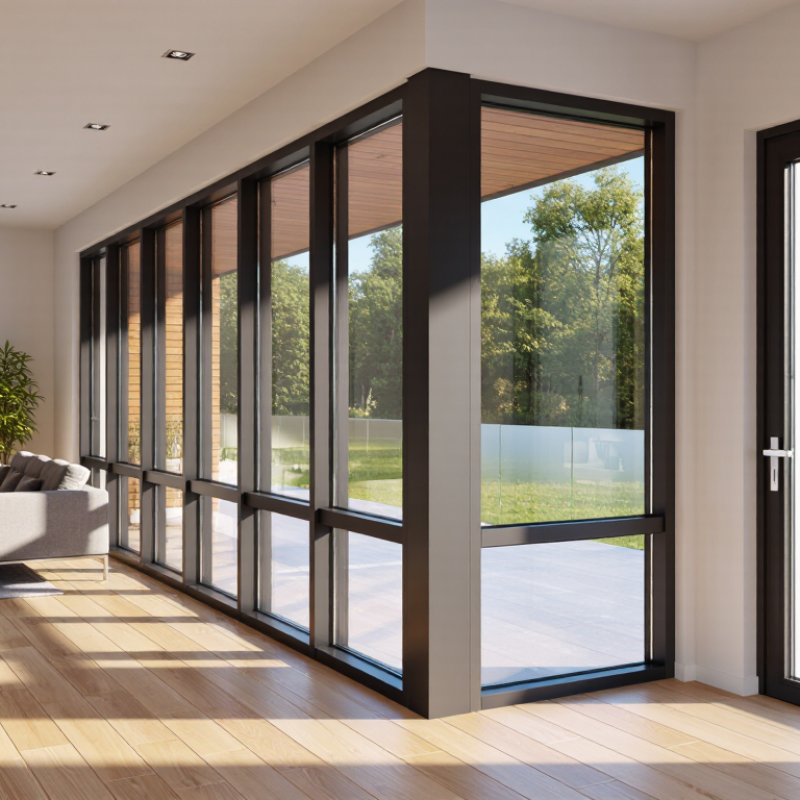
Define Your Needs, Budget, and Site Conditions
How to Choose Aluminium Windows and Doors
Start by defining what each opening must do. A kitchen window may need easy cleaning and controlled ventilation. A street-facing bedroom may need better noise reduction and privacy. Record opening sizes, direction, and daily use before requesting quotes. Measure twice. Then set a realistic budget for frames, glazing, installation, and finishing—not just the product price. The first estimate is rarely the final one.
Site conditions can change the specification. Note strong afternoon sun, coastal air, driving rain, and nearby traffic. Ask suppliers about thermal breaks, drainage, hardware, and glass options suited to those conditions. The U.S. Department of Energy’s Energy Saver guidance says windows can account for 25–30% of residential heating and cooling energy use. That makes glass performance worth comparing alongside frame cost. Check product ratings, including U-factor and solar heat gain coefficient, rather than relying on vague claims. Small details matter. I would still revisit the budget after a site survey; early assumptions often miss awkward access or uneven openings.
Tips: Photograph each opening inside and out, and note its width, height, and exposure. Ask for itemized quotes with glazing and installation listed separately. Compare like with like. For sunny rooms, discuss solar control; for colder climates, prioritize lower heat loss. A quiet-looking sample may not predict real noise performance.
Choosing Aluminium Windows and Doors: Compare Thermal Performance
Use whole-window U-factor as one point of comparison when defining your needs and budget. Lower values indicate less heat transfer; the best choice also depends on your climate, site exposure, daylight needs, and installation details.
Illustrative typical ranges only, shown as midpoint values. Actual performance varies with the frame, glazing, spacers, window size, and test standard. Confirm rated whole-window values for the specific product and project.
Select Glazing for Energy Efficiency and Comfort
Glazing affects comfort as much as the aluminium frame. Look for the whole-window U-value, which indicates how quickly heat escapes; a lower value generally means better insulation. Low-emissivity coatings can reduce heat transfer, while double or triple glazing adds insulating air or gas spaces. The best choice depends on local weather, window direction, and room use. South-facing glass may need solar control to limit summer heat, while a shaded room may benefit from more daylight. Details matter.
Tips: Compare whole-window ratings, not glass-only figures. Ask about solar heat gain and visible light. Check that the glass specification suits each elevation.
More glass is not always better. A large west-facing door can make a room uncomfortably warm, even with efficient glazing. In colder areas, insulating glass helps, but poorly sealed edges can still cause drafts or condensation. Ask the installer how the glass, spacers, seals, and aluminium frame work together. If product data is unclear, pause and request it in writing. Ratings help, but they cannot predict every room’s comfort perfectly.
How to Choose Aluminium Windows and Doors — Select Glazing for Energy Efficiency and Comfort
| Glazing option |
Indicative centre-of-glass U-factor
(W/m²·K) |
Solar heat gain coefficient
(SHGC) |
Visible transmittance
(VT) |
Comfort and energy considerations |
Often suitable for |
| Double glazing, clear glass, air-filled |
2.7–3.0 |
0.65–0.75 |
0.70–0.80 |
Allows substantial daylight and solar heat, but provides less insulation than low-emissivity glazing. |
Mild climates or locations where winter solar gain is useful and cooling demand is limited. |
| Double glazing, low-e coating, argon-filled |
1.1–1.6 |
0.35–0.65 |
0.55–0.75 |
The low-e coating reduces heat transfer; the coating type affects how much solar heat and daylight pass through. |
A balanced option for many homes; select the coating according to climate and window orientation. |
| Triple glazing, low-e coatings, argon-filled |
0.6–1.0 |
0.30–0.60 |
0.45–0.70 |
Usually reduces heat loss and improves interior glass-surface comfort, but adds weight and can reduce daylight. |
Cold climates, exposed locations, or rooms where improved winter comfort is a priority. |
| Double glazing, solar-control low-e |
1.1–1.7 |
0.20–0.40 |
0.35–0.65 |
Limits solar heat gain and can help reduce overheating; lower SHGC may also reduce useful winter sun. |
Hot climates, sun-exposed façades, or rooms with high cooling loads. |
| Acoustic laminated double glazing |
Varies by build-up; check tested product data |
Varies by glass and coating |
Varies by glass and coating |
A laminated pane can improve sound reduction and retain fragments if broken; acoustic performance depends on the full glazing and frame assembly. |
Homes near roads or other noise sources; compare tested acoustic ratings for the complete window. |
|
How to use these figures: Ranges are indicative examples for glazing only, not guaranteed ratings for a complete window or door. Actual values vary with pane thickness, cavity width, gas fill, coating, and test method. A lower U-factor means less heat transfer; a lower SHGC means less solar heat gain; a higher VT means more visible daylight. For aluminium frames, check whole-product ratings and consider thermally broken frames, airtight installation, orientation, shading, and local climate.
|
Evaluate Security, Hardware, and Accessibility Features
Aluminium frames can be sturdy, but security depends on the complete window or door assembly. Check that each lock engages smoothly, rather than catching only when the handle is forced. Open and close a sample several times; a stiff latch may point to poor alignment or unsuitable hardware. Look for multiple locking points and hinges designed to resist lift-out. Ask how replacement parts are sourced, since a worn mechanism should not make the whole unit unusable. Small details matter.
Accessibility deserves the same close inspection. Test handles from a seated position and with one hand, if that reflects how the opening will be used. A comfortable grip, low operating force, and manageable threshold can make daily movement easier, especially when carrying groceries or using a mobility aid. Sliding doors save swing space, but tracks can collect grit and create a bump underfoot. Hinged doors may allow a flatter threshold, yet need room to open. Try actual samples. Ask whether adjustments are possible after installation. Measure the finished floor, handle height, and clear opening width, then compare them with furniture and everyday routes. It is easy to overlook a chair placed beside the doorway.
Check Standards, Installation, and Maintenance Requirements
When comparing aluminium windows and doors, check the performance documents, not just the frame finish. Requirements vary by location, so confirm which building standards apply to your project. Look for test information covering air leakage, water penetration, wind resistance, and thermal performance. If glazing is included, verify that its safety rating suits the opening and location. Ask for written specifications. Verbal assurances are easy to forget.
Installation affects how well a product performs. The opening should be measured at several points, since older walls are rarely perfectly square. Frames need to sit level and plumb, with fixings suited to the wall material. Proper flashing and drainage paths help keep rainwater from collecting at the sill. Avoid filling every gap with sealant; some systems need designated drainage or ventilation routes. Small details matter. Have the installer explain how the frame will be sealed before work begins.
Maintenance needs should be clear before you buy. Ask how often to clean tracks, inspect seals, and check hardware. A soft brush can remove grit from sliding tracks; abrasive pads may damage the finish. Look for cracked sealant, loose handles, or water marks after heavy rain. Keep records. Even a good checklist can miss a detail, so inspect the finished installation in daylight and raise concerns while access is still easy.
Conclusion
Choosing Aluminium Windows & Doors starts with understanding your needs, budget, and site conditions. Consider the size and purpose of each opening, the local climate, available space, and the style of your home. Compare frame types, finishes, configurations, and opening styles to find options that balance appearance, durability, and everyday convenience.
Glazing also affects comfort, energy use, and noise levels, so select it according to your climate and priorities. Review security features, hardware quality, and accessibility, including ease of operation for everyone in the household. Before making a decision, check relevant product standards, confirm that installation will suit the building, and understand the maintenance required. Comparing these factors together can help you choose a practical, comfortable, and long-lasting solution.
 Zenit Window
