Zenit Window
CE Certified Fenestration Solutions (Part 1)
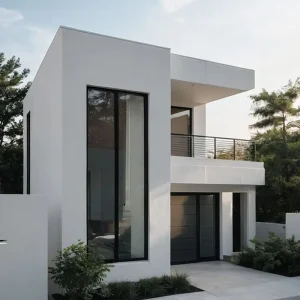
OUNA Hot Climate Fixed Window With Anti UV Coated Glass and Marine Grade Aluminum for Coastal Areas Hurricane Resistant Design
View Product Specifications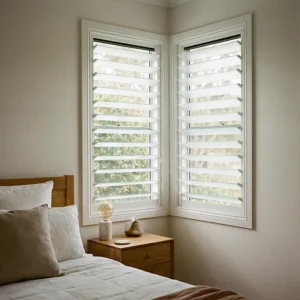
OUNA Modular Aluminum Louvre Panels Easy Installation System for Large Facade Areas Custom Sizes and Configurations
View Product Specifications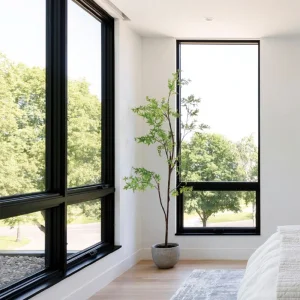
OUNA Professional Aluminum Fixed Window Manufacturer Thermal Break Design for High Rise Building With CE Certification
View Product Specifications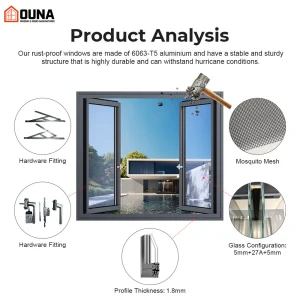
OUNA High Quality Black Powder Coated Aluminum Casement Window Double Glazed Tempered Glass Soundproof Thermal Insulation Window
View Product Specifications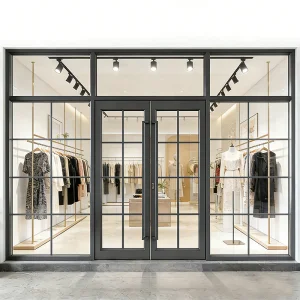
OUNA High Strength Commercial Exterior Glass Storefront Door Stainless Steel French Design Windproof Aluminum Alloy Construction
View Product Specifications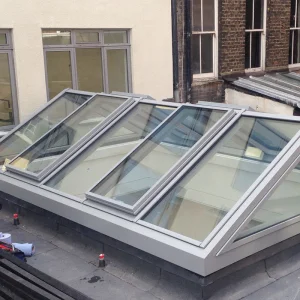
OUNA Home Office Reading Nook Skylight Reduces Eye Strain with Balanced Natural Light Quiet Electric Operation for Focus
View Product Specifications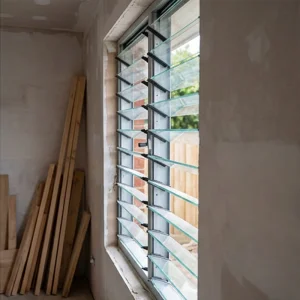
OUNA Insect Screen Integrated Aluminum Louvre Blades Allows Unrestricted Ventilation While Blocking Bugs Ideal for Tropical Area
View Product Specifications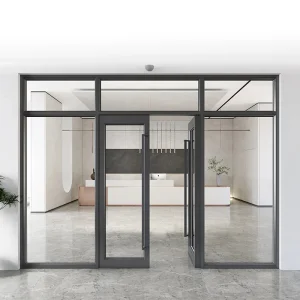
OUNA Commercial Heavy Duty Thermal Break Aluminum Door, True Divided Lite French Entry Door with Glass Panes for Shopfront
View Product SpecificationsIn the contemporary global construction ecosystem, the selection of fenestration systems—specifically CE certified aluminum and glass doors—represents a crucial intersection of architectural aesthetics, structural integrity, and energy conservation metrics. Commercial buyers, real estate developers, and engineering procurement contractors (EPCs) are facing increasingly stringent international building codes, such as the European Union’s Energy Performance of Buildings Directive (EPBD) and North American NFRC thermal performance mandates. Choosing a qualified aluminum and glass door factory is no longer merely a commercial purchasing decision; it is a long-term risk mitigation and sustainability strategy.
Founded in 2015, Chengdu Zenit Window & Door Co., Ltd. has established itself as an industry leader operating a state-of-the-art 25,000-square-meter integrated manufacturing facility. Backed by 11 years of deep industry expertise and 8 years of global trade experience, Zenit delivers an impressive annual export turnover of $26 million. Serving premier clients across North America, Western Europe, and Australia, our commercial footprint provides architectural solutions tailored to residential home builders, structural contractors, and building material distributors worldwide.
The global market for architectural aluminum and glass systems is undergoing a rapid evolution driven by decarbonization targets, urban high-density living, and extreme weather resilience demands. Understanding these macro shifts allows project managers to specify systems that avoid premature obsolescence and maximize building lifecycle value.
1. Low-U Thermal Break Engineering
Traditional aluminum profiles are inherently conductive. Modern CE-compliant factories now utilize high-performance Polyamide (PA66 GF25) thermal barriers that isolate interior and exterior aluminum frames, reducing U-factors down to below 1.2 W/m²K for passive house compatibility.
2. Ultra-Slim Sightline Minimalist Systems
Architectural preferences lean heavily toward floor-to-ceiling glass expanses with concealed frames. Manufacturing factories must engineer ultra-high-strength aluminum alloys (such as 6063-T6 or 6060-T66) to handle extreme wind loads despite minimal structural profiles.
3. Multi-Standard Compliance Synergy
Global developers prefer factories capable of cross-certifying product lines. Zenit integrates EN 14351-1 (CE), Australian AS2047, and North American NFRC/AAMA protocols into unified production runs, saving significant testing overhead for international projects.
The global fenestration supply chain requires flexibility, speed, and uncompromising quality. China’s advanced aluminum profile manufacturing ecosystem—anchored by facilities like Zenit in Chengdu—combines vertical integration with automated Industry 4.0 precision.
By leveraging an in-house R&D division of 42 design engineers, Zenit bridges the gap between raw architectural concepts and structural reality. Over the past 12 months alone, our engineering team developed and commercialized 50 new window and door systems designed specifically to solve complex climatic, acoustic, and thermal challenges.
Zenit 18-Step Precision Smart Manufacturing Process
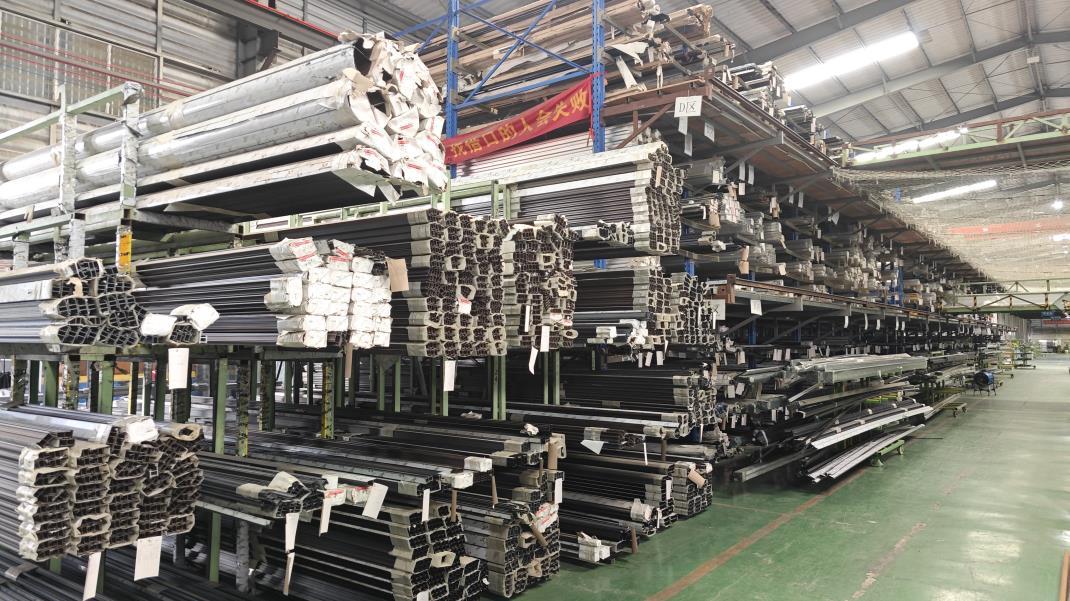
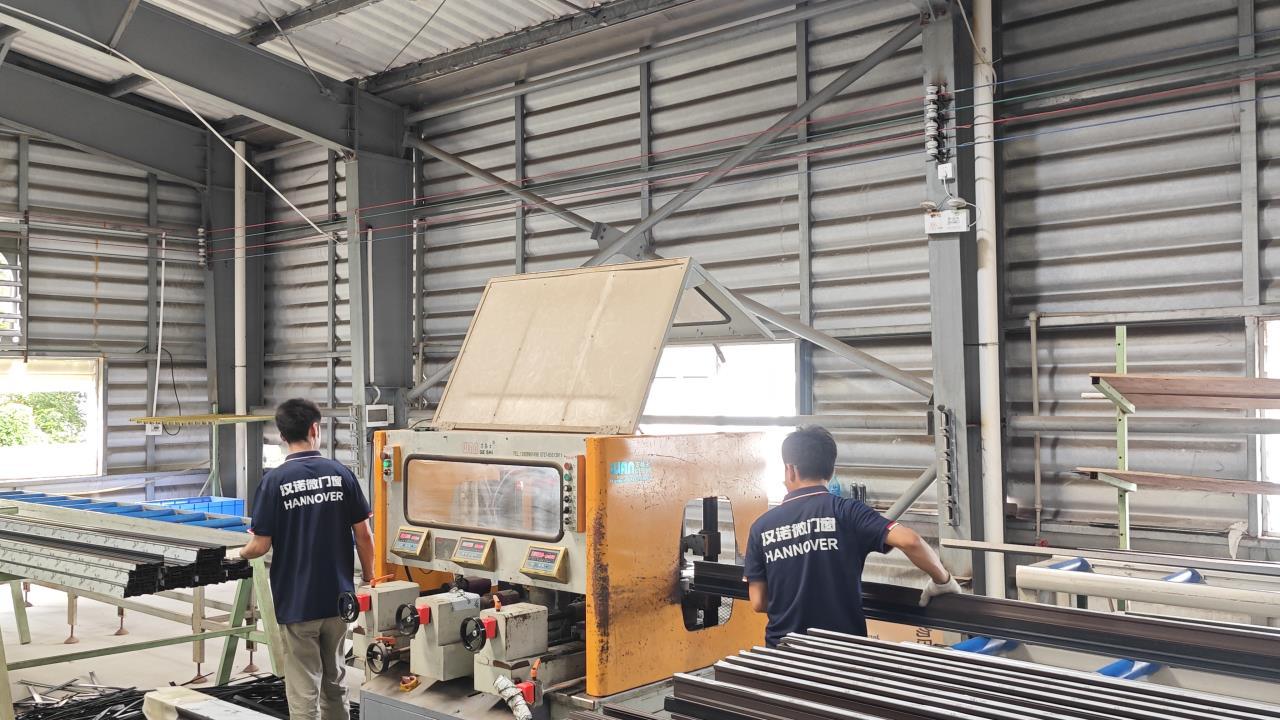
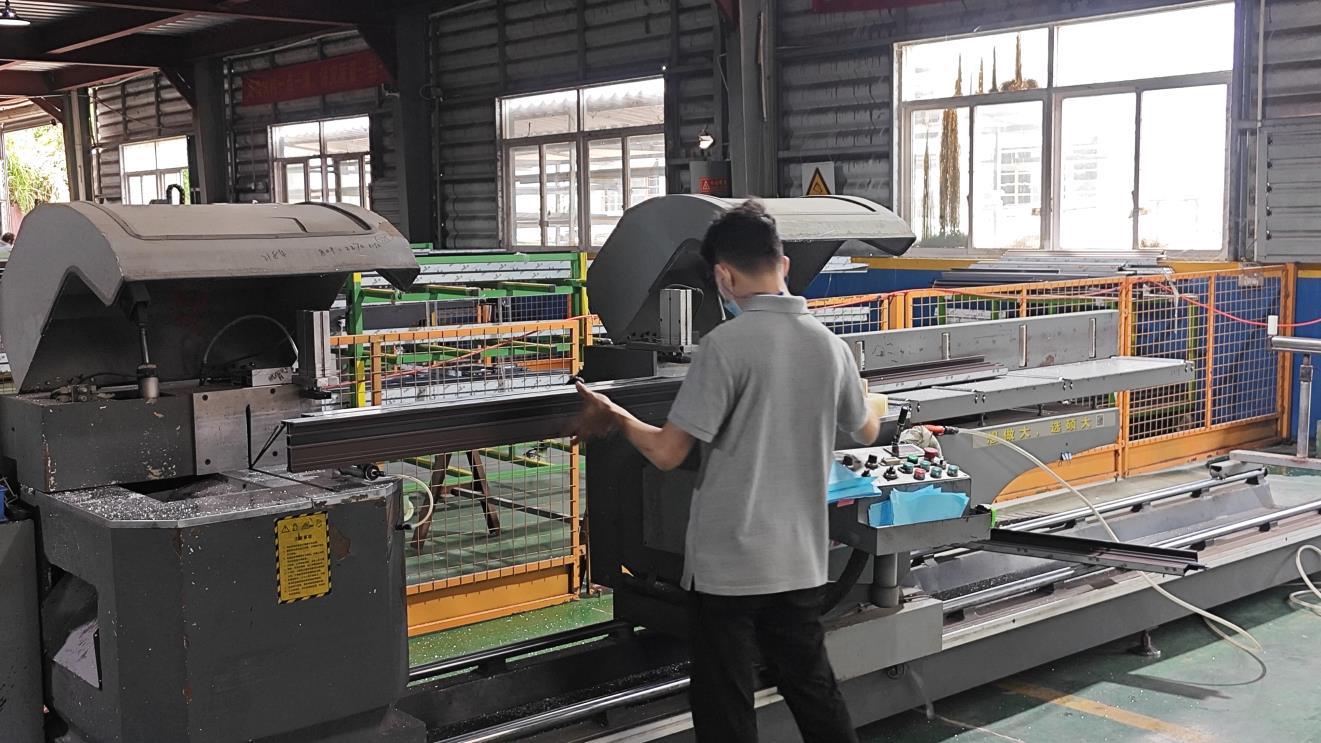
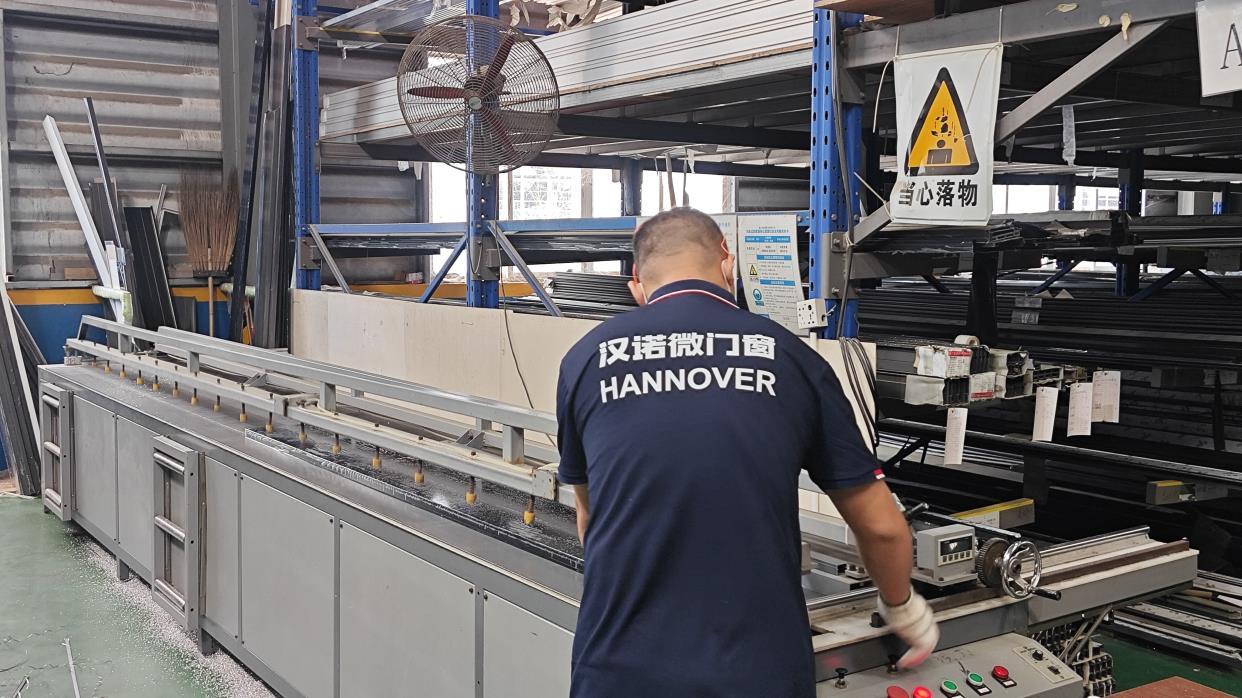
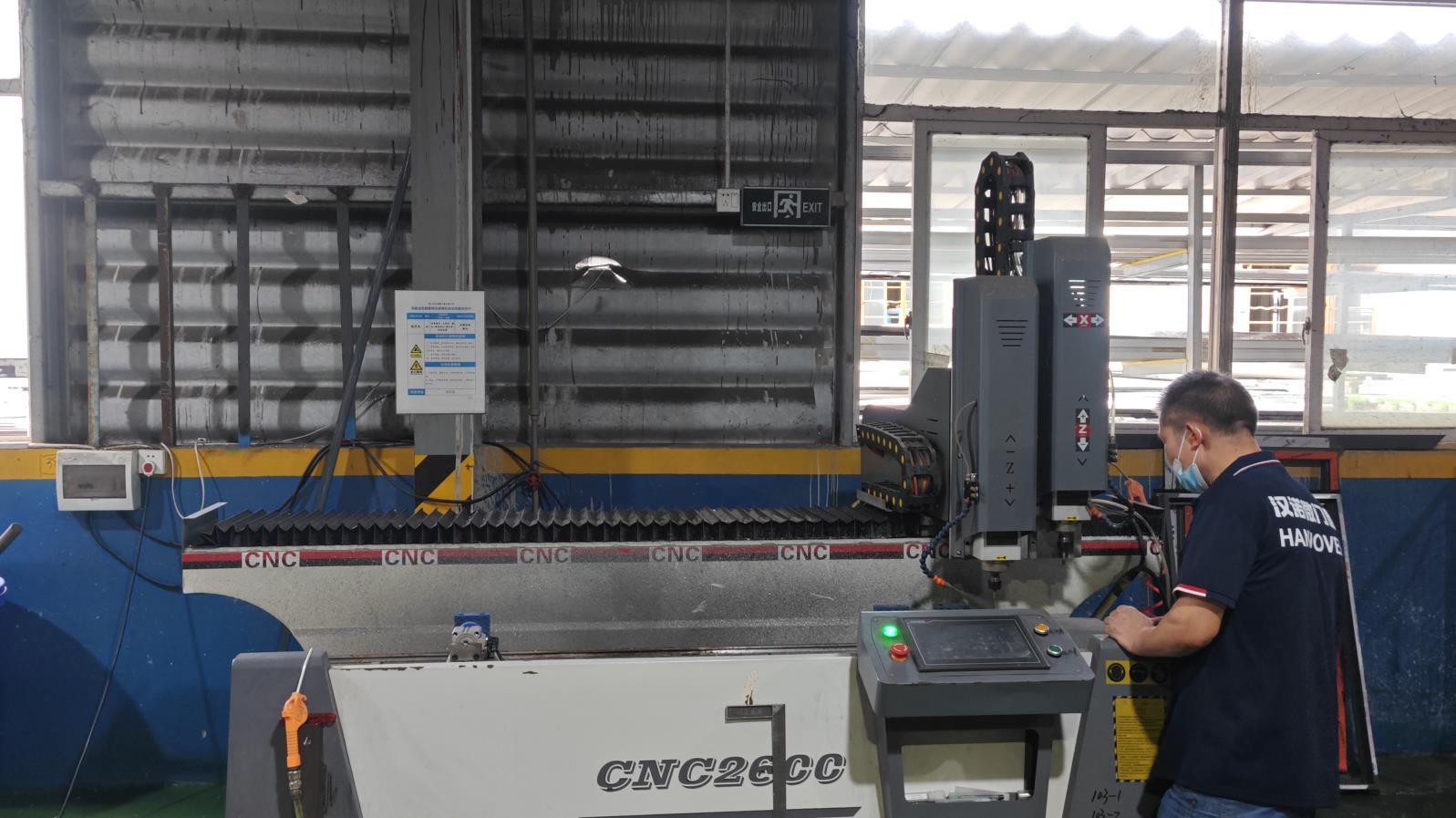
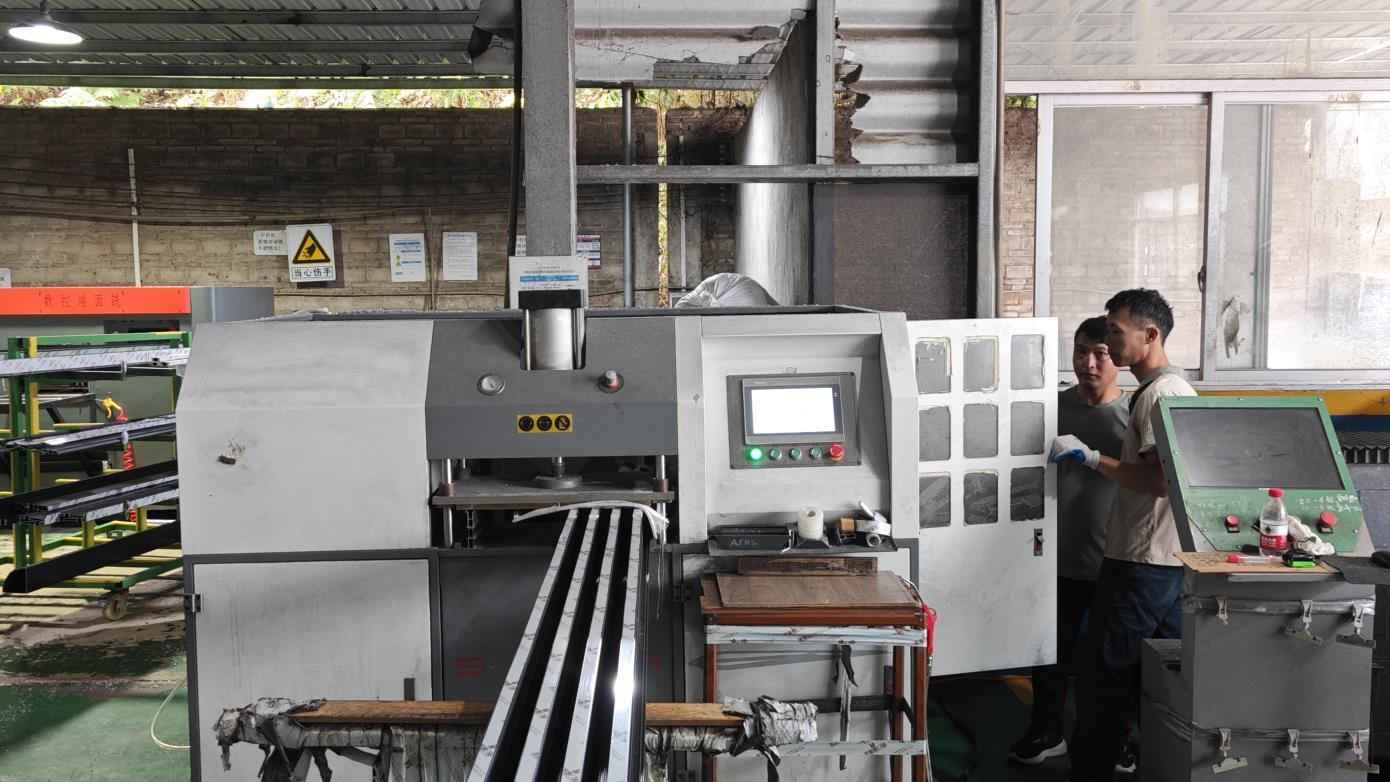
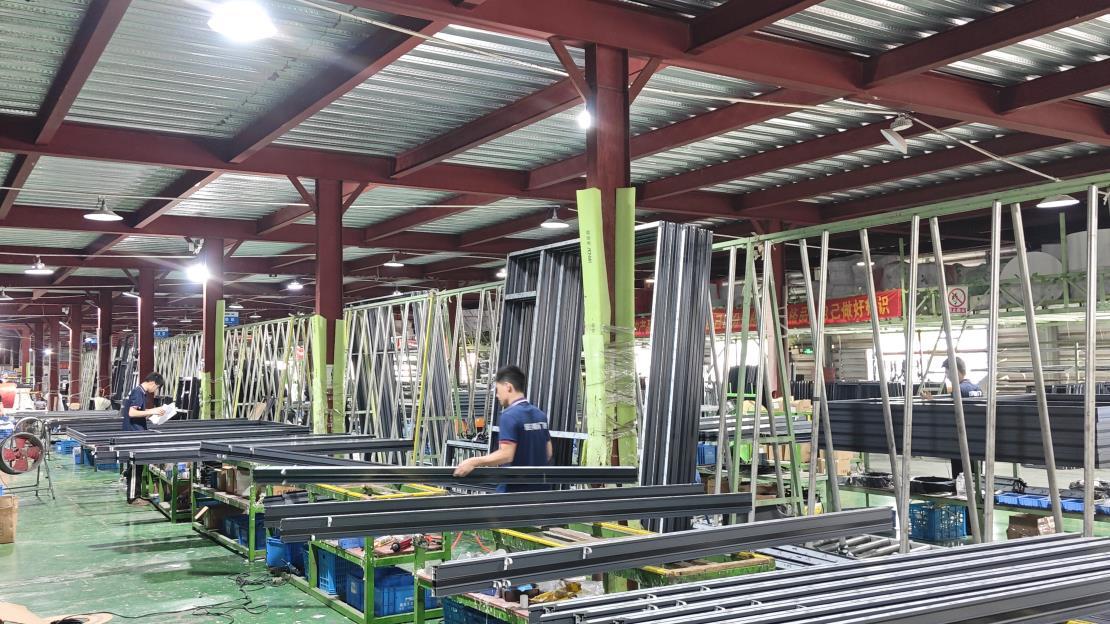
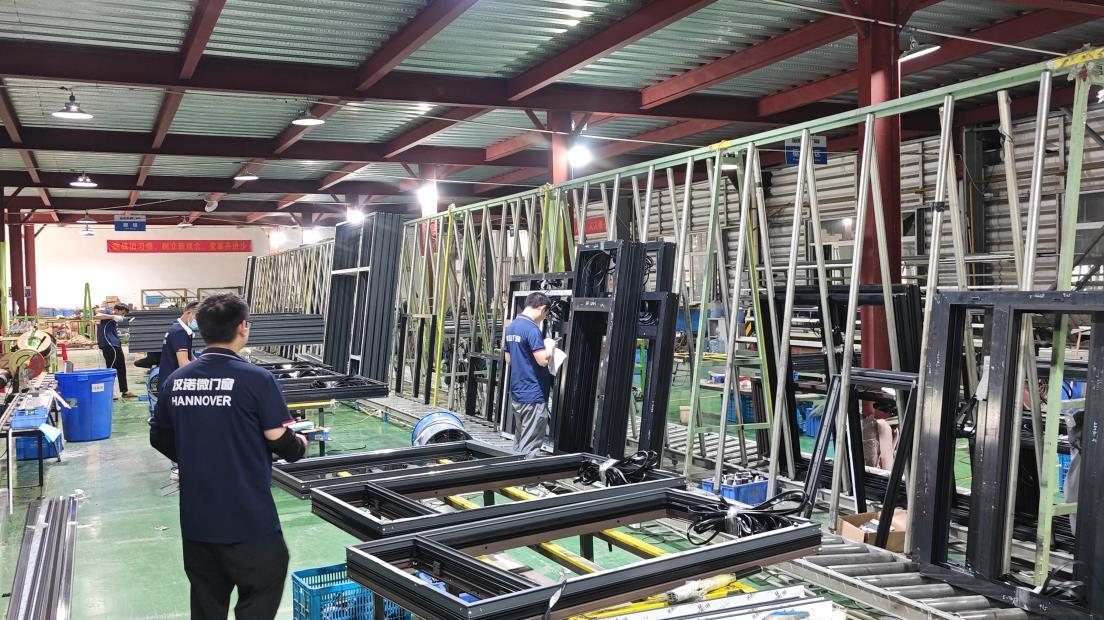
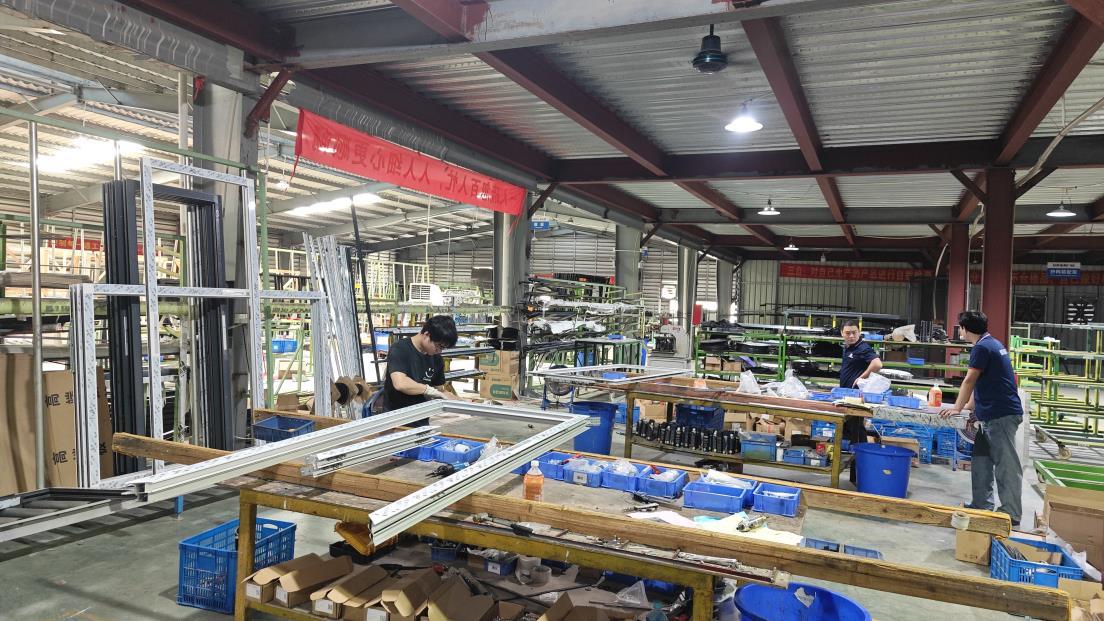
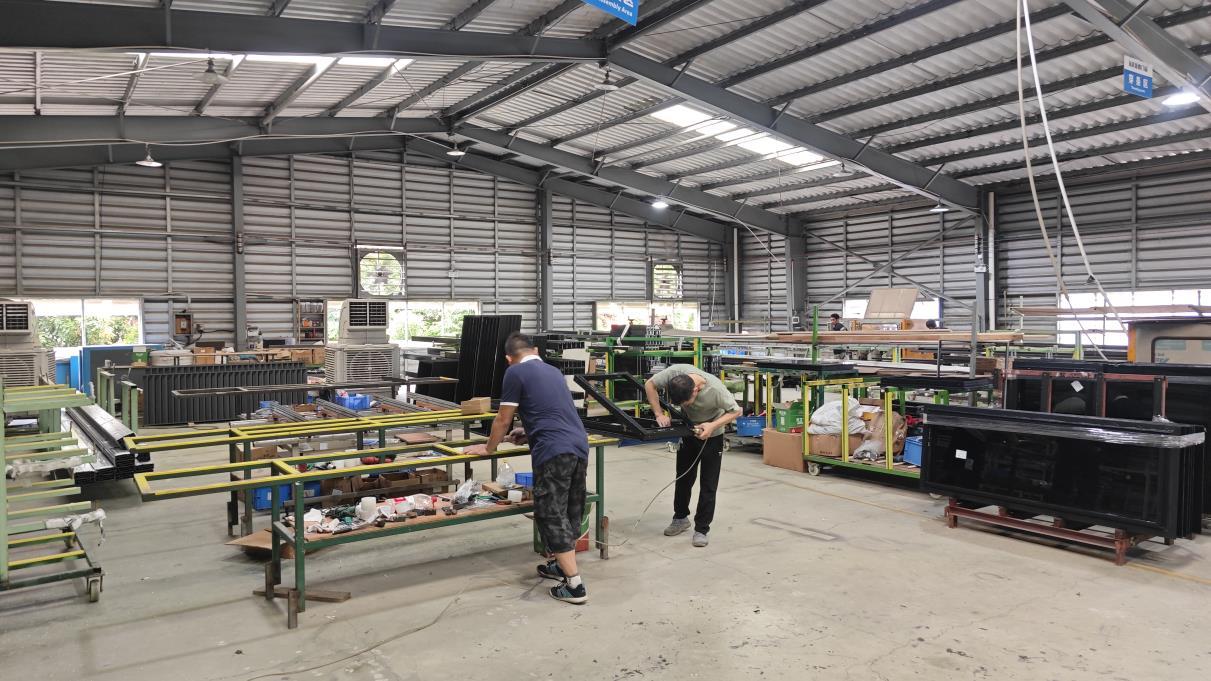
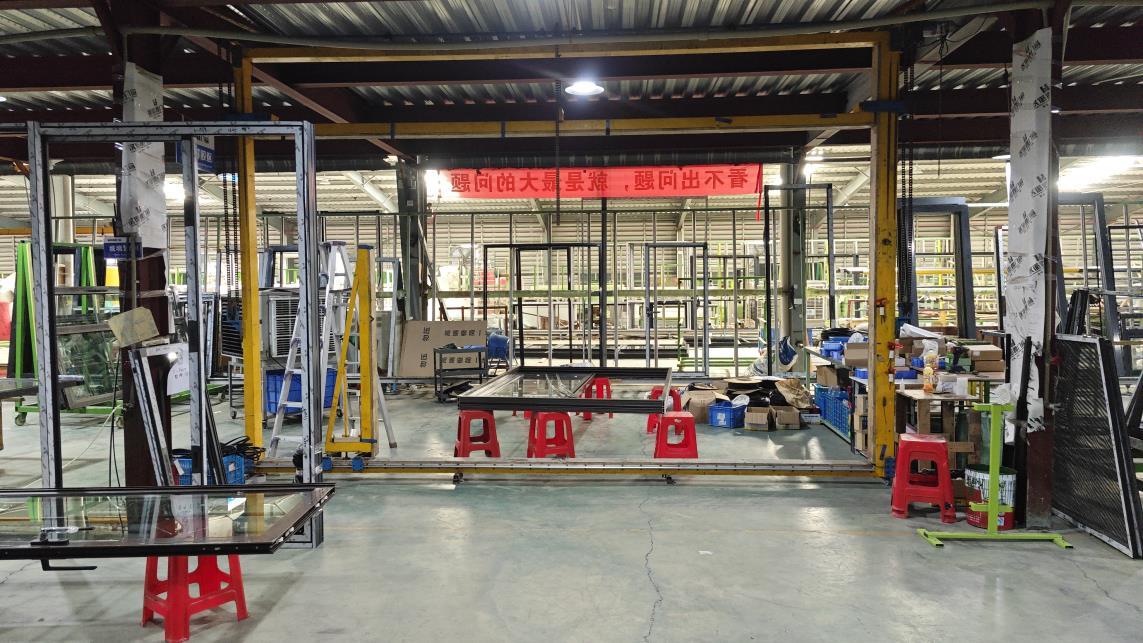
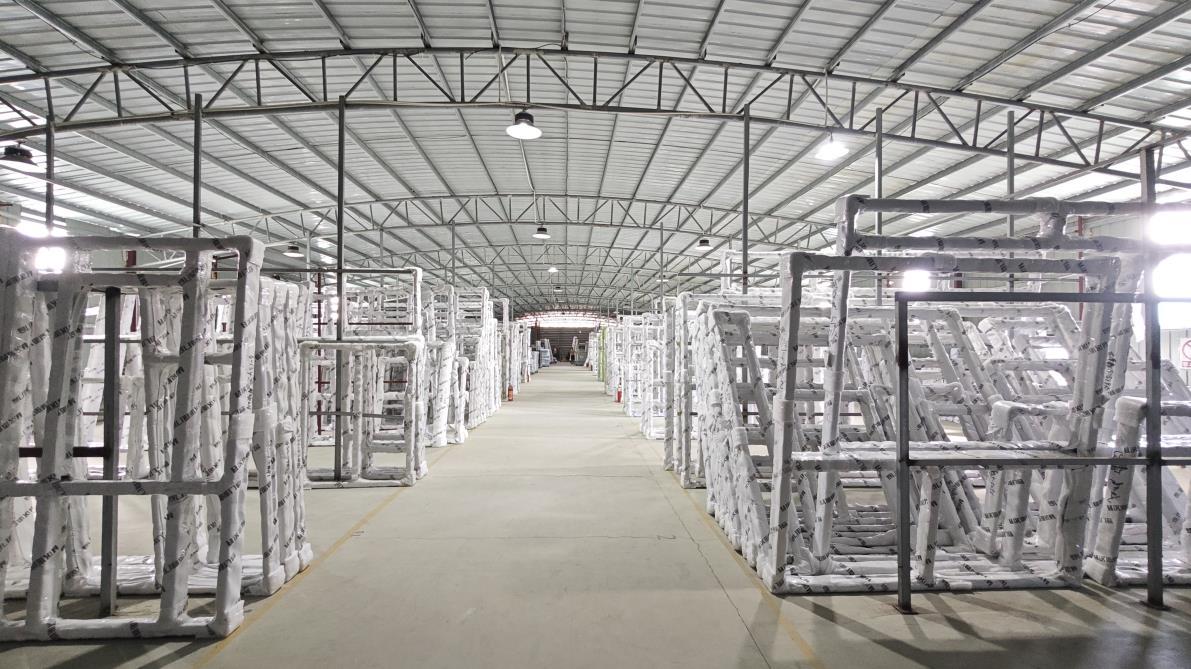
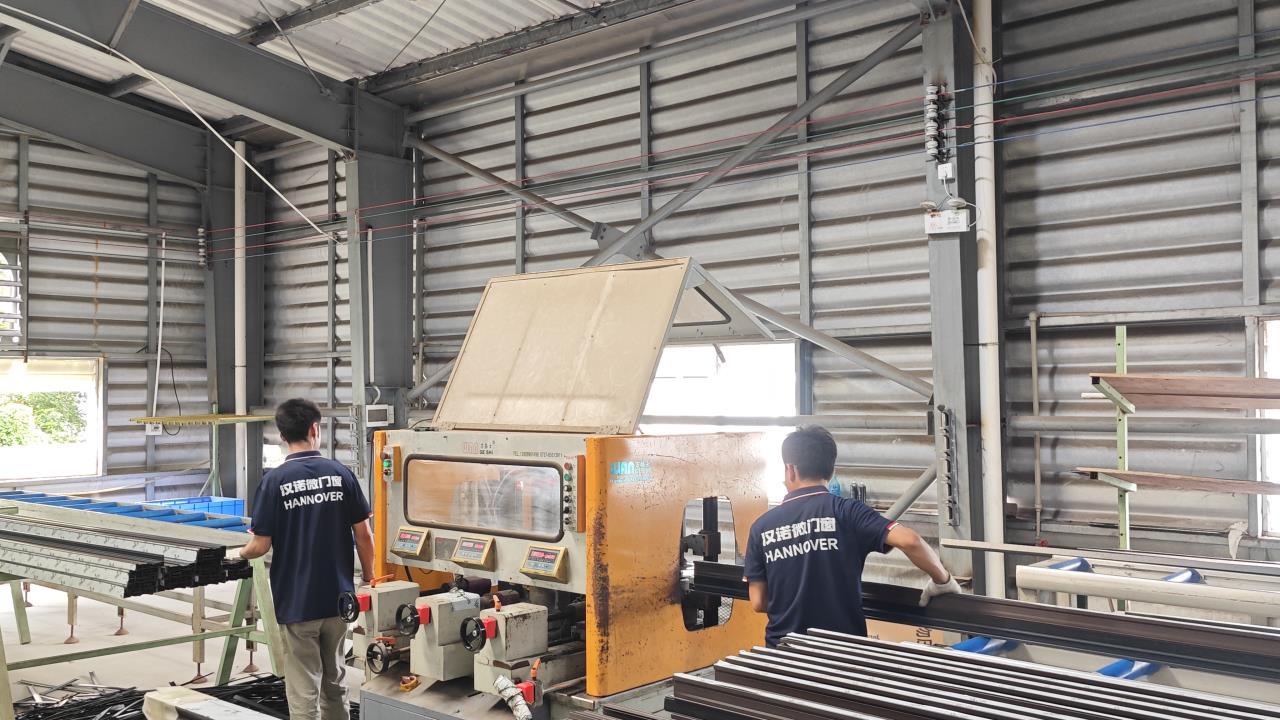
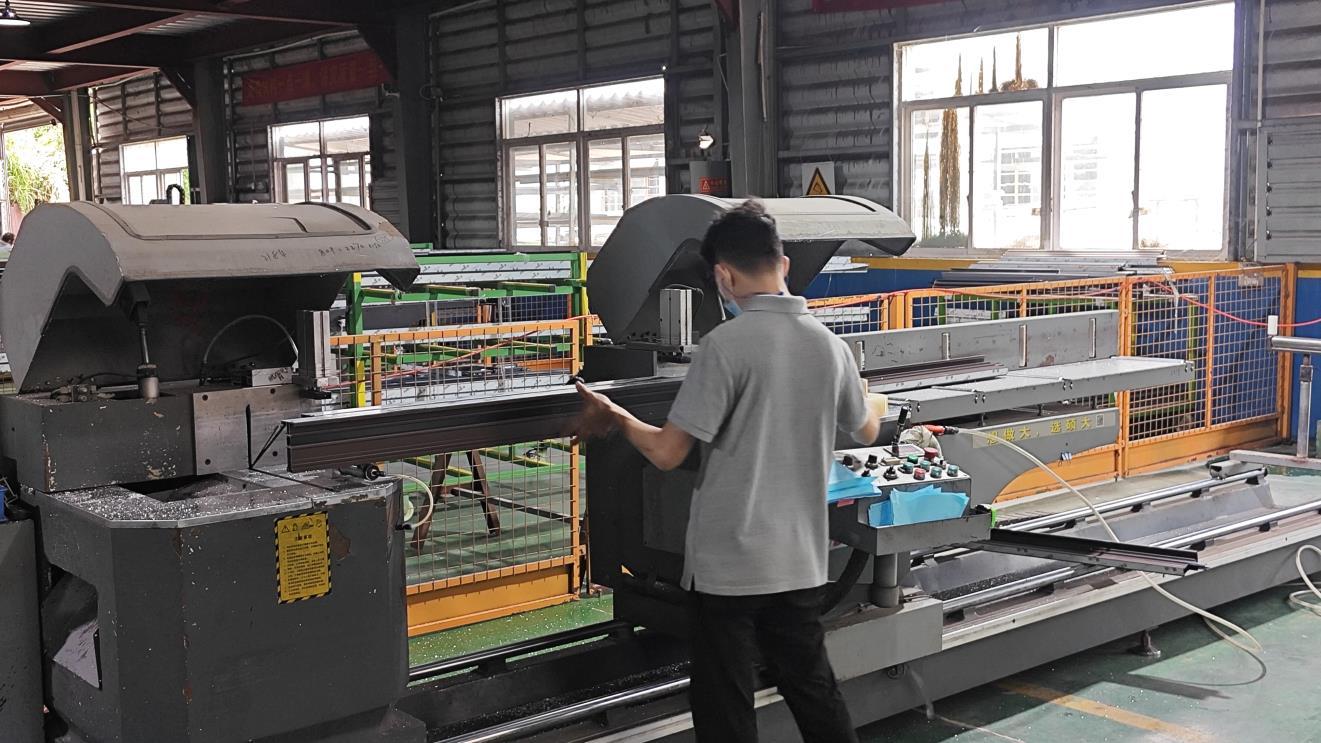
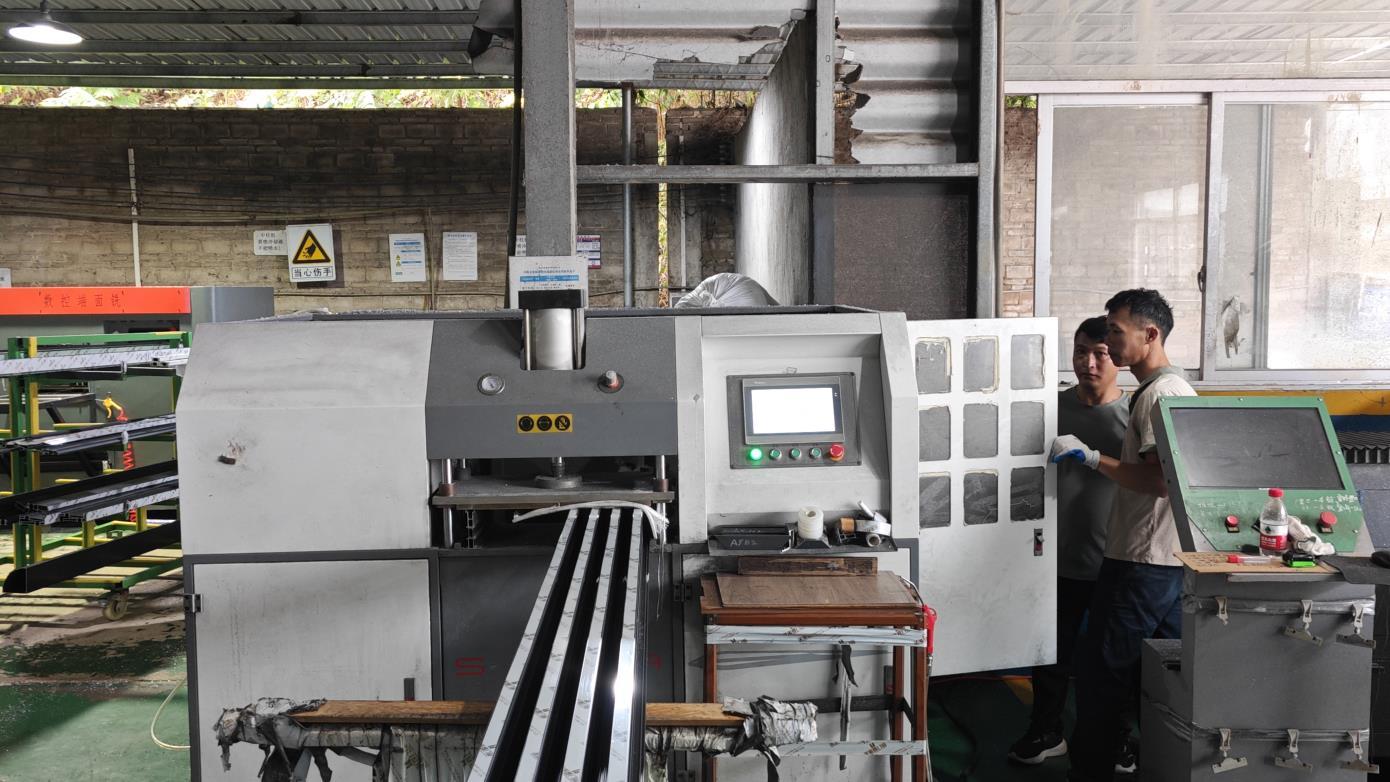
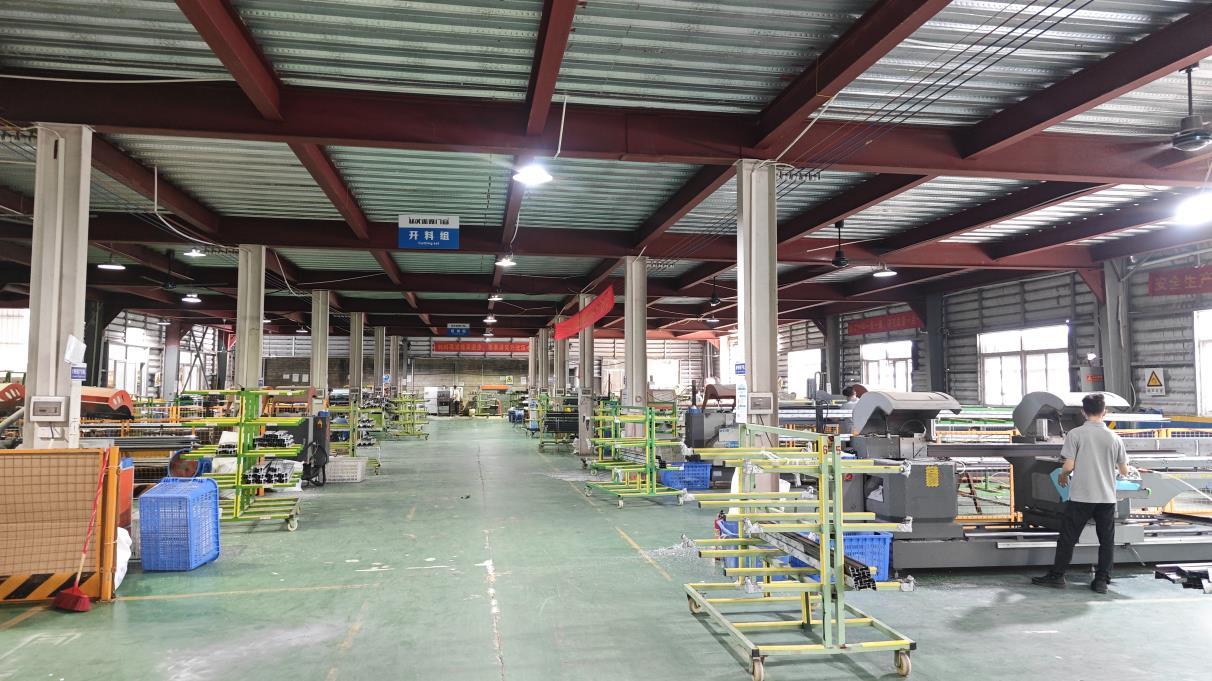
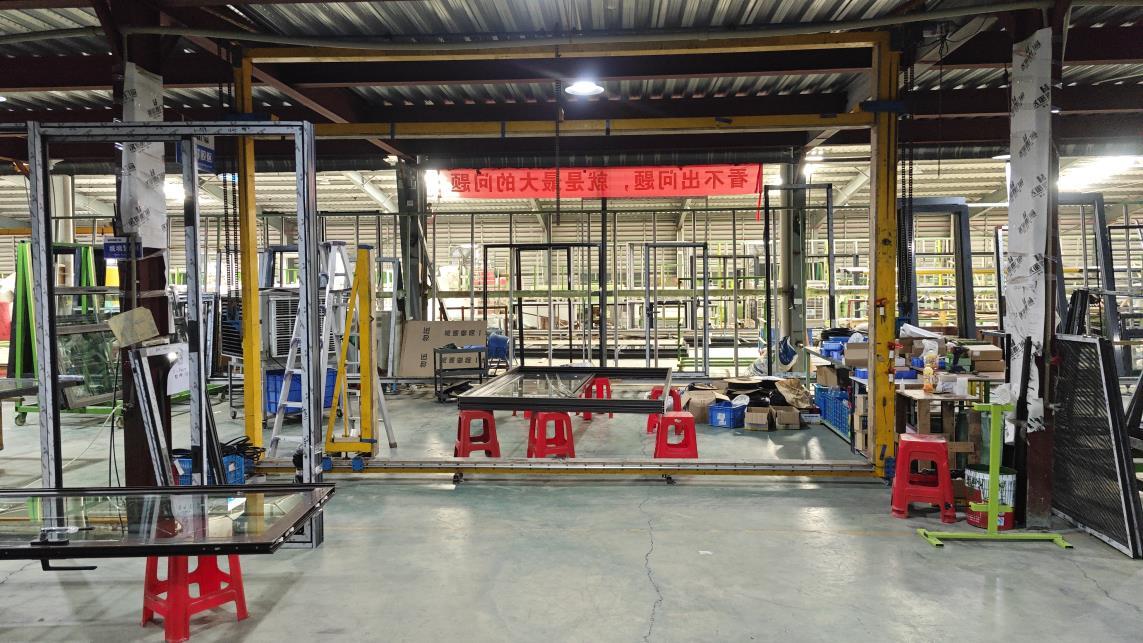
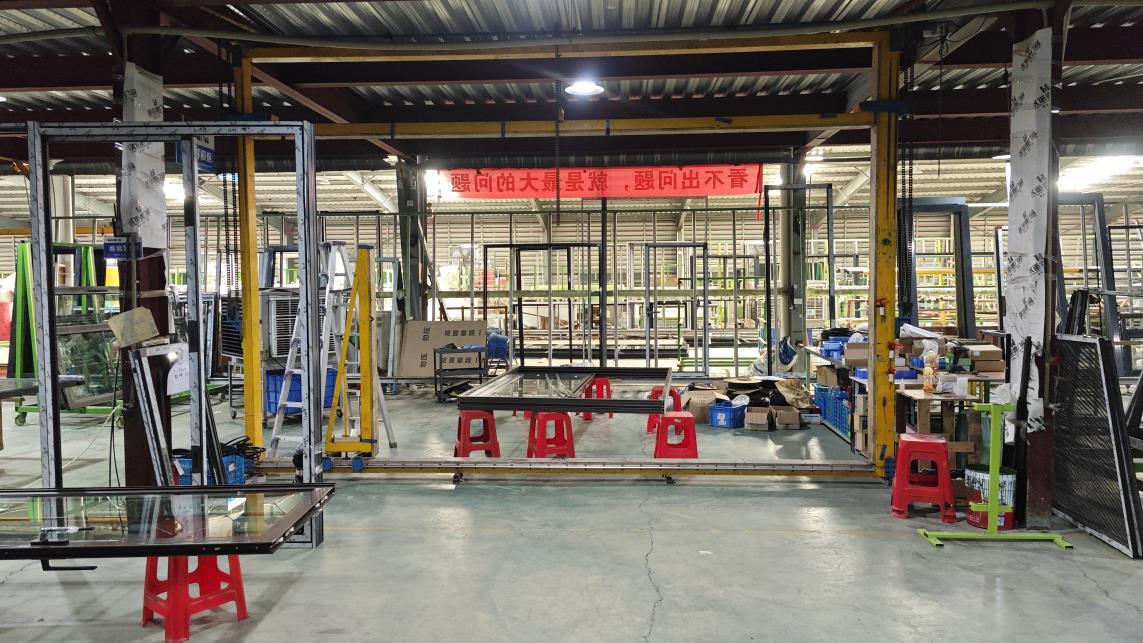
To assist procurement managers, architects, and facade consultants in evaluating factory specifications, the table below delineates the technical performance metrics guaranteed by CE (EN 14351-1) certified aluminum and glass door systems compared against basic non-thermal systems.
| Performance Characteristic | CE Certified (EN 14351-1) System | Standard Non-Thermal System | Testing Standard / Protocol |
|---|---|---|---|
| Thermal Transmittance (U-Factor) | 1.0 - 1.6 W/m²K (With Low-E & Argon) | > 3.5 W/m²K | EN ISO 10077-2 / NFRC 100 |
| Air Permeability | Class 4 (Up to 600 Pa) | Class 1 or 2 (< 300 Pa) | EN 12207 / ASTM E283 |
| Watertightness | Class E1050 (1050 Pa Severe Storm) | Class 3A (150 Pa) | EN 12208 / ASTM E331 |
| Wind Load Resistance | Class C5 (Design Load ± 2000 Pa) | Class C2 (Design Load ± 800 Pa) | EN 12210 / ASTM E330 |
| Acoustic Insulation (STC/Rw) | Rw = 38 dB to 48 dB (Triple Double-Laminated) | Rw ≤ 25 dB | EN ISO 140-3 / ASTM E90 |
| Surface Anodizing / Coating | Qualanod / Qualicoat Class 2 (20 Years Guarantee) | Standard Mill or Commercial Spray | ISO 2360 / AAMA 2604/2605 |
Aluminum and glass doors are not one-size-fits-all components. Climatological conditions, regulatory frameworks, and architectural intent dictate specific structural and glass configurations across different regional markets.
Coastal & Hurricane Zones (e.g., Florida, Caribbean, Gulf Coast)
Marine Grade Alloy
Impact Laminated Glass
Projects in high-salinity coastal areas require marine-grade extruded aluminum alloys (6063-T6 with >25μm anodized coating or fluorocarbon Kynar 500 paint) to resist salt spray corrosion. Glazing systems incorporate SentryGlas® (SGP) interlayer structural laminated glass to withstand cyclic wind pressures and airborne debris impacts during Category 5 hurricanes.
Hot Arid & Desert Climates (e.g., Middle East, Arizona, Australia)
Anti-UV Low-E
Thermal Barrier
In regions with extreme solar radiation and ambient temperatures exceeding 45°C, fenestration systems must focus on minimizing Solar Heat Gain Coefficient (SHGC < 0.22). Double-glazed units utilize silver-sputtered Low-E coatings with specialized tinting and heavy-duty PA66 thermal break breaks to keep internal HVAC cooling loads manageable.
Cold & Sub-Arctic Climates (e.g., Northern Europe, Canada)
Triple Glazed Argon
Warm Edge Spacer
Thermal preservation is paramount. Systems engineered for Northern climates specify triple-pane insulated glass units filled with 90%+ Argon gas and warm-edge composite spacers (Swisspacer). Frame profiles feature multi-chamber thermal breaks exceeding 34mm in depth to eliminate interior condensation and frost formation.
Frequently Asked Questions for Sourcing Managers
CE Certified Fenestration Solutions (Part 2)
OUNA Aluminum Sliding Window Double Tempered Glazed with Screen Home Apartment Thermal Break Soundproof CE AS2047 NFRC Certified
View Product Specifications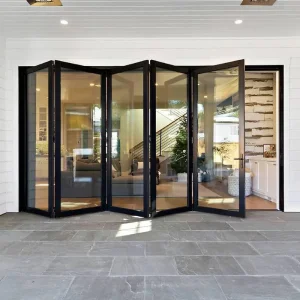
OUNA AS2047 Modern Villa Restaurant Thermal Break Aluminium Double Tempered Glazed Bifold Sliding Accordion Folding Door
View Product Specifications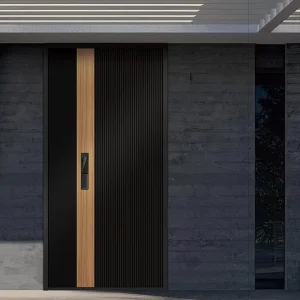
OUNA Residential Project America Aluminum Security Doors for Villa Exterior Front Entry Anti Theft Main Door
View Product Specifications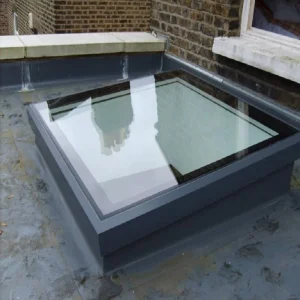
OUNA Brighten Your Stairwell with a Slim Frame Aluminum Skylight Brings Sunlight Into the Heart of Your Home Day and Night
View Product Specifications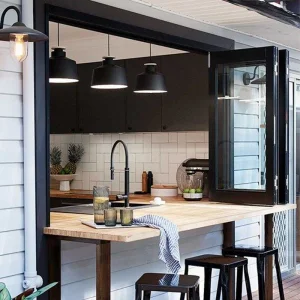
OUNA Kitchen Friendly Aluminum Folding Window Provides Flexible Ventilation While Cooking Space Saving Vertical Fold Design
View Product Specifications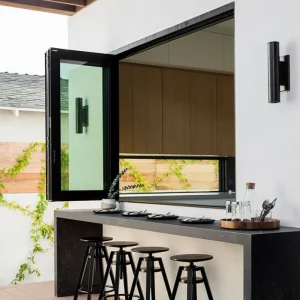
OUNA Customized Local Style Aluminum Folding Window for Regional Markets Powder Coated Frame and Stainless Steel Hardware
View Product Specifications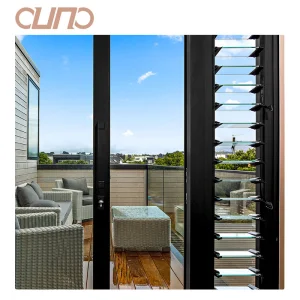
OUNA New Arrival Australian Standard AS2047 Customized Tempered Clear Glass windows and Doors Design Louvers Aluminium windows
View Product Specifications