Zenit Window
High-Performance Architectural Doors & Window Systems
Explore our top-tier export systems engineered for hurricane resistance, thermal insulation, structural integrity, and modern architectural aesthetics.
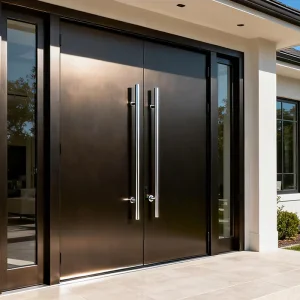
OUNA Durable Aluminum Alloy Entry Door Modern Exterior Design Soundproof Security Door for Villa Residential House CE ISO NFRC
Explore Technical Specs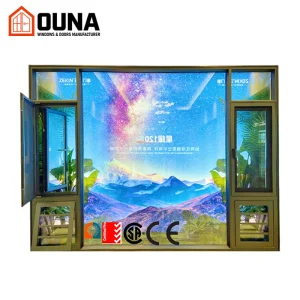
OUNA High Efficiency Windproof Aluminum Windows Wholesale Safe Durable Modern Double Glass Aluminum Frame Casement Windows
Explore Technical Specs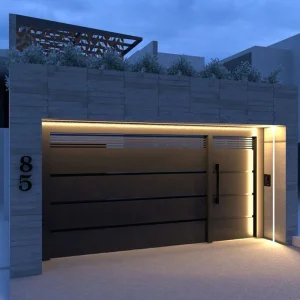
OUNA Fully Customizable Luxury Garage Door in Aluminum or Steel Any Design Size and Glass Option Automatic System Villa
Explore Technical Specs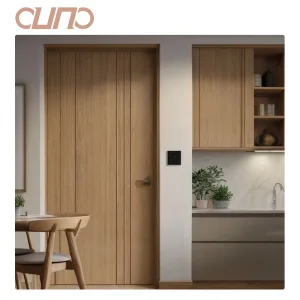
OUNA Aluminum Wood Composite Interior Door With Decorative Glass for Hotel and Apartment Project Custom Design Available
Explore Technical Specs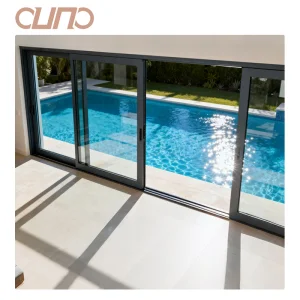
OUNA Hot Sale Energy Efficiency Customized Double Glazed Tempered Glass Thermal Break Aluminum Lift Sliding Living Room Door
Explore Technical Specs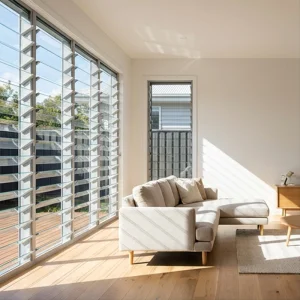
OUNA Aluminum Privacy Shutters for Indoor and Outdoor Use Perfect for Bathroom Bedroom and Garden Fence Durable Powder Coated
Explore Technical Specs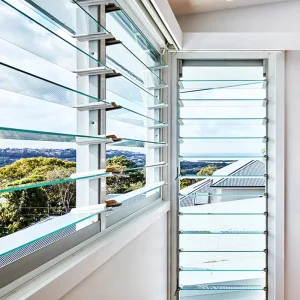
OUNA New Design Factory Doors Window Custom Residential Bathroom Aluminium Louver windows Design Price Wooden Louvered windows
Explore Technical Specs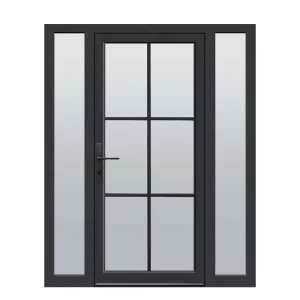
OUNA Black Grid Pattern Aluminum Double Door Narrow Frame Tempered Glass Entry Door for Modern Villa
Explore Technical SpecsChengdu Zenit Window & Door Co., Ltd.
Empowering Global Architecture with World-Class Engineering, Rigorous Quality Control, and Tailored Fenestration Solutions.
Founded in 2015, Chengdu Zenit Window & Door Co., Ltd. operates a state-of-the-art 25,000-square-meter manufacturing facility. Backed by 11 years of industry expertise and 8 years of global trade experience, the company achieves an annual export turnover of $26 million. Our primary export markets cover North America, Australia, and Western Europe, catering to residential home builders, architectural contractors, and building material wholesalers.
Quality control is managed by a team of 35 inspectors who perform rigorous air permeability testing, water tightness checks, and frame corner strength evaluations. Supported by over 600 supply chain partners, Zenit delivers comprehensive customization options including thermal break profiles, custom anodized finishes, and triple-pane soundproof glass. Driven by an active R&D division of 42 engineers, we released 50 new architectural window systems over the past year.
Global Business & Industrial Landscape of Aluminium Sliding Doors
Analyzing international fenestration demands, building energy codes, and China’s strategic dominance as a premier exporter.
The global demand for high-performance Aluminium Sliding Doors and fenestration products has experienced unprecedented expansion over the last decade. Modern architecture increasingly demands expansive glass facades, slim profile sightlines, and seamless indoor-outdoor living transitions. However, balancing these aesthetic desires with stringent international energy codes (such as IECC in the United States, AS2047 in Australia, and EN 14351-1 in Europe) presents a complex engineering challenge that only premier Chinese manufacturers are equipped to solve at scale.
China has evolved into the world's epicenter for advanced aluminium profile extrusion, hardware innovation, and precision glass processing. As global procurement shifts toward single-source architectural solutions, top China exporters like Chengdu Zenit lead the industry by bridging high-capacity manufacturing with custom engineering compliance.
North American High-Load Compliance
Meeting NFRC thermal ratings and Florida Building Code (FBC) impact standards. Demands multi-chambered thermal break profiles with heavy-duty structural DP (Design Pressure) ratings to withstand severe weather events.
Australian AS2047 Standards
Compliance with rigorous Australian Standards AS2047 and AS1288, requiring strict deflection tests, water penetration resistance (up to 450Pa+), air infiltration limits, and BAL (Bushfire Attack Level) fire protection ratings.
European Passive House Energy Efficiency
Driving ultra-low U-factors ($U_w \le 0.8 \text{ W/m}^2\text{K}$) through multi-chamber thermal breaks, aerogel insulation fills, and Warm Edge spacer technology coupled with Low-E triple glazing.
Thermal Break Technology & Structural Engineering
How advanced aluminium alloy formulations and thermal barrier design redefine fenestration performance.
Uninsulated aluminium is a natural thermal conductor. To counteract heat transfer, modern architectural sliding doors utilize a technique known as thermal breaking. This involves inserting a low-thermal-conductivity material between the interior and exterior aluminium extrusions, effectively isolating the thermal bridge.
| Technical Parameter | Standard Non-Thermal Break | Zenit Thermal Break System | Zenit High-Performance Passive System |
|---|---|---|---|
| Thermal Conductivity ($U_w$ Value) | 3.5 – 5.0 W/m²K | 1.4 – 1.8 W/m²K | 0.8 – 1.1 W/m²K |
| Polyamide Barrier Material | None / PVC Strips | Technoform PA66-GF25 | PA66-GF25 + Aerogel Insulation Core |
| Acoustic Insulation (STC Rating) | 25 – 28 dB | 35 – 38 dB | 42 – 48 dB (Triple Laminated Glass) |
| Air Permeability (ASTM E283) | Class 2 | Class 4 (Highest) | Class 4 / Airtight Passive Standard |
| Water Penetration (ASTM E331) | 150 Pa | 300 - 450 Pa | 600 - 900 Pa (Heavy Storm Rating) |
At Chengdu Zenit, we utilize 6063-T5 and 6063-T6 architectural aluminium alloys, offering superior tensile strength, surface finishing versatility, and resistance to atmospheric corrosion. Combined with multi-point locking systems engineered by top European hardware specialists (such as Siegenia, Hoppe, and CMECH), our sliding doors deliver exceptional security and frictionless operation even with heavy glass panels weighing up to 400kg.
Localized Application Scenarios & Case Adaptations
Customizing door systems to meet climate demands, wind loads, and architectural aesthetics across continents.
Coastal & High-Velocity Hurricane Zones
Equipped with PVB/SGP laminated impact glass and fluorocarbon (PVDF) or Qualicoat Class 2 powder coatings, resisting salt spray corrosion up to 3,000 hours (ASTM B117) and sustaining severe windward pressure.
Luxury High-Rise Residential Towers
Utilizing heavy-duty lift-and-slide mechanisms that elevate the door sash onto stainless steel rollers, allowing effortless sliding of massive floor-to-ceiling glass panels while delivering air-tight sealing when lowered.
Minimalist Ultra-Narrow Sightline Villas
Designing modern architectural residences with concealed frame profiles and ultra-slim interlocks (as thin as 21mm), maximizing natural daylight while retaining high structural rigidity against deflection.
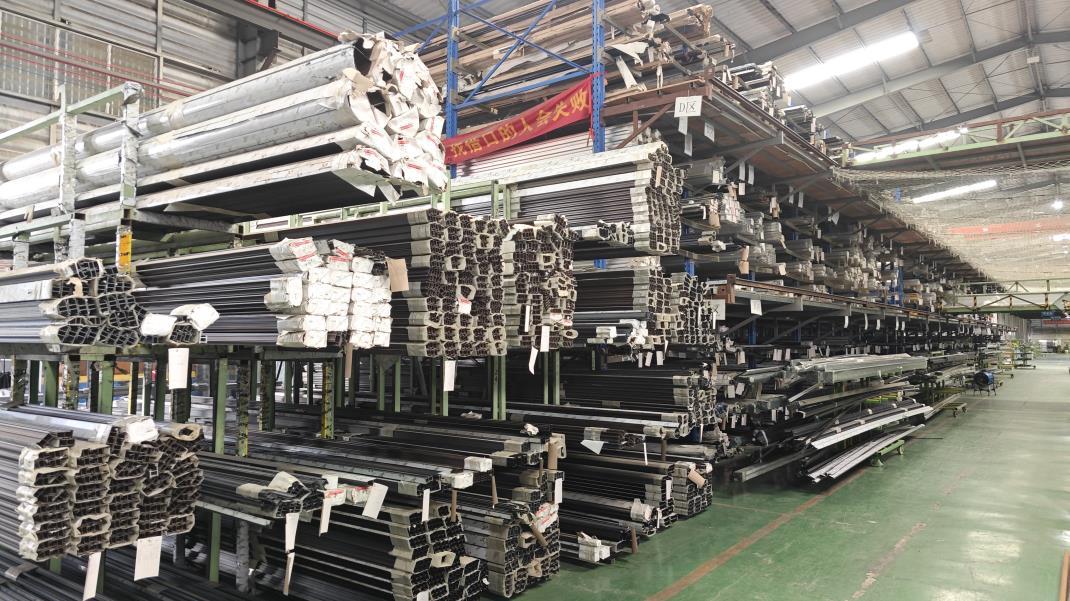
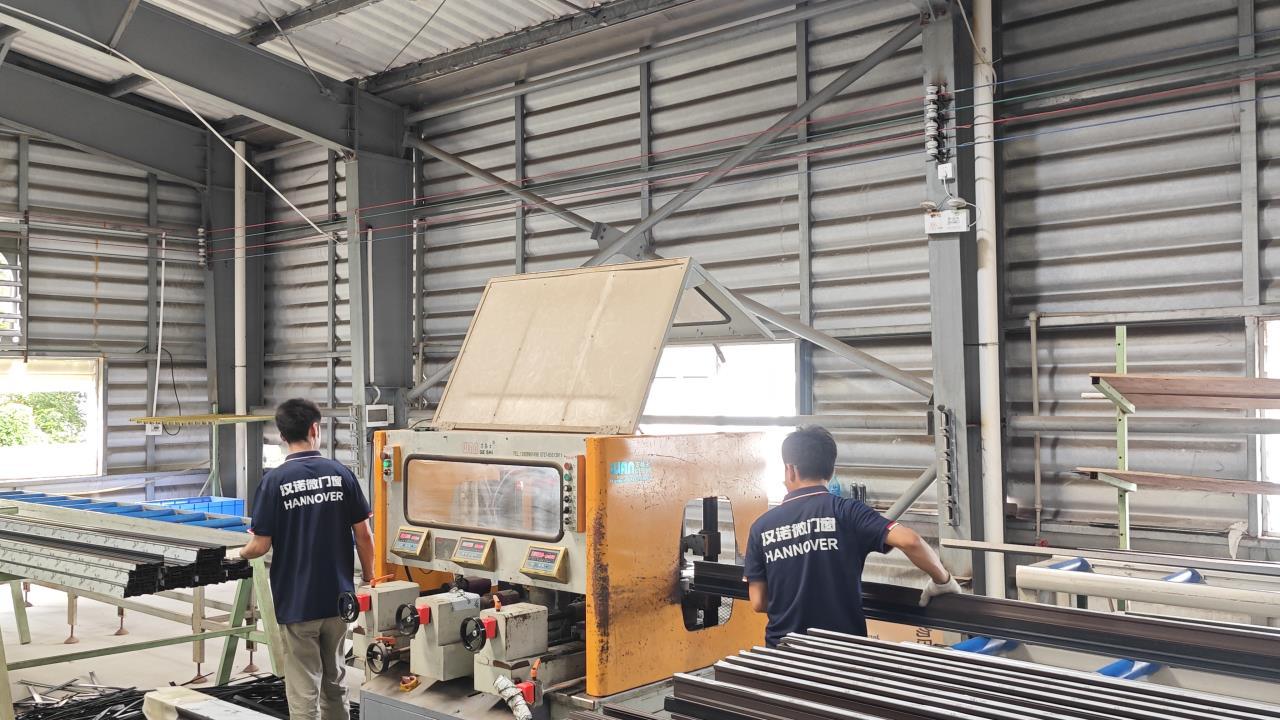
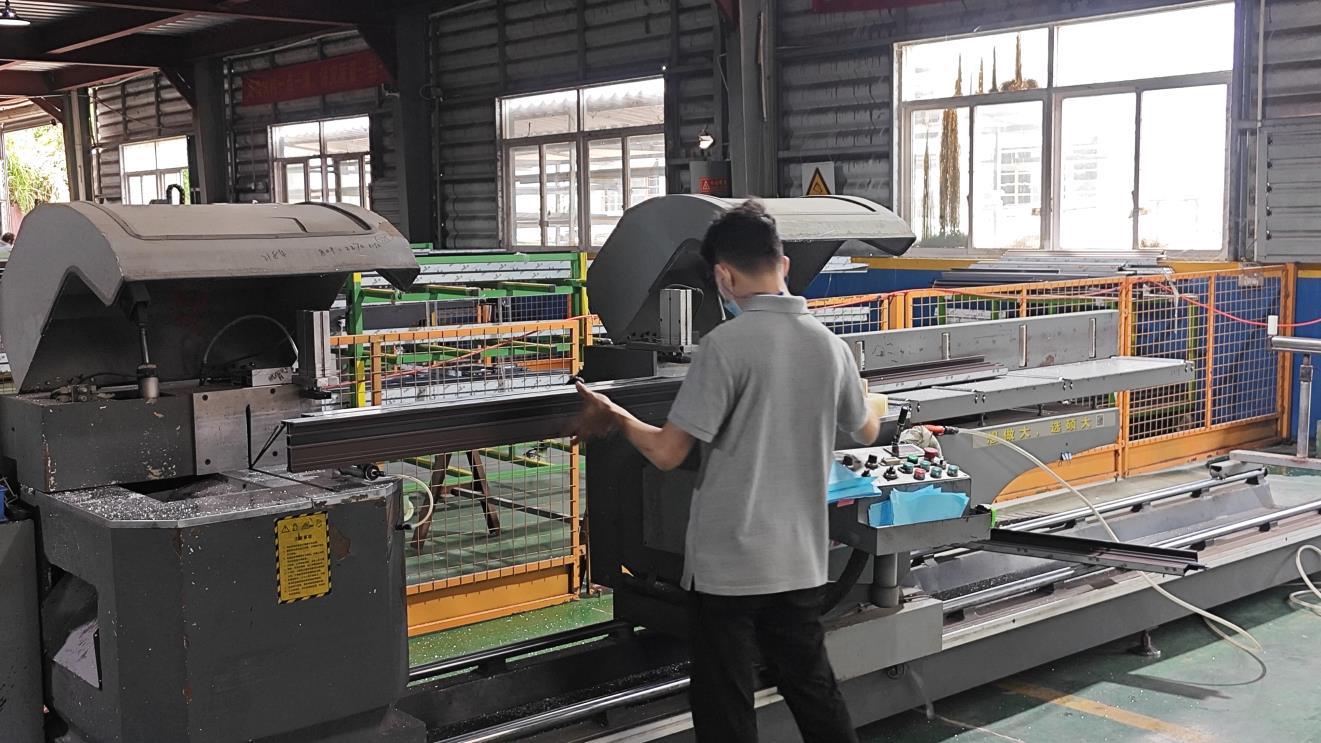
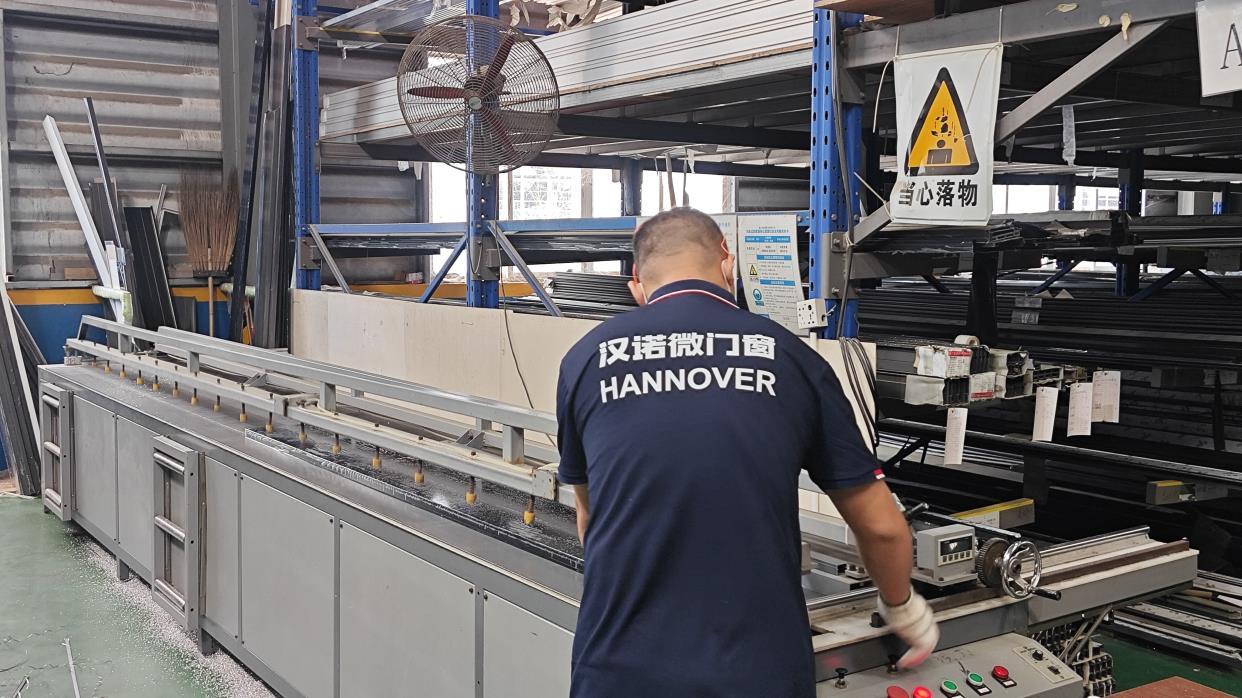
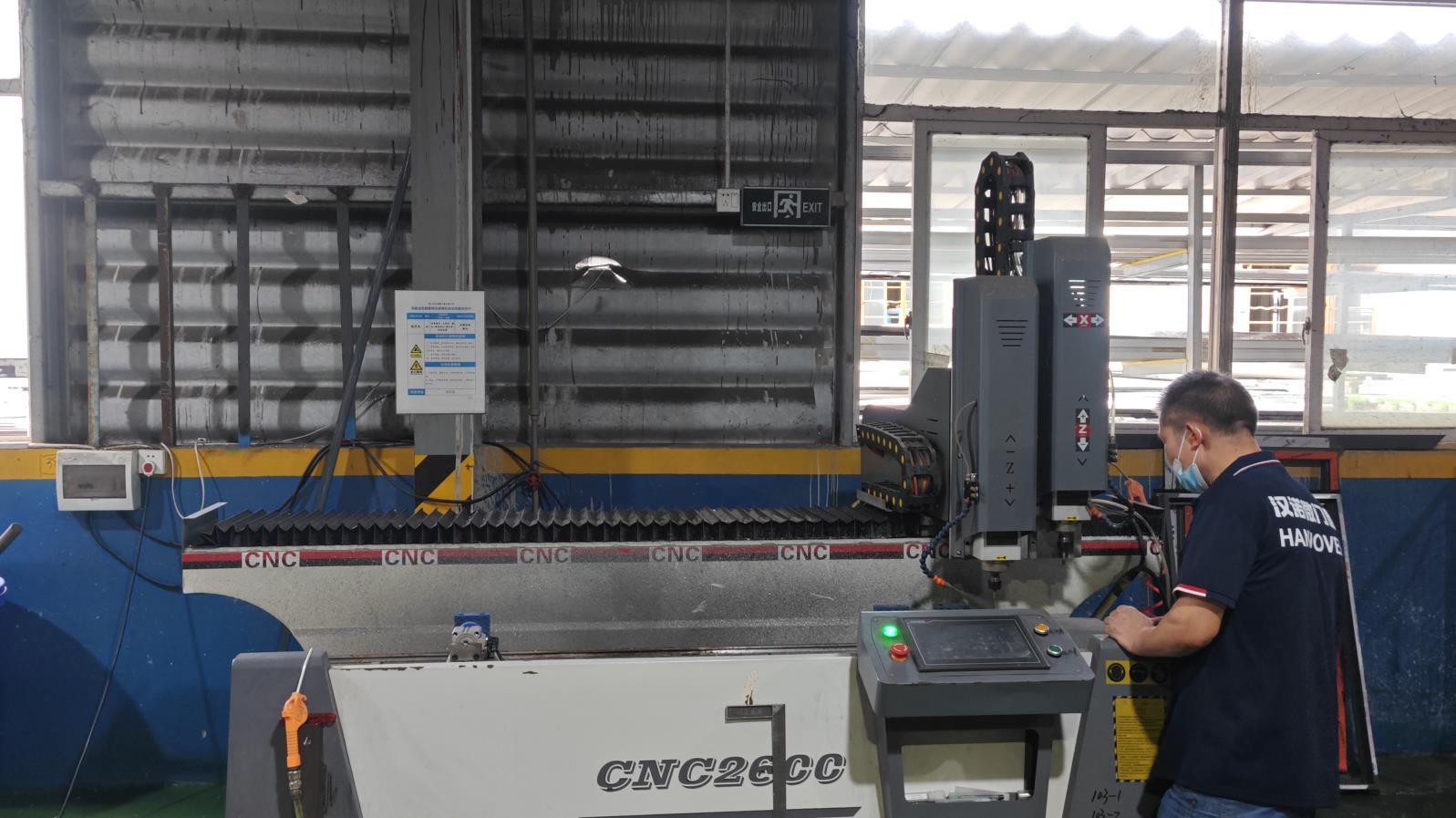
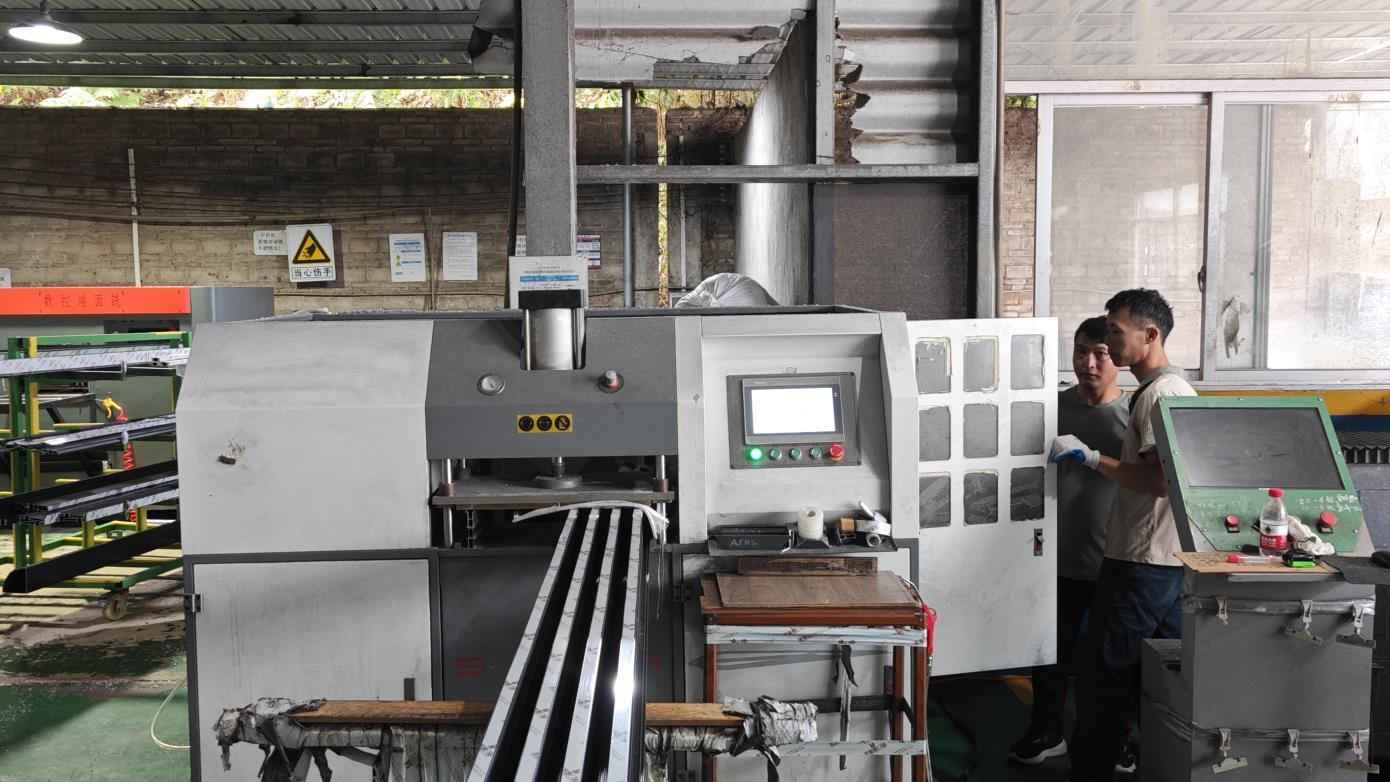
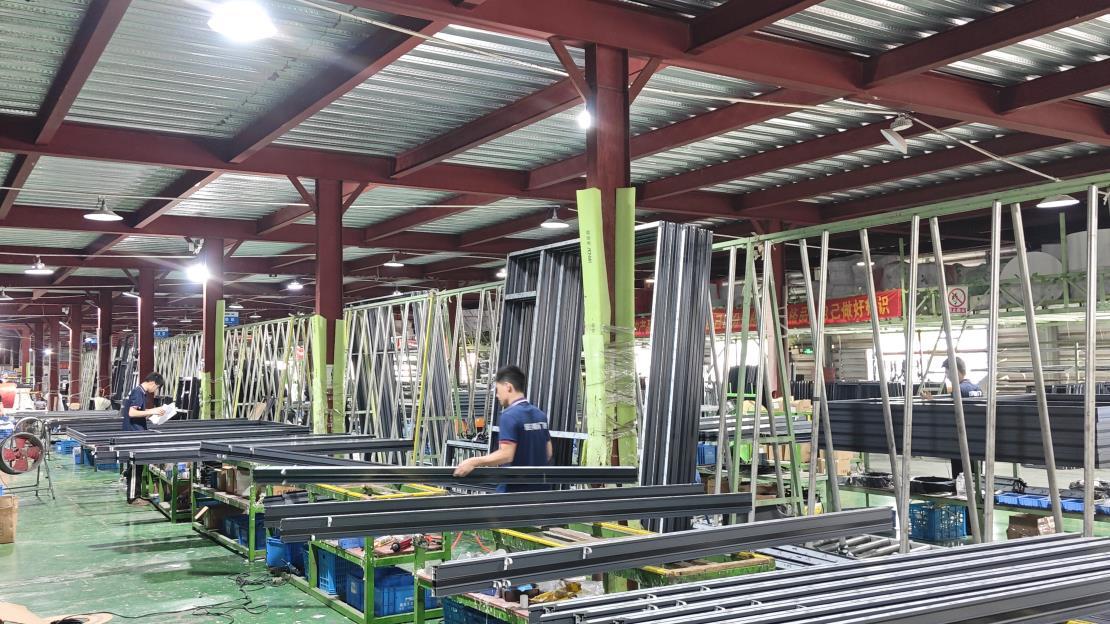
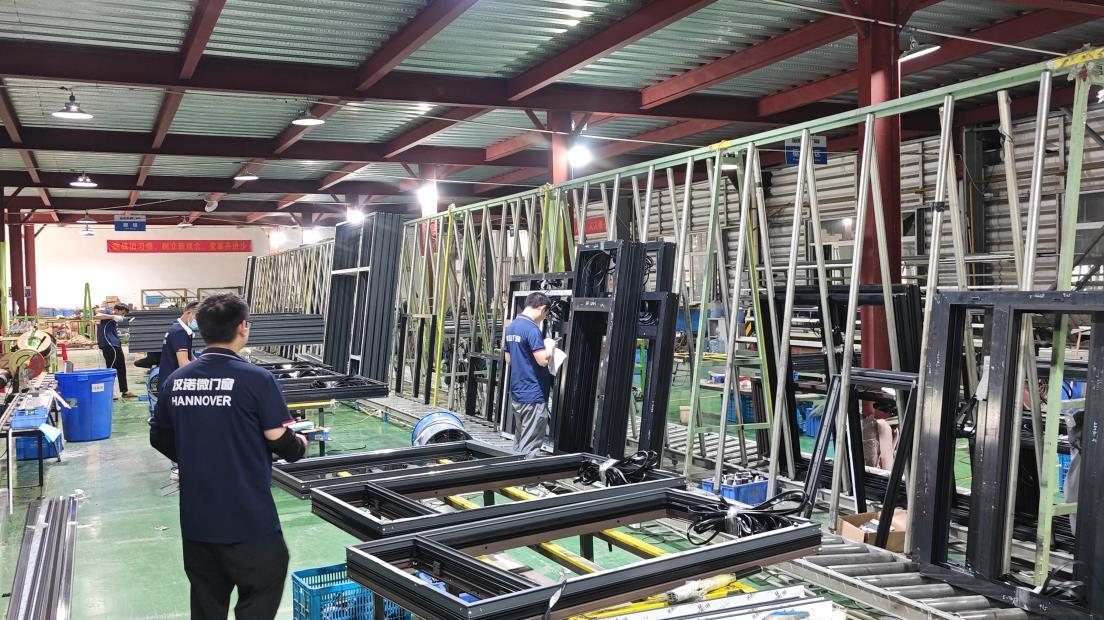
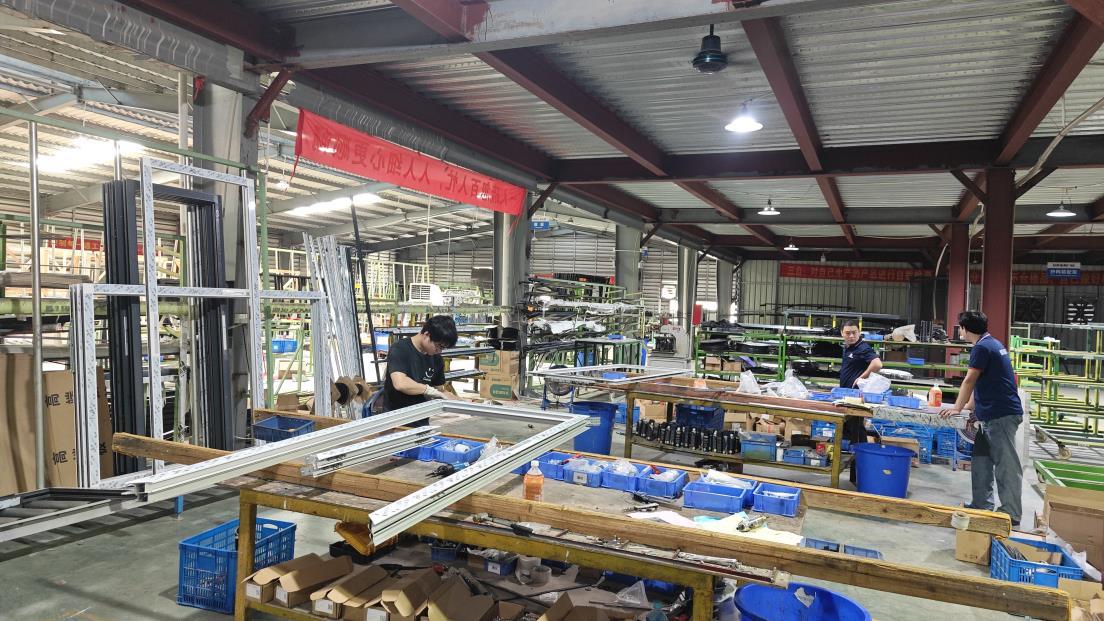
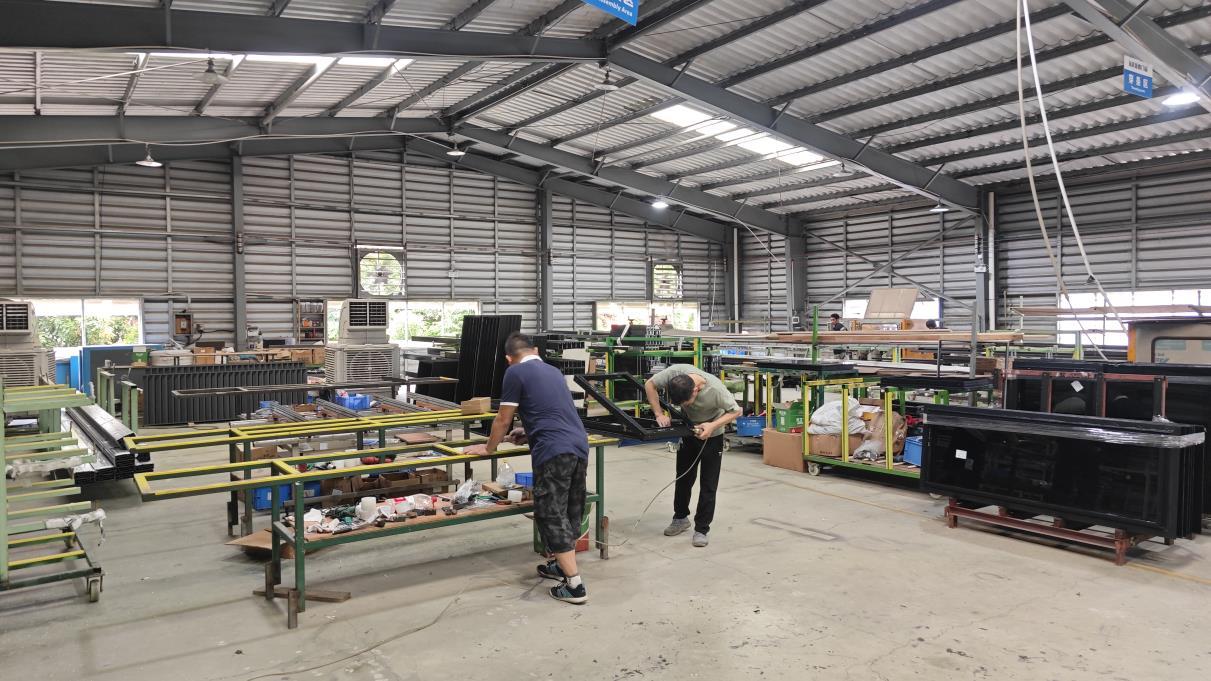
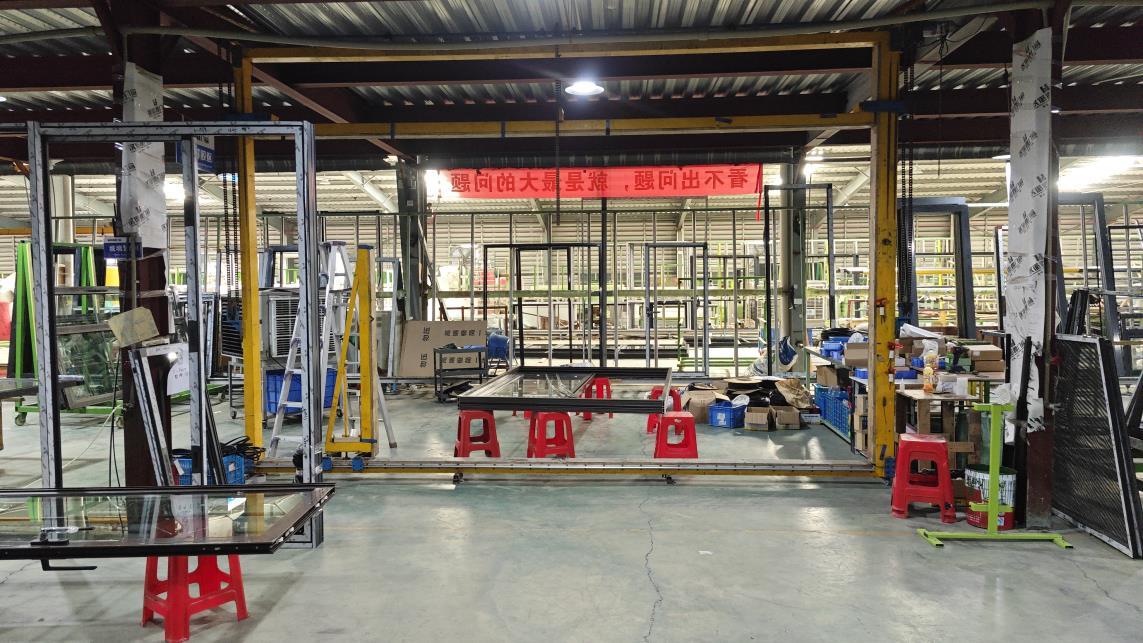
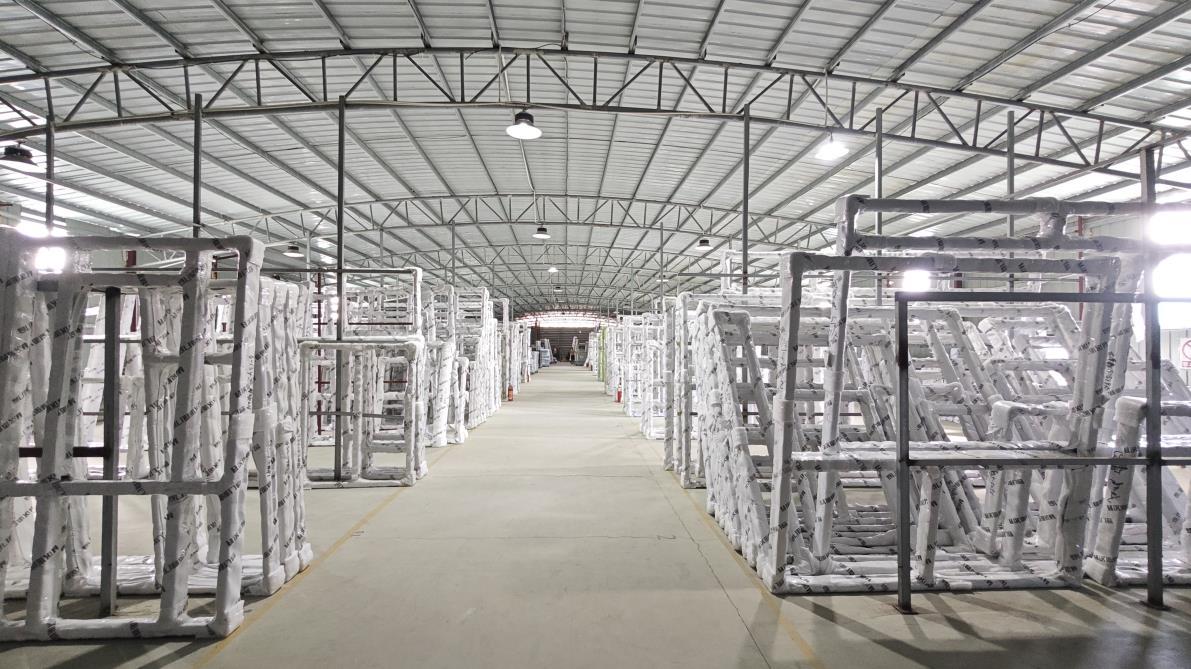
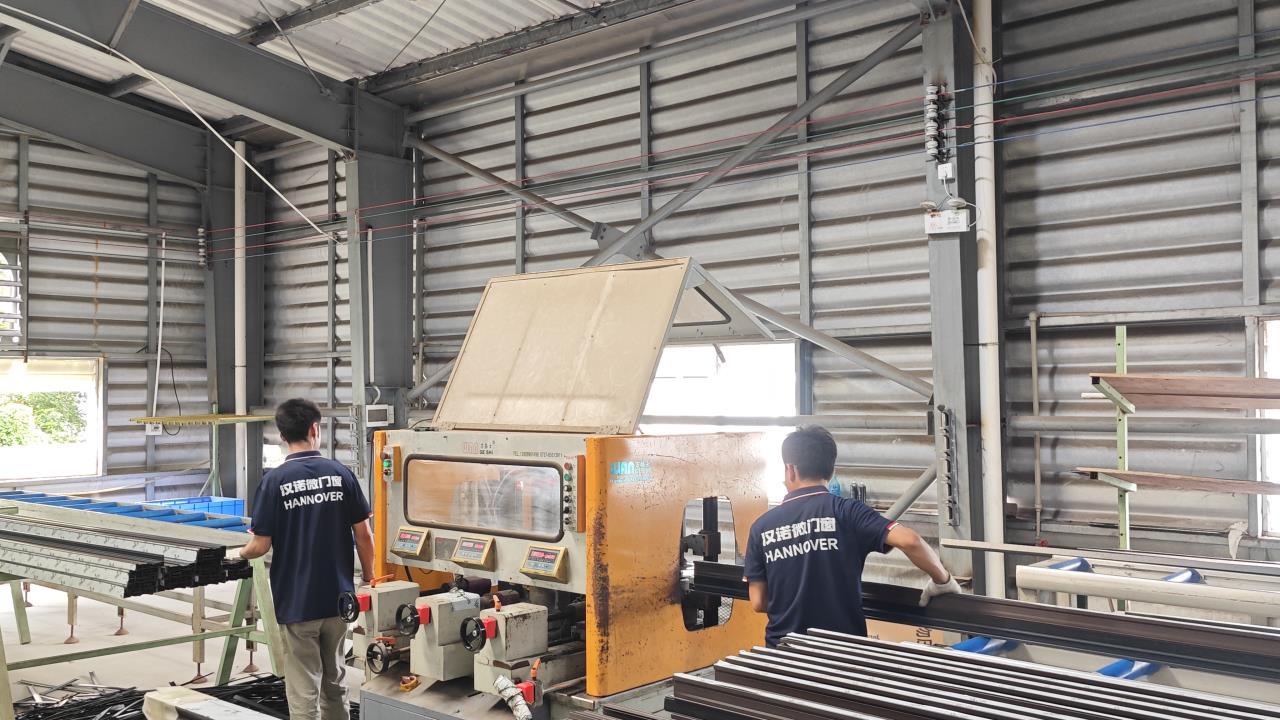
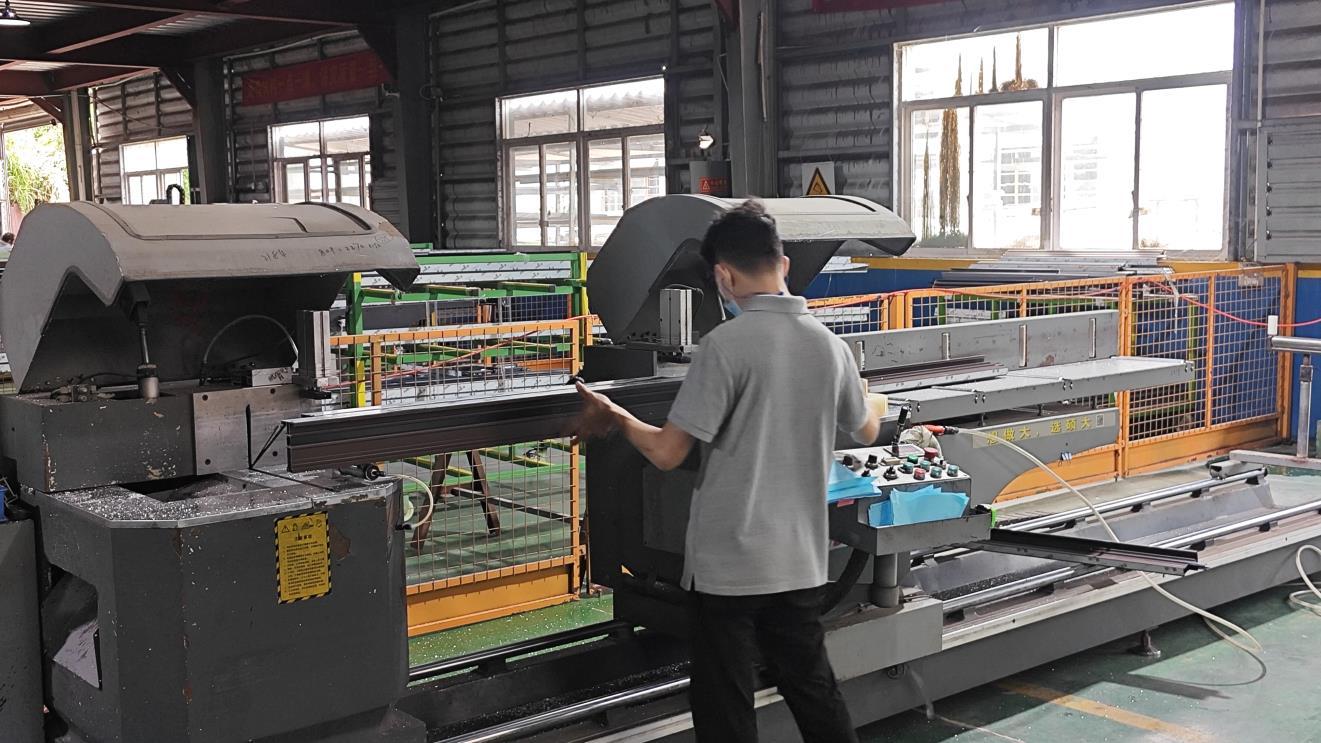
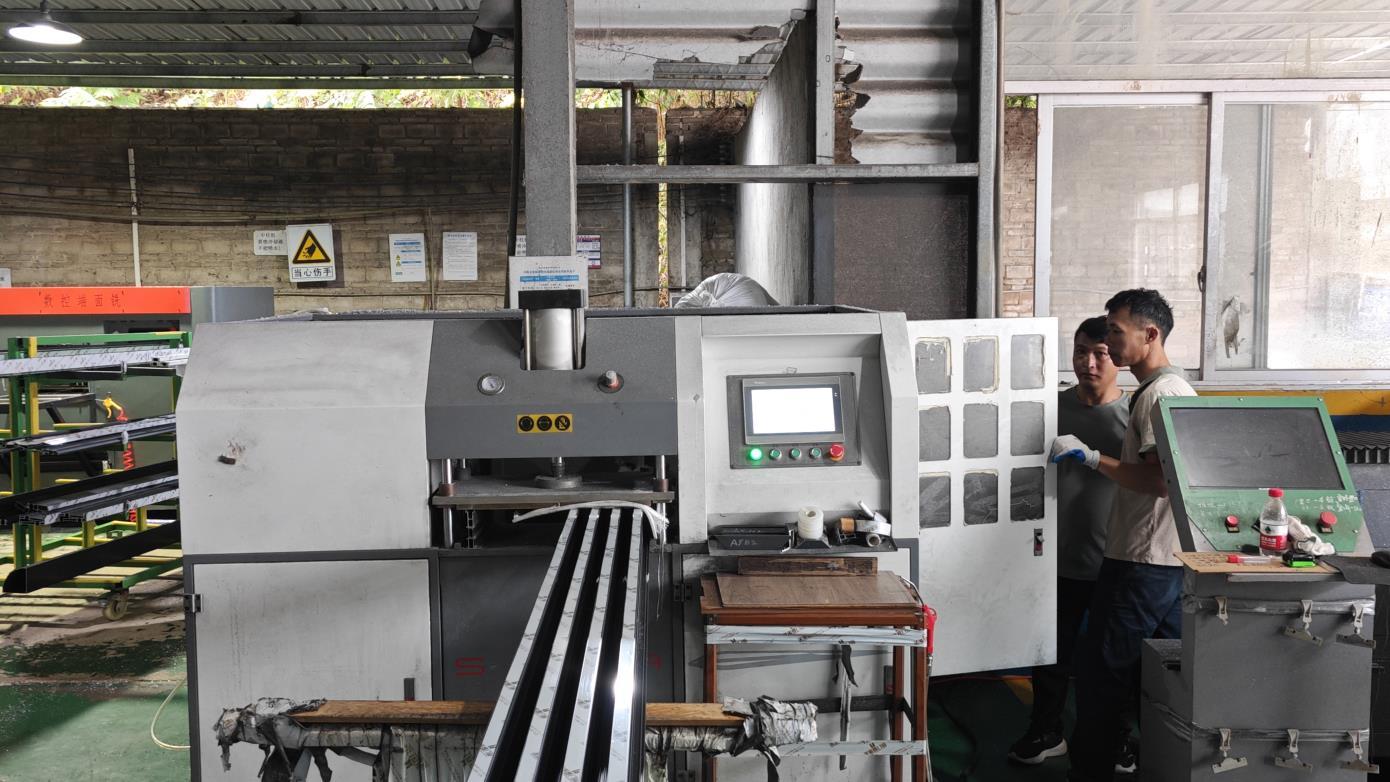
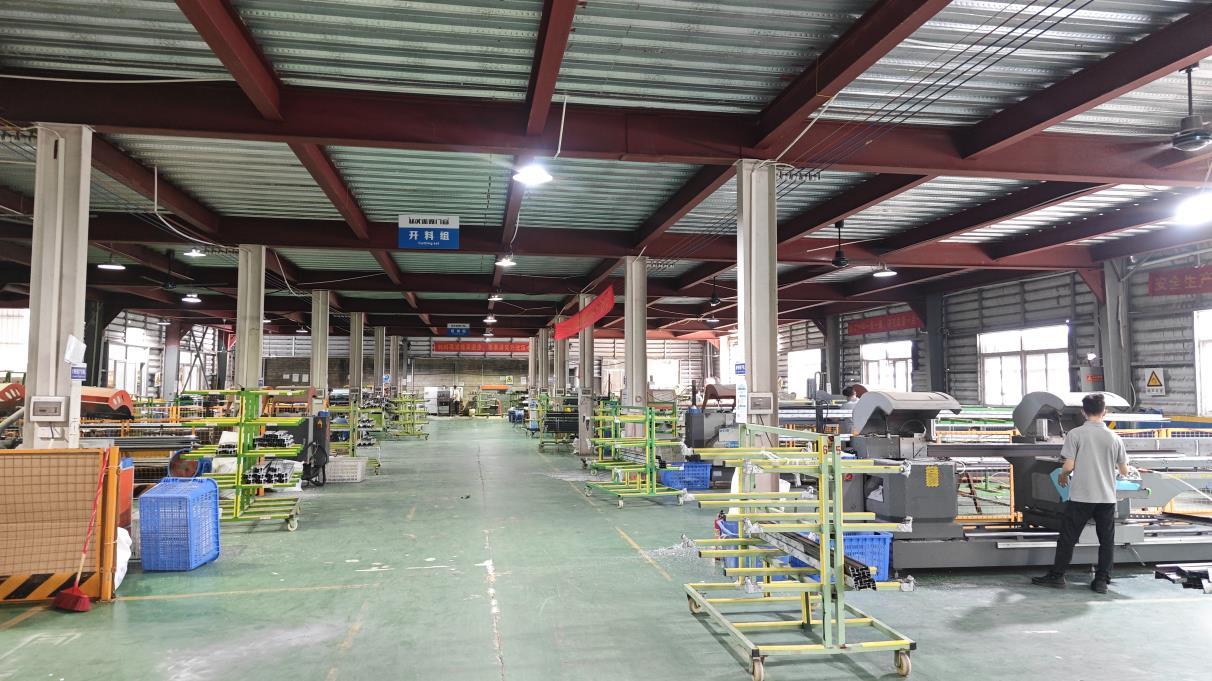
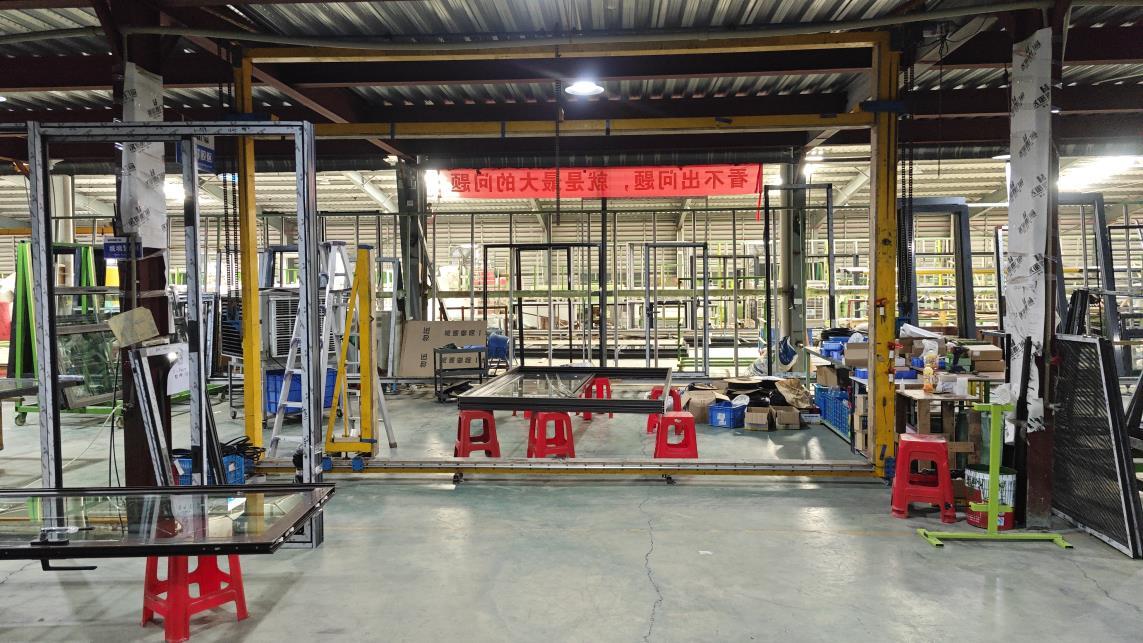
Precision Production Line & Quality Control Workflow
Inside Chengdu Zenit's 25,000m² manufacturing facility: from raw ingot inspection to final structural debugging.
Macro Industry Solutions for Global Buyers & Developers
Streamlining the international fenestration supply chain with turnkey customization, engineering support, and export logistics.
Architects, commercial contractors, and real estate developers face multifaceted challenges when sourcing exterior aluminium sliding doors internationally. These include strict local building codes, custom structural sizing, freight logistics, and long-term warranty assurance. Chengdu Zenit addresses these bottlenecks through a comprehensive B2B service matrix:
1. Custom Architectural Engineering & Shop Drawings
Our 42 R&D engineers generate complete CAD elevation files, 3D structural models, and thermal simulation reports before production begins, ensuring zero discrepancy on job site installation.
2. Robust Supply Chain Matrix (600+ Partners)
By leveraging an extensive network of glass processors, hardware manufacturers, and raw profile extruders, we ensure uninterrupted production cycles, competitive B2B pricing, and short lead times.
3. International Shipping & Containerized Packaging
Doors and window systems are packed in ISPM 15 certified solid wooden crates with steel frame reinforcements and moisture-absorbent wrapping, minimizing transport risk across ocean freight routes.
Technical Q&A for Specifiers & Importers
Expert answers regarding thermal break efficiency, certification standards, air/water testing, and factory compliance.
What makes Chengdu Zenit a top exporter of aluminium sliding doors in China?
With an annual export turnover of $26 million, a 25,000m² manufacturing facility, and over 11 years of architectural fenestration expertise, Zenit offers unparalleled structural quality, custom thermal break engineering, compliance with global certifications (CE, ISO, NFRC, AS2047), and robust B2B project management.
How do thermal break sliding doors improve energy efficiency?
Thermal break sliding doors utilize reinforced Polyamide (PA66-GF25) strips placed between inner and outer extruded aluminium frames. This break reduces heat transfer through thermal conduction, keeping interiors cooler in summer and warmer in winter, substantially lowering HVAC energy usage and helping buildings meet energy codes.
Can your door systems withstand high wind pressure and coastal saltwater corrosion?
Yes. Our hurricane-impact doors feature structural alloy profiles (6063-T6), multi-point locking systems, and heavy laminated glass rated for extreme Design Pressures (DP). Surface finishes include Qualicoat Class 2 powder coatings and anodized finishes tested for up to 3,000 hours under ASTM B117 salt spray tests.
What quality assurance protocols are conducted during manufacturing?
Our team of 35 dedicated QC inspectors conducts rigorous three-stage testing: incoming raw material verification, in-line process checks (precision cutting, CNC milling, strip insertion), and final pre-shipment testing on debugging racks for air permeability, water tightness, structural deflection, and hardware smooth operation.
Explore Additional Door & Window Systems
From frameless skylights to hurricane-proof casements and bi-fold systems, discover our complete export collection.
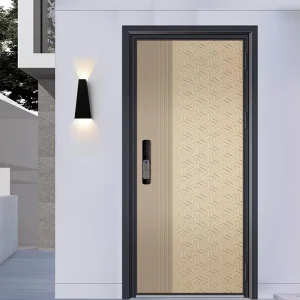
OUNA Modern Aluminum Exterior Entry Door for House Villa Security Soundproof Durable Design CE ISO NFRC Certified Manufacturer
Explore Technical Specs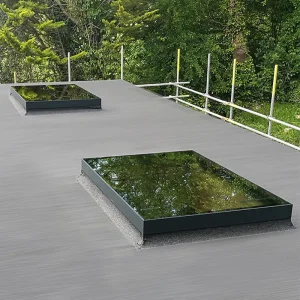
OUNA Frameless Aluminum Skylight Minimalist Design Maximizes Glass Area for Uninterrupted Sky Views Electric or Manual Option
Explore Technical Specs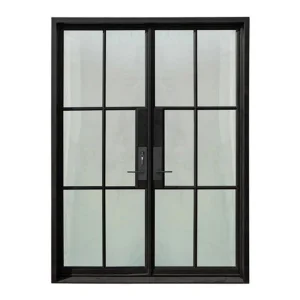
OUNA Modern Aluminum French Doors for Commercial Entrance Hurricane Proof and Soundproof with Double Glazed Tempered Glass
Explore Technical Specs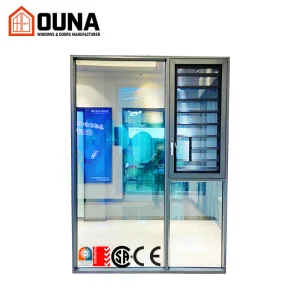
OUNA Hurricane Proof Aluminum Double Glass Casement Window Triple Glaze Tilt Turn or Awning Swing Windows for House with Screen
Explore Technical Specs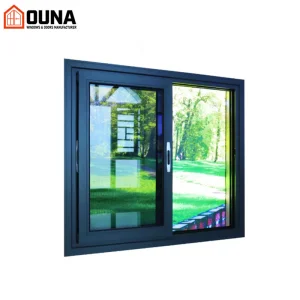
OUNA Commercial Hurricane Impact Proof Windows NFRC AS2047 Modern Windows Foshan for Residential Project Aluminum Sliding Window
Explore Technical Specs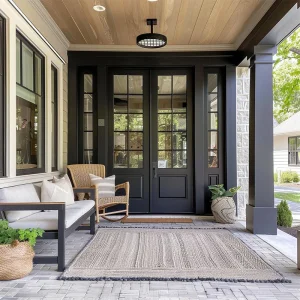
OUNA Heavy Duty Security Aluminum French Doors for Exterior Front Entry Reinforced Frame with Multi Point Locking System
Explore Technical Specs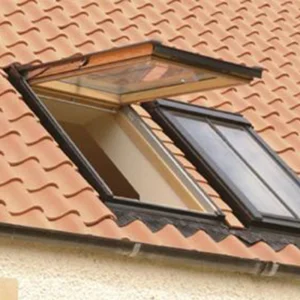
OUNA Pyramid Shape Aluminum Skylight Fixed Glass Roof for Maximum Daylighting Architectural Focal Point in Atrium or Hall
Explore Technical Specs