 Zenit Window
Featured Wholesale Aluminium Windows & Glass Doors
Engineered for commercial contractors, real estate developers, and international building material distributors requiring verified structural integrity and thermal efficiency.
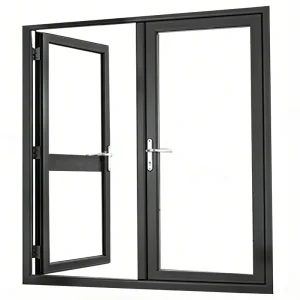
OUNA French Design Aluminum Alloy Glass Exterior Entry Door Push-Pull Opening Windproof Stainless Steel Screen 5-Year Warranty
View Product Specs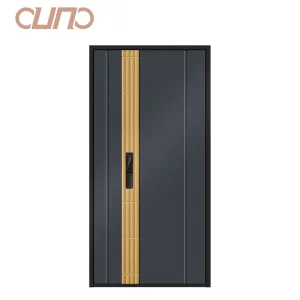
OUNA Contemporary Cast Aluminum Blast Security Door With Fire Resistant Function European Design Front Door for Villa
View Product Specs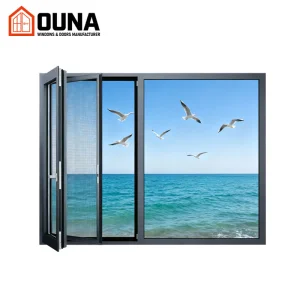
OUNA China High Quality Modern Design Aluminum Casement Window Thermal Break Hurricane Impact Proof Double Glazed Tempered Glass
View Product Specs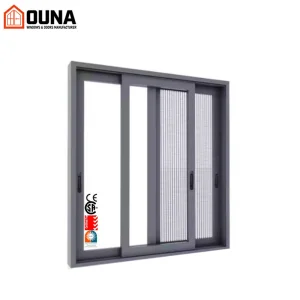
OUNA Customized Aluminum Sliding Windows Energy Efficient NFRC AS2047 Tempered Glass Hurricane Impact Proof Aluminum Window
View Product Specs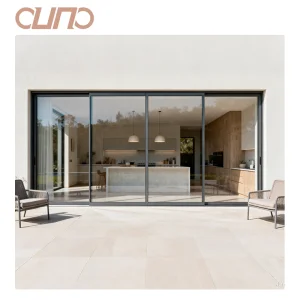
OUNA House Apartment Thermal Break Aluminium Glass Windproof Sliding Door NRFC Certification Heavy Duty Patio Sliding Doors
View Product Specs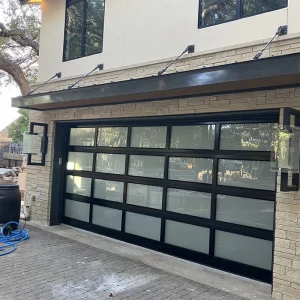
OUNA Insulated Sandwich Panel Sectional Garage Door with Aluminum Alloy for Thermal and Noise Control in Factories
View Product Specs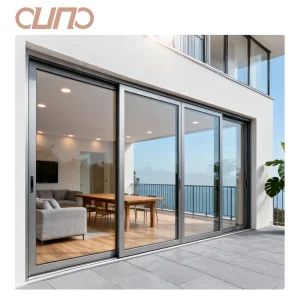
OUNA AS2047 Modern Slim Aluminum Double Glazed Tempered Glass Balcony Sliding Door Energy Saving Sliding Patio Doors
View Product Specs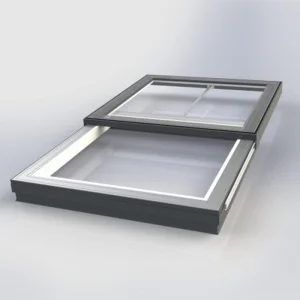
OUNA Transform Your Dark Attic Bright Aluminum Skylight Creates Airy and Spacious Feel Electric Opening for Easy Ventilation
View Product SpecsWhy Global Procurement Teams Choose China Wholesale Aluminium & Glass Window Manufacturers
Examining the structural cost advantages, advanced metallurgical processing, automated fenestration lines, and international certification networks driving global sourcing.
Raw Material Upstream Integration
China controls a major portion of global primary aluminium smelting and extrusion capacity. Chinese manufacturers utilize premium 6063-T5/T6 architectural-grade aluminium alloys with tensile strengths exceeding 205 MPa, combined with localized high-grade bauxite supply chains that dramatically lower baseline bill-of-materials (BOM) costs.
Advanced Glazing Ecosystem
Direct access to world-class glass processors enables seamless integration of double- and triple-pane Insulated Glass Units (IGU). Utilizing automated magnetron sputtering lines for Low-Emissivity (Low-E) coatings, soft-coat layers yield solar heat gain coefficients (SHGC) as low as 0.21 while maintaining high visible light transmittance (VLT).
Precision CNC Automation
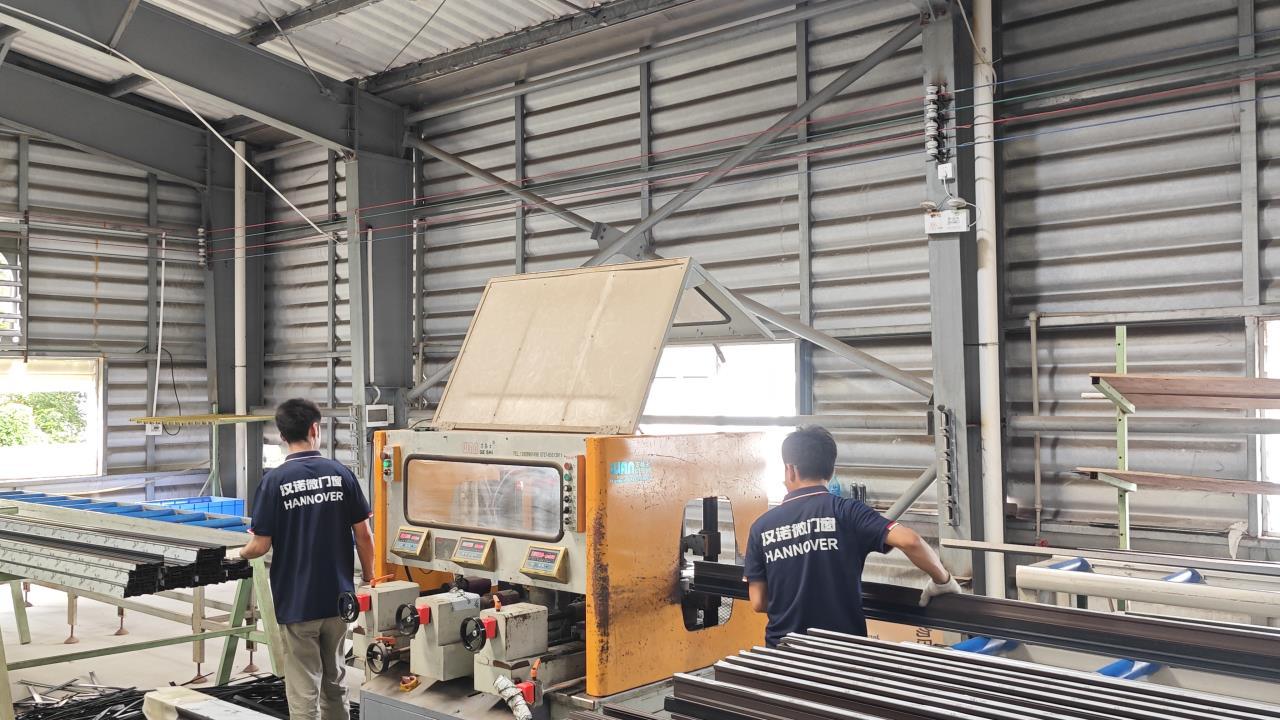
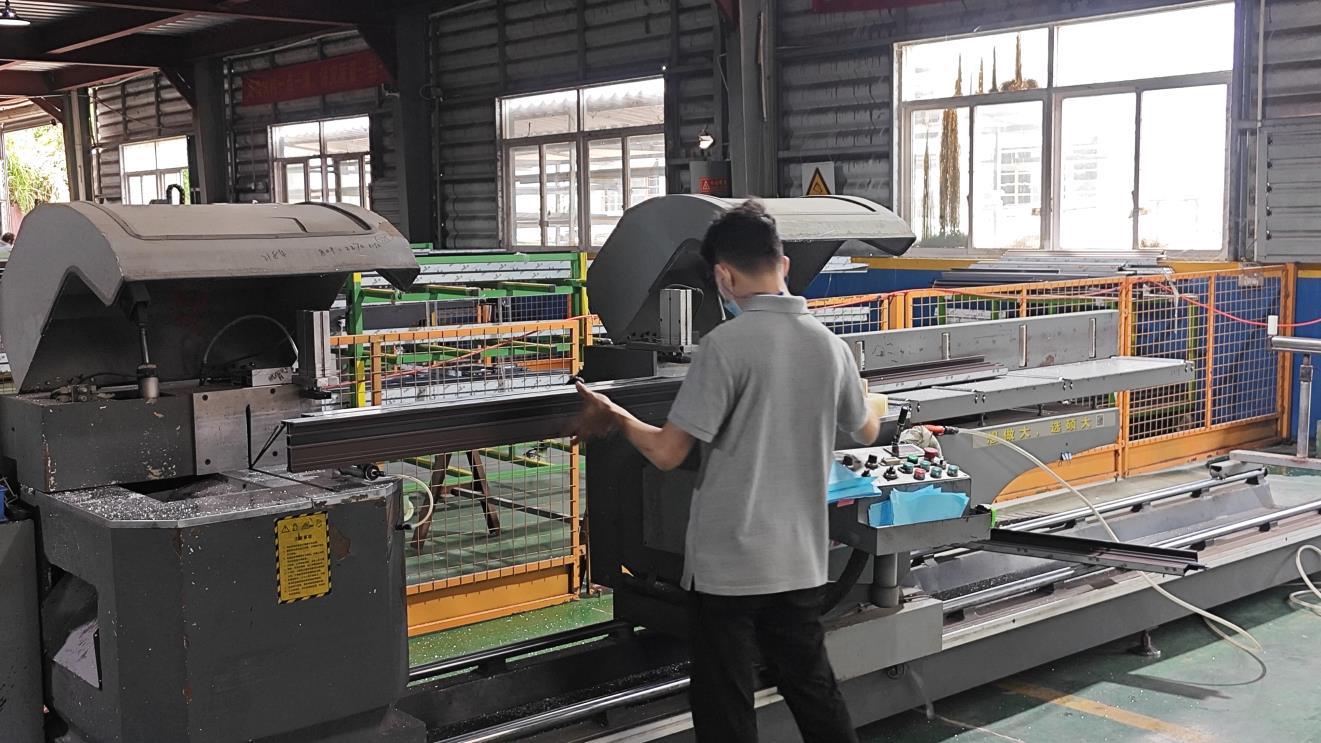
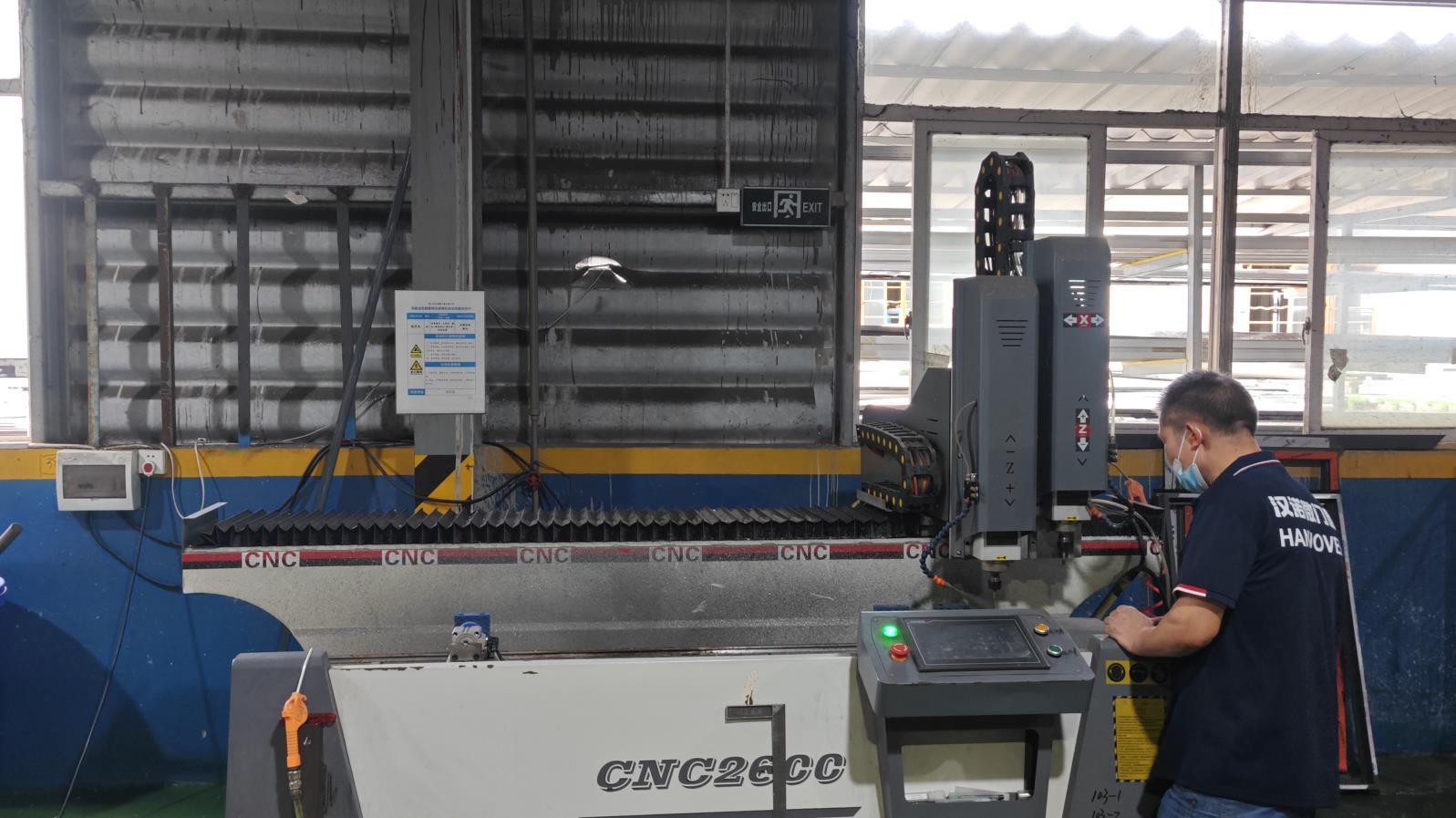
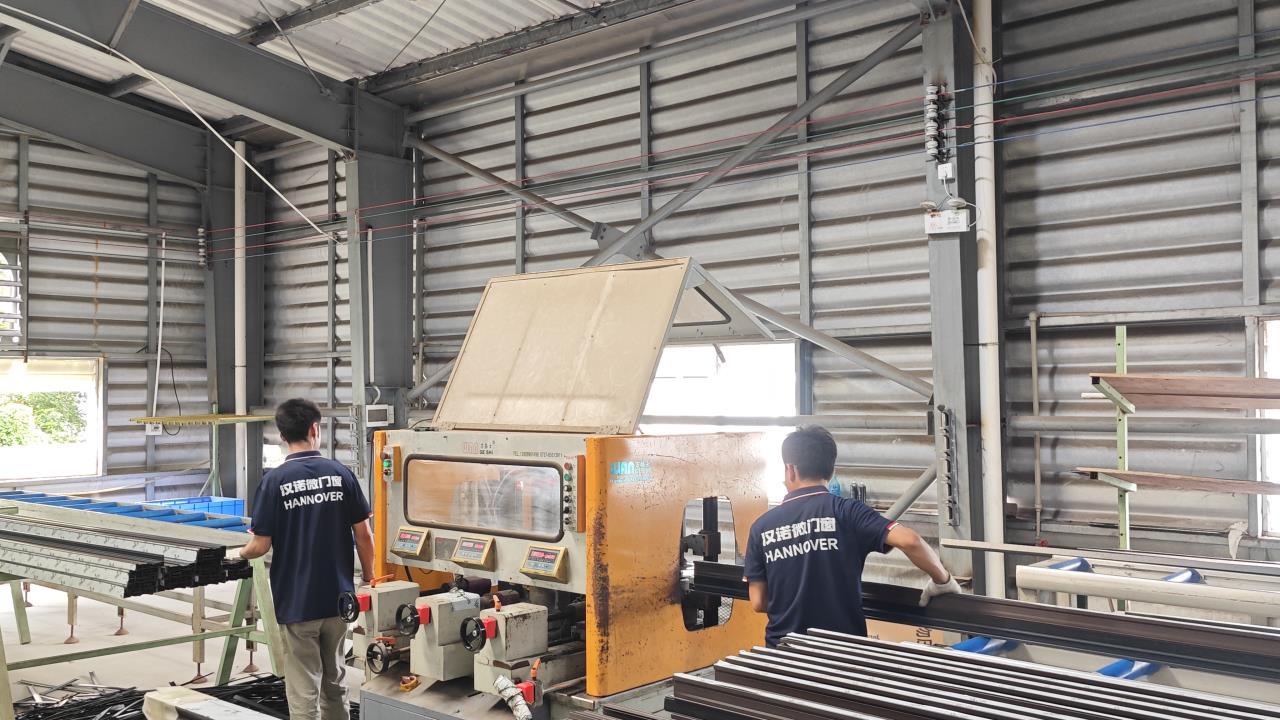
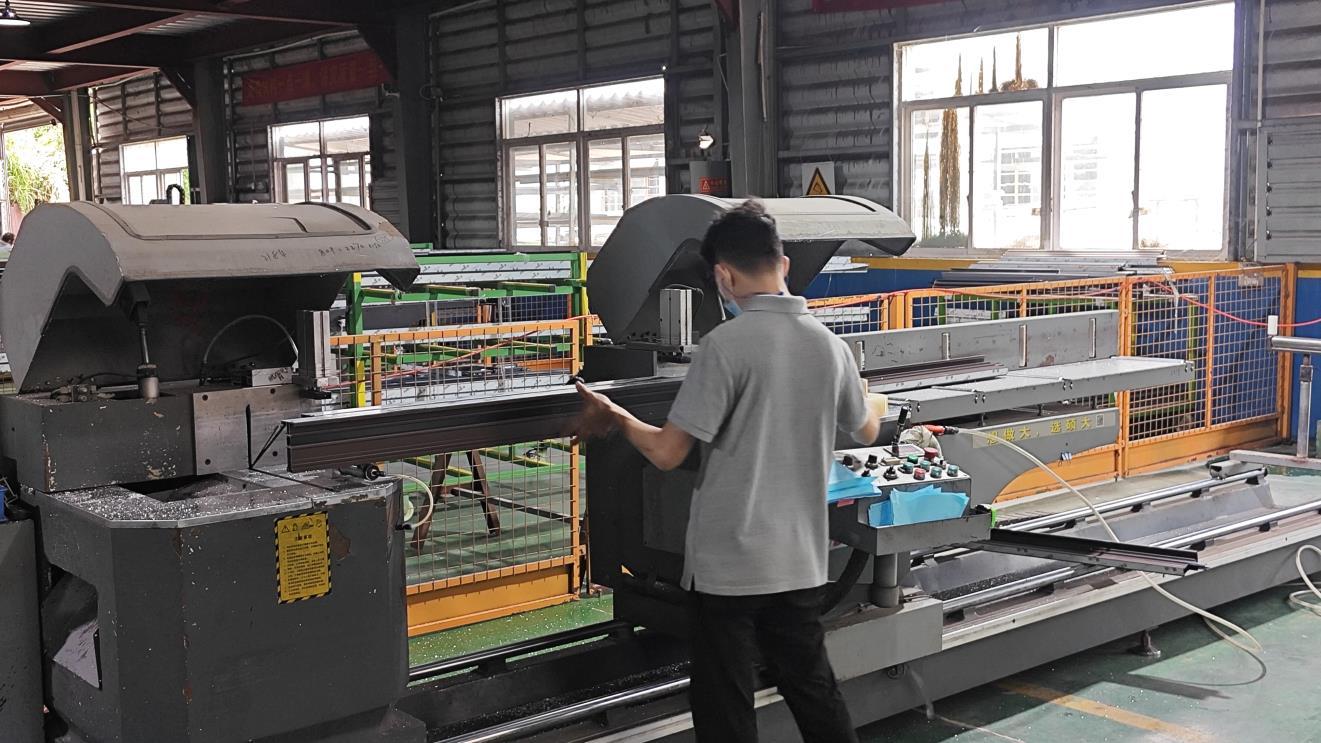
Modern Chinese fabrication facilities operate 4-axis and 5-axis automated CNC milling, double-head precision cutting saws, and automated strip threading machinery. This ensures dimensional tolerances within ±0.5mm, critical for structural air tightness, corner crimping strength, and flawless hardware alignment.
Chengdu Zenit Window & Door Co., Ltd.
A world-class manufacturing powerhouse specializing in high-performance residential and commercial architectural window and door systems.
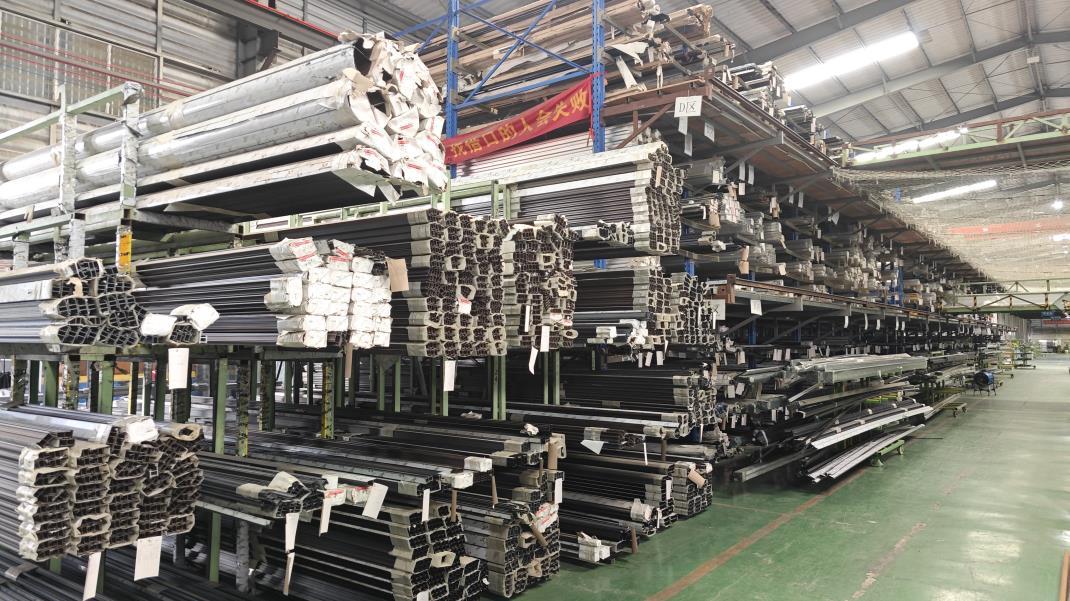
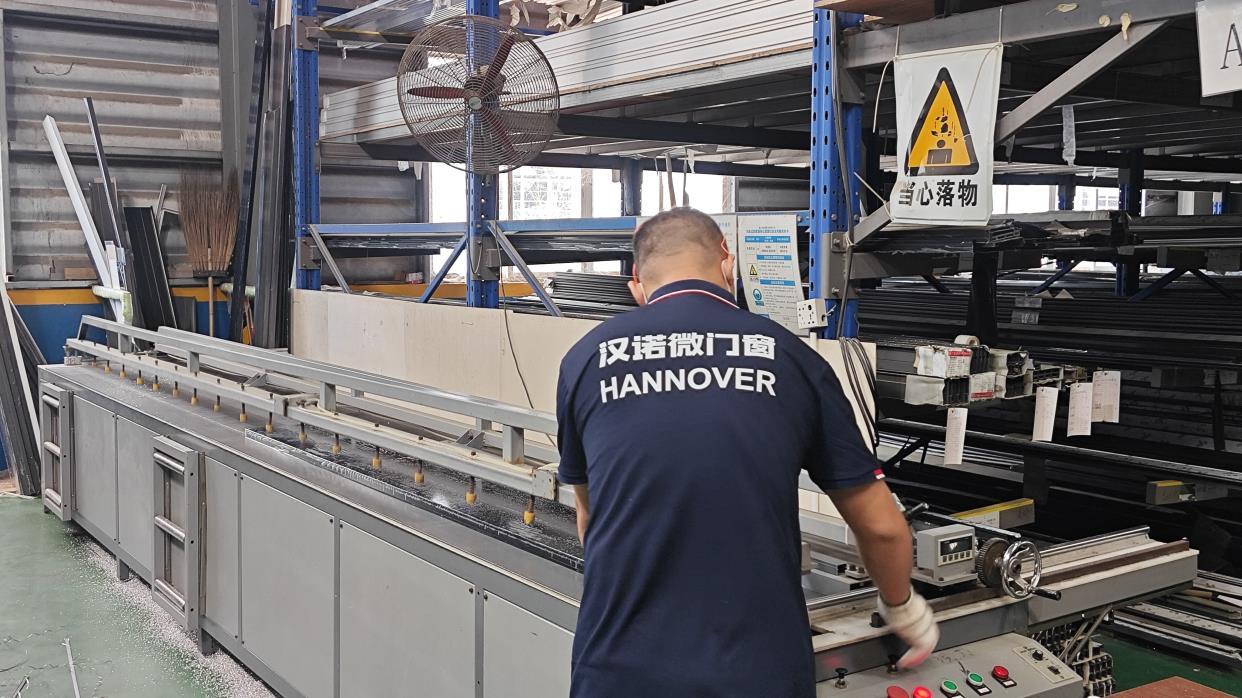
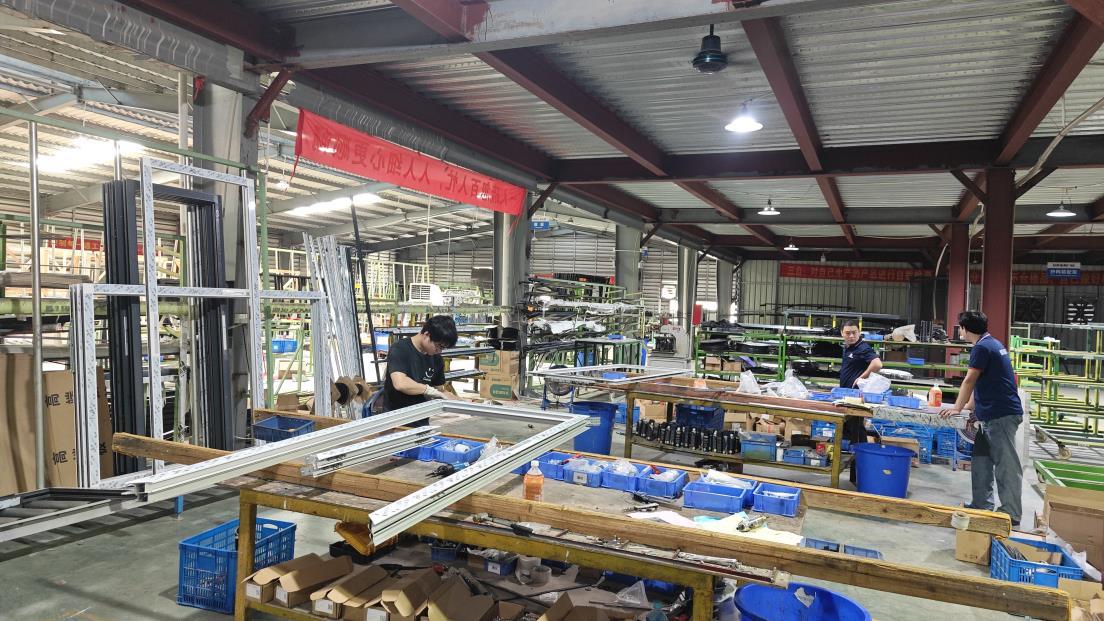
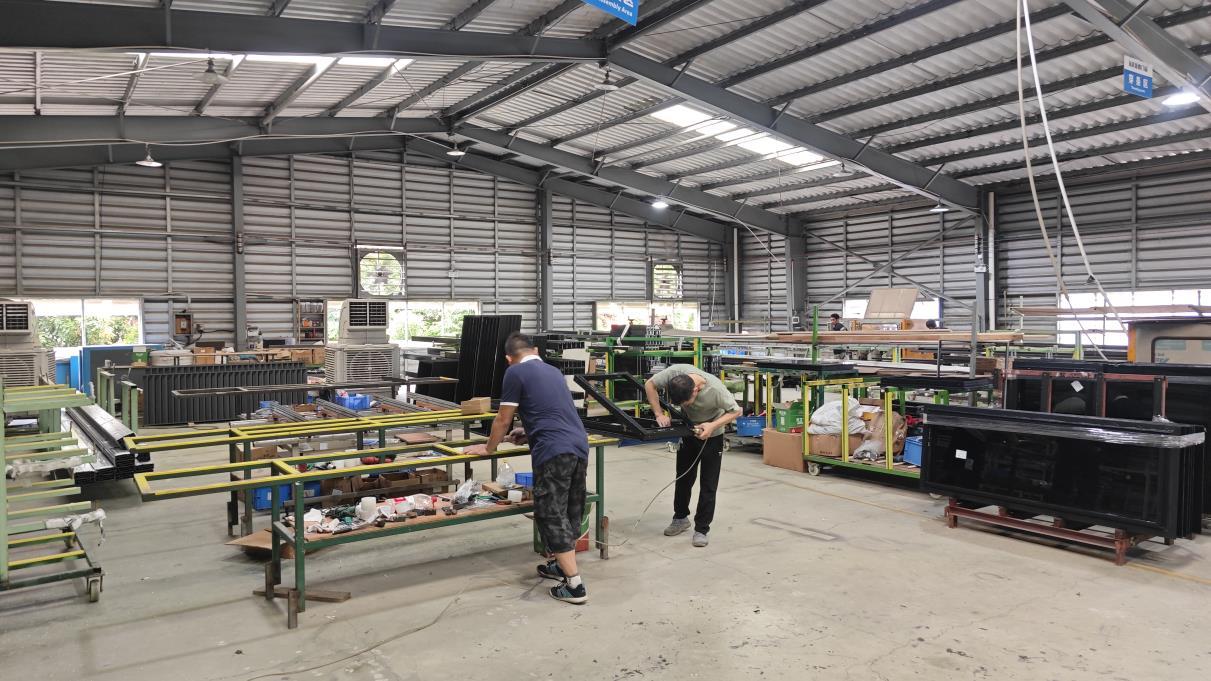
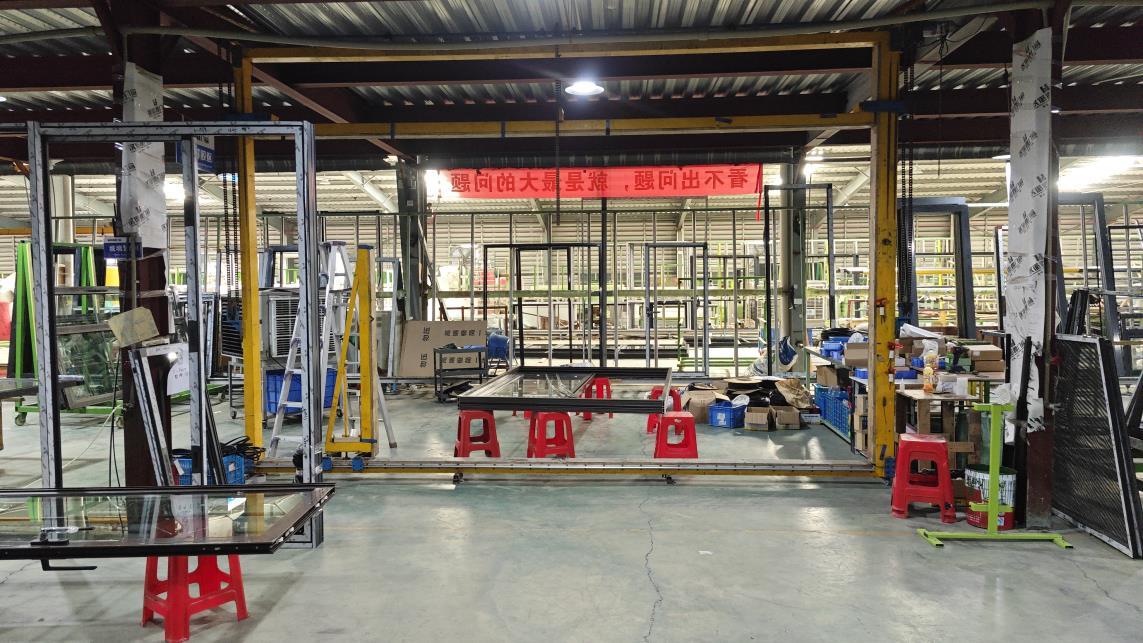
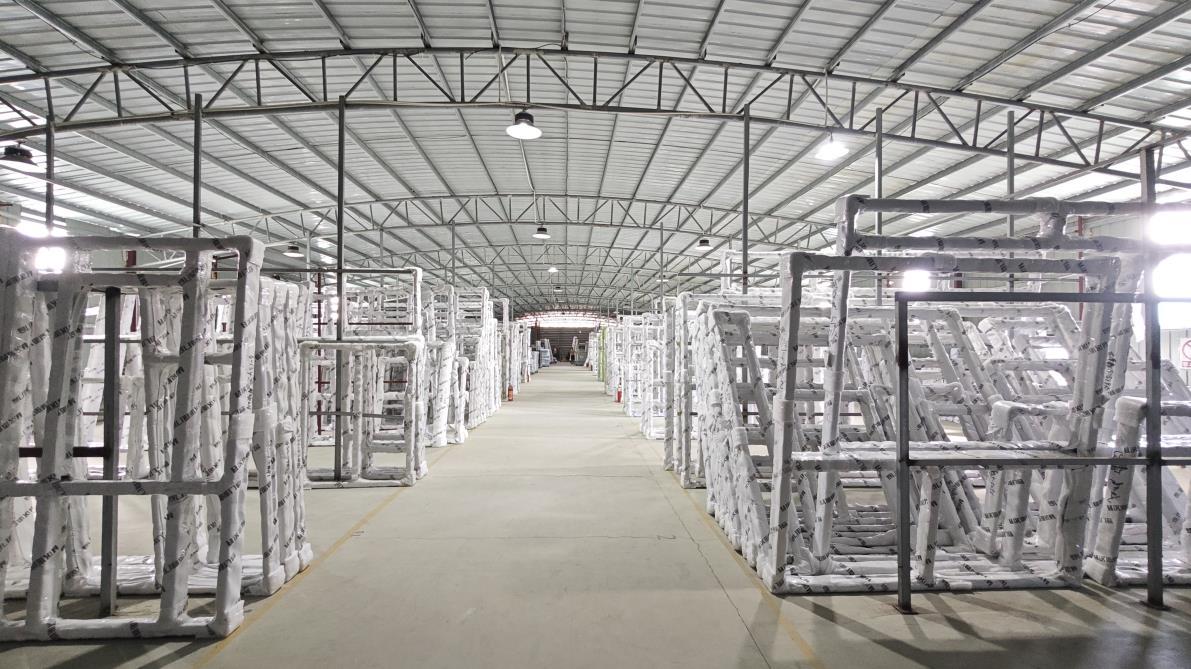
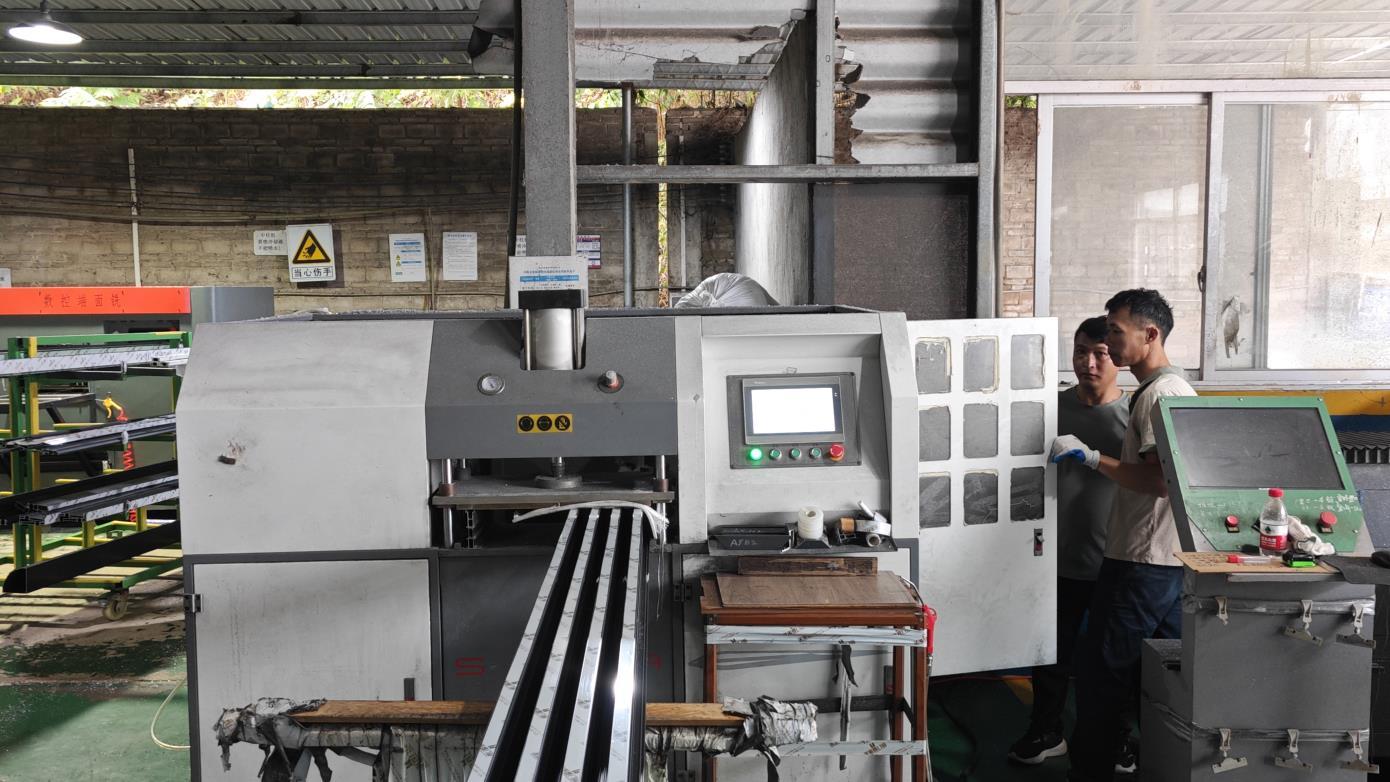
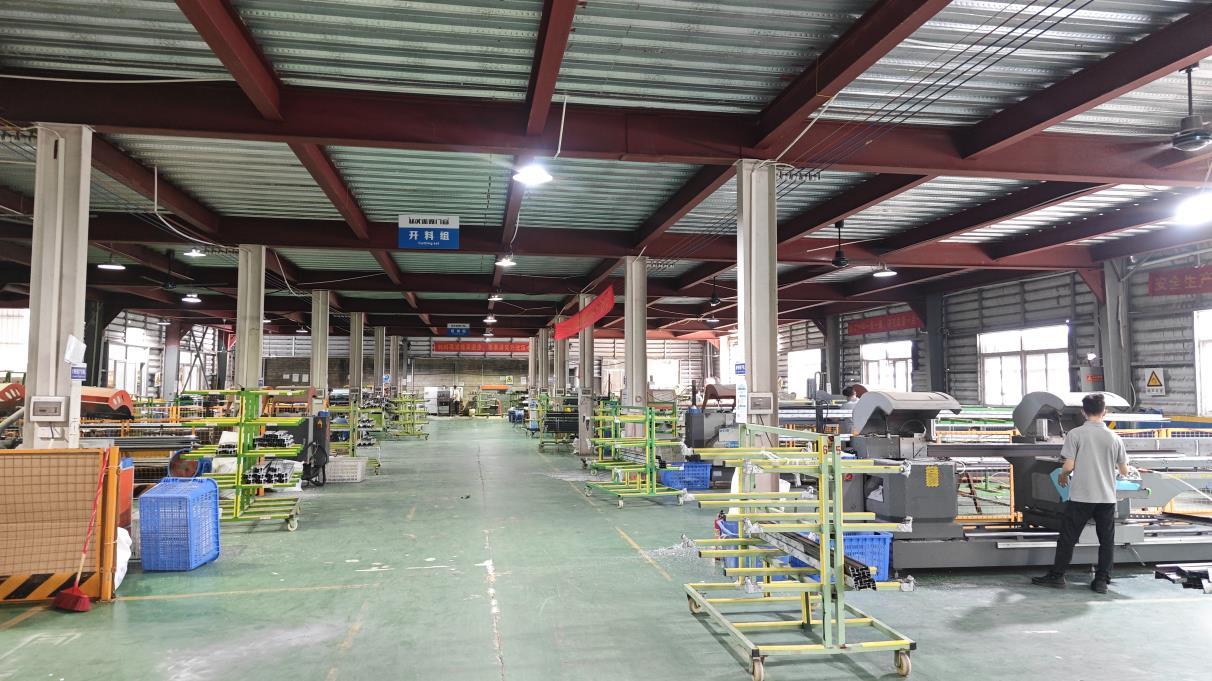
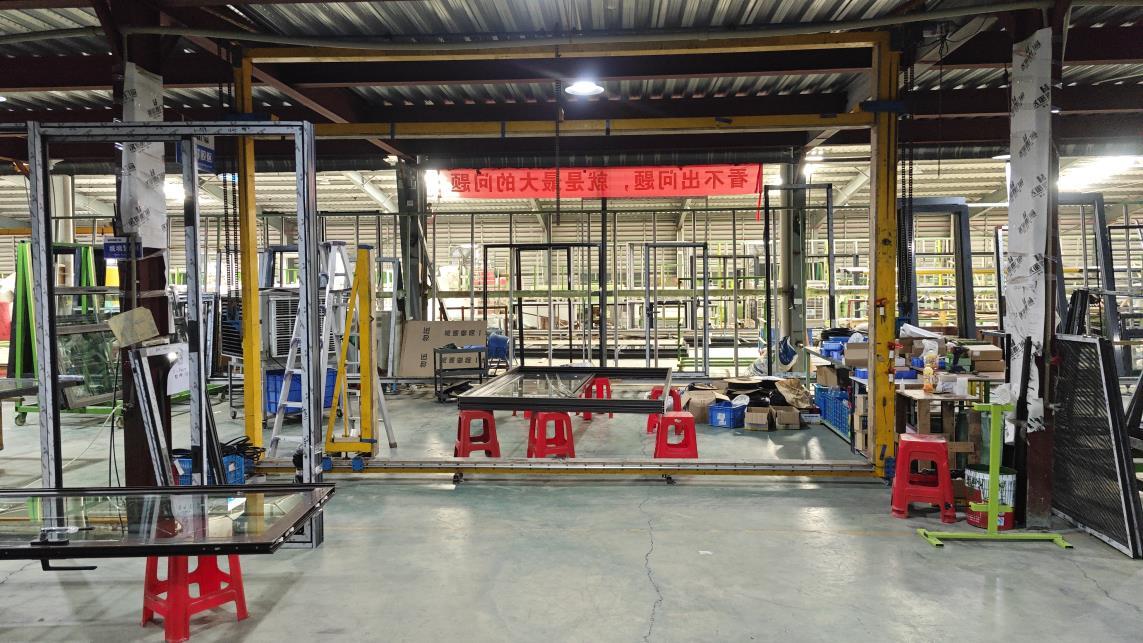
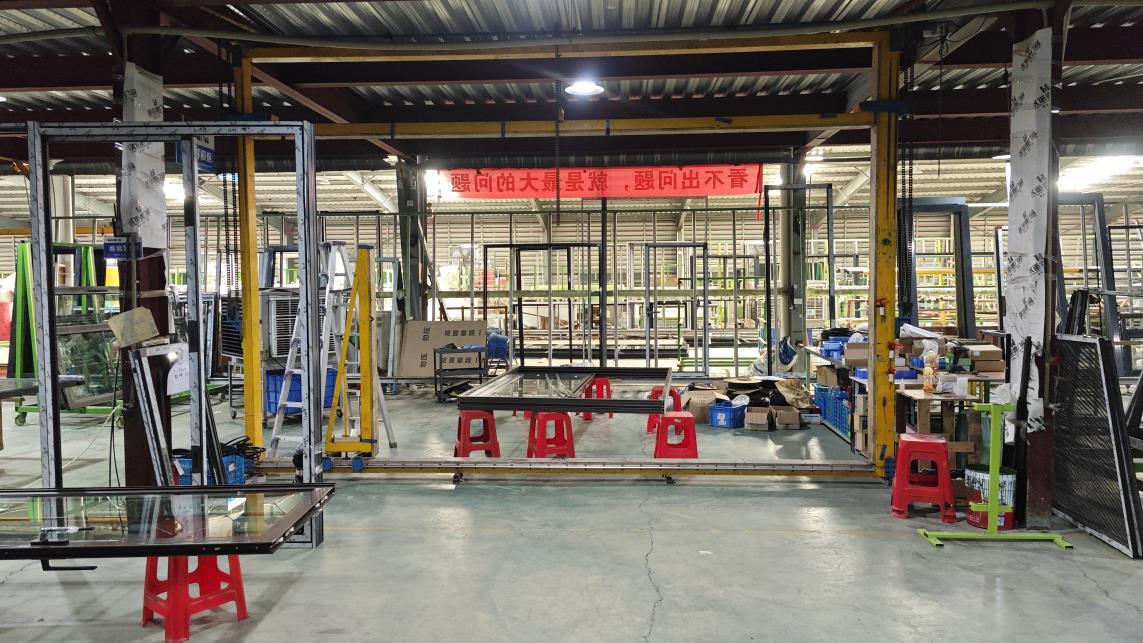
State-of-the-Art Production & Quality Control Infrastructure
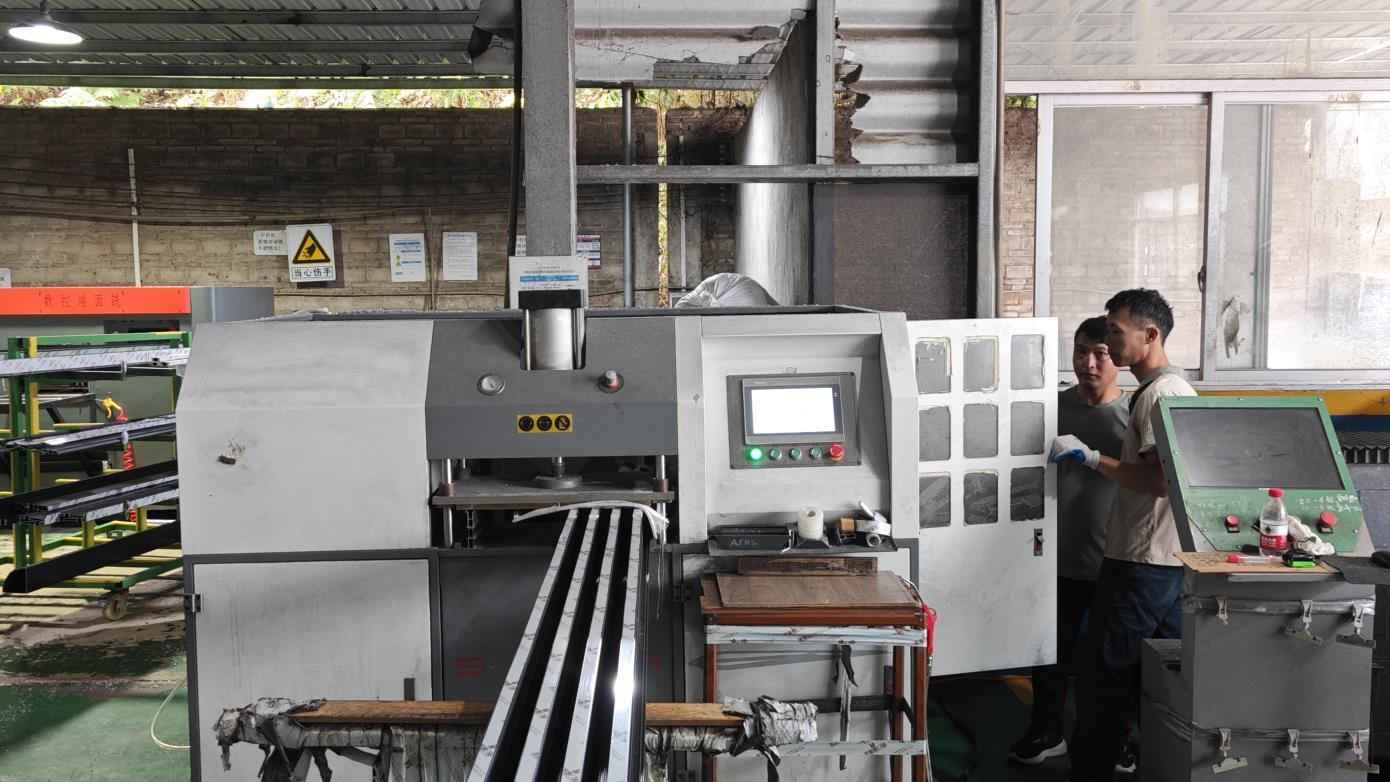
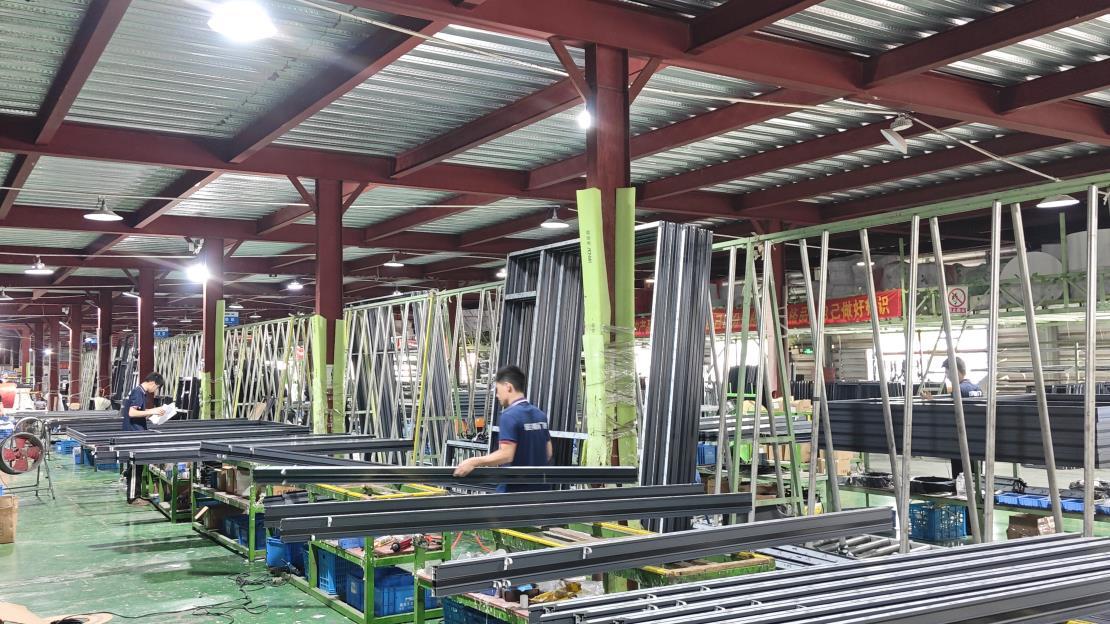
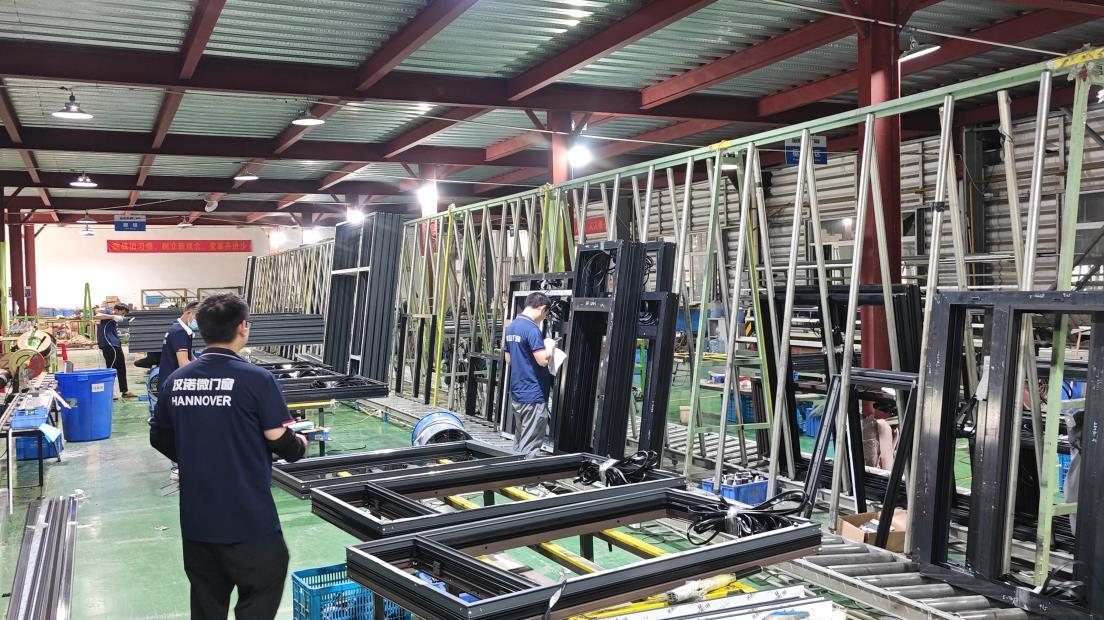
An insider look at our precision machinery, thermal strip assembly lines, CNC machining centers, and strict quality assurance racks.
Global Trends Shaping Aluminium & Glass Window Manufacturing
How modern thermal break technology, zero-carbon building standards, smart glass integration, and ultra-slim aesthetics are redefining wholesale window specifications.
1. Advanced Polyamide Thermal Barriers
Standard non-thermal aluminium profiles conduct heat rapidly. Modern fenestration demands broken-bridge structural designs. By inserting glass-fiber reinforced Polyamide (PA66 GF25) strips between inner and outer extruded aluminium profiles, heat conduction is reduced by over 70%. This achieves U-factors as low as 0.18 Btu/h·ft²·°F (1.0 W/m²K), aligning with Passive House certifications across North America and Europe.
2. Extreme Weather & Hurricane Impact Ratings
Driven by climate volatility, major commercial and luxury residential projects require hurricane-impact certified systems. Advanced China manufacturers utilize heavy-duty 2.0mm to 3.0mm wall-thickness extrusion profiles combined with PVB or SGP laminated safety glass. These systems withstand high wind load pressures (exceeding 6000 Pa) and pass ASTM E1886/E1996 large missile impact testing for coastal developments.
3. Minimalist Ultra-Slim Sightline Aesthetics
Contemporary architecture favors maximum glass coverage and unobstructed panoramic views. Narrow-frame sliding doors and casement windows engineered with concealed frame profiles, hidden hinges, and structural glass bonding permit frame sightlines as slim as 20mm. This minimal aesthetic does not compromise structural deflection performance or water penetration resistance.
4. Smart Automation & Electrochromic Integration
Smart building automation requires motor-driven fenestration. High-end wholesale skylights and push-pull window systems now incorporate integrated sensor-driven electric actuators (compatible with KNX, Zigbee, and smart home hubs), automatically closing during rain detection and integrating electrochromic smart glass that toggles tint levels based on solar radiation.
Localized Application Scenarios & Tailored Architectural Solutions
Delivering specialized engineering configurations tailored to diverse microclimates, structural building codes, and commercial application environments.
Coastal & Hurricane Zones
Target Regions: Florida (USA), Caribbean, Coastal Australia, Southeast Asia.
Solution Architecture: Heavy-gauge anodized thermal break aluminium profiles with SGP inter-layer laminated tempered glass. Marine-grade 316 stainless steel friction hinges and multi-point lock systems rated to resist salt-spray corrosion (tested to ASTM B117 2000 hours).
Cold Continental Climates
Target Regions: Northern USA, Canada, Northern Europe.
Solution Architecture: Triple-glazed insulated glass units filled with 90%+ Argon gas, dual low-E soft coatings, and warm-edge spacer bars (TGI/Swisspacer). Profile systems feature 34mm wide PA66 thermal strips to prevent interior condensation during sub-zero exterior temperatures.
Urban High-Rise Noise Mitigation
Target Regions: Metropolitan centers, high-density residential towers.
Solution Architecture: Asymmetrical dual-pane laminated glass combinations (e.g., 6mm + 1.14PVB + 6mm outer, 12mm Argon gap, 8mm inner). Accompanied by multi-chambered EPDM gasket seals, achieving Sound Transmission Class (STC) ratings up to 45 dB.
Global Enterprise Sourcing Framework & Quality Audit Standards
A step-by-step technical blueprint for commercial developers, real estate firms, and international buyers evaluating wholesale manufacturers in China.
Step 1: Code Compliance Verification
Prior to contract signing, ensure the manufacturer holds third-party laboratory certifications matching destination country standards. For North America, require NFRC thermal ratings and AAMA structural testing. For Australia, mandate AS2047 and AS1288 compliance. For Europe, verify CE marking (EN 14351-1).
Step 2: Profile & Hardware Specification
Detail exact engineering specs in the Request for Proposal (RFP). Mandate 6063-T5 aluminium alloy with powder coating thickness ≥60μm (AkzoNobel or PPG powders) or anodizing thickness ≥15μm. Specify hardware brands (e.g., German Siegenia, Hoppe, or certified top-tier domestic equivalents).
Step 3: In-Factory QC Protocol Audit
Evaluate factory inspection procedures. A qualified manufacturer must conduct four stages of testing: Incoming Raw Material Inspection (alloy composition, glass flatlines), In-Process QC (cutting tolerances, corner crimping torque), Water/Air Tightness Benchmarking (mock-up testing chamber), and Pre-Shipment Packaging Audits.
Step 4: Logistics & Transport Protection
Glass and heavy aluminium units require robust export packaging. Standard protocols dictate protective film coating on profiles, corner plastic guards, fully enclosed fumigated wooden crates or steel-frame A-frame racks, and moisture-absorbing desiccant packs within sea-freight container shipments.
Commercial Storefronts, Villa Entrances & Smart Skylights
Explore our full line of specialized blast security doors, curtain wall facade systems, and motorized smart glass solutions.
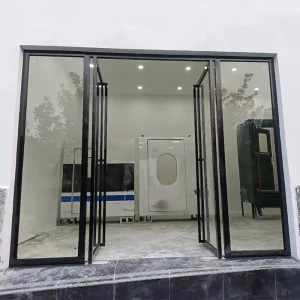
OUNA Heavy Duty Aluminum Alloy French Glass Windproof Commercial Storefront Entry Door for Hotels & Malls
View Product Specs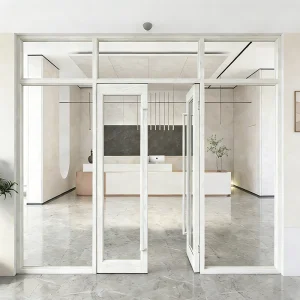
OUNA Commercial Push-Pull Door with Stainless Steel Screen Aluminum Alloy Frame Modern Design for Retail Storefront Entrances
View Product Specs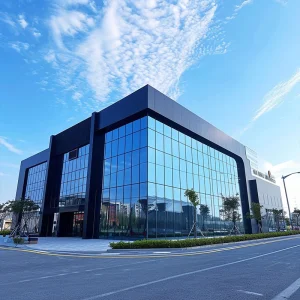
OUNA Panoramic Glass Curtain Wall for Commercial Complex and Shopping Mall Attracts Customers with Transparent Modern Facade
View Product Specs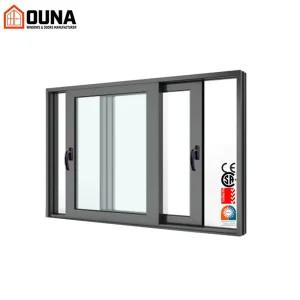
OUNA NFRC AS2047 Hurricane Impact Proof North American Latest Design Grill Sliding Window Double Glass Sliding Glass Windows
View Product Specs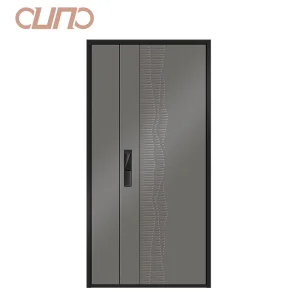
OUNA Custom Residential American Aluminum Security Doors for Houses Exterior Front Entry Villa Fire Resistant
View Product Specs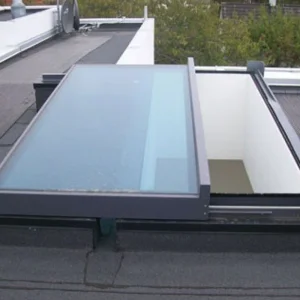
OUNA Premium Electric Aluminum Skylight Combin Waterproof Thermal Break Smart Control Complete Solution for Modern Architecture
View Product Specs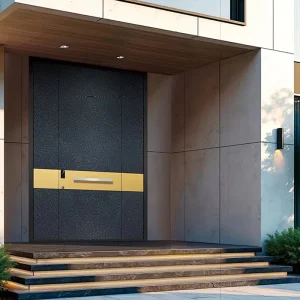
OUNA High Quality Aluminum Exterior Doors Residential Exterior Entry Doors Security CE ISO NFRC Certified for American Market
View Product Specs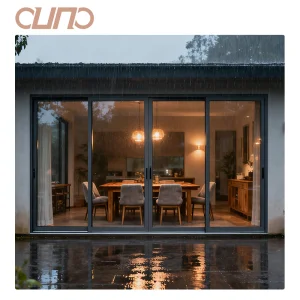
OUNA Hot Sell Energy Efficient Customized Low E Double Layered Tempered Glass Thermal Break Aluminum Lift Sliding Room Door
View Product SpecsFrequently Asked Questions for B2B Window Sourcing
Detailed answers regarding manufacturing lead times, minimum order quantities (MOQ), custom CAD detailing, international certification compliance, and global delivery logistics.
What certifications do China aluminium window manufacturers provide for North America and Australia?
Top-tier manufacturers like Chengdu Zenit comply with target market building codes. For Australia, products are certified under AS2047 (Windows and External Glazed Doors in Buildings) and AS1288 (Glass in Buildings). For North America, systems undergo NFRC (National Fenestration Rating Council) testing for U-factor, SHGC, and VT, as well as AAMA testing for water infiltration, air leakage, and structural loading. CE certifications are provided for Western European contracts.
What is the difference between thermal break aluminium profiles and standard aluminium profiles?
Standard aluminium profiles consist of a continuous metal extrusion, which acts as a thermal conductor, transferring heat or cold rapidly between exterior and interior environments. Thermal break (or broken-bridge) aluminium profiles feature a reinforced structural insulator—typically Polyamide PA66 GF25 (25% glass fiber reinforced)—inserted between the inner and outer extrusion chambers. This barrier breaks the thermal bridge, boosting energy efficiency by 45% to 70% and preventing interior frame condensation.
Can custom CAD shop drawings and architectural BIM models be provided prior to production?
Yes. Zenit operates a dedicated R&D team of 42 engineering specialists who provide complete architectural shop drawings, structural calculation reports, and 3D CAD/BIM models for project approval before manufacturing commences. This ensures exact alignment with site rough opening (RO) dimensions, sill pan flashing details, and wall anchor placement.
How are glass breakage and freight transit risks managed during international shipping?
Products are secured using multi-layer protective packaging: protective anti-scratch film on frame surfaces, corner shock-absorbers, wrapped in waterproof stretch film, and placed inside heavy-duty fully enclosed fumigated plywood crates or custom steel A-frames. Additionally, sea shipments are loaded with container moisture absorbers and covered by comprehensive Marine All-Risks Insurance policies.
What are the standard lead times for wholesale window orders from China?
Standard production lead times range from 25 to 35 business days following shop drawing approval and deposit confirmation. For complex custom extrusion profiles or specialized powder-coat colors, profile die extrusion can add 10 to 14 days. Express sample production for mock-up testing can be completed within 15 days.