 Zenit Window
Featured Architectural Aluminum Door Systems (Part I)
Precision-engineered exterior and interior aluminum fenestration solutions compliant with NFRC, AS2047, and CE structural standards.
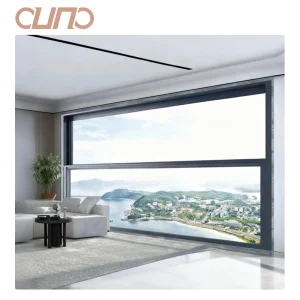
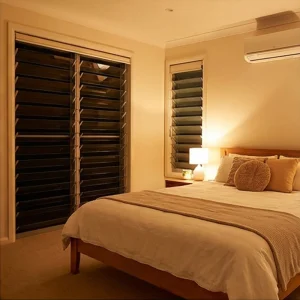
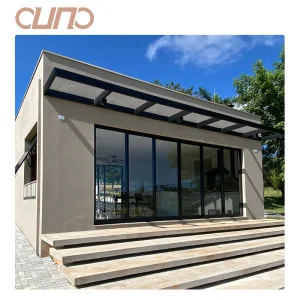
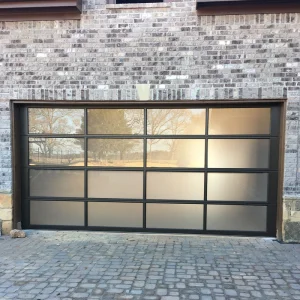
Executive Summary: Zenit Window & Door Manufacturing Infrastructure
Operational Benchmarks, Global Logistics Reach, and Technical Capacity Analysis
Founded in 2015, Chengdu Zenit Window & Door Co., Ltd. operates a 25,000-square-meter manufacturing facility. Backed by 11 years of industry expertise and 8 years of global trade experience, the company achieves an annual export turnover of $26 million. Our primary export markets cover North America, Australia, and Western Europe, catering to residential home builders, architectural contractors, and building material wholesalers.
Quality control is managed by a team of 35 inspectors who perform rigorous air permeability testing, water tightness checks, and frame corner strength evaluations. Supported by over 600 supply chain partners, Zenit delivers comprehensive customization options including thermal break profiles, custom anodized finishes, and triple-pane soundproof glass. Driven by an active R&D division of 42 engineers, we released 50 new architectural window systems over the past year.
Global Commercial & Industrial Landscape for Architectural Aluminum Doors
Macroeconomic drivers, energy code mandates, structural performance criteria, and material selection paradigms
Strict Thermal Regulations
International building energy codes (such as ASHRAE 90.1, NFRC thermal standards, and Title 24) demand ultra-low overall thermal transmittance (U-factors). Modern aluminum doors must employ advanced multi-cavity Polyamide (PA66) thermal breaks to eliminate thermal bridging between interior and exterior aluminum profiles.
Extreme Weather & Coastal Resilience
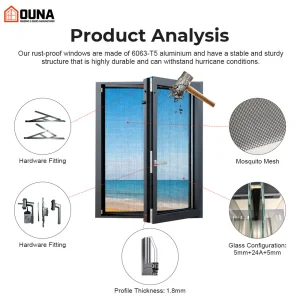
Urban centers in hurricane-prone belts (such as Florida, the Caribbean, and coastal Australia) mandate extreme wind-load resistance and missile impact ratings. Engineering high-tensile 6063-T5 aluminum alloys with laminated hurricane glass ensures envelope integrity during peak barometric stress.
Acoustic & Interior Comfort
Rapid urbanization has elevated acoustic insulation (STC ratings) into a major procurement metric. Combining multi-chambered thermal profiles with specialized acoustic PVB interlayers enables noise reductions exceeding 42dB, critical for high-end hospitality and modern office environments.
Technical Evaluation Framework: Top 10 Aluminum Door Manufacturers Criteria
How enterprise procurement teams evaluate global suppliers on extrusion quality, surface finishes, hardware durability, and certified performance.
Selecting an architectural window and door manufacturer requires looking past initial unit cost to evaluate long-term structural integrity, thermal efficiency, and manufacturing compliance. Below is the technical benchmark matrix utilized by global architectural procurement firms when auditing top manufacturers worldwide.
| Evaluation Matrix | Tier 1 Global Standard | Zenit Factory Specification | Impact on Building Performance |
|---|---|---|---|
| Profile Alloy & Temper | Primary 6063-T5 / 6063-T6 Aluminum | 100% Virgin 6063-T5 Profile Standard | Ensures high tensile strength, resistance to wind deflection, and structural stability. |
| Thermal Insulation | Polyamide PA66 Strip Integration | PA66 GF25 Thermal Break Strips | Eliminates thermal bridging, reduces HVAC loads, prevents frame condensation. |
| Glass Configuration | Double/Triple Tempered Low-E + Argon | Custom Double/Triple Glazing, Ar, Low-E | Dramatically reduces Solar Heat Gain Coefficient (SHGC) and overall U-value. |
| Corner Joining Technology | Mechanical Corner Cleats with Glue Injection | High-Precision Corner Crimping + Injection | Prevents structural rack, air leakage, and corner water infiltration under storm pressure. |
| Surface Finish Quality | Qualicoat Powder Coating / Anodized Class 1 | Fluorocarbon (PVDF), Anodized, Wood Grain | Provides 20+ year resistance against UV degradation, salt spray corrosion, and fading. |
| Hardware Systems | Multi-Point European / German Hardware | Siegenia / Hoppe / Custom Heavy Duty | Guarantees 100,000+ cycle smooth operation, high burglar resistance, and perimeter sealing. |
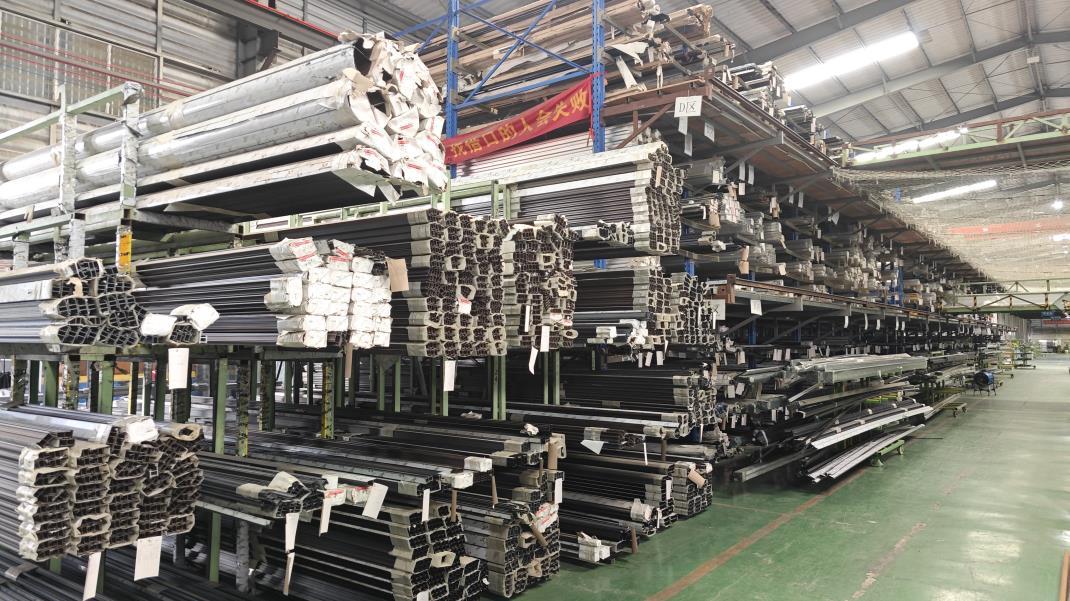
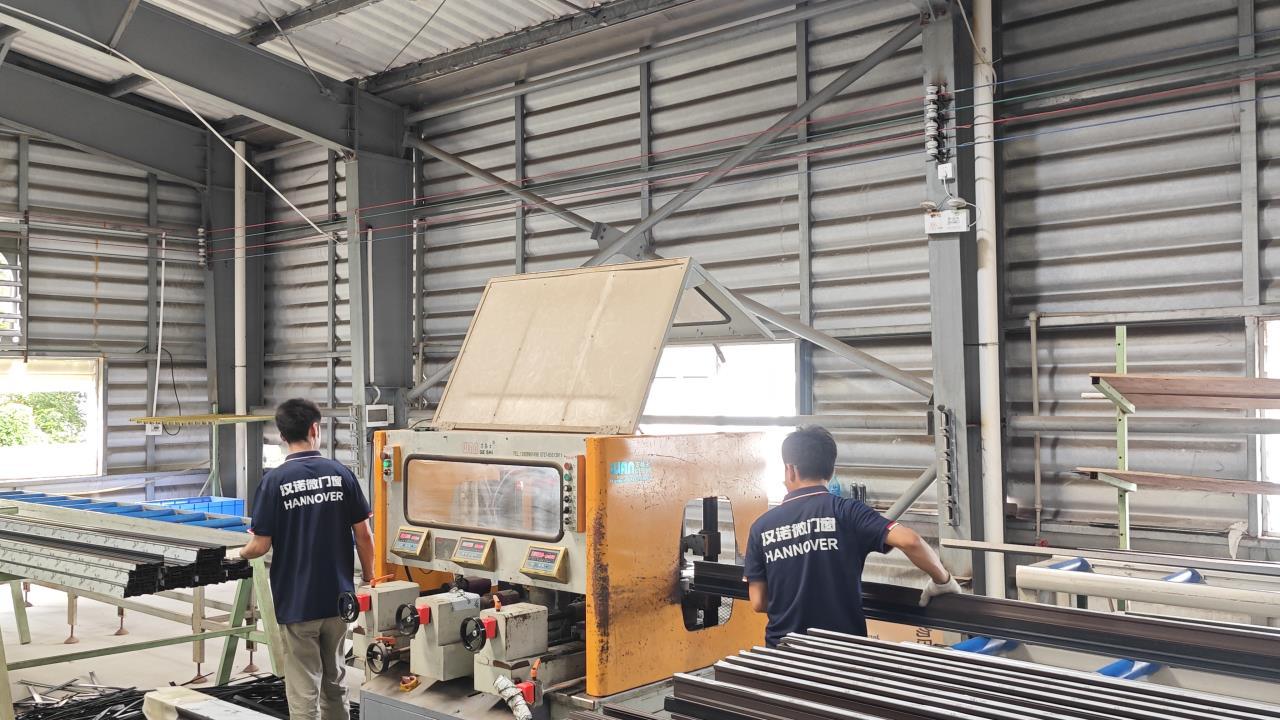
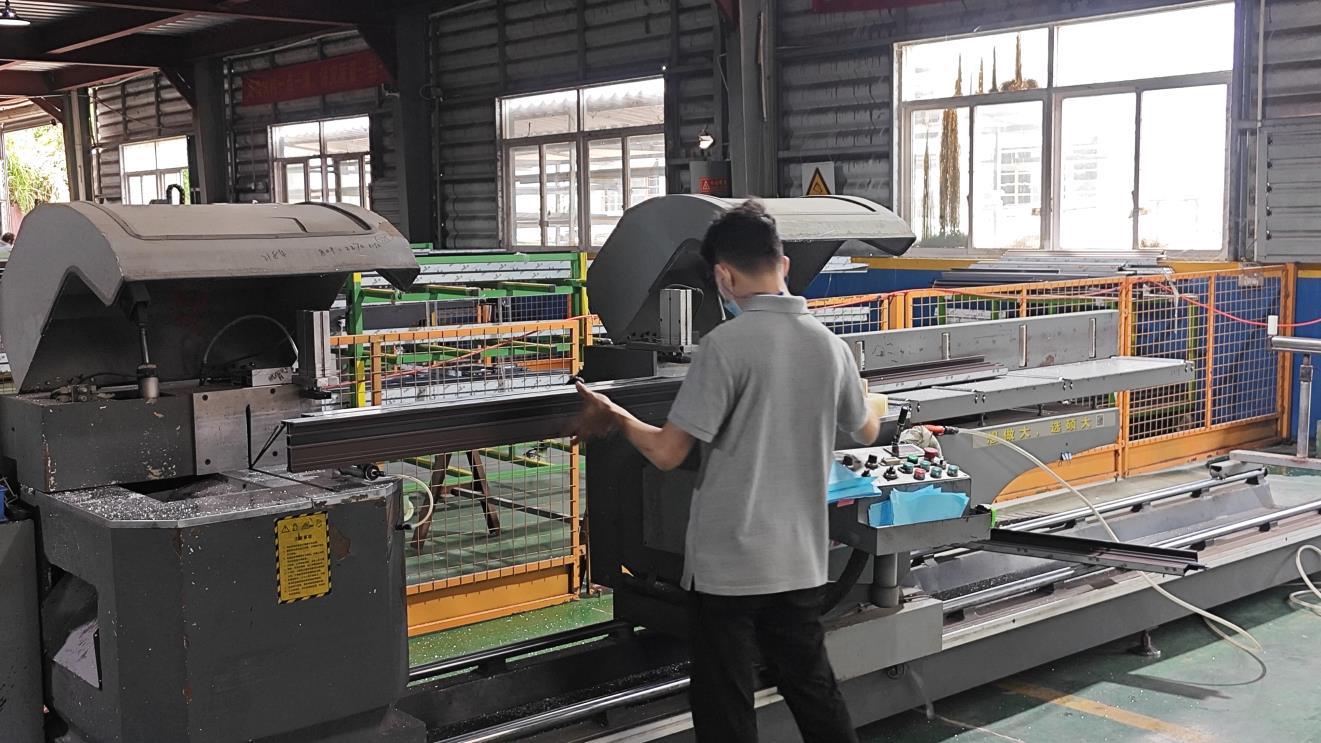
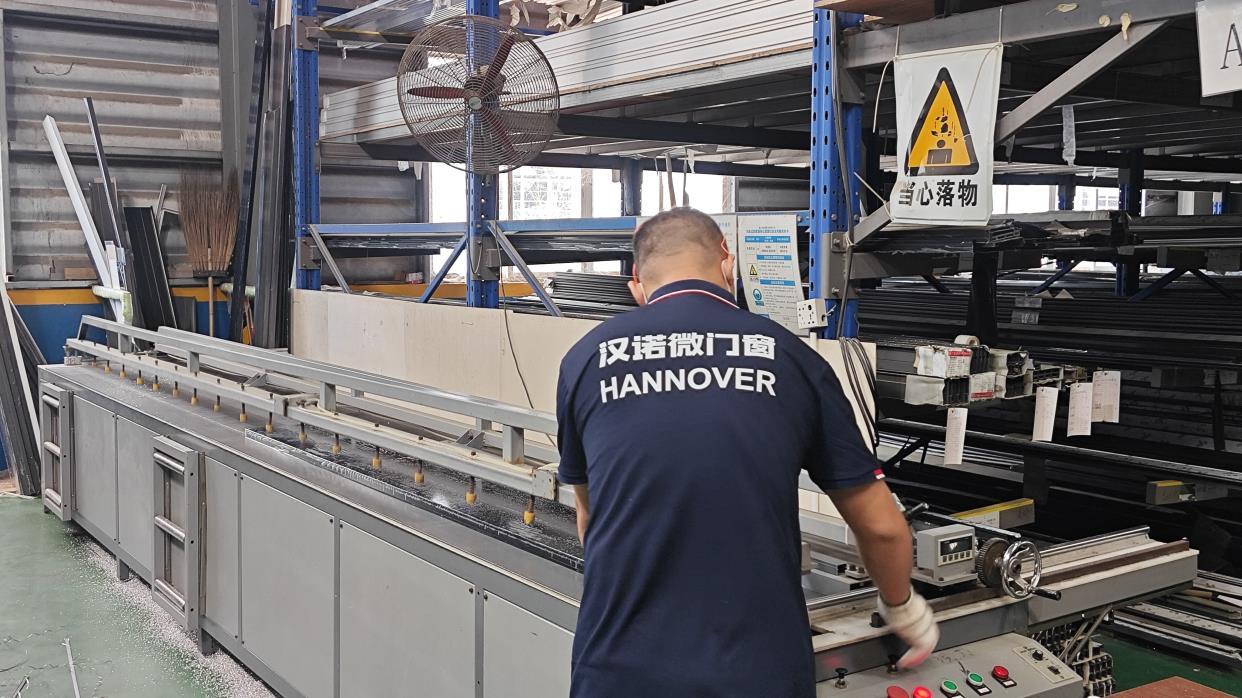
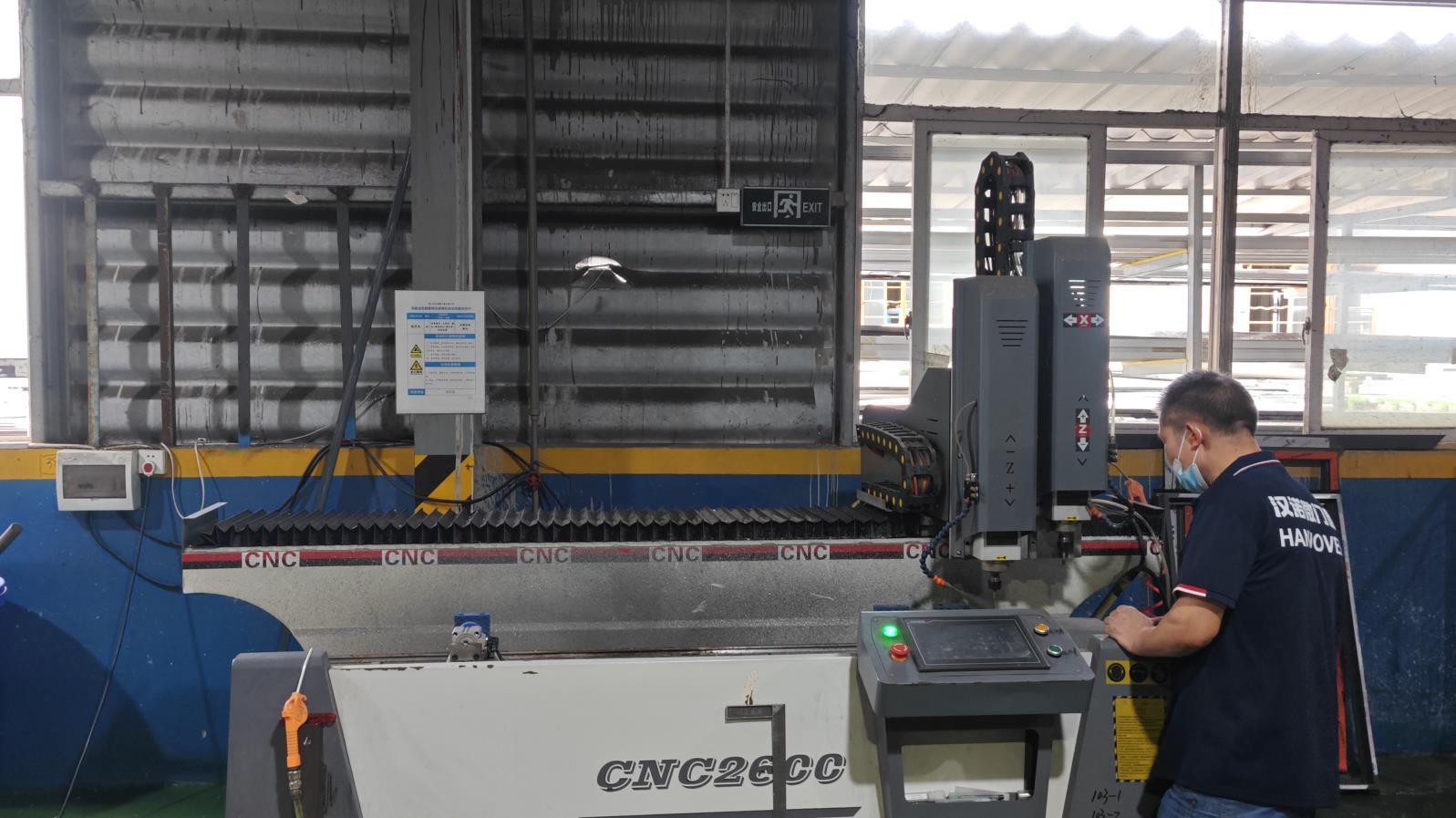
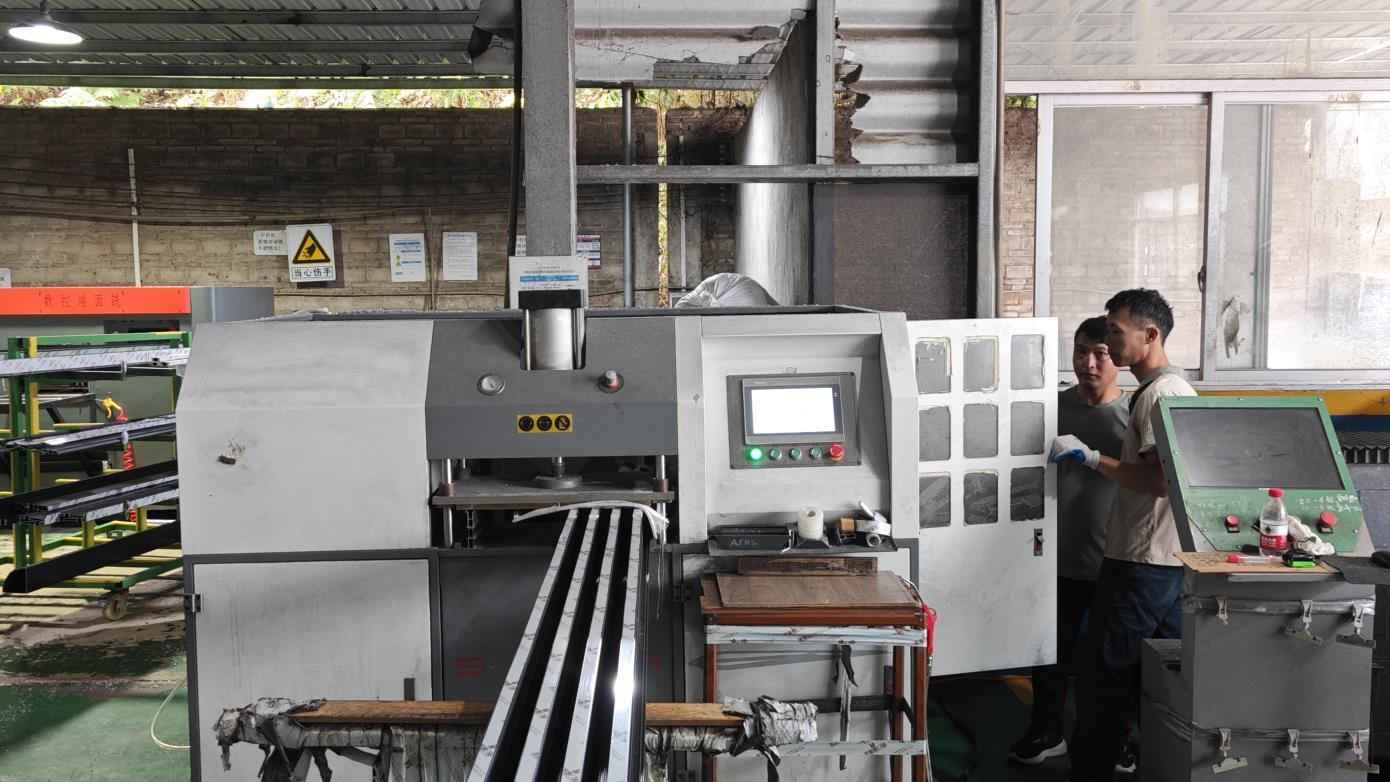
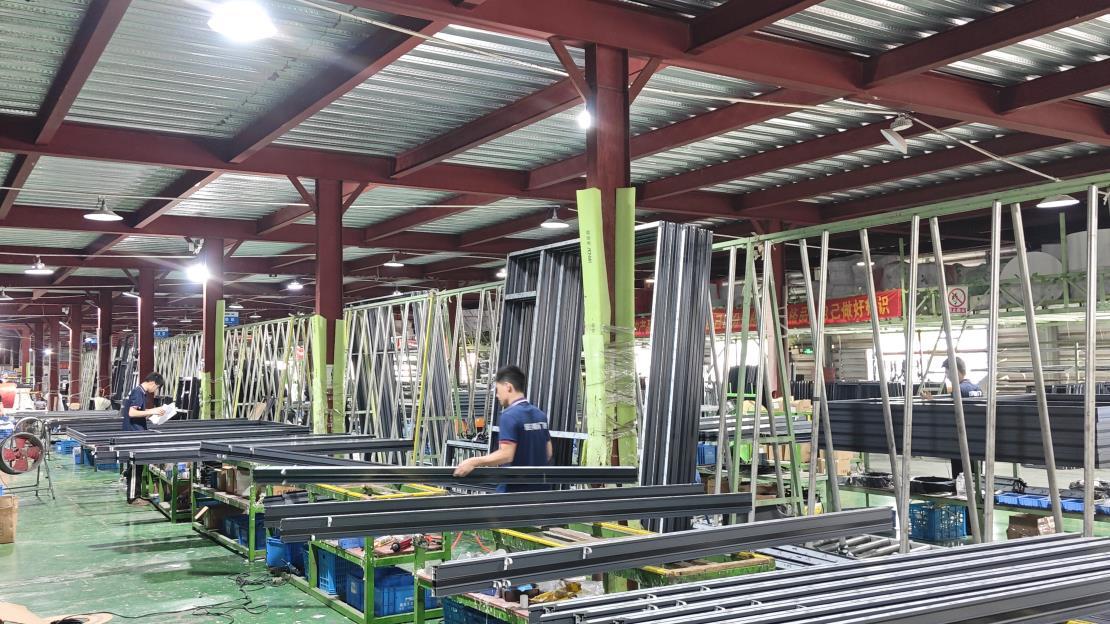
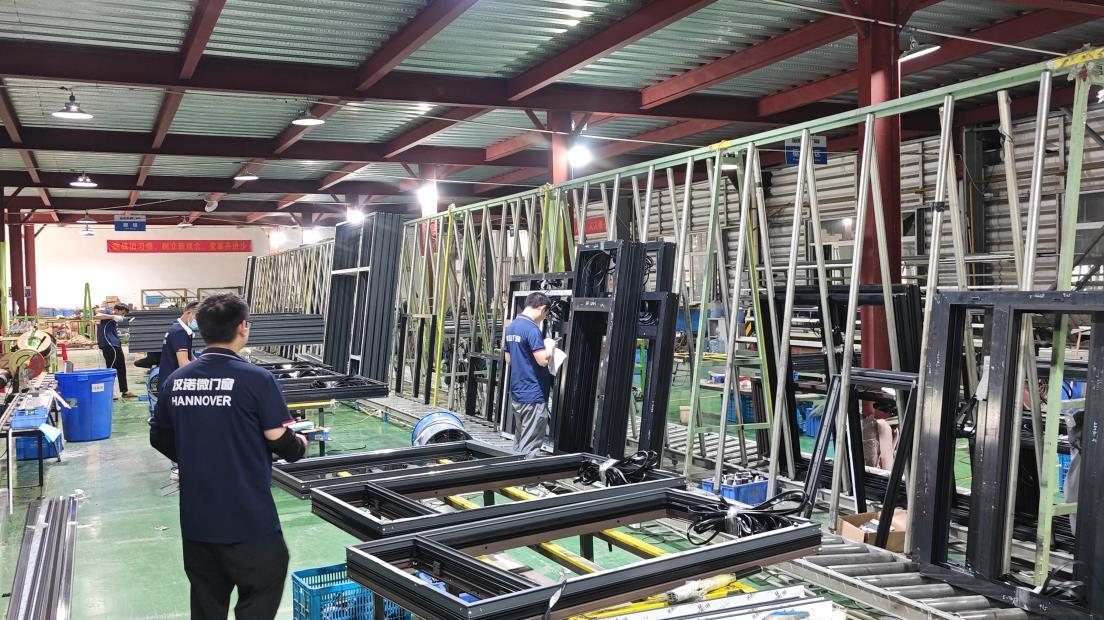
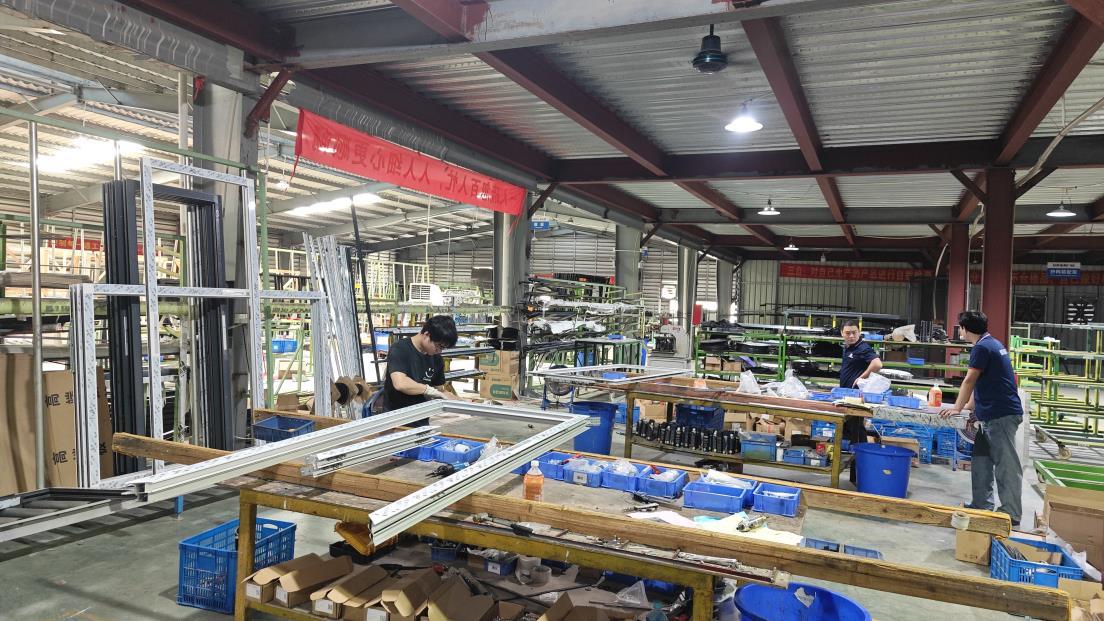
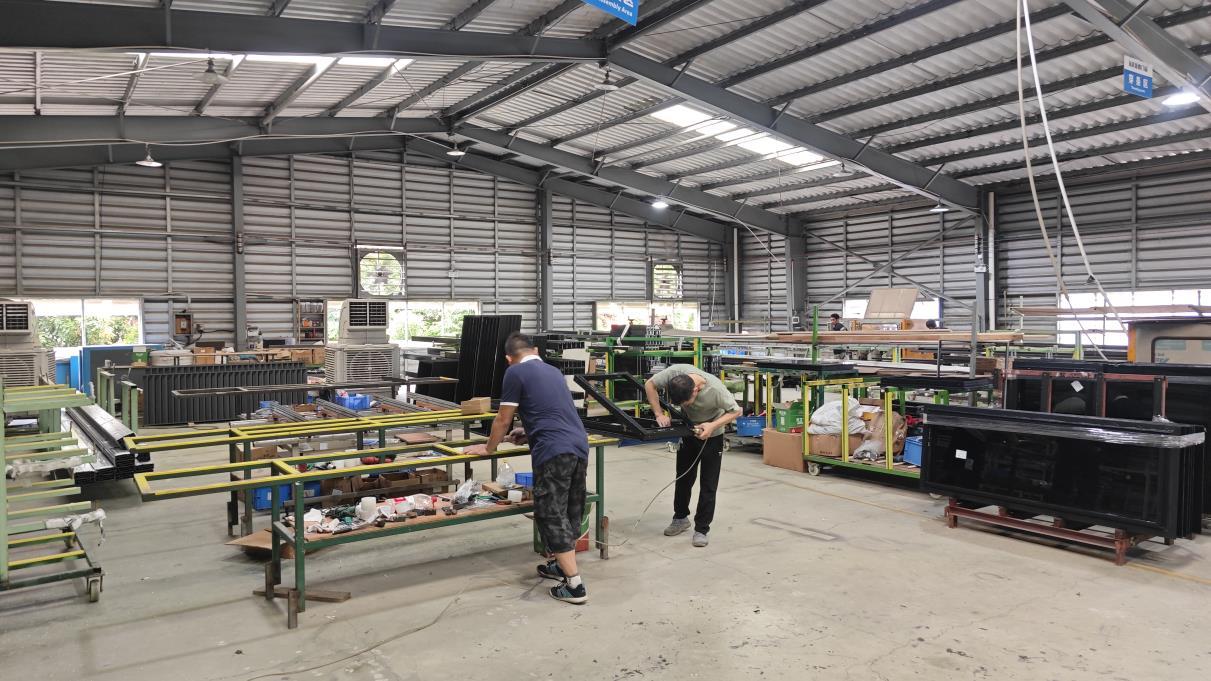
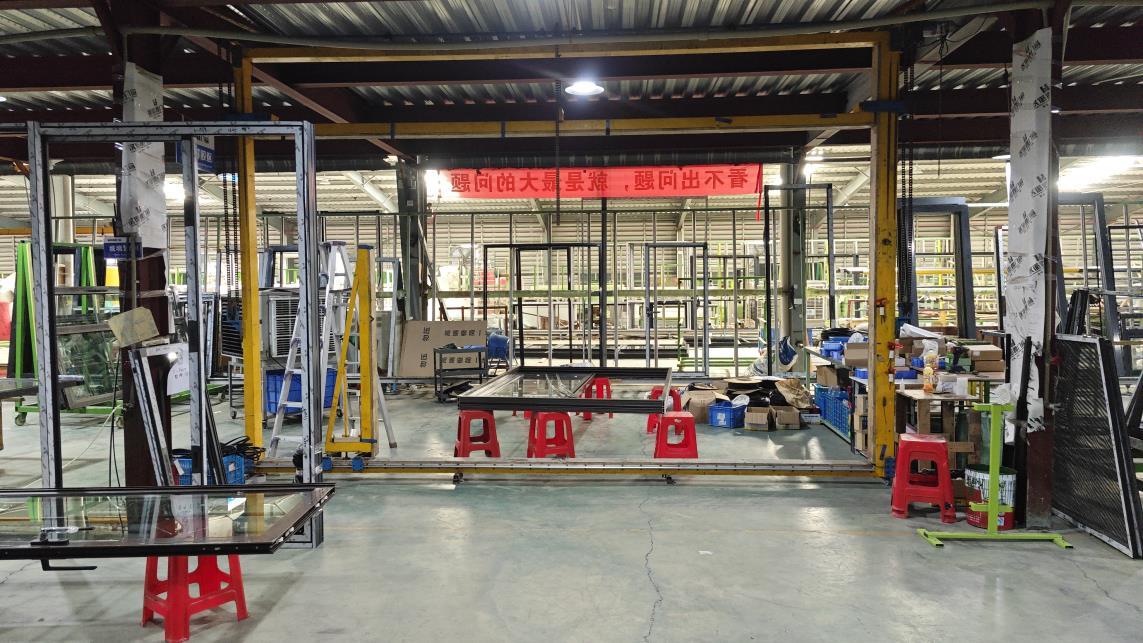
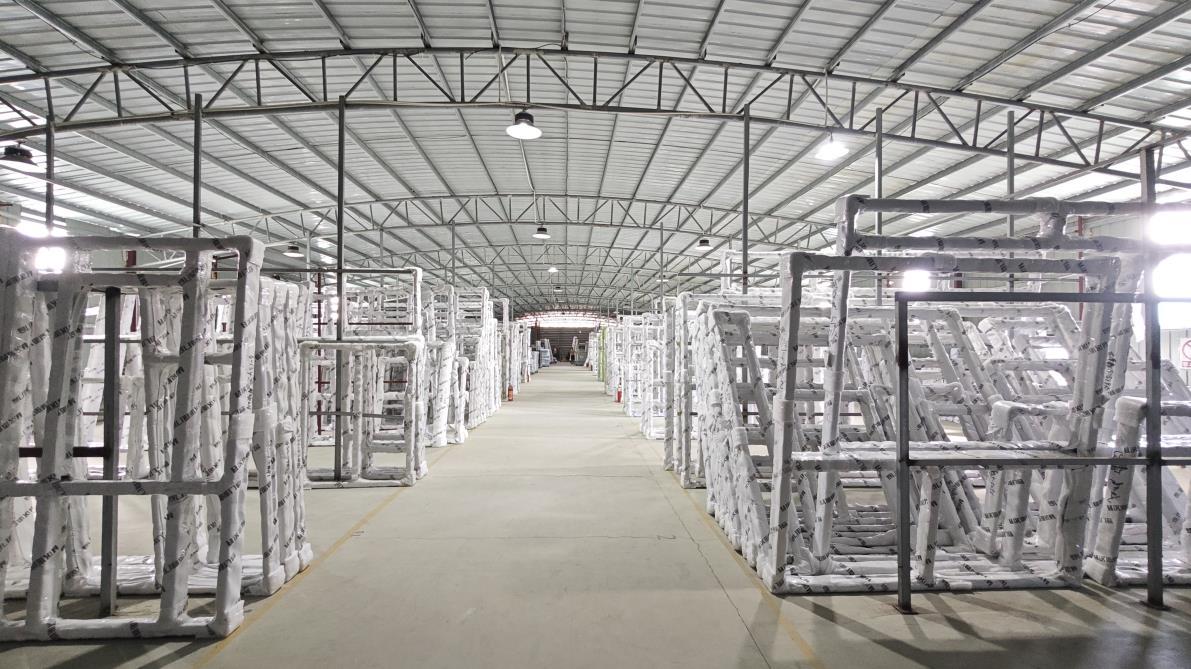
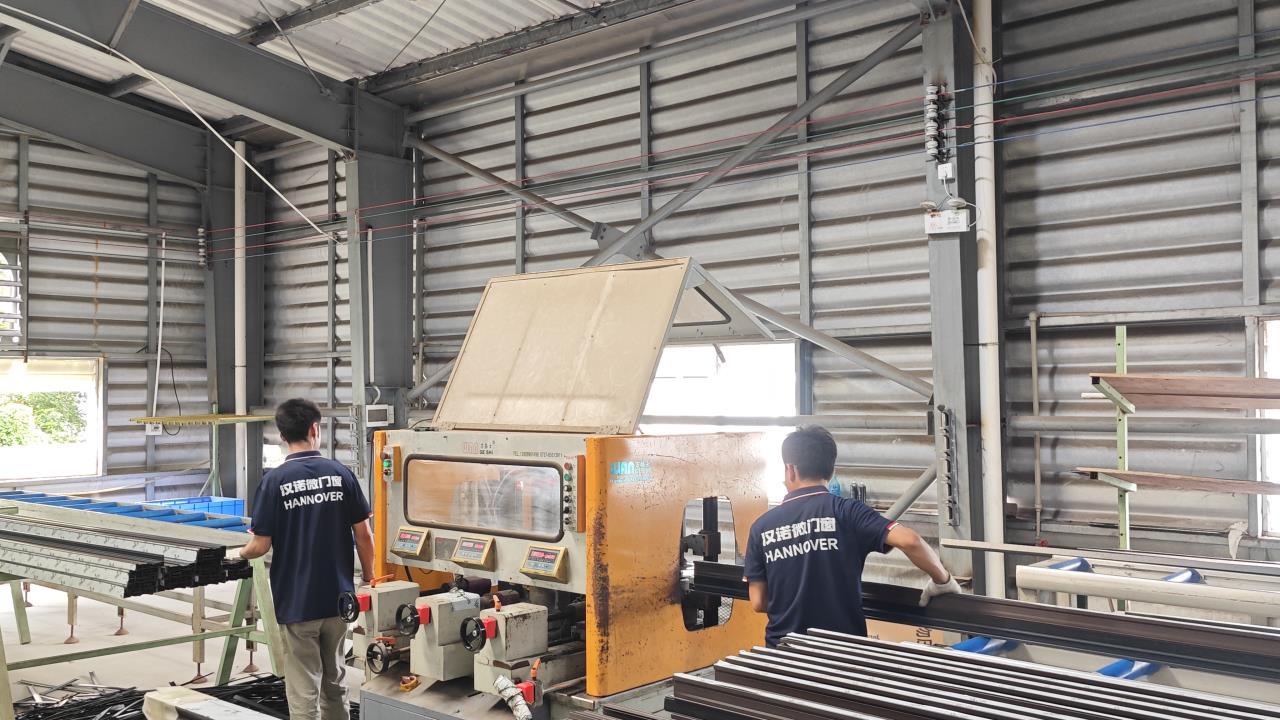
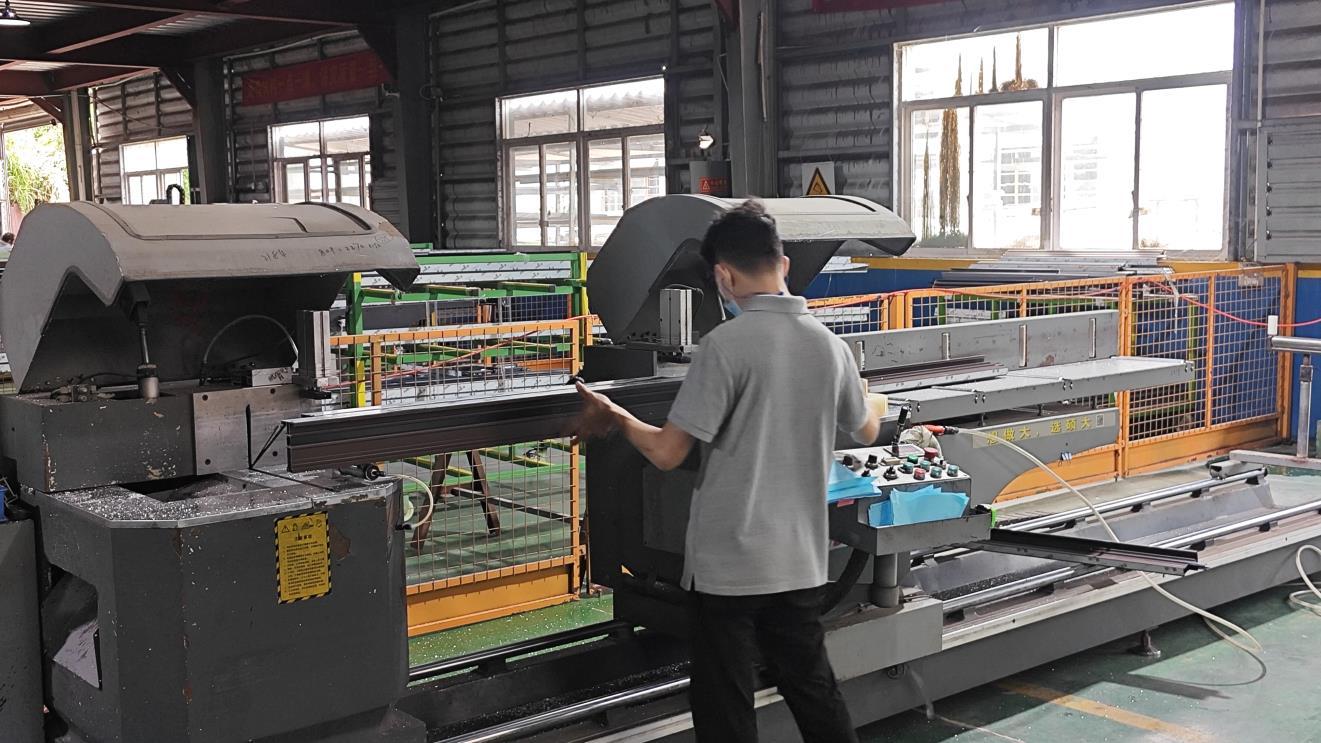
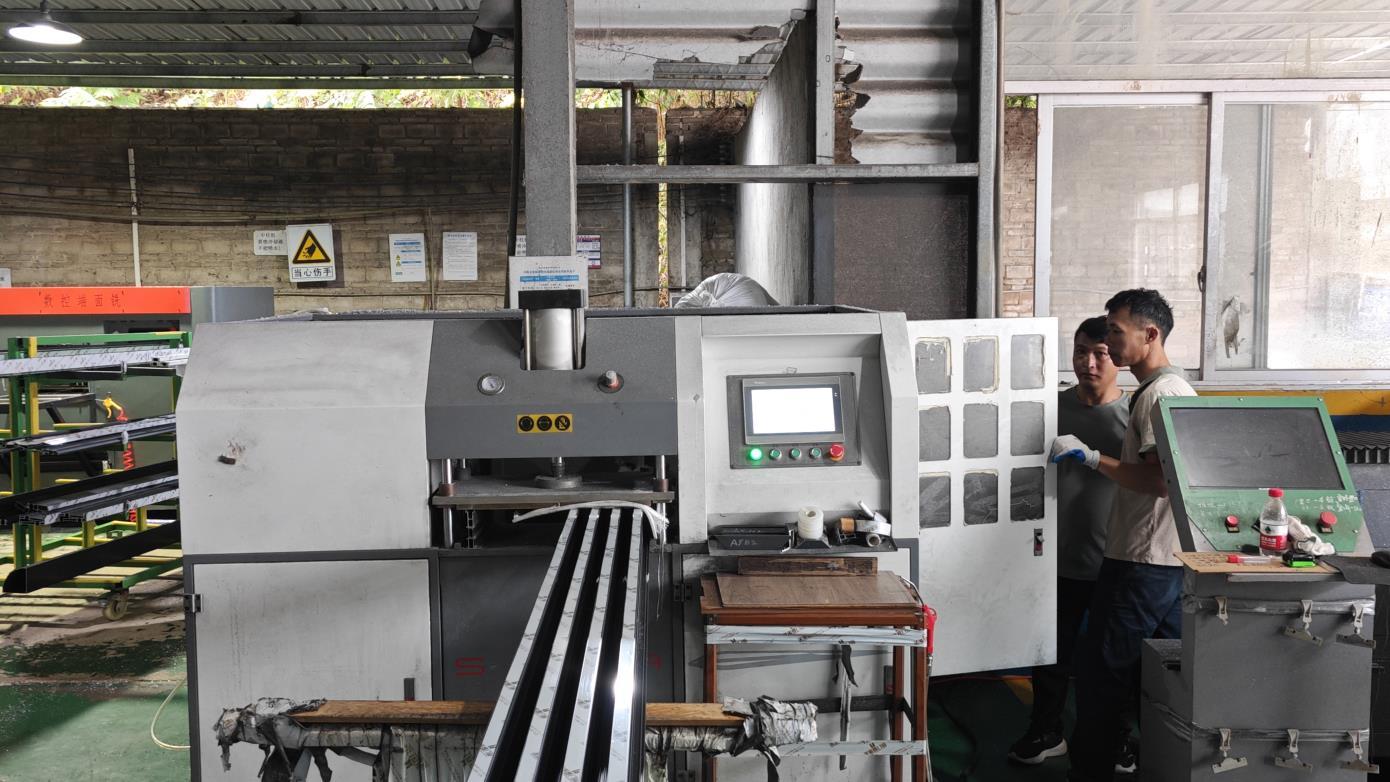
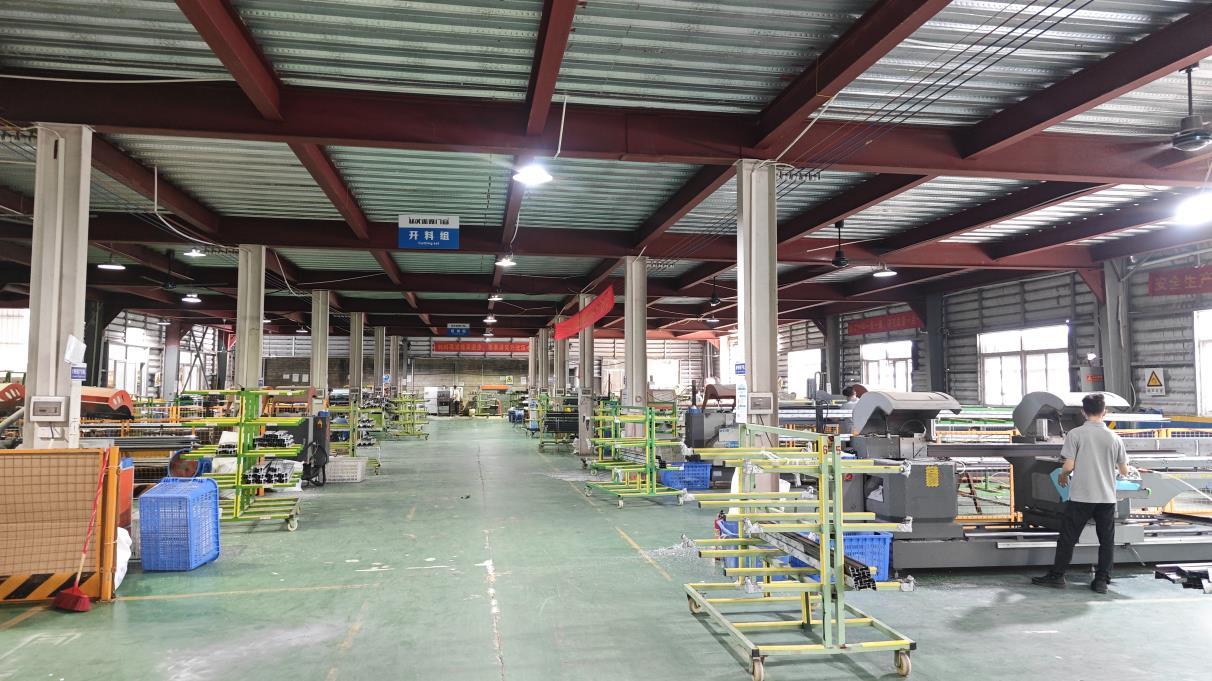
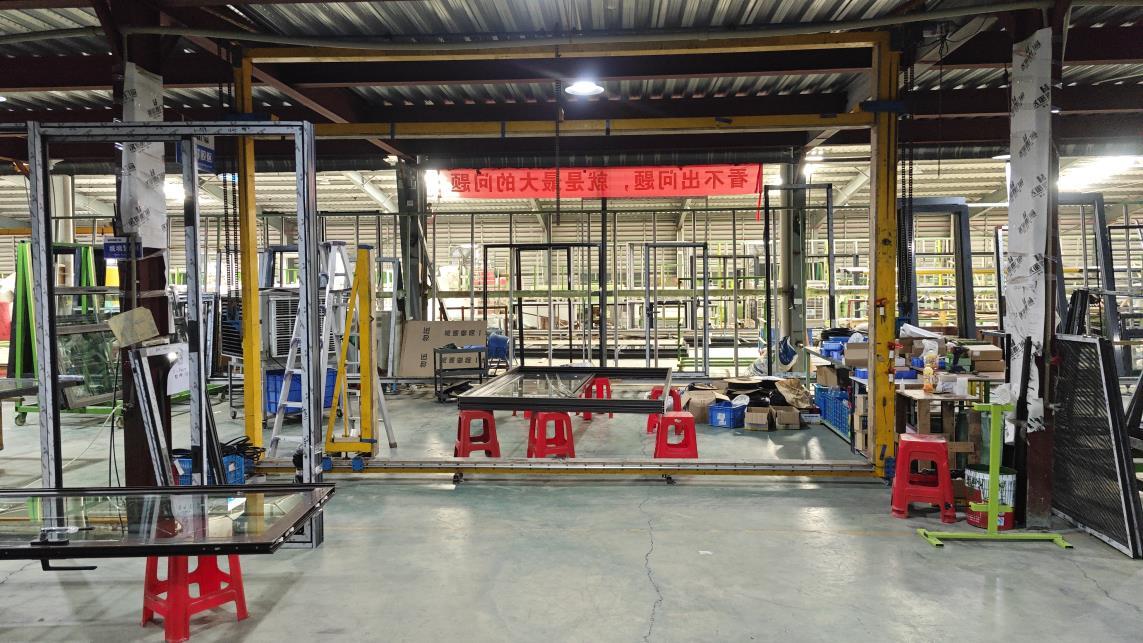
Manufacturing Infrastructure & Process Control Gallery
Inside the 25,000m² Zenit Facility: Step-by-step mechanical processing, automated CNC machining, assembly lines, and rigorous quality assurance racks.
Every architectural door system produced at Zenit undergoes strict physical and mechanical processing milestones. From raw extrusions to automated strip threading, precision CNC routing, corner crimping, and pre-shipment pressure chamber testing, our 35 dedicated inspectors ensure 100% compliance with client specifications.
China Factory Efficiency & Supply Chain Advantages
Why global project developers and architectural procurement directors rely on Chinese fenestration ecosystems for mass customization.
600+ Integrated Partners
The proximity of raw aluminum extruders, high-durability hardware manufacturers, sealant formulators, and specialty glass coaters within a unified regional ecosystem drastically reduces lead times. Zenit leverages 600+ supply chain partners to source customized architectural hardware, specialty LOW-E glass, and custom powder colors within days.
High-Precision CNC Automation
Advanced multi-axis CNC milling centers perform complex lock-pocket routing, hinge mortising, and frame corner notch milling with sub-millimeter accuracy. This automated efficiency guarantees seamless job-site assembly, airtight corner joints, and zero field rework for large-scale commercial contracts.
R&D Velocity & Custom Engineering
With 42 full-time system engineers, Zenit introduced 50 new architectural fenestration designs in the past year alone. This high R&D throughput allows fast custom die creation, rapid thermal modeling simulations, and quick compliance adaptations for region-specific building codes.
Localized Application Scenarios & Engineering Adaptations
Tailored engineering specs for North American coastal zones, European thermal regulations, Australian residential projects, and urban office partitions.
Hurricane Impact Zones (North America / Caribbean)
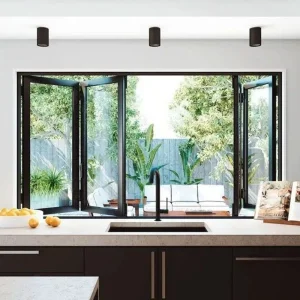
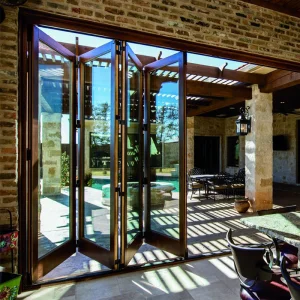
Equipped with heavy-duty thermal break extrusions, multi-point locking rods, and laminated SentryGlas® impact interlayers. Systems like our exterior bifold doors and rolling security shutters pass rigorous wind-borne debris impact tests, offering complete envelope protection during Category 5 hurricanes.
Australian Residential & Coastal Villas (AS2047 Standards)
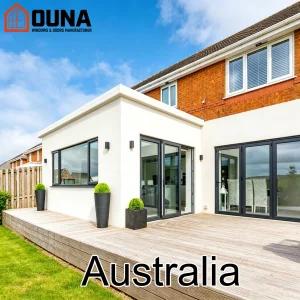
Designed to meet stringent Australian AS2047 structural deflection and water penetration testing. Utilizing heavy-duty anodized finishes that resist harsh ocean air corrosion, integrated stainless steel mesh screens, and smooth double-glazed sliding mechanisms tailored for indoor-outdoor living spaces.
Extreme Cold Climates (Northern Europe & Canada)
Featuring high-performance thermal break casement windows and entry systems fitted with triple-pane Low-E glass, argon gas filling, and warm-edge spacer technology. These configurations lower U-values to less than 1.2 W/m²K, eliminating condensation and cutting building heating costs significantly.
Modern Minimalist Interior & Office Acoustics
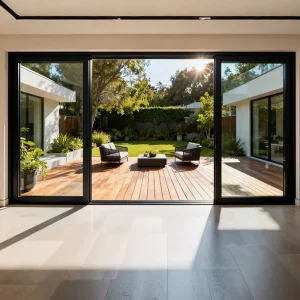
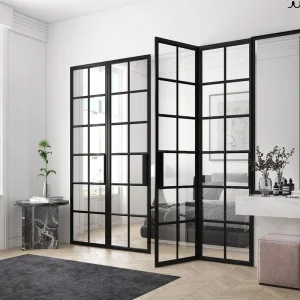
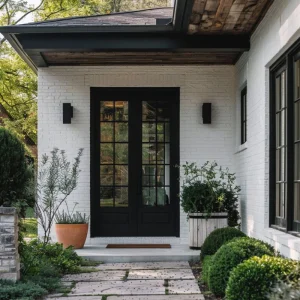
For luxury commercial interiors and high-end hotel spaces, ultra-slim profile Crittall-style French doors deliver maximum natural daylight while maintaining acoustic privacy. Designed with moisture-proof composite cores and custom powder-coated matte finishes.
Enterprise Procurement Guidelines & Quality Control Assurance
Standard Operating Procedures for Wholesalers, Architectural Firms, and Commercial General Contractors.
Procuring architectural fenestration on an enterprise scale requires strict verification of factory testing protocols, quality control checkpoints, and container loading security. At Zenit Window & Door Co., Ltd., our team of 35 quality inspectors follows a standardized 4-stage inspection workflow on every international order:
Testing raw aluminum alloy hardness (Webster hardness tester), anodizing film thickness, and glass tempering stress certificates before cutting.
Laser-guided checking of profile cutting angles, drainage hole positions, corner notch alignments, and hardware mortise tolerance (+/- 0.2mm).
Random sample air permeability, water tightness under positive wind pressure, and frame corner strength destructive testing in dedicated test racks.
Multi-layer protective film wrapping, corner guards, fully enclosed fumigated wooden crates, and moisture-absorbent desiccant packs for ocean transport.
Featured Architectural Aluminum Door Systems (Part II)
Advanced interior framing, motorized louvres, thermal break bifold doors, and high-security entry solutions.
Frequently Asked Questions (B2B Procurement Technical FAQ)
Addressing common engineering, certification, thermal rating, and logisitics inquiries from trade clients.
Zenit products are fully engineered to comply with major regional standards. Our systems carry AS2047 certification for Australia, NFRC thermal ratings for North America, and CE compliance for the European Union. Products are subjected to structural wind load pressure, water resistance, and air infiltration testing.
Standard aluminum is highly conductive, allowing exterior heat or cold to transfer easily into a building. Thermal break doors feature a structural Polyamide (PA66 GF25) strip inserted between the interior and exterior extrusions. This continuous thermal barrier drastically lowers the overall U-factor, eliminates internal condensation, and enhances overall HVAC energy efficiency.
We offer a wide selection of glass options including double/triple tempered glass, Low-E energy coatings, argon gas filling, acoustic laminated PVB glass, and decorative obscure tinting. Hardware configurations range from standard high-durability multi-point locks to premium German systems (Siegenia, Hoppe) or custom smart motorized lift actuators.
Standard manufacturing lead time is 25-35 days from technical shop drawing approval and deposit receipt. Because our facility is optimized for custom residential and commercial projects, we support both custom sample orders for trial evaluations and container-load volumes for building material wholesalers.
All assembled window and door units undergo a 4-layer export protection standard: protective anti-scratch surface film, foam corner protectors, shrink-wrap sealing, and fully enclosed solid wooden cases or heavy-duty fumigated plywood crates equipped with forklift entry skids.