 Zenit Window
Featured Casement Windows for UAE Projects
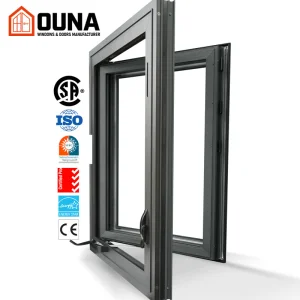
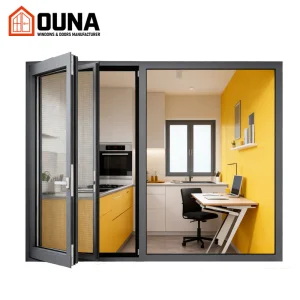
Explore our top-tier aluminum casement fenestration systems custom-engineered to comply with UAE Estidama and Dubai Green Building Regulations (DGBR).
The UAE Architectural Fenestration Paradigm: Climate Challenges & Market Dynamics
The United Arab Emirates (UAE)—encompassing mega-developments in Dubai, Abu Dhabi, Sharjah, and Ras Al Khaimah—represents one of the world's most demanding hyper-arid and coastal microclimates for building envelopes. Architectural facades and window installations are subjected to extreme ambient summer temperatures exceeding 50°C (with surface aluminum profile temperatures spiking up to 80°C), continuous high solar ultraviolet (UV) radiation, severe humidity, and airborne fine particulates (micro-sandstorms).
As the UAE pushes forward with its Vision 2031 and Dubai 2040 Urban Master Plan, stringency around carbon reduction, building energy metrics, and total cost of ownership (TCO) has escalated. Standard window profiles fail under these harsh environmental pressures, experiencing thermal warping, seal degradation, excessive HVAC load loss, and particulate infiltration. High-performance aluminum casement windows manufactured with advanced thermal break barriers have transformed from luxury options into mandatory structural requirements for modern Emirates real estate.
Key UAE Compliance Mandates:
- Estidama Pearl Building Rating System (Abu Dhabi): Enforces strict U-Value caps (< 1.4 W/m²K) and Solar Heat Gain Coefficient (SHGC < 0.22).
- Dubai Green Building Regulations (DGBR): Demands rigorous air tightness testing (< 1.5 m³/h·m²) to prevent air-conditioning loss.
- C5-M Corrosion Resistance: Essential for coastal developments (e.g., Palm Jumeirah, Ras Al Khaimah beachfronts) against saline humidity.
Engineering Principles of UAE-Grade Casement Windows
Why casement windows are superior to traditional sliding windows for thermal insulation, acoustic isolation, and dust prevention in desert coastal climates.
Thermal Break & Polyamide Barriers
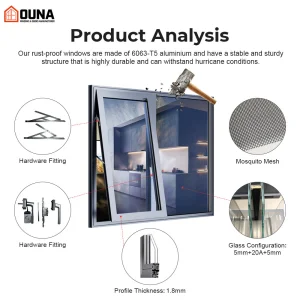
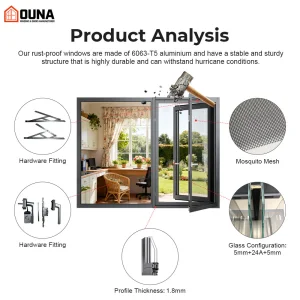
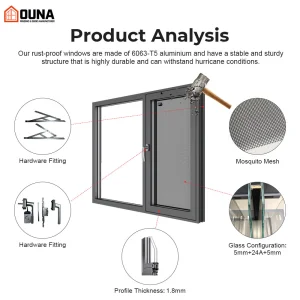
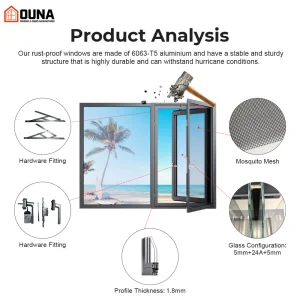
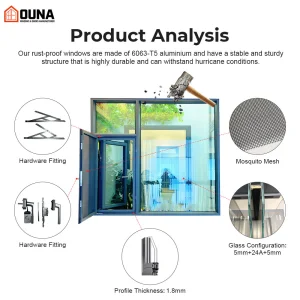
Aluminum is inherently highly conductive. To prevent interior heat transfer during desert summers, our casement windows incorporate multi-chamber PA66-GF25 (25% Glass Fiber Reinforced Polyamide) insulation strips. This breaks the thermal bridge between external hot profiles and internal air-conditioned spaces, cutting HVAC energy demand by up to 38%.
Triple EPDM Pressure Compression Gaskets
Sliding windows rely on brush seals that allow fine desert dust and humidity leakage under wind pressure. Casement windows utilize perimeter compression latching mechanisms with continuous triple EPDM (Ethylene Propylene Diene Monomer) rubber gaskets, achieving complete mechanical air tightness and impenetrable dust defense.
Solar-Control Double & Triple Low-E Glazing
Featuring low-emissivity (Low-E) tempered glass units filled with 90%+ Argon gas, our window systems selectively reflect infrared heat radiation while allowing optimum visible light transmission (VLT). This keeps structural interiors illuminated while eliminating solar radiant heat accumulation.
| Performance Metrics | Standard Commercial Window | Zenit UAE-Engineered Casement Window | International Standard Compliance |
|---|---|---|---|
| Thermal Transmittance (U-Value) | 2.8 - 3.5 W/m²K | 1.1 - 1.4 W/m²K (Triple Glazed) | EN ISO 10077-2 / ASTM C1363 |
| Solar Heat Gain Coefficient (SHGC) | 0.45 - 0.60 | 0.18 - 0.24 (Spectrally Selective) | NFRC 200 / ISO 9050 |
| Air Infiltration Resistance | Class 2 (300 Pa) | Class 4 (600 Pa / ASTM E283) | EN 12207 / ASTM E283 |
| Water Tightness | 300 Pa | E1050 (1050 Pa High-Pressure Leak Test) | EN 12208 / ASTM E331 |
| Acoustic Attenuation (STC / Rw) | 28 - 32 dB | 42 - 48 dB (Laminated Double-Pane) | ISO 717-1 / ASTM E90 |
| Profile Surface Finish | Standard Powder Coating | Qualicoat Class 2 / PVDF 3-Coat Coastal | AAMA 2605 / ISO 2810 |
Industry 4.0 Manufacturing Rigor: Chengdu Zenit Facility
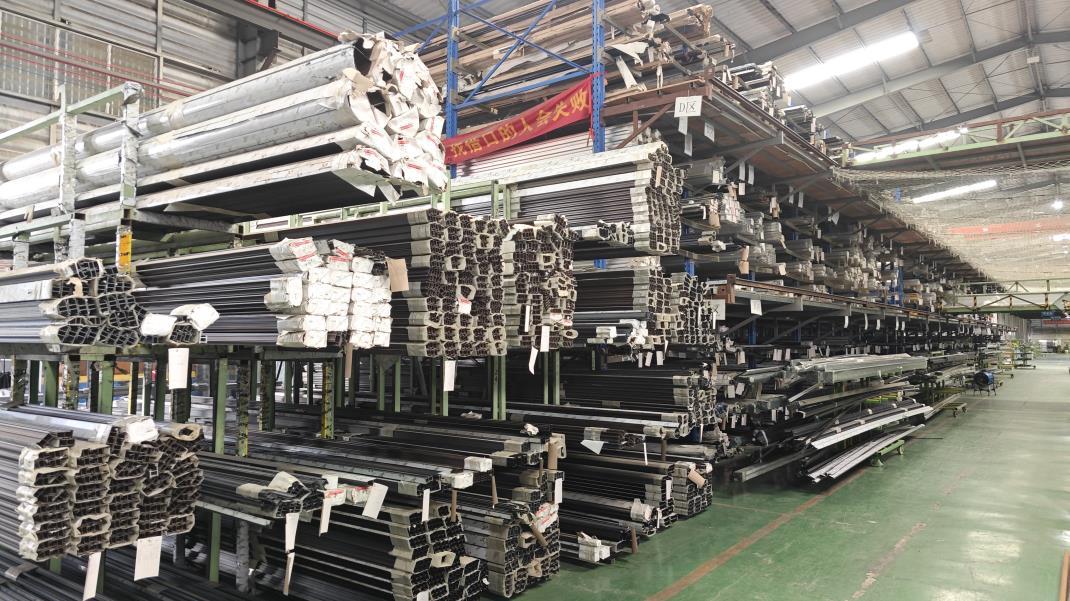
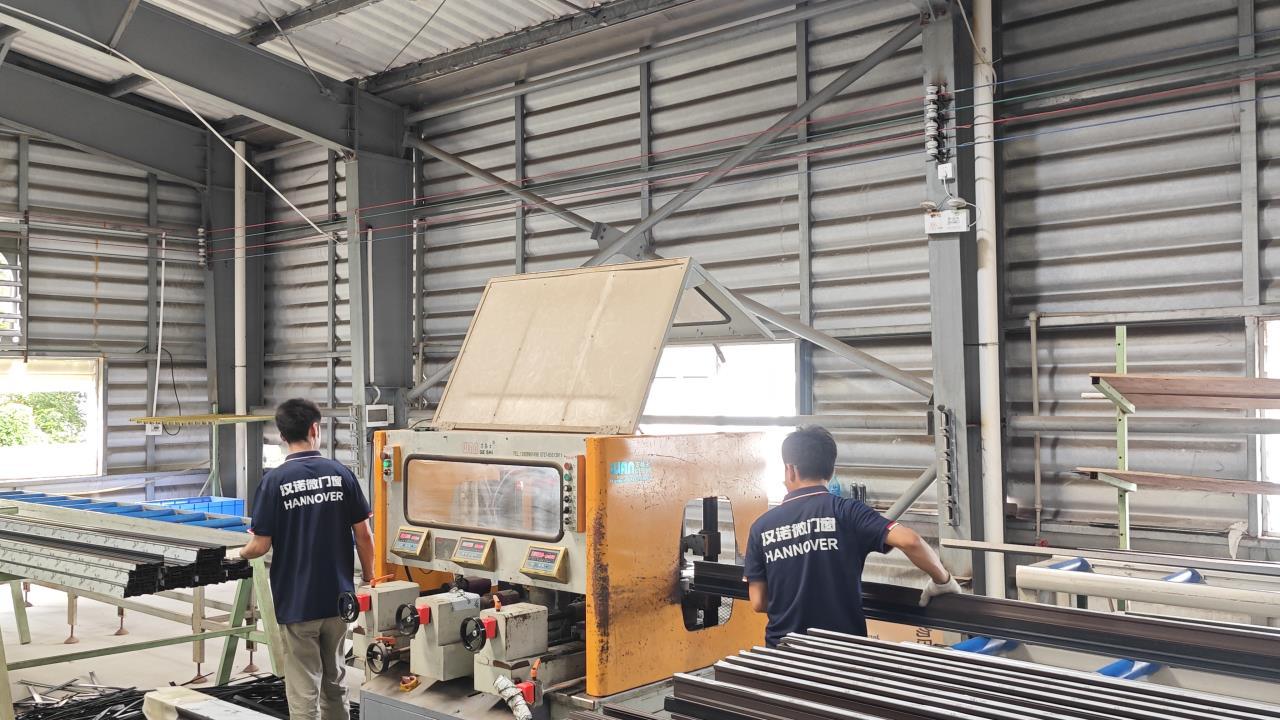
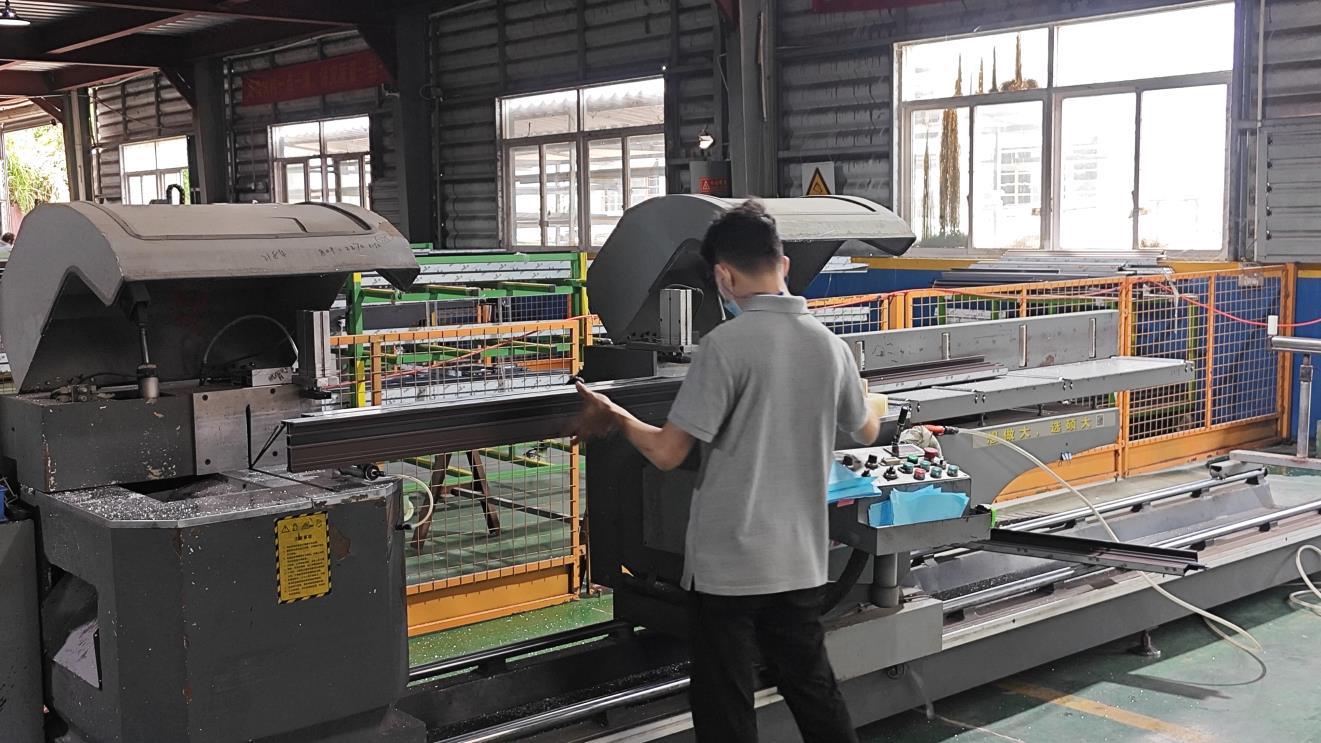
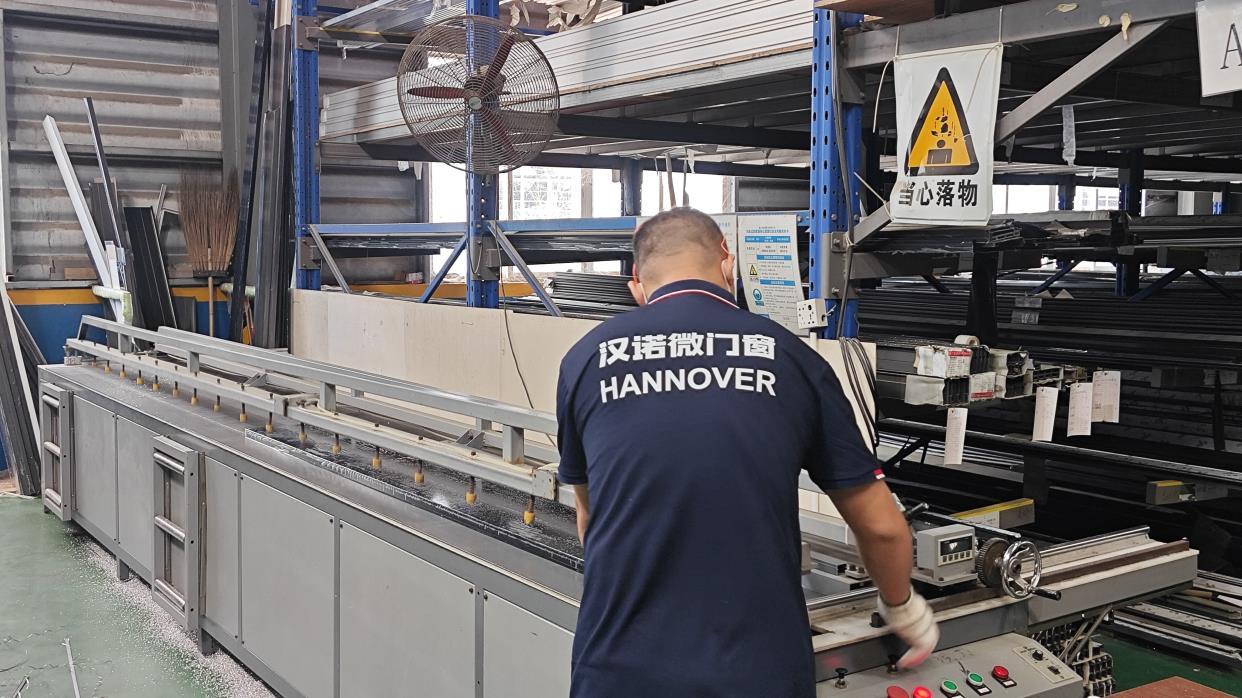
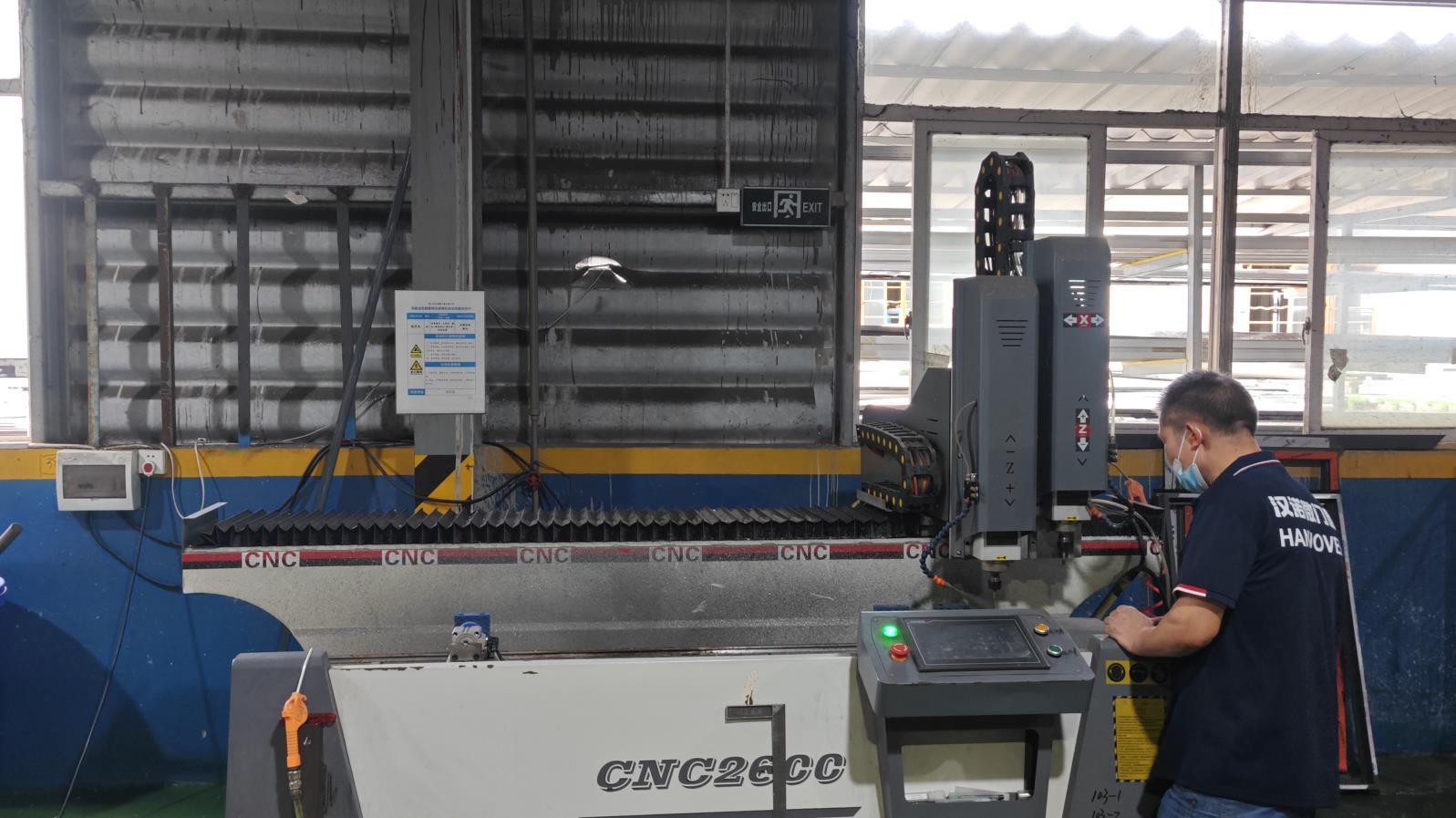
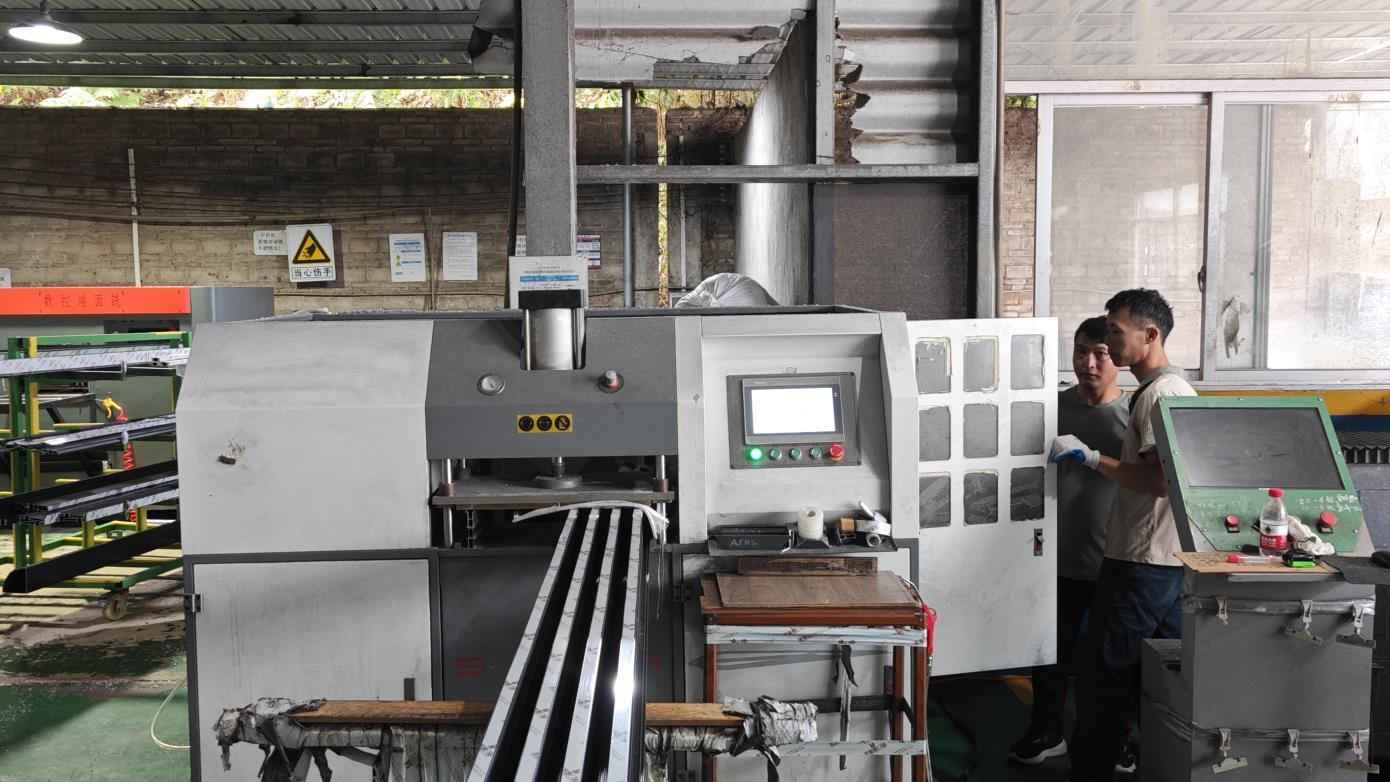
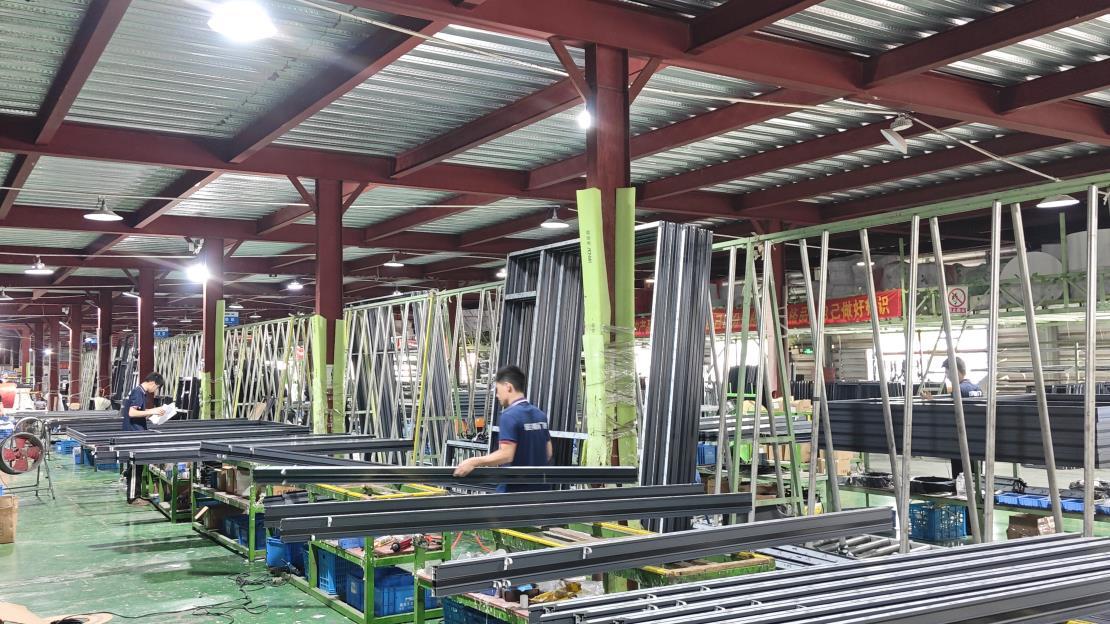
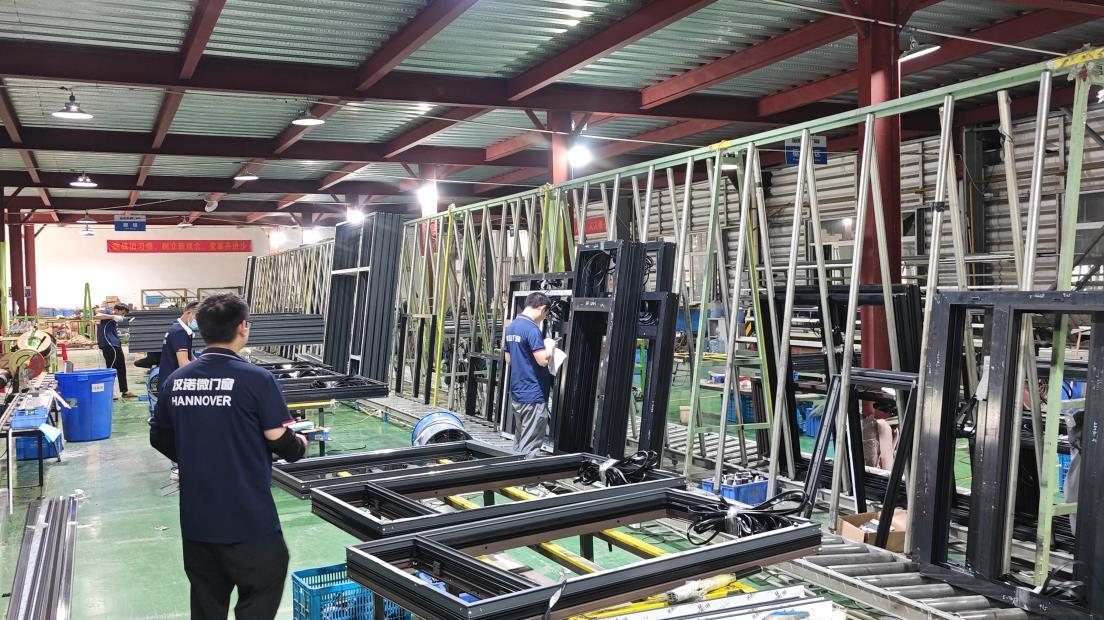
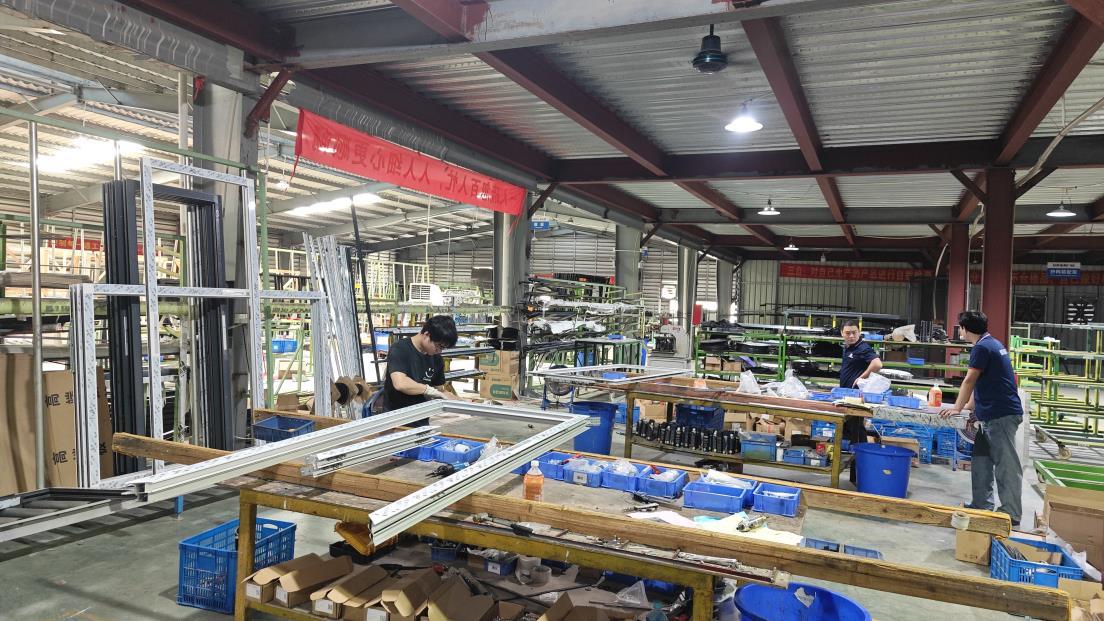
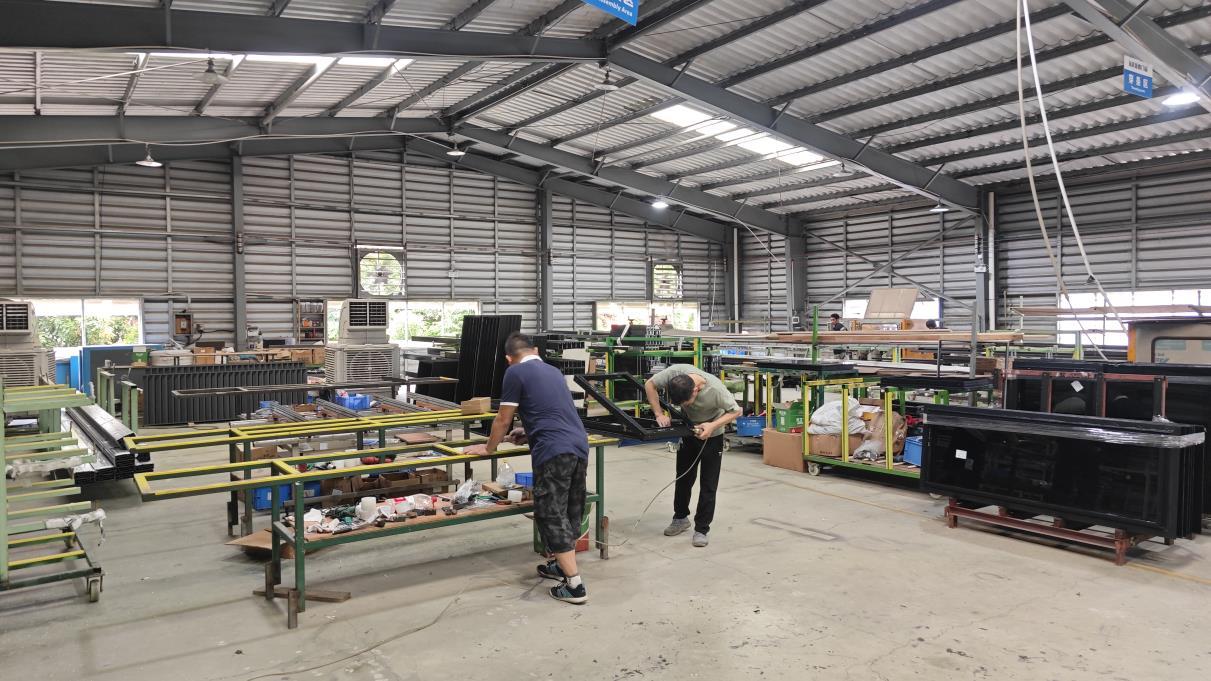
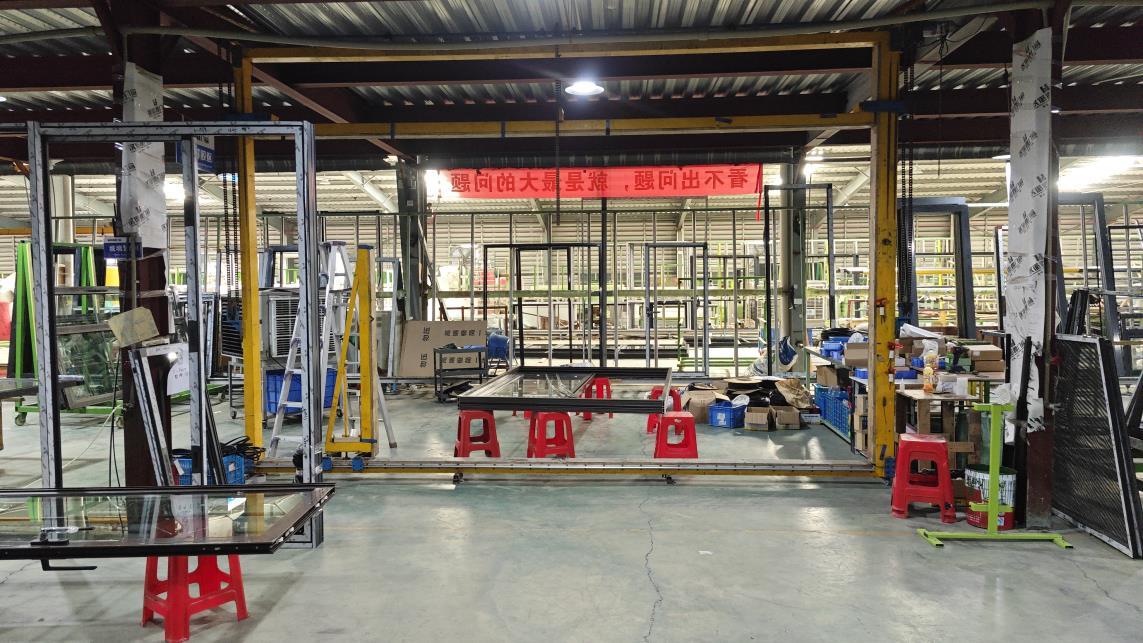
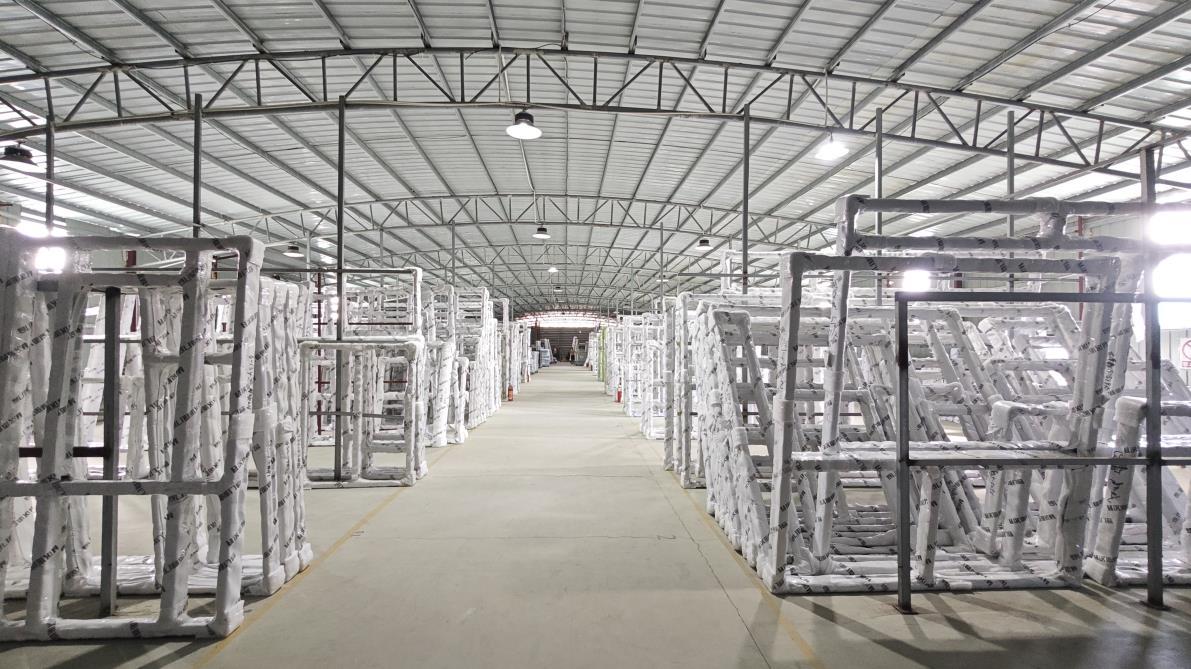
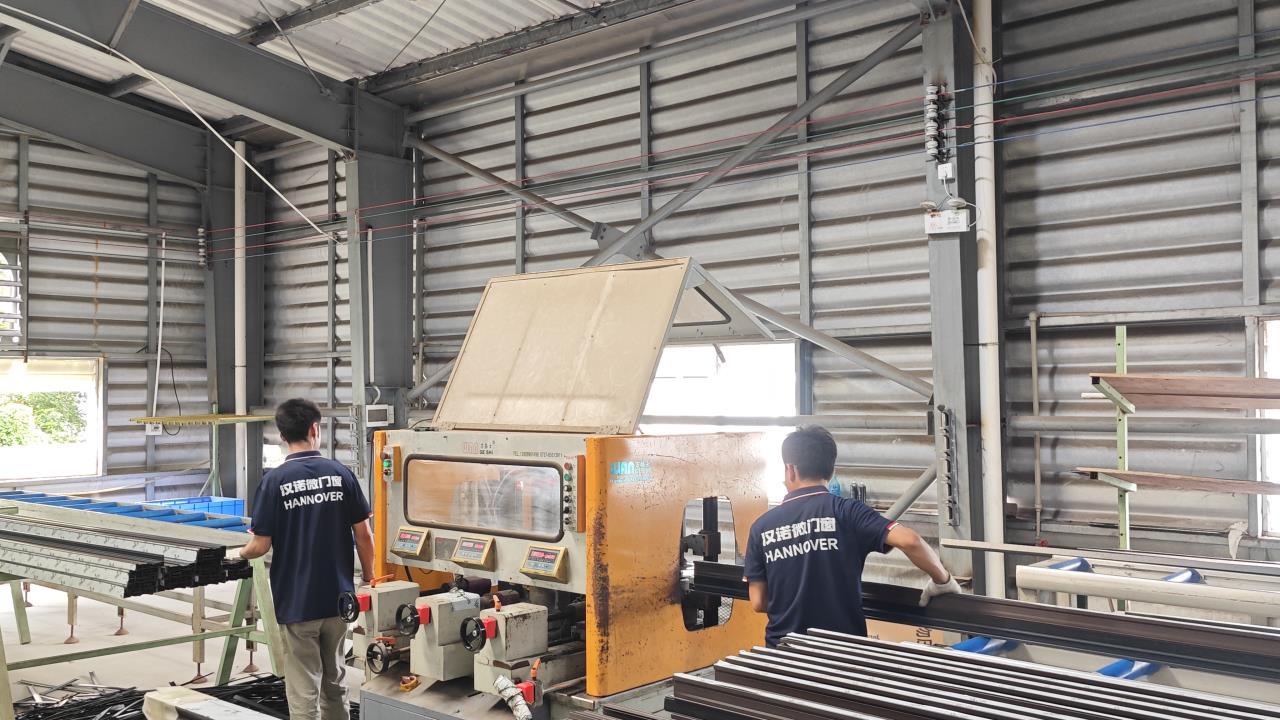
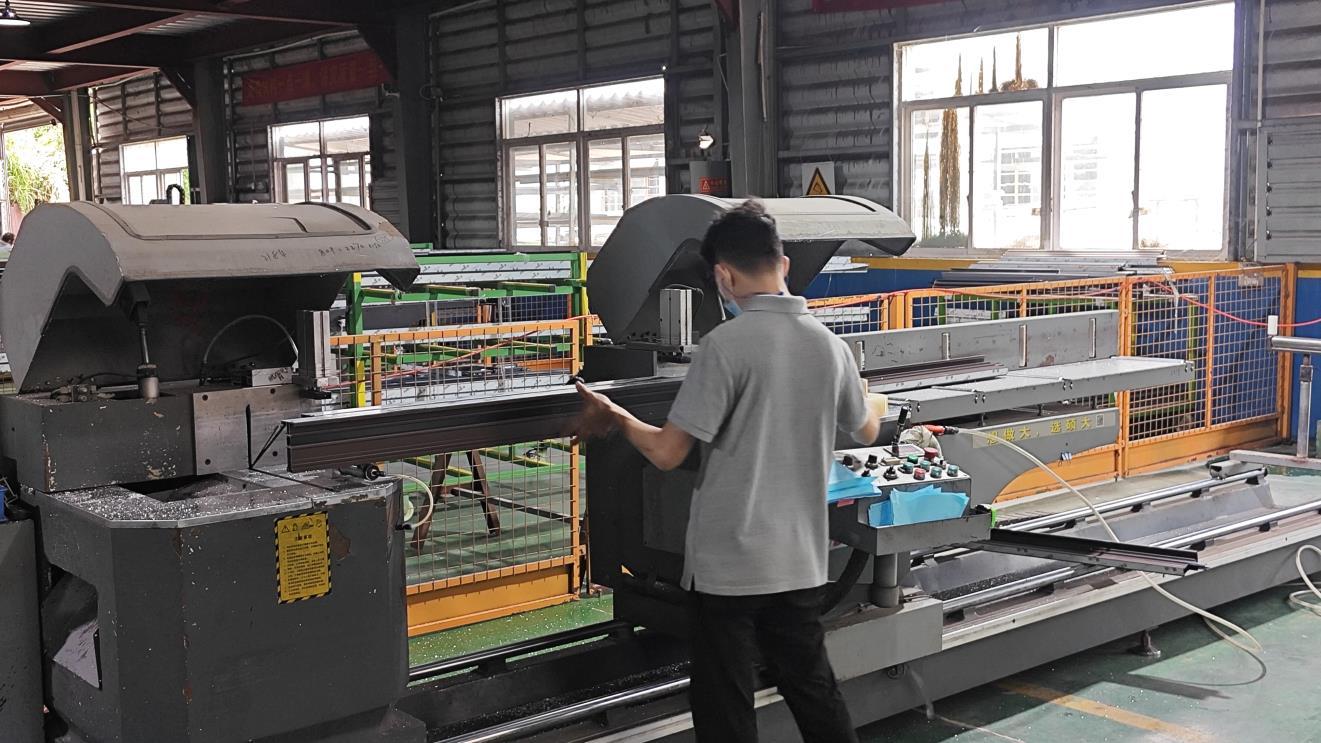
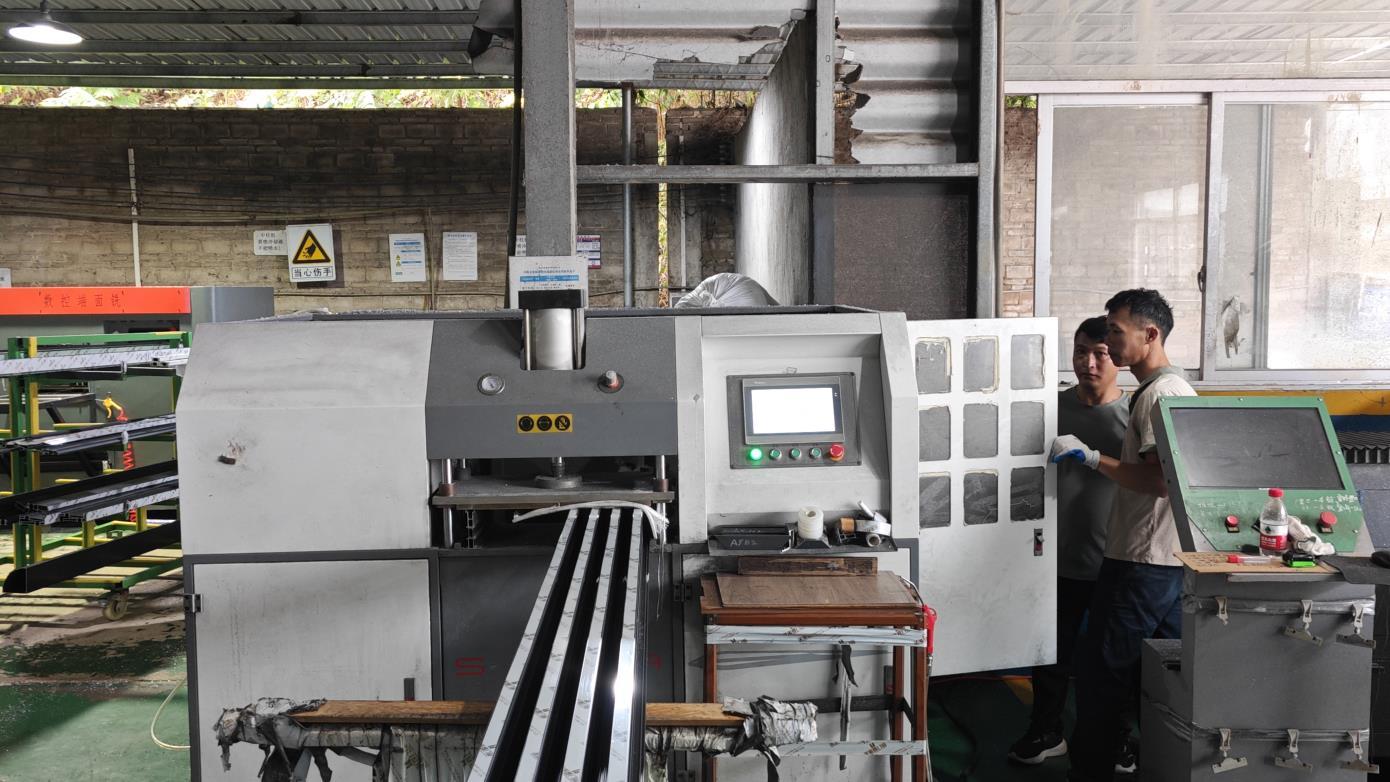
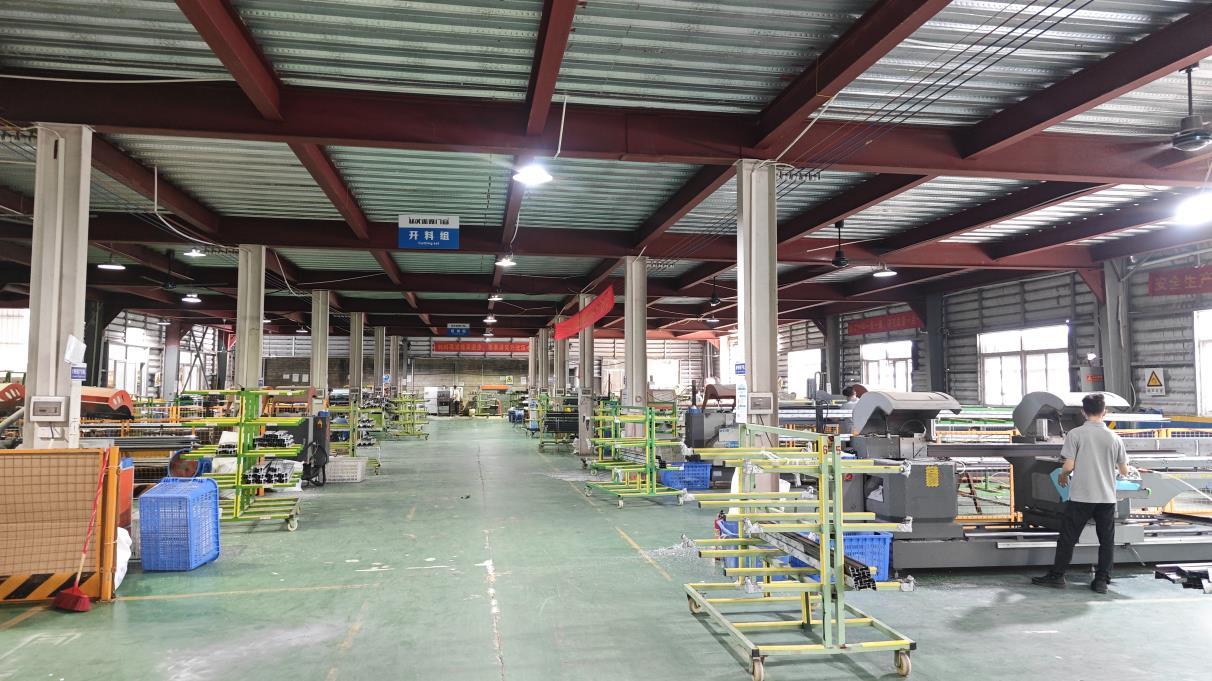
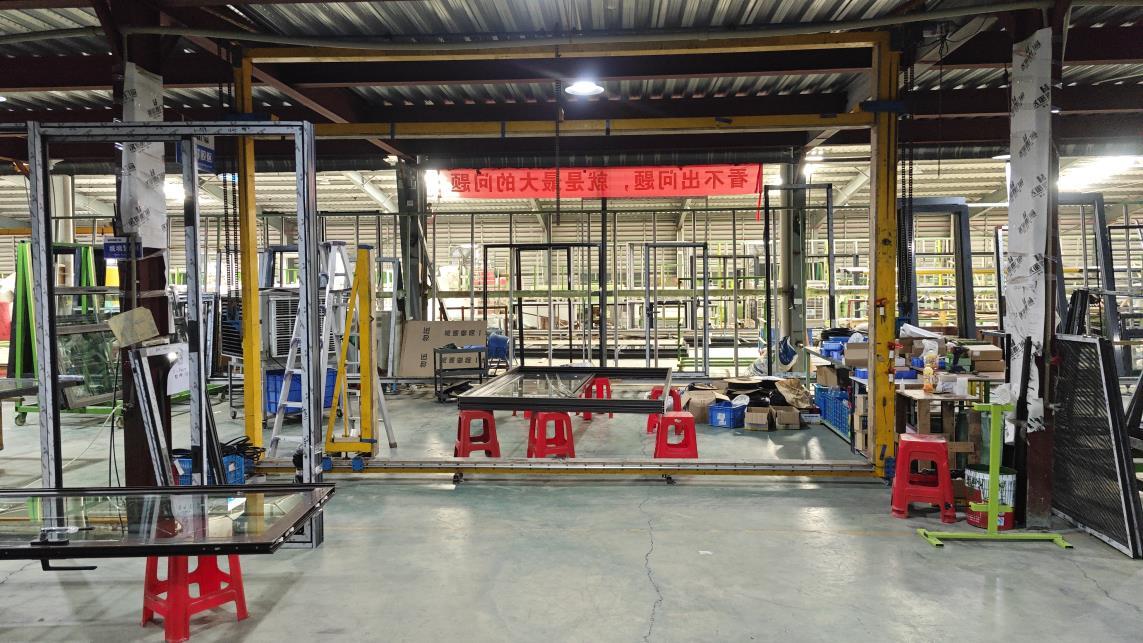
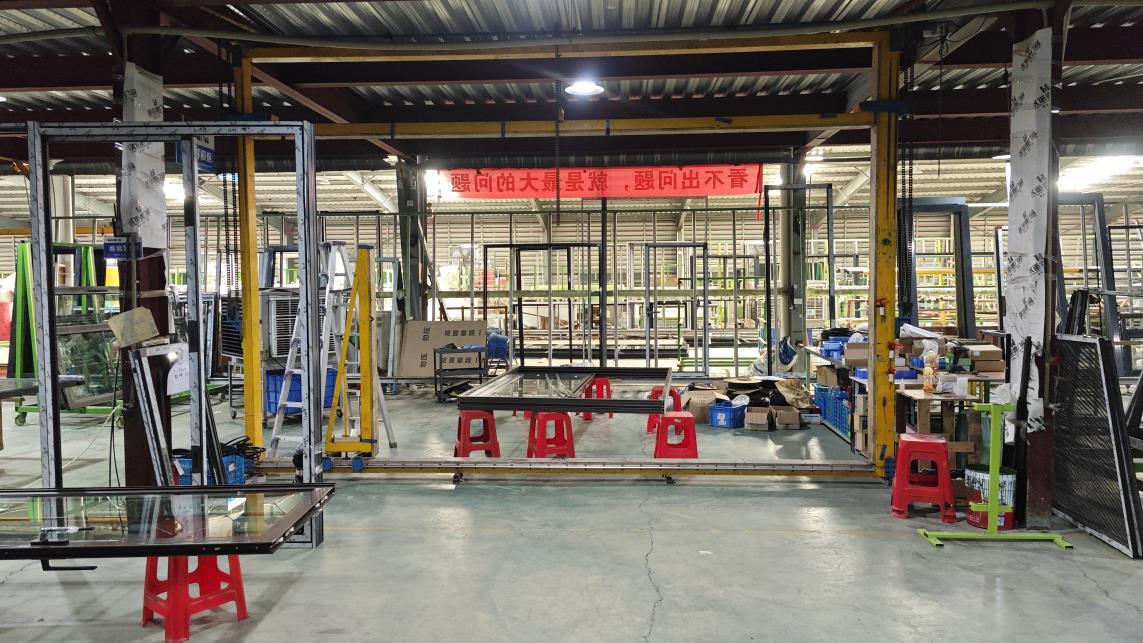
Founded in 2015, Chengdu Zenit Window & Door Co., Ltd. operates a 25,000-square-meter modern automated production plant. Delivering structural resilience, global trade compliance, and competitive factory-direct supply chains for Middle East contractors.
Enterprise Production Scale
Backed by 11 years of structural window engineering expertise and 8 years of international trade operations, Zenit achieves an annual export turnover of $26 million. Serving tier-1 residential developers, commercial general contractors, and building material distributors across North America, Europe, Australia, and the Middle East, our 25,000 m² facility guarantees on-time container shipments for large-scale developments.
35-Point QA/QC Inspection & R&D
Quality control is strictly managed by a dedicated team of 35 quality inspectors conducting structural air permeability testing, water tightness verification, corner weld strength tests, and hardware cycle testing. Supported by an elite R&D division of 42 engineers, Zenit introduced 50 new architectural fenestration systems over the past year alone.
Integrated Manufacturing & Quality Assurance Operations
Emirates Architectural Deployment Scenarios
Custom fenestration configurations tailored for luxury residential, commercial skyscrapers, and coastal hospitality in the Middle East.
Luxury Private Villas (Dubai & Abu Dhabi)
Designed for private estates in Palm Jumeirah, Emirates Hills, and Al Barari. Slim-profile thermal break casement windows offer maximum floor-to-ceiling panoramic glass views, combining ultra-quiet acoustic insulation with high-security multi-point locking mechanisms.
Commercial High-Rises & Office Towers
Engineered to withstand positive and negative wind pressures in high-rise developments across Dubai's Business Bay and DIFC. Awning-casement hybrid configurations allow controlled natural ventilation while complying with structural wind load certifications.
Coastal Resorts & Hotels (Ras Al Khaimah)
High-salinity marine environments require Fluorocarbon (PVDF) powder coating surface protection. Our coastal-grade casement series prevents corrosion, pitting, and color fading despite harsh salt spray and atmospheric humidity.
High-Efficiency Window Systems for UAE Procurement
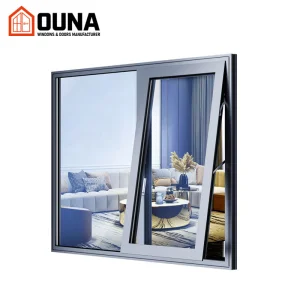
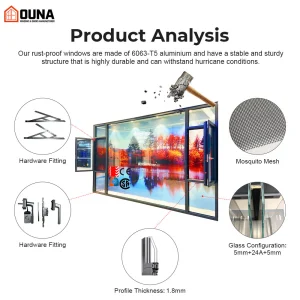
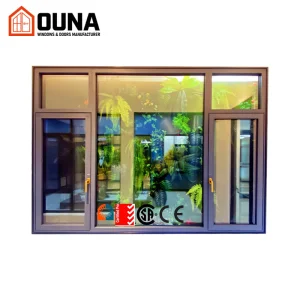
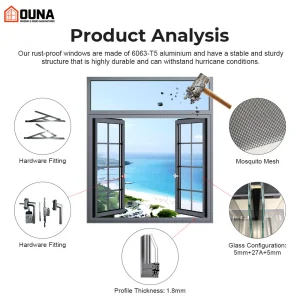
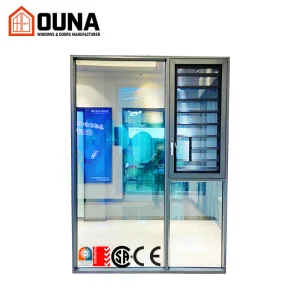
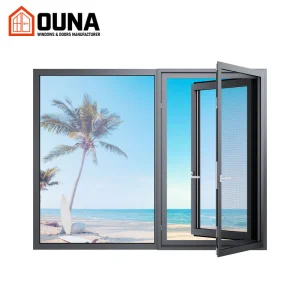
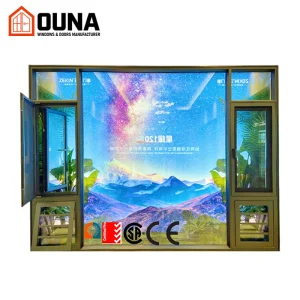
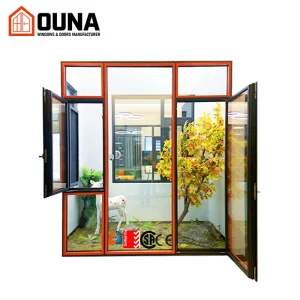
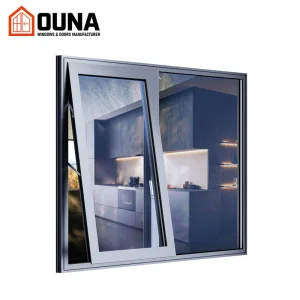
Select from our specialized line of certified casement, tilt-and-turn, and triple-glazed structural window assemblies.
Frequently Asked Questions for UAE Buyers
Answers to essential architectural engineering, compliance, shipping, and customization questions for developers in Dubai, Abu Dhabi, and the GCC.
Partner with China's Premier Casement Window Factory
Deliver architectural excellence, certified energy savings, and structural longevity to your next construction project in the United Arab Emirates.
Send Inquiry Now