 Zenit Window
Casement Windows Manufacturers & Supplier for the Portugal Market
High-Performance Architectural Fenestration Systems Engineered for Portuguese Climate Dynamics, REH Energy Compliance & Coastal C5 Marine Durability
Premium Architectural Casement Series
Top-tier thermal break aluminum casement systems customized for residential rehabilitations in Lisbon, coastal villas in Algarve, and modern commercial builds in Porto.
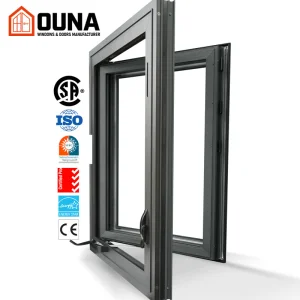
OUNA Hurricane Impact Proof Aluminum Alloy Casement Window (Algarve Coastal Edition)
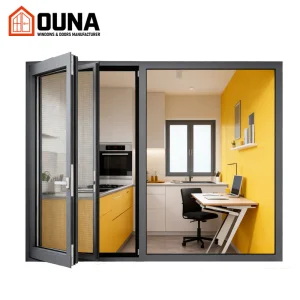
OUNA Modern Custom Aluminum Casement Window Soundproof (Lisbon Urban Renewal)
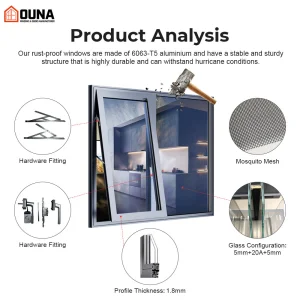
OUNA Simple Design Aluminum Awning Window AS2047 Certified (Porto Commercial Grade)
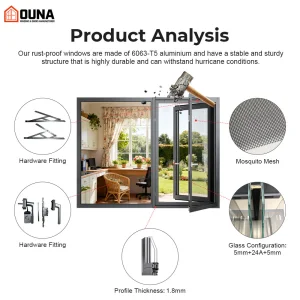
OUNA NFRC CSA Certificates Swing Casement Window Thermal Break (EU Standard Compliant)
Portugal Architectural & Regulatory Fenestration Landscape
Navigating thermal performance requirements, coastal salinity resilience, and urban renovation standards across mainland Portugal and the Autonomous Regions.
Climatic Microzones & Engineering Challenges
Portugal exhibits a remarkably diverse climate split across distinct geographical microzones. The northern coastal corridors of Porto and Braga experience high annual rainfall and intense wind-driven rain pressures (EN 12208 ratings required). Conversely, the southern Algarve region experiences long hot summers with high solar radiation and extreme atmospheric salinity along the 800km Atlantic coastline. Inland areas like Évora suffer from sharp diurnal temperature swings.
Our engineered casement window systems address these challenges through Multi-Chamber Polyamide PA66 GF25 thermal breaks and Qualicoat Class 2 / Class 3 anodized coatings designed specifically to counteract marine C4 and C5 atmospheric corrosion.
REH Energy Efficiency & NZEB Directives
Under the Portuguese Regulamento de Desempenho Energético dos Edifícios de Habitação (REH) and the EU Energy Performance of Buildings Directive (EPBD), modern building specifications demand strict overall heat transfer coefficients ($U_w$ values). Buildings must achieve Near-Zero Energy Building (NZEB) status to qualify for municipal tax incentives and green loans.
Zenit’s casement windows offer certified thermal performance as low as $U_w = 0.8 \text{ W/m}^2\text{K}$, utilizing Warm-Edge Spacer technology, argon gas insulation, and double/triple Low-E coating configurations, facilitating seamless energy performance certification (SCE system) across all Portuguese energy classes (A+ to C).
Urban Rehabilitation vs. Modern Resort Luxury
Portugal's construction boom is twin-fold: urban regeneration in historic centers (Lisbon's Baixa, Chiado, Porto's Ribeira) requiring ultra-slim frame profiles that preserve traditional architectural aesthetics, and high-end luxury residential development in Sintra, Cascais, and Quinta do Lago demanding ultra-large spans, motorized tilt-turn mechanisms, and extreme acoustic damping ($R_w \ge 45 \text{ dB}$). Zenit delivers localized solutions tailored precisely to both B2B market verticals.
Technical Specification Matrix & Thermal Physics
A detailed look into profile geometry, alloy structural integrity, sealing systems, and acoustic performance parameters.
| Performance Standard / Metric | Zenit Technical Standard | EU / Portugal Regulatory Reference |
|---|---|---|
| Thermal Transmittance ($U_w$) | 0.8 to 1.3 W/m²K (Triple Glazed / Double Low-E) | EN ISO 10077-2 / REH Requirements |
| Air Permeability | Class 4 (Highest Rating - 600 Pa) | EN 12207 Standard Compliance |
| Watertightness | Class E1050 (1050 Pa Extreme Pressure Resistance) | EN 12208 Standard Compliance |
| Wind Load Resistance | Class C5 / P3 (Up to 3000 Pa structural integrity) | EN 12210 Wind Dynamic Testing |
| Acoustic Insulation ($R_w$) | 38 dB to 48 dB (with Laminated Acoustic Interlayers) | EN ISO 140-3 Acoustic Performance |
| Alloy Composition & Temper | 6063-T5 / 6060-T6 High-Precision Architectural Aluminum | EN 755-2 Structural Extrusion |
| Surface Protection Finishes | Qualicoat Powder Coating / Anodized 25µm Marine Coating | ISO 9227 Corrosion Resistance (Salt Spray 3000h) |
Advanced Tri-Sealing EPDM System
Air infiltration accounts for over 30% of energy loss in residential structures. Our architectural casement window profiles utilize a continuous Tri-Sealing EPDM Gasket Structure. Featuring central vulcanized corner joints and multi-chambered compression gaskets, the system completely seals against moisture intrusion during heavy Atlantic storm cycles while maintaining operational ease and structural flexibility for decadal duty cycles.
Chengdu Zenit Window & Door Co., Ltd.
Empowering European project developers through smart manufacturing, strict quality assurance, and robust global supply chain integration.
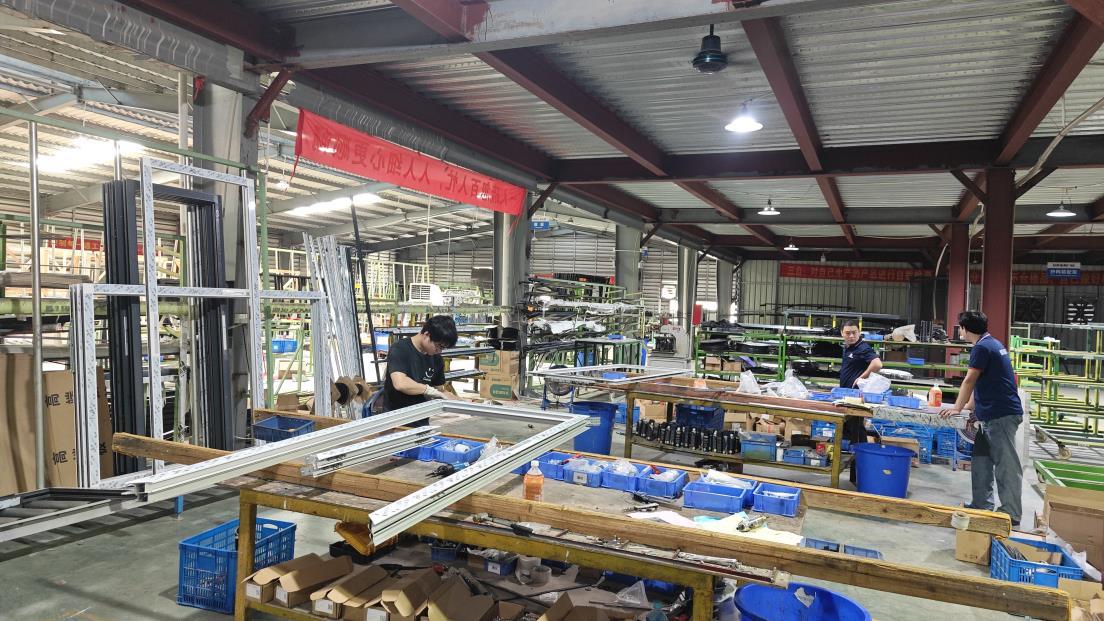
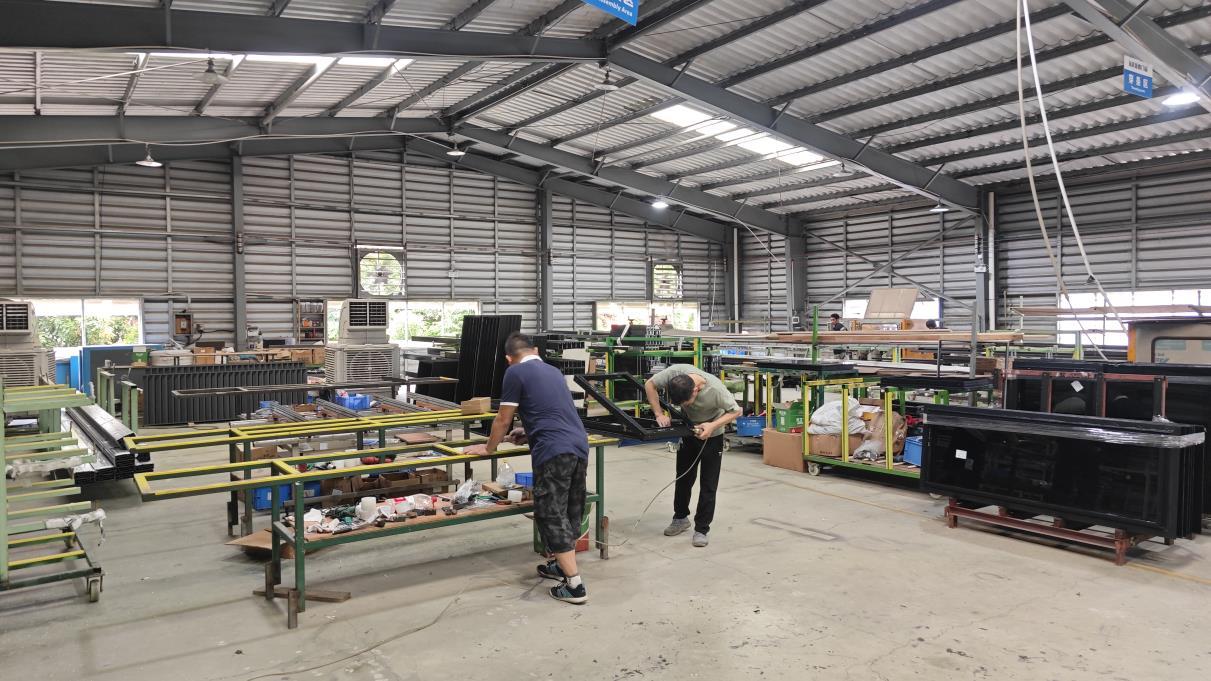
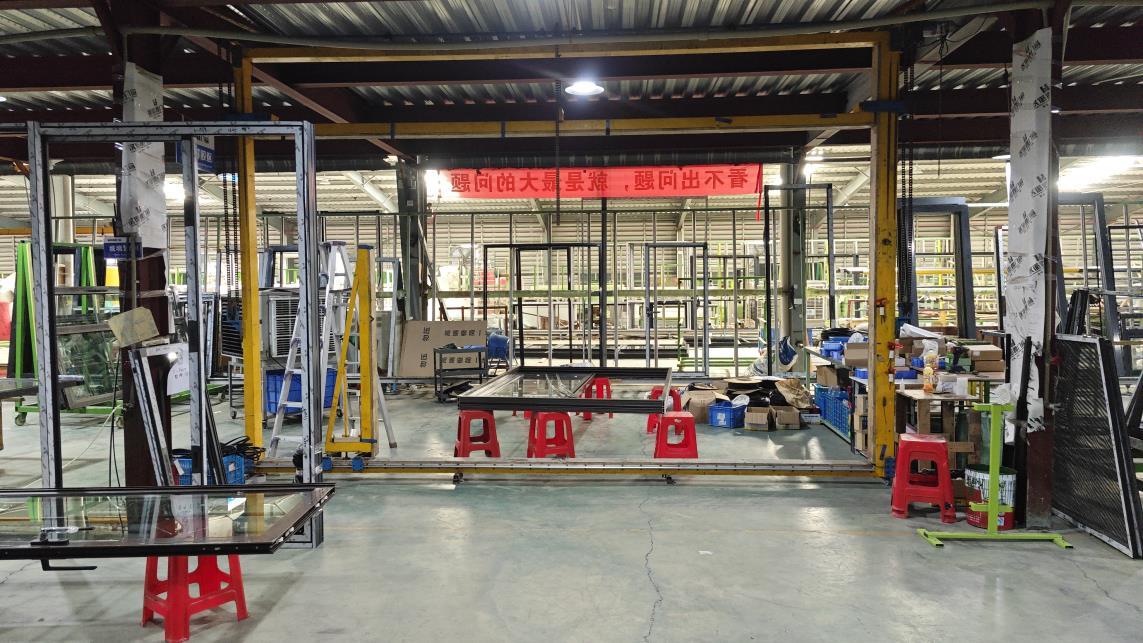
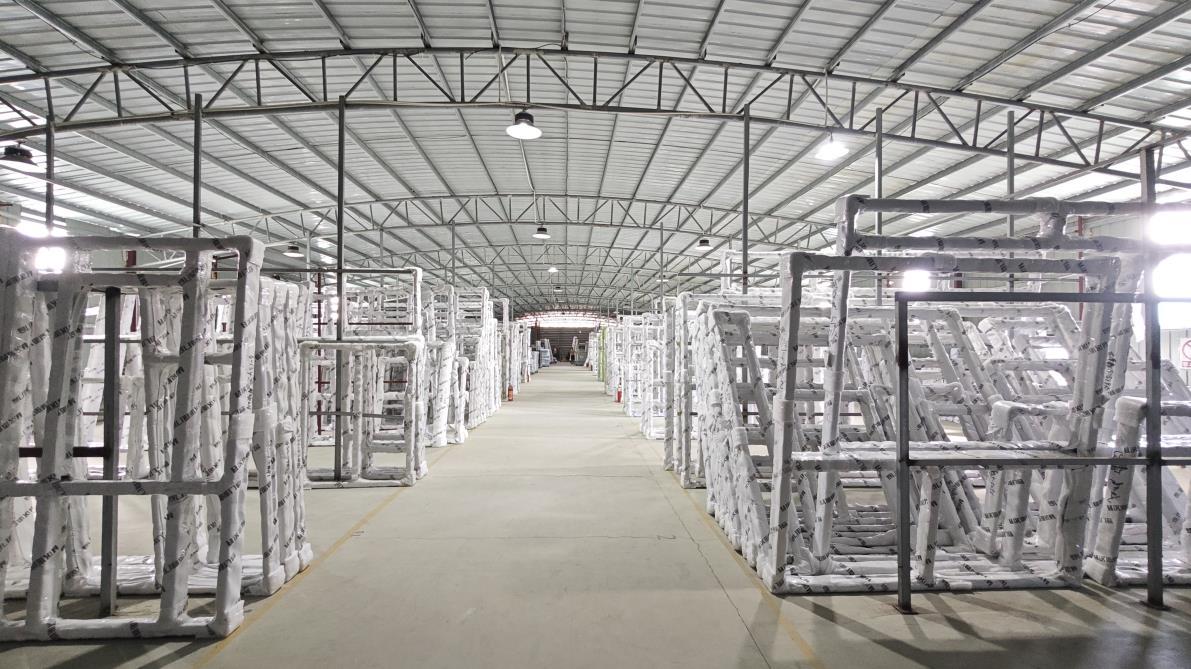
Founded in 2015, Chengdu Zenit Window & Door Co., Ltd. operates a 25,000-square-meter manufacturing facility. Backed by 11 years of industry expertise and 8 years of global trade experience, the company achieves an annual export turnover of $26 million. Our primary export markets cover North America, Australia, and Western Europe, catering to residential home builders, architectural contractors, and building material wholesalers.
Quality control is managed by a dedicated team of 35 inspectors who perform rigorous air permeability testing, water tightness checks, and frame corner strength evaluations. Supported by over 600 supply chain partners, Zenit delivers comprehensive customization options including thermal break profiles, custom anodized finishes, and triple-pane soundproof glass. Driven by an active R&D division of 42 engineers, we released 50 new architectural window systems over the past year.
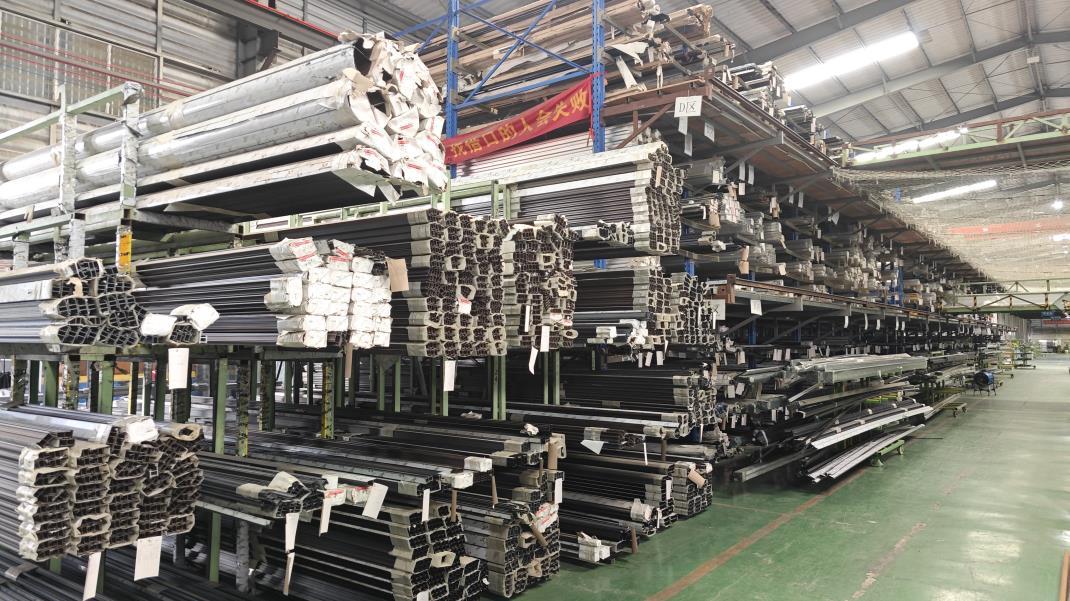
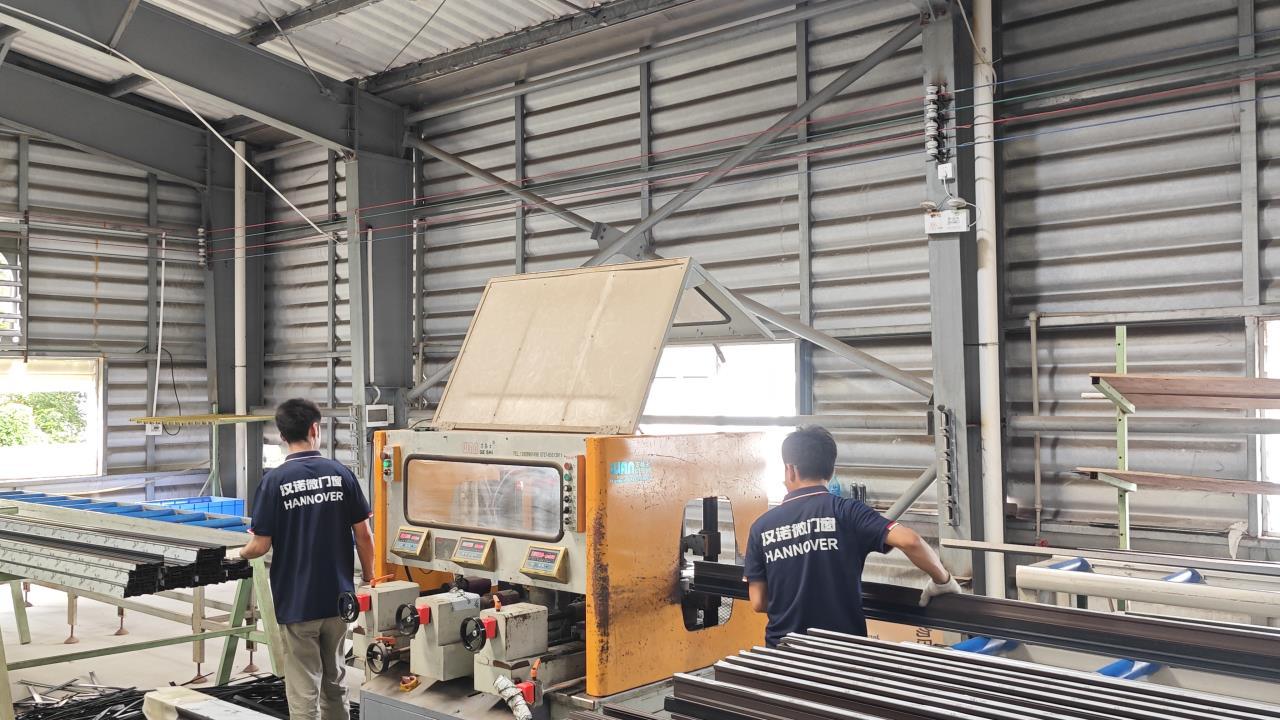
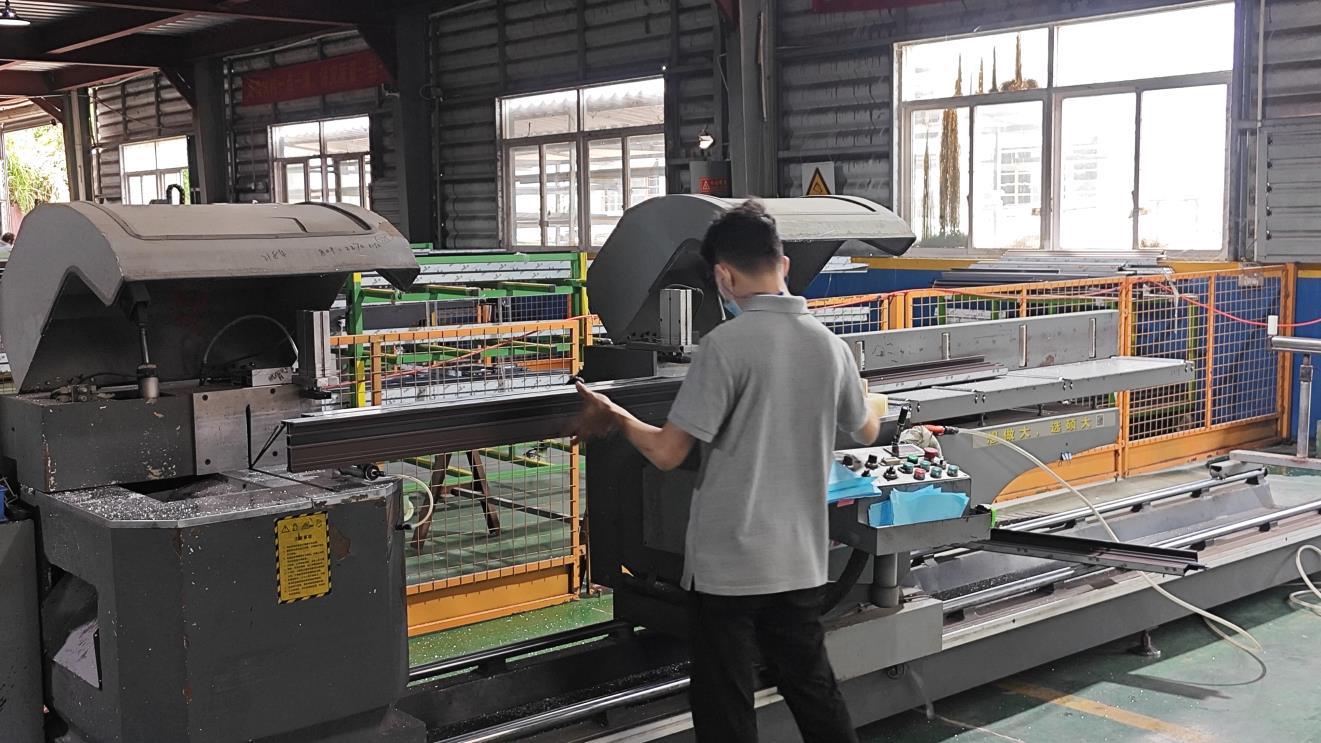
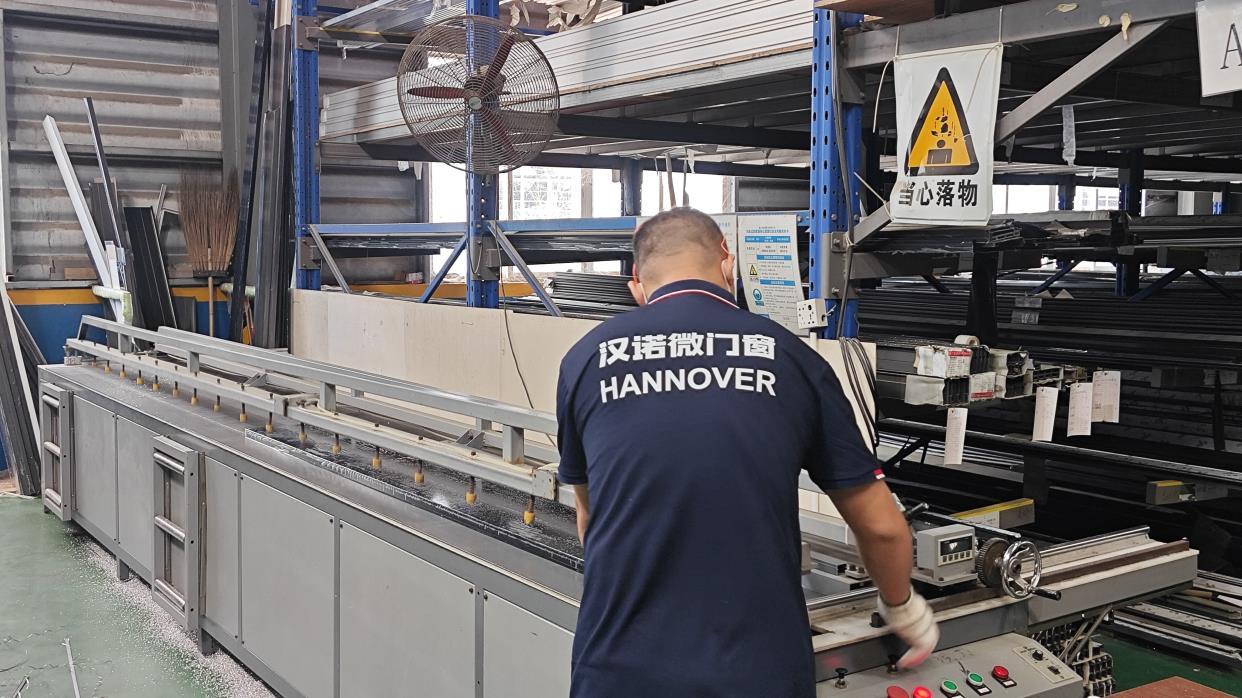
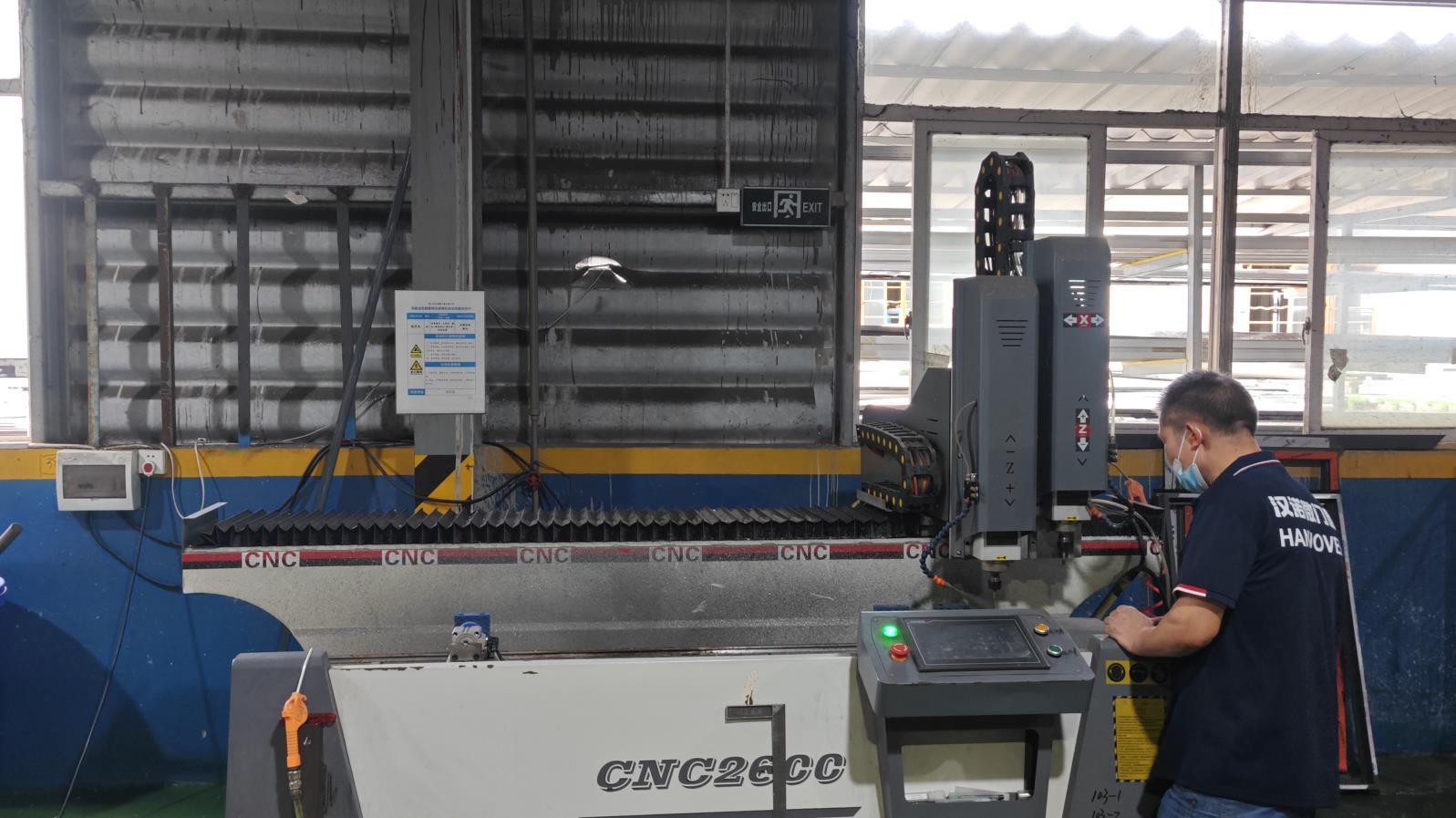
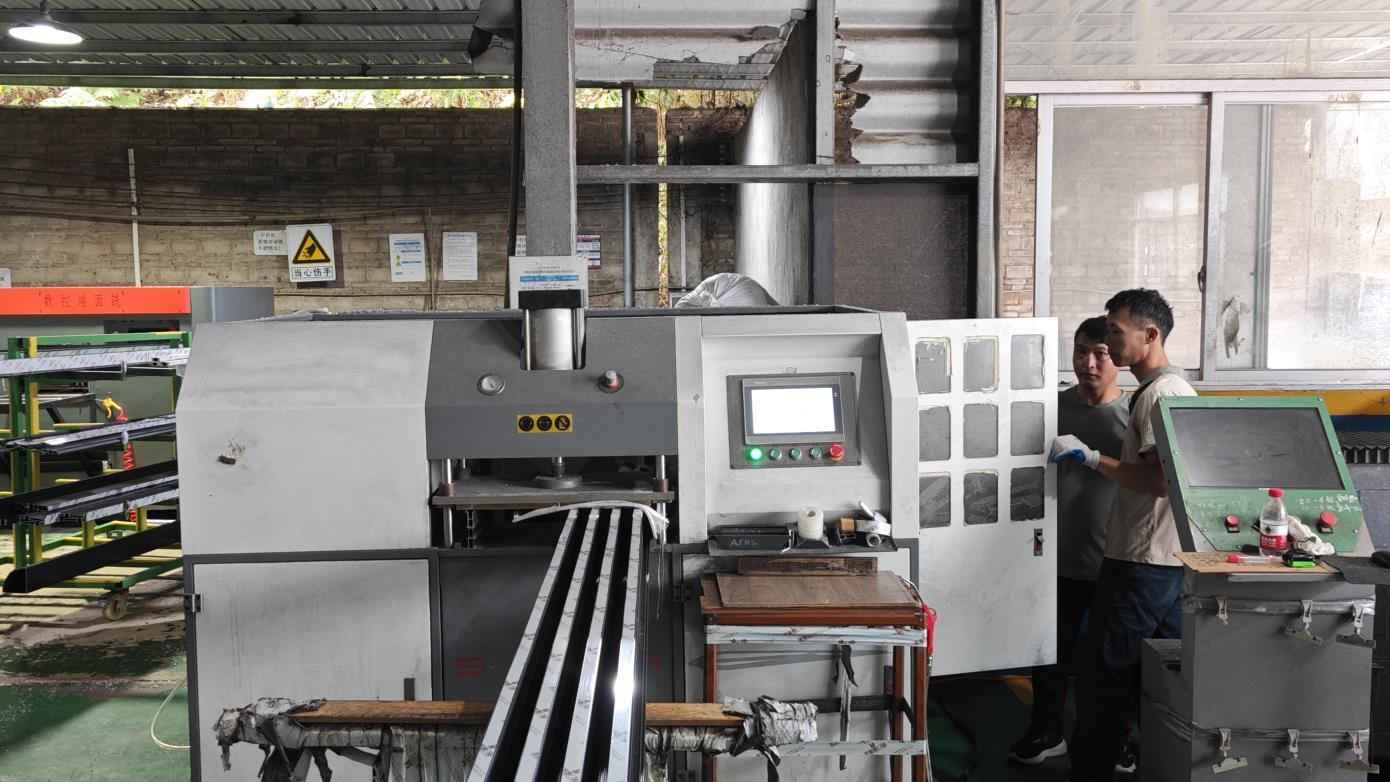
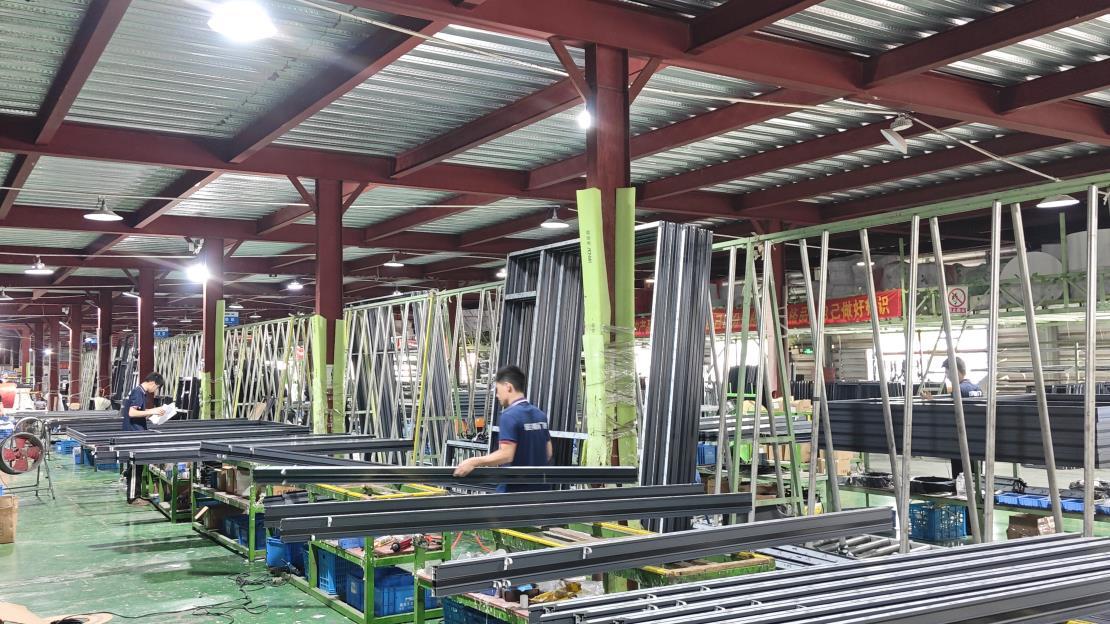
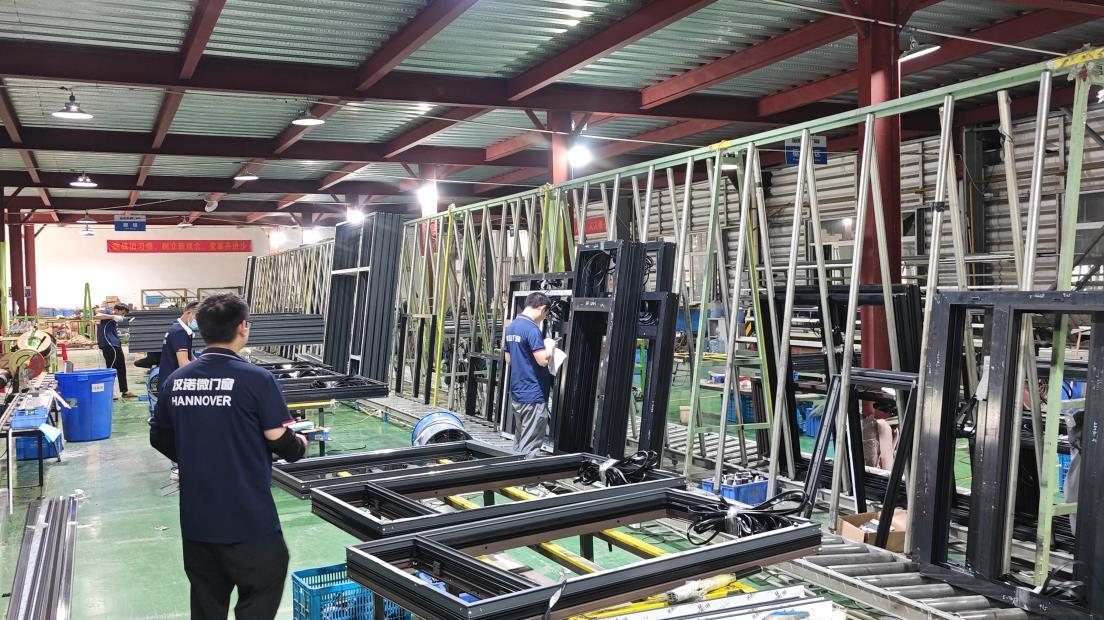
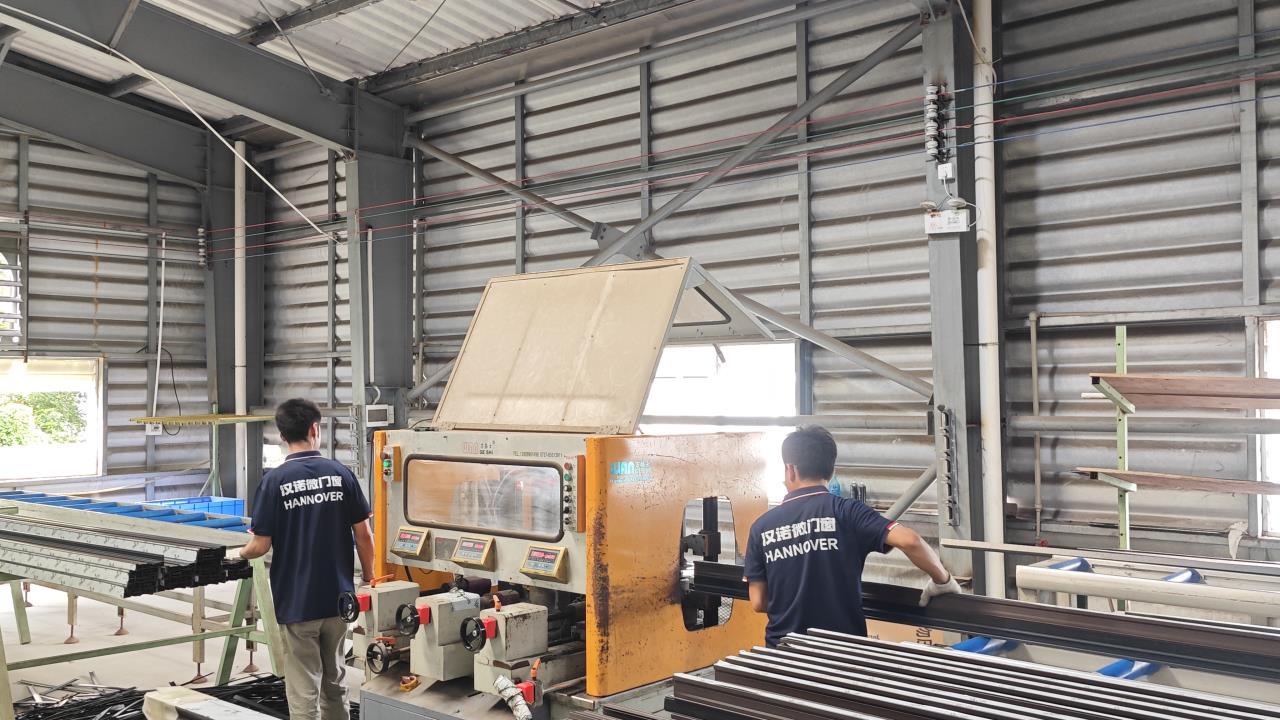
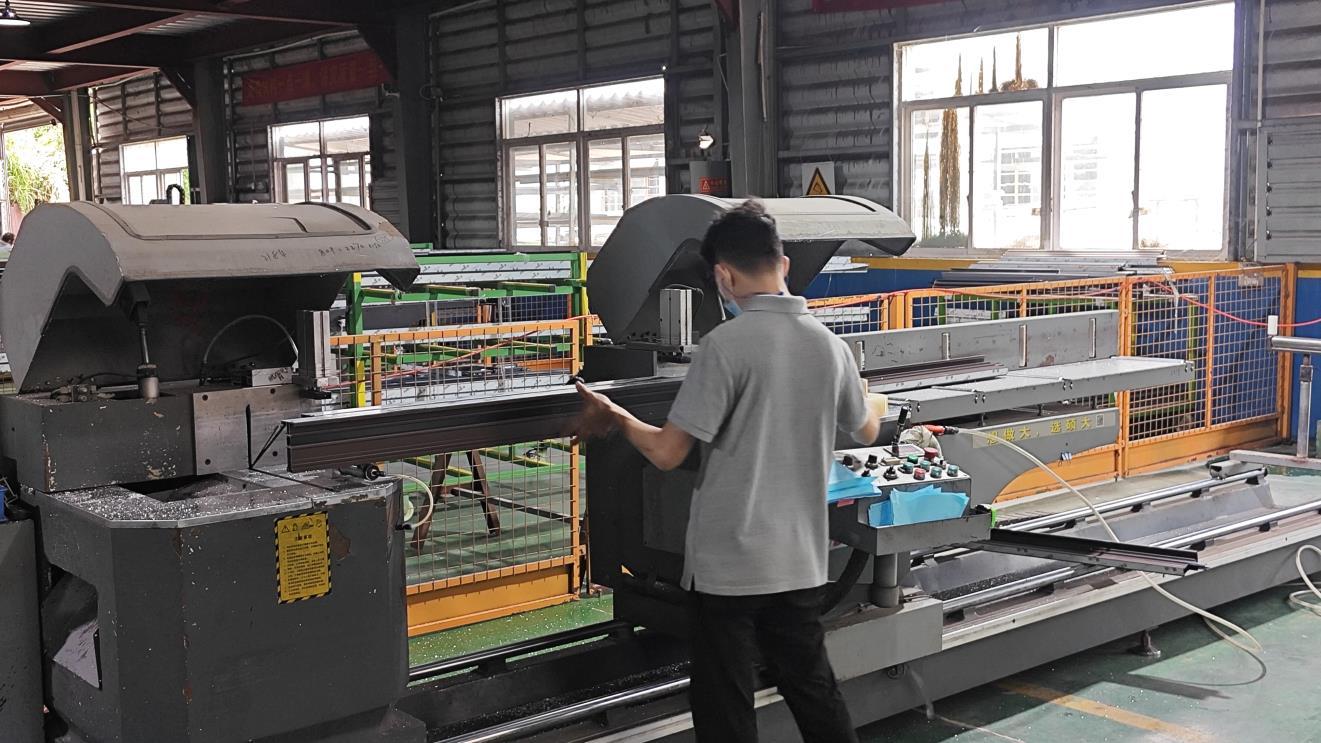
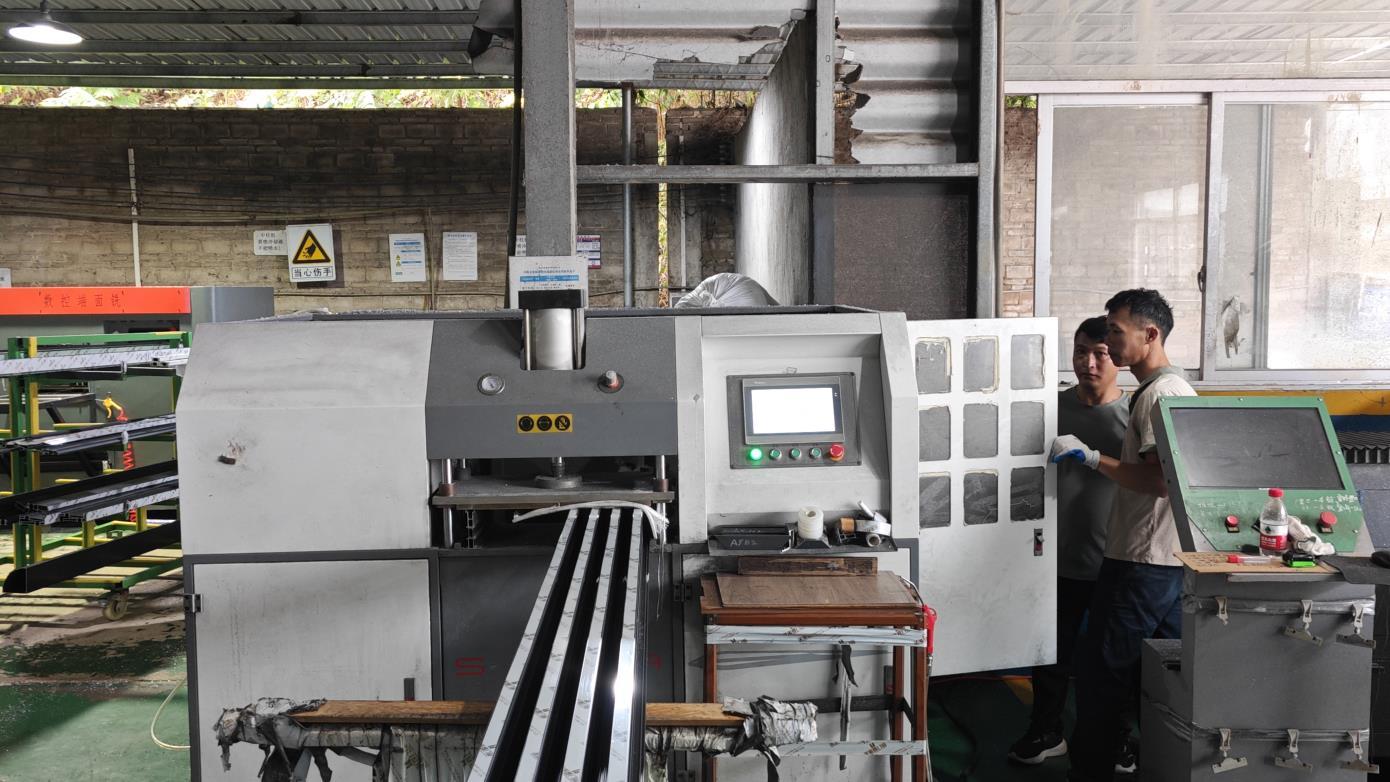
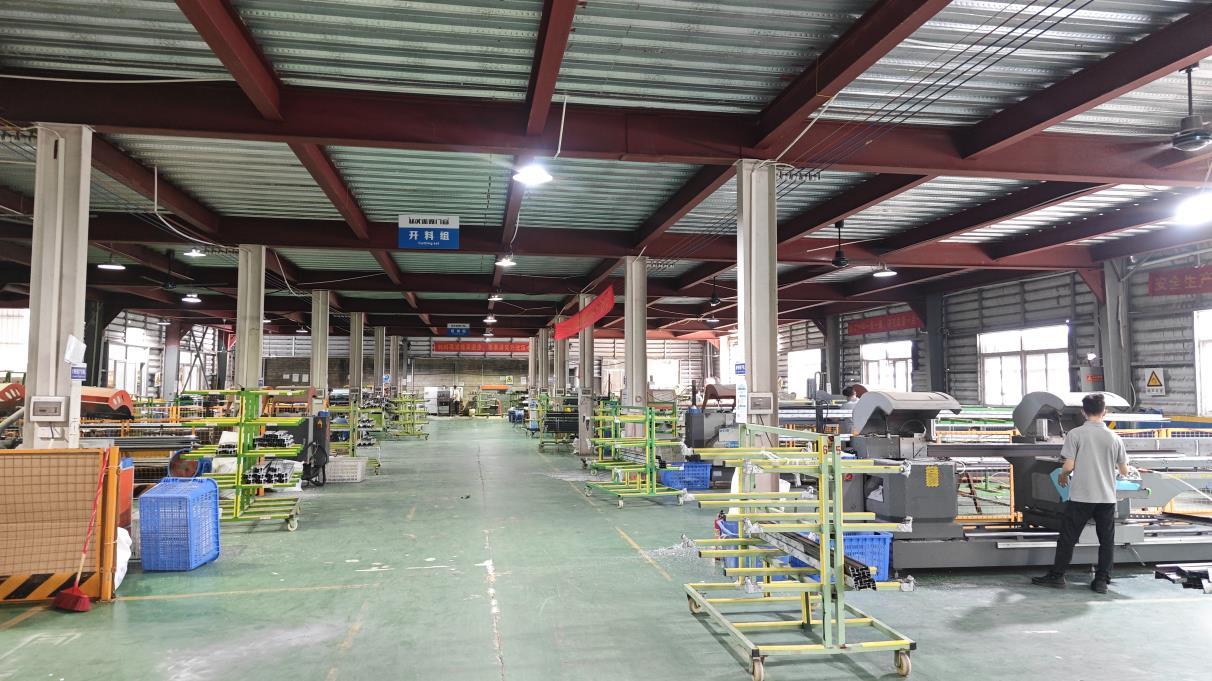
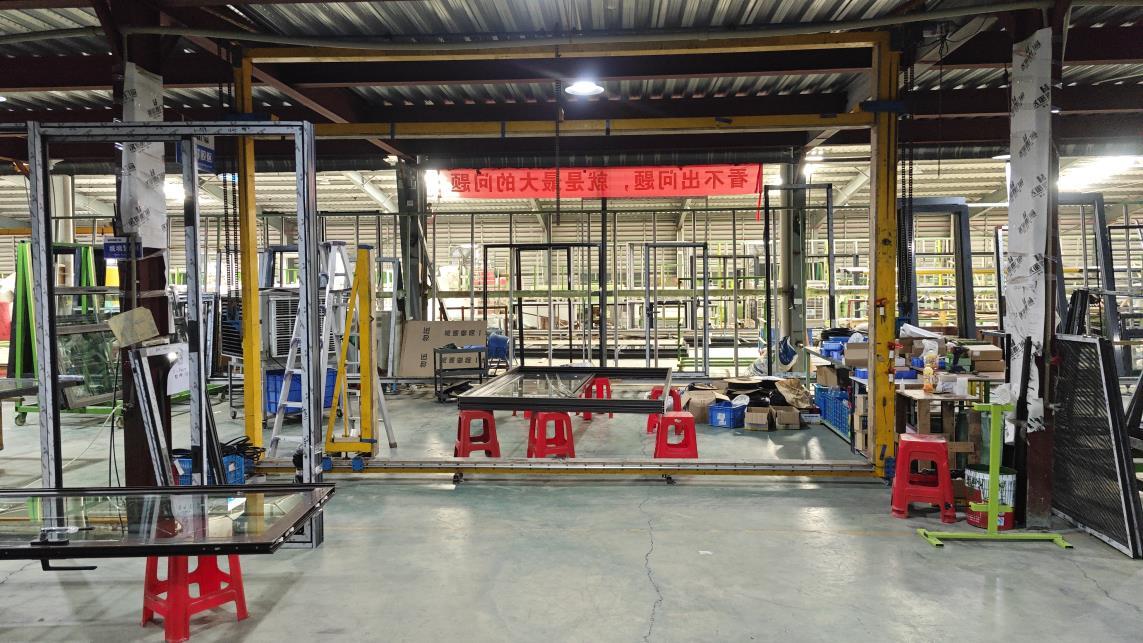
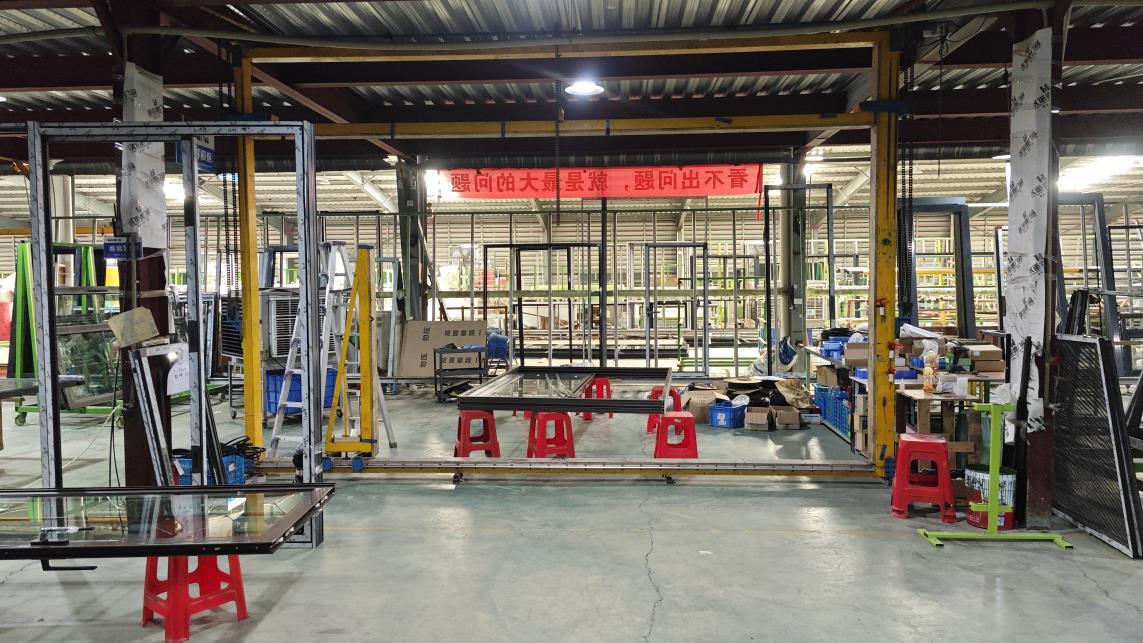
Production Workflow & Quality Control Inspection Gallery
End-to-end transparent manufacturing processes from raw aluminum profile extrusion to automated CNC milling, corner crimping, and final QA debugging.
Tailored Procurement Solutions for Portuguese Developers
From single villa customizations in Cascais to multi-family residential complexes in Sintra, we offer standardized B2B workflows.
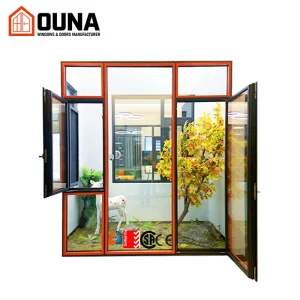
OUNA Tilt and Turn House Window Frame NOA Slim Frame (Lisbon Luxury Apartments)
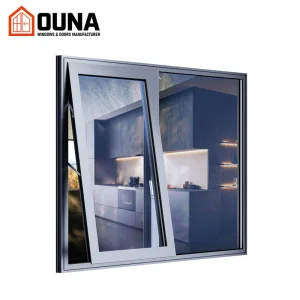
OUNA NFRC Thermal Break Double Glass Energy Efficient Aluminum Casement Windows for Villa
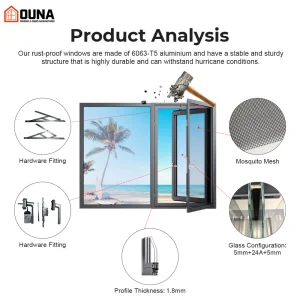
OUNA Double Glazed NOA Aluminum Alloy Swing Casement Window System for Energy Efficient Homes
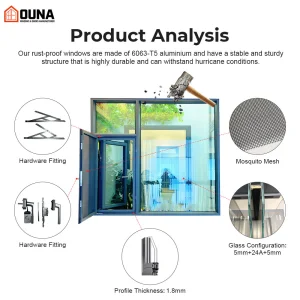
OUNA Custom Villa House Project Thermal Break Insulated Soundproof Double Glazed Windows
Direct Freight to Sines & Leixões
We streamline maritime shipping directly from Chinese ports to key Portuguese entry hubs including Port of Sines, Port of Leixões (Porto), and Port of Lisbon. Complete customs documentation, including CE declarations, certificates of origin, and compliance dossiers, ensures smooth customs clearance.
CE & EN Standard Verification
All casement window models comply fully with European Norm EN 14351-1:2006+A2:2016. Factory production control (FPC) audits and third-party laboratory reports guarantee verified values for air permeability, water tightness, structural wind loads, and acoustic insulation performance.
Comprehensive B2B Warranty
Zenit backs all aluminum profiles with a 10 to 15-year warranty against surface degradation and color fading. Hardware systems (including Siegenia, Hoppe, and German Sobinco multi-point locking mechanisms) are rated for over 50,000 opening/closing operating cycles.
Next-Generation Architectural Fenestration Technologies
Pioneering sustainable, intelligent, and ultra-efficient window systems for tomorrow's European built environment.
Vacuum Insulated Glass (VIG)
By replacing traditional argon gas gaps with a 0.3mm vacuum chamber, VIG achieves center-of-glass thermal insulation $U_g \le 0.4 \text{ W/m}^2\text{K}$ in a profile width under 80mm. Perfect for historic restoration projects across Portugal's UNESCO heritage zones where narrow sightlines are mandatory.
Smart Electrochromic Tinting
Integrated dynamic glass technology allows automated solar heat gain coefficient (SHGC) modulation via smart home automation or building management systems (BMS), reducing AC cooling loads in sunny regions like Madeira and Algarve by up to 45% during summer peaks.
BIPV Solar Integration
Building-Integrated Photovoltaics (BIPV) incorporated into spandrel and casement transom frames enable residential and commercial structures to generate localized solar electricity while fulfilling 100% of Portuguese passive house shading criteria.
Certified Casement & Awning Windows Portfolio
Explore our full line of tested aluminum casement fenestration systems available for wholesale export to Portugal.
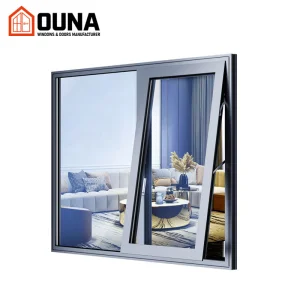
OUNA AS2047 Awning Windows Triple Tempered Glazed Energy Saving Casement Windows
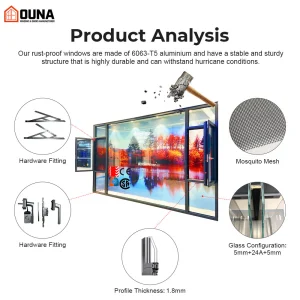
OUNA Modern Aluminum Black Frame Casement Windows CSA NFRC Double Tempered Glazed
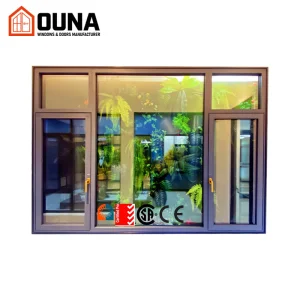
OUNA Triple Glazed Casement Windows with Mosquito Net Double Tempered Glass
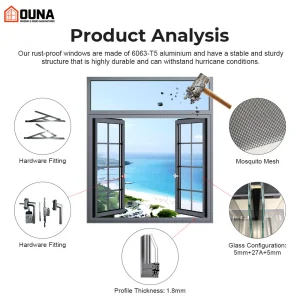
OUNA High Quality Aluminium Windows CSA Energy Efficient Triple Glaze Thermal Break
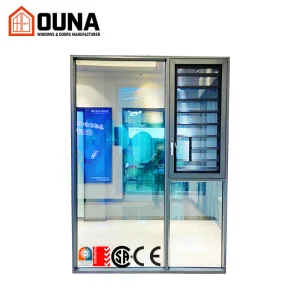
OUNA Hurricane Proof Aluminum Double Glass Tilt Turn or Awning Swing Windows with Screen
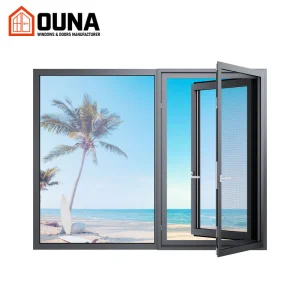
OUNA NFRC CSA Certified Slim Narrow Frame Casement Window Insulated Tilt Turn
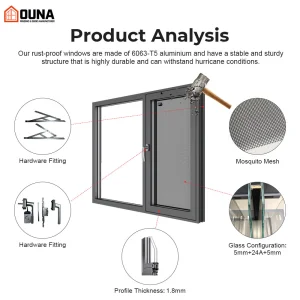
OUNA NFRC Energy Saving Low E Glass Thermal Break Casement Aluminum Windows
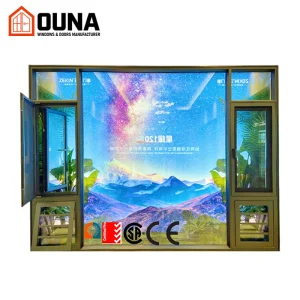
OUNA High Efficiency Windproof Aluminum Windows Durable Modern Double Glass
Frequently Asked Questions (FAQ) for B2B Buyers
Answers to structural compliance, shipping timelines, technical specifications, and custom OEM ordering process.