 Zenit Window
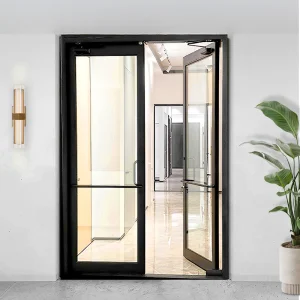
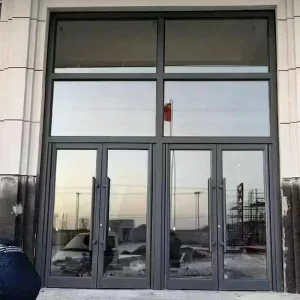
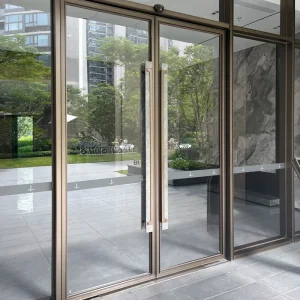
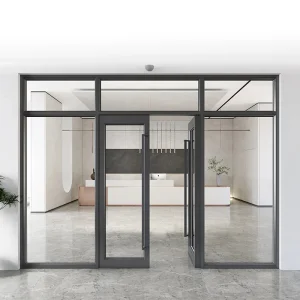
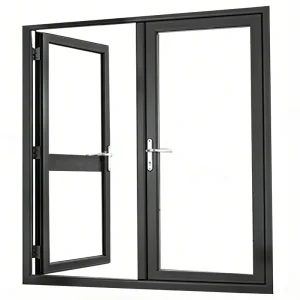
High-Performance Commercial Storefront Doors
Commercial & Industrial Building Opening Dynamics in Japan
Urban Redevelopment & High-Density Requirements
Japan’s architectural sector is undergoing a profound structural shift. Driven by urban renewal initiatives across major metropolitan centers such as Tokyo, Osaka, Nagoya, and Fukuoka, commercial infrastructure demands entrances that blend structural resilience with sleek aesthetic integration. High-density commercial districts prioritize entrance solutions that withstand heavy daily foot traffic, comply with strict municipal code enforcement, and deliver superior noise mitigation against urban noise pollution.
Furthermore, the expansion of high-end boutique retail networks and luxury office complexes requires custom aluminum frame profiles capable of supporting extra-large thermal double/triple glass panes. General contractors require suppliers who understand the strict tolerances of Japanese construction methodologies (Kenten practices) and can guarantee long-term operational consistency.
Smart Logistics Hubs & Cold-Chain Expansion
The growth of e-commerce across the Japanese archipelago has spurred unprecedented investment in mega-logistics parks and automated distribution centers along the Pacific Belt. Facilities operated by major logistics REITs require specialized industrial door systems designed for high-frequency cycling, rapid thermal seal retention, and extreme wind load resistance along coastal zones.
Engineered commercial door systems exported to Japan must address microclimate variance—from the freezing sub-zero environments of Hokkaido to the humid, typhoon-prone southern regions of Kyushu and Okinawa. Thermal isolation profiles combined with high-grade anodized aluminum surfaces are crucial to mitigate condensation build-up, prevent structural degradation, and maintain environmental integrity.
JIS Certification Benchmarks & Structural Standards
Supplying commercial doors to the Japanese construction market requires rigorous adherence to Japanese Industrial Standards (JIS) and local Ministry of Land, Infrastructure, Transport and Tourism (MLIT) building codes. Our manufacturing ecosystem integrates high-precision structural engineering to meet or exceed these local benchmarks.
JIS A 4702/4706 Compliance
Doors are tested for air tightness (Class A-4 performance), water tightness (Class W-5 performance), and sound insulation (Class T-2 to T-3 standards). Frame designs feature multi-chambered polyamide thermal breaks to eliminate cold bridging.
Typhoon & Wind Pressure Resistance
Coastal Japan experiences strong typhoon winds during late summer and autumn. Our heavy-duty commercial entrance series withstands extreme wind pressure ratings up to 3.0 kPa (S-6/S-7 class equivalent), preventing frame flexure and structural failure.
Seismic Inter-Story Displacement
Incorporating Taishin (earthquake-resistant) flexible structural gaskets and dynamic clearance gaps, our frame systems accommodate inter-story drift angle movements of 1/150 to 1/100 without glass shatter or hinge binding.
Chengdu Zenit Window & Door Co., Ltd. Supply Capabilities
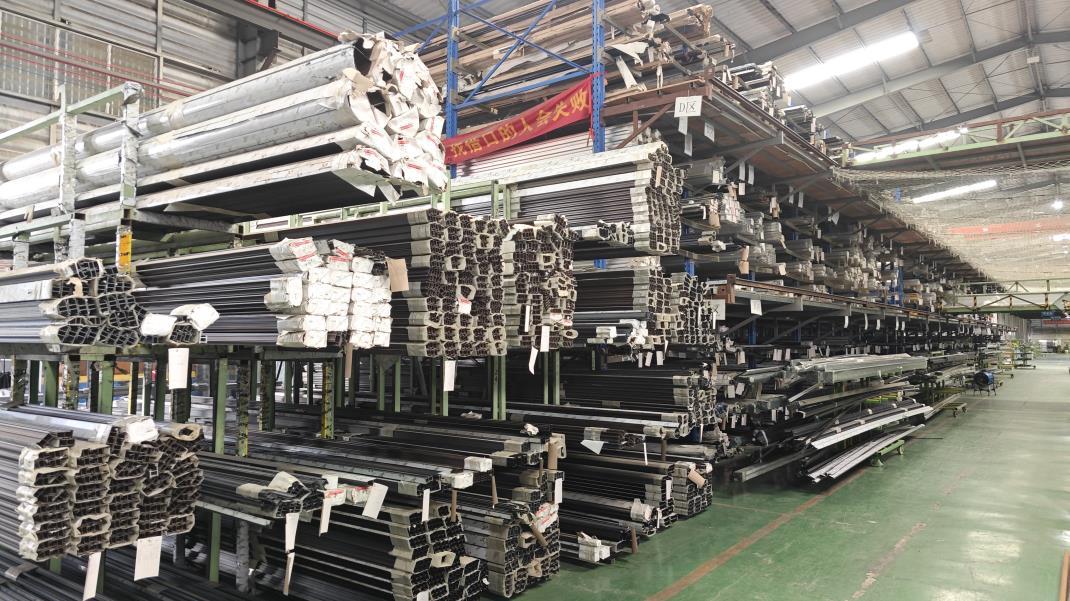
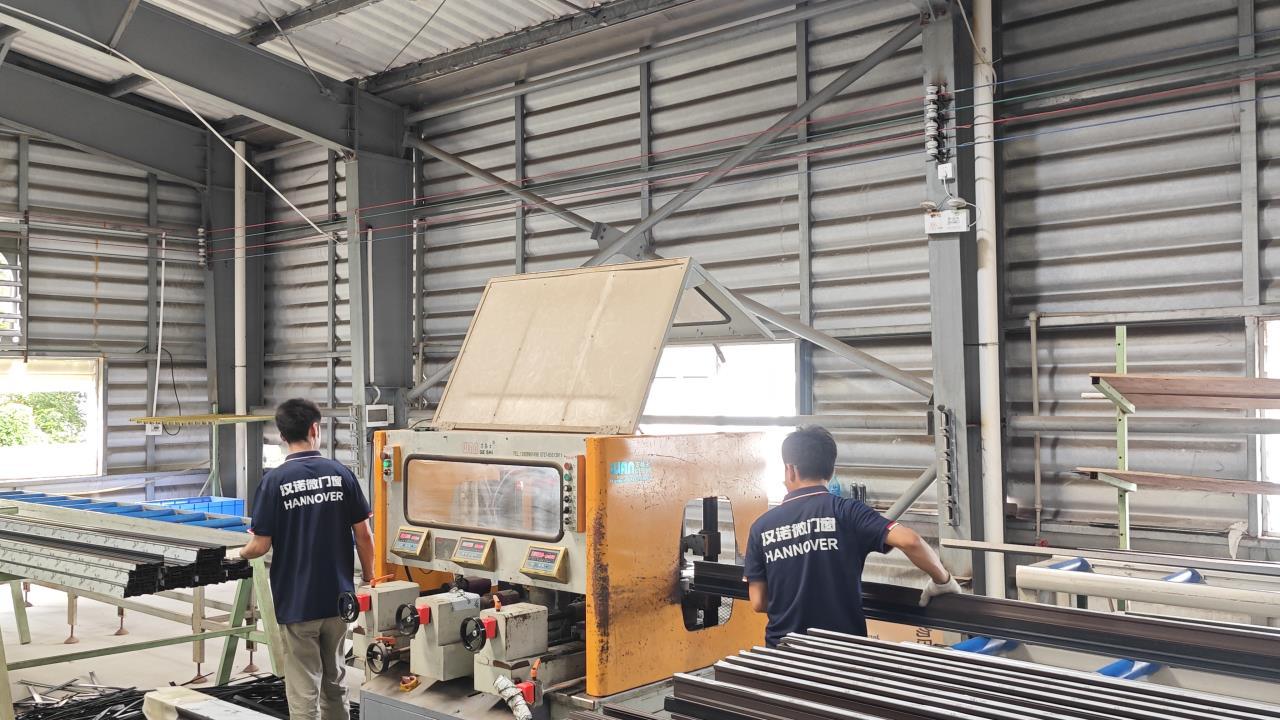
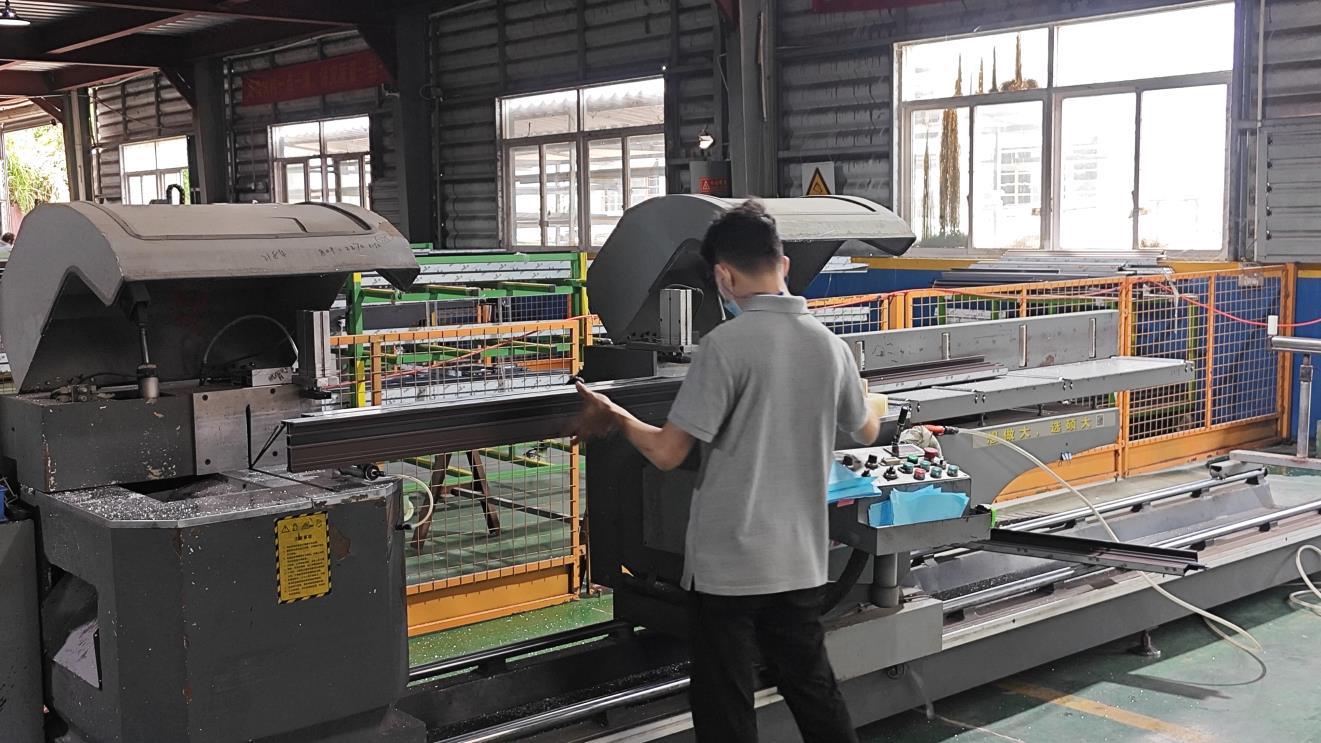
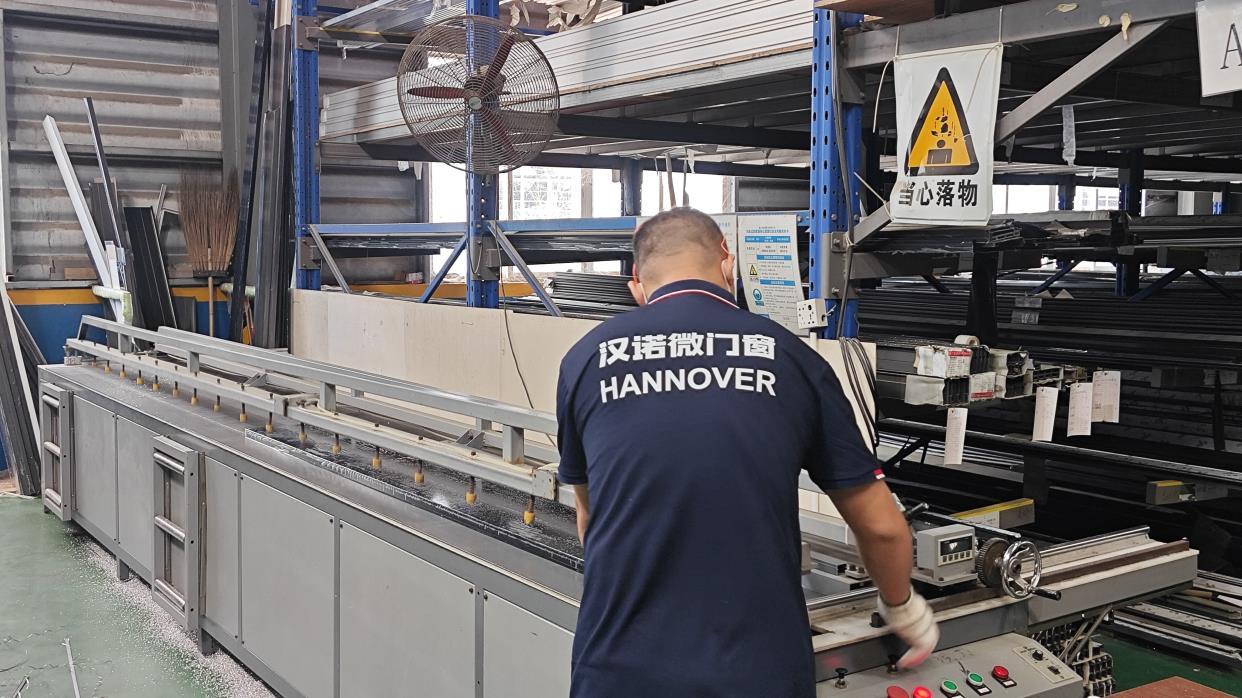
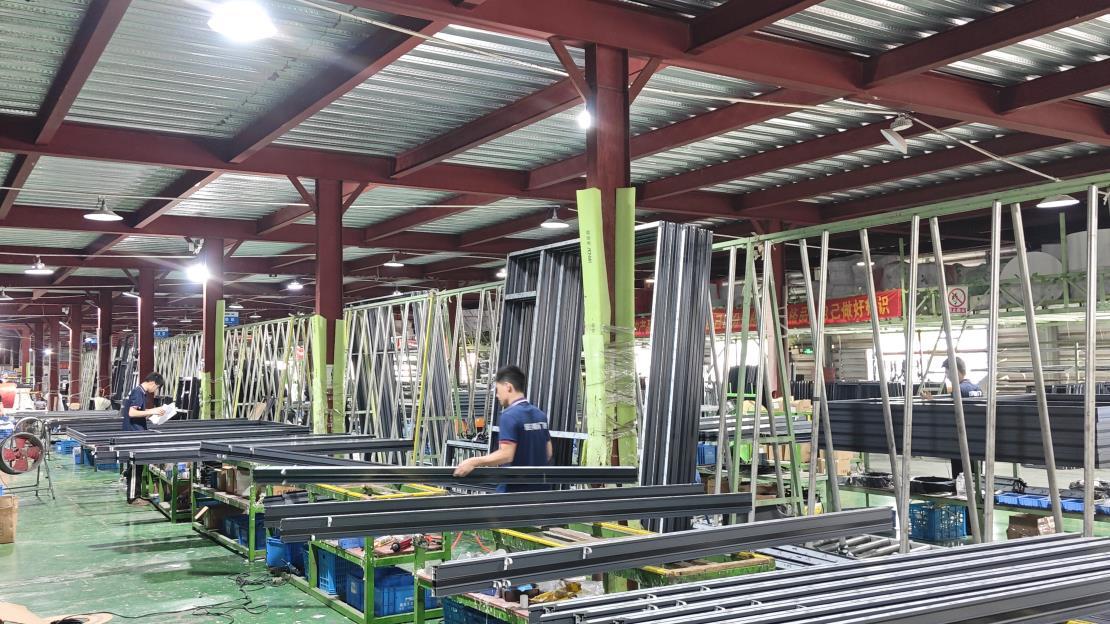
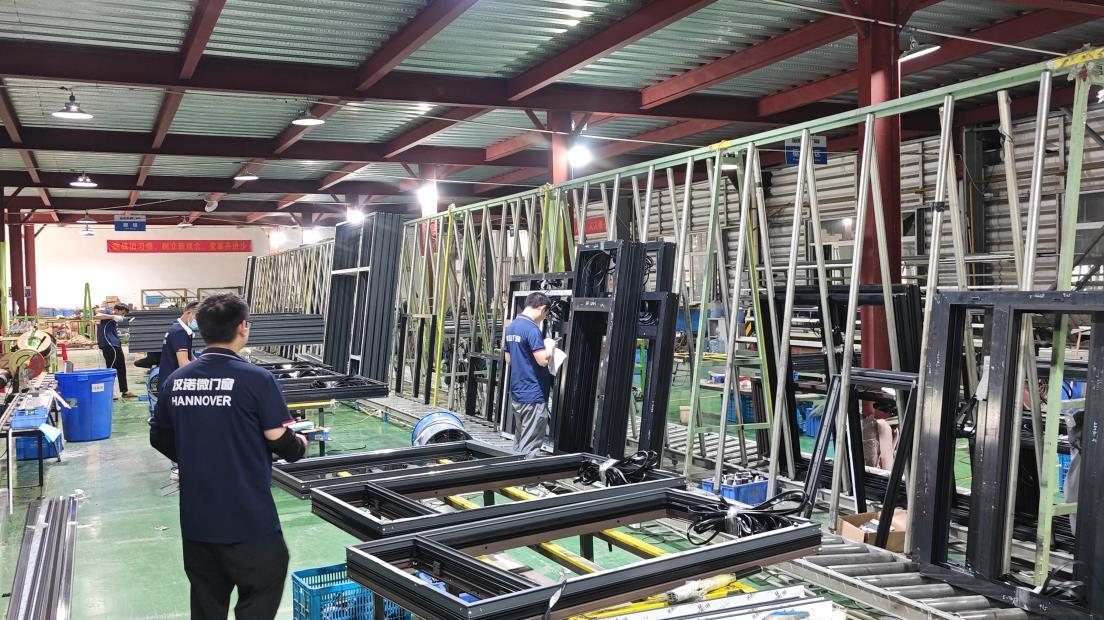
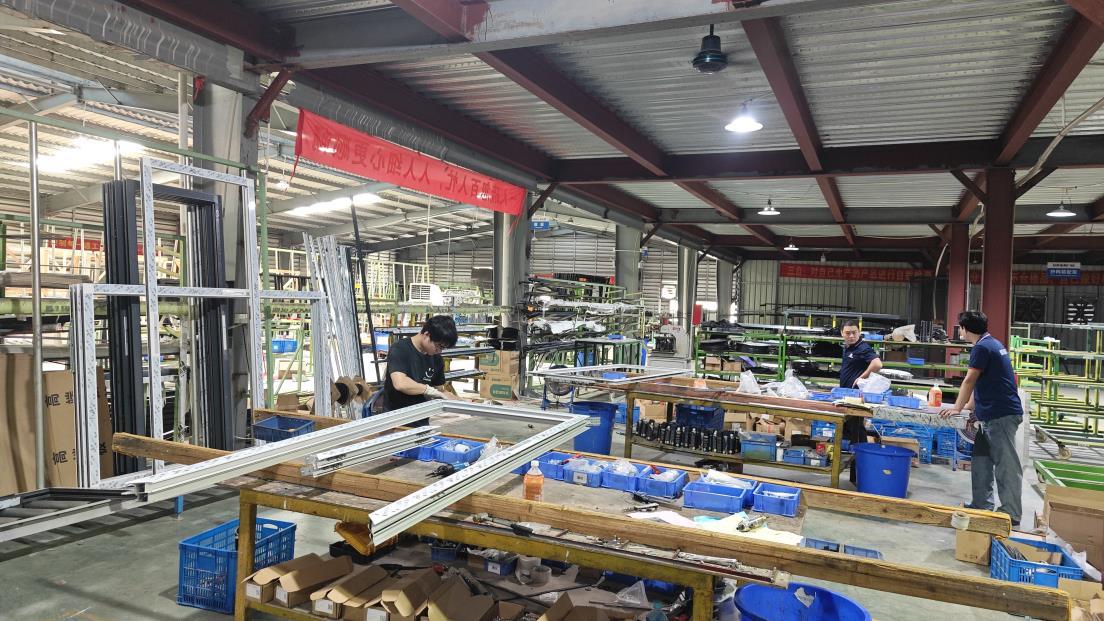
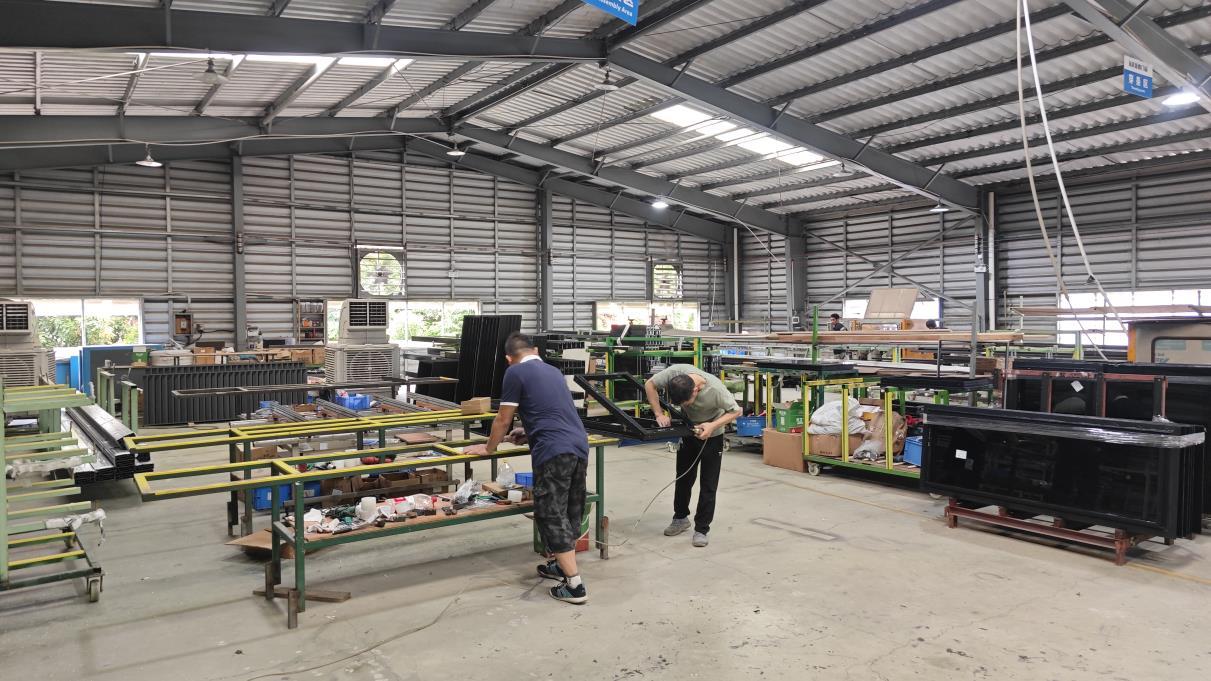
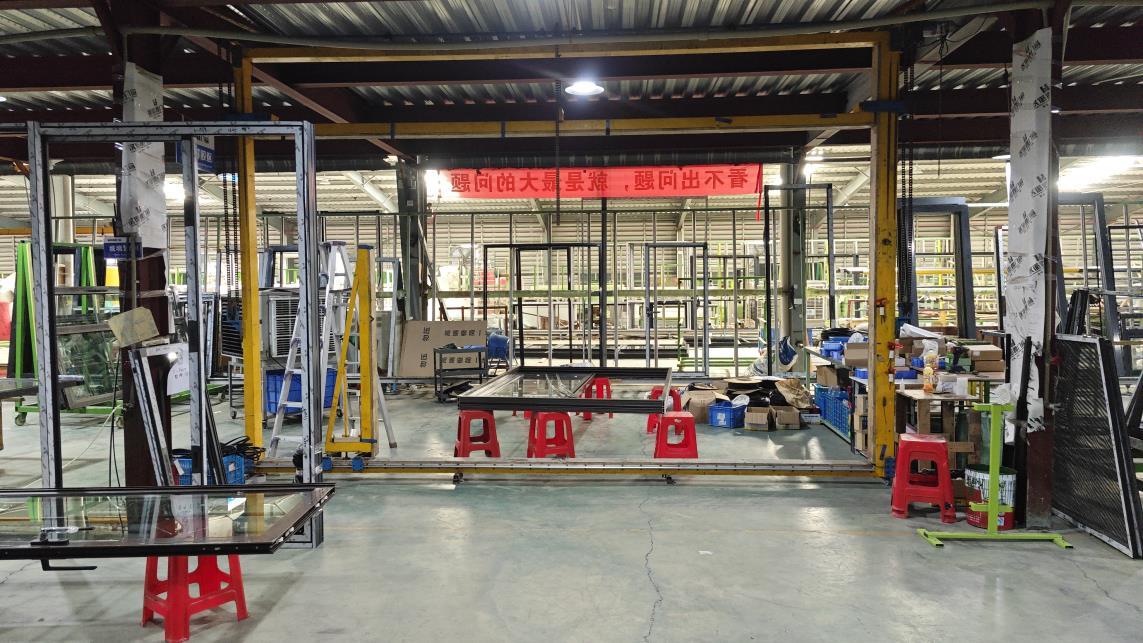
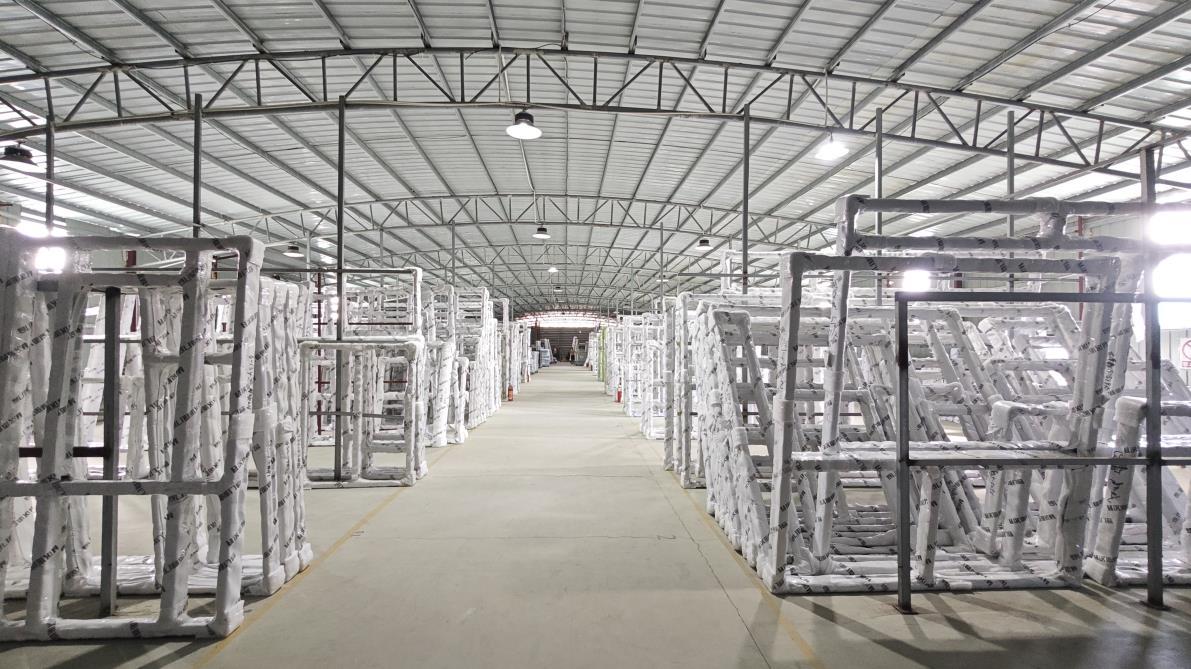
Founded in 2015, Chengdu Zenit Window & Door Co., Ltd. operates a 25,000-square-meter manufacturing facility. Backed by 11 years of industry expertise and 8 years of global trade experience, the company achieves an annual export turnover of $26 million. Our primary export markets cover North America, Australia, and Western Europe, catering to residential home builders, architectural contractors, and building material wholesalers.
Quality control is managed by a team of 35 inspectors who perform rigorous air permeability testing, water tightness checks, and frame corner strength evaluations. Supported by over 600 supply chain partners, Zenit delivers comprehensive customization options including thermal break profiles, custom anodized finishes, and triple-pane soundproof glass. Driven by an active R&D division of 42 engineers, we released 50 new architectural window systems over the past year.
Core OEM/ODM Strengths for Japanese Partners
- ✔ JIS-Grade Alloy Formulations: High-tensile 6063-T5 / 6061-T6 aluminum extruded profiles.
- ✔ Advanced Surface Anodizing: 15µm to 25µm corrosion-resistant electro-coatings, salt-spray tested for coastal deployment.
- ✔ Universal Accessibility Hardware: Compliant with Japan’s Barrier-Free Law (Sholder-height push bars, low-threshold sills).
- ✔ Short Lead-Time Logistics: Optimized shipping routes from Chengdu/Eastern China ports to Tokyo, Yokohama, Kobe, and Osaka.
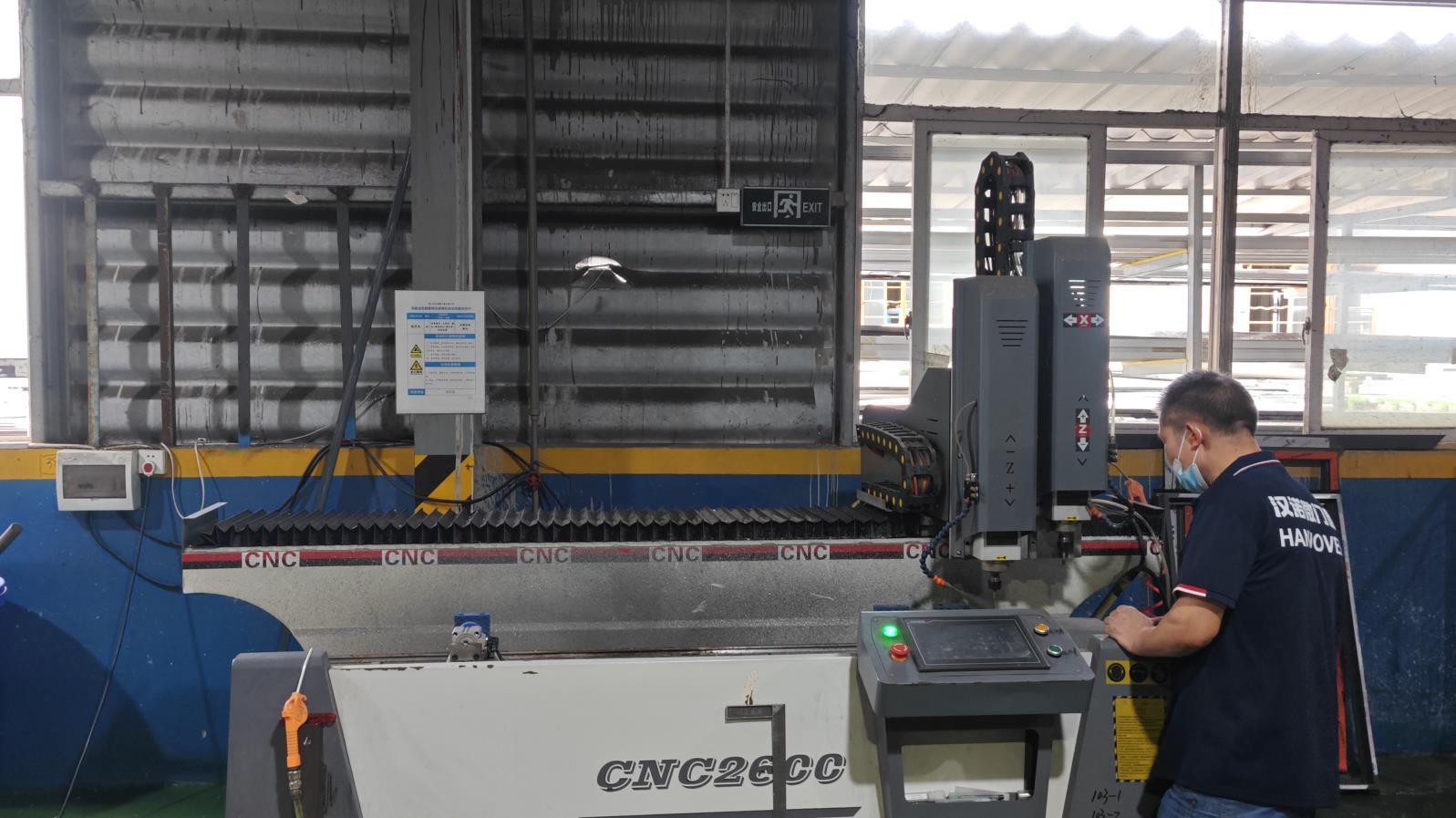
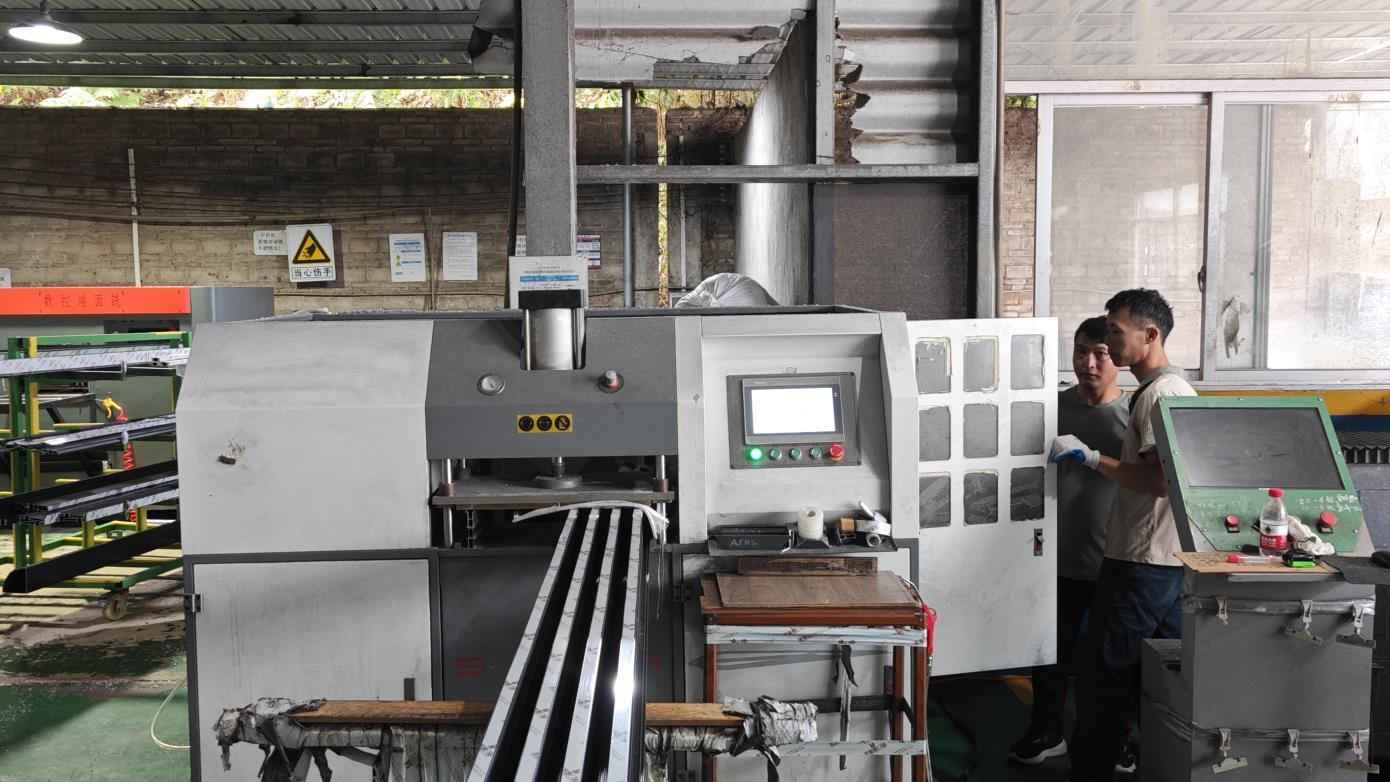
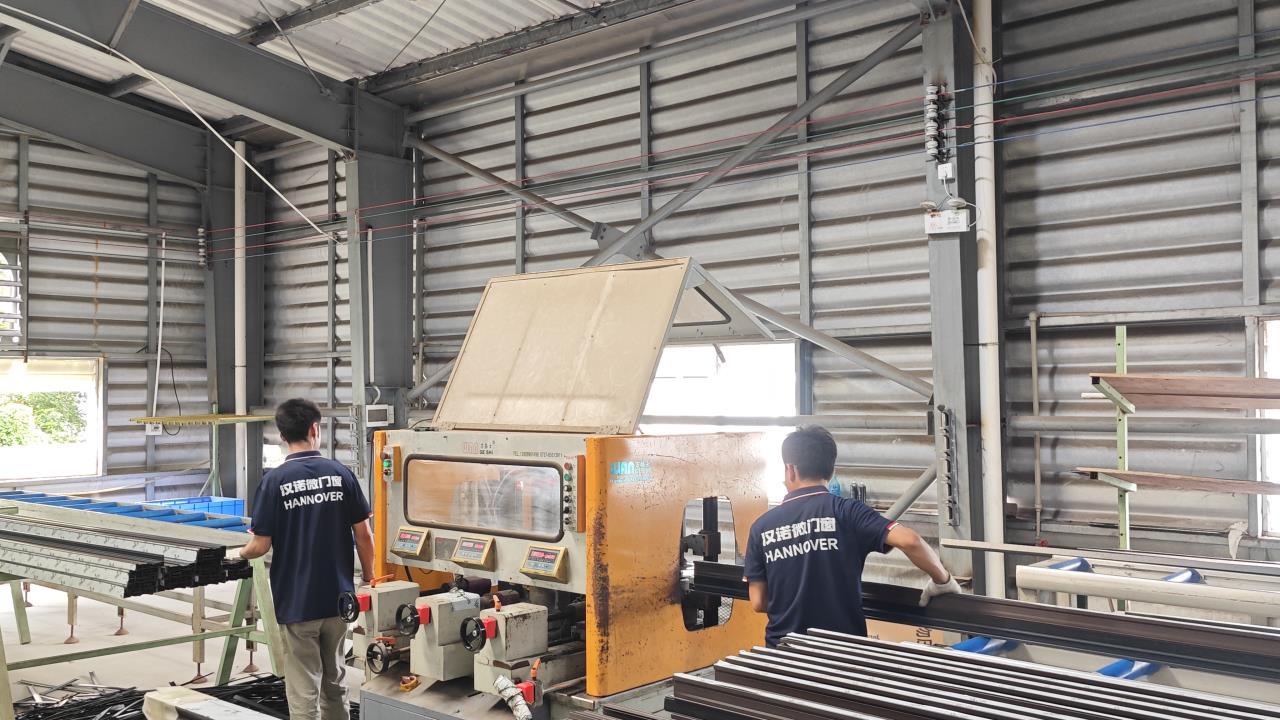
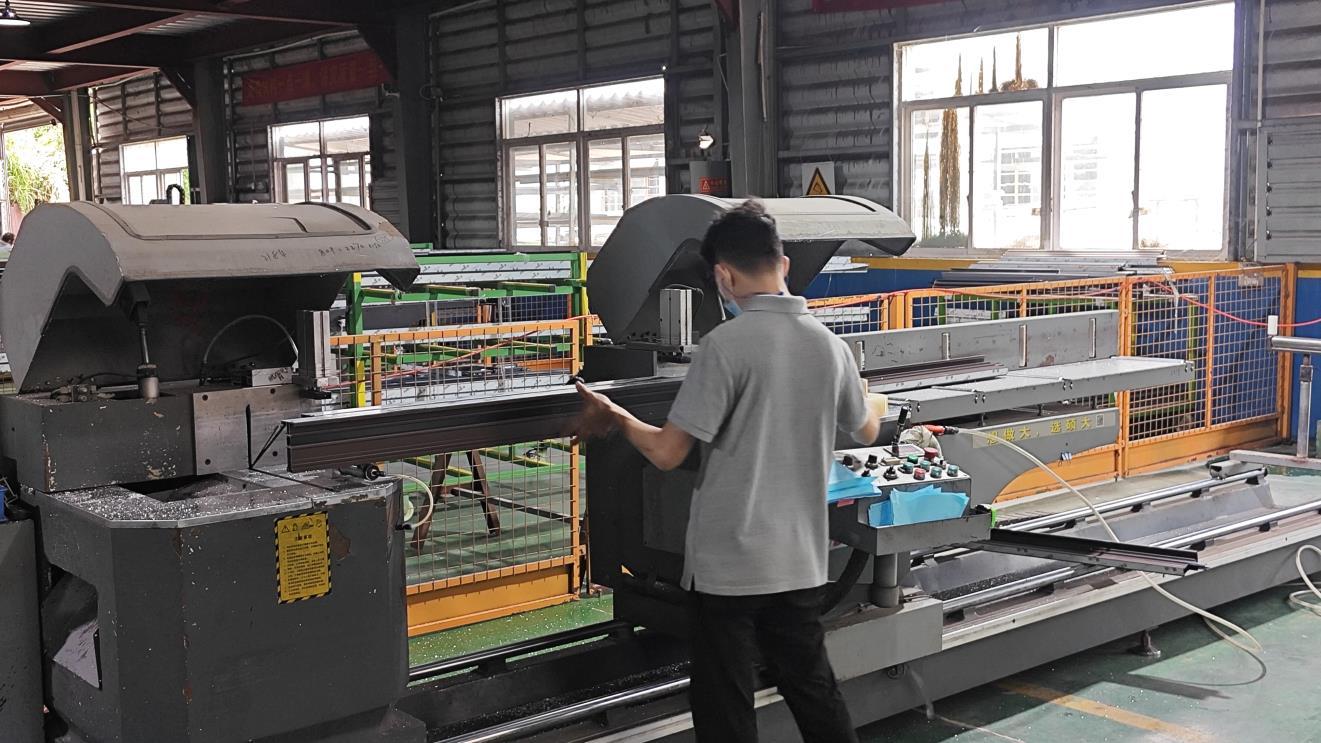
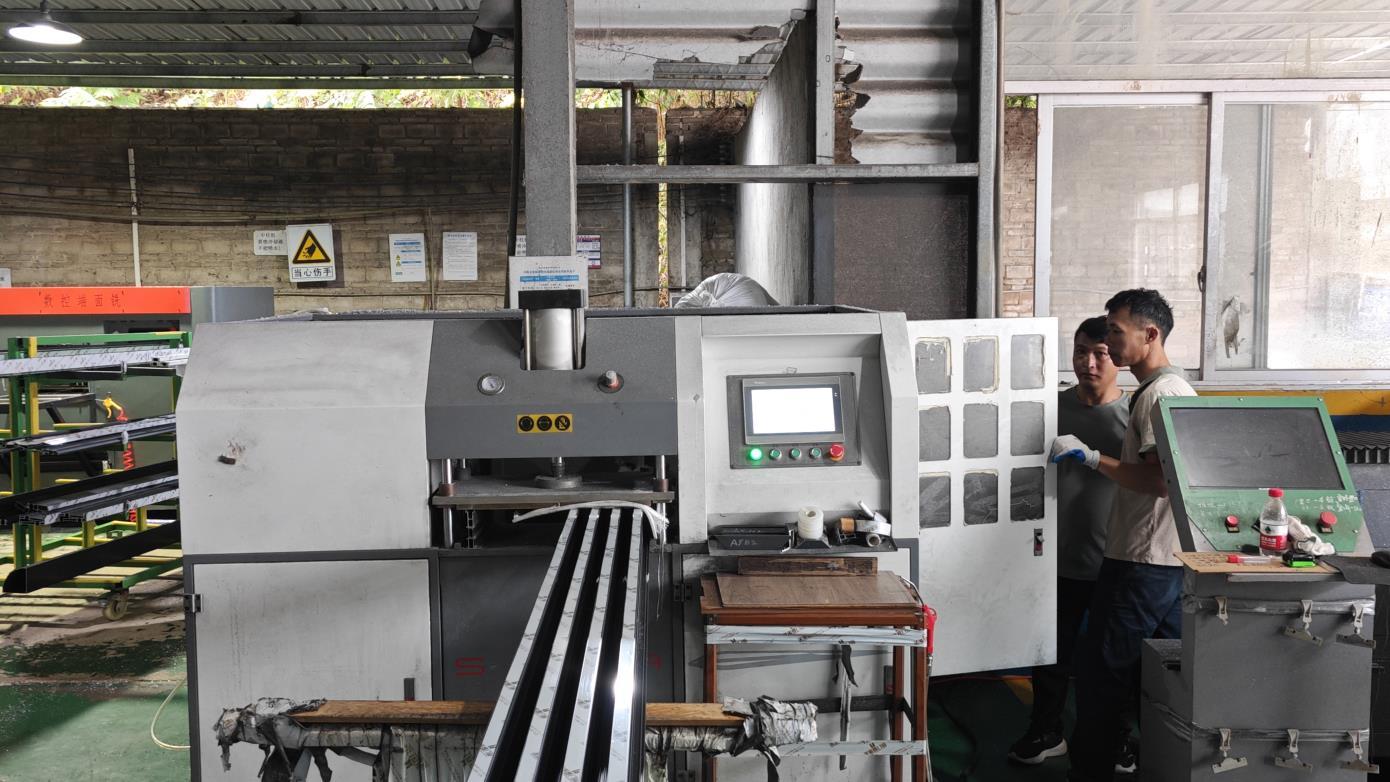
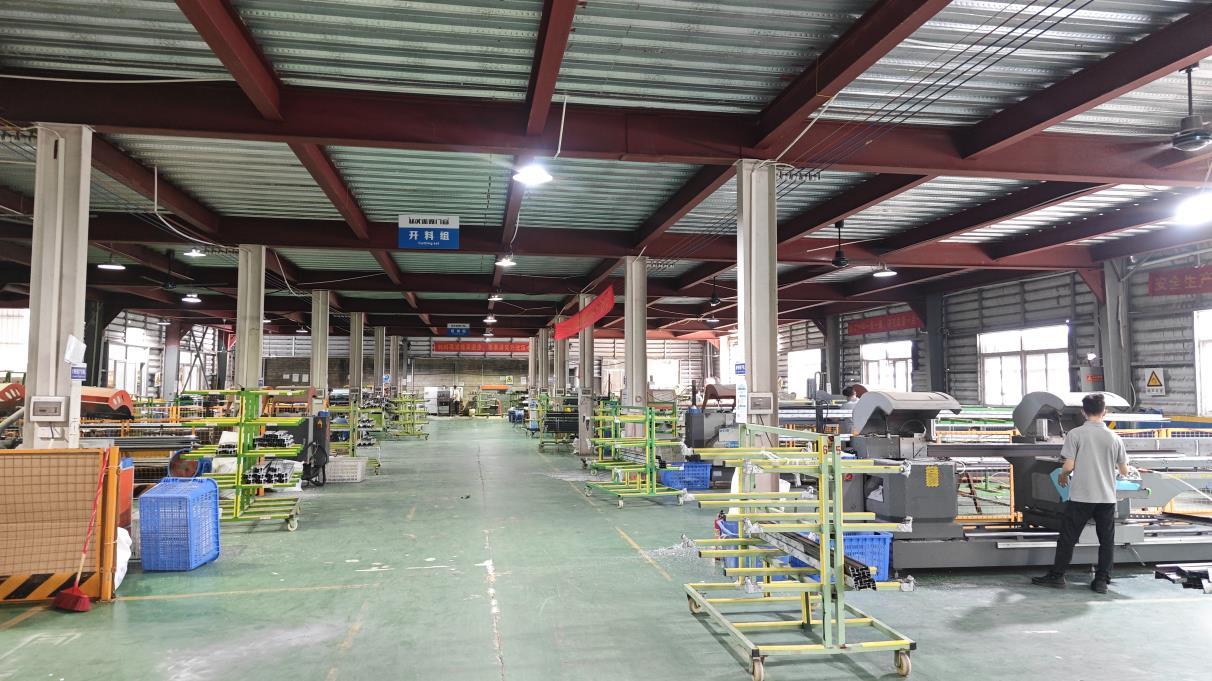
Factory Operations & Manufacturing Machinery
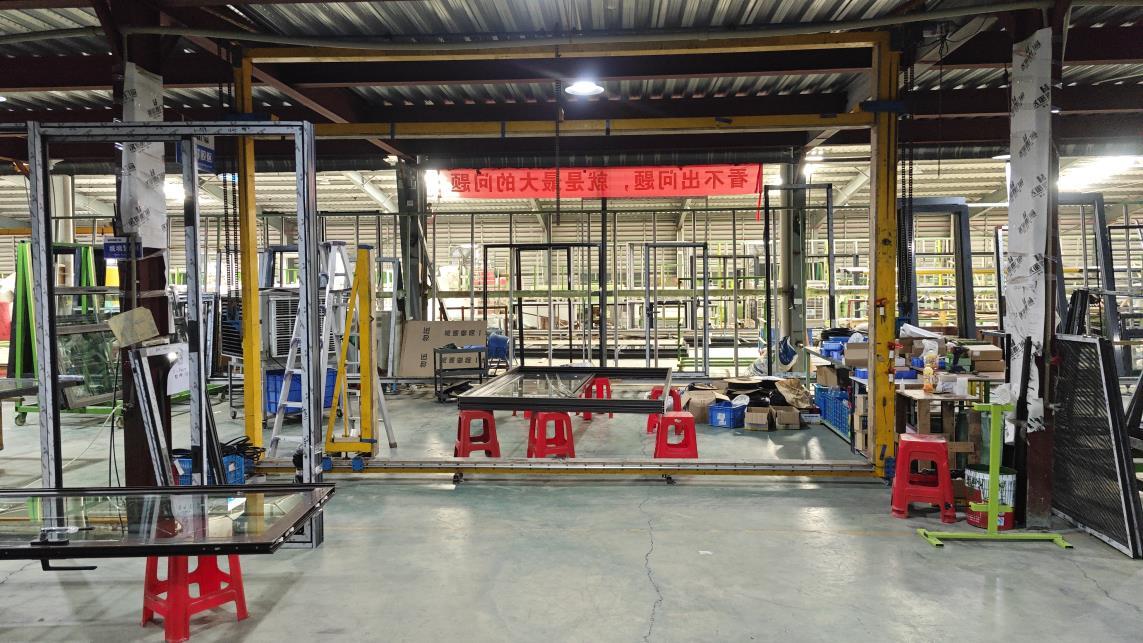
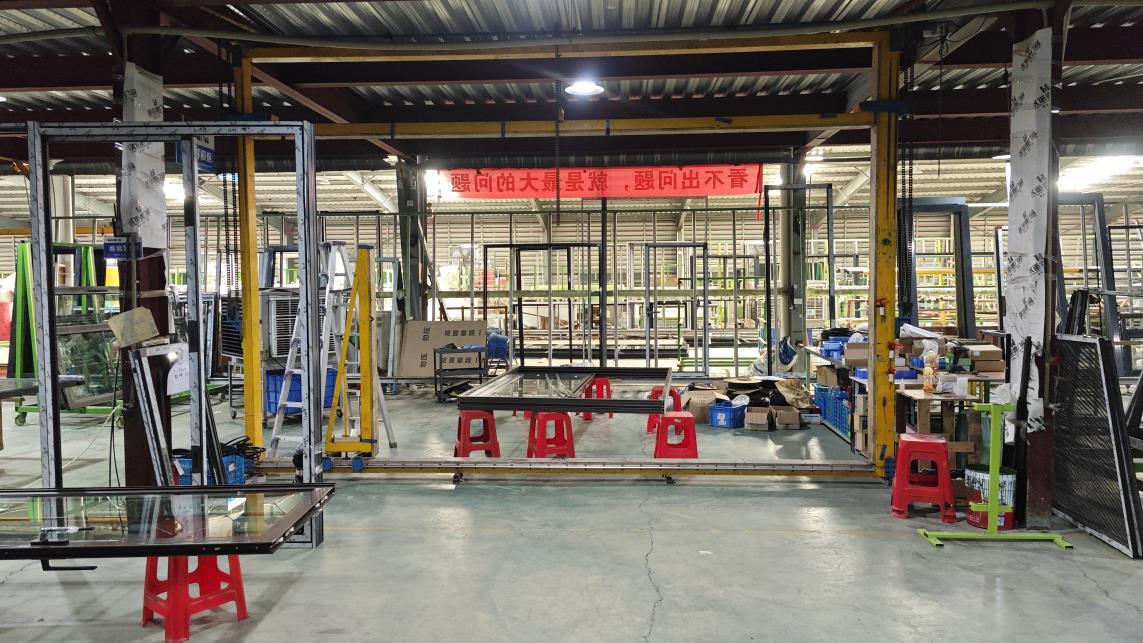
Take a virtual tour of our 25,000 m² automated manufacturing facility. Every production stage is monitored to uphold stringent industrial quality criteria.
Localized Commercial Application Scenarios in Japan
Tokyo High-Density Retail Entrances
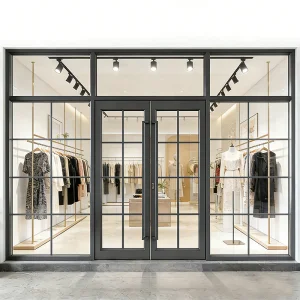
For retail storefronts along Ginza, Omotesando, and Shinjuku, appearance is as critical as functionality. Our ultra-narrow frame aluminum doors maximize glass surface area, providing high clarity for store displays while meeting Tokyo Met Building Code fire-retardant glass standards.
Kansai Logistics & Cold Storage Facilities
Logistics complexes surrounding Osaka Bay and Kobe Harbor require high-durability push-pull and bi-folding industrial entries. Thermal break technology keeps heat out during humid Kansai summers, minimizing HVAC load for frozen goods distributions.
Coastal Resort Hotels (Okinawa & Hokkaido)
Severe sea-salt corrosion in southern coastal resorts and extreme freezing snow-loads in Niseko, Hokkaido require resilient surface finishes. Our powder-coated and anodized frames pass 2,000-hour salt spray corrosion testing without pitting.
Technology Roadmap & Next-Gen Door Systems
Integrating automated facial recognition, contactless card keyless access, and dynamic pressure sensors into commercial aluminum entrance profiles for seamless touchless entries.
Pioneering triple-pane vacuum glass framing systems engineered to achieve thermal performance ratings below U=0.8 W/m²K, aligning with Japan’s 2030 Net-Zero Energy Building (ZEB) targets.
Expanding machine-vision CNC milling and automated robotic welding to reduce custom manufacturing lead times by 35% for high-volume OEM orders.
Why Direct China Supply Chains Elevate Japanese Competitiveness
Japanese general contractors and wholesalers face tightening margin pressures alongside rising raw material costs. Partnering directly with Chengdu Zenit Window & Door Co., Ltd. resolves these operational challenges:
- ⚡ Direct Factory Savings: Eliminate intermediary distributor markup by procuring direct from our 25,000 m² plant.
- ⚡ Bespoke Engineering: 42 R&D engineers adjust frame extrusion profiles to match your architectural drawing specifications.
- ⚡ Rapid Sea Shipping: Direct maritime shipping lines connect Shanghai/Ningbo to Yokohama and Kobe in under 5 days.
Technical & Procurement FAQ for Buyers in Japan
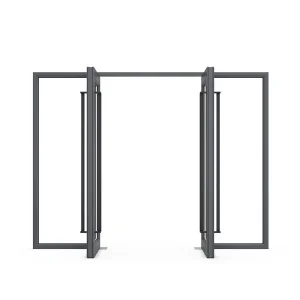
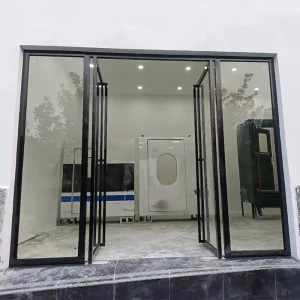
Explore Commercial & Heavy-Duty Entry Systems
Partner with a Trusted Commercial Door Factory for Japan
Our engineering team is ready to analyze your architectural blueprints, generate CAD/BIM shop drawings, and quote competitive OEM factory pricing.
Send Inquiry Now