 Zenit Window
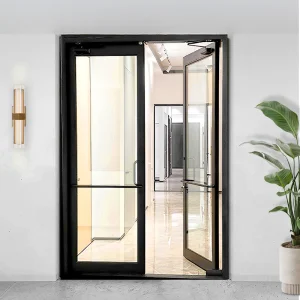
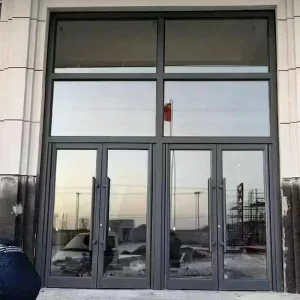
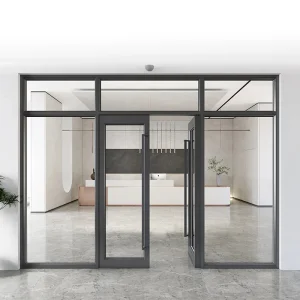
Commercial Storefront & Entrance Series
Engineered for high-traffic corporate hubs in São Paulo, Rio de Janeiro, and regional Brazilian commercial developments.
Brazilian Commercial Real Estate & Architectural Demand Analysis
A comprehensive examination of urbanization, regulatory frameworks, and environmental requirements across Brazil's key financial hubs.
1. Commercial Fenestration Market Drivers in Brazil
The Brazilian commercial construction landscape is undergoing a structural evolution driven by modern corporate office retrofits in Avenida Faria Lima (São Paulo), expanding retail shopping centers in Campinas and Belo Horizonte, and booming hospitality developments along the Northeast coast (Salvador, Recife, and Fortaleza). Architects, structural engineers, and general contractors in Brazil demand commercial door systems that harmonize sleek contemporary design with structural integrity capable of withstanding demanding tropical microclimates.
With Brazil's emphasis on sustainable building certifications such as LEED (Leadership in Energy and Environmental Design) and PROCEL Edificações, the specification of commercial doors has shifted from simple spatial barriers to sophisticated thermal and acoustic envelope components. High-rise office towers require thermal break aluminum profiles to minimize solar heat gain (SHGC), thereby lowering HVAC electricity consumption—a critical operational expenditure factor for enterprise asset managers across Latin America.
Information Gain Insight: Importing commercial door assemblies into Brazil requires navigating specific tariff structures (Tarifa Externa Comum - TEC) and tax optimizations (ICMS and IPI exemptions for qualifying infrastructure projects). Partnering with an experienced global manufacturer ensures structural profiles meet local ABNT load standards while remaining cost-competitive compared to native domestic extruders.
2. Crucial Brazilian Compliance Standards: ABNT NBR 10821 & NBR 9050
To successfully deliver commercial doors to factories, corporate headquarters, and shopping complexes in Brazil, global manufacturing partners must rigorously adhere to the regulations governed by the Associação Brasileira de Normas Técnicas (ABNT):
- ABNT NBR 10821: Regulates performance requirements for exterior building doors and windows, establishing strict benchmarks for air permeability, water tightness under wind-driven rain (pressure testing up to 1200 Pa), and structural load capacity against extreme atmospheric pressure differentials.
- ABNT NBR 9050: Mandatory accessibility standard dictating maximum operating force (less than 30N), zero-threshold transitions, and minimum clear opening widths (≥ 800 mm) to enable seamless universal access for commercial public entrances.
- ABNT NBR 14718: Standard for structural safety and impact resistance, ensuring glass panes in heavy-duty storefronts utilize double-laminated tempered safety glass resistant to forced entry and severe weather events.
| Performance Metric | Brazilian ABNT Requirement | Zenit Commercial Door Engineering Standard | Architectural Application |
|---|---|---|---|
| Structural Wind Load | Class 3 to 5 (800 Pa - 1800 Pa) | Reinforced 6063-T6 Profiles (Up to 2400 Pa) | High-rise Commercial Towers & Coastal Malls |
| Air Permeability | NBR 10821 Rating A2/A3 | EPDM Dual-lip Gasket Seals (< 0.5 m³/h·m) | Cleanrooms, Logistics Parks & Server Hubs |
| Water Tightness | Minimum 150 Pa rating | Sub-frame Internal Drainage Channels (450 Pa) | Tropical Monsoon Exposure Zones (Southern Brazil) |
| Acoustic Rating (Rw) | STC 30 dB minimum | Acoustic Laminated Double Glass (38 dB - 45 dB) | Financial District Offices & Urban Hotels |
| Corrosion Resistance | Salt Spray Testing > 750 Hrs | Qualicoat Class 2 Anodized / Fluorocarbon (> 2000 Hrs) | Coastal Port & Industrial Facilities |
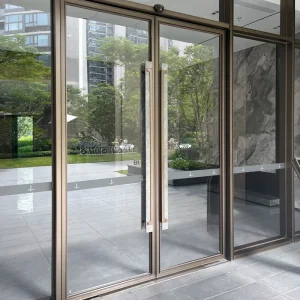
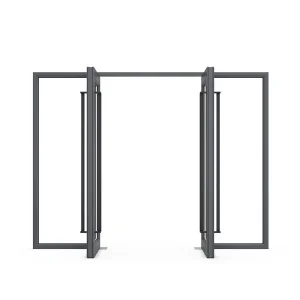
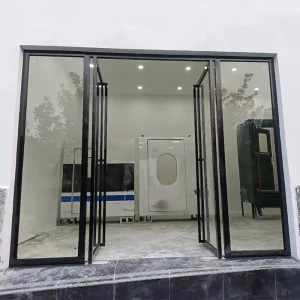
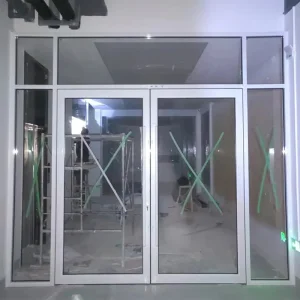
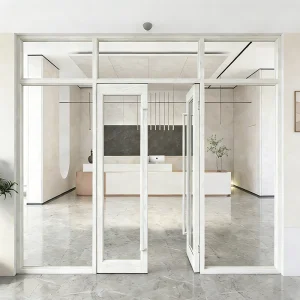
Heavy-Duty Entrance & Retail Push-Pull Systems
Precision-engineered aluminum alloy and stainless steel frame assemblies tailored for supermarkets, hospitality venues, and modern commercial storefronts.
Advanced Metallurgy, Thermal Break Systems & Hardware Integration
Deploying state-of-the-art thermal barrier technology and automated perimeter access systems tailored to Brazilian climatic demands.
1. Thermal Break Technology for Tropical Energy Efficiency
In equatorial and tropical climate zones across Brazil, traditional non-thermal break aluminum frames act as thermal bridges, transferring radiant outdoor solar heat directly into air-conditioned interior spaces. Zenit utilizes high-density PA66GF25 (Polyamide 66 reinforced with 25% glass fiber) thermal barrier strips, separating exterior and interior aluminum extrusion profiles.
This thermal isolation reduces overall frame U-values to under 1.6 W/m²K, resulting in up to 32% lower energy consumption for commercial HVAC operations. Combined with spectrally selective Low-E double glazing filled with 90% Argon gas, our store front and entrance systems effectively block ultraviolet (UV) radiation and solar heat while preserving natural daylighting aesthetics.
2. Multi-Point Locking & Security Engineering
Commercial facilities, logistics parks, and luxury retail storefronts in urban Brazilian environments require robust security configurations. Our commercial doors feature multi-point hook locking mechanisms engineered from marine-grade 316 stainless steel, resistant to mechanical prying and physical intrusion.
Furthermore, hardware compatibility extends to motorized automatic operators, smart access control cards, biometric scanners, and panic bar push hardware compliant with international life-safety codes (ANSI/BHMA A156.3 Grade 1 standards).
Factory Manufacturing & Production Footprint
Founded in 2015, Chengdu Zenit Window & Door Co., Ltd. operates a 25,000-square-meter manufacturing facility. Backed by 11 years of industry expertise and 8 years of global trade experience, the company achieves an annual export turnover of $26 million. Our primary export markets cover North America, Australia, and Western Europe, catering to residential home builders, architectural contractors, and building material wholesalers.
Quality control is managed by a team of 35 inspectors who perform rigorous air permeability testing, water tightness checks, and frame corner strength evaluations. Supported by over 600 supply chain partners, Zenit delivers comprehensive customization options including thermal break profiles, custom anodized finishes, and triple-pane soundproof glass. Driven by an active R&D division of 42 engineers, we released 50 new architectural window systems over the past year.
Precision Fabrication Workflow & Quality Inspection Matrix
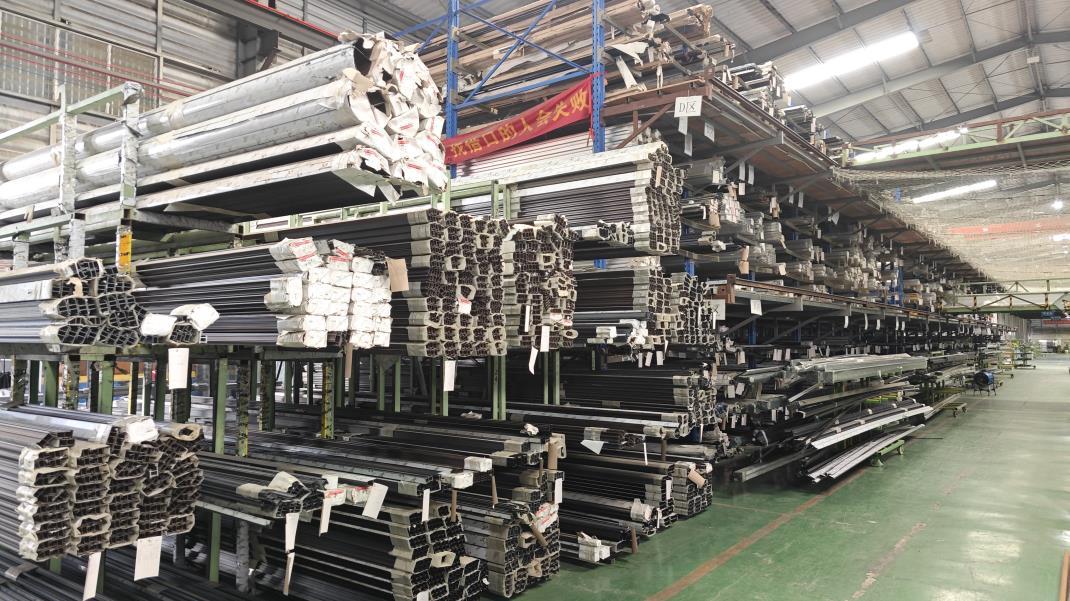 Raw Material
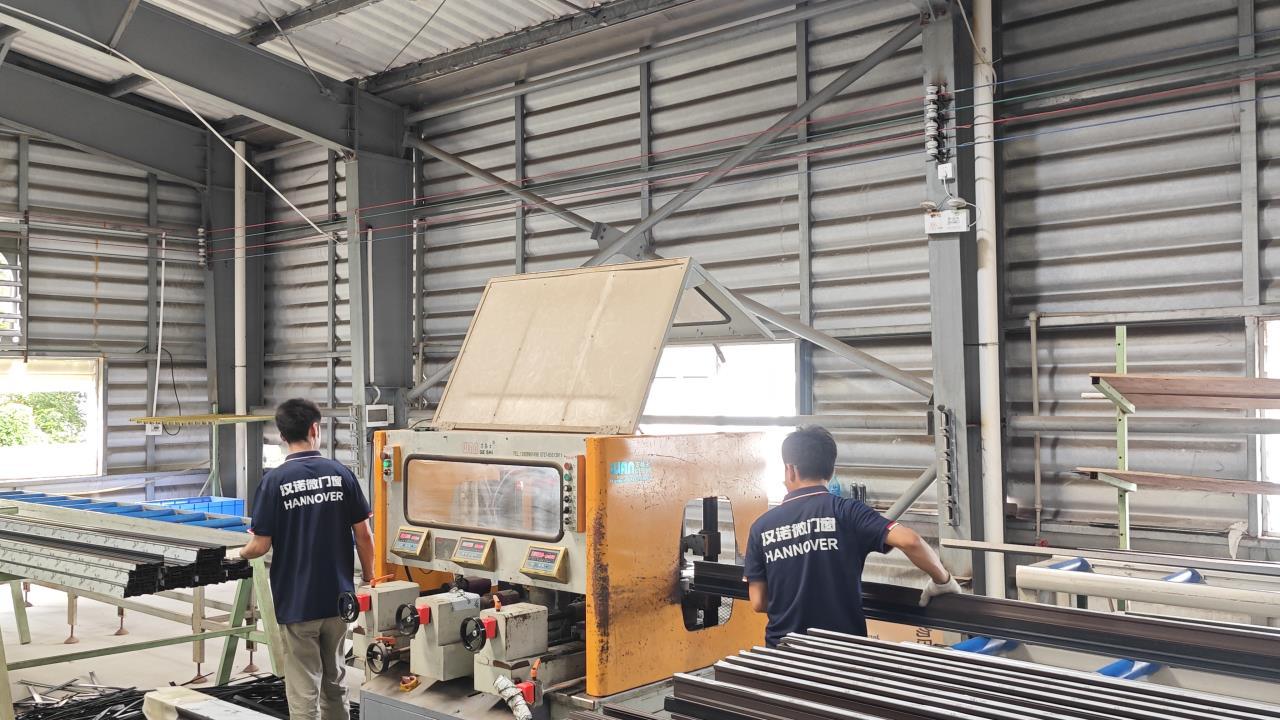 Threading
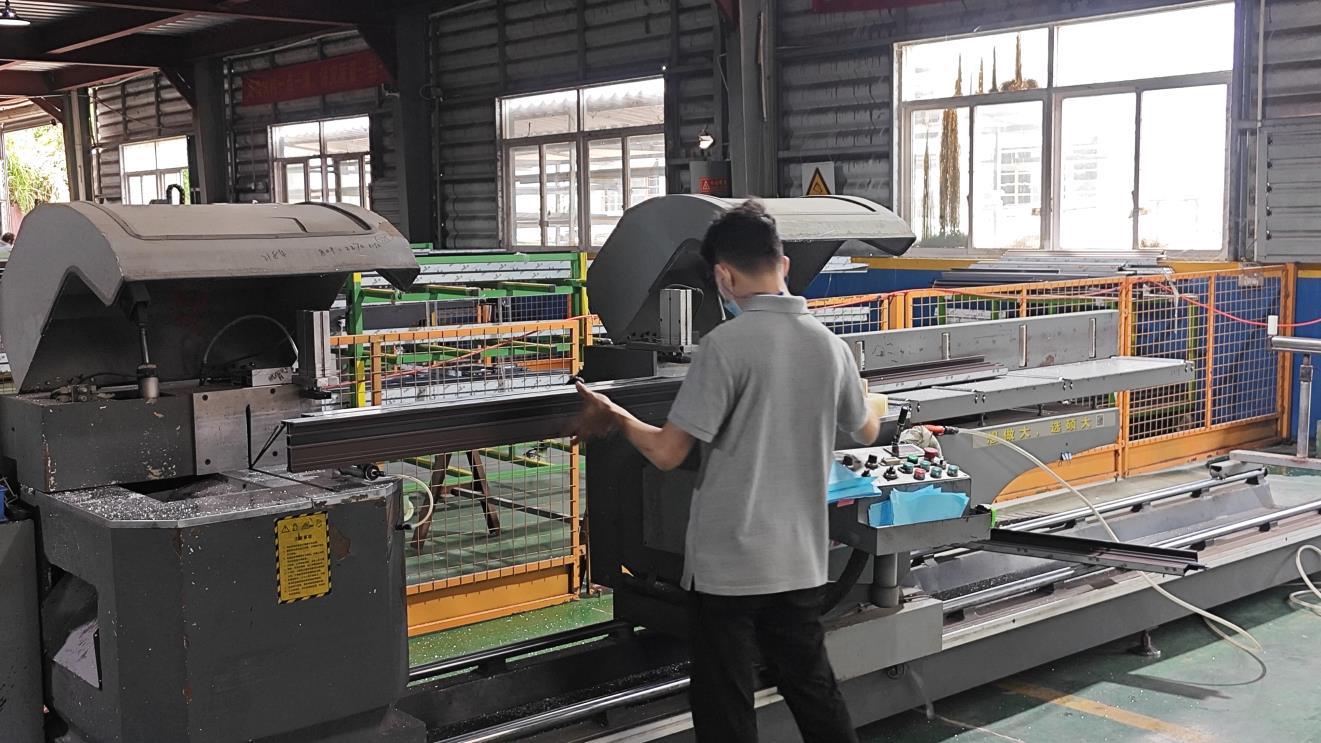 Cutting 1
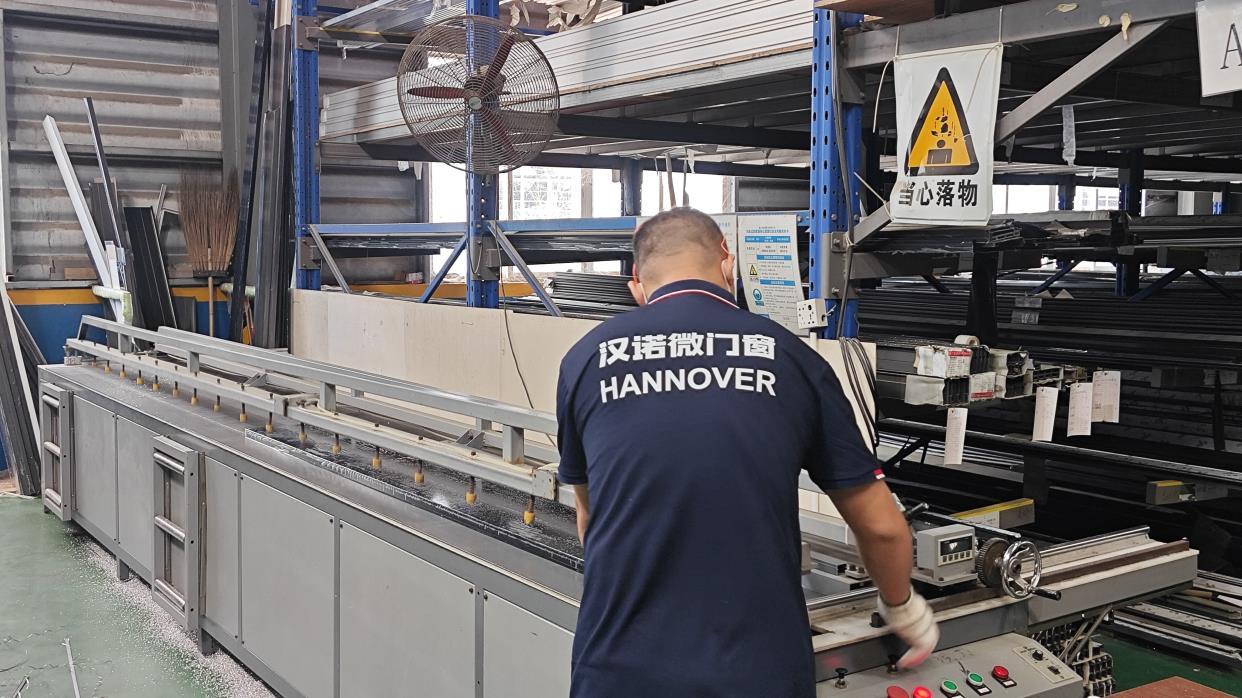 Cutting 2
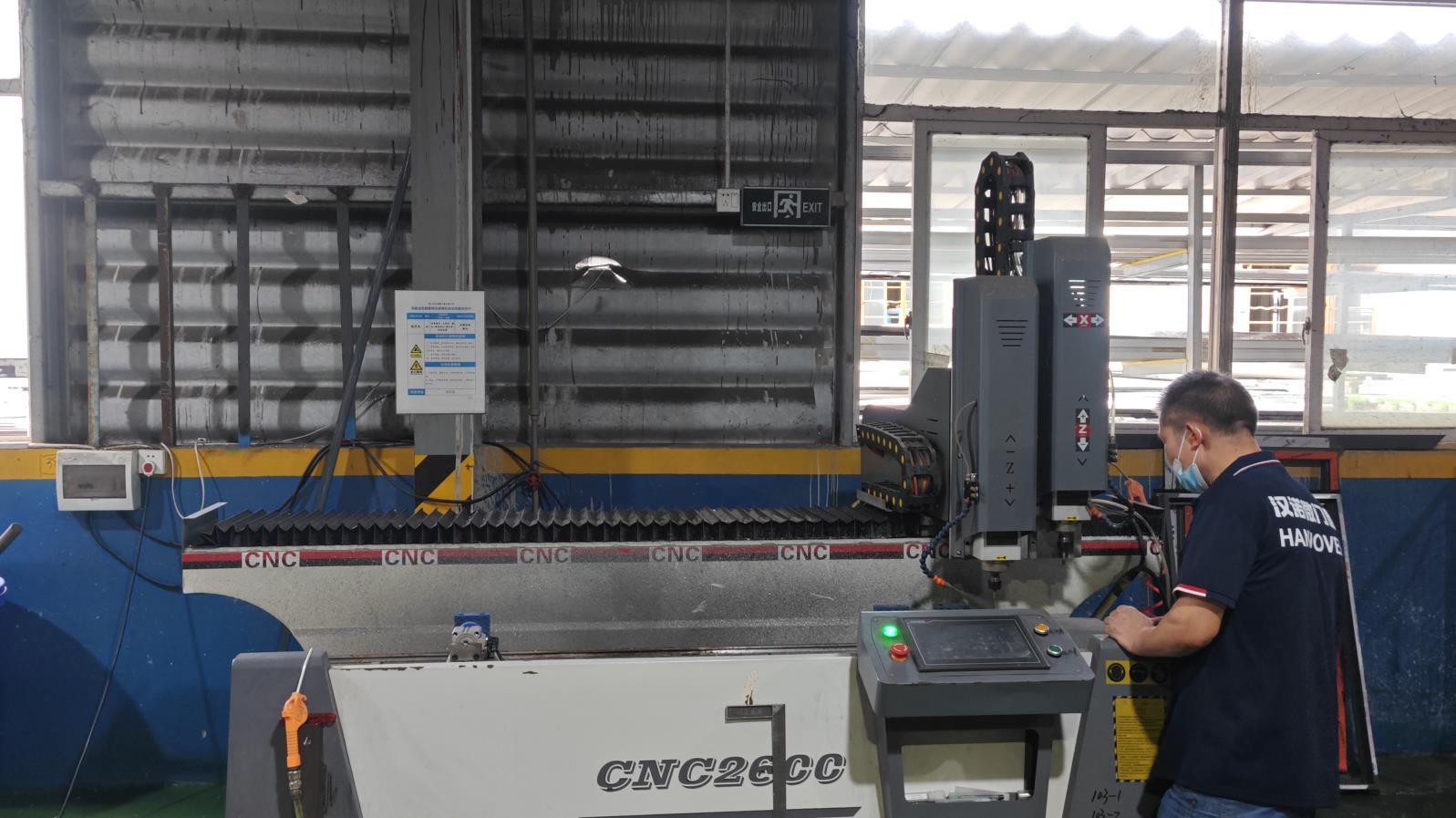 CNC Machining 1
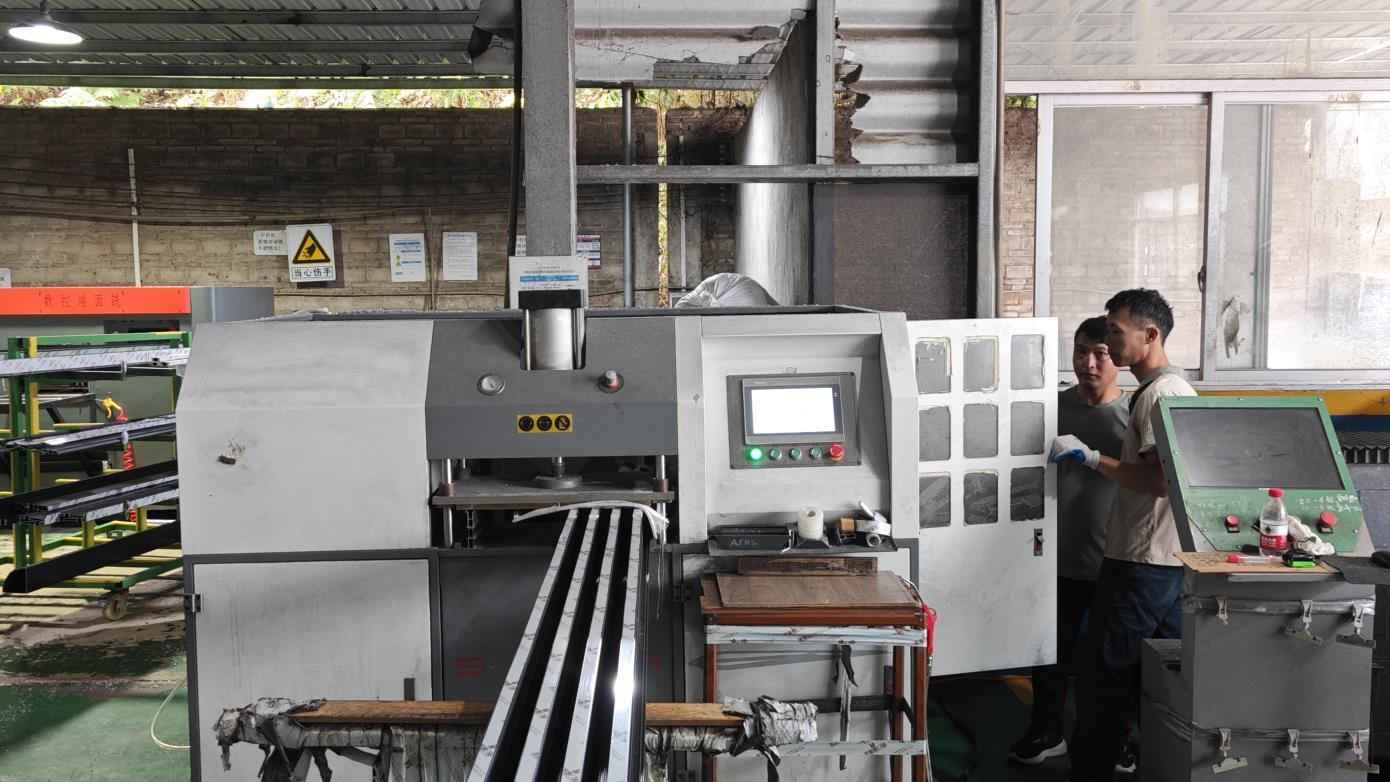 CNC Machining 2
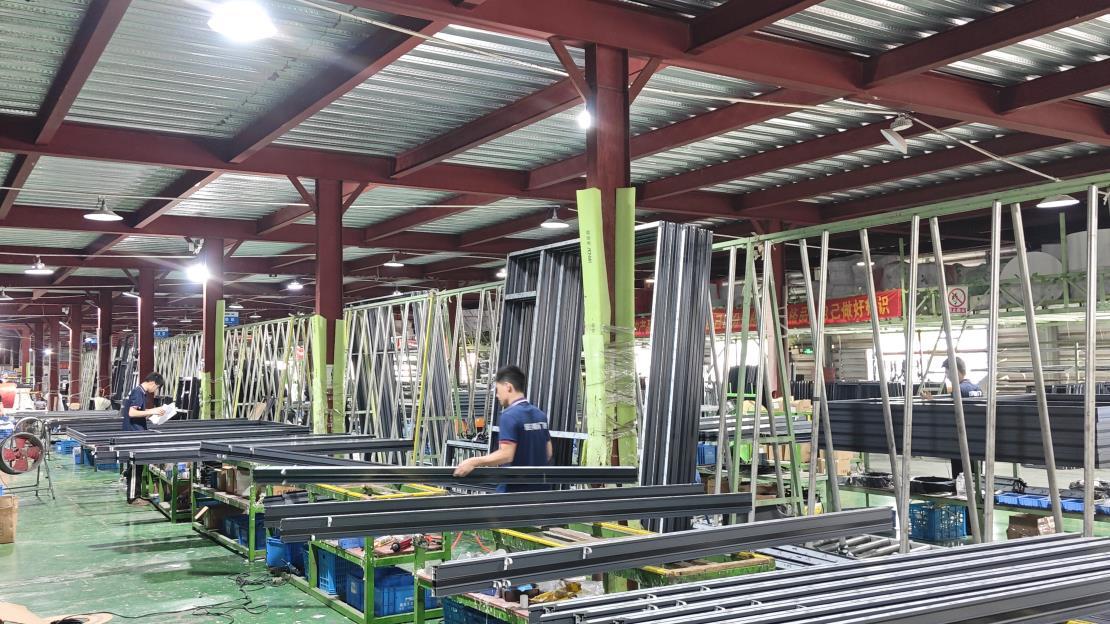 Assembly 1
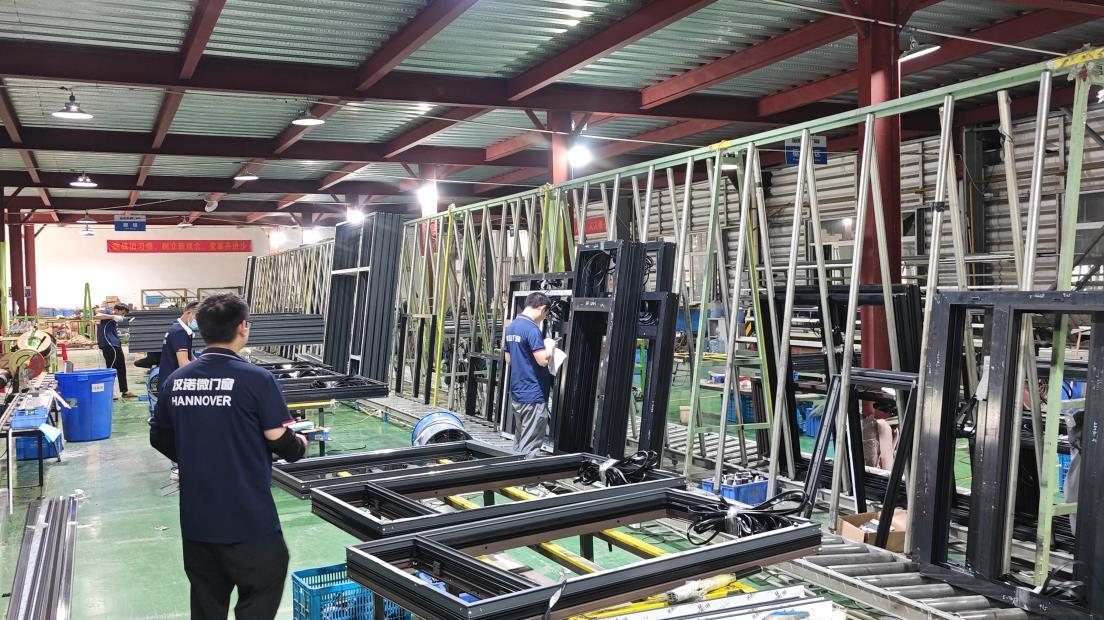 Assembly 2
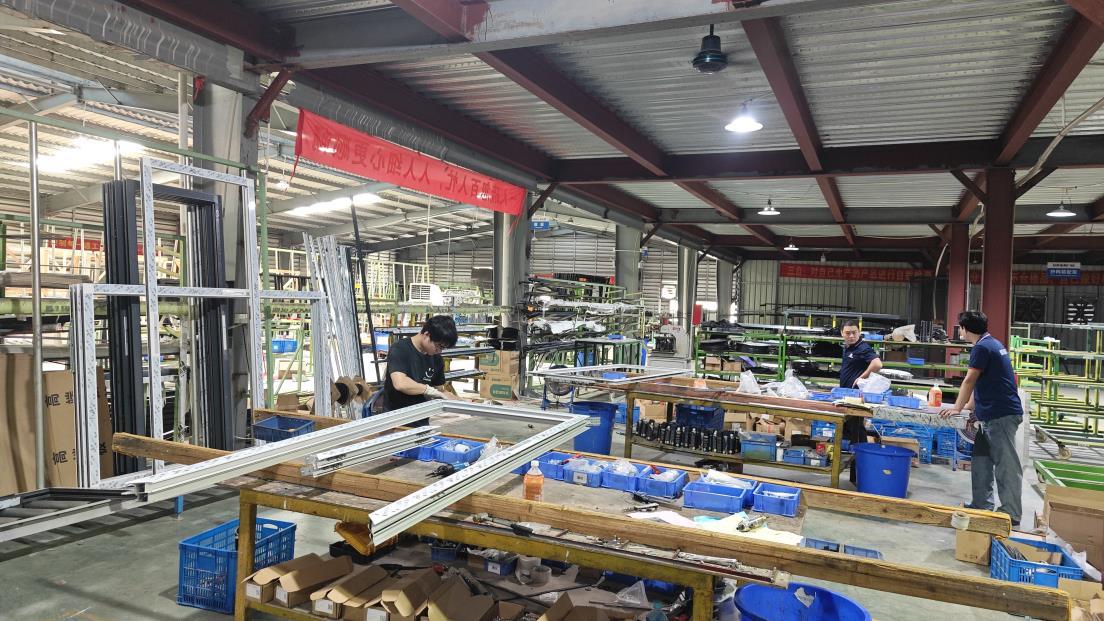 Assembly 3
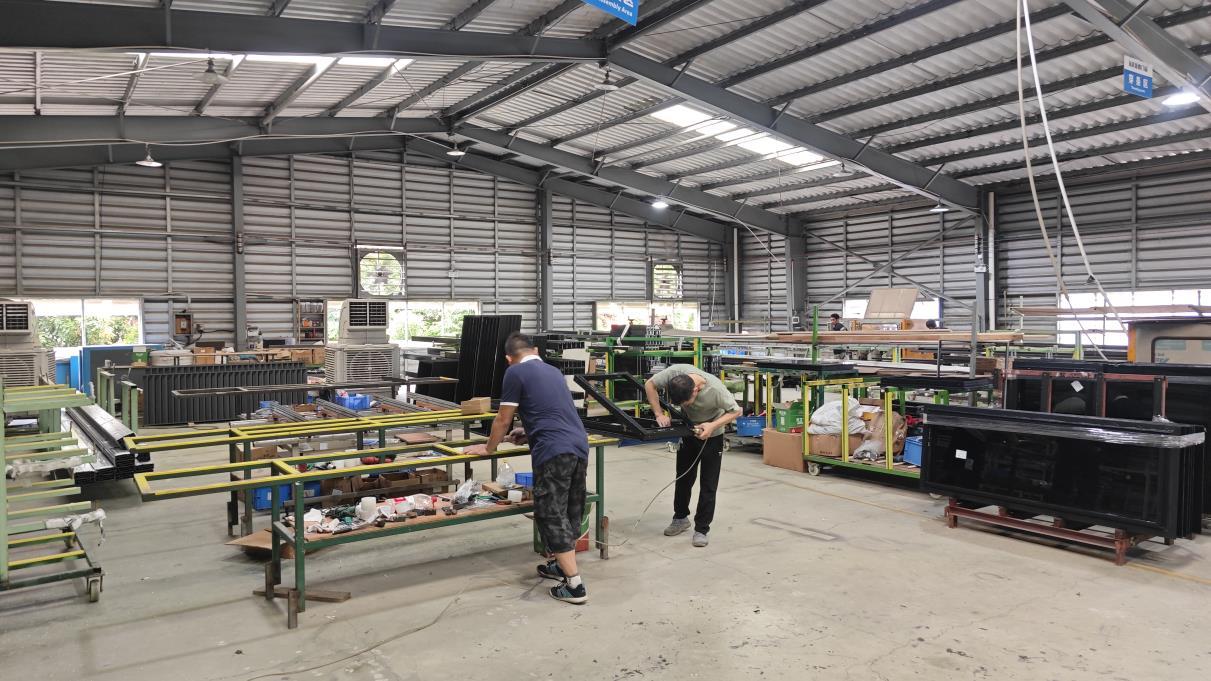 Assembly 4
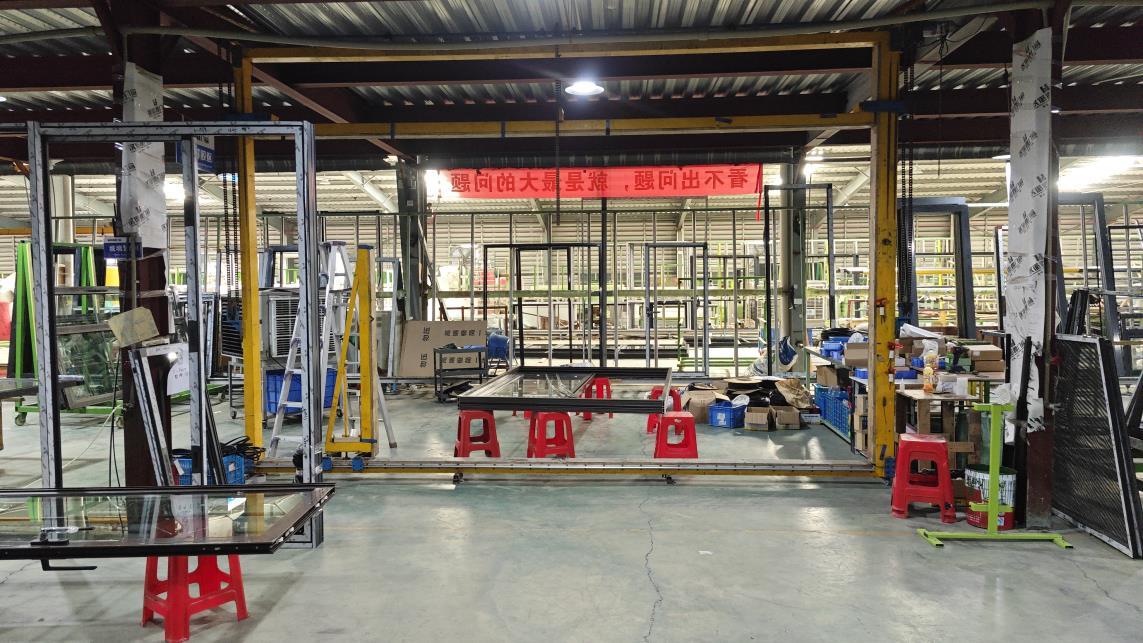 Debugging
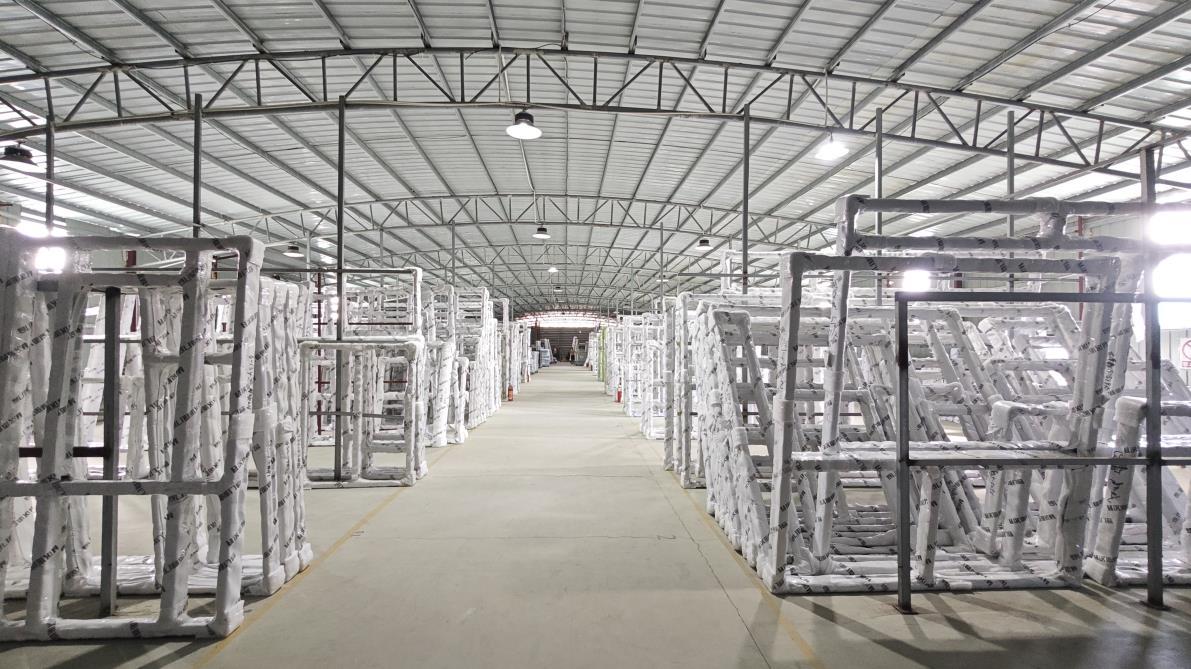 Warehouse
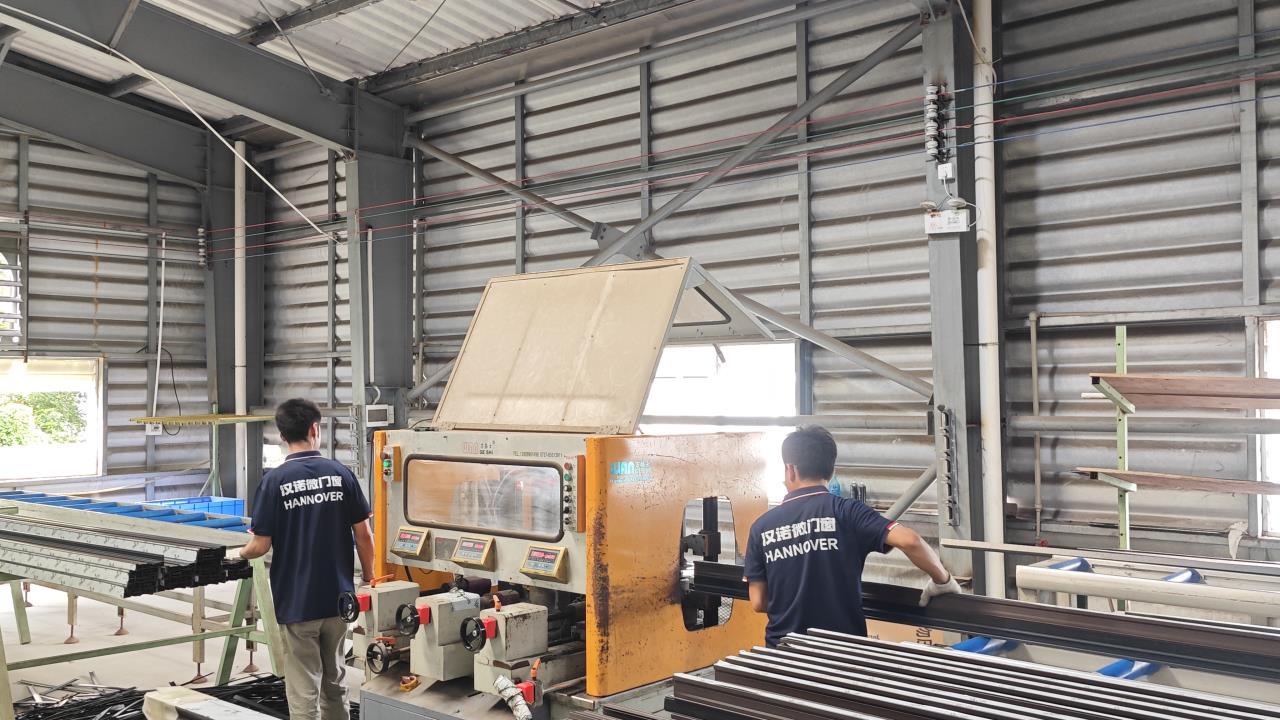 Strip Threading Machine
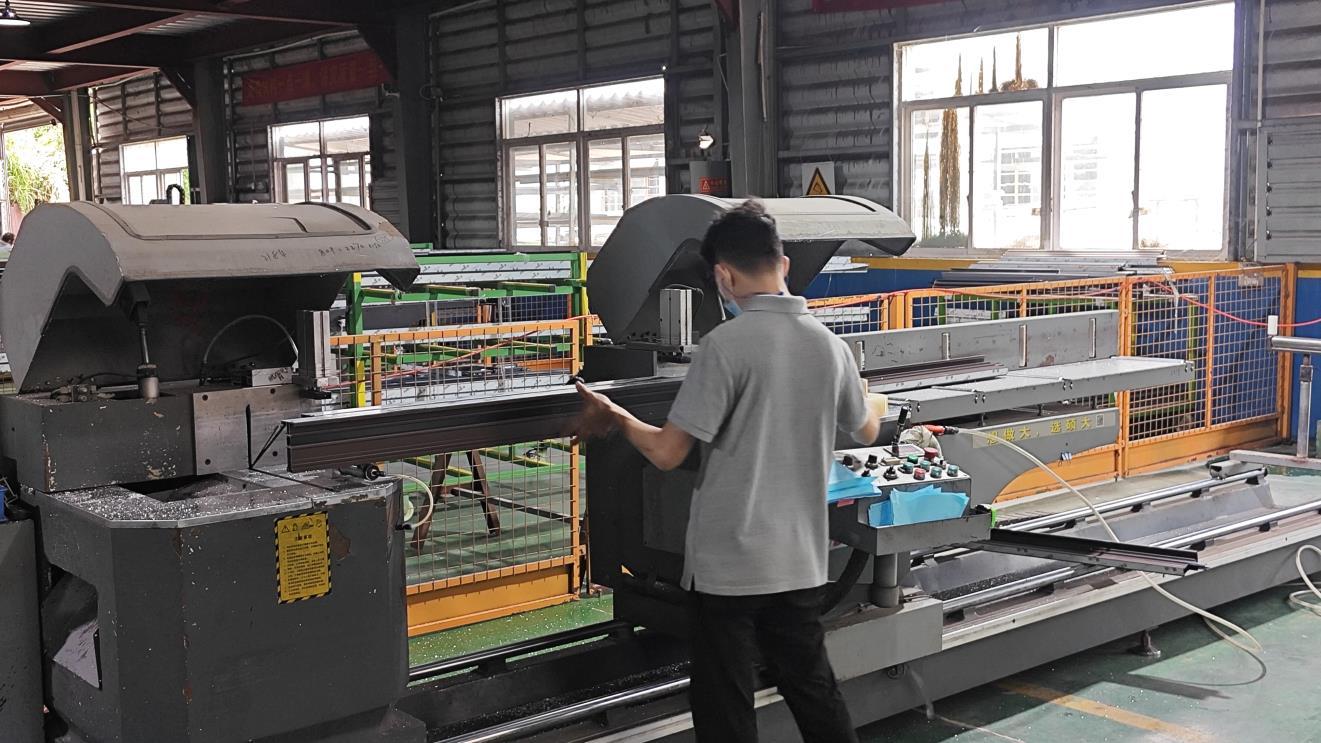 Cutting Machine
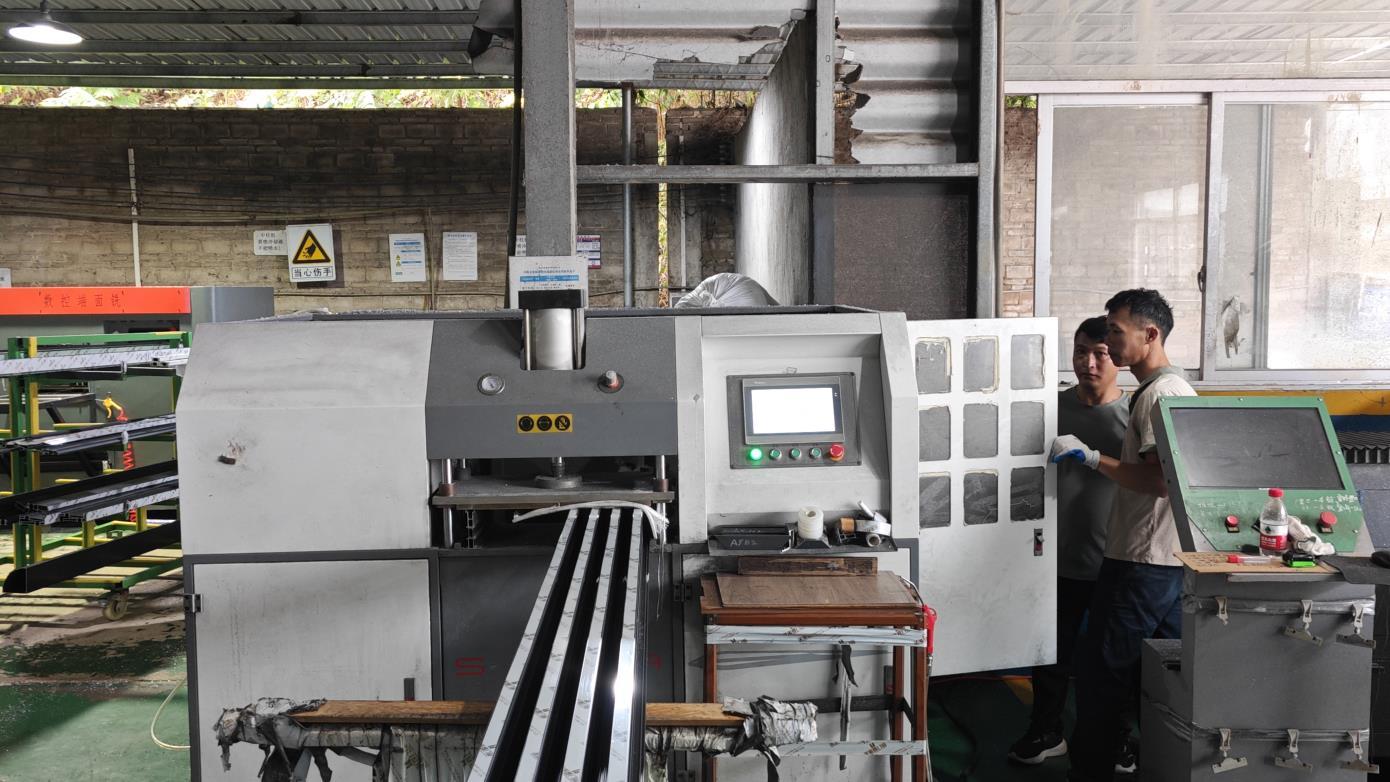 CNC Milling Machine
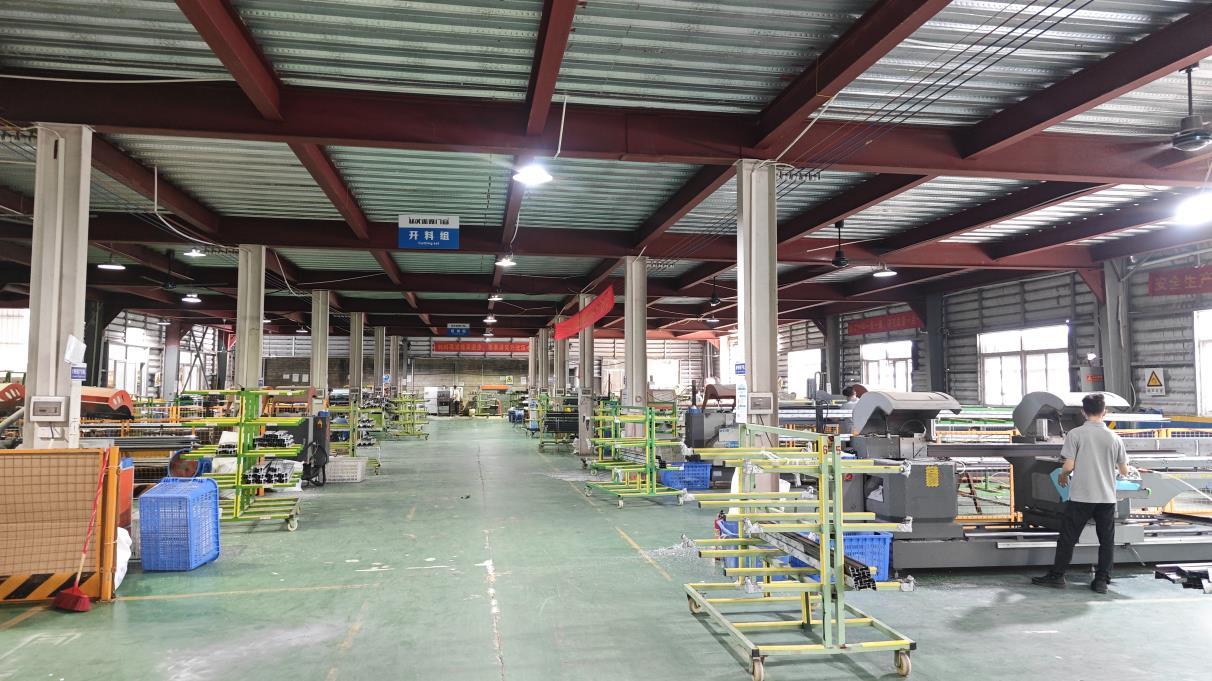 Assembly Line
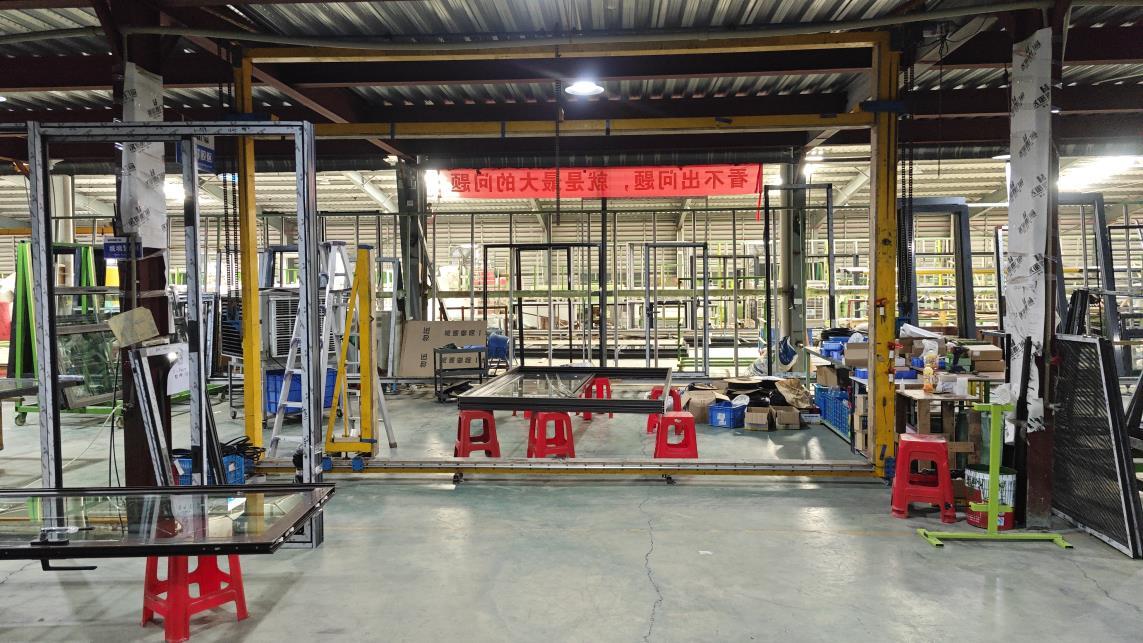 QC Quality Control
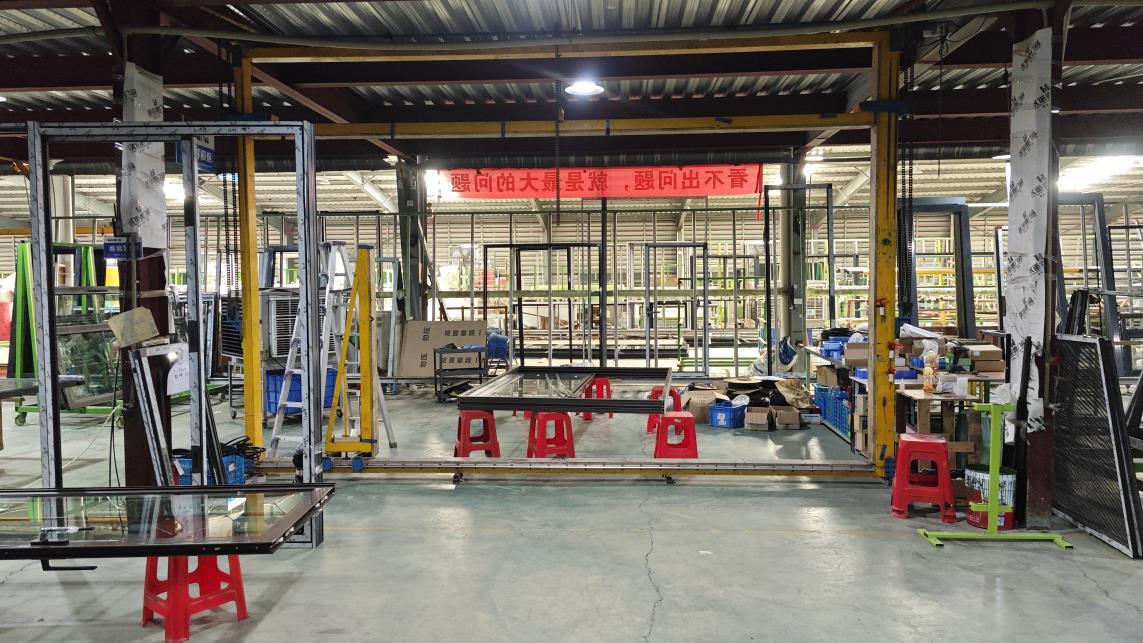 Debugging Rack
Streamlined Importing & Port Logistics for Brazil (Santos & Paranaguá)
Optimized ocean freight packaging, custom brokerage support, and localized project engineering assistance for Brazilian importers.
Procuring commercial door systems from global OEM/ODM manufacturing facilities requires meticulous logistical planning to prevent maritime transit damage and streamline customs clearance under Brazilian Receita Federal guidelines. Zenit has established robust export protocols specifically tailored for South American shipping routes:
- Seaworthy Protective Packaging: All structural frames are encased in protective polyethylene film, reinforced with corner edge protectors, and secured within ISPM-15 compliant heat-treated fumigated wooden crates. Glass units are packed with foam separators to absorb sea freight vibrations.
- Customs Documentation Support: We supply comprehensive Commercial Invoices, Packing Lists, Certificates of Origin (COO), and detailed HS Code classification (under NCM 7610.10.00 for aluminum doors and windows) to facilitate swift RADAR license verification and tariff processing at major ports such as Port of Santos, Paranaguá, and Rio de Janeiro.
- Bespoke Modular Assembly: Doors can be shipped pre-assembled or knock-down (KD) format to optimize shipping container volume (20GP / 40HQ), dramatically reducing freight costs per unit for large-scale commercial developments.
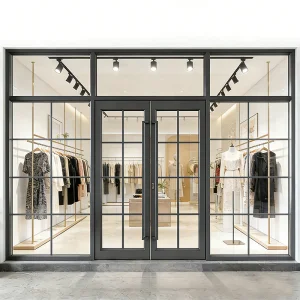
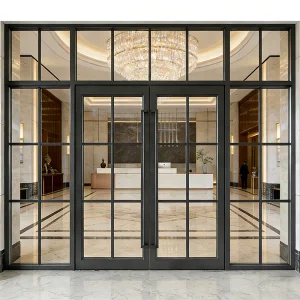
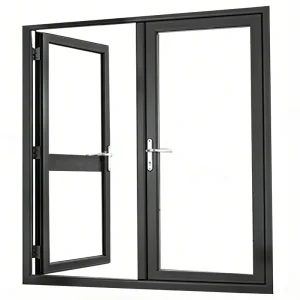
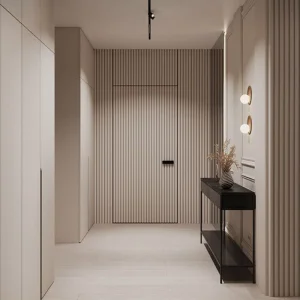
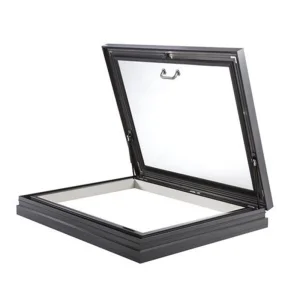
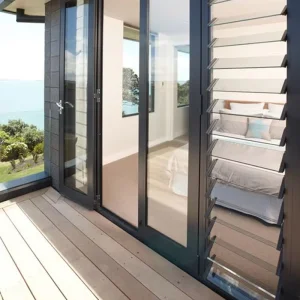
Comprehensive Architectural Commercial Door & Window Series
Explore our complete engineering catalog tailored for retail storefronts, office interiors, luxury villas, and commercial complexes in Brazil.
Frequently Asked Questions: Brazil Commercial Door Sourcing
Key technical, regulatory, and procurement inquiries answered by our structural engineering and export compliance team.
Partner with a Leading Global Commercial Door Manufacturer
Elevate your Brazilian commercial construction project with factory-direct pricing, ABNT compliance, and advanced thermal break technology.
Send Inquiry Now