 Zenit Window
High-Performance Fixed Window Systems for Norway
Optimized for extreme low U-values, hurricane-grade resistance, and architectural glazing in Nordic commercial and residential projects.
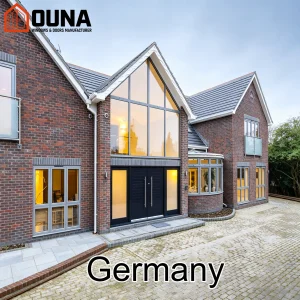
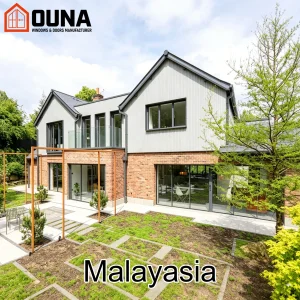
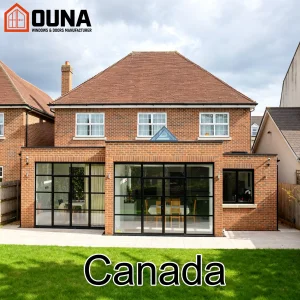
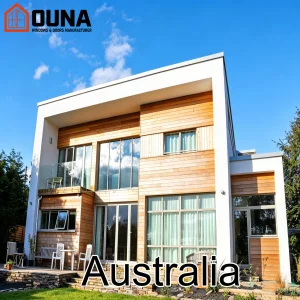
Global Engineering Precision Meets Norwegian Building Standards
Founded in 2015, Chengdu Zenit Window & Door Co., Ltd. operates a 25,000-square-meter manufacturing facility. Backed by 11 years of industry expertise and 8 years of global trade experience, the company achieves an annual export turnover of $26 million. Our primary export markets cover North America, Australia, and Western Europe, catering to residential home builders, architectural contractors, and building material wholesalers.
Quality control is managed by a team of 35 inspectors who perform rigorous air permeability testing, water tightness checks, and frame corner strength evaluations. Supported by over 600 supply chain partners, Zenit delivers comprehensive customization options including thermal break profiles, custom anodized finishes, and triple-pane soundproof glass. Driven by an active R&D division of 42 engineers, we released 50 new architectural window systems over the past year.
Navigating TEK17 & Subarctic Demands for Fixed Windows in Norway
Technical considerations for architects, structural engineers, and general contractors operating in the Nordics.
TEK17 Thermal Performance Rigor
Under Norway's Byggteknisk forskrift (TEK17) regulation, the energy demands placed on envelope fenestration are among the strictest globally. Fixed windows must meet or exceed a maximum total thermal transmittance ($U_w$) of $\le 0.8 \text{ W/m}^2\text{K}$ for modern low-energy buildings and Passivhaus criteria. Fixed windows play a vital role here: because they lack operating sashes, frame-to-glass edge seals can be optimized for zero air infiltration, effectively eliminating parasitic heat losses common in operating casements or sliders.
Nordic Climate Dynamics: Wind, Rain & Salt
Norway's geography presents extreme microclimates—from coastal winds along Atlantic fjords (Bergen, Ålesund) to severe sub-zero thermal cycling in northern inland regions (Tromsø, Kautokeino). Fenestration must withstand wind loads upwards of 2.5 to 4.0 kPa (NS-EN 1991-1-4 Annex) and possess C4/C5 marine-grade corrosion-resistant powder coatings or anodized finishes to prevent micro-pitting caused by salt spray exposure.
Technical Specification Matrix: Fixed Window Standards for Norway Market
| Performance Parameter | Standard European / Norwegian Target | Zenit Fixed Window Engineering Capability | Norway Application Context |
|---|---|---|---|
| Thermal Transmittance ($U_w$) | $\le 0.80 \text{ W/m}^2\text{K}$ (TEK17 Passivhaus) | $0.72 - 0.85 \text{ W/m}^2\text{K}$ (Triple Low-E + Argon) | Residential homes, Fjordside Cabins (Hytter), Modern Apartments |
| Air Permeability | EN 12207 Class 4 (600 Pa) | Class 4 Achieved (Zero draft seal engineering) | Subarctic storm zones, exposed coastal topography |
| Watertightness | EN 12208 Class E1200 (1200 Pa) | Class E1500 (1500 Pa Continuous Driving Rain) | Western Norwegian coastal regions with driving precipitation |
| Acoustic Insulation ($R_w$) | $38 - 45 \text{ dB}$ (Urban Noise Directives) | Up to $48 \text{ dB}$ (Laminated Acoustic Interlayers) | Oslo/Bergen metropolitan commercial ribbon facade installations |
| Structural Wind Load | EN 12210 Class C5 / E3000 | Design Pressure up to 4500 Pa | High-rise developments, cliffside structural glazing systems |
Evolution of Fixed Fenestration: Global Micro-Trends & Nordic Adaptation
Why fixed window systems are replacing traditional operable windows in sustainable Norwegian architecture.
1. Maximizing Daylight ("Dagslysfaktor")
With winter solar access reduced to just a few hours a day in Norway, architectural design relies heavily on maximizing daylight factors. Fixed windows eliminate bulky sash profiles, increasing glass sightlines by 15-25% over casement variants. This allows deep passive light penetration into interior living spaces.
2. Quad-Glazing & Warm-Edge Spacers
Global transitions toward net-zero buildings have driven the adoption of warm-edge composite spacers (e.g., Technoform PA66 GF25) combined with triple or quadruple pane glazing filled with 95% Argon or Krypton gas, minimizing linear thermal bridging at the glass perimeter.
3. Minimalist Slim-Profile Aluminum
Traditional timber windows require high maintenance in humid, icy conditions. Modern thermally broken aluminum profiles deliver ultra-slim sightlines, structural longevity exceeding 50 years, and 100% recyclability, aligning with Norway's circular economy mandates.
Precision Engineering Workflow & Quality Control Protocol
From raw extrusion selection to subarctic environmental testing, explore how Zenit manufactures high-reliability fixed windows.
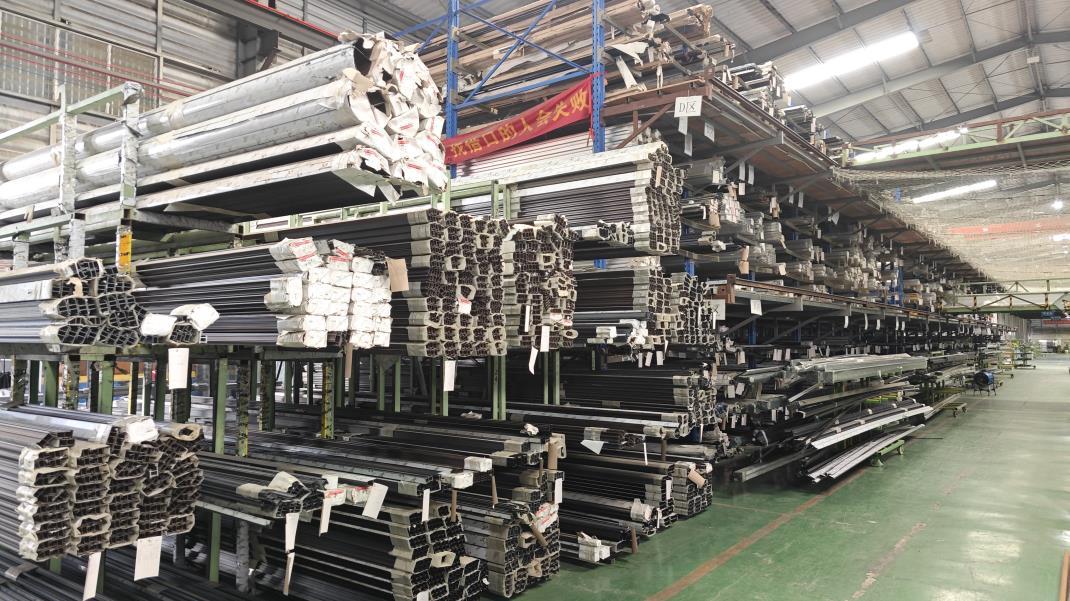 Raw Material
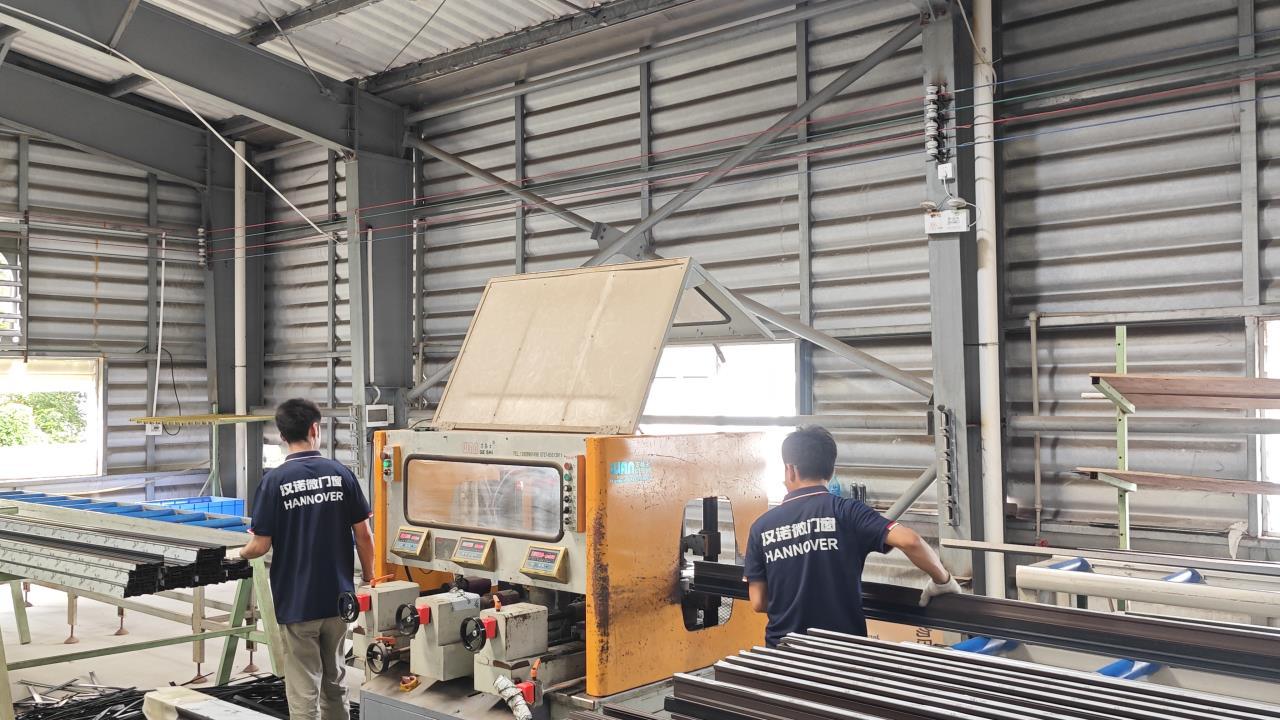 Threading
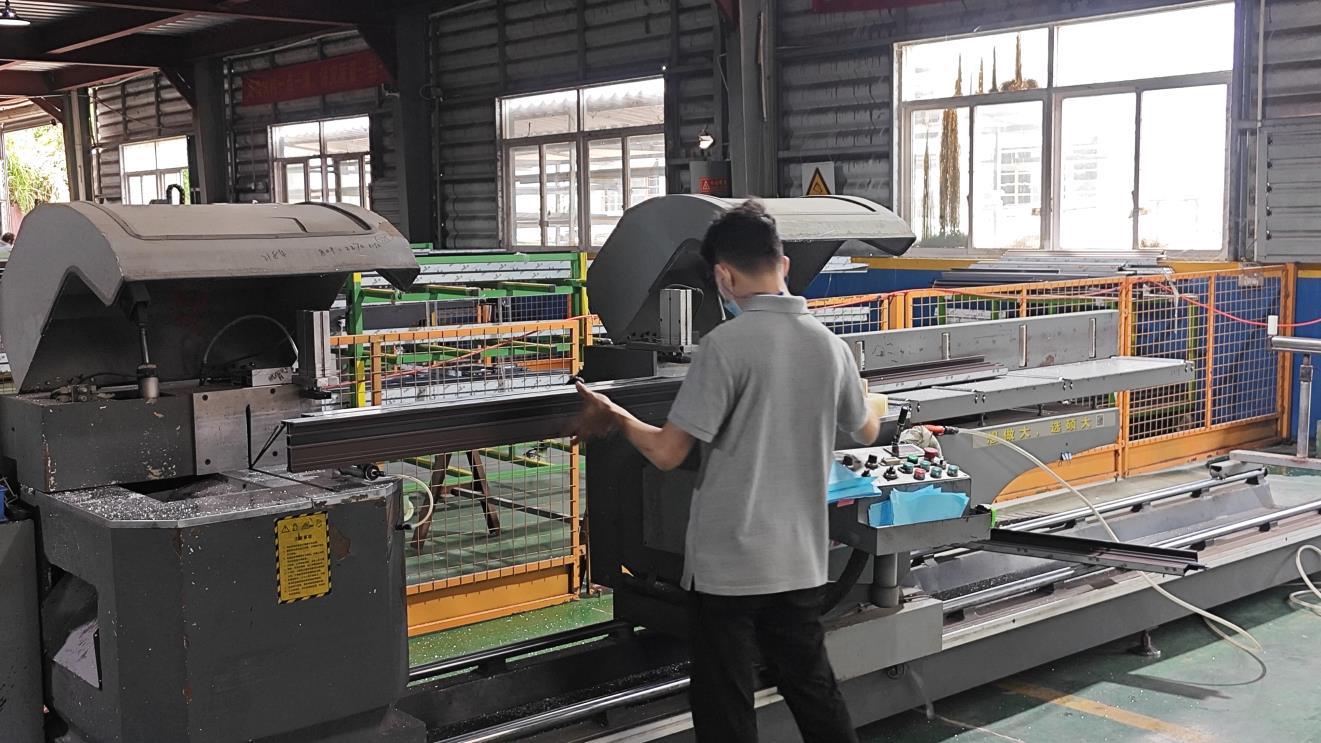 Cutting 1
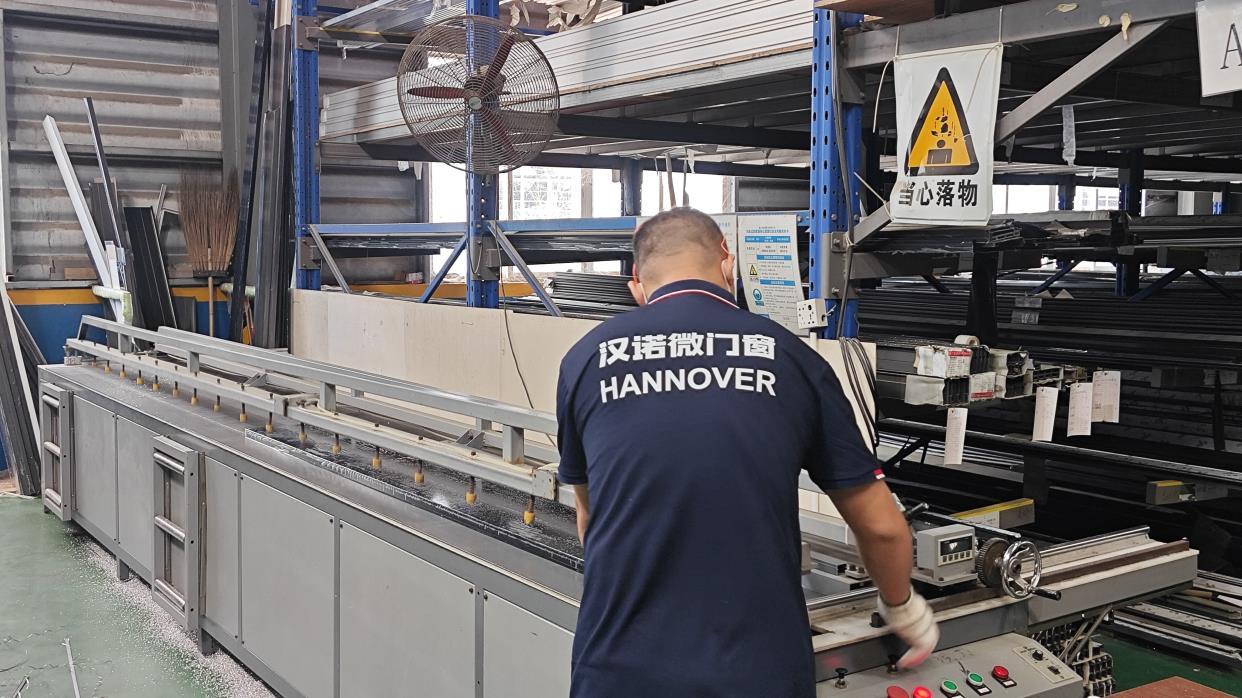 Cutting 2
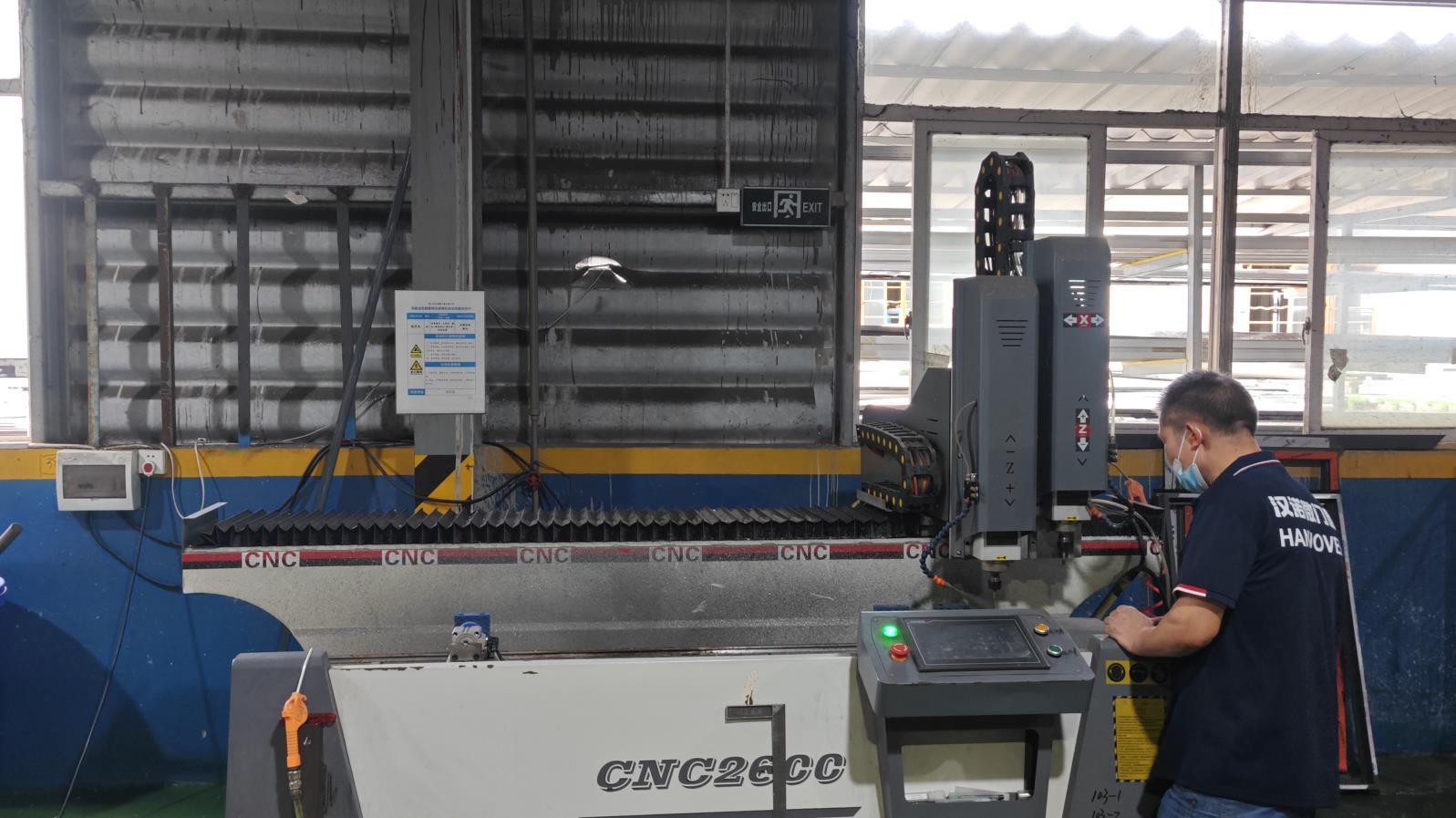 CNC Machining 1
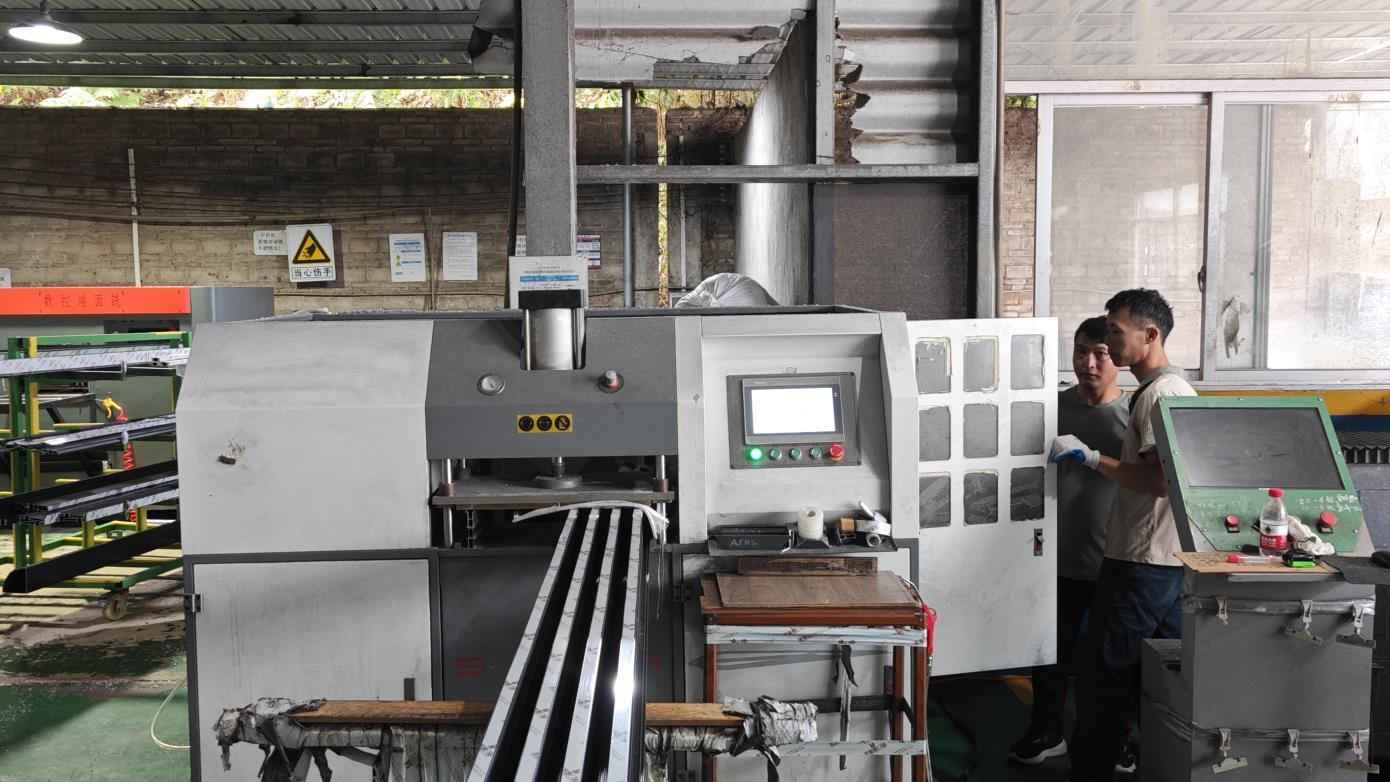 CNC Machining 2
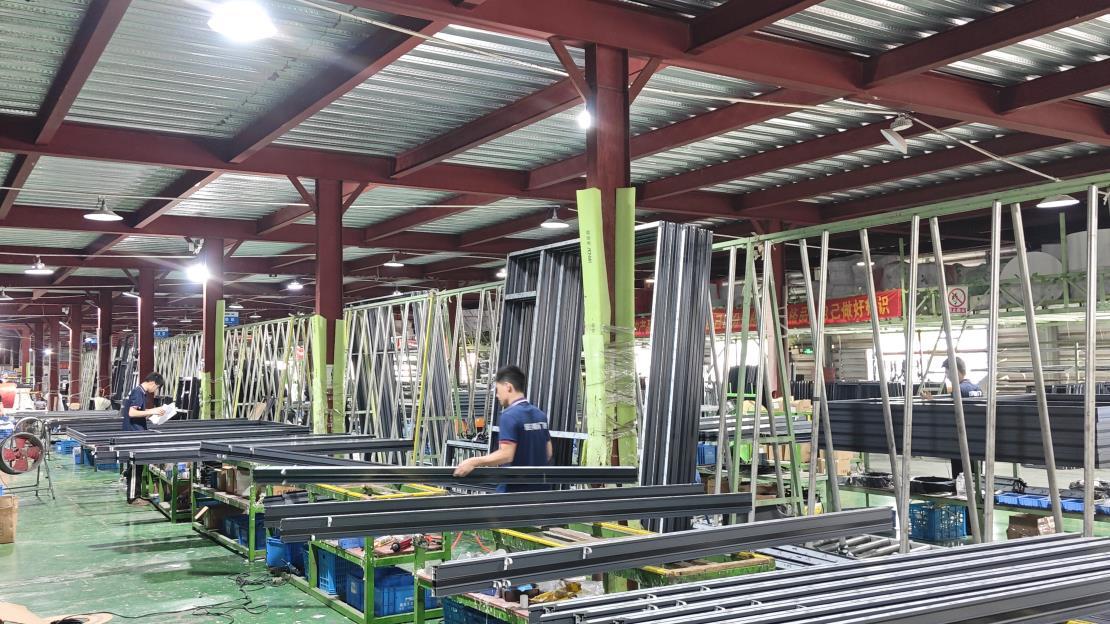 Assembly 1
 Assembly 2
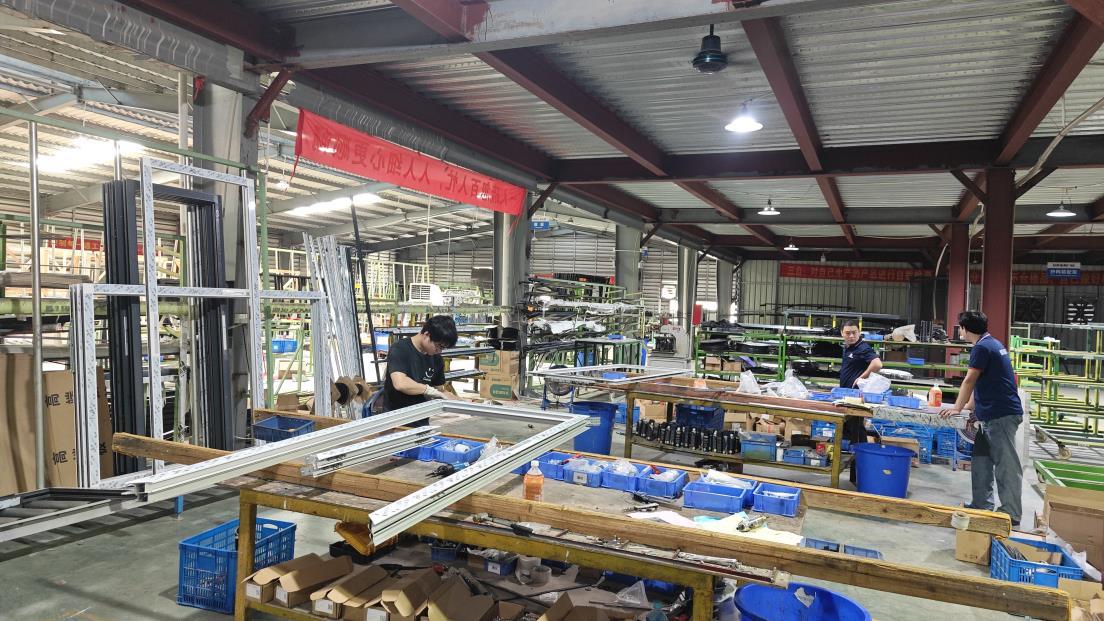 Assembly 3
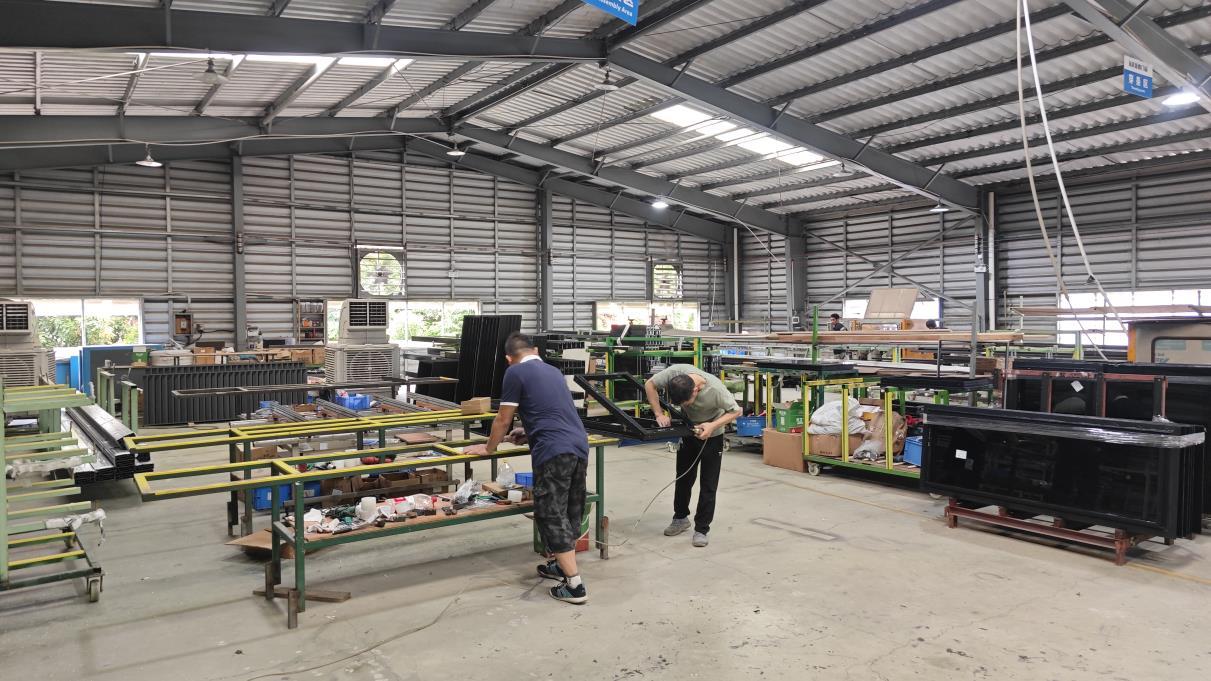 Assembly 4
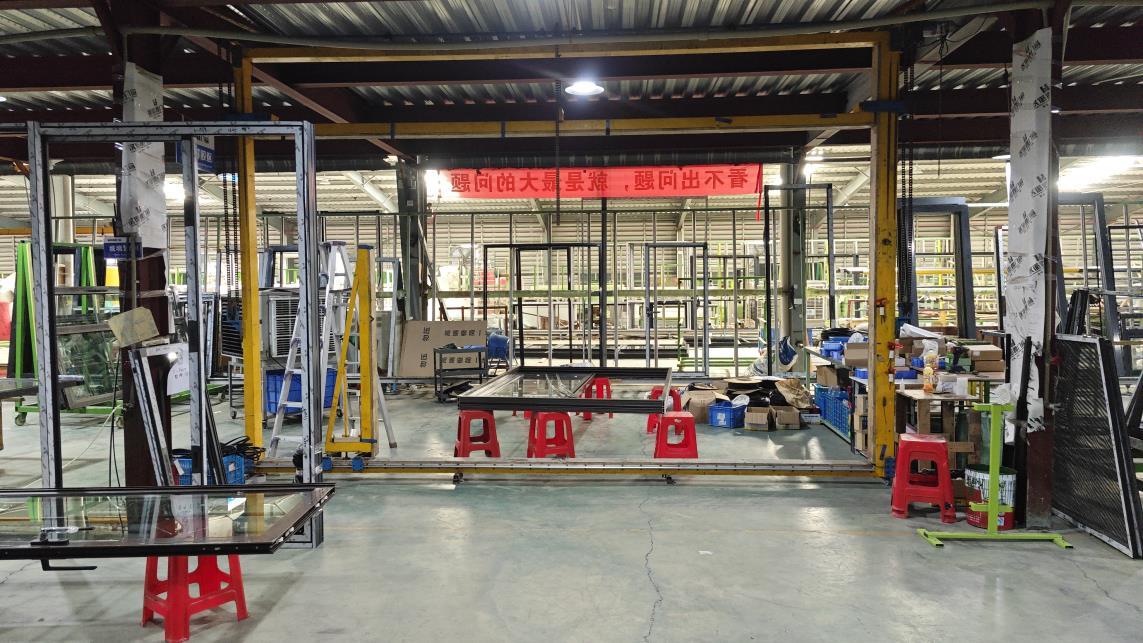 Debugging
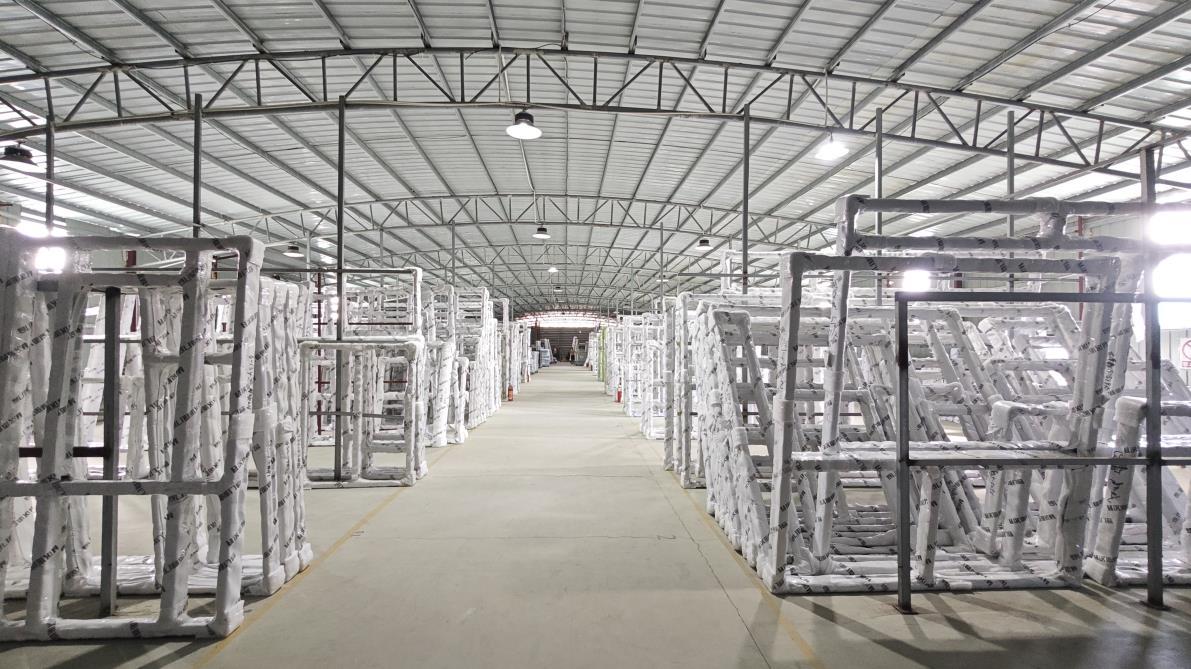 Warehouse
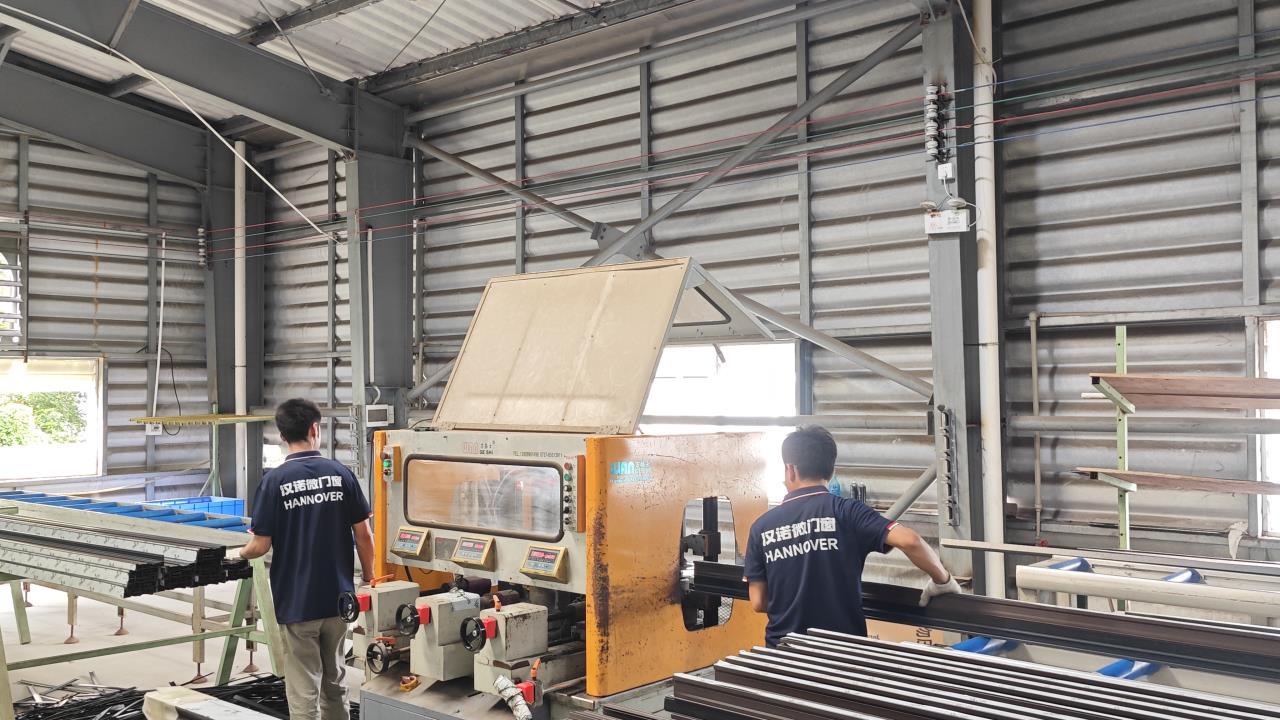 Strip Threading Machine
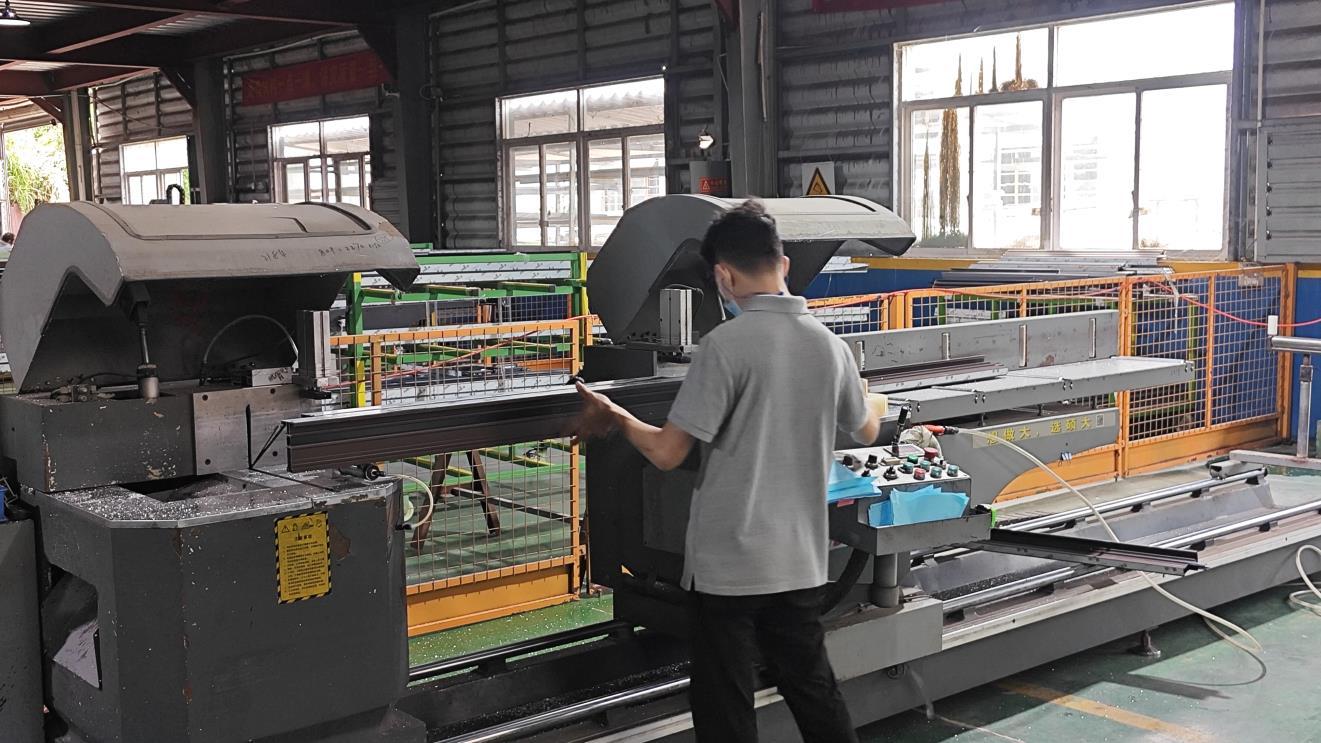 Cutting Machine
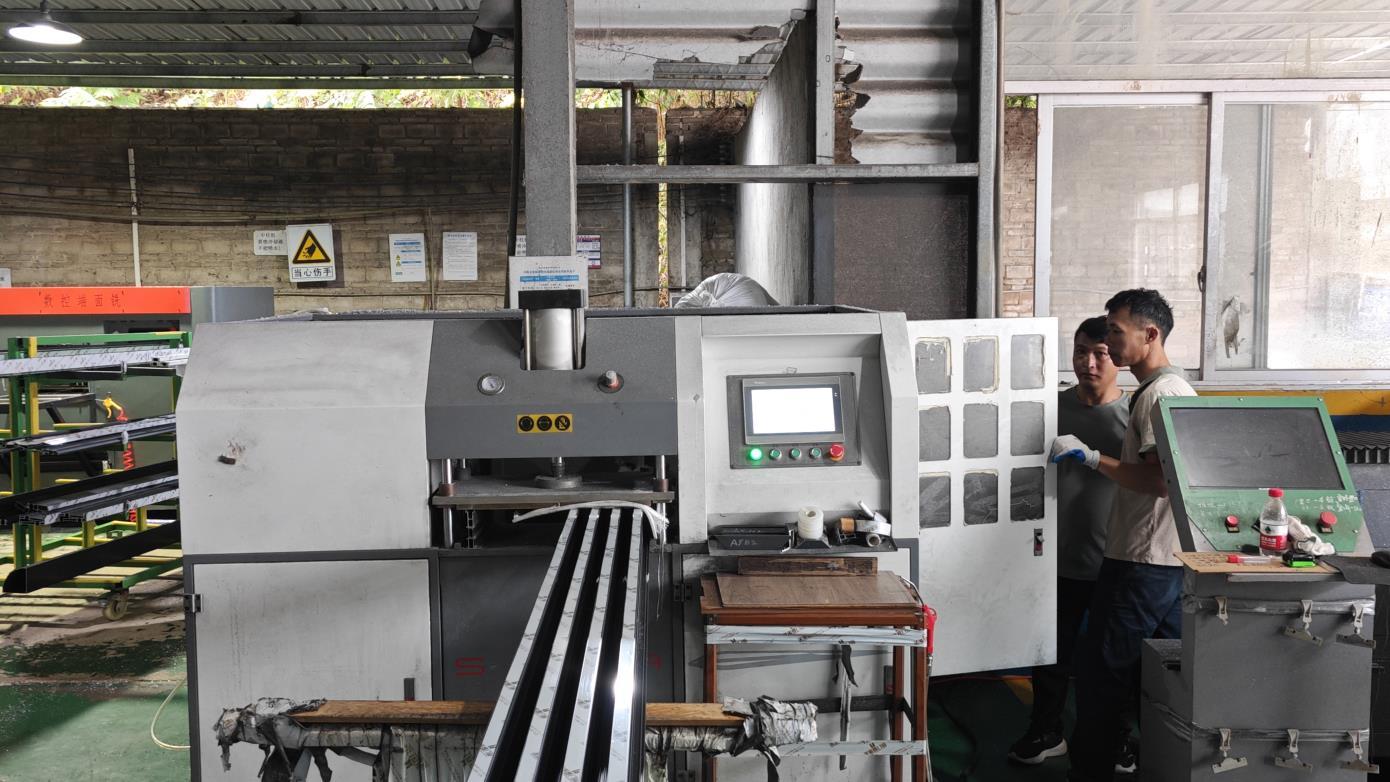 CNC Milling Machine
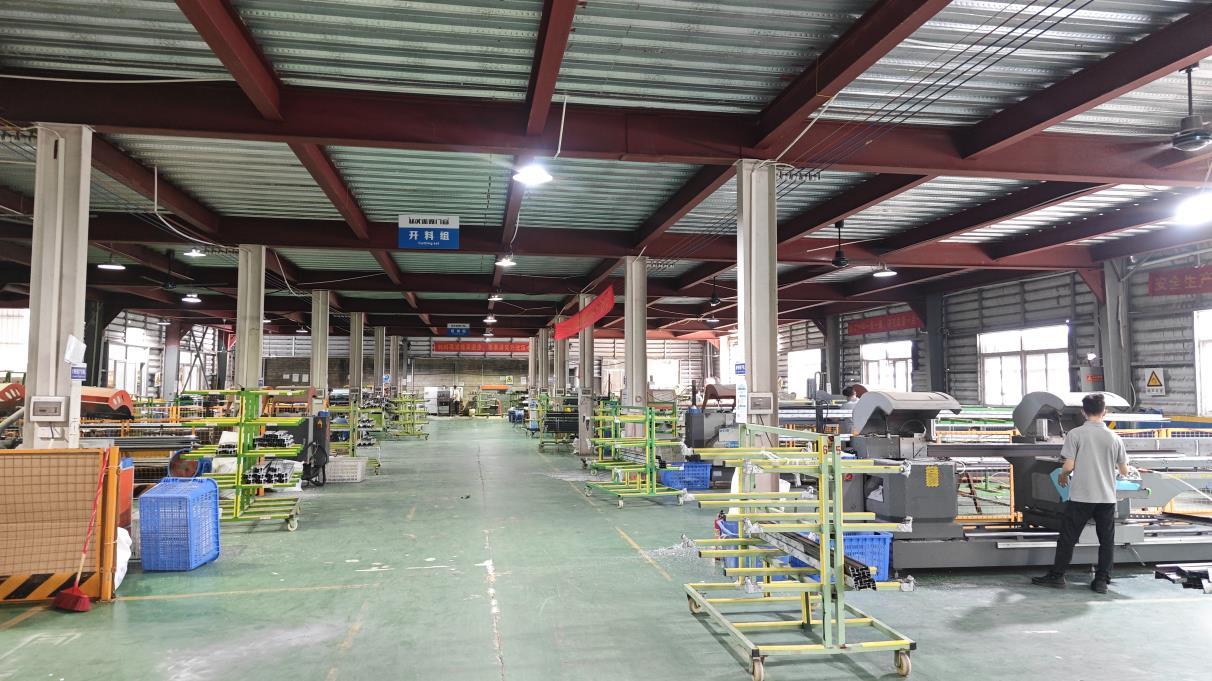 Assembly Line
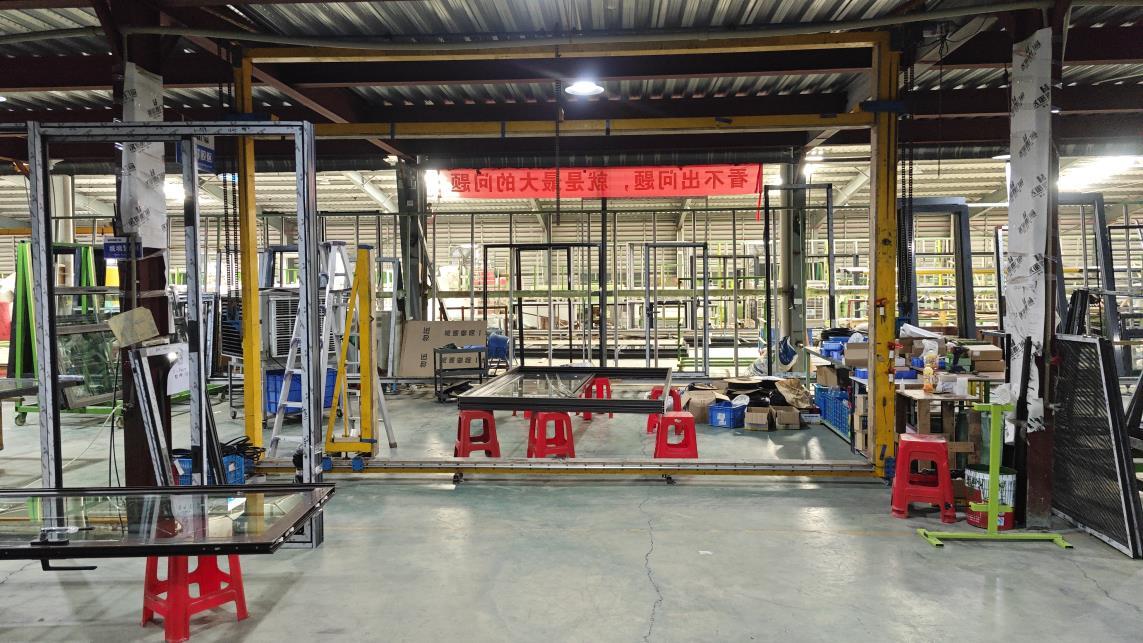 Rigorous QC Inspection
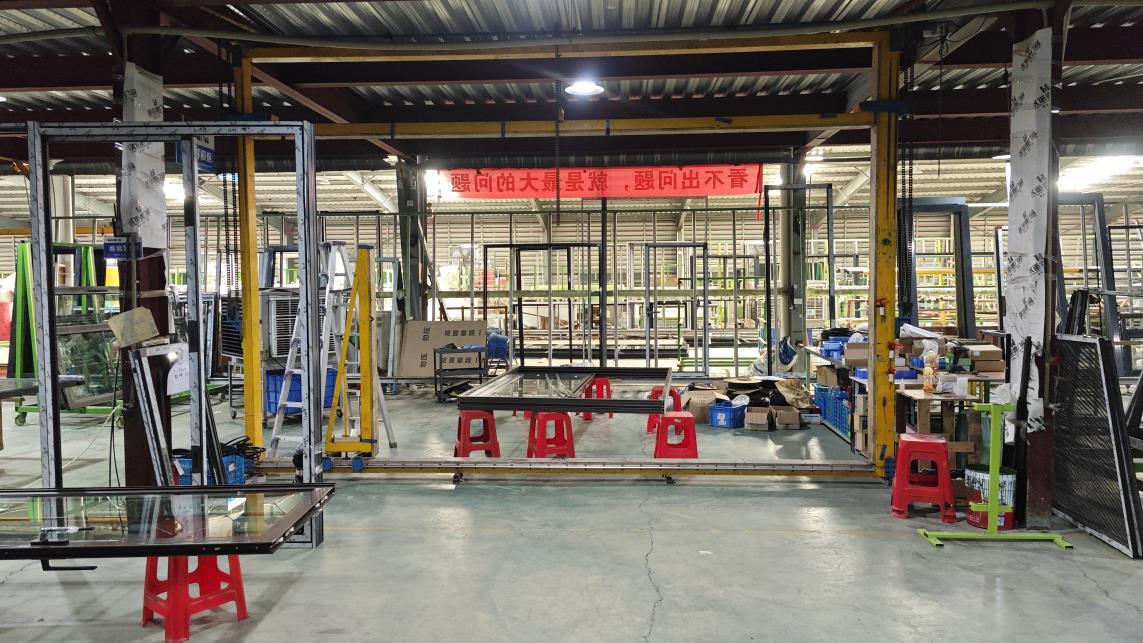 Calibration & Testing Rack
Macro Structural Solutions Across Norwegian Application Scenarios
Custom engineering packages tailored for residential builders, commercial facades, and cabin developments.
Fjord-Facing Residential Cabins (Hytte)
High-exposure coastal cabins require maximum wind load resistance and ultra-clear view preservation. Our fixed structural picture windows feature tempered 8mm inner/outer panes with solar control Low-E coatings, blocking harsh UV reflections off snowy slopes while retaining up to 90% of internal radiant heating.
Urban Commercial Curtain Walls
For commercial office developments in Oslo and Stavanger, our fixed window modules integrate seamlessly into unitized curtain wall systems. Rated for acoustic insulation up to 48 dB ($R_w$), they attenuate street-level traffic and municipal noise while achieving smooth aesthetic alignment with structural silicone joints.
Passivhaus Residential Subdivisions
Designed for near-zero energy consumption, our multi-chamber thermal break fixed windows incorporate 34mm Technoform polyamide strips. Combined with warm-edge composite spacers and Krypton gas insulation, these systems effortlessly meet Norwegian Passivhaus certification standards.
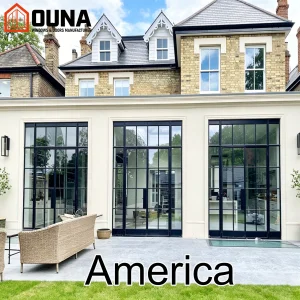
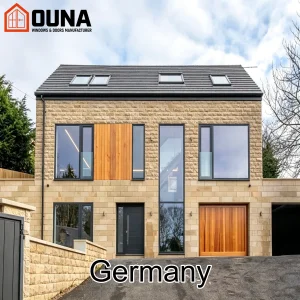
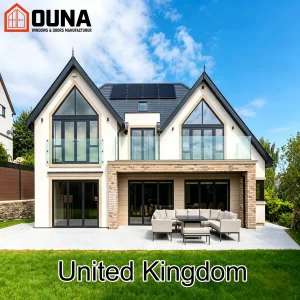
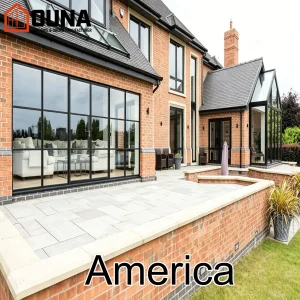
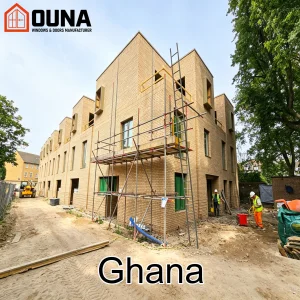
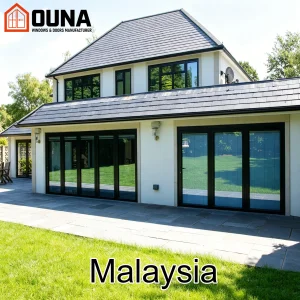
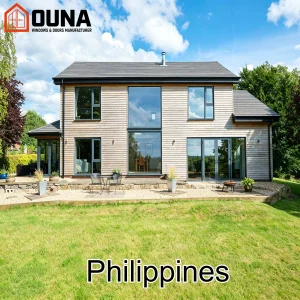
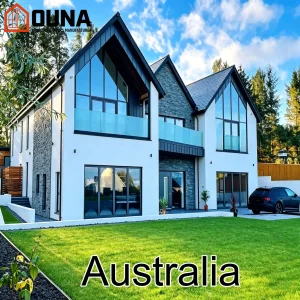
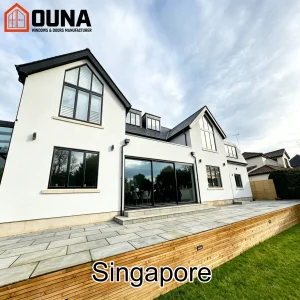
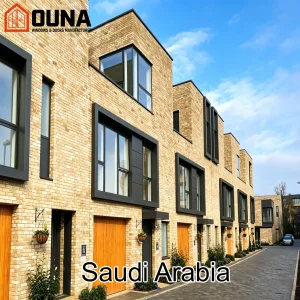
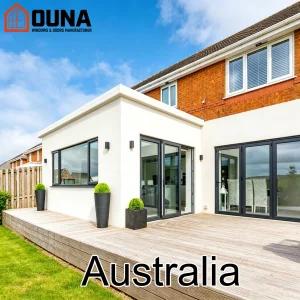
Norway-Engineered Fixed & Architectural Window Systems
Explore our certified window solutions tested for international and Nordic performance standards.
Frequently Asked Questions for Norwegian B2B Procurement
Addressing structural, thermal, logistical, and certification inquiries for Norwegian engineering projects.
Ready to Engineer Your Norwegian Architectural Project?
Partner with Chengdu Zenit Window & Door Co., Ltd.—your reliable global manufacturer for TEK17 compliant, ultra-insulated fixed window solutions.
Send Inquiry Now for Wholesale & Project Pricing