Zenit Window
Precision Engineering Product Catalog (Part I)
High-performance aluminum window and door systems tested for structural integrity, sound attenuation, and thermal efficiency.
Technical Whitepaper: CE-Compliant Aluminum Architectural Kitchen Enclosures
An authoritative analysis of micro-climate resilience, structural thermal breaks, and European conformity standards in modern building design.
1. Micro-Climate Micro-Dynamics in Modern Kitchen Environments
Architectural specification for residential and commercial kitchen doors requires addressing unique environmental stressors: extreme vapor pressure differentials, continuous grease aerosol exposure, rapid temperature fluctuations (ranging from 15°C to over 45°C near cooking surfaces), and high relative humidity. Traditional organic substrate doors (such as Medium-Density Fiberboard or solid timber) suffer from irreversible hygroscopic expansion, delamination, and microbial growth under continuous thermal-moist cycles.
Architectural aluminum door systems fabricated from engineered 6063-T5/T6 extrusion alloys provide complete moisture resistance, zero organic degradation, and permanent dimensional stability. When integrated with dynamic thermal break technology, CE certified aluminum kitchen doors function as high-performance physical barriers that decouple heavy-duty culinary operational zones from primary living or dining spaces without sacrificing optical transparency or aesthetic elegance.
2. Metallurgical Specifications & Surface Treatment Physics
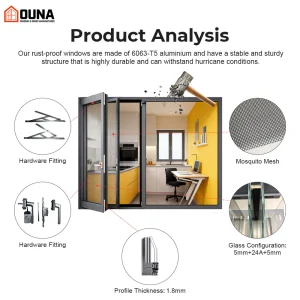
The operational longevity of aluminum kitchen doors depends on surface passivization and cross-sectional wall thickness. Chengdu Zenit Window & Door Co., Ltd. utilizes primary A00 ingot aluminum extrusions with nominal profile wall thicknesses ranging from 1.6mm to 3.0mm, exceeding standard residential framing limits to satisfy heavy commercial architectural mandates.
| Metallurgical Property | EN 755-2 Standard Requirement | Zenit Enterprise Specification | Operational Benefit |
|---|---|---|---|
| Alloy & Temper State | EN AW-6063 T5 / T6 | 6063-T6 High-Density Extrusion | Superior tensile strength and yield stress resistance |
| Ultimate Tensile Strength ($\sigma_b$) | $\ge 215 \text{ MPa}$ | $\ge 245 \text{ MPa}$ | Prevents frame sagging under heavy glass panel loads |
| Anodizing Film Thickness | Class 10 ($\ge 10 \mu\text{m}$) | Class 15-25 ($\ge 18 \mu\text{m}$) | Immunity to airborne acid/saline culinary grease oxidation |
| Fluorocarbon (PVDF) Coating | 2-Coat Standard ($\ge 25 \mu\text{m}$) | AkzoNobel 3-Coat Kynar 500 ($\ge 40 \mu\text{m}$) | Extreme color retention (Delta E < 0.5 over 10 years) |
| Thermal Break Material | Generic PVC or Low Glass Fiber | Technoform PA66-GF25 (25% Glass Fiber) | Structural shear strength up to $80 \text{ N/mm}$ |
Technical Roadmap & Future Innovations (2025–2030)
Pioneering the next generation of smart, low-carbon, and ultra-quiet kitchen threshold systems.
Smart IoT Sensor Integration
Future iterations of kitchen partition systems will seamlessly integrate embedded micro-actuators and VOC (Volatile Organic Compounds) air-quality sensors. Upon detecting elevated oil smoke or carbon monoxide levels during high-heat culinary operations, automated door controllers adjust sealing tension or trigger micro-ventilation pathways in synchronization with HVAC extraction hoods.
Vacuum Insulated Glass (VIG) Systems
Replacing traditional double-glazed argon-filled units with ultra-thin Vacuum Insulated Glass (VIG). Achieving center-of-glass thermal transmittance ($U_g$) values down to $0.40 \text{ W/(m}^2\cdot\text{K)}$ in profile depths of less than 8mm, reducing the overall frame weight while delivering laboratory-grade acoustic insulation ($Rw \ge 42 \text{ dB}$).
Zero-Carbon Aluminum Hydro-Extrusion
Transitioning primary raw material procurement to certified low-carbon recycled aluminum billets (using 75%+ post-consumer scrap melted via renewable hydroelectric power). This initiative lowers the embedded carbon footprint from $18\text{kg CO}_2/\text{kg Al}$ down to less than $2.3\text{kg CO}_2/\text{kg Al}$, satisfying strict EU Green Public Procurement criteria.
Macro-Industry Architectural Deployment Framework
Tailored structural profiles engineered for high-density multi-family, commercial hospitality, and luxury residential developments.
Commercial Hospitality & Industrial Kitchens
Designed for Michelin-star restaurants, hotel culinary centers, and commercial catering hubs requiring strict acoustic separation and fire-rated door assemblies. Profiles feature heavy-duty stainless steel track rollers rated for over 300,000 continuous opening cycles, alongside drop-down threshold hydraulic seals for containment of smoke and grease fumes.
High-Density Urban Multi-Family Towers
Optimized space-saving pocket sliding and multi-panel bi-fold aluminum systems designed to maximize interior footprint efficiency. Incorporates flush floor sills compliant with international barrier-free accessibility guidelines, while meeting strict air permeability and sound transmission loss requirements between open-plan living rooms and service zones.
Modular & Prefabricated Construction
Standardized, pre-glazed structural aluminum door units designed for rapid plug-and-play installation into modular steel/concrete pods. Prefabricated anchor brackets reduce jobsite assembly times by up to 65%, guaranteeing dimensional tolerances within $\pm 1.0\text{mm}$ across large factory lots.
European Harmonized Compliance & CE Regulatory Framework
Full compliance under Construction Products Regulation (CPR 305/2011) and EN 14351-1:2006+A2:2016 standards.
For B2B importers, architectural specifiers, and commercial contractors operating across the European Economic Area (EEA), CE marking is a non-negotiable legal requirement. Our aluminum door systems undergo continuous Assessment and Verification of Constancy of Performance (AVCP System 3) conducted by EU Notified Testing Bodies.
Harmonized Technical Standards Verification
- EN 14351-1: Windows and doors - Product standard, performance characteristics without resistance to fire and/or smoke leakage.
- EN 12207 Air Permeability: Achieves Class 4 (Maximum rating, leakage $\le 3.0 \text{ m}^3/\text{h}\cdot\text{m}^2$ at 600 Pa test pressure).
- EN 12208 Watertightness: Certified up to Class E900 (Withstands static pressure up to 900 Pa under direct continuous water spray).
- EN 12210 Wind Load Resistance: Structural deflection benchmark Class C5 ($\Delta p = 2000 \text{ Pa}$, relative frontal deflection below $L/300$).
- REACH & RoHS Chemical Safety: Powder coatings and vulcanized EPDM sealants are verified 100% free of SVHC (Substances of Very High Concern), phthalates, and lead additives.
China Industry 4.0 Manufacturing Engine: Supply Chain Resilience
Chengdu Zenit Window & Door Co., Ltd. — Enterprise Scale, Automated CNC Precision, and Rigorous Quality Control.
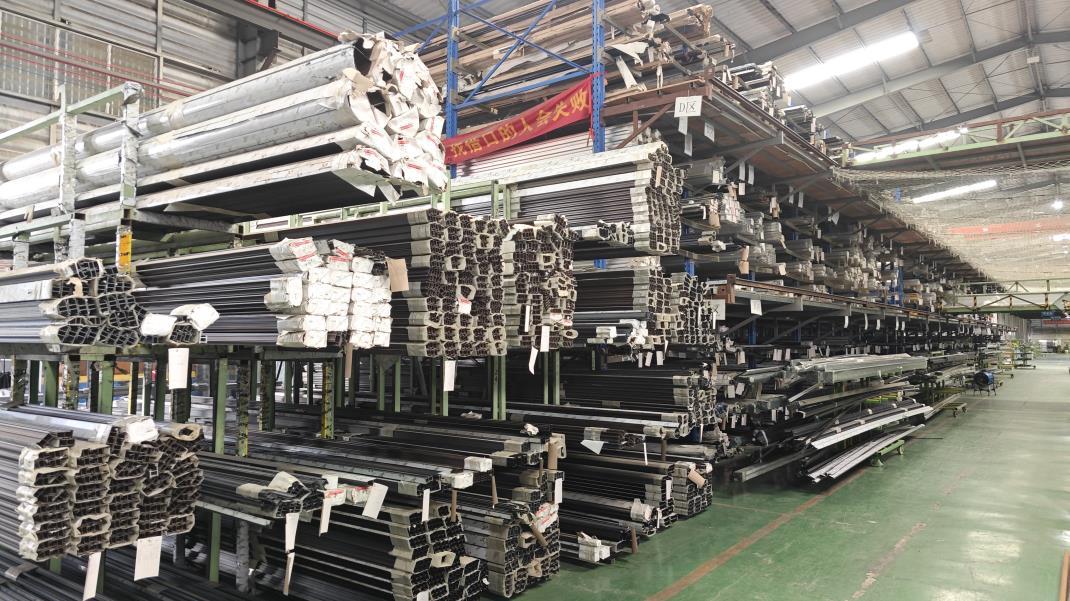
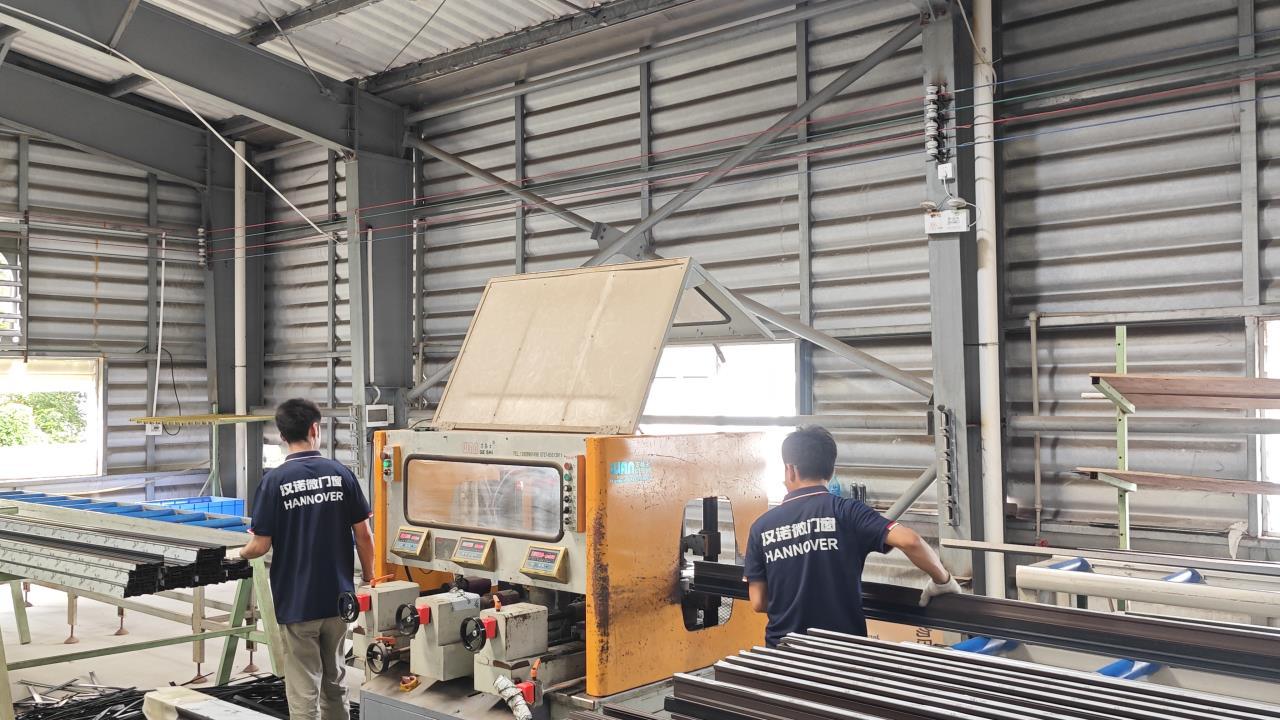
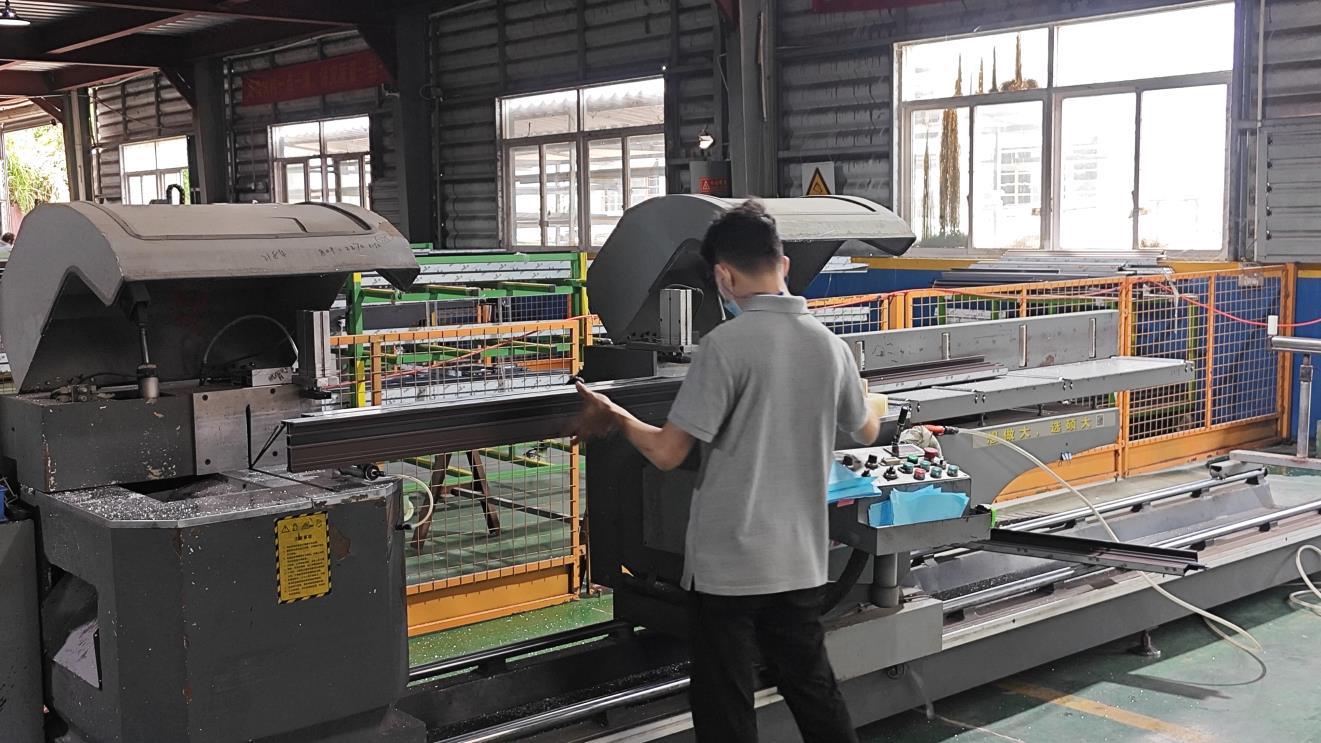
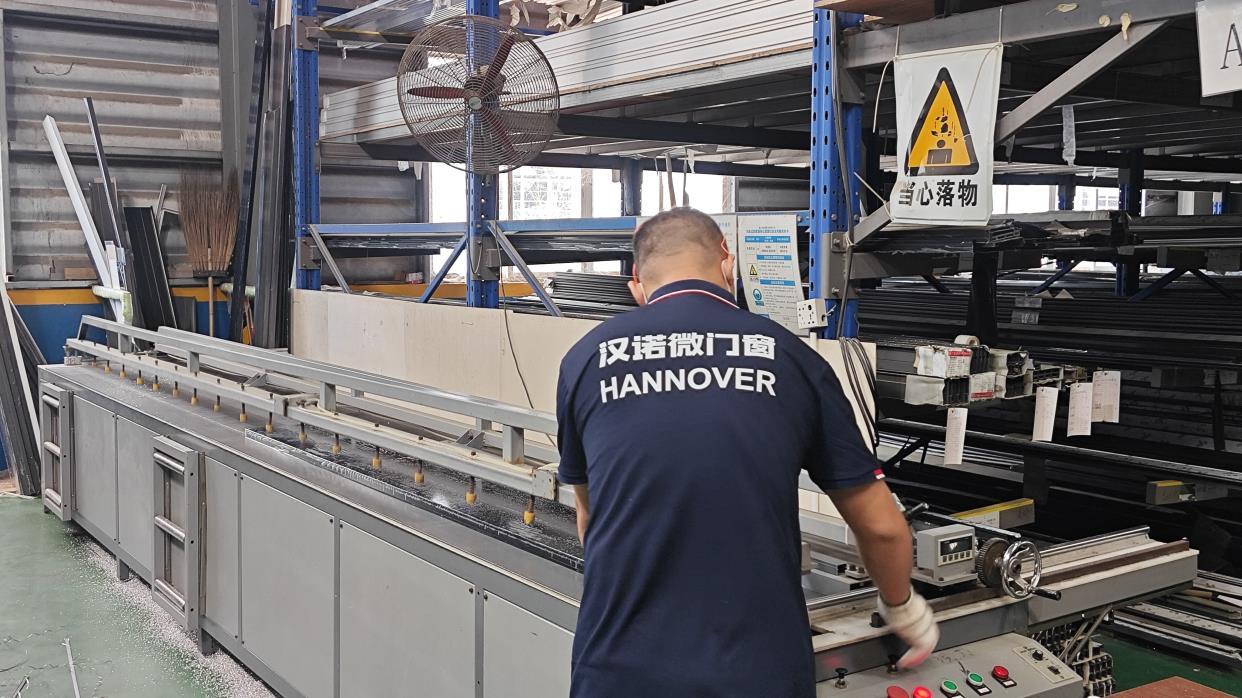
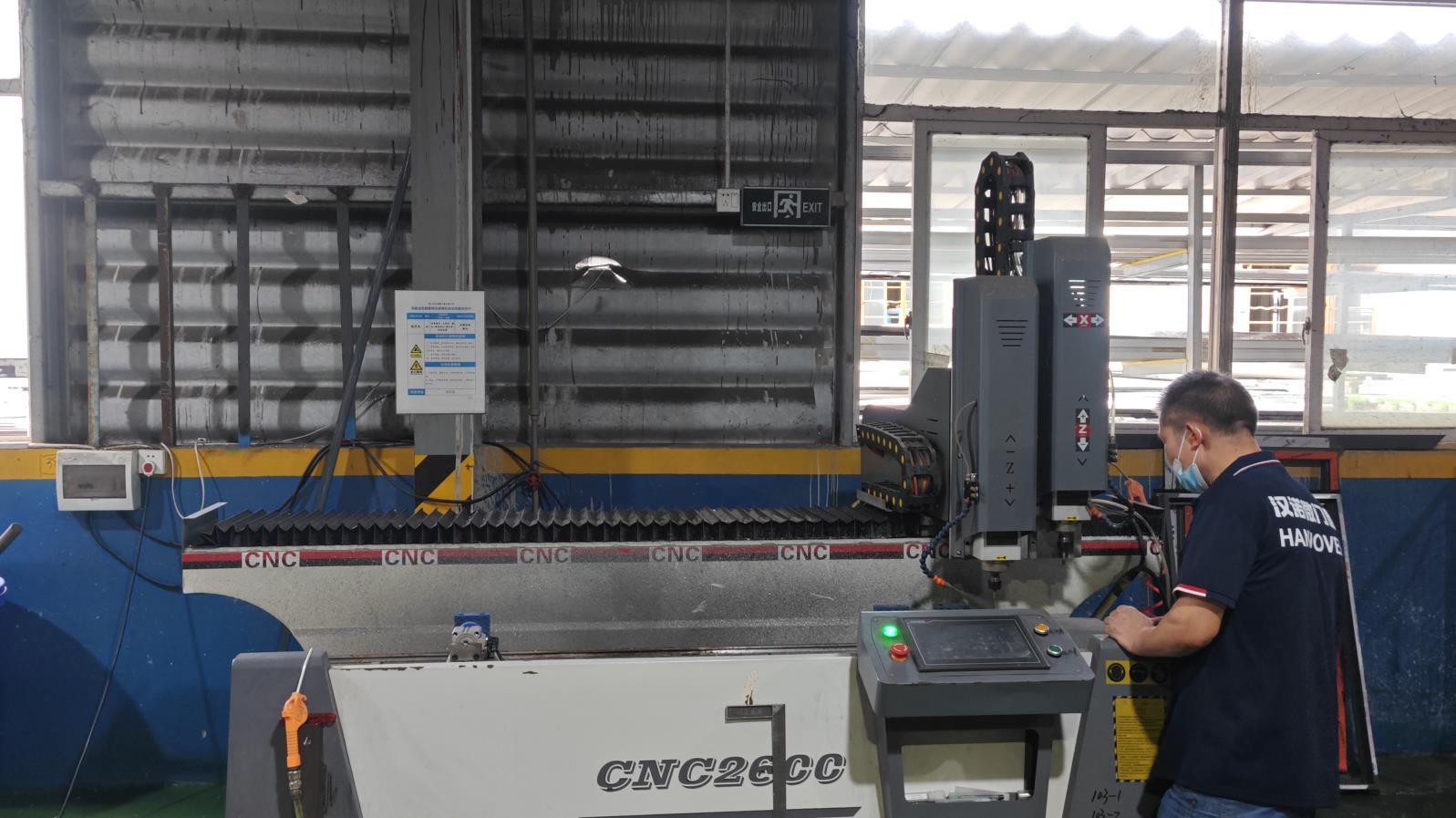
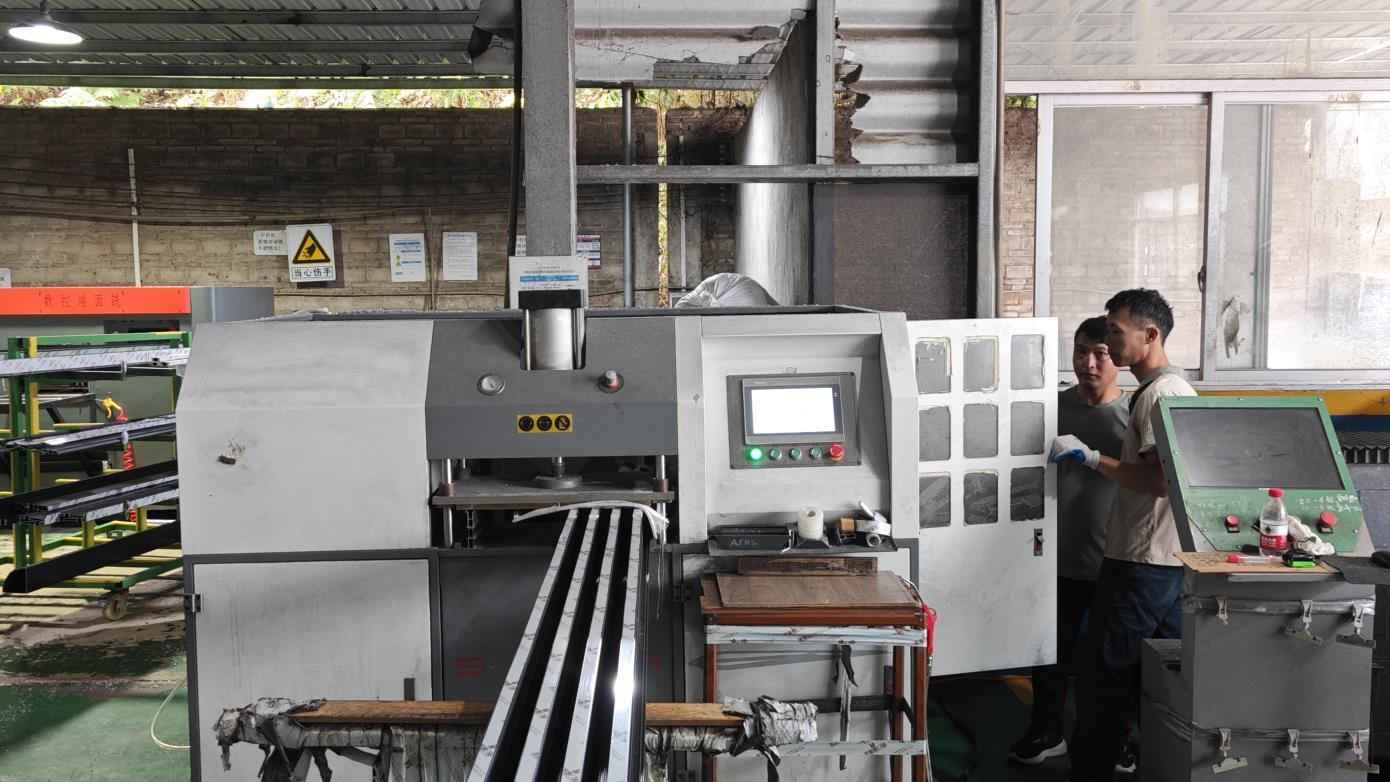
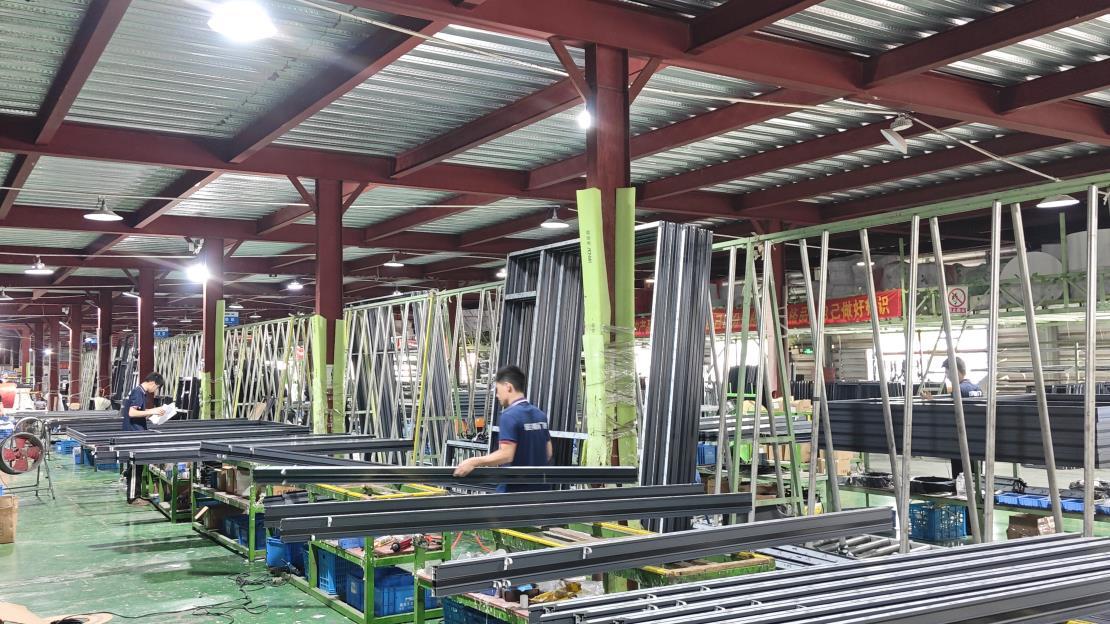
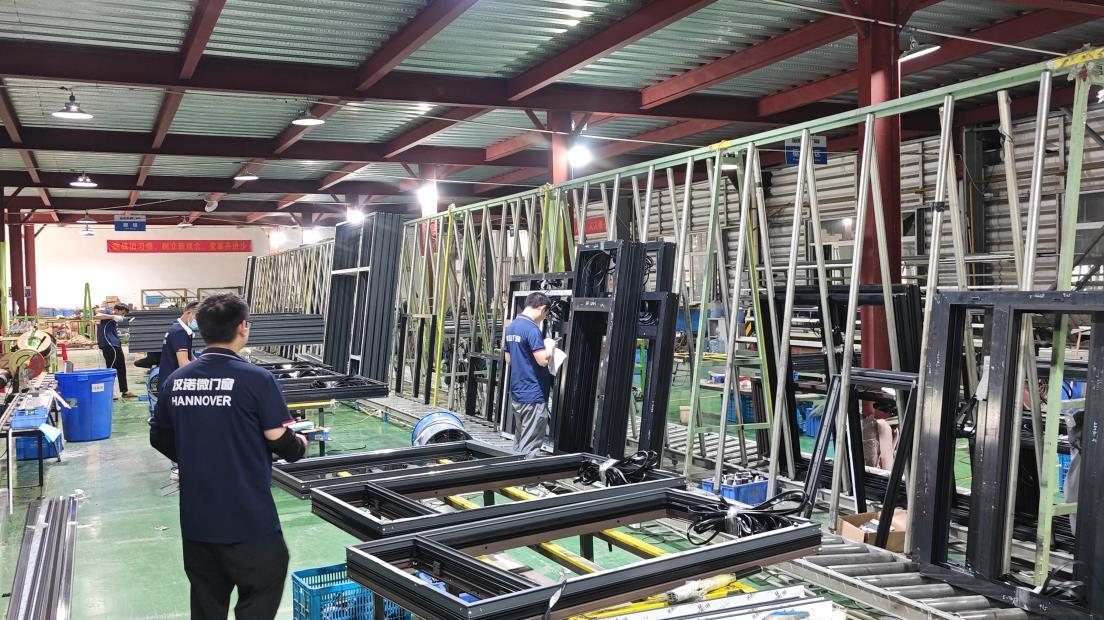
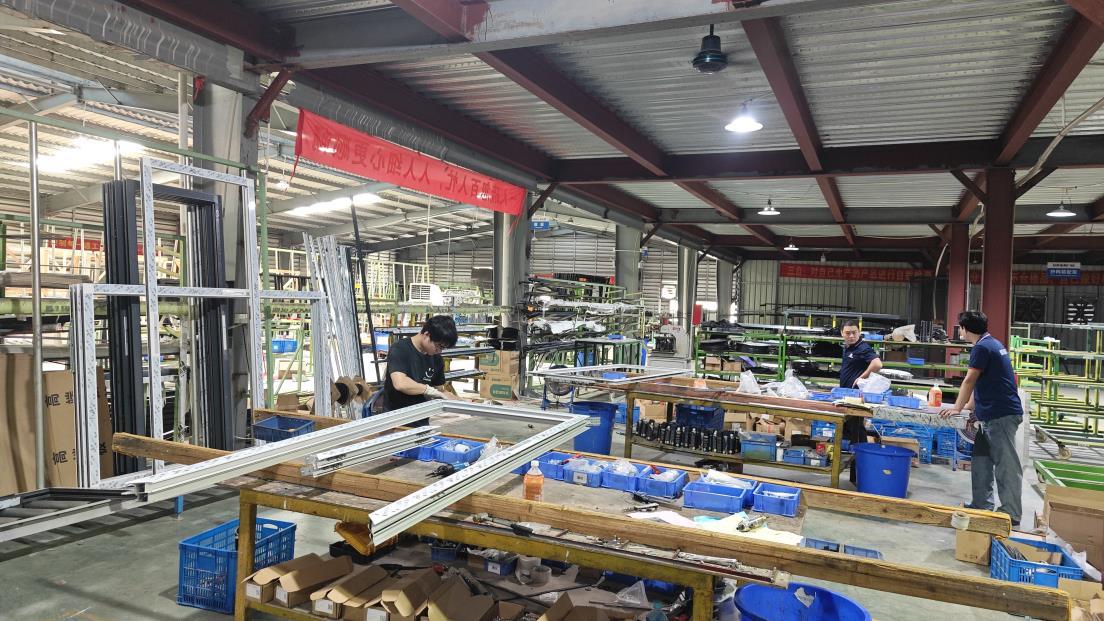
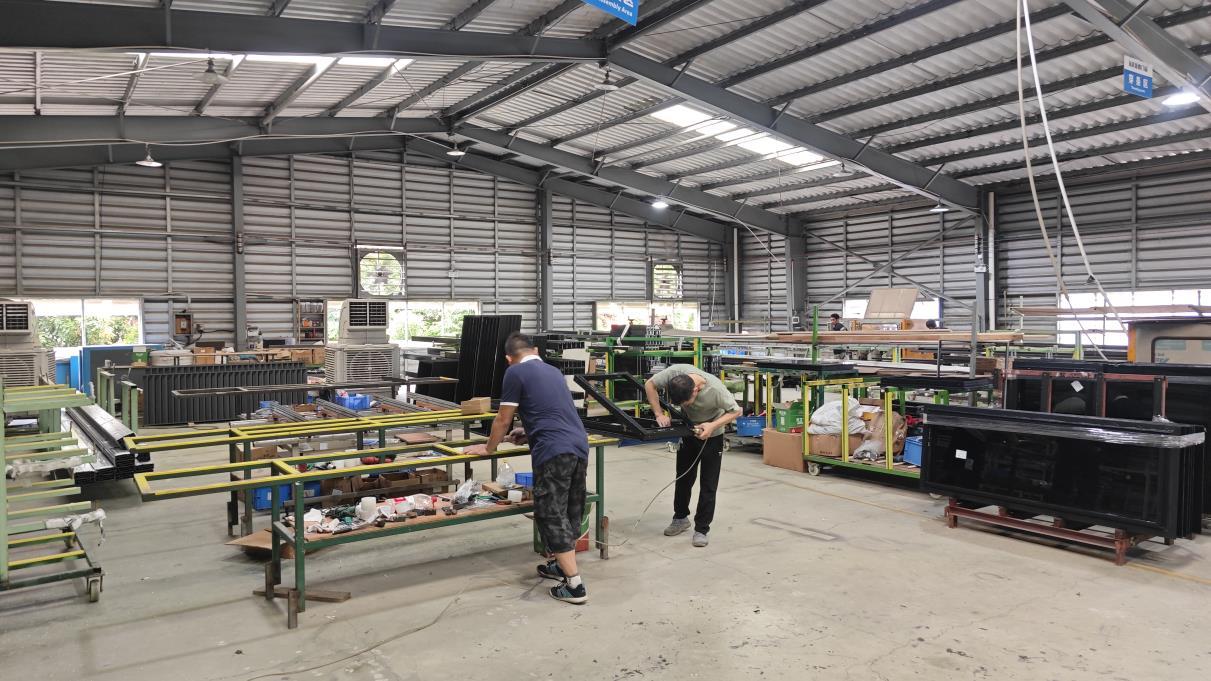
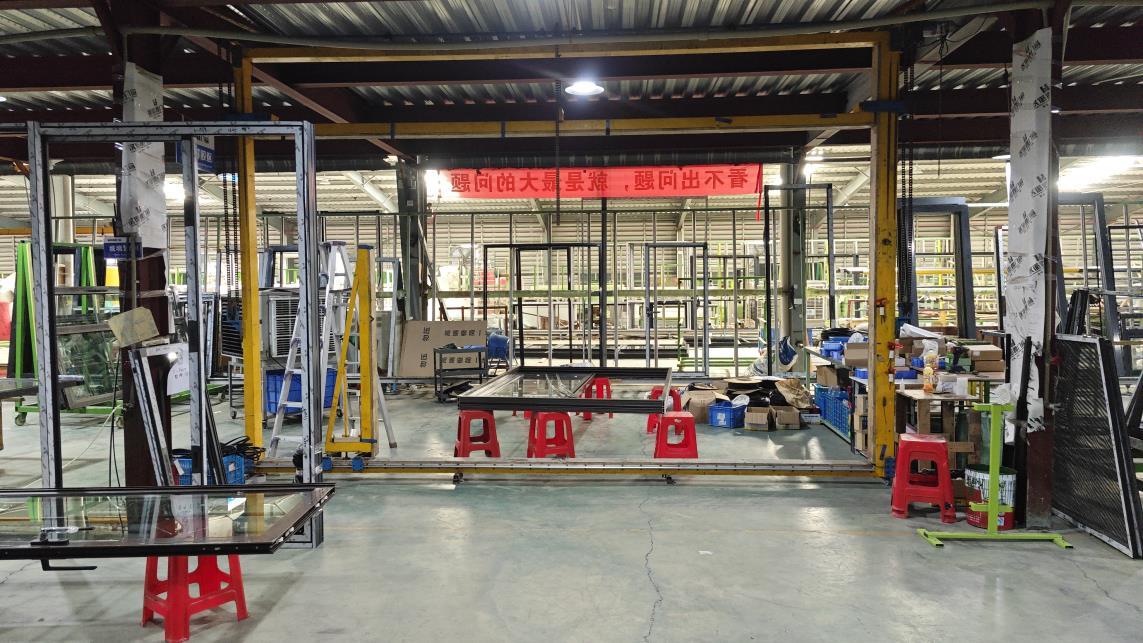
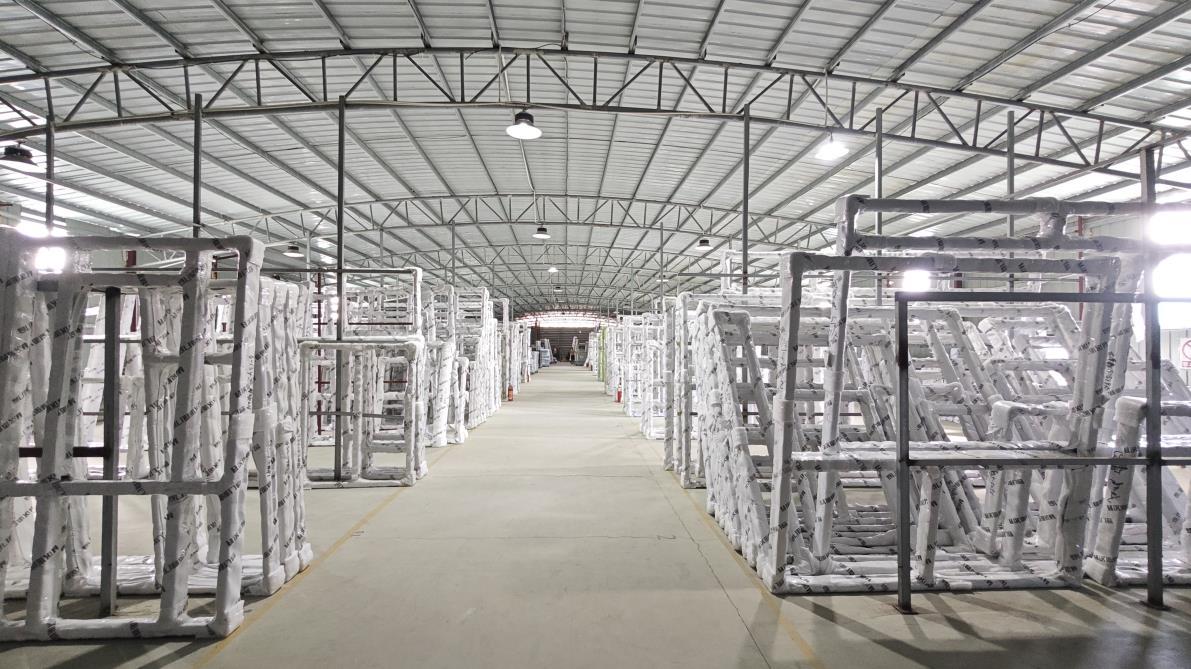
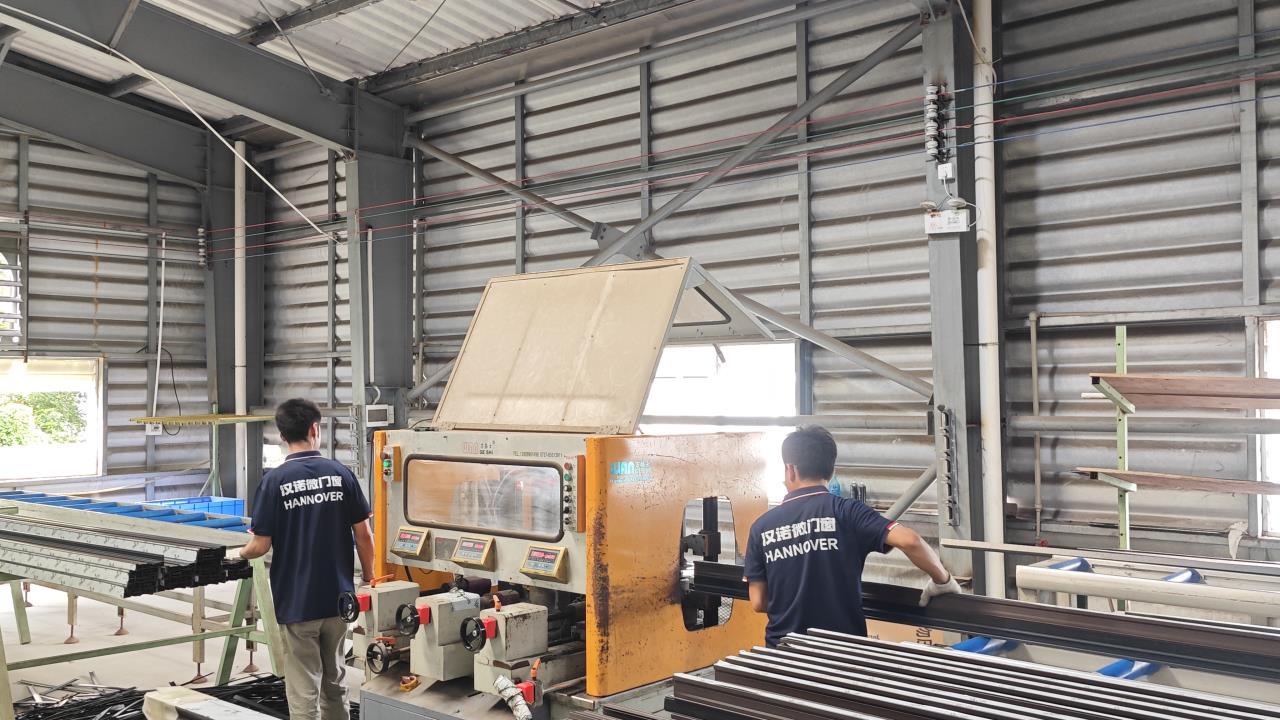
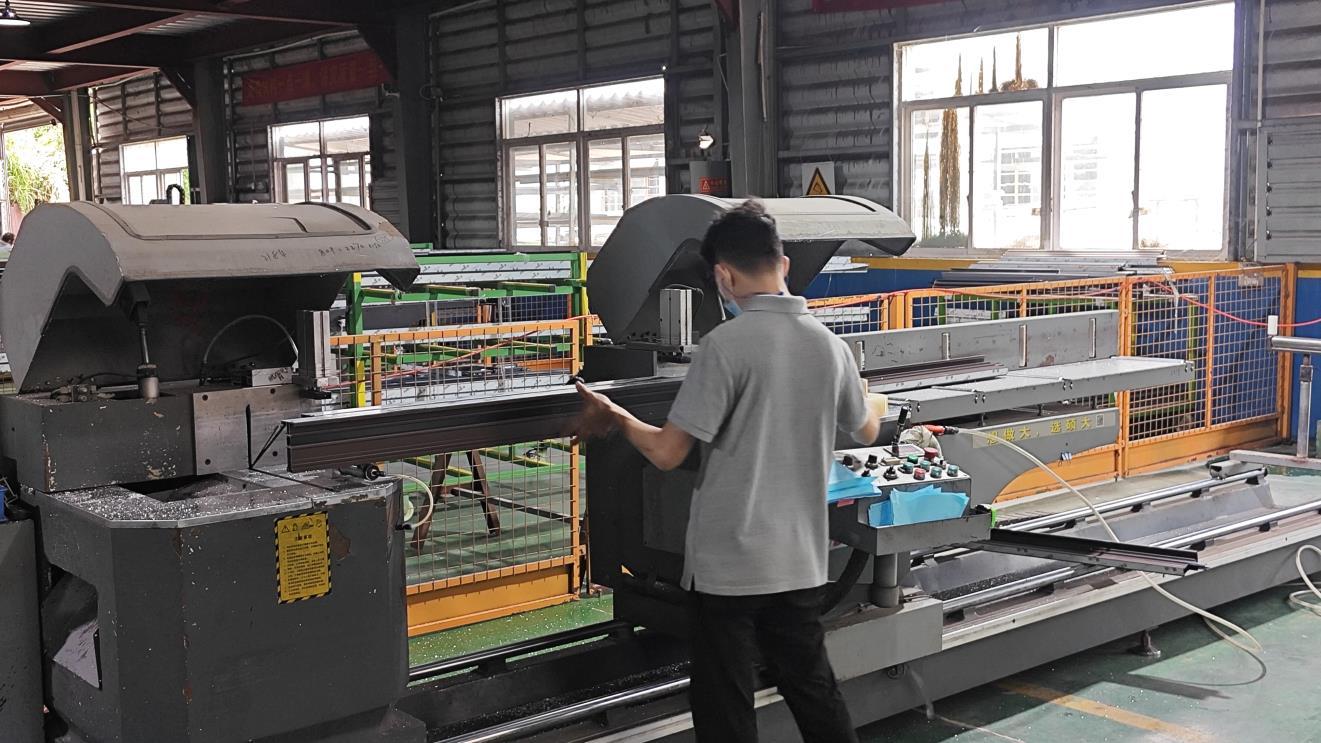
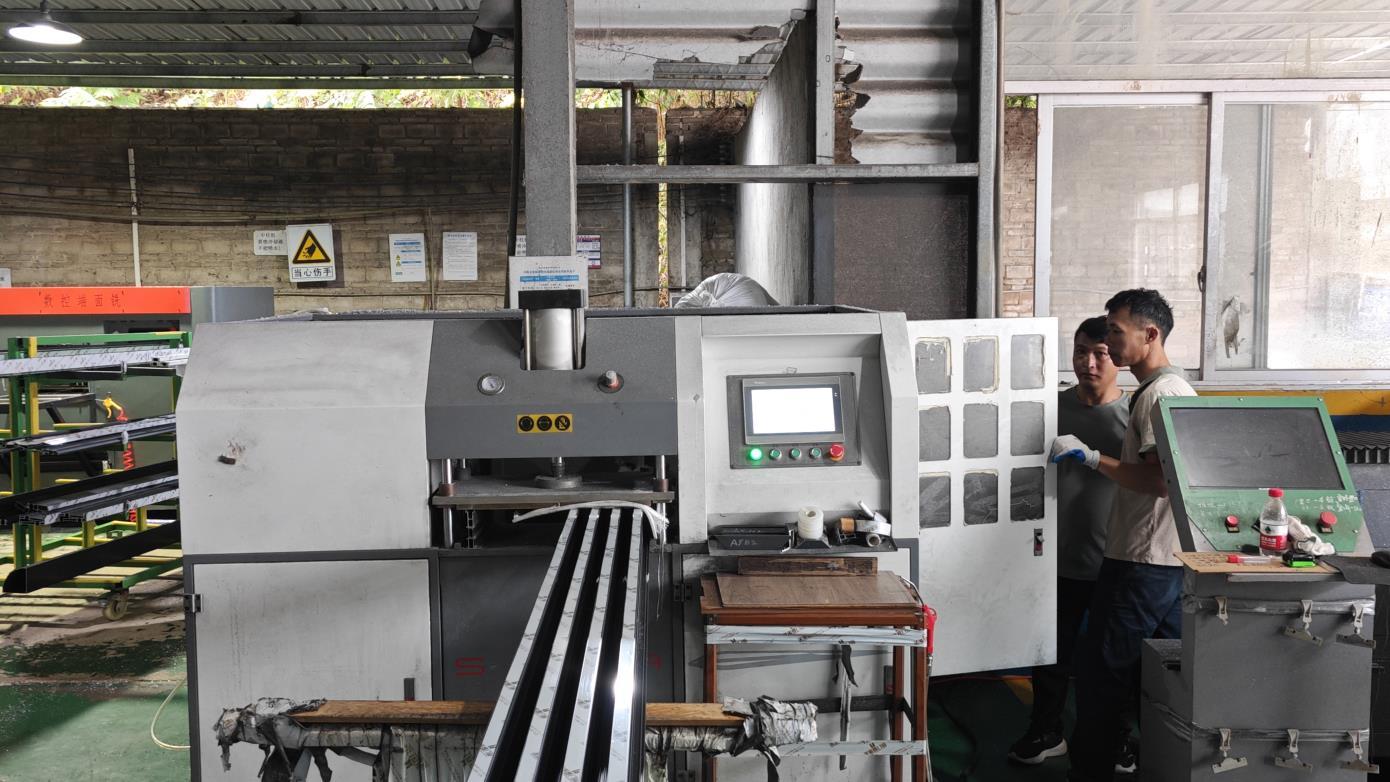
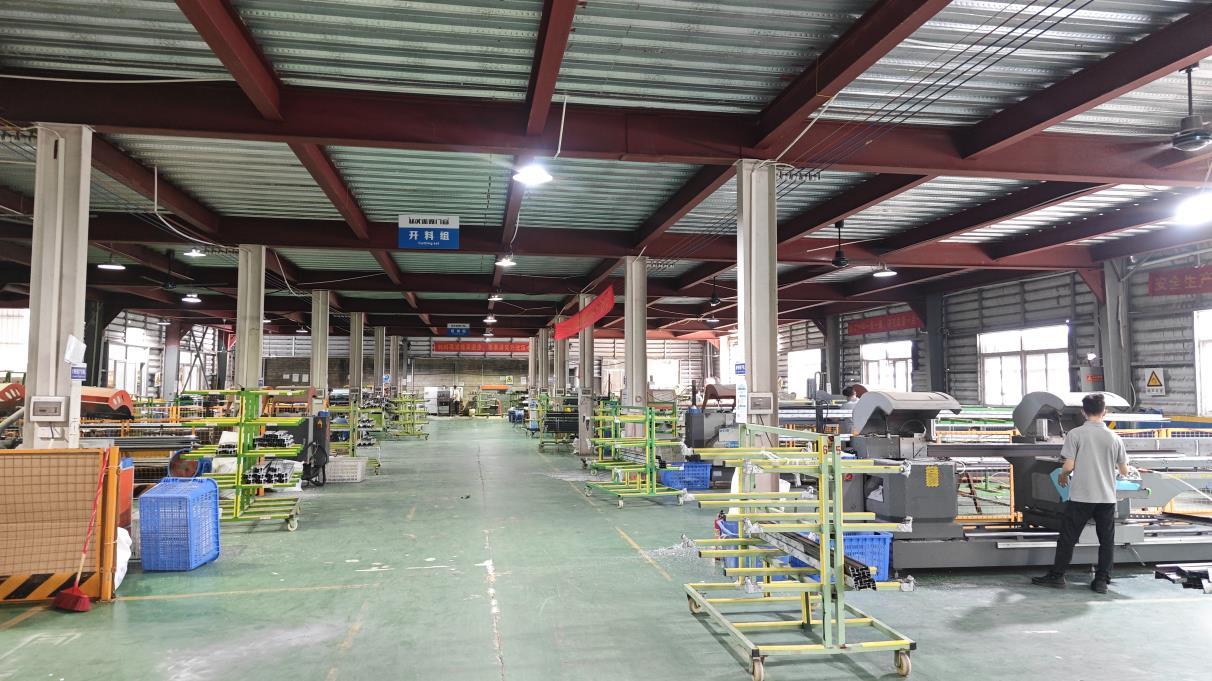
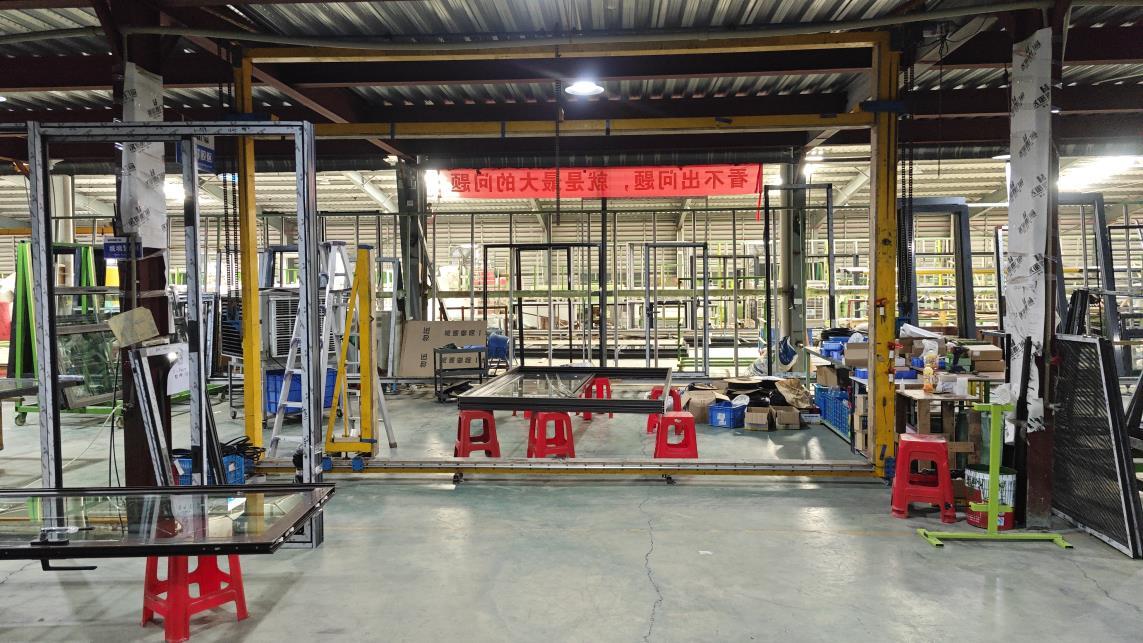
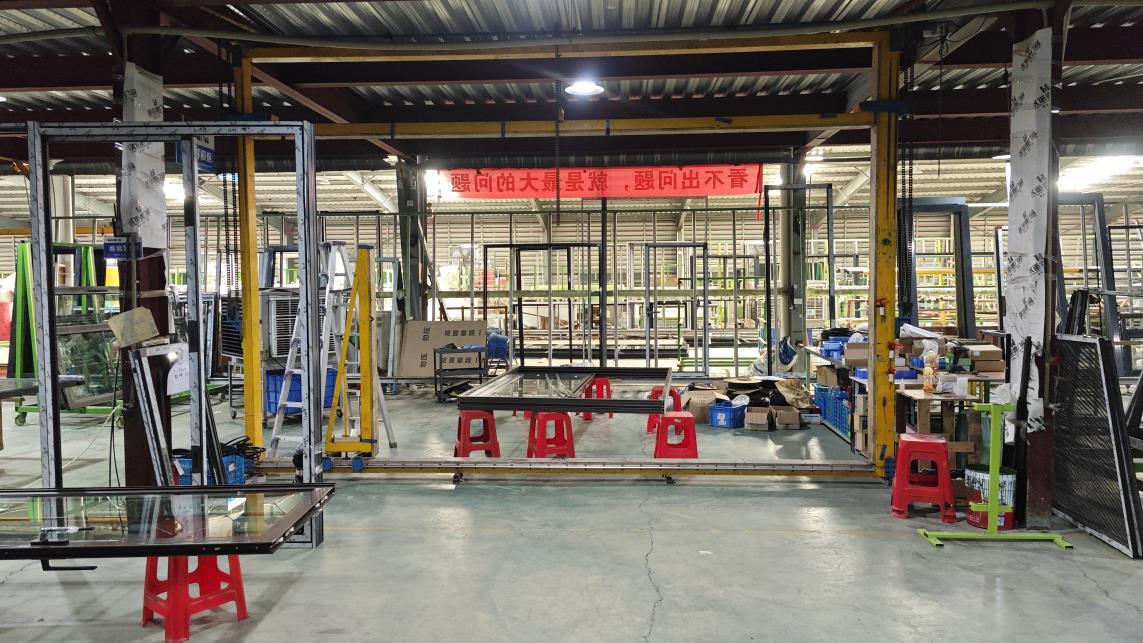
Founded in 2015, Chengdu Zenit Window & Door Co., Ltd. operates a 25,000-square-meter state-of-the-art manufacturing facility. Backed by 11 years of deep industry expertise and 8 years of global trade experience, the company achieves an annual export turnover of $26 million. Our primary export markets cover North America, Australia, and Western Europe, catering to residential home builders, architectural contractors, and building material wholesalers.
Quality control is strictly managed by a team of 35 certified inspectors who perform rigorous air permeability testing, water tightness checks, and frame corner strength evaluations. Supported by over 600 vetted supply chain partners, Zenit delivers comprehensive customization options including thermal break profiles, custom anodized finishes, and triple-pane soundproof glass. Driven by an active R&D division of 42 engineers, we released 50 new architectural window and door systems over the past year alone.
Integrated End-to-End Production & Machining Workflow
Enterprise OEM/ODM Procurement Risk Mitigation Matrix
Streamlining cross-border building material sourcing for developers, wholesalers, and general contractors.
Direct Factory Customization Protocols
We provide full CAD/BIM modeling support for bespoke architectural blueprints. From custom extrusion dies to specialized anodized or wood-grain electrostatic powder coatings, our 42-engineer R&D department works directly with client architectural teams to convert concept drawings into shop-ready manufacturing files.
Supply Chain Traceability & Material Certification
Every shipment includes comprehensive Mill Test Certificates (MTC) detailing aluminum chemical composition (Si, Fe, Cu, Mn, Mg, Cr, Zn, Ti balances) and mechanical yield testing results. Full batch tracking guarantees zero recycled scrap contamination in primary structural profiles.
Export Packaging & Logistics Protection
Doors are wrapped in protective PE protective films, inter-layered with shock-absorbing foam, and secured inside fully enclosed plywood crates certified under ISPM 15 heat-treatment standards. Designed for multi-modal ocean transit with zero moisture ingress risk.
Frequently Asked Technical Questions (FAQ)
Expert answers regarding CE certification, structural performance, custom manufacturing, and global shipping logistics.
What specific EN standards validate your CE Certification for aluminum kitchen doors?
Our aluminum door systems are compliant under Harmonized European Standard EN 14351-1:2006+A2:2016. Structural profiles undergo mandatory third-party testing for Air Permeability (EN 12207 Class 4), Watertightness (EN 12208 Class E900), Wind Load Resistance (EN 12210 Class C5), and Acoustic Performance (EN ISO 10140-2 up to 42 dB). Factory Production Control (FPC) is audited under ISO 9001:2015 frameworks.
Why is 6063-T6 aluminum alloy preferred over wood or MDF for kitchen partition doors?
Kitchen environments experience sharp humidity spikes and constant airborne oil aerosols. Timber and MDF absorb airborne moisture, resulting in frame warping, swelling, and eventual rot. 6063-T6 architectural aluminum alloy exhibits zero moisture absorption, high yield strength ($\ge 215 \text{ MPa}$), and excellent dimensional stability under thermal variations. Furthermore, fluorocarbon (PVDF) or powder-coated aluminum surfaces can be sanitized with aggressive commercial cleaning agents without surface degradation.
How does thermal break technology prevent condensation inside the kitchen environment?
Thermal break door systems incorporate low-conductive Polyamide structural bars (Technoform PA66-GF25) inserted between the inner and outer aluminum profile extrusions. This breaks the metal-to-metal heat path, dramatically lowering the total Frame Thermal Transmittance ($U_f$). By keeping the interior aluminum profile surface temperature above the dew point of humid kitchen air, structural condensation is prevented, stopping interior mold formation.
What is the typical manufacturing lead time and Minimum Order Quantity (MOQ) for enterprise orders?
Standard production lead time is 25 to 35 business days from final CAD shop-drawing sign-off. For standard extrusion profiles, our MOQ is set at 50 square meters or 10 full sets. Custom extrusion dies or non-standard architectural color matching (RAL codes) can be produced with die setup times of 10-14 days.
Can your kitchen door systems integrate hurricane impact ratings for coastal regions?
Yes. We specialize in heavy-duty impact-resistant systems featuring laminated safety glass (e.g., 6mm Tempered + 1.52mm PVB/SGP + 6mm Tempered) paired with reinforced internal aluminum corner keys. These systems satisfy North American NFRC/AS2047 hurricane wind-borne debris criteria and Florida Building Code (FBC) impact requirements.
Precision Engineering Product Catalog (Part II)
Explore our specialized aluminum architectural solutions engineered for global commercial and residential export.