Zenit Window
Featured Architectural Glazing Solutions
High-performance thermal break profiles, hurricane-impact engineered systems, and smart home motorized Fenestration products.
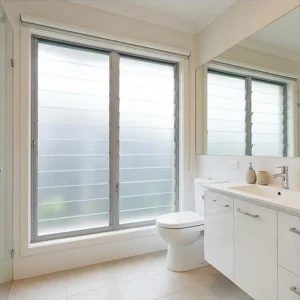
OUNA Modern Electric Motorized Aluminum Blinds with Remote Control for Large Windows and Facades Smart Home System Compatible
View System Details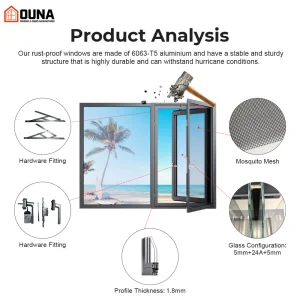
OUNA Double Glazed NFRC CSA NOA Aluminum Alloy Swing Casement Window Thermal Break System for Energy Efficient Villa Homes
View System Details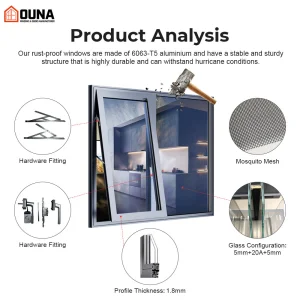
OUNA Australia Simple Design Hot Sell Aluminum Awning Window Thermal Break Double Tempered Glass AS2047Certified Casement Window
View System Details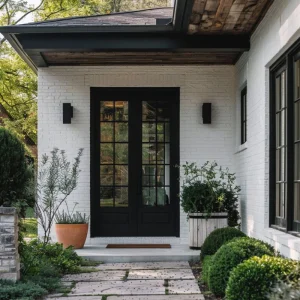
OUNA Panoramic View Aluminum French Doors Wide Clear Opening to Garden or Balcony with Sturdy Swing Hardware System
View System Details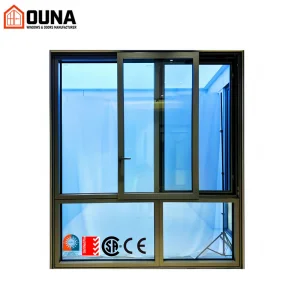
OUNA Thermal Break Aluminum Alloy Sliding Window for Balcony Double Tempered Glass Hurricane Impact AS2047 NFRC Certified
View System Details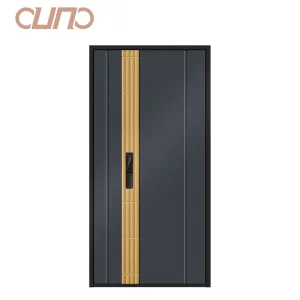
OUNA Contemporary Cast Aluminum Blast Security Door With Fire Resistant Function European Design Front Door for Villa
View System Details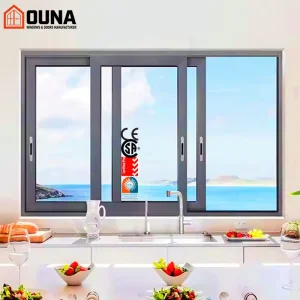
OUNA Customized Modern Energy-Efficient Design Thermal Break Glass Windows NFRC CSA Aluminum Horizontal Sliding Window for Homes
View System Details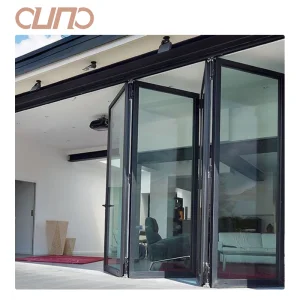
OUNA High Quality Custom Style Aluminium Bi-Fold Door Modern Design Double Glass Folding Exterior Patio Villa Door
View System DetailsEnterprise Profile: Chengdu Zenit Window & Door Co., Ltd.
Empowering global real estate developers, commercial contractors, and Fenestration distributors through precision manufacturing and thermal engineering excellence.
Leading the China Architectural Glazing Export Landscape
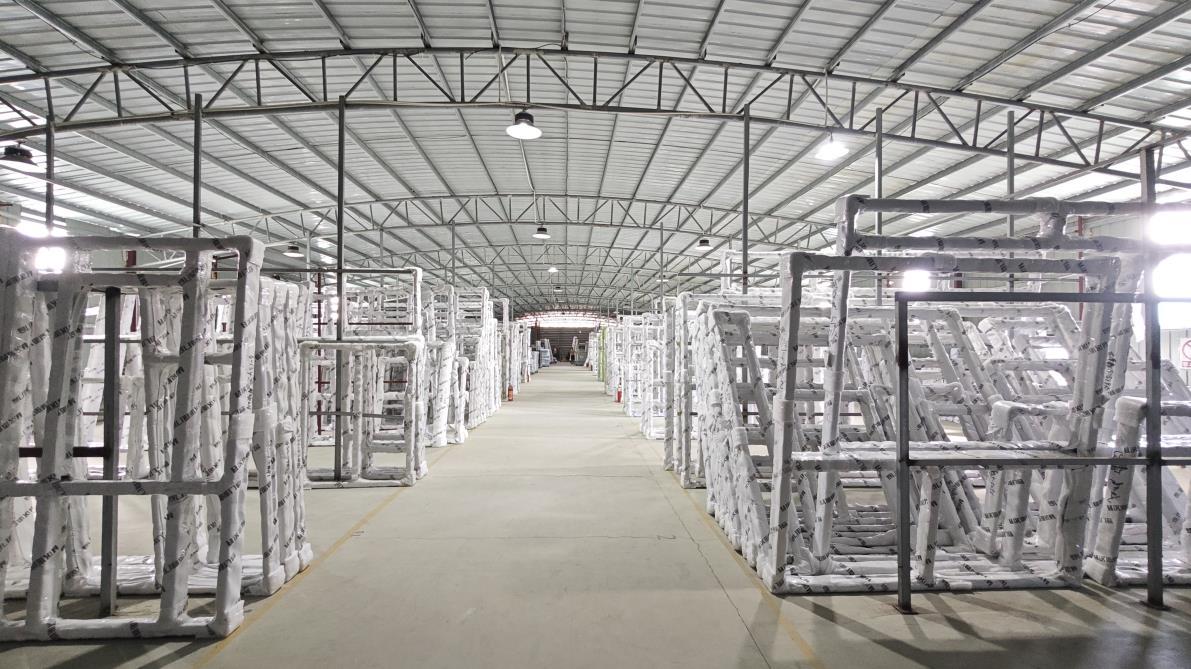
Founded in 2015, Chengdu Zenit Window & Door Co., Ltd. operates a 25,000-square-meter manufacturing facility. Backed by 11 years of industry expertise and 8 years of global trade experience, the company achieves an annual export turnover of $26 million. Our primary export markets cover North America, Australia, and Western Europe, catering to residential home builders, architectural contractors, and building material wholesalers.
Quality control is managed by a team of 35 inspectors who perform rigorous air permeability testing, water tightness checks, and frame corner strength evaluations. Supported by over 600 supply chain partners, Zenit delivers comprehensive customization options including thermal break profiles, custom anodized finishes, and triple-pane soundproof glass. Driven by an active R&D division of 42 engineers, we released 50 new architectural window systems over the past year.
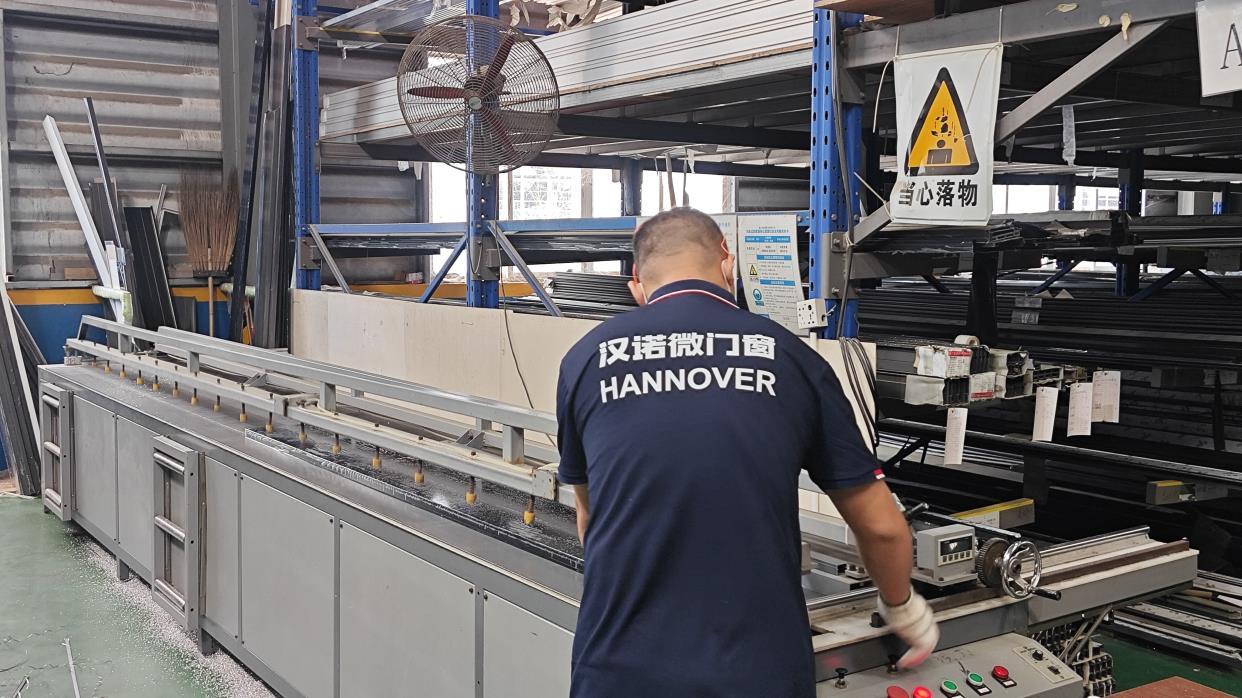
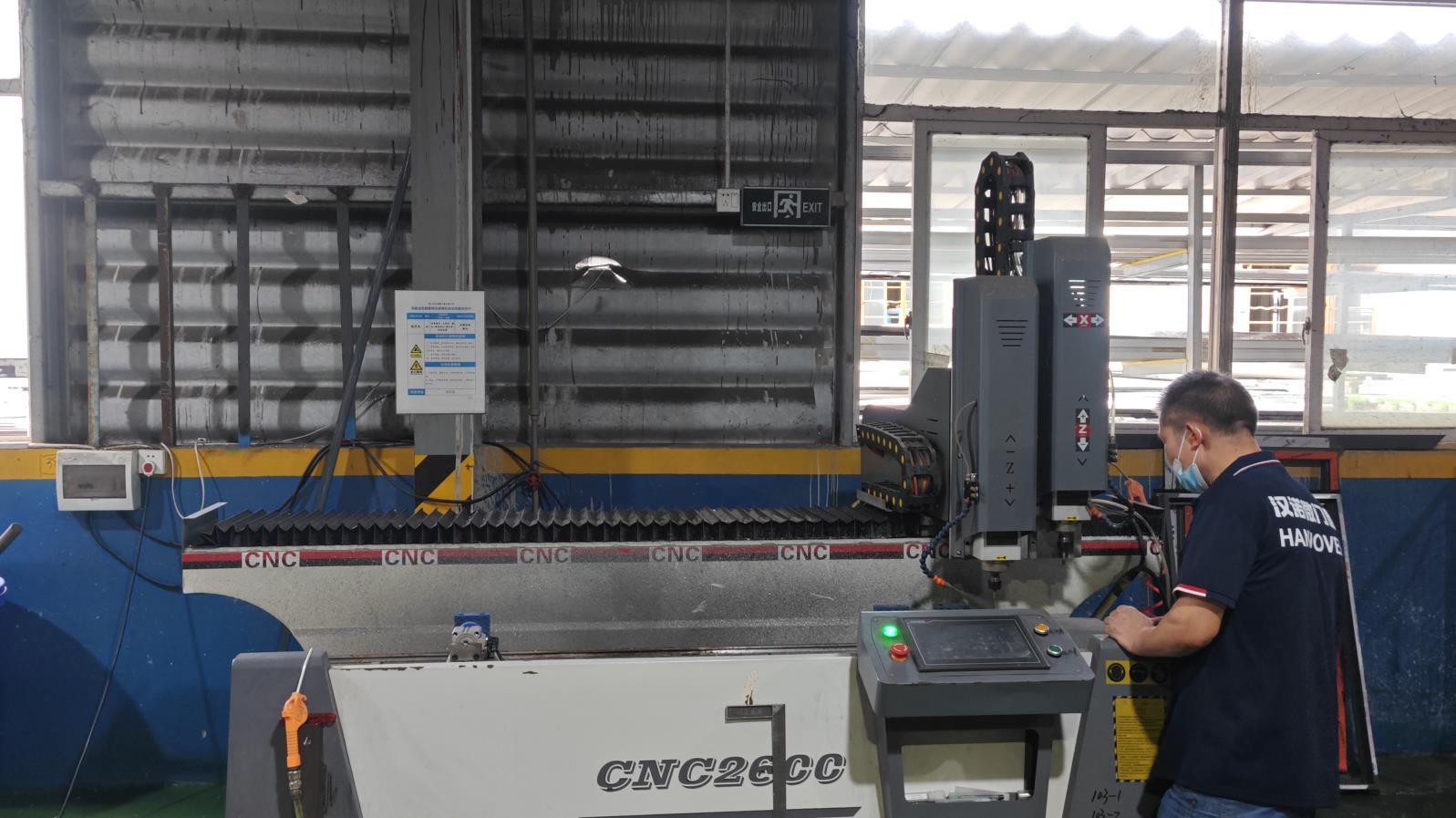
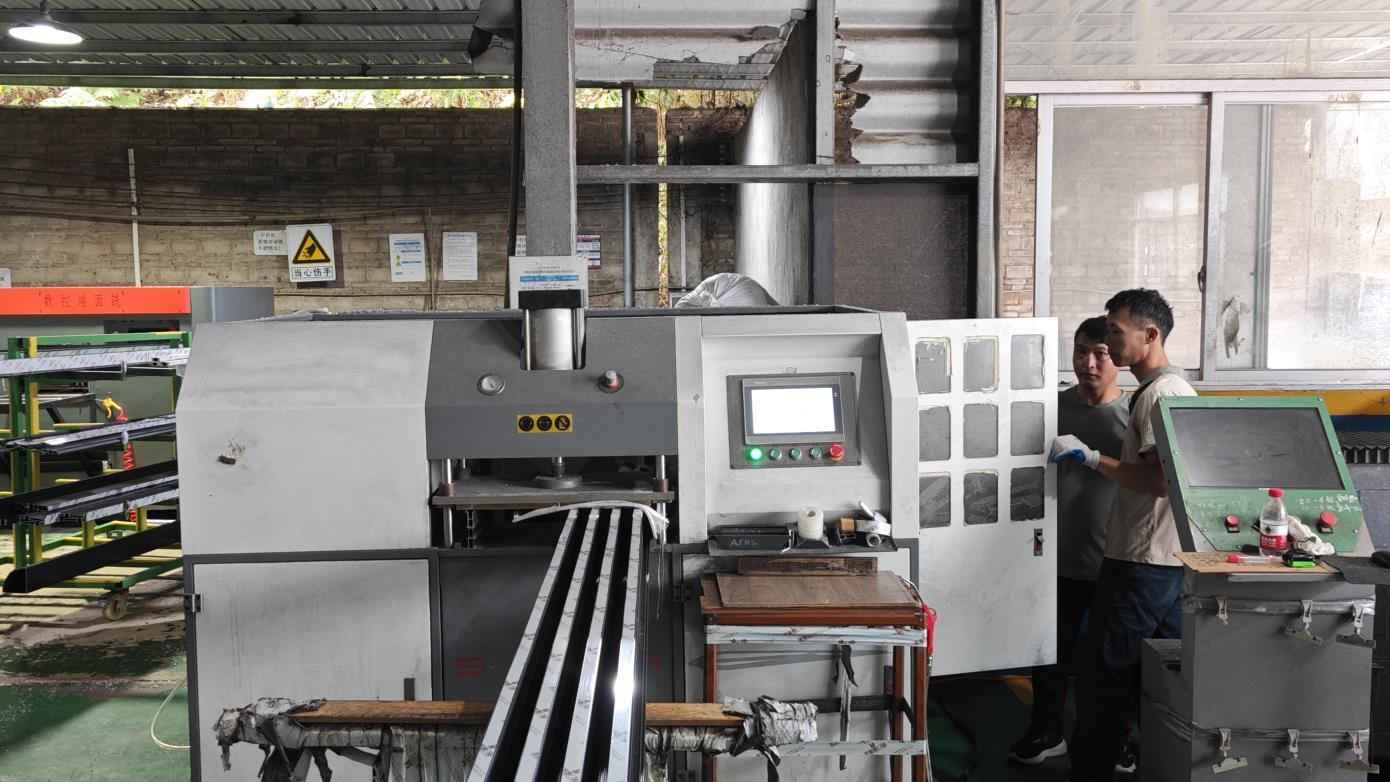
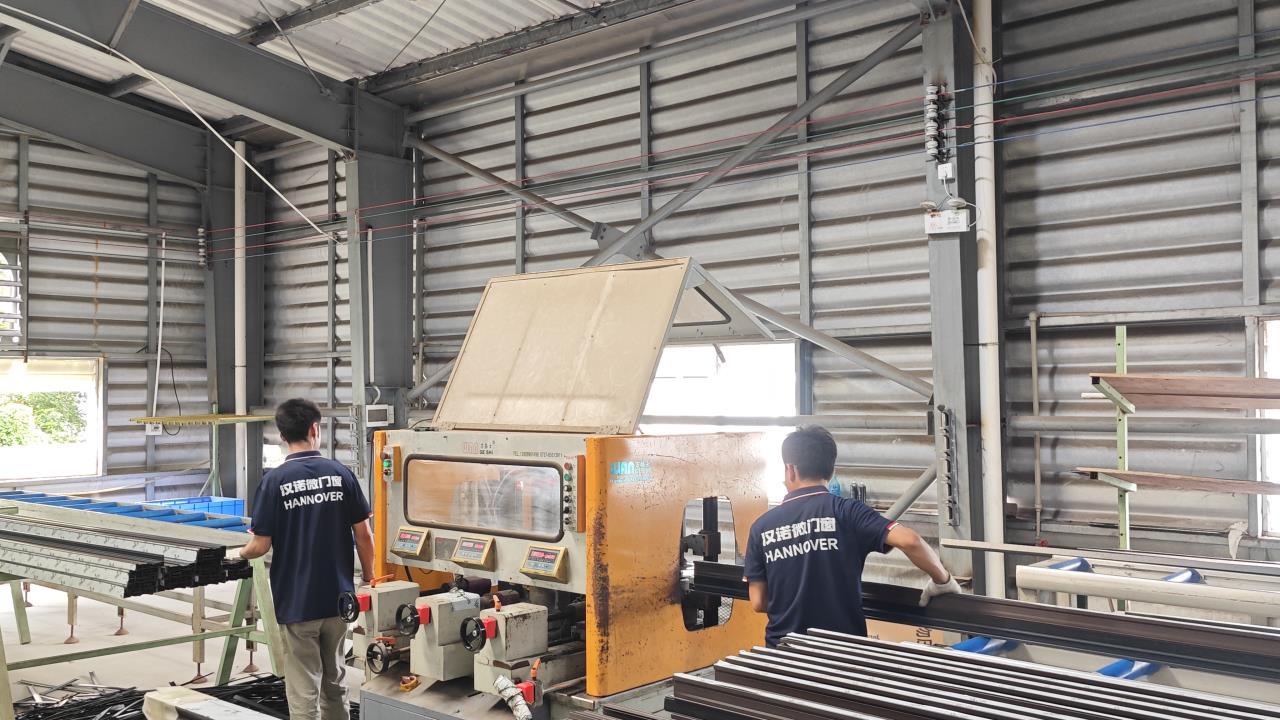
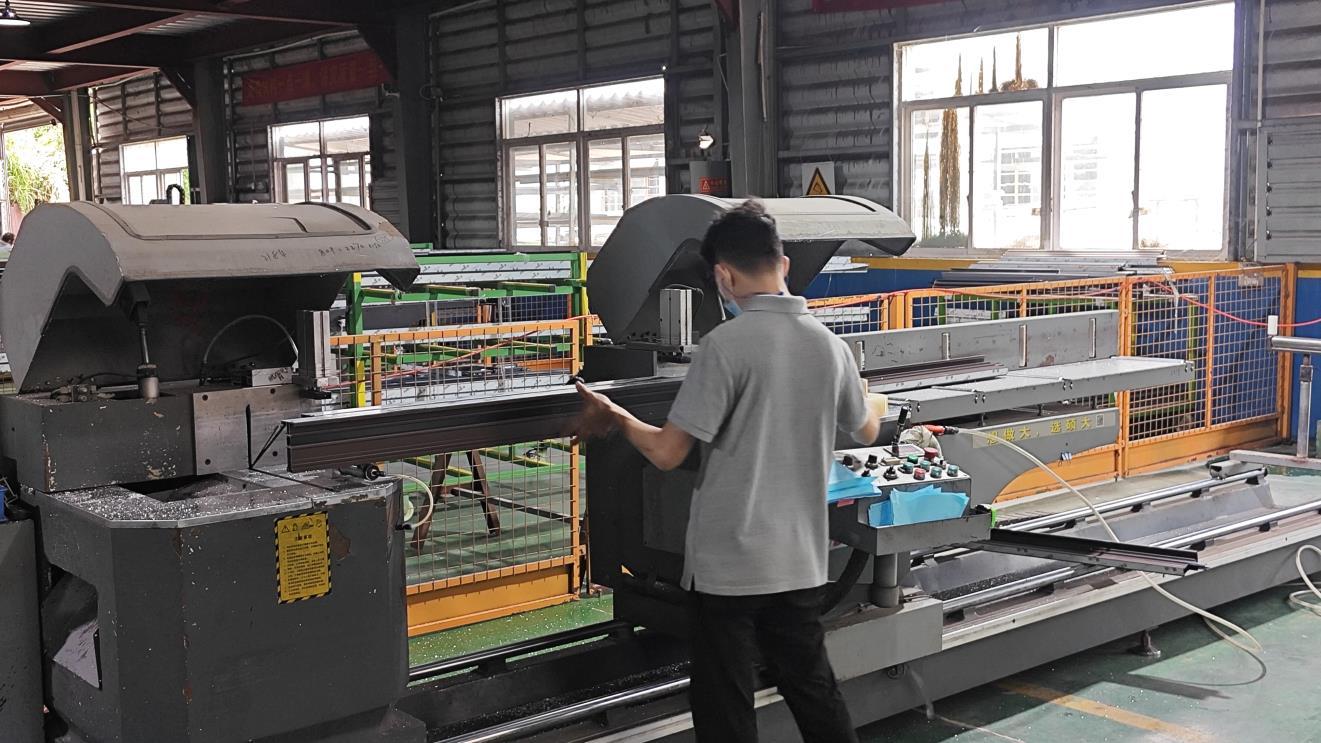
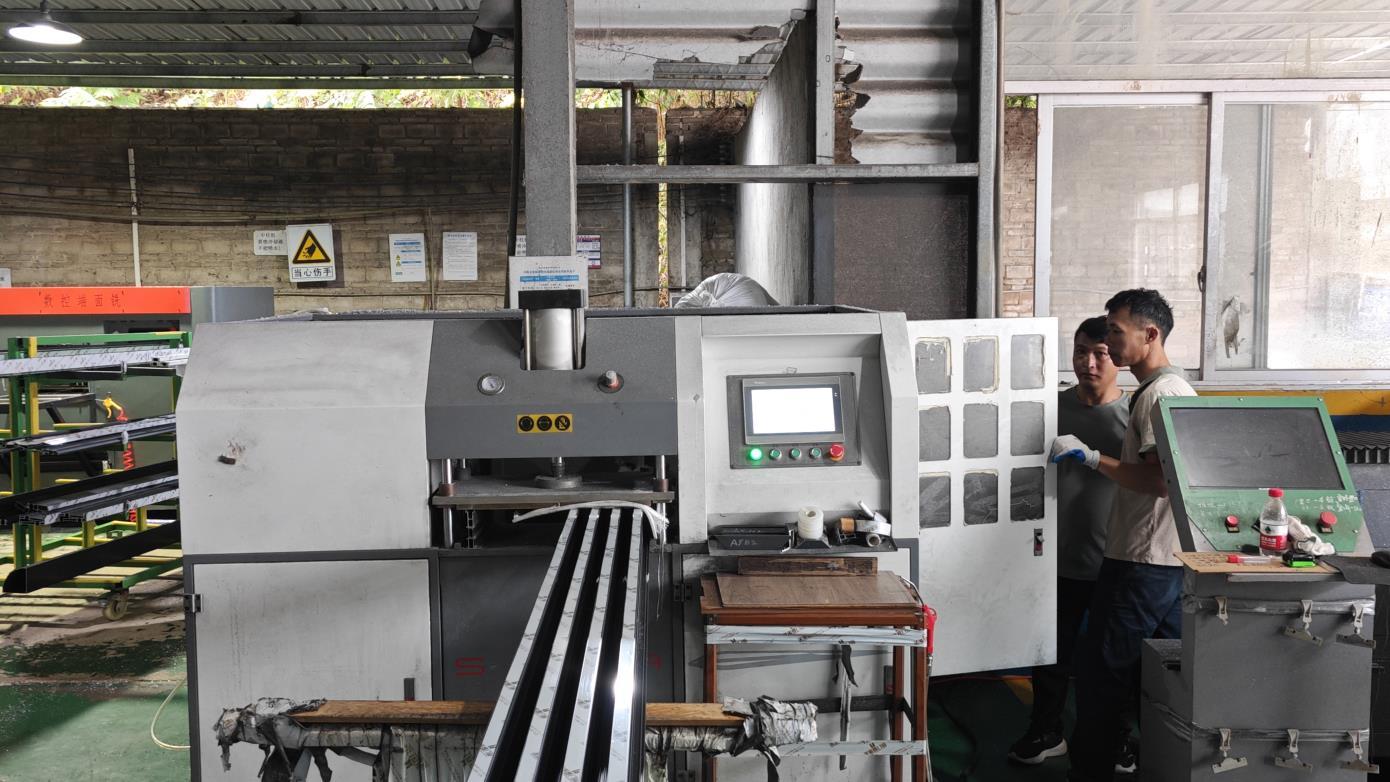
By deploying advanced finite element analysis (FEA) and structural wind-load simulations, Zenit bridges the gap between complex architectural design requirements and real-world structural integrity. Our manufacturing ecosystem integrates high-precision CNC machinery, fully automated polyamide thermal strip insertion, and multi-chambered structural sealing techniques to guarantee compliance with stringent international building codes.
Technical Roadmap: Thermal Performance & Material Science
Exploring the evolutionary matrix of high-strength 6063-T6 aluminum alloys, thermal breaks, and structural glass glazing technology.
Polyamide PA66-GF25 Thermal Barriers
Standard non-thermal aluminum frames suffer from high thermal conductivity (K-value around 200 W/mK). China's leading window manufacturers utilize Polyamide PA66-GF25 (25% Glass Fiber Reinforced) thermal break strips. This reduces profile U-factors down to 1.0 - 1.4 W/m²K, effectively stopping heat transfer and eliminating interior frame condensation in sub-zero and tropical environments alike.
Aerogel & Vacuum Insulated Glass (VIG)
The industry standard is shifting from dual-pane Argon-filled IGUs to Vacuum Insulated Glass (VIG) and silica aerogel cavity fills. VIG eliminates convective and conductive heat transfer between glass panes, achieving center-of-glass U-values as low as 0.6 W/m²K in ultra-slim profile configurations for passive house architecture.
Smart Motorization & IoT Integration
Modern facades integrate embedded linear actuators, hidden motorized hinges, and electrochromic dynamic glass. Compatible with KNX, Zigbee, and Control4 protocols, these systems automate natural ventilation based on interior CO2 concentrations, rainwater detection, and automated solar shading angle control.
Macro Industry Solutions & Building Envelope Strategies
Tailored fenestration engineering matrix formulated for diverse climatic challenges and structural demands worldwide.
1. High-Rise Commercial & Curtain Wall Systems
High-rise structures demand exceptional wind load resistance (DP rating up to 90 PST), severe water penetration resistance, and structural silicone glazing (SSG) stability. Modern Chinese manufacturing supplies unitized curtain walls and heavy-duty commercial casements utilizing extruded 6063-T6 aluminum alloys engineered for dynamic wind deflection.
- Pressure-equalized rainscreen design principles
- Multi-point steel gear driven locking mechanisms
- Acoustic STC rating up to 45 dB for urban high-density noise mitigation
2. Coastal Hurricane & Extreme Weather Zones
Coastal regions like Florida, the Caribbean, and Northern Australia experience catastrophic cyclonic events. Engineered windows utilize heavy-wall aluminum extrusions (2.0mm - 3.0mm thickness) integrated with SentryGlas (SGP) laminated glass interlayers, certified under ASTM E1886/E1996 and Florida NOA standard missile impact tests.
- SGP Interlayer laminated glass preventing storm breach
- Fluoropolymer PVDF resin coating resisting marine salt spray corrosion
- Double-sealed EPDM gasket loops ensuring complete waterproofing
3. Ultra-Low Energy Passive House Architecture
Achieving Passivhaus certification requires window assemblies to achieve an overall Uw value of less than 0.8 W/(m²K). Utilizing multi-cavity thermal break profiles insulated with warm-edge spacer technology, Chinese manufacturers produce certified passive windows suitable for Scandinavian, North American, and Alpine cold zones.
- Triple Low-E glass units filled with 90%+ Argon gas
- Technoform thermal break insulation technology
- Zero thermal bridging corner connector engineering
4. Luxury Residential Villa Panoramic Openings
Modern high-end residential designs demand ultra-slim sightlines, maximum natural light penetration, and floor-to-ceiling multi-panel sliding or bifold doors. Heavy-duty stainless steel concealed rollers allow leaf weights of up to 400kg to slide effortlessly while offering thermal insulation.
- Slim frame sightlines down to 21mm for uninterrupted views
- Flush sill threshold designs for seamless indoor-outdoor transitions
- Electric motorization with integrated smart sensors
Global Compliance & Regulatory Certifications
Navigating structural, thermal, and safety standards across major international construction jurisdictions.
Australian AS2047 & AS1288
Comprehensive compliance with AS2047 fenestration standards, covering deflection testing (AS4420.2), air infiltration (AS4420.4), water penetration resistance (AS4420.5), and ultimate strength (AS4420.6). Safety glass conforms to AS1288 building regulations.
North American NFRC & AAMA
Thermal rating verification under National Fenestration Rating Council (NFRC) guidelines for U-Factor, Solar Heat Gain Coefficient (SHGC), and Visible Transmittance (VT). Certified under AAMA/WDMA/CSA 101/I.S.2/A440 for structural loading.
Florida NOA Hurricane Impact
Notice of Acceptance (NOA) compliance for high-velocity hurricane zones (HVHZ). Systems pass large missile impact testing (TAS 201), cyclic wind pressure loading (TAS 203), and structural hydrostatic pressure tests (TAS 202).
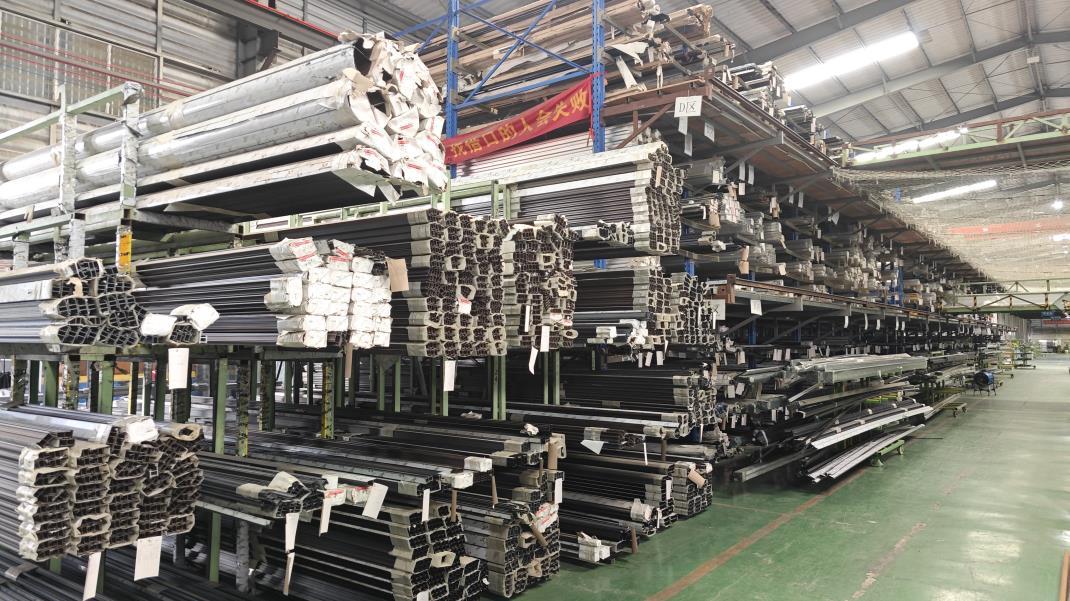
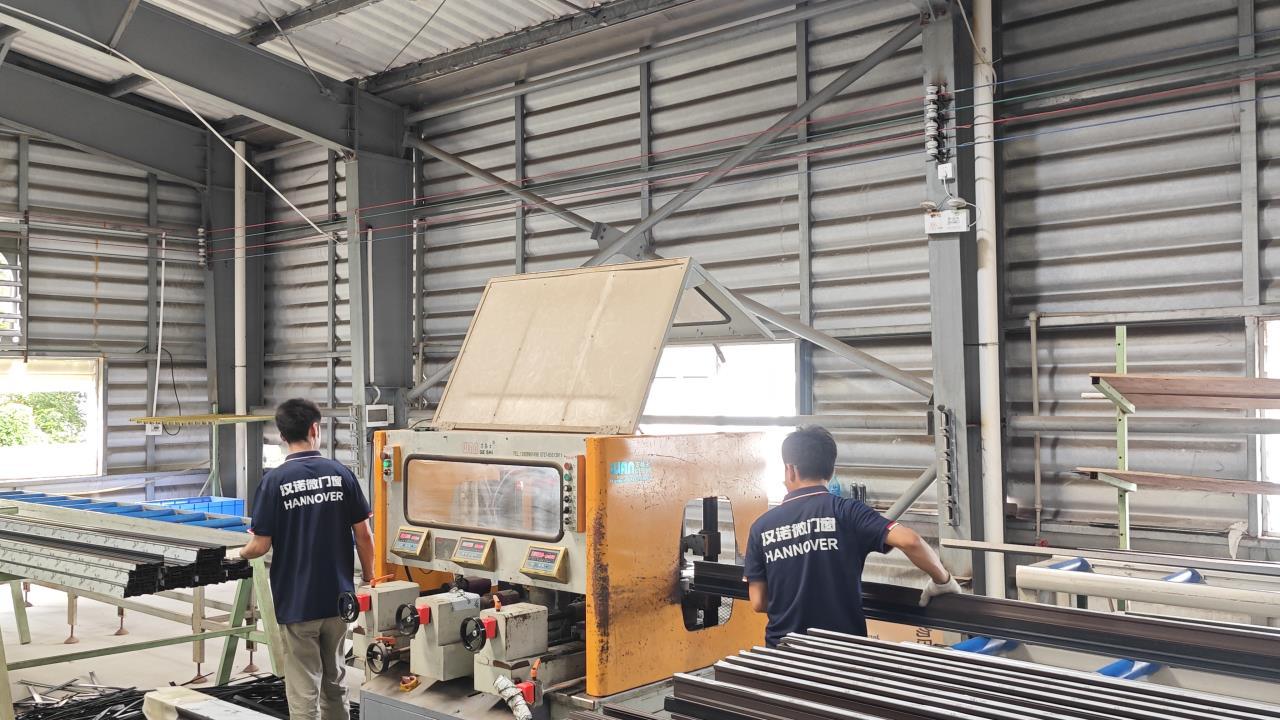
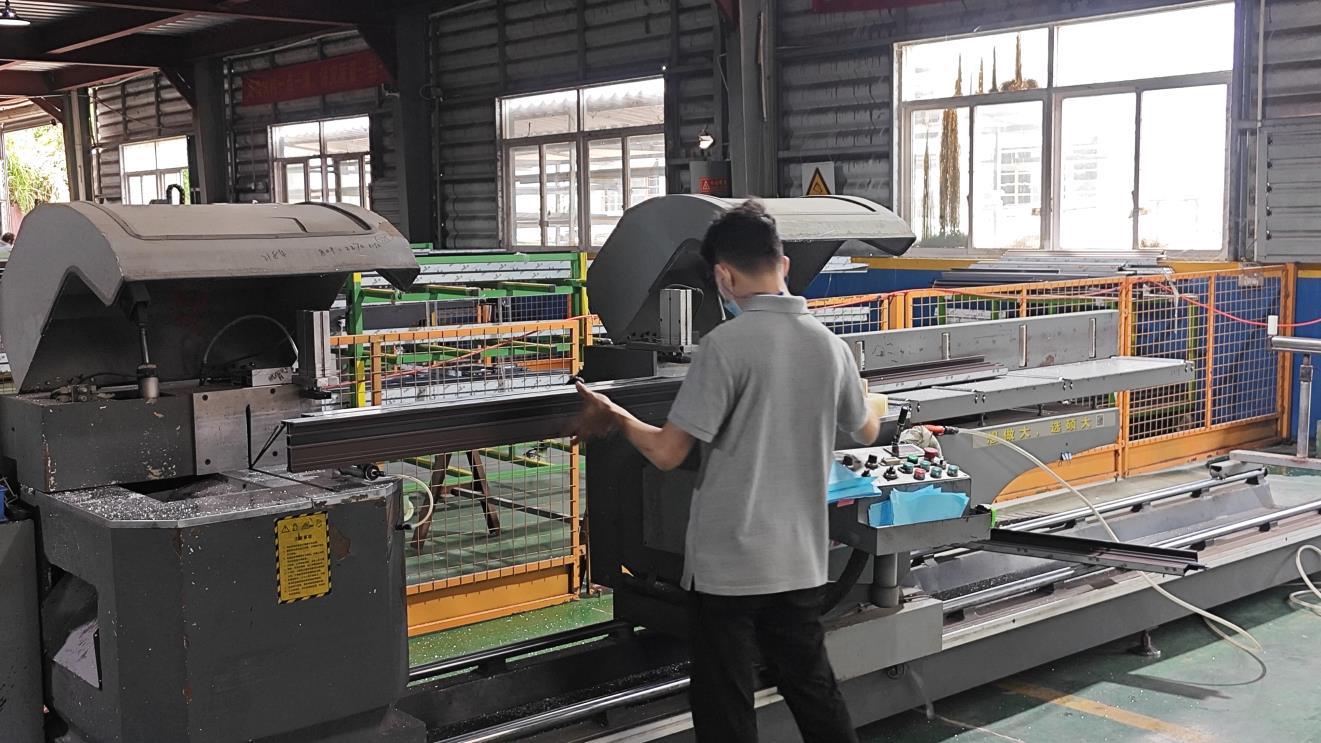
Manufacturing Execution & Quality Control Workflow
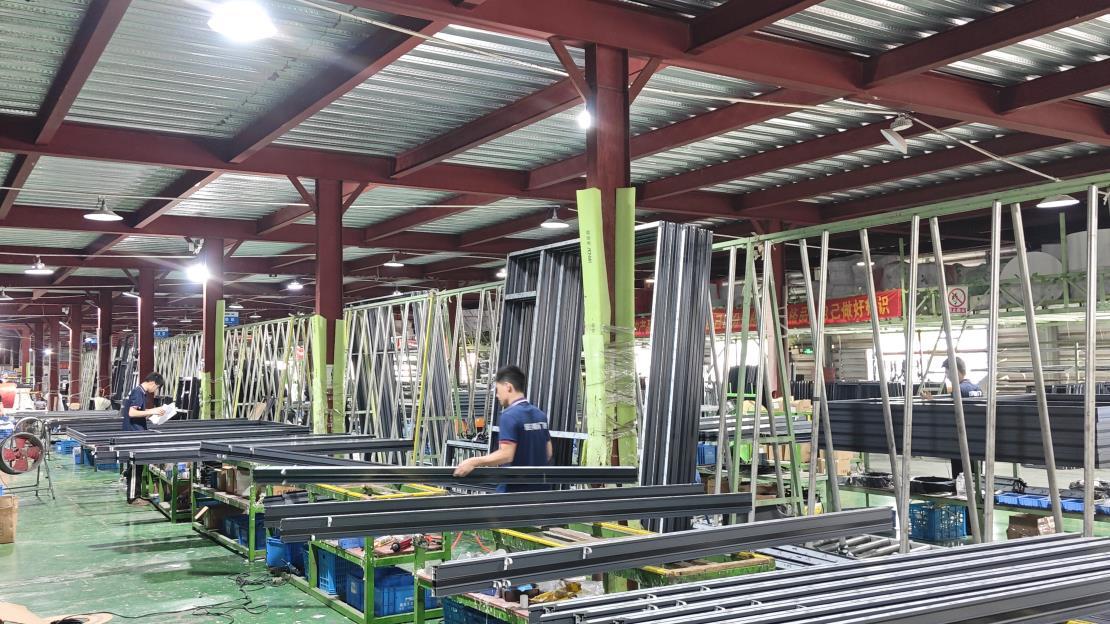
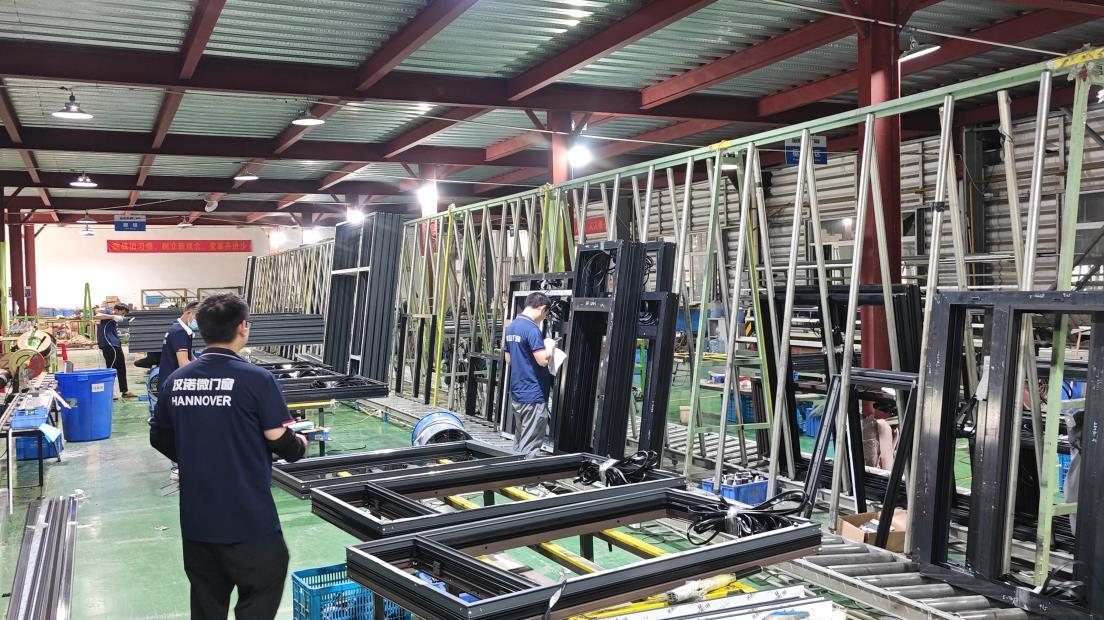
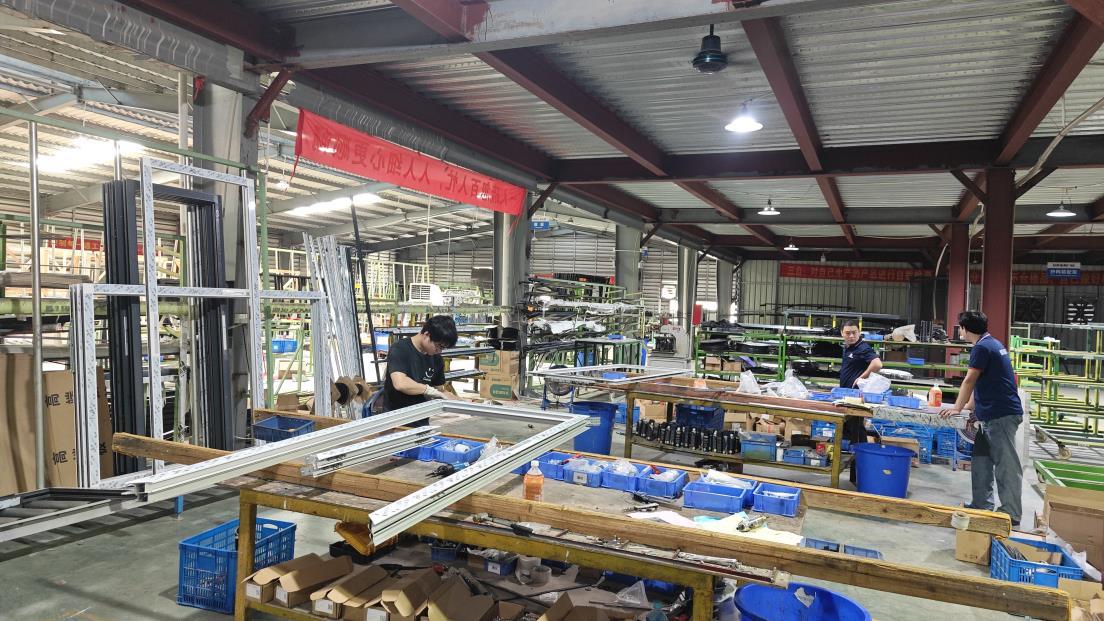
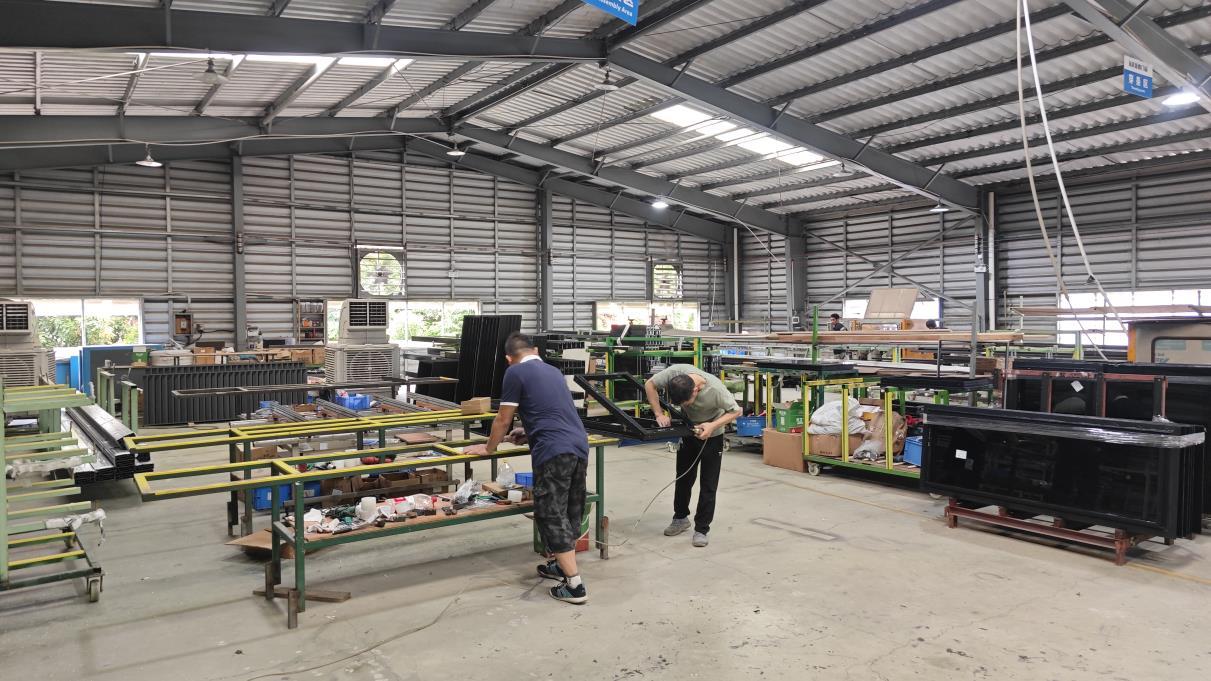
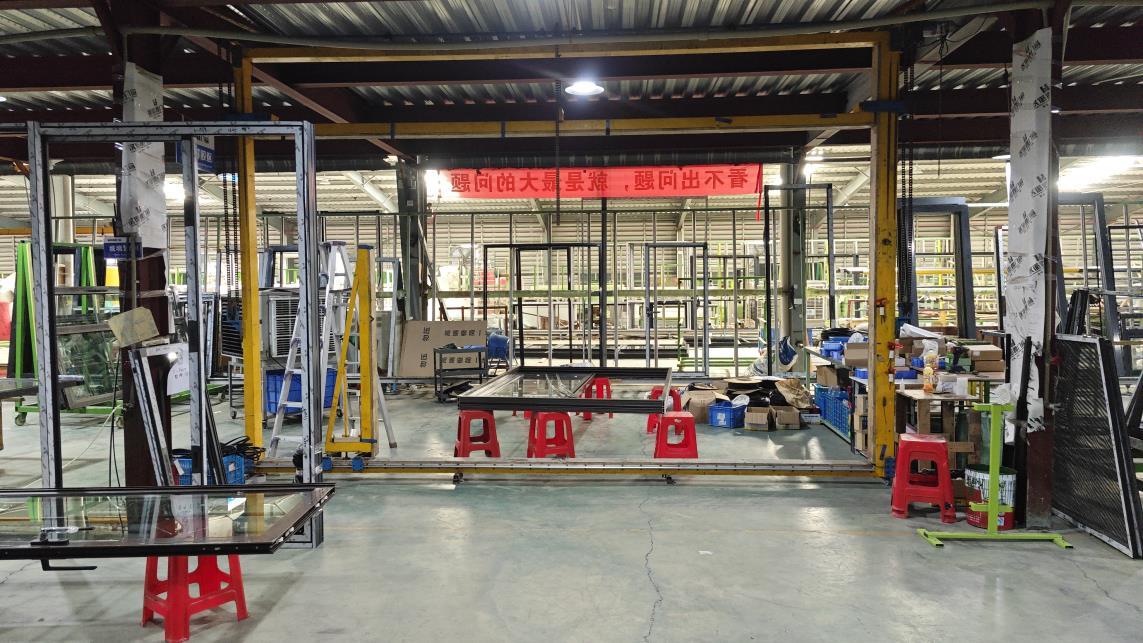
Inside Chengdu Zenit's 25,000m² facility: Precision machining, automated assembly, and strict multi-stage inspection.
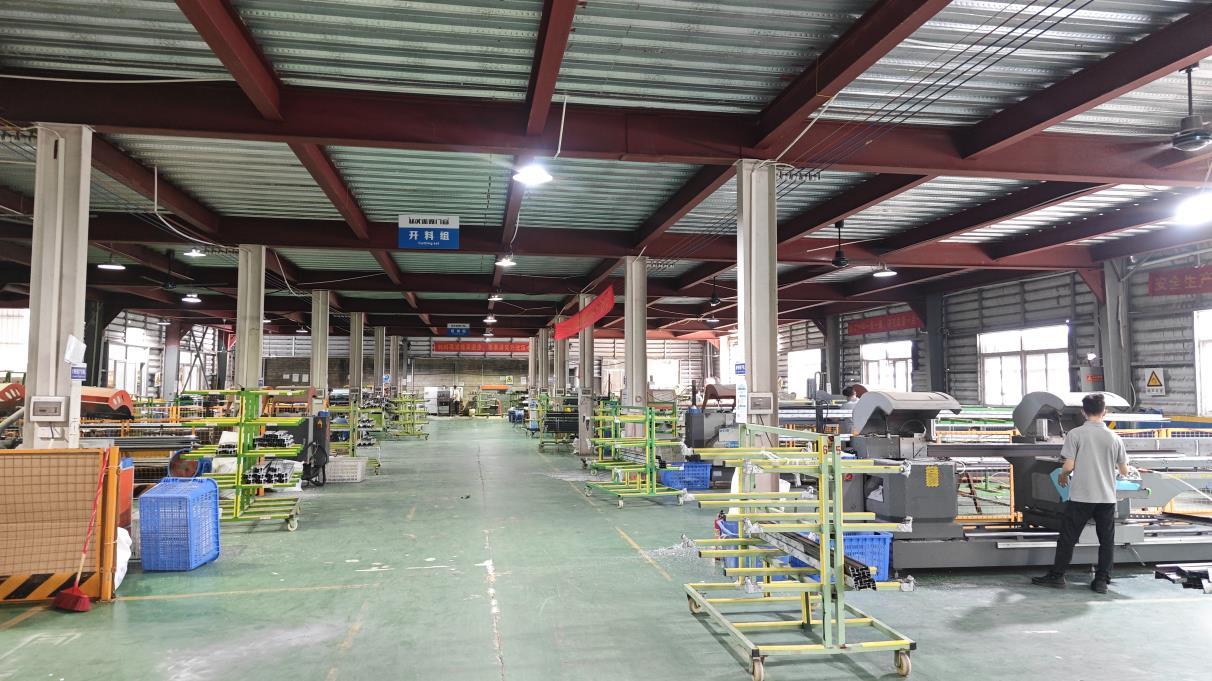
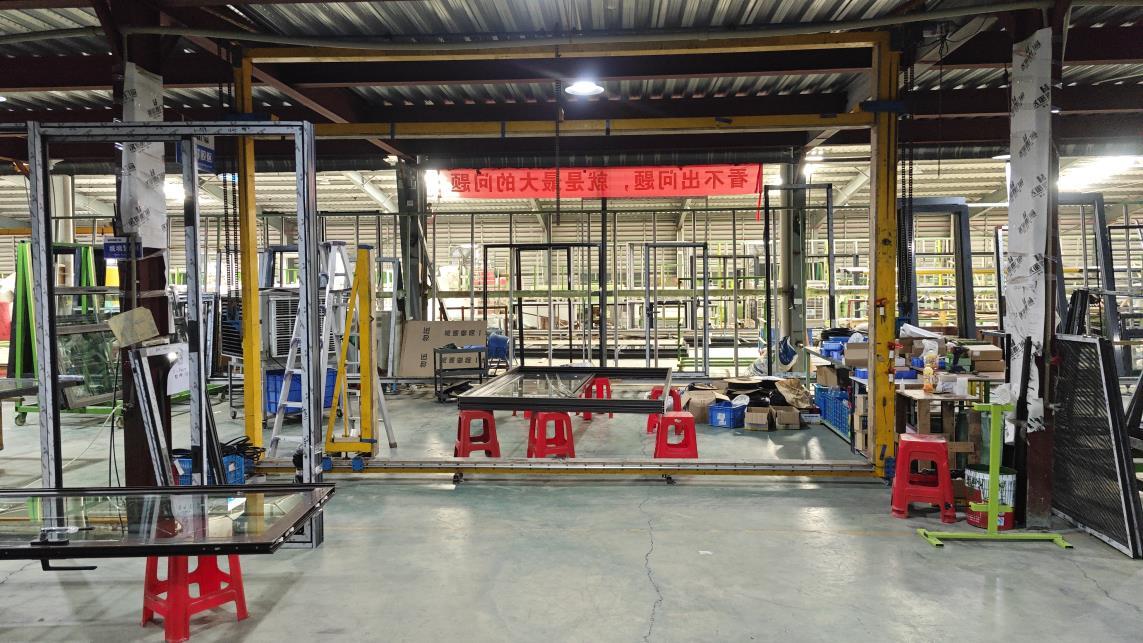
Supply Chain Optimization & Vertical Integration
China's dominant market position in architectural aluminum fabrication stems from complete industrial cluster integration. Zenit leverages an eco-system of over 600 certified supply chain partners—ranging from raw billet smelters producing primary 6063 aluminum ingots to specialized surface treatment facilities for fluorocarbon PVDF powder coating and anodizing.
Our 35-member quality assurance team conducts automated 3D coordinate measuring, laser profile scanning, frame corner joint crimping shear tests, and thermal cycle chamber exposure. By executing 100% pre-assembly debug testing on custom frames prior to crate packing, we guarantee seamless field installation for global construction sites.
Global Enterprise Sourcing & Cost-Value Matrix
A strategic framework for commercial developers and distributors sourcing aluminum fenestration from China.
1. Hardware Component Ecosystem
System operational lifespan relies heavily on hardware selection. Manufacturers provide original European multi-point hardware hardware options including Siegenia, Hoppe, Roto, and Sobinco, alongside premium domestic solutions like Kin Long and CMECH, guaranteeing up to 50,000 opening cycles.
2. Surface Finishing Engineering
Surface treatment determines long-term weathering resistance. Options include AkzoNobel powder coating, fluorocarbon (PVDF) 3-coat finishes for coastal environments, wood-grain thermal transfer technology, and anodizing (15-25 microns) to resist UV degradation and chemical erosion.
3. Export Logistics & Packaging
To eliminate ocean freight transit damage, products are packaged via a 5-layer protective system: surface protective film, corner guard protectors, waterproof plastic wrapping, shock-absorbing foam board, and fully enclosed IPPC-stamped fumigated plywood crates.
Frequently Asked Questions (Engineering & Procurement)
Addressing key technical inquiries regarding thermal performance, custom extrusions, freight safety, and certification compliance.
Q: What is the technical difference between standard aluminum and thermal break aluminum profiles?
Standard aluminum profiles consist of a continuous metallic section, which acts as a thermal bridge, conducting external temperatures directly indoors. Thermal break profiles feature a reinforced structural polyamide insulator (PA66-GF25) inserted between the inner and outer aluminum extrusions. This breaks the heat conduction path, dramatically lowering the overall frame U-factor, improving HVAC energy efficiency, and preventing interior moisture condensation.
Q: How do Chinese window manufacturers guarantee compliance with North American NFRC and Australian AS2047 standards?
Leading manufacturers utilize certified third-party testing laboratories (such as Intertek, NATA, and Azuma) to perform physical sample testing under strict standards. Profile designs are backed by finite element thermal simulation software (LBNL WINDOW / THERM) to verify U-factors, SHGC, and air/water infiltration rates before volume production begins. Official test certificates are provided for municipal building permit approvals.
Q: What glass configurations are recommended for optimal acoustic isolation in urban projects?
For superior sound attenuation (STC ratings of 40 dB and above), asymmetric double or triple glazing with laminated PVB/Acoustic interlayers is recommended (e.g., 6mm Low-E + 12mm Argon + 4mm Glass + 0.76mm PVB + 4mm Glass). The varying pane thicknesses disrupt sound wave resonance frequencies, effectively insulating against heavy urban traffic and aircraft noise.
Q: How are custom architectural window orders handled from initial CAD shop drawings to delivery?
The procurement process follows strict milestones: 1) Structural & aesthetic design alignment based on architectural blueprints; 2) Issuance of detailed 2D/3D CAD shop drawings detailing profile cross-sections, glass specs, and anchor locations; 3) Production of approved engineering samples; 4) CNC machining, assembly, and pre-shipment quality debugging; 5) Crating, containerized loading, and ocean freight logistics with comprehensive documentation (CO, Form E, Packing List, BL).
Q: What surface finish coating is ideal for harsh coastal or high-UV environments?
For coastal environments (within 5 miles of salt water), a 70% Fluorocarbon (PVDF) coating conforming to AAMA 2605 specifications or Class 2 anodized finishes (minimum 25-micron thickness) is strongly recommended. PVDF coatings utilize resin technology that resists chalking, fading, cracking, and salt-spray corrosion for over 20 years.
Q: Can smart motorized blinds and automated actuators be integrated directly into thermal window profiles?
Yes. Integrated motorized louvers can be sealed inside the double-glazed insulated unit (Integrated Blind IGU), protecting them from dust and physical damage while operating via remote control, smartphone apps, or central smart home automation hubs. Additionally, chain-driven linear actuators can be concealed within profile frames for automated clerestory window ventilation.
Complete Architectural System Portfolio
Explore our broader range of custom folding partitions, high-impact bifold doors, and specialized window systems.
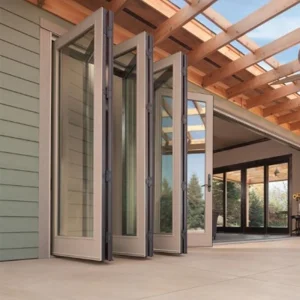
OUNA Transparent Folding Door Bi-Fold Sliding Door Invisible Windproof Partition for Bathroom Air Conditioner Insulation
View System Details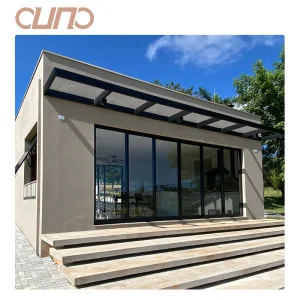
OUNA NFRC Exterior Hurricane Proof Bi Folding Door Accordion Folding Glass Door Thermal Insulation Aluminum Patio Bifold Doors
View System Details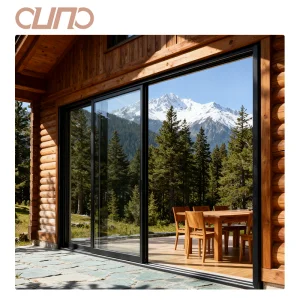
OUNA Best Selling Soundproof Energy Saving Double Layered Tempered Glass Thermal Break Aluminum Lift Sliding Living Room Door
View System Details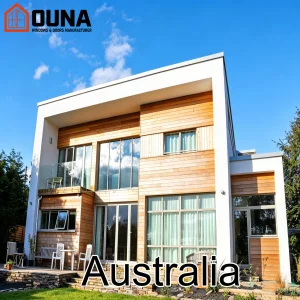
OUNA Usa Project Villa As2047 Certified Aluminum Window&Doors Tempered Glass Heat Insulation Hurricane Impact Proof Other Window
View System Details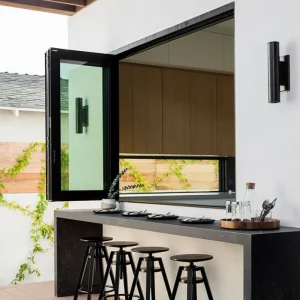
OUNA Customized Local Style Aluminum Folding Window for Regional Markets Powder Coated Frame and Stainless Steel Hardware
View System Details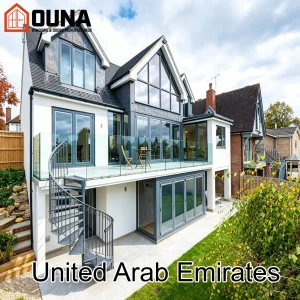
OUNA Project Engineering Double Tempered Glass Aluminum Window Heat Insulation Other Fixed Windows Picture Panoramic Window
View System Details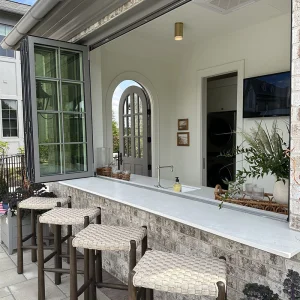
OUNA Home Office Reading Nook Aluminum Folding Window Floods Space with Natural Light and Offers Easy Access to Fresh Air
View System Details