 Zenit Window
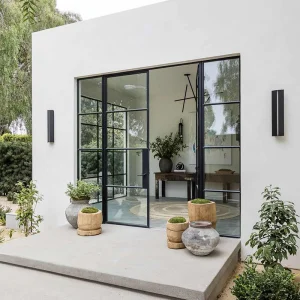
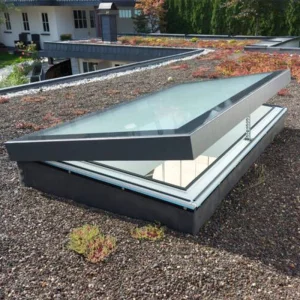
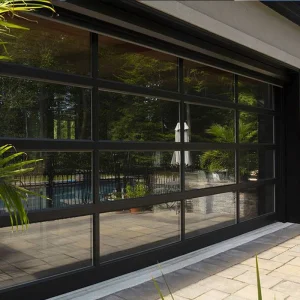
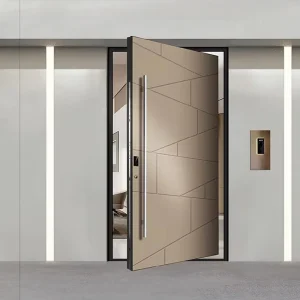
Featured Architectural Aluminum Window & Door Systems
Certified double-glazed thermal break windows, structural curtain louvers, and weather-sealed sliding systems built for international energy codes.
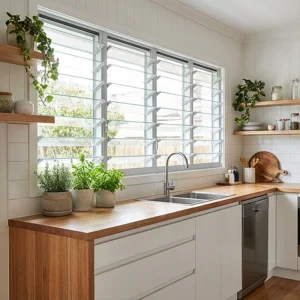
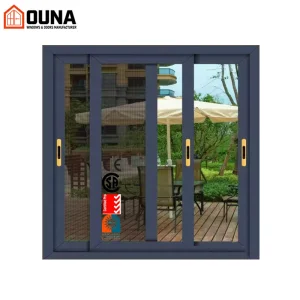
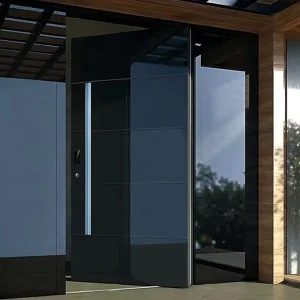
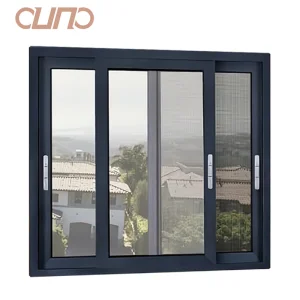
The Evolution of Global Architectural Fenestration (2025–2030)
Macroeconomic decarbonization, stringent international energy standards, and smart building integration are fundamentally restructuring global supply chains for aluminum double glazed windows.
Decarbonization & Energy Code Imperatives
The global building envelope market is experiencing an unprecedented structural pivot. With commercial and residential structures accounting for nearly 40% of global greenhouse gas emissions, international regulatory frameworks—such as the European EPBD (Energy Performance of Buildings Directive), North America's IECC / ASHRAE 90.1 energy codes, and Australia's NCC Section J standards—have made high-efficiency insulated glazing units (IGUs) mandatory for code compliance.
Uninsulated aluminum profiles are rapidly being phased out worldwide. Modern engineering dictates the adoption of precision-extruded aluminum alloys (typically 6063-T5 or 6063-T6) integrated with PA66GF25 polyamide thermal barrier strips. These polyamide breaks effectively sever the conductive heat path through the metallic frame, dropping total assembly thermal transmittance ($U$-factor) from structural baseline values of $> 5.0\text{ W/m}^2\text{K}$ down to under $1.4\text{ W/m}^2\text{K}$ in high-performance double-glazed configurations.
Glazing Technology & Solar Heat Gain Control
The glass unit accounts for up to 85% of total window surface area. Consequently, modern aluminum double-glazed windows combine dual panes of 5mm to 10mm fully tempered safety glass, separated by warm-edge composite spacers (such as Technoform or Swisspacer) and filled with 90%+ pure inert Argon or Krypton gas.
Advanced multi-layer silver sputter coatings (Soft-coat Low-Emissivity glass) reflect long-wave infrared thermal radiation back toward its source. In hot climates, Low-E formulations lower the Solar Heat Gain Coefficient (SHGC) to under $0.25$, blocking destructive solar heat while admitting high levels of Visible Light Transmittance (VLT). In cold climates, high-SHGC Low-E glass captures free passive solar heat, creating balanced year-round HVAC energy savings.
Key Technical Evaluation Metrics for Commercial B2B Buyers
Structural engineering parameters, lab certification credentials, and material testing benchmarks required for large-scale architectural procurement.
Structural & Wind Load Performance
High-rise commercial and coastal residential applications require robust frame geometry. Windows must withstand extreme design wind pressure under ASTM E330 testing up to 5,000 Pa without structural deflection exceeding L/175.
- 6063-T6 Tensile Yield Strength $\ge 170 \text{ MPa}$
- Multi-Point Hardware Locking Mechanisms
- Hurricane Impact Laminate Glazing Options
Air Sealing & Water Tightness
Water infiltration causes costly interior building envelope damage. Top suppliers employ continuous EPDM double or triple weatherstripping gaskets and pressure-equalized drainage tracks.
- Water Resistance Testing per ASTM E331 ($\ge 700 \text{ Pa}$)
- Air Permeability Compliance per ASTM E283
- Fully Vulcanized EPDM Gaskets & Corner Inject Jointing
Global Testing Certifications
To pass regional customs inspections and municipal building sign-offs, manufacturers must provide third-party laboratory test reports from accredited certification bodies.
- North America: NFRC Certified Thermal Ratings
- Australia: AS2047 & AS1288 Standard Compliance
- Europe: CE Marking (EN 14351-1) & ISO 9001:2015
Top 10 Aluminum Double Glazed Windows Suppliers & Exporters
Detailed technical analysis of the global leaders driving innovations in structural aluminum engineering, export logistics, and thermal efficiency.
| Manufacturer Name | Headquarters | Primary Export Markets | Core System Specialization | Key Certifications |
|---|---|---|---|---|
| Chengdu Zenit Window & Door Co., Ltd. | China (Chengdu) | North America, Australia, Western Europe | Custom Thermal Break Glazing, Modern Entry Systems, Hurricane Sliding Doors | NFRC, CE, ISO9001, AS2047 |
| Schüco International KG | Germany | Global (160+ Countries) | Ultra-Low U-Value Systems, Passive House Fenestration, Smart Building Automation | CE, DIN, ISO14001, Passive House |
| Reynaers Aluminium | Belgium | Europe, Middle East, Americas | Architectural Slimline Profiles, Lift & Slide Patio Doors, Solar Integration | CE, Qualicoat, ISO9001 |
| YKK AP Inc. | Japan / USA | North America, Asia-Pacific | Commercial Curtain Walls, Blast Mitigation Windows, Residential Fenestration | AAMA, NFRC, ISO9001 |
| Kawneer (Arconic Architectural) | United States | North America, Europe | Commercial Storefronts, Structural Glazed Ribbons, Heavy-Duty Doors | AAMA, NFRC, LEED Platinum Compliant |
| Wicona (Hydro Group) | Germany / Norway | Europe, Latin America | Recycled Hydro CIRCAL Aluminum Profiles, Energy-Neutral Façades | Cradle-to-Cradle Gold, CE |
| Andersen Corporation | United States | North America | Fibrex & Aluminum Clad Double Glazed Windows, Architectural Series | NFRC, Energy Star Most Efficient |
| Marvin Windows & Doors | United States | North America, Caribbean | Extruded Aluminum Exterior Cladding, Custom Architectural Casements | NFRC, AAMA Certified |
| JELD-WEN Holding, Inc. | United States | Global | Mass Market Residential Double Glazing, Composite & Aluminum Systems | NFRC, CE Mark |
| Technal (Hydro Systems) | France | Europe, Middle East, Africa | Modular Sliding Glazing Systems, Acoustic Isolation Windows | CE, ISO 14001, Qualanod |
Market Profile Analysis: Key Global Players
1. Chengdu Zenit Window & Door Co., Ltd.
Operating a state-of-the-art 25,000-square-meter manufacturing facility, Chengdu Zenit stands out as a high-growth tier-1 Chinese exporter. Combining 11 years of structural window engineering expertise with 8 years of direct international trade experience, Zenit generates an annual export turnover of $26 million. Their structural engineering team focuses heavily on North American NFRC standards and Australian AS2047 compliance, delivering ultra-durable thermal break sliding doors, French doors, and hurricane-rated casements at direct-from-factory competitive price points.
2. Schüco International & European Tech Leaders
German engineered brands like Schüco and Belgian firm Reynaers lead the high-end architectural spectrum. Renowned for pushing the boundaries of thermal performance, their systems achieve Passive House standard insulation levels ($U_w \le 0.8\text{ W/m}^2\text{K}$). Their systems feature concealed hardware, motorized lift-and-slide dynamics, and integrated smart home sensors, catering to ultra-luxury architectural projects.
Industry 4.0: Supply Chain Resilience & Precision Manufacturing
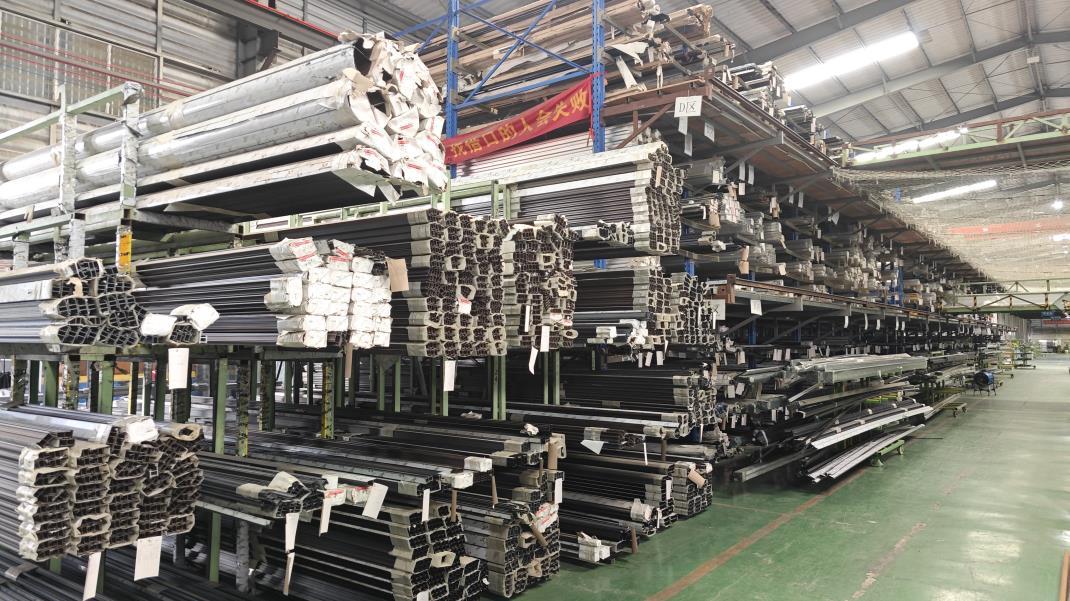
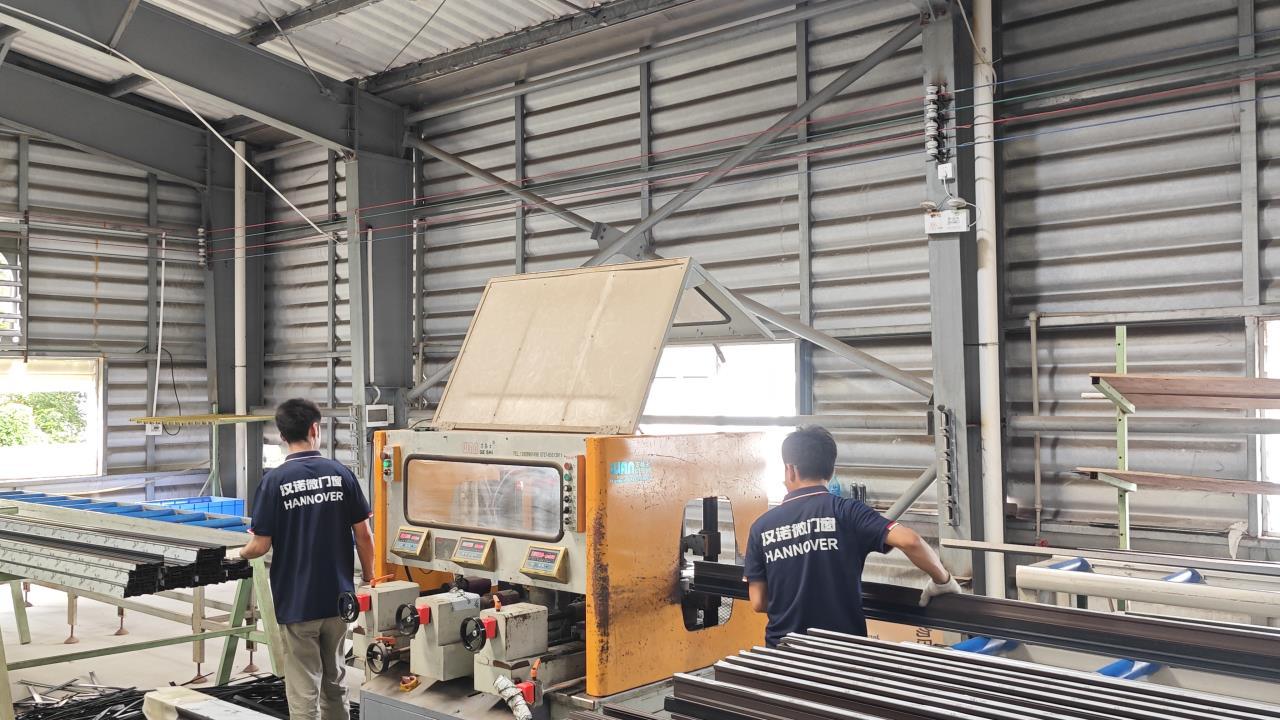
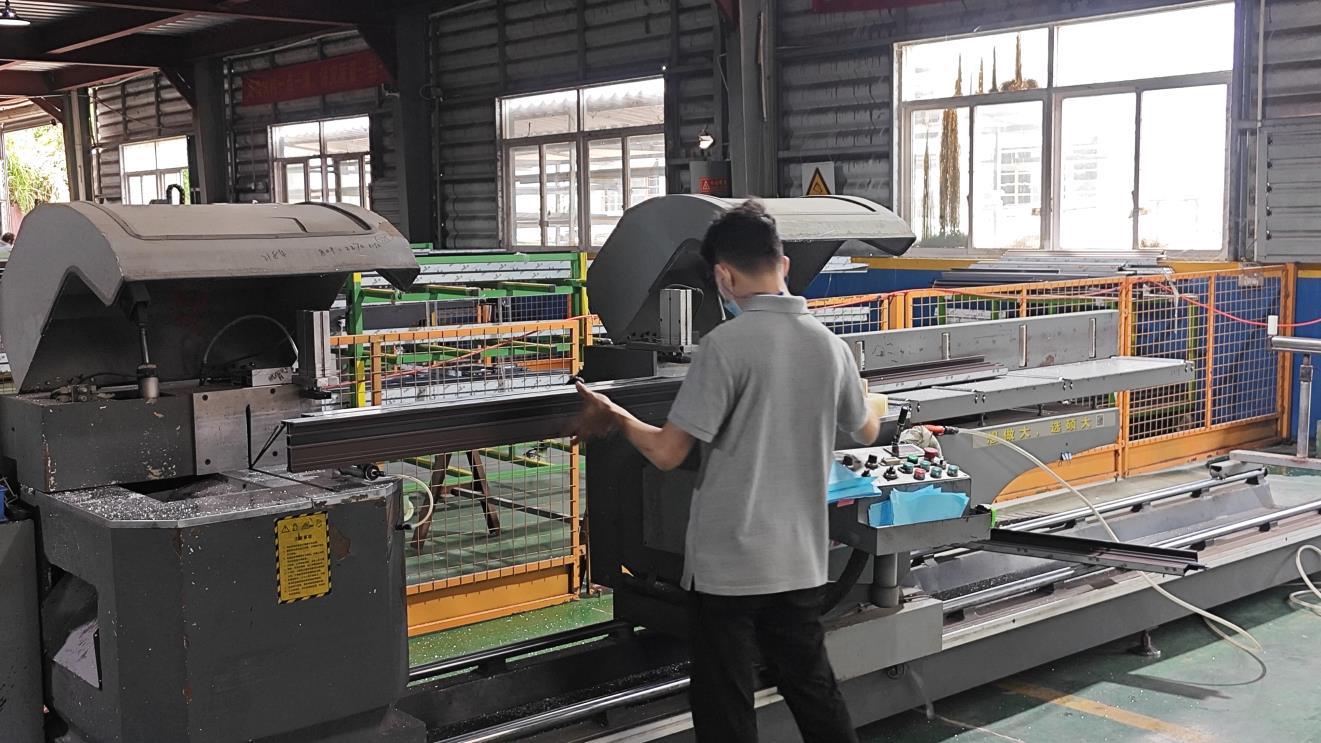
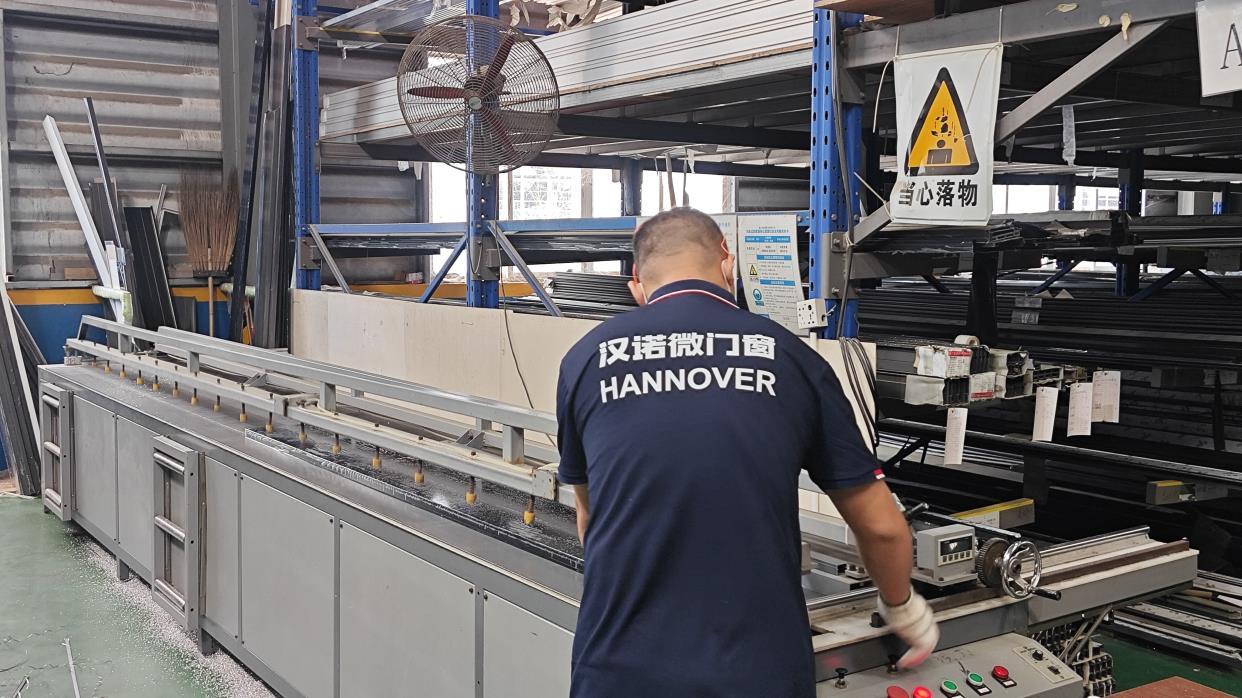
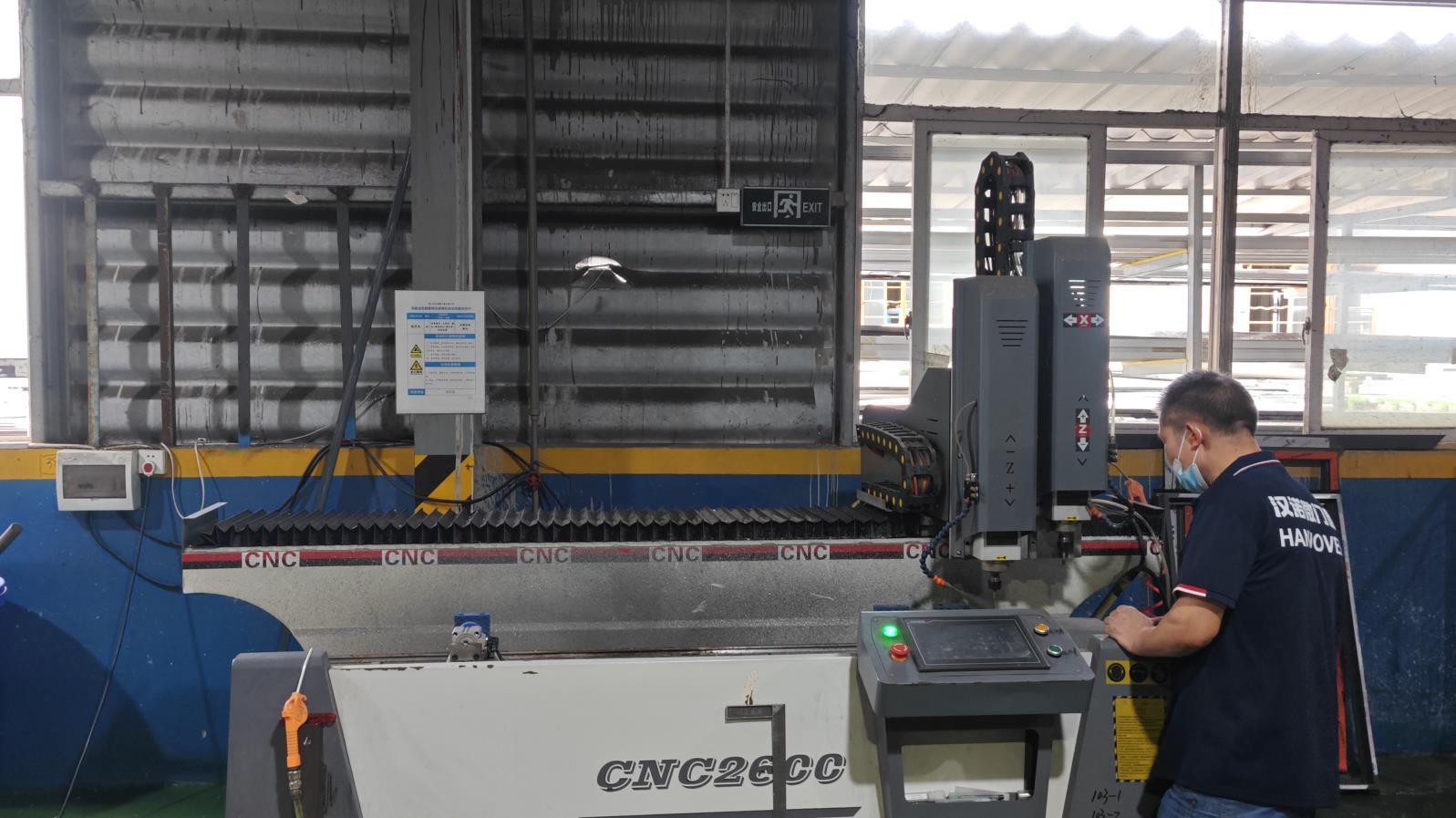
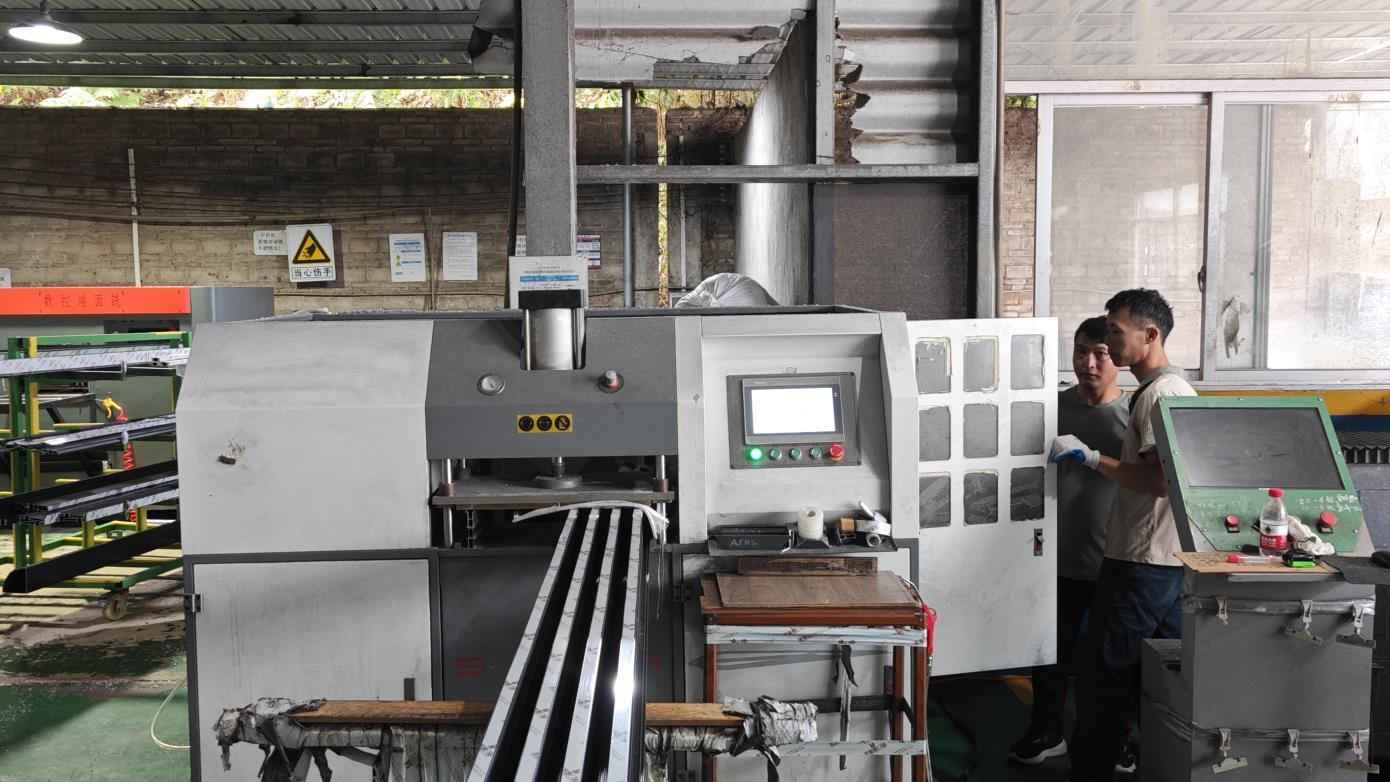
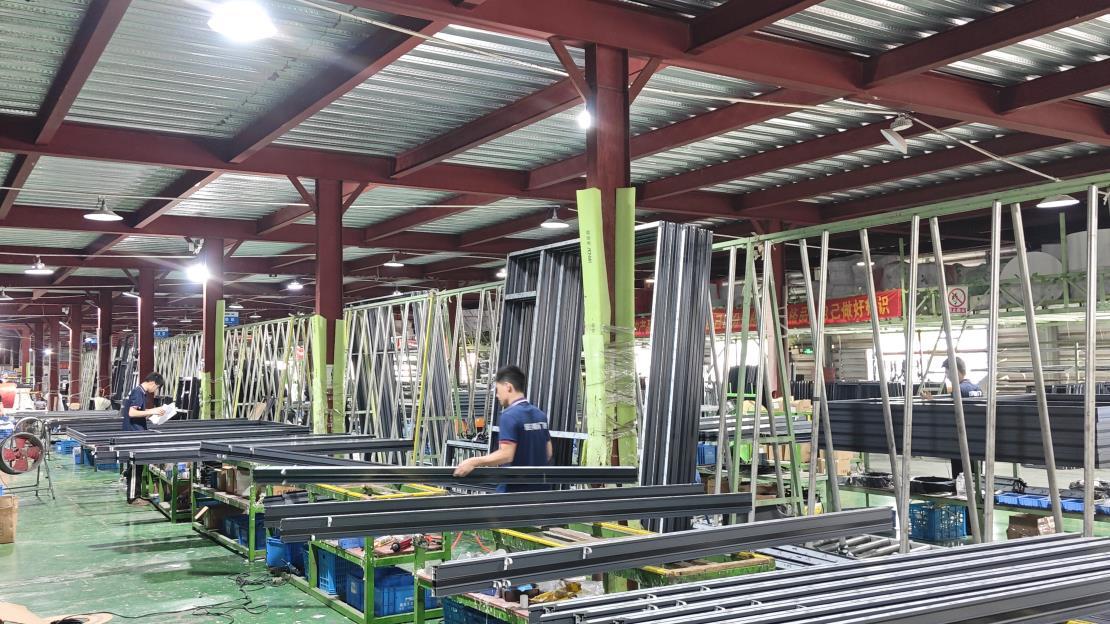
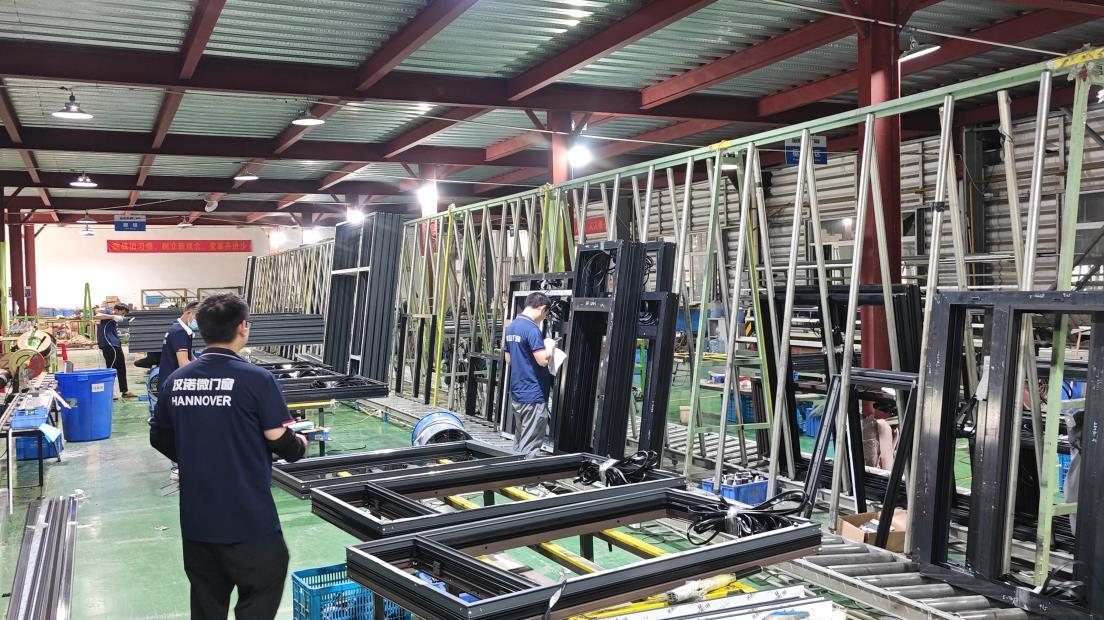
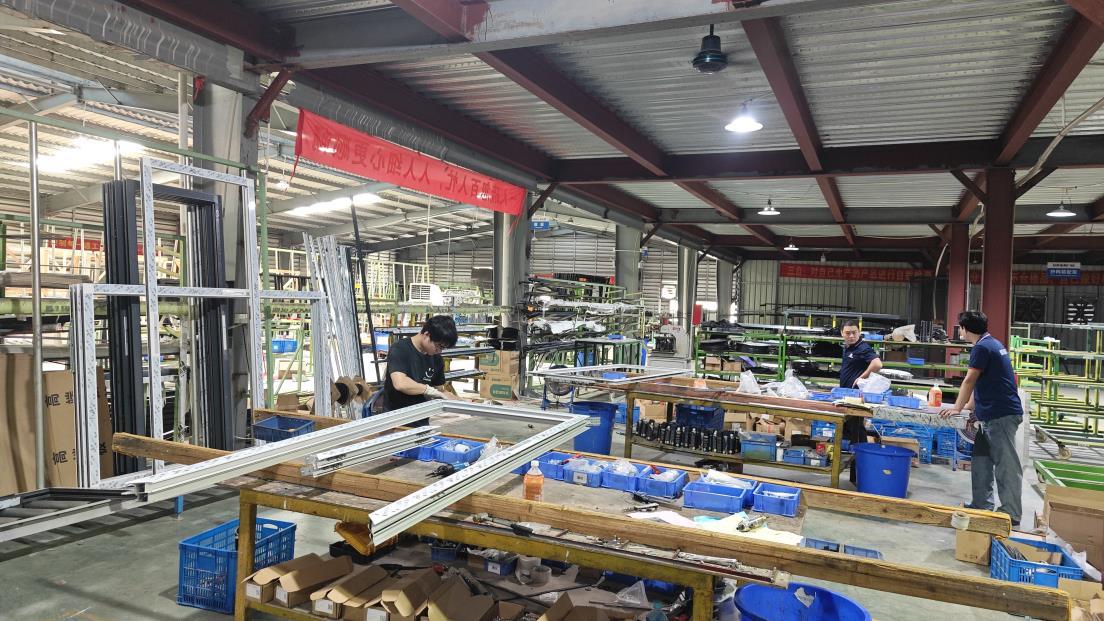
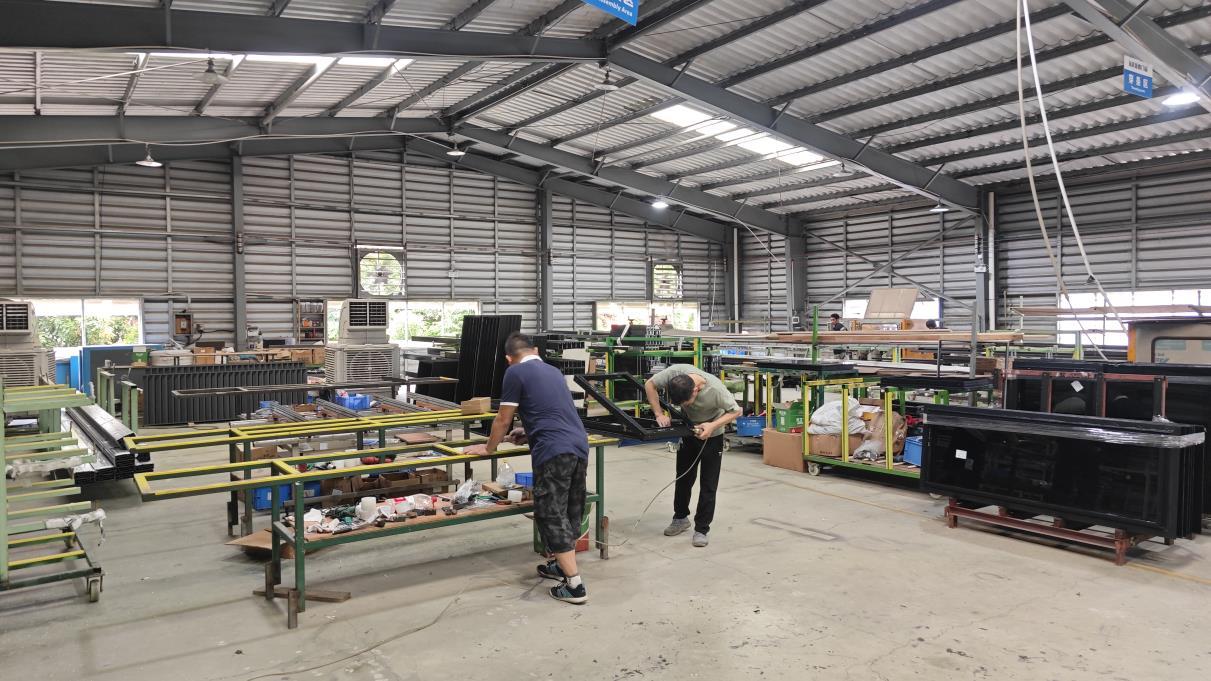
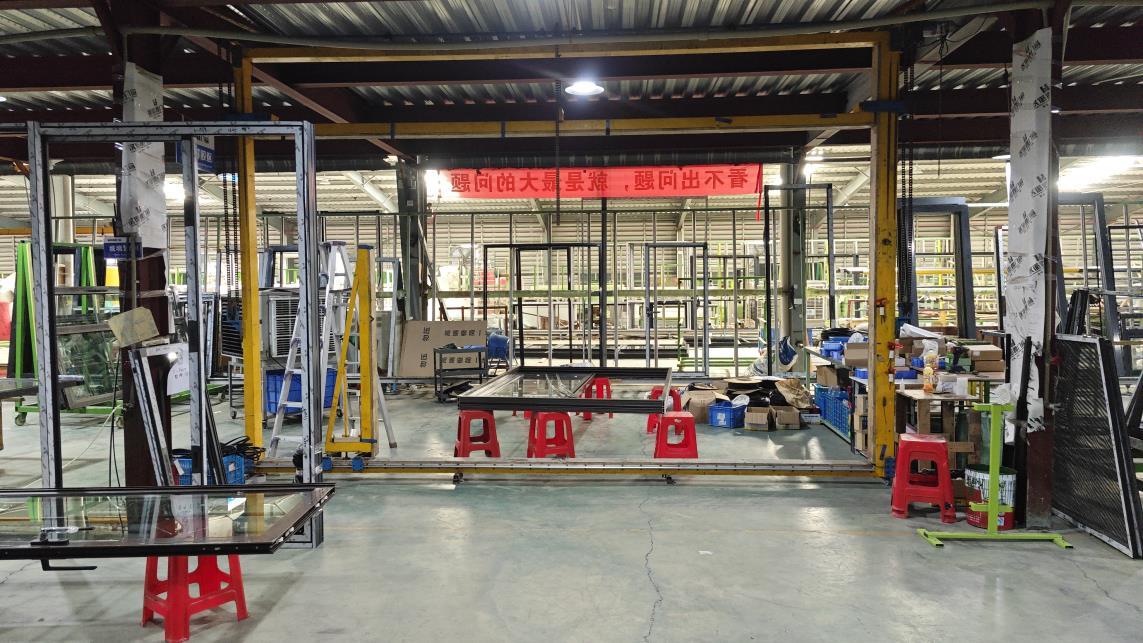
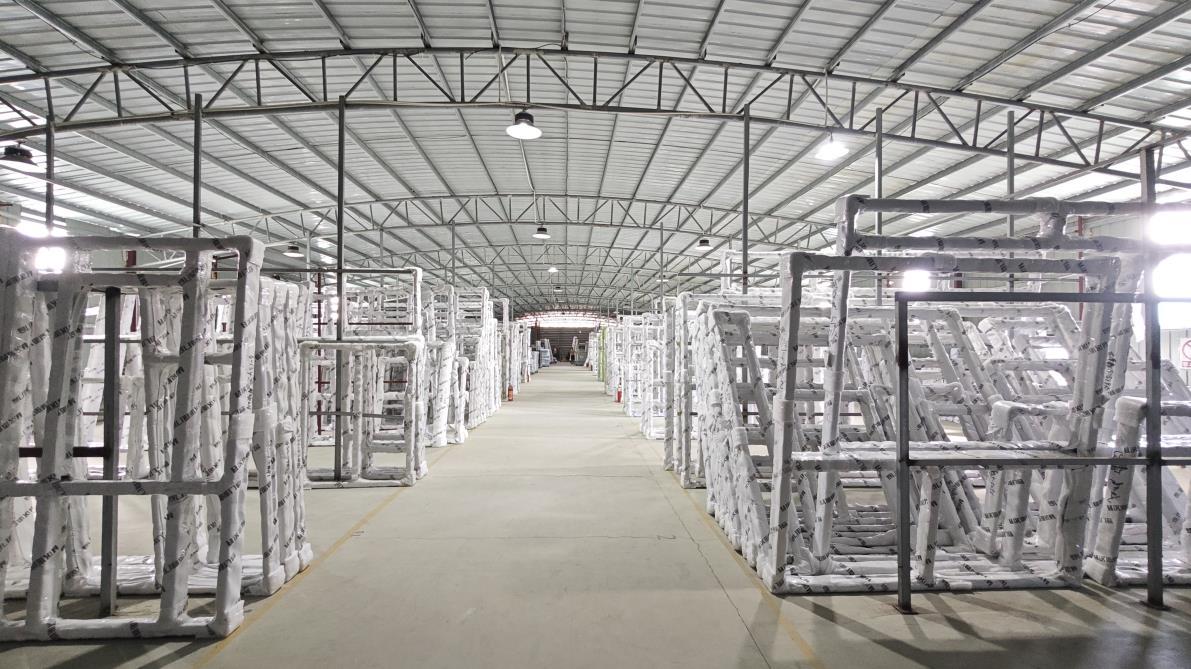
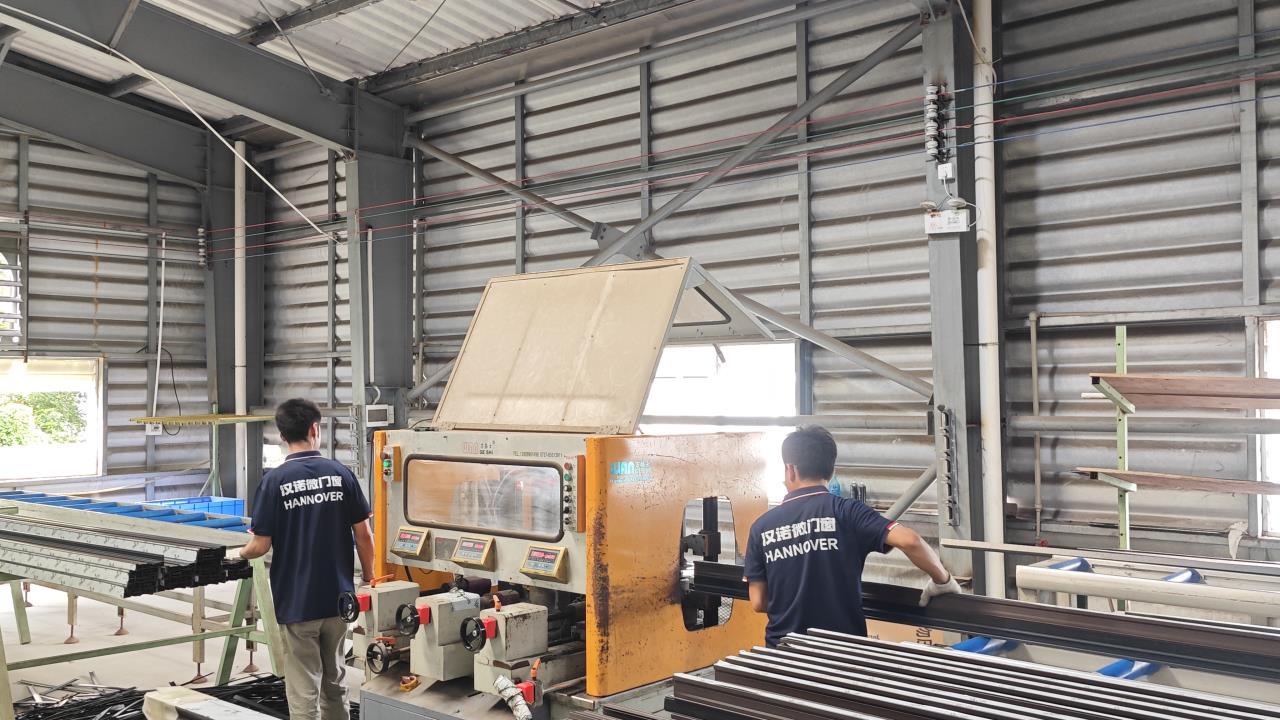
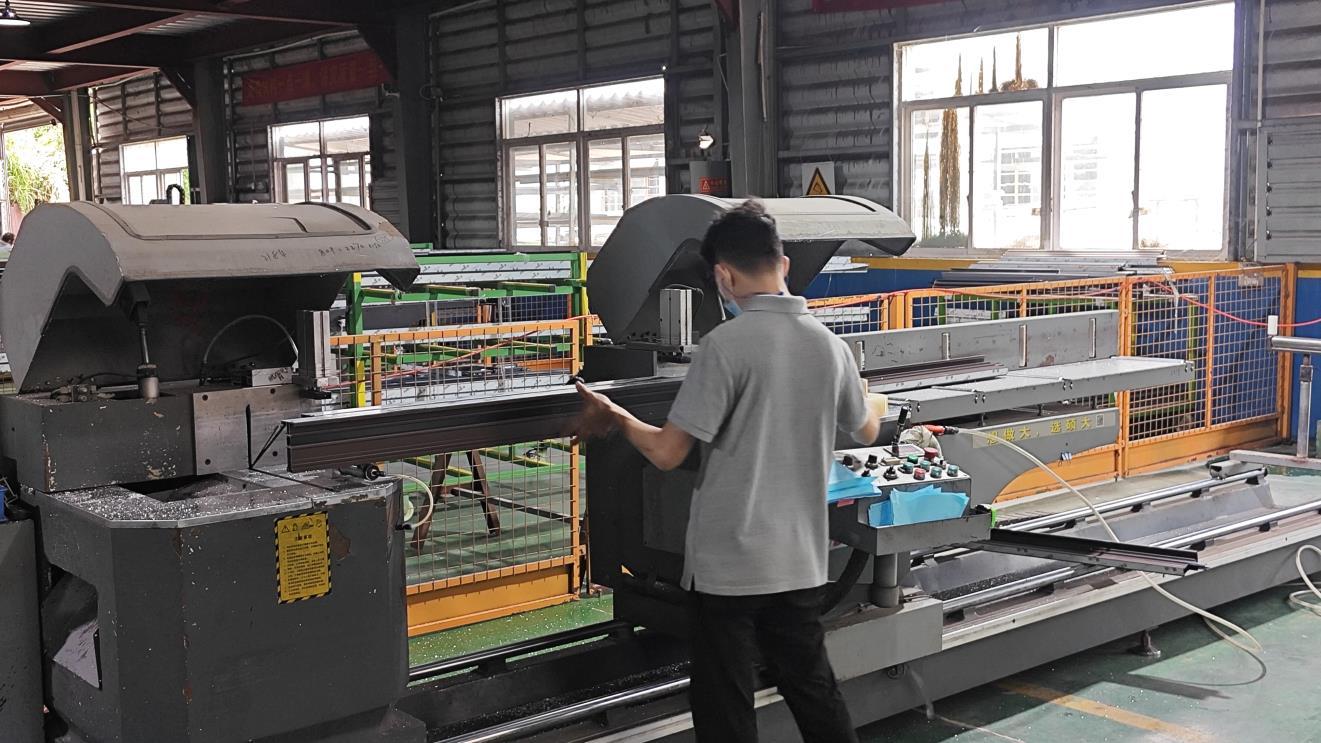
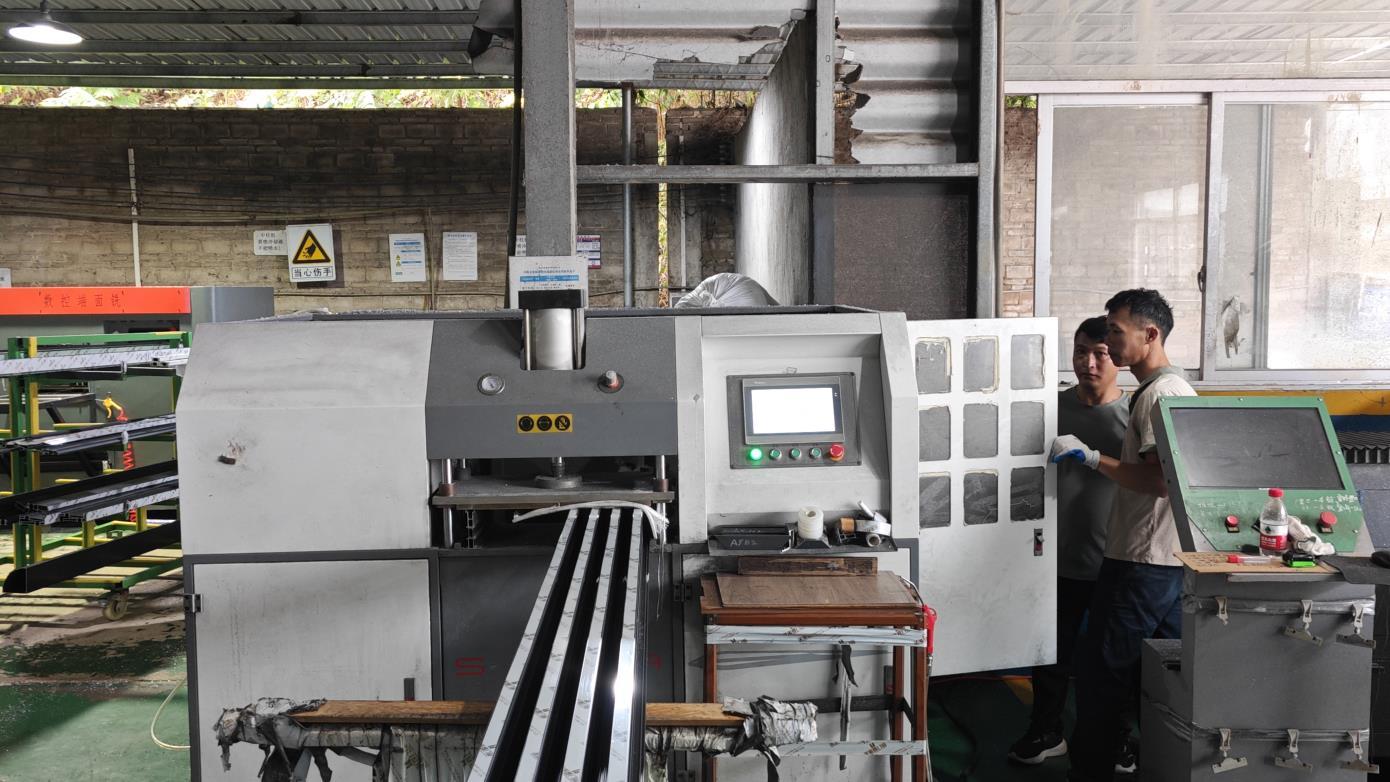
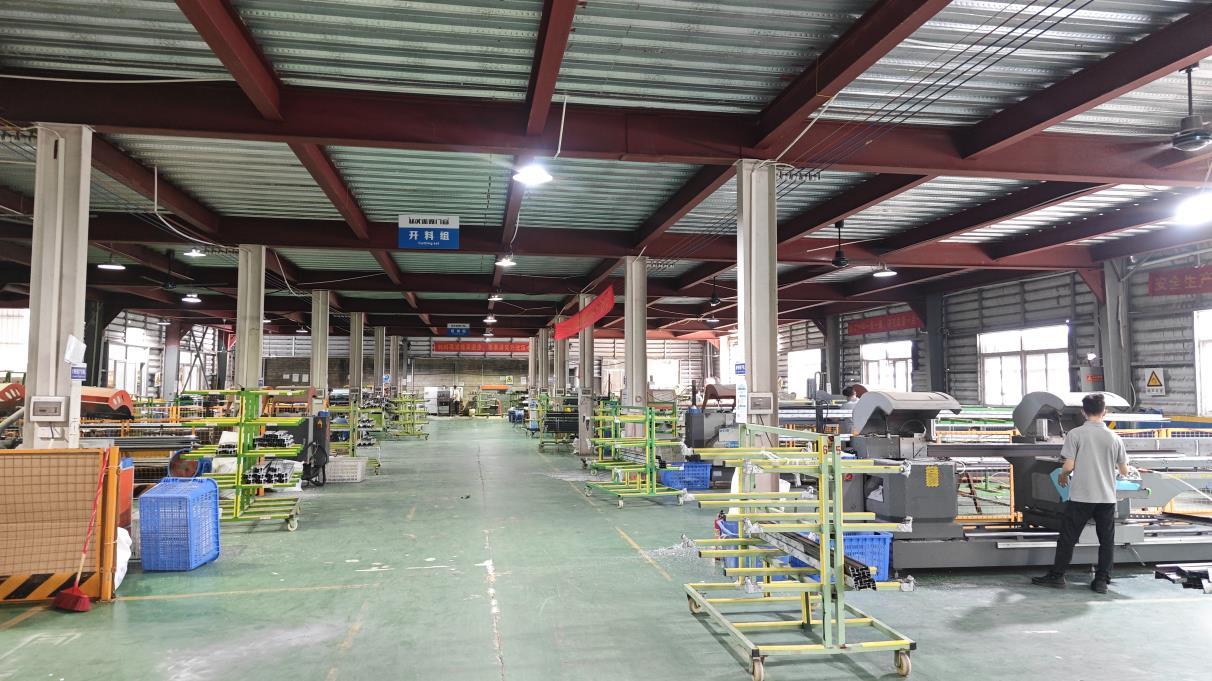
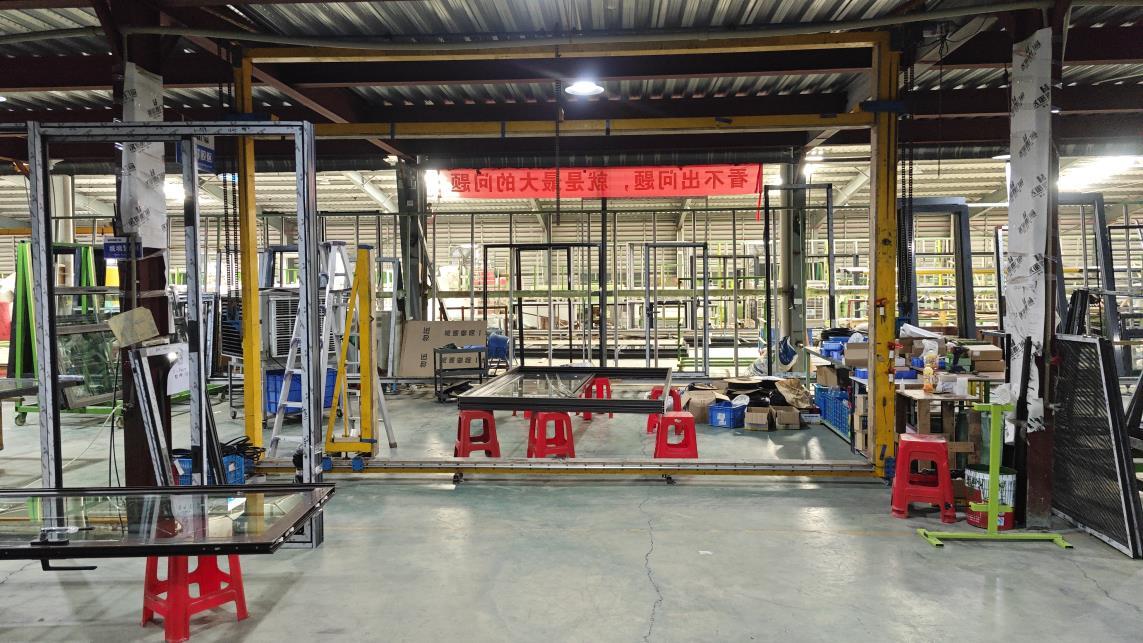
Inside Chengdu Zenit Window & Door Co., Ltd. — Combining advanced CNC automation, rigorous 35-inspector quality control matrices, and integrated supply chain efficiency.
Founded in 2015, Chengdu Zenit Window & Door Co., Ltd. operates a high-capacity 25,000-square-meter modern factory floor equipped with fully automated CNC machining centers, automated strip threading lines, and precision glass assembly stations. Backed by 11 years of structural window fabrication experience and 8 years of direct export trade experience, Zenit delivers $26 million in annual export turnover across North America, Australia, and Western Europe.
Quality assurance is handled by a team of 35 dedicated inspectors executing multi-stage quality gates: raw material spectral alloy verification, profile thermal break tension tests, continuous air permeability testing, high-pressure water tightness checks, and frame corner strength evaluations. Driven by an agile R&D unit of 42 design engineers, Zenit introduced 50 new high-performance architectural window and door systems over the past year alone.
Factory Production Floor & Quality Assurance Workflow
Climate-Specific Fenestration Engineering Solutions
Aligning window profile selection, thermal barrier thickness, and structural glass specifications with regional environmental conditions and building codes.
North America (USA & Canada)
Key Requirements: NFRC Certification, ENERGY STAR® Climate Zones, Florida Building Code (FBC) High Velocity Hurricane Zone (HVHZ) rating.
Projects in the US Sunbelt require low SHGC ($\le 0.23$) to reduce heavy air conditioning loads. Northern US regions and Canada demand ultra-low U-factors ($\le 0.20 \text{ Btu/h}\cdot\text{ft}^2\cdot^\circ\text{F}$) utilizing triple-pane argon units with dual soft-coat Low-E layers. Coastal regions (e.g., Florida, Gulf Coast) require laminated impact glass capable of passing ASTM E1996 missile impact tests.
Australia & New Zealand
Key Requirements: AS2047 (Windows in Buildings), AS1288 (Glass in Buildings), WERS Thermal Ratings, Bushfire Attack Level (BAL) Compliance.
Architectural projects demand heavy-duty commercial framing profiles capable of handling extreme solar UV exposure without powder coat degradation. Finishes must comply with Qualicoat Class 2 / AAMA 2604 anodizing standards. BAL-40 and BAL-FZ bushfire zones require integrated stainless steel security mesh and toughened safety glass.
Western & Northern Europe
Key Requirements: CE Marking (EN 14351-1), UKCA, EPBD Net-Zero Target, PAS 24 Security Rating.
Emphasis is placed on ultra-slim sightlines combined with maximum thermal retention. Profiles feature multi-chambered polyamide thermal breaks filled with expanded polyolefin insulation foam to reach Passive House levels. Burglary resistance (RC2 / RC3 standards per EN 1627) is standard for residential ground-floor installations.
Middle East & Tropical Regions
Key Requirements: Dust Sealing Integrity, High Solar Heat Rejection, Heavy Thermal Expansion Allowance.
Extreme ambient temperatures exceeding $50^\circ\text{C}$ require specialized structural silicone sealing and double-sealed EPDM gaskets to prevent fine sand dust intrusion. Highly reflective double silver or triple silver Low-E coatings reflect intense solar radiation while keeping interior cooling energy costs low.
Frequently Asked Questions: Technical Procurement Guide
Expert answers addressing high-intent queries regarding thermal break performance, testing standards, customization, and factory sourcing.
What is the structural difference between non-thermal break and thermal break aluminum profiles?
Non-thermal break aluminum frames consist of a continuous piece of extruded aluminum alloy. Because aluminum is a highly conductive metal ($K \approx 160-200 \text{ W/m}\cdot\text{K}$), cold or heat easily transfers directly through the frame, causing energy loss and interior condensation. A thermal break aluminum profile splits the interior and exterior aluminum sections using a low-conductive polyamide strip (PA66GF25 with 25% glass fiber reinforcement, $K \approx 0.3 \text{ W/m}\cdot\text{K}$). This thermal barrier dramatically reduces thermal transfer, helping the window meet modern international energy codes.
How does double glazing compare to triple glazing in ROI and energy efficiency?
Double glazing (typically 5mm Glass + 12A/16A Air/Argon + 5mm Glass) achieves a typical U-value of $1.2 - 1.8 \text{ W/m}^2\text{K}$, providing an optimal balance of structural weight, daylight transmission, and cost-effectiveness. Triple glazing adds a third pane and second gas cavity, pushing U-values down to $0.6 - 0.9 \text{ W/m}^2\text{K}$. For moderate, coastal, or warm climates, double glazing delivers the highest Return on Investment (ROI). Triple glazing is recommended primarily for extreme sub-zero regions or specialized acoustic environments requiring STC ratings above 42 dB.
Why is NFRC certification critical for importing windows to North America?
The National Fenestration Rating Council (NFRC) provides standardized, independent laboratory evaluations of window thermal performance, measuring U-Factor, Solar Heat Gain Coefficient (SHGC), Visible Transmittance (VT), and Air Leakage (AL). Most municipal building code inspectors in the United States and Canada require physical NFRC certification labels attached to installed windows to verify compliance with local energy code baselines (such as IECC). Sourcing NFRC-certified windows from qualified manufacturers like Chengdu Zenit guarantees smooth building permit approvals.
What surface finishes are best for aluminum double glazed windows in coastal locations?
Coastal environments expose aluminum profiles to salt spray and high humidity, which can degrade standard paint finishes. The best finishes for coastal resilience are PVDF (Fluorocarbon coating complying with AAMA 2605) and Anodized finishes (Class 1, $\ge 18$ microns thickness). Alternatively, high-grade architectural powder coatings certified by Qualicoat Seaside standard ensure long-term corrosion resistance without chalking, cracking, or peeling.
What is the typical manufacturing lead time for custom OEM commercial window orders?
Standard OEM production lead times for custom thermal break aluminum windows range from 25 to 35 business days from final shop drawing approval. This timeline includes precision aluminum extrusion cutting, CNC milling, polyamide strip insertion, glass tempering & IGU assembly, hardware debugging, and protective export packaging. Bulk container shipping times vary by destination port (e.g., 14–20 days to US West Coast, 28–35 days to Europe).
How do warm-edge spacers improve double-glazed unit longevity and performance?
Traditional double-glazed units used cold aluminum box spacers around the edge of the glass, creating a conductive cold bridge at the perimeter where condensation forms. Warm-edge spacers (made from engineered polymers, stainless steel composite, or structural foam) reduce thermal conduction by up to 70% along the glass edge. This raises interior edge glass temperatures, prevents mold-inducing condensation, and reduces structural stress on sealant bonds for extended IGU operational lifespan.
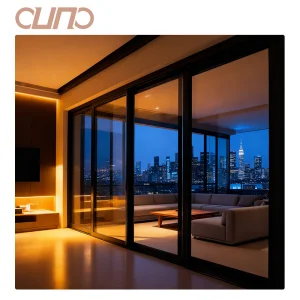
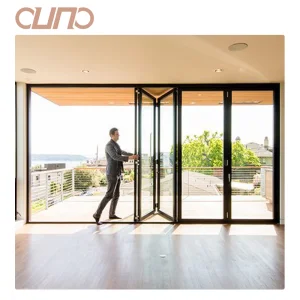
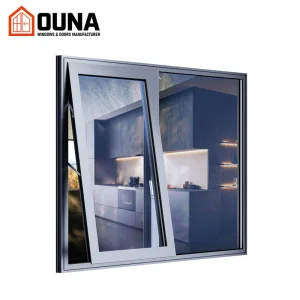
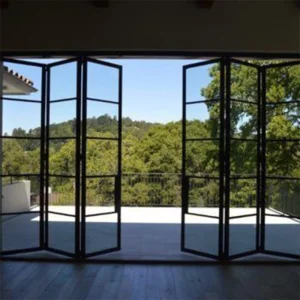
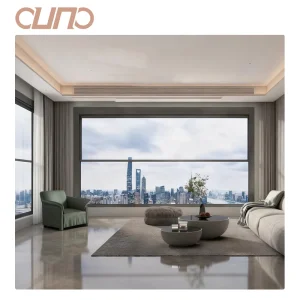
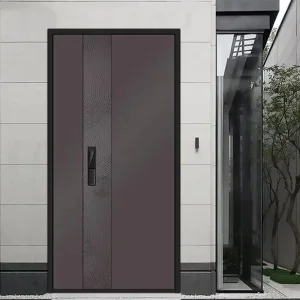
Heavy-Duty Sliding, Folding & Specialty Window Systems
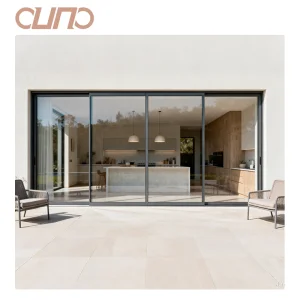
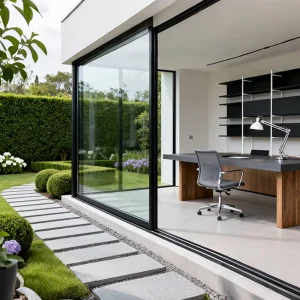
Explore our NFRC-certified patio sliding doors, modern bi-fold villa doors, and electric vertical balcony systems.
Final Procurement Recommendations for Developers & Importers
Executing a seamless window procurement strategy from design engineering verification to factory audit and freight logisitics.
1. Verification of CAD & Shop Drawings
Before issuing production deposits, mandate detailed 2D/3D shop drawings detailing profile wall thickness (minimum 1.4mm for windows, 2.0mm for heavy-duty doors), polyamide thermal break strip dimensions, glass build-up, sealants, and hardware brand specifications (e.g., German Siegenia, HOPPE, or Hoppo hardware).
2. Factory Quality Control Audit
Partner with manufacturers utilizing automated CNC cutting, corner crimping, and automated silicone glazing lines. Establish clear AQL (Acceptable Quality Limit) standards for surface scratch tolerances, anodizing coating consistency, corner joint alignment, and vacuum space gas sealing.
3. Export Logistics & Packaging
Architectural glass products require specialized export packing to eliminate transit damage. Ensure your supplier uses multi-layer protective film, fully enclosed fumigated plywood crates, corner rubber protectors, and container moisture-absorbing desiccant packs for ocean transit resilience.