Zenit Window
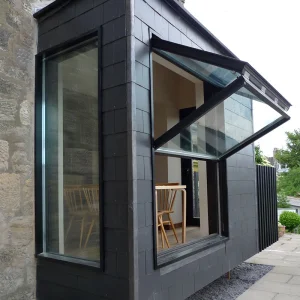
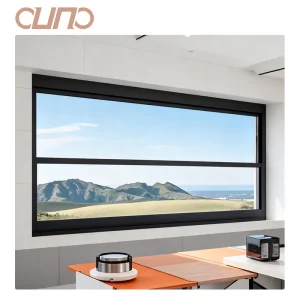
Featured Aluminium Awning & Architectural Window Systems
Engineered for extreme wind loads, superior thermal efficiency, and precision water tightness. Explore our top OEM/ODM engineered window configurations.
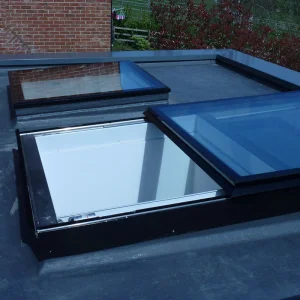
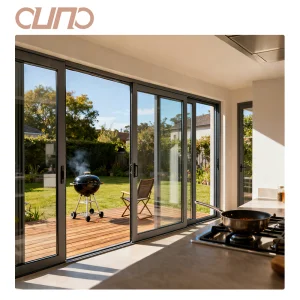
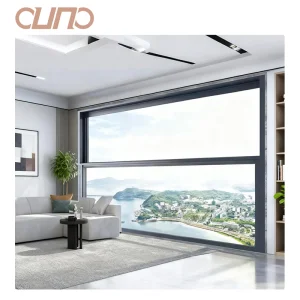
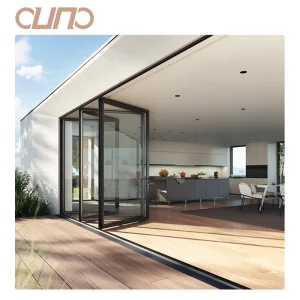
Manufacturing Scale & Enterprise Expertise
Chengdu Zenit Window & Door Co., Ltd. stands as a beacon of high-precision architectural glass and aluminum profile manufacturing, supplying commercial and residential projects across North America, Australia, and Western Europe.
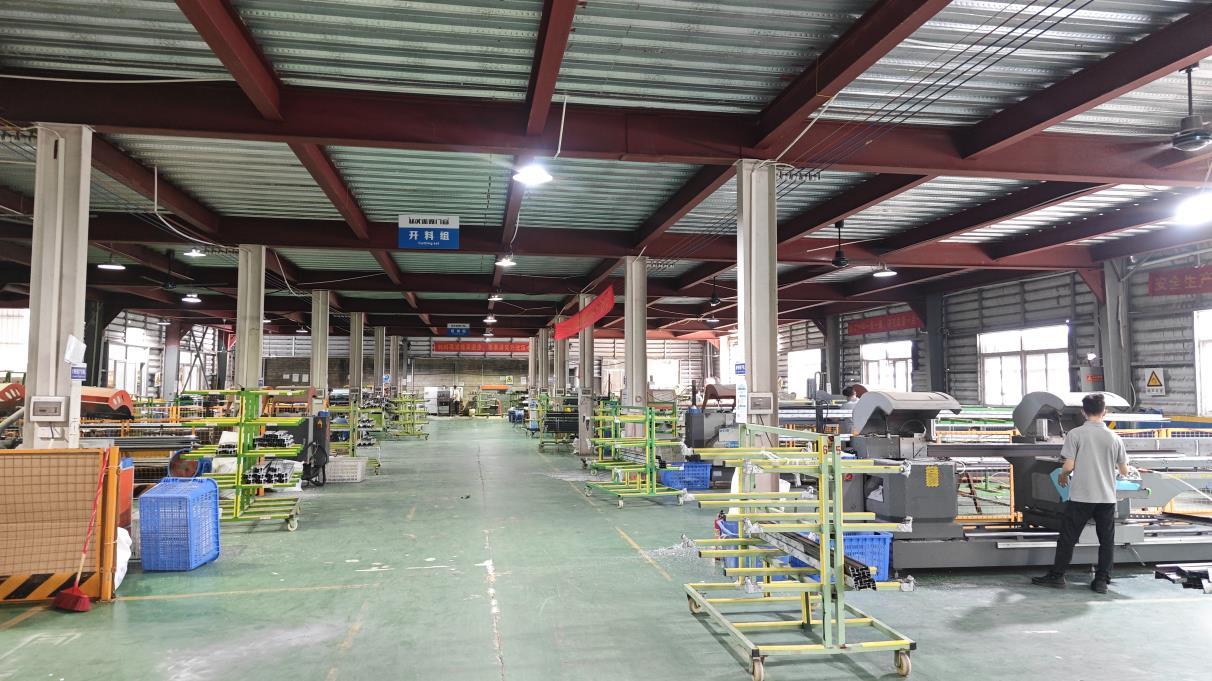
Founded in 2015, Chengdu Zenit Window & Door Co., Ltd. operates a 25,000-square-meter manufacturing facility. Backed by 11 years of industry expertise and 8 years of global trade experience, the company achieves an annual export turnover of $26 million. Our primary export markets cover North America, Australia, and Western Europe, catering to residential home builders, architectural contractors, and building material wholesalers.
Quality control is managed by a team of 35 inspectors who perform rigorous air permeability testing, water tightness checks, and frame corner strength evaluations. Supported by over 600 supply chain partners, Zenit delivers comprehensive customization options including thermal break profiles, custom anodized finishes, and triple-pane soundproof glass. Driven by an active R&D division of 42 engineers, we released 50 new architectural window systems over the past year.
Technical Blueprint: Structural Engineering of Aluminium Awning Windows
An in-depth analysis of aluminum profile extrusion alloys, polyamide thermal breaks, multi-point locking kinematics, and weatherproofing sealing technology.
1. Extrusion Metallurgy and Mechanical Load Resilience
Aluminium awning windows are subjected to substantial cyclic mechanical stress, wind load deflection, and structural shear forces, particularly in high-rise fenestration or coastal hurricane zones. Leading Chinese suppliers like Chengdu Zenit utilize primary 6063-T5 and 6063-T6 architectural aluminum alloy extrusions. These profiles are heat-treated to achieve a minimum tensile strength of 205 MPa and a yield strength exceeding 170 MPa.
The structural integrity of top-hung awning sashes depends on frame wall thickness. While standard residential profiles use 1.4mm to 1.6mm extrusions, heavy-duty commercial awning windows engineered for extreme wind pressures (ASTM E330 / AS2047 standard) incorporate structural wall thicknesses ranging from 2.0mm to 3.0mm. Corner jointing is reinforced using crimped aluminum corner cleats combined with two-component polyurethane corner injection adhesives (such as Weiss Cosmofen), preventing structural sagging over decadal lifespans.
Engineering Insight: High-Tension Hinge Load Dynamics
Unlike casement windows that swing horizontally, awning windows hinge from the top and project outward from the bottom. This requires heavy-duty 304 or 316 stainless steel friction stays (four-bar or six-bar linkages) capable of sustaining both dead weight loads of triple-glazed IGUs (up to 80 kg per sash) and dynamic suction forces under negative wind pressures.
2. Thermal Insulation Stack & Polyamide Thermal Break Technology
Aluminum inherently possesses high thermal conductivity ($k \approx 200 \text{ W/m}\cdot\text{K}$). To mitigate thermal bridging and achieve low overall window U-factors ($U_w$), high-performance awning windows incorporate structural thermal barriers. Modern Chinese manufacturing utilizes Polyamide PA66 reinforced with 25% glass fiber (PA66-GF25), offering an exceptionally low thermal conductivity ($k \approx 0.3 \text{ W/m}\cdot\text{K}$) while matching the coefficient of thermal expansion of aluminum extrusions.
| Performance Metric | Standard Aluminium Frame | Thermal Break Aluminium Awning System | Testing Standard Compliance |
|---|---|---|---|
| Thermal Transmittance ($U_w$) | $4.5 - 5.8 \text{ W/m}^2\text{K}$ | $1.1 - 1.6 \text{ W/m}^2\text{K}$ (Triple Glazed Low-E) | NFRC 100 / EN ISO 10077-2 |
| Acoustic Insulation ($STC / R_w$) | $25 - 28 \text{ dB}$ | $38 - 45 \text{ dB}$ (Laminated IGU) | ASTM E90 / ISO 717-1 |
| Water Penetration Resistance | $250 \text{ Pa}$ | $700 - 1000 \text{ Pa}$ | ASTM E331 / AS2047 |
| Air Permeability / Infiltration | $1.5 \text{ L/s}\cdot\text{m}^2$ | $< 0.1 \text{ L/s}\cdot\text{m}^2$ | ASTM E283 / EN 12207 (Class 4) |
| Structural Wind Load (ULT) | $1500 \text{ Pa}$ | $4500 - 6000 \text{ Pa}$ | ASTM E330 / AS1170.2 |
3. Multi-Chamber Pressure Equalization & Triple Gasket Sealing
The inherent performance advantage of an aluminum awning window lies in its downward-facing sash opening mechanism, which naturally sheds rain even during continuous precipitation. However, driving rain during violent storms requires advanced engineering. Modern Zenit awning window profiles utilize a rain-screen pressure equalization principle.
By dividing the frame internal cavity into a dry pressure zone and a wet drainage zone via continuous EPDM (Ethylene Propylene Diene Monomer) cellular gaskets, atmospheric pressure inside the window cavity equals external ambient pressure. This prevents capillary action from forcing water inward. Integrated weep holes equipped with anti-backflow baffle caps ensure efficient water evacuation under negative wind uplift.
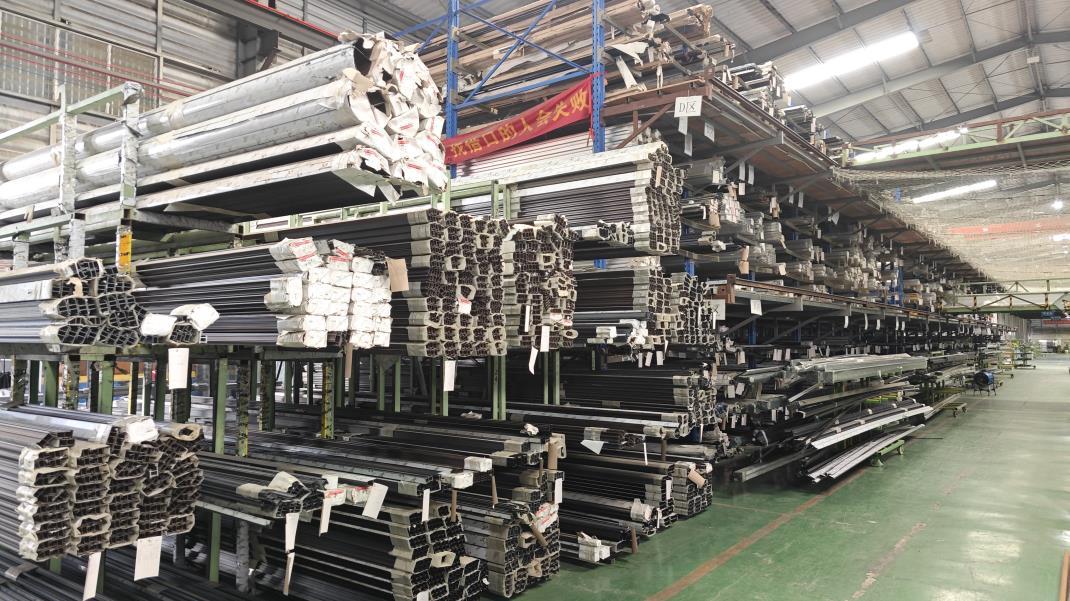
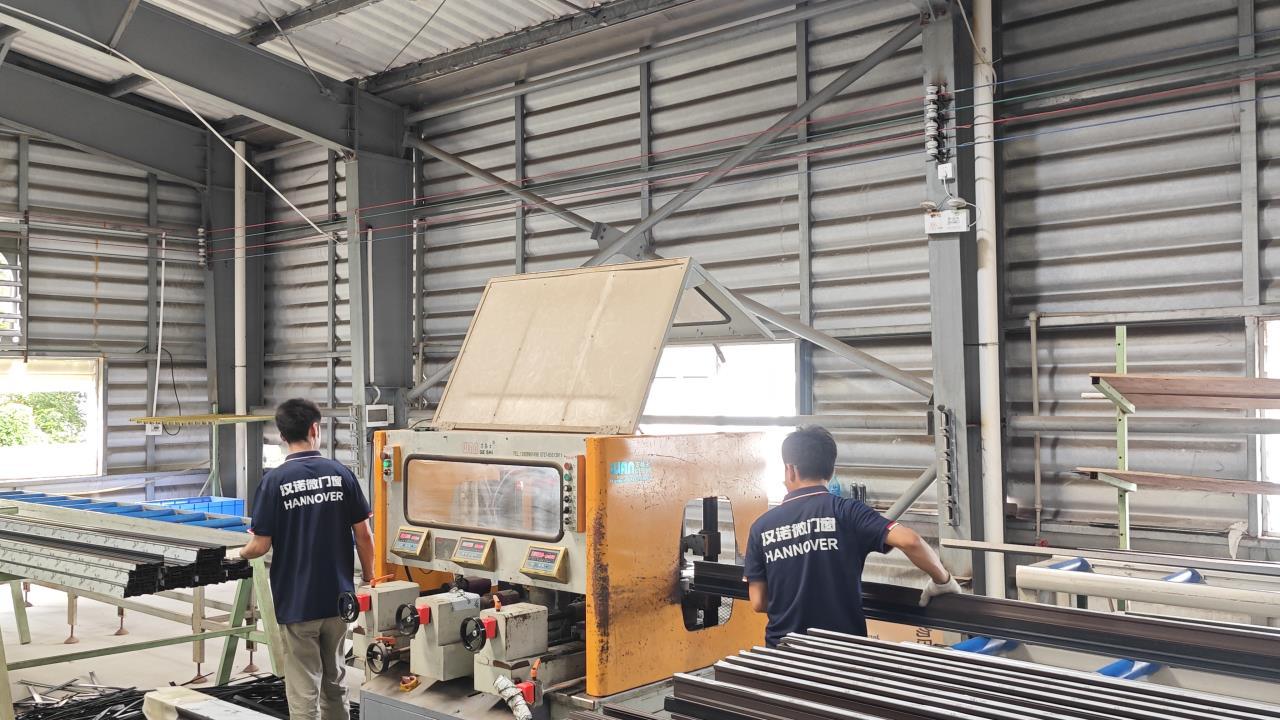
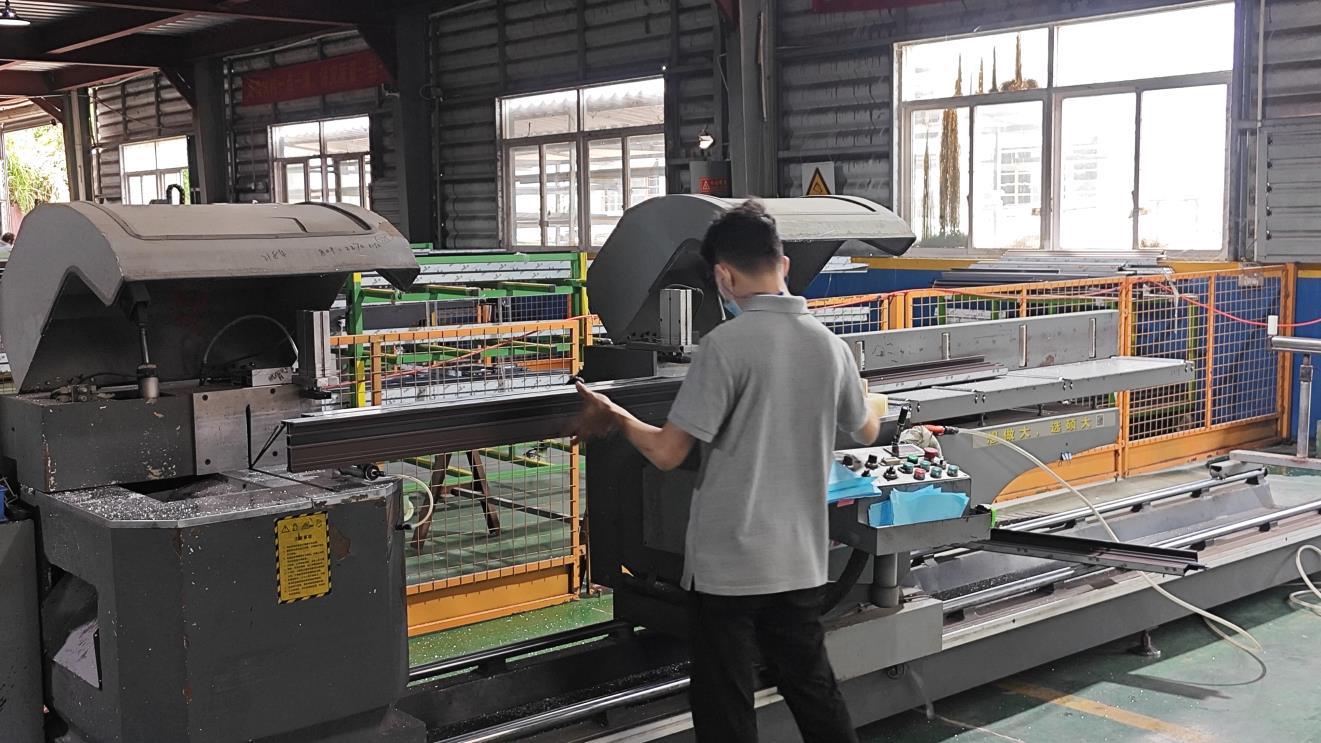
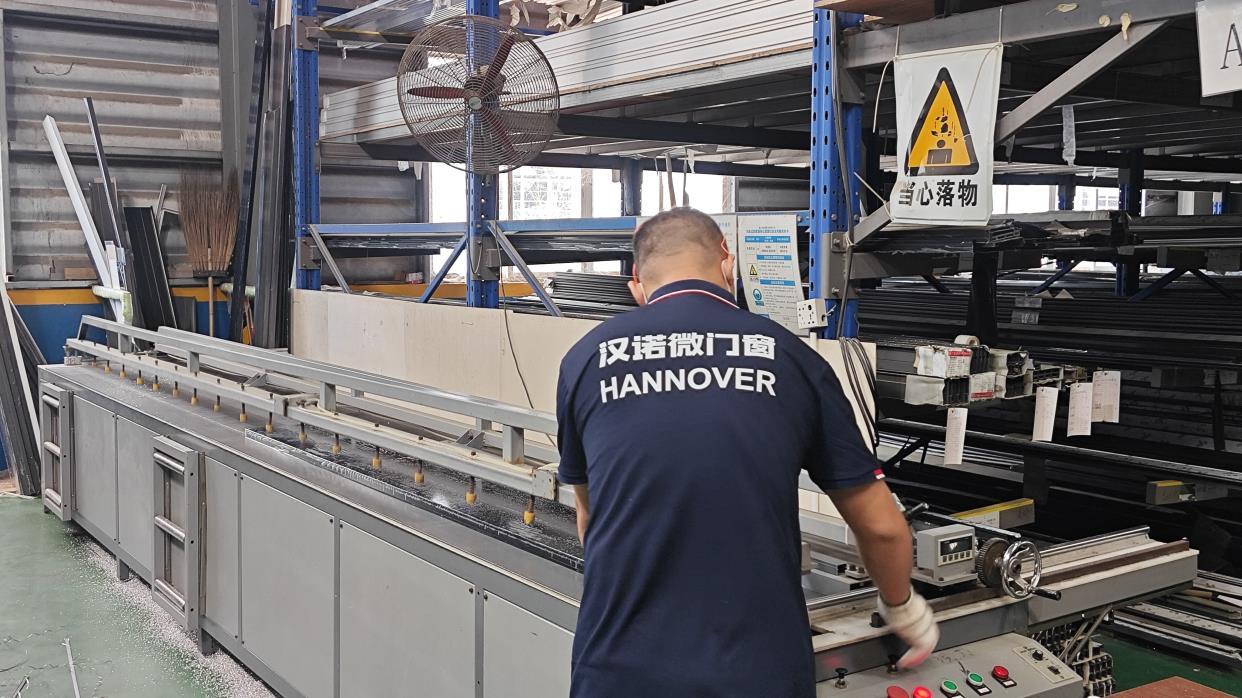
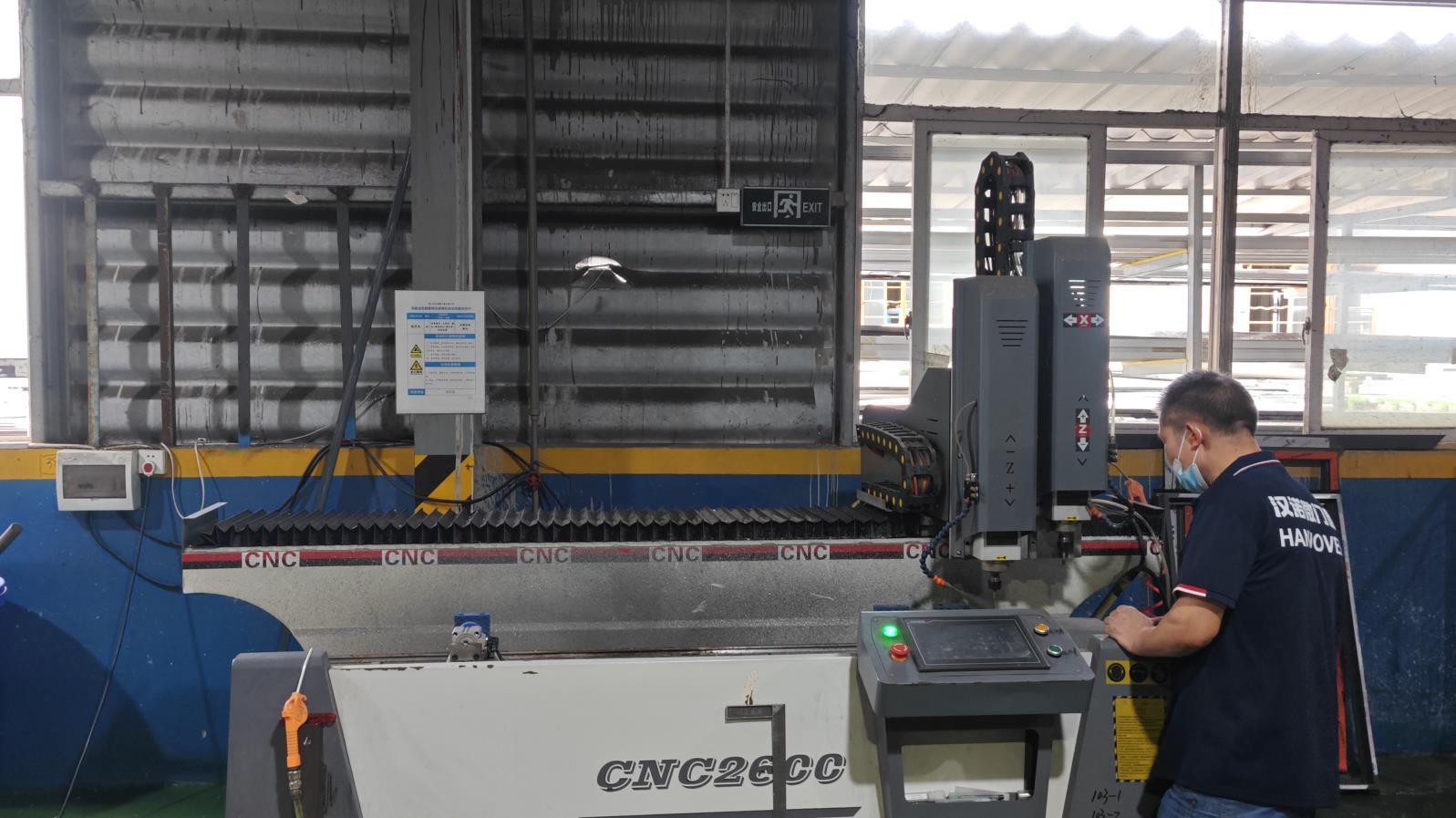
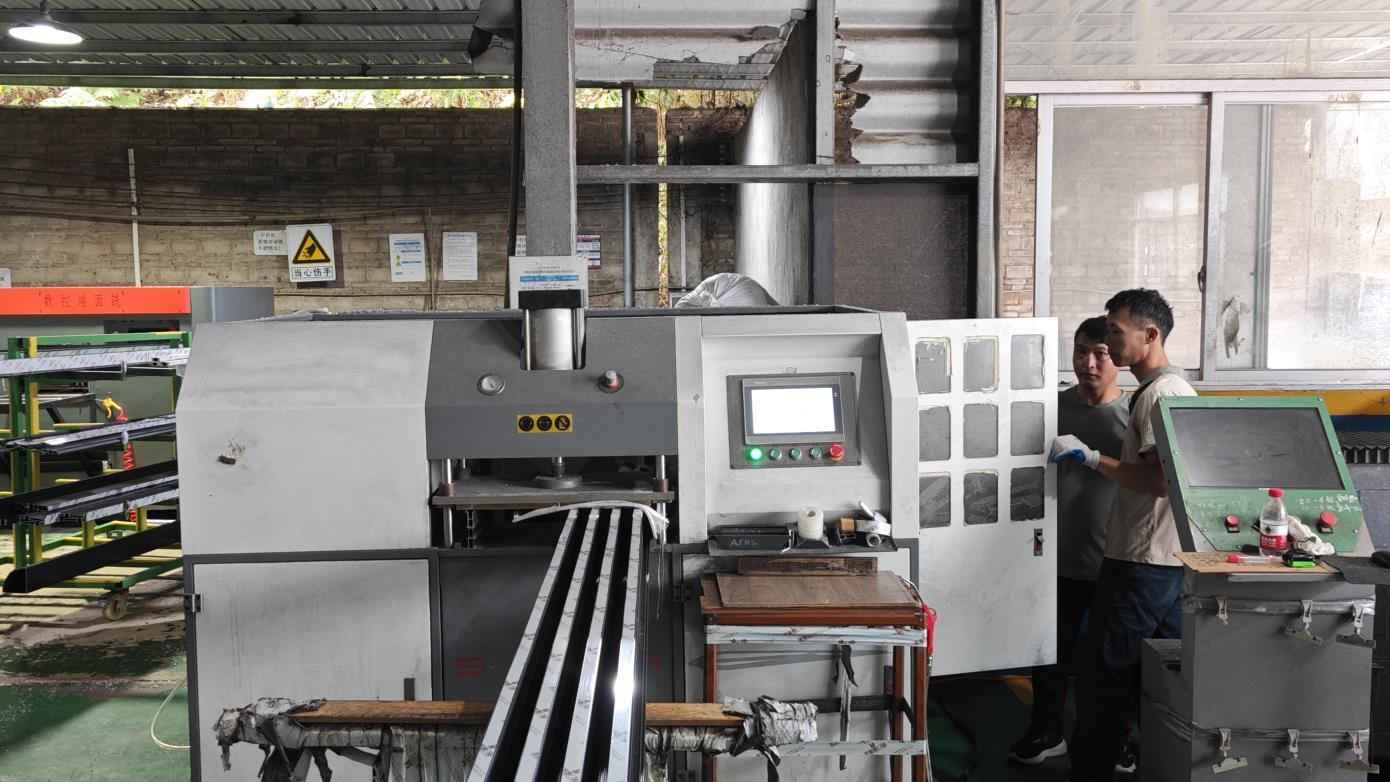
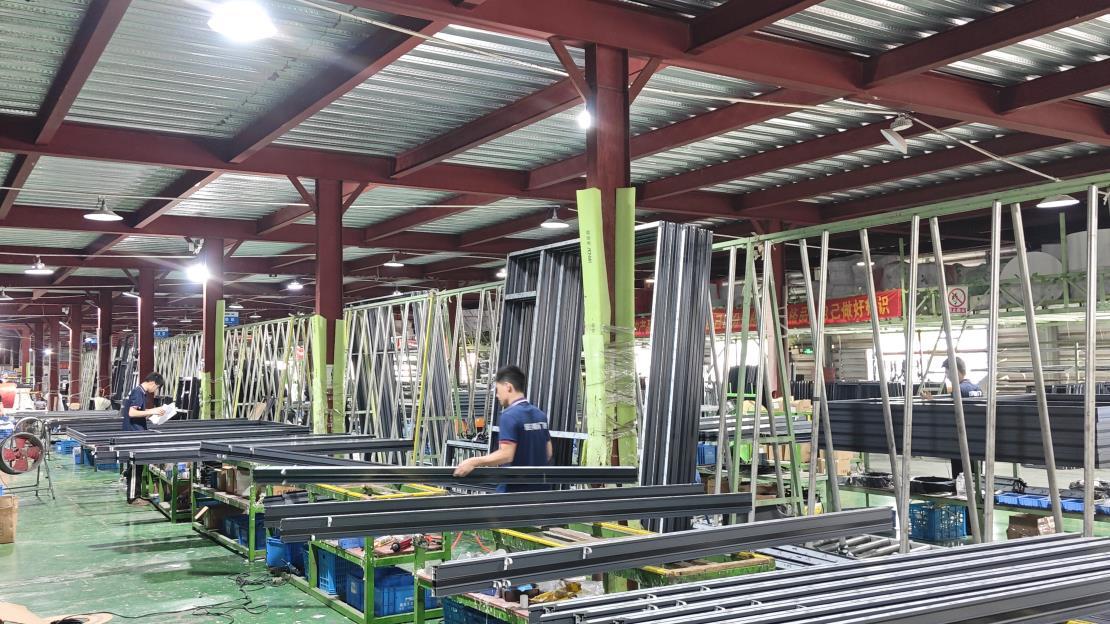
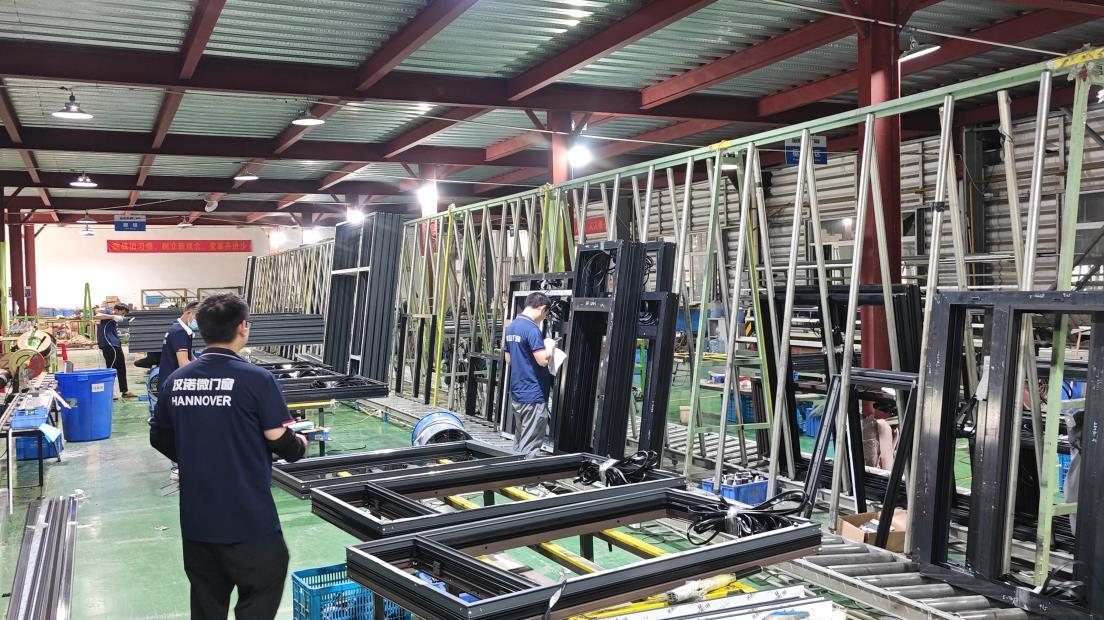
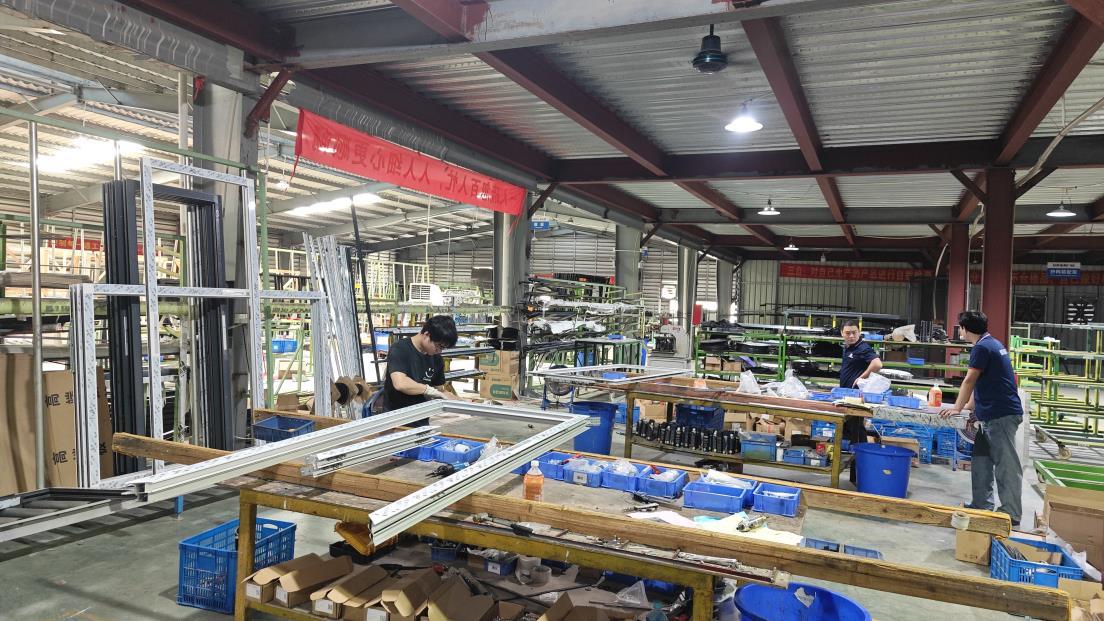
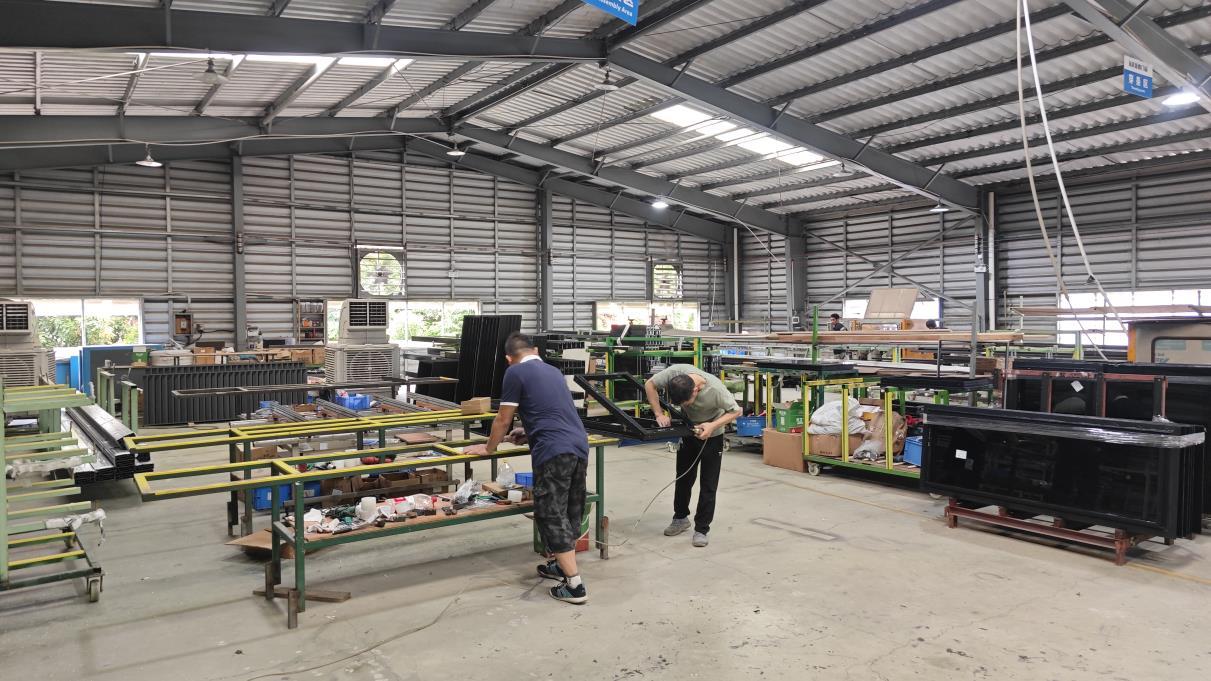
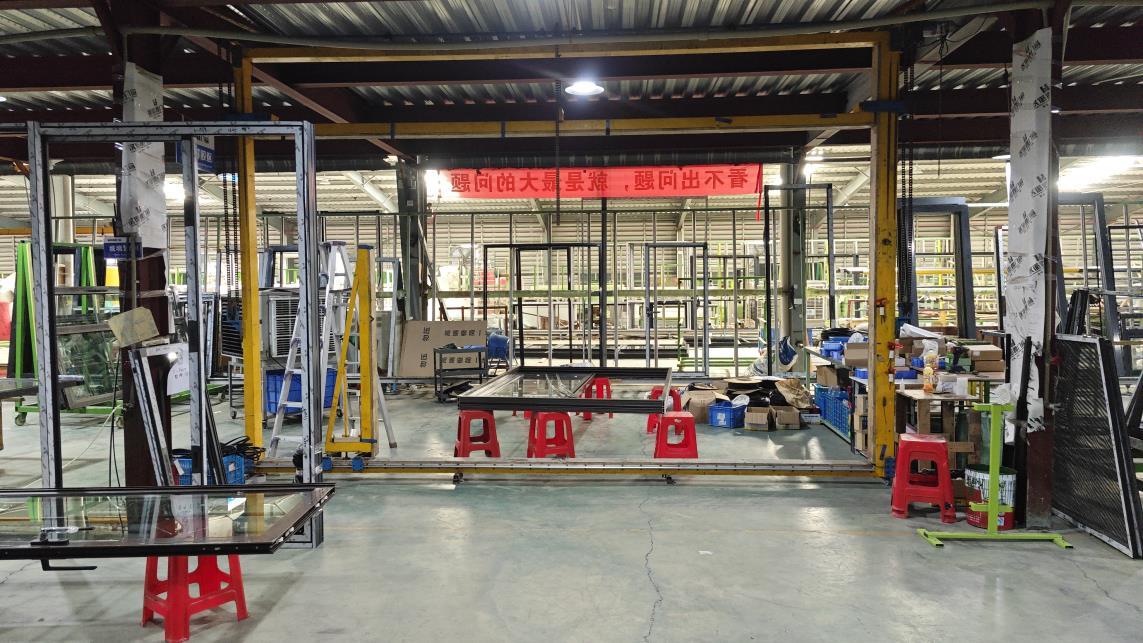
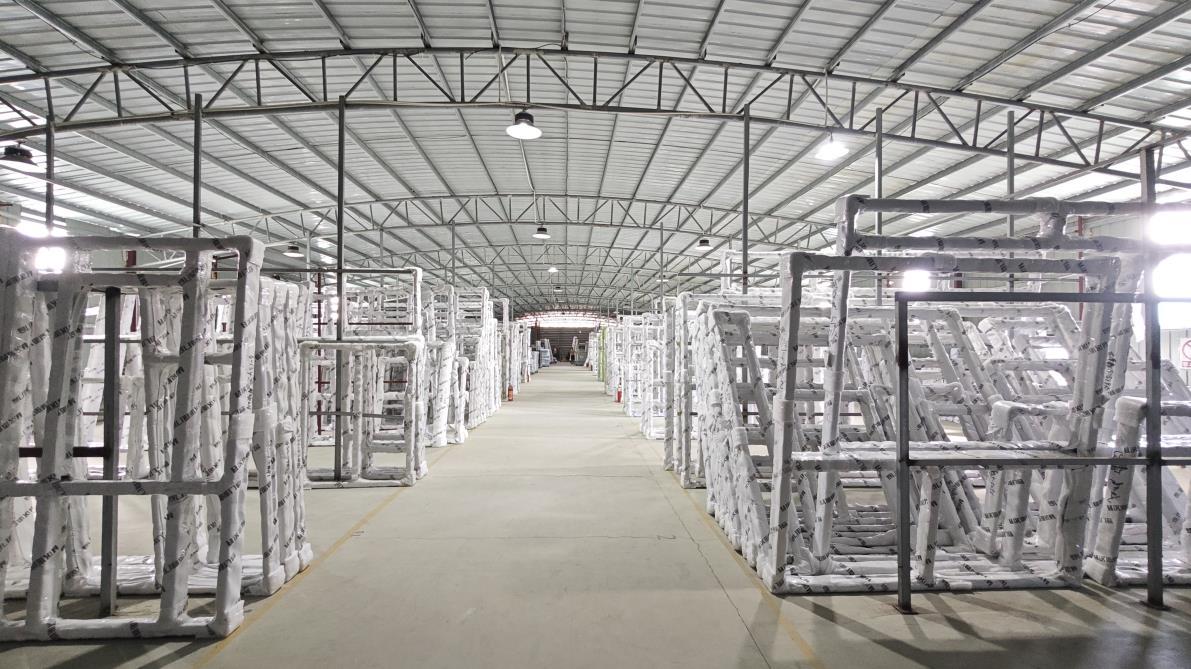
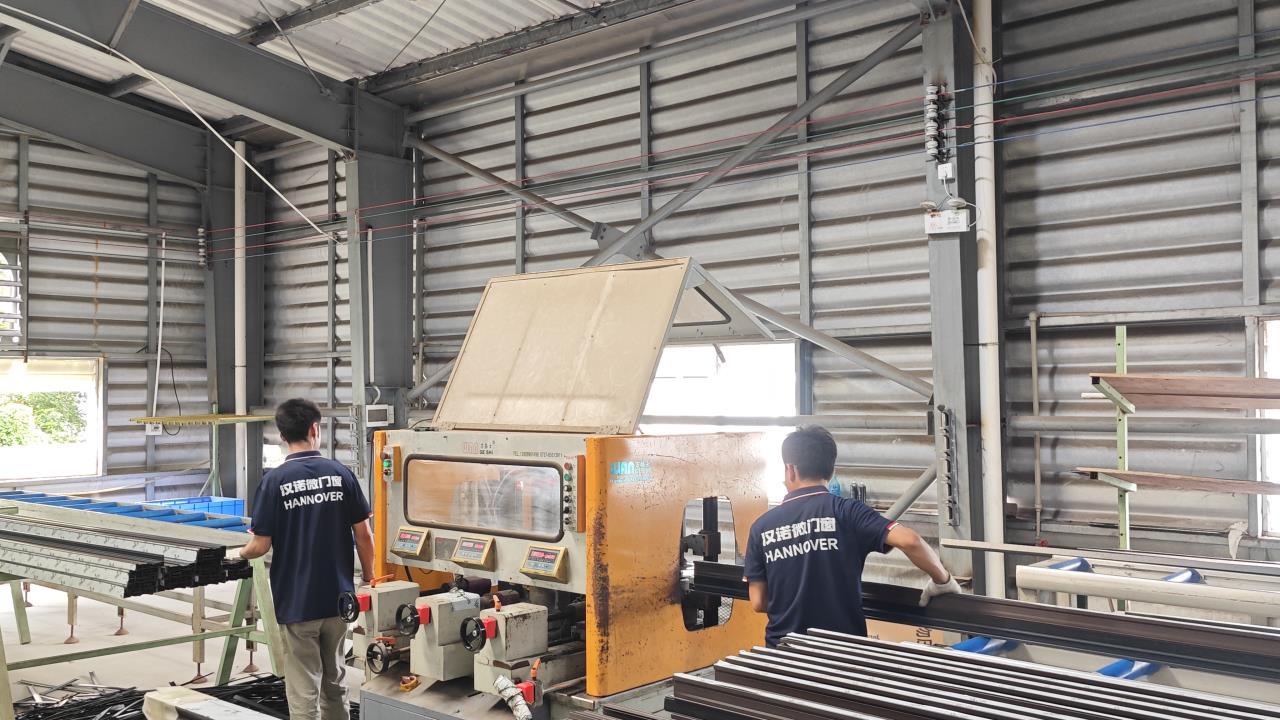
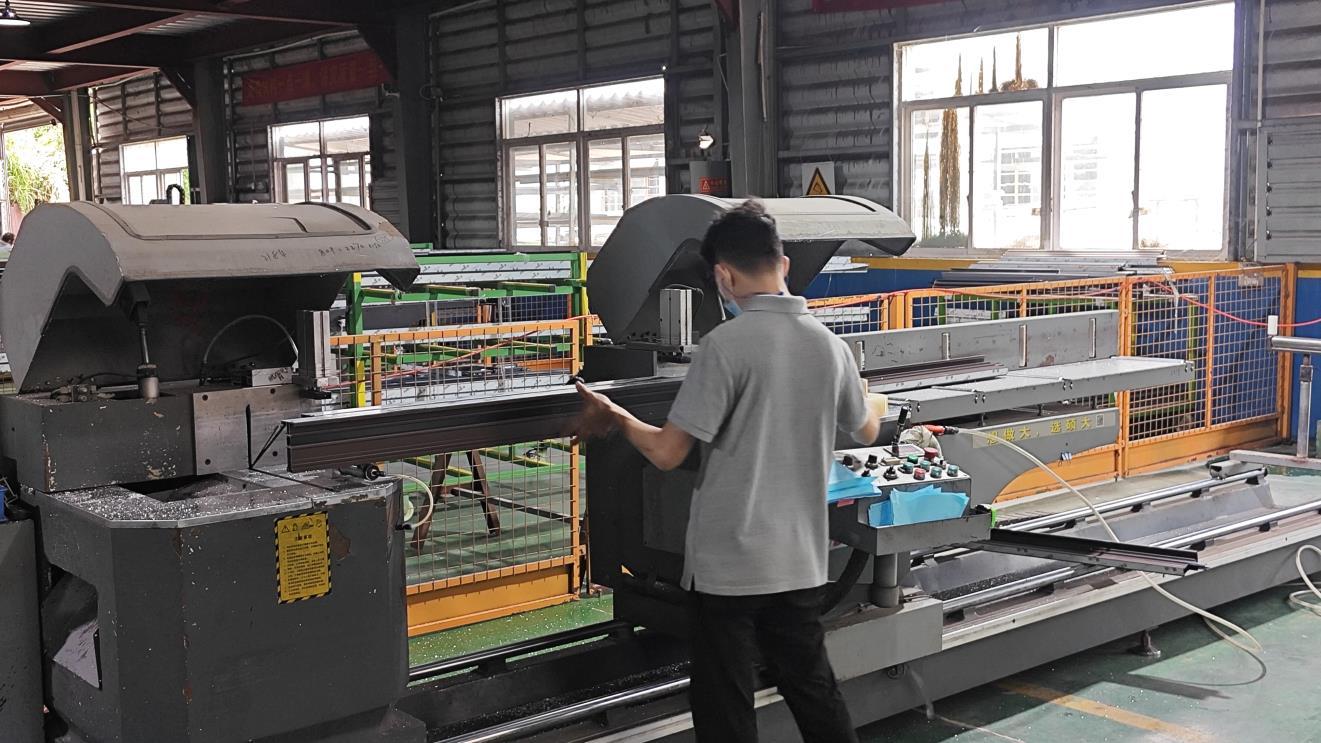
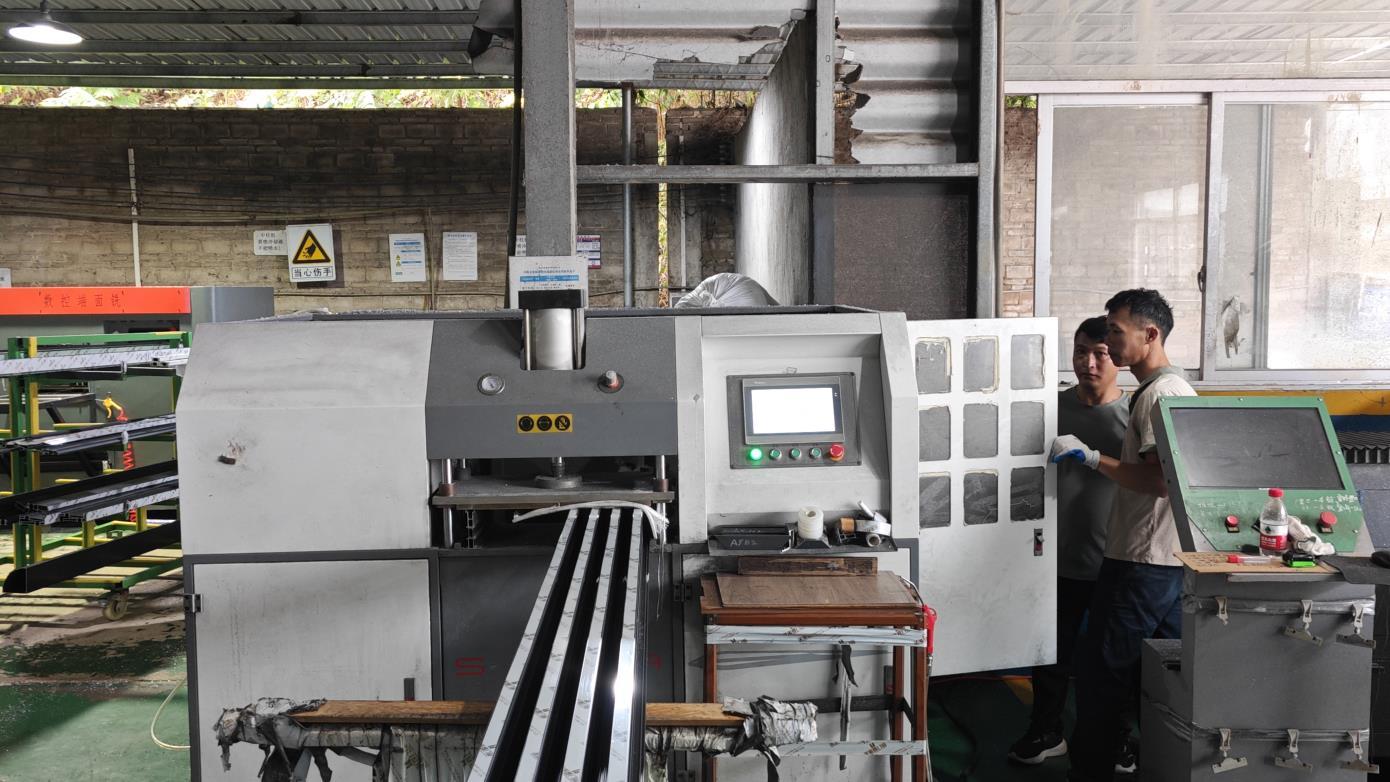
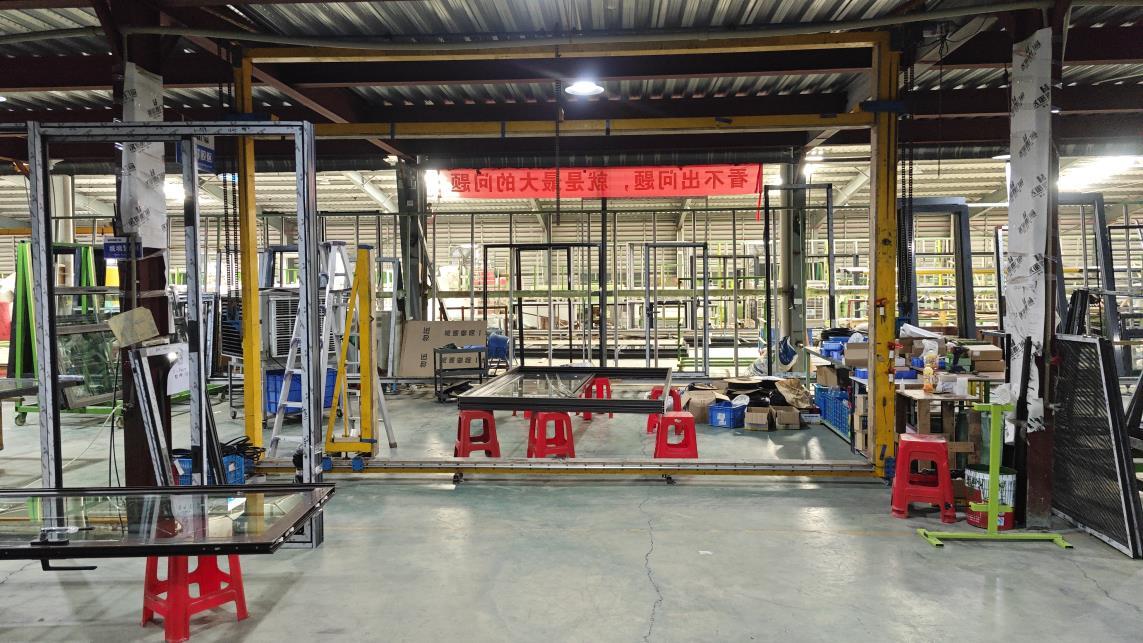
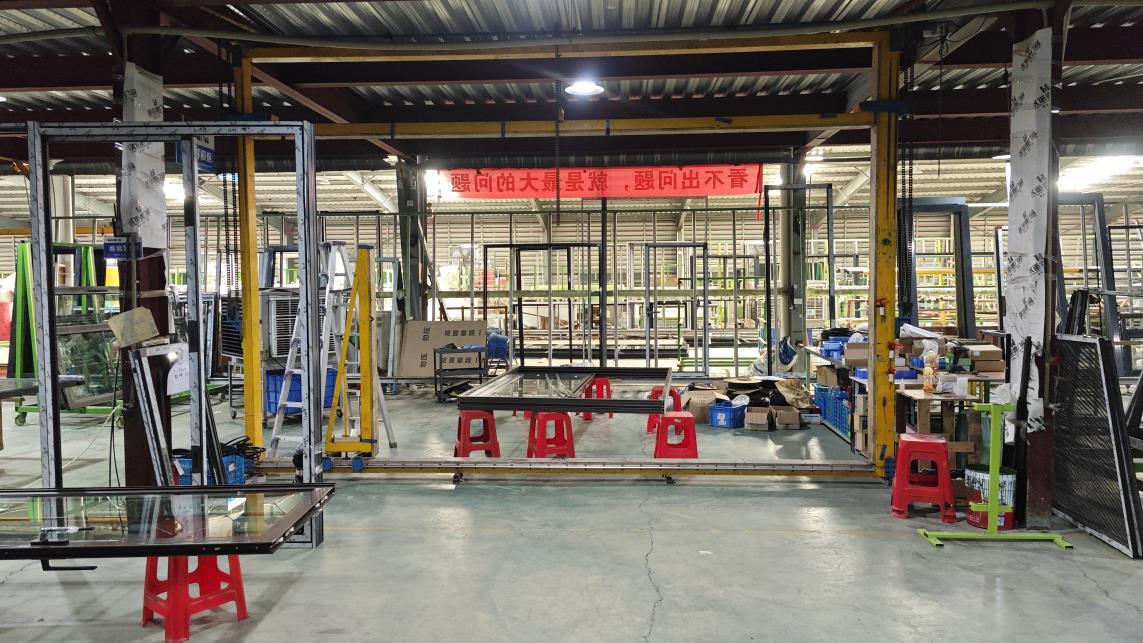
End-to-End Precision Manufacturing Facilities
From raw material extrusion to 5-axis CNC machining, automated strip threading, corner crimping, and final QC debugging. View our 25,000 m² factory production workflow.
Global Certification Standards & Regional Integration
Navigating international building codes requires stringent testing and localized compliance verification. Chengdu Zenit engineers profiles to meet specific climate zone mandates globally.
North American Compliance
Tested in accordance with AAMA/WDMA/CSA 101/I.S.2/A440 (NAFS) and NFRC guidelines. Features NFRC certified U-factor ($U_w \le 0.26 \text{ BTU/h}\cdot\text{ft}^2\cdot^\circ\text{F}$) and SHGC configurations designed for US Northern energy zones and coastal Florida hurricane zones (TAS 201/202/203 large missile impact resistance).
Australian Compliance
Fully compliant with AS2047 (Windows and External Glazed Doors in Buildings) and AS1288 (Glass in Buildings). Verified under WERS (Window Energy Rating Scheme) for high solar control and structural water resistance up to 1000 Pa for high-wind exposure zones.
European Compliance
CE marked under EN 14351-1. Engineered with triple-sealed thermal break systems achieving Passive House performance metrics ($U_w < 0.8 \text{ W/m}^2\text{K}$) with integrated micro-ventilation positions for continuous indoor air quality maintenance.
Commercial Application Scenarios
Aluminium awning windows are widely favored across diverse architectural applications due to their ability to remain open during light rain and provide maximum continuous natural ventilation:
- High-Rise Residential Ribbons: Integrated beneath fixed curtain wall transoms to offer safe, wind-deflecting perimeter ventilation without risk of full opening hazard.
- Luxury Coastal Villas: Paired with marine-grade 25-micron anodized aluminum finishes or Qualicoat-certified powder coatings to withstand salt-spray atmospheric corrosion (ASTM B117 salt spray test > 3000 hours).
- Educational & Health Facilities: Coupled with chain-actuated motorized motorized opening systems integrated into building management systems (BMS) for automated climate control.
Technology Roadmap: Next-Gen Fenestration Innovation
Exploring Chengdu Zenit's R&D initiatives for smart, automated, and sustainable window envelope solutions.
Frequently Asked Questions for Commercial Buyers
Expert technical responses to key procurement, structural, and logistics queries.
Complete Product Line & Exterior Systems
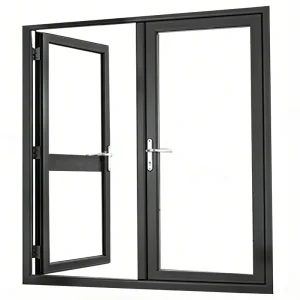
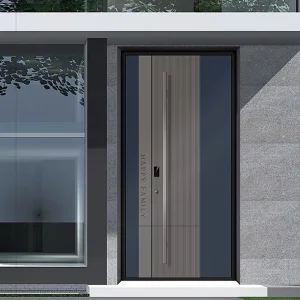
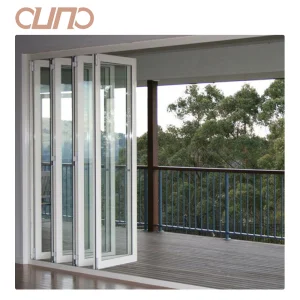
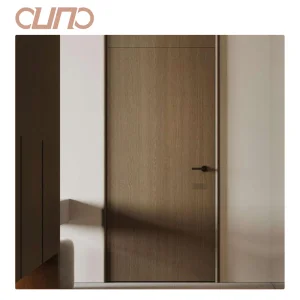
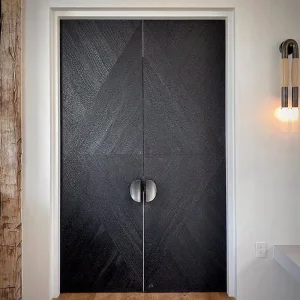
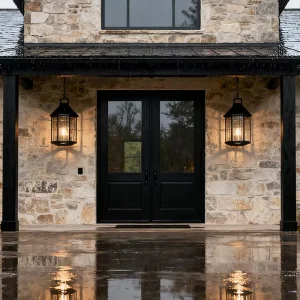
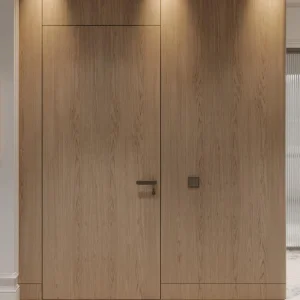
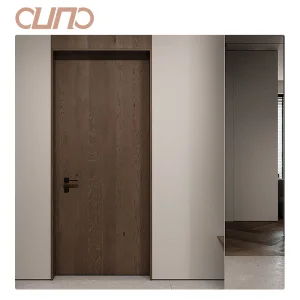
Discover our expanded architectural range including lift-sliding systems, bi-folding patio doors, entry security doors, and frameless ecological internal doors.