 Zenit Window
Flagship Architectural Door & Window Systems
Engineered for structural durability, extreme weather resistance, and low thermal transmittance across global residential and commercial projects.
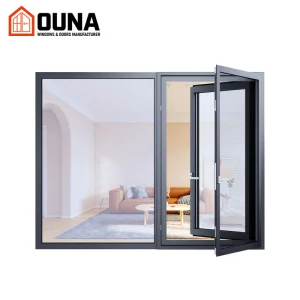
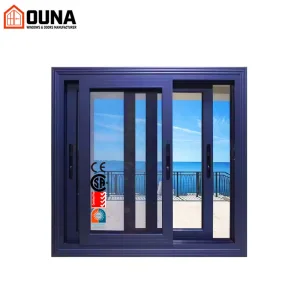
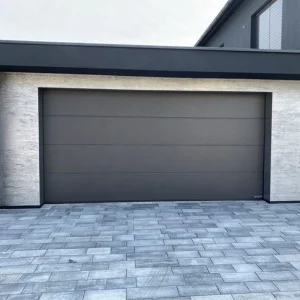
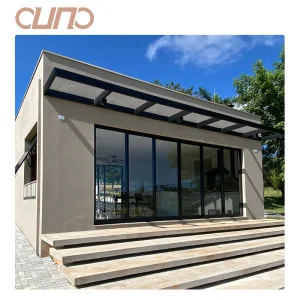
Global Commercial & Residential Landscape: Why Aluminium Main Doors Dominate Modern Architecture
Analyzing structural integrity, thermal efficiency, design versatility, and total cost of ownership across international building markets.
In contemporary architectural engineering, the main entrance door is no longer evaluated solely as a security barrier or an aesthetic facade; it serves as a critical structural envelope component that directly impacts a building's overall energy performance, acoustic insulation, structural wind-load tolerance, and long-term durability. Across major construction hubs in North America, Western Europe, Australia, and the Middle East, high-grade aluminium main doors have rapidly supplanted traditional timber and uninsulated steel alternatives. This industry shift is propelled by strict green building codes, stringent hurricane testing protocols (such as Florida's High-Velocity Hurricane Zone requirements), and an overwhelming market demand for floor-to-ceiling glass integration.
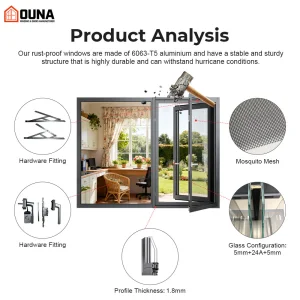
Unlike wood, which is susceptible to thermal warping, rot, and moisture absorption, or standard steel, which suffers from thermal bridging and atmospheric corrosion in coastal marine environments, extruded 6063-T5 and 6060-T66 structural aluminum alloys offer an extraordinary strength-to-weight ratio. When engineered with multi-chamber thermal breaks—specifically polyamide PA66 reinforced with 25% glass fiber—aluminum main doors deliver structural rigidity capable of supporting heavy multi-pane laminated glass units while achieving U-factors that satisfy rigorous Passive House and NFRC energy standards.
Structural Strength & Design Scale
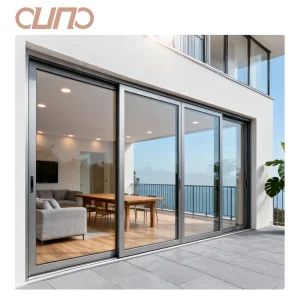
Aluminum’s high tensile strength allows architects to design oversized pivot entrance doors, expansive multi-panel sliding systems, and heavy-duty bi-folding doors with ultra-slim sightlines without compromising deflection criteria under hurricane-force wind pressure.
Advanced Thermal Insulation
Utilizing technoform polyamide isolators and polyurethane foam injection, modern aluminum main doors eliminate thermal bridging, preventing interior condensation and dramatically lowering operational HVAC energy consumption in harsh climates.
Corrosion & Weather Resistance
Equipped with advanced PVDF coatings, architectural powder coats (AAMA 2605 compliant), or 25-micron anodized finishes, premium aluminum main doors resist UV degradation, salt-spray oxidation, and chemical exposure for over 30 years.
Enterprise Benchmark: Chengdu Zenit Window & Door Co., Ltd.
Combining world-class manufacturing scale with rigorous European engineering standards to supply top-tier contractors and wholesalers globally.
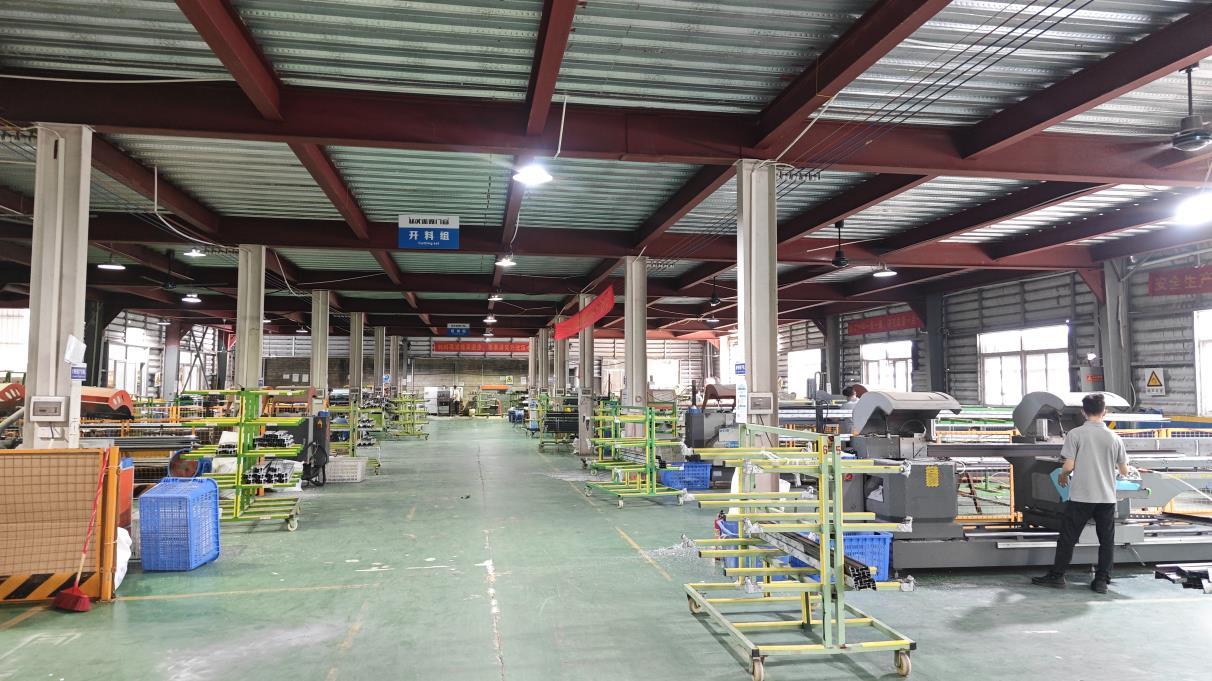
Founded in 2015, Chengdu Zenit Window & Door Co., Ltd. has grown into a premiere manufacturing powerhouse in China's high-end architectural fenestration sector. Operating out of a state-of-the-art 25,000-square-meter manufacturing facility, the company integrates original system design, precision extrusion processing, automated glass glazing, and international logistics execution under a unified quality management framework.
Backed by over 11 years of deep industry expertise and 8 years of dedicated global trade experience, Zenit generates an annual export turnover of $26 million. Our primary export markets cover North America, Australia, and Western Europe, catering directly to residential home builders, architectural contractors, structural engineering firms, and high-volume building material wholesalers.
Supply Chain Architecture & Innovation Pipeline
Quality control at Zenit is executed by an independent team of 35 certified QA/QC inspectors who carry out continuous air permeability testing, static water tightness checks, dynamic wind load resistance evaluations, and frame corner mechanical strength tests. Supported by an expansive network of over 600 specialized supply chain partners, Zenit delivers full-spectrum OEM/ODM customization—ranging from custom thermal break extrusions and marine-grade anodizing to triple-pane acoustic laminated insulated glass units (IGUs). Driven by an active R&D division of 42 senior structural engineers, Zenit successfully developed and released 50 new architectural window and door systems over the past year alone.
| Operational Parameter | Zenit Enterprise Benchmark | Industry Standard Competitor |
|---|---|---|
| Factory Surface Area | 25,000 m² Automated Smart Facility | 8,000 – 12,000 m² Conventional Facility |
| Annual Export Volume | $26 Million USD (North America, AU, EU) | $5 - $10 Million USD |
| Dedicated QA/QC Personnel | 35 Full-Time Inspectors (Air/Water/Structural) | 5 - 10 General Line Inspectors |
| R&D Engineering Strength | 42 Structural & Design Engineers (50 Systems/Yr) | 5 - 8 Basic CAD Technicians |
| Supply Chain Integration | 600+ Qualified Upstream & Hardware Partners | Fragmented Local Sourcing |
| Global Code Compliance | NFRC, Miami-Dade NOA, AS2047, CSA, CE, ISO9001 | Basic Regional Approvals |
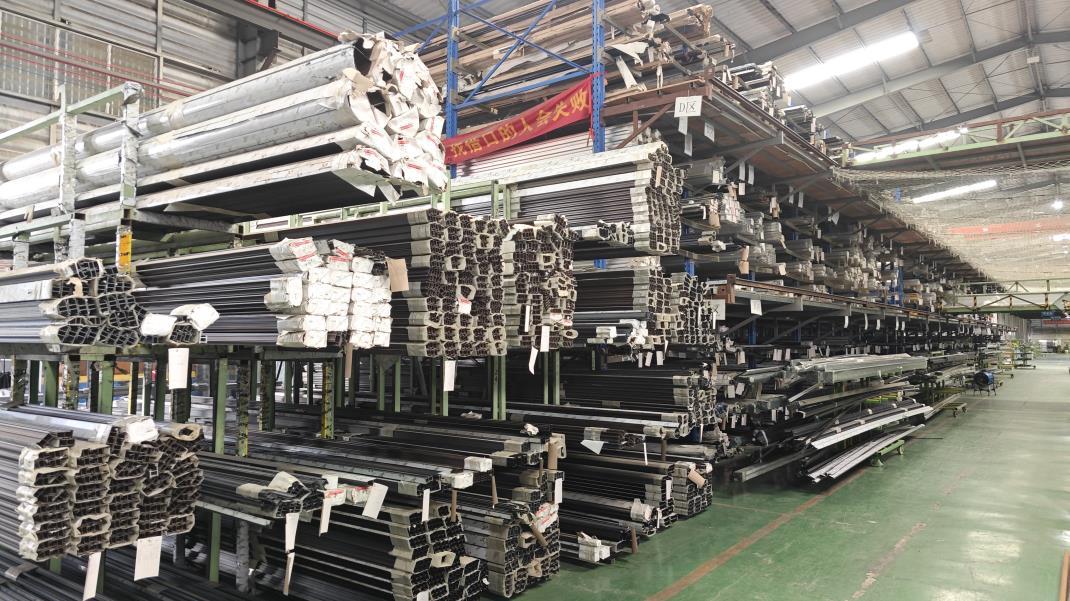
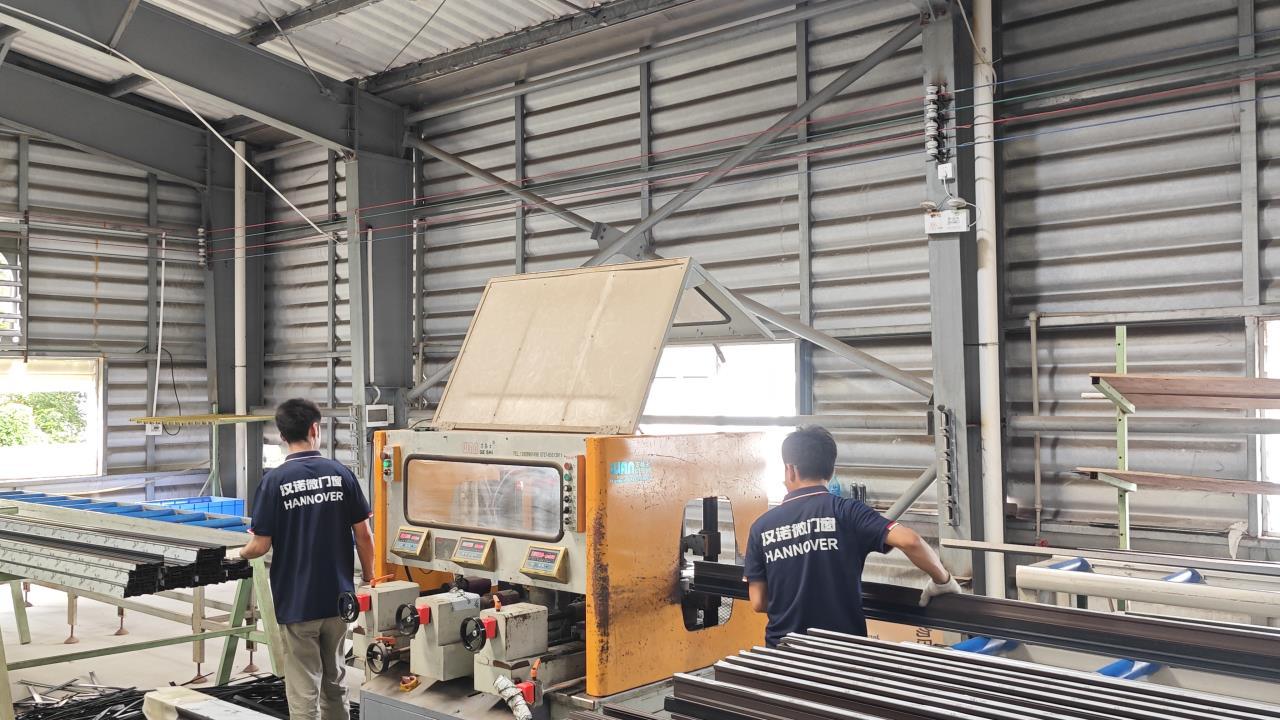
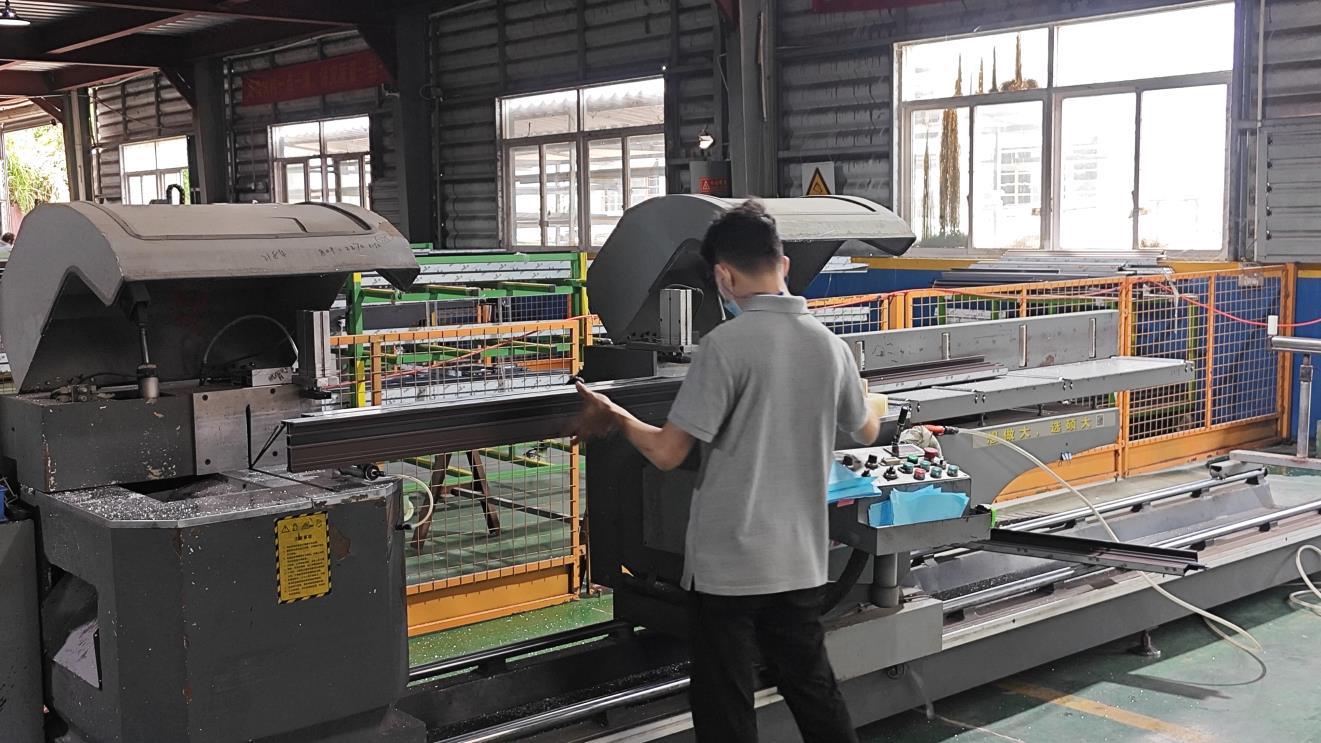
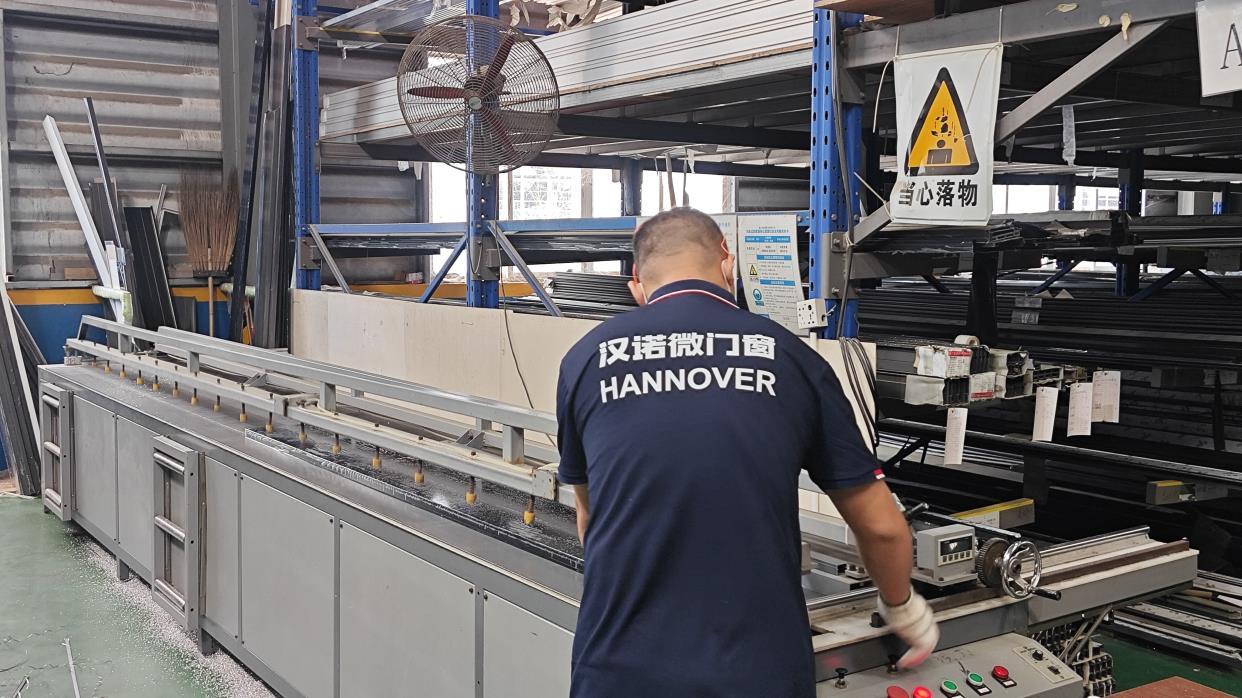
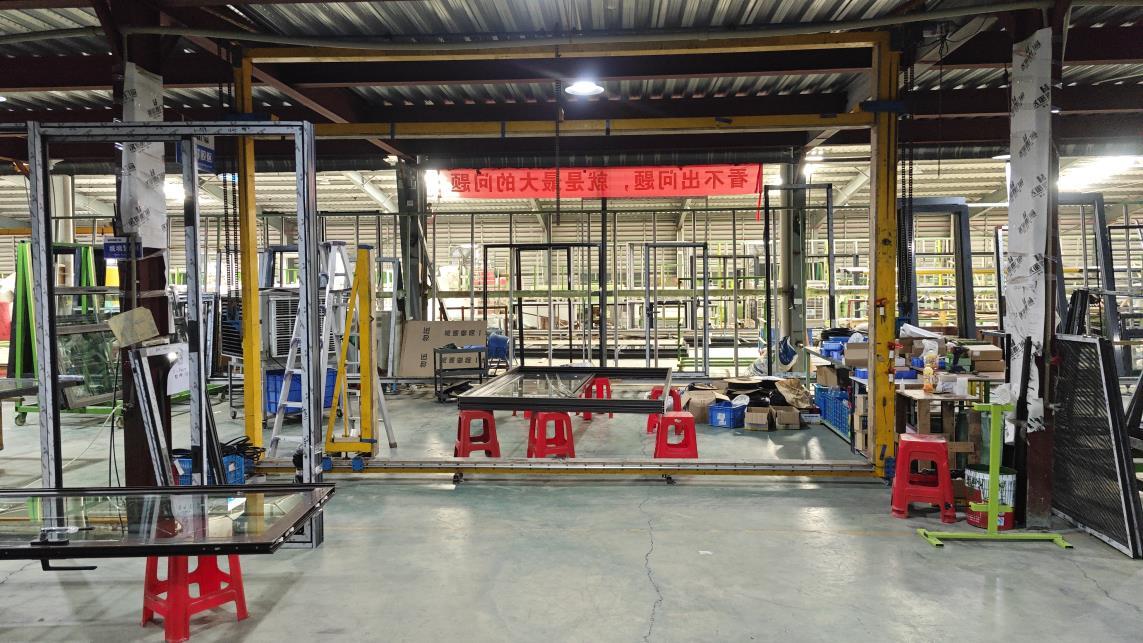
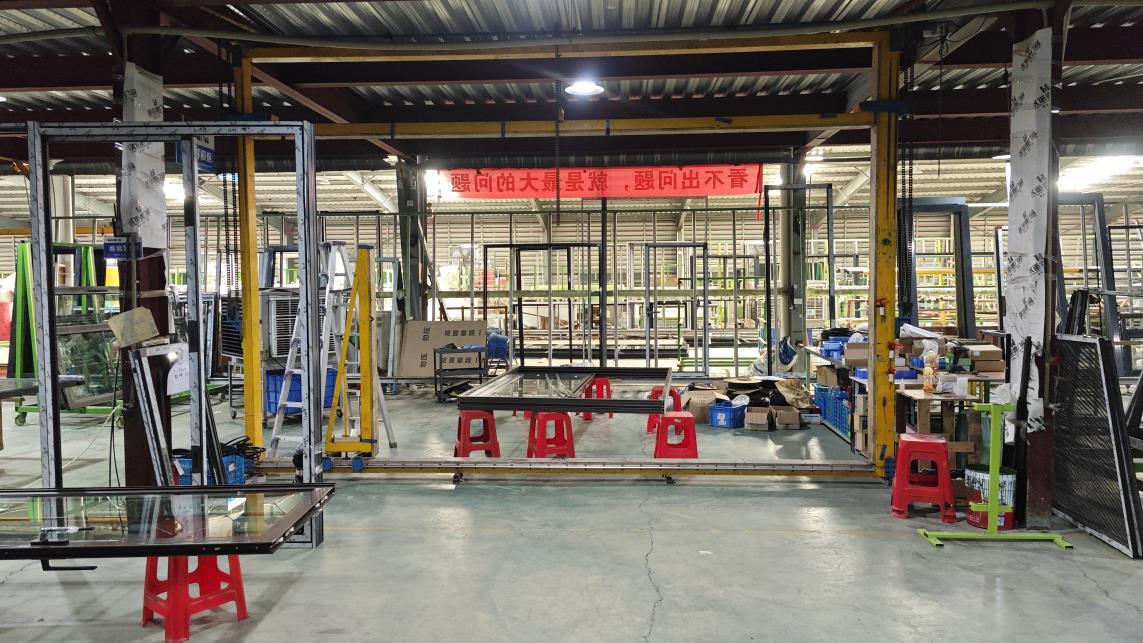
Precision Engineering & Factory Manufacturing Workflow
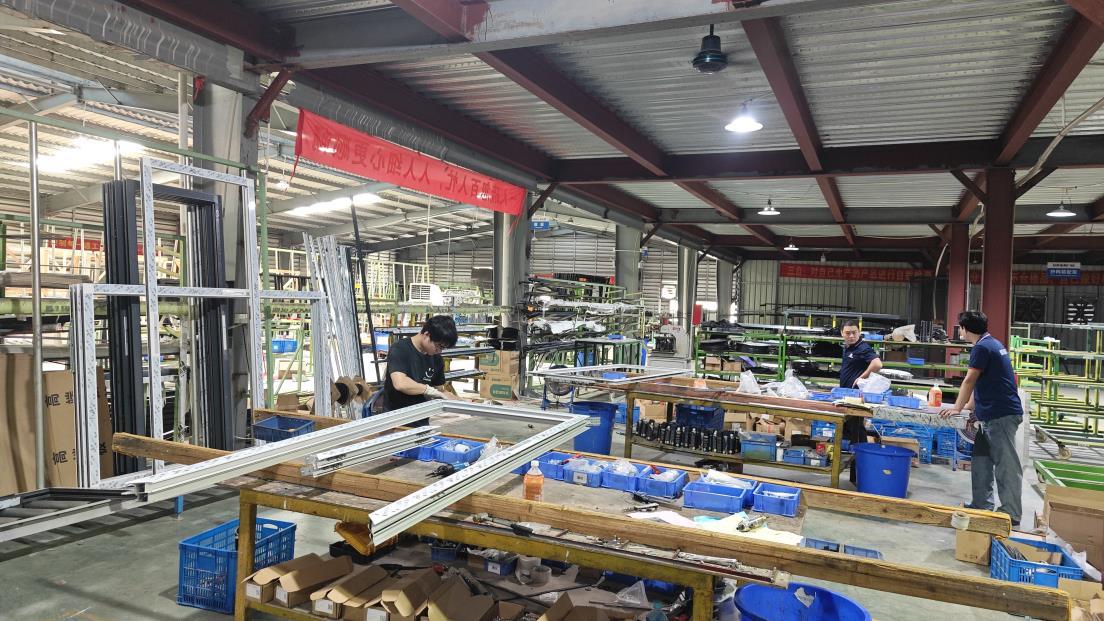
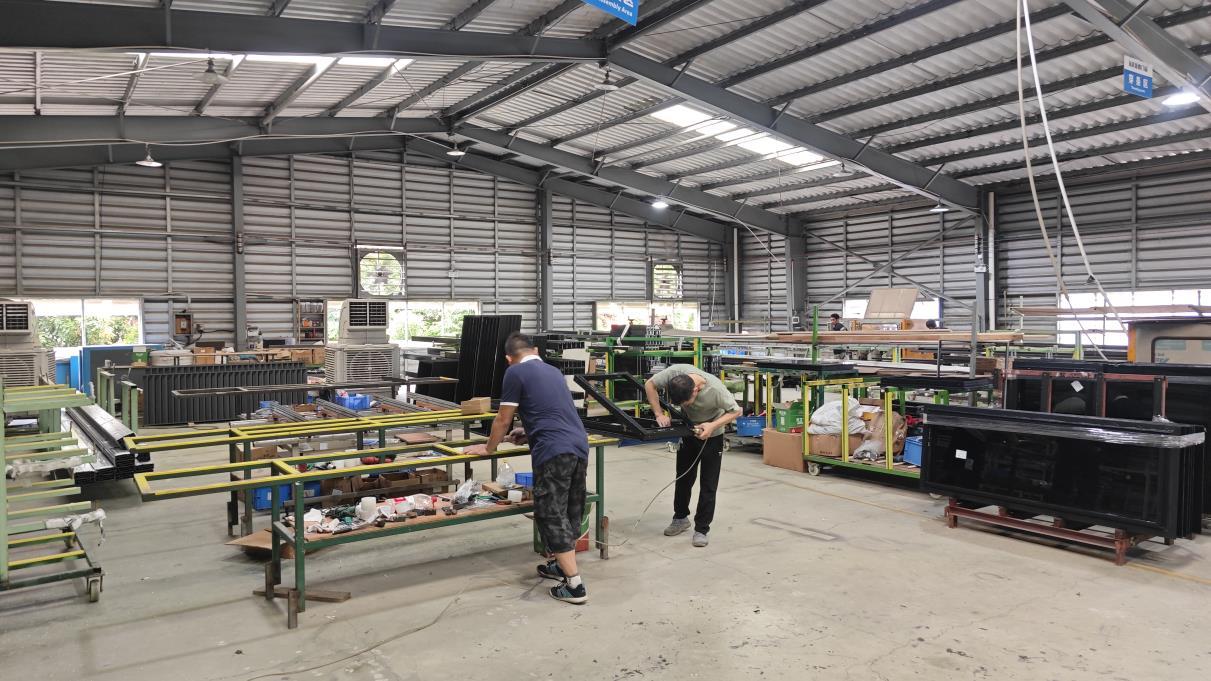
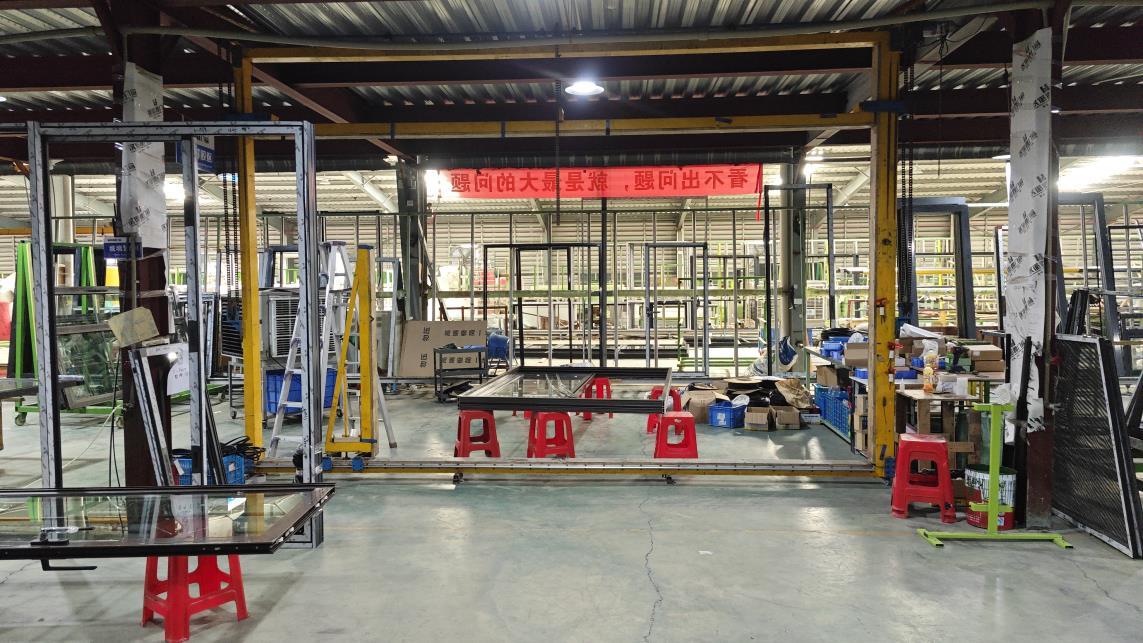
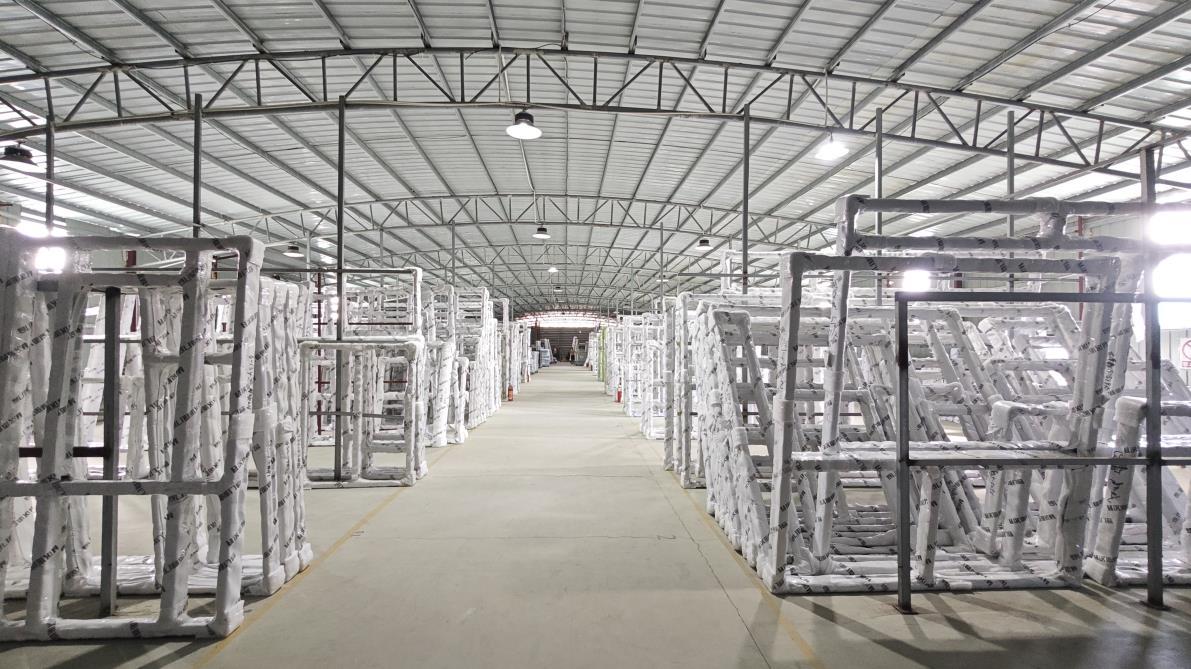
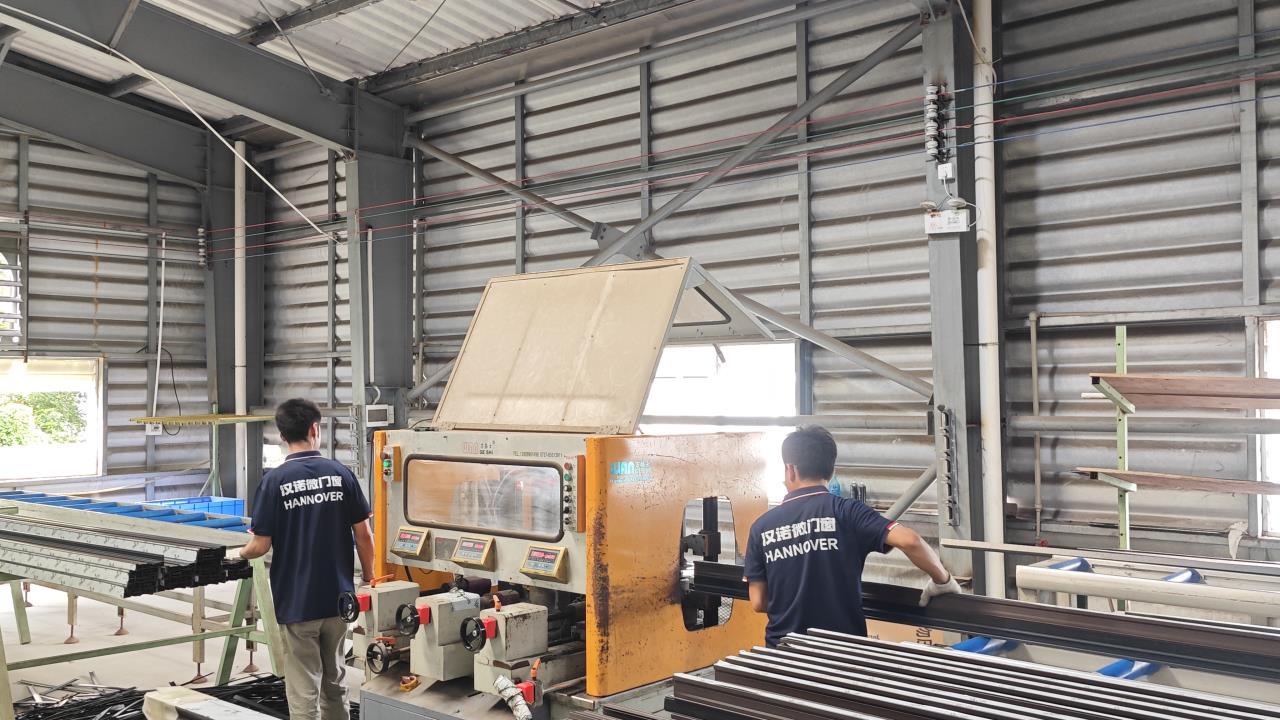
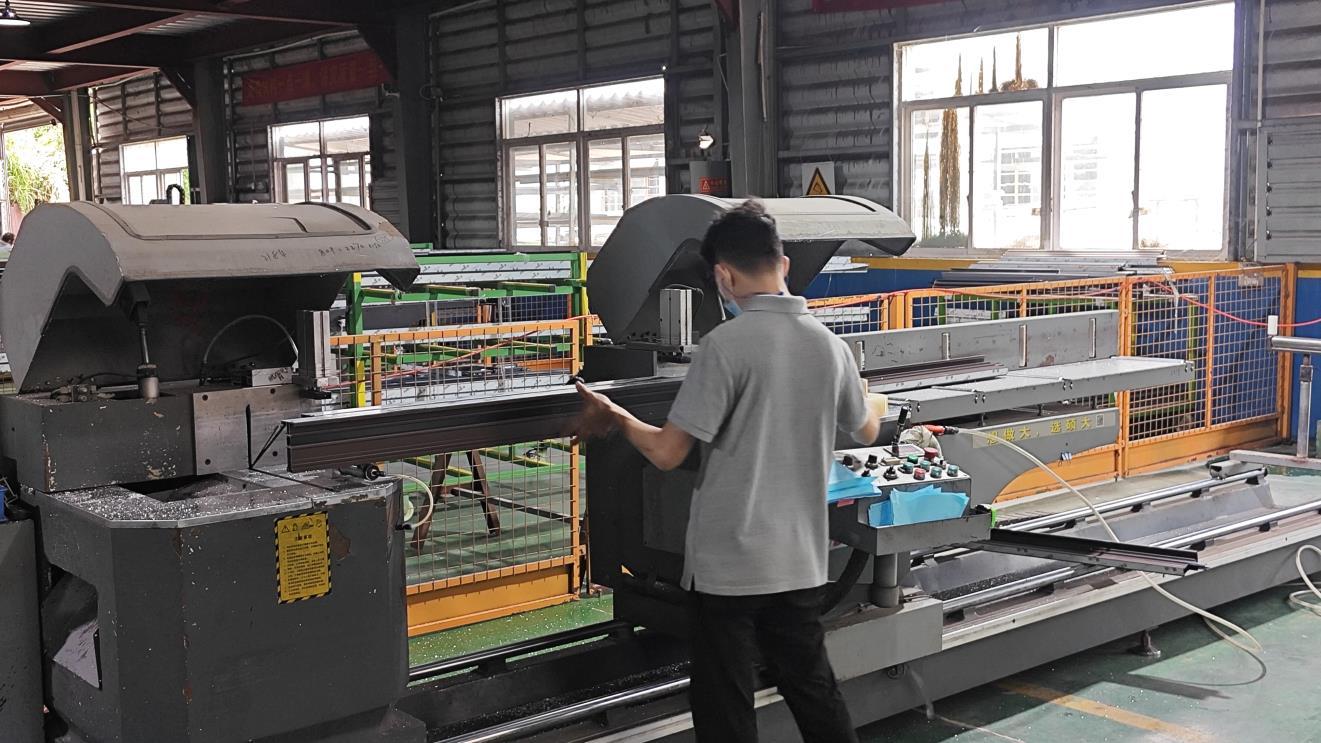
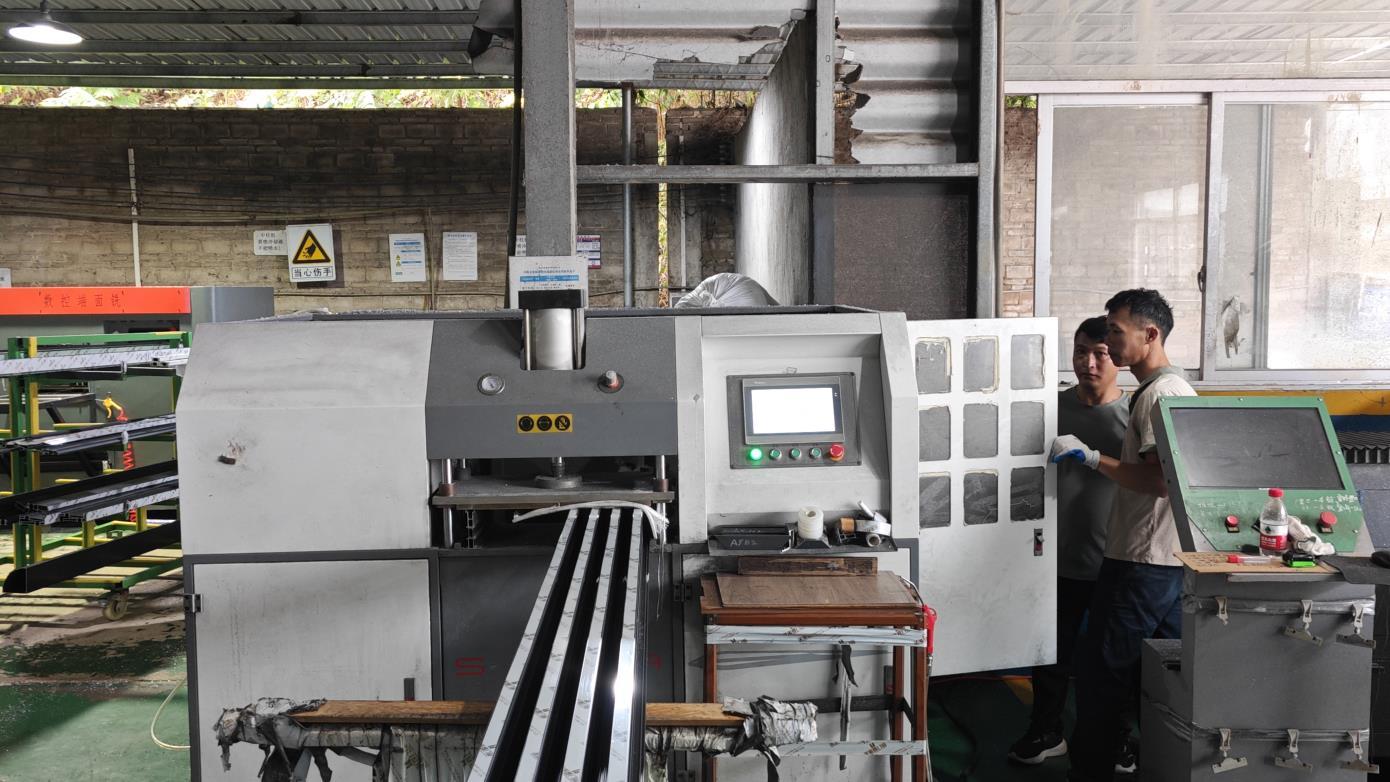
A step-by-step visual exploration of Zenit’s 18-stage production, machining, assembly, and quality assurance framework.
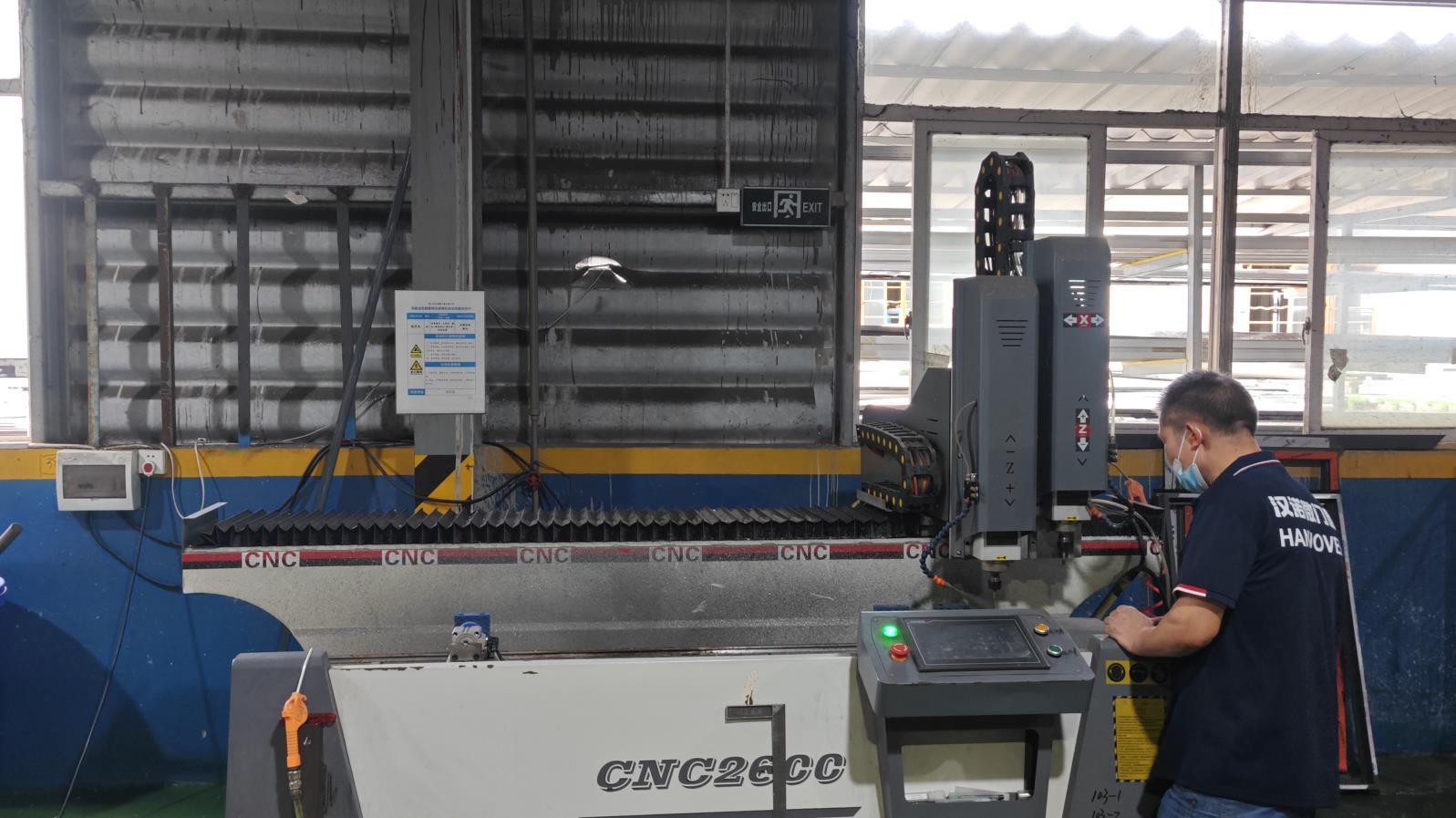
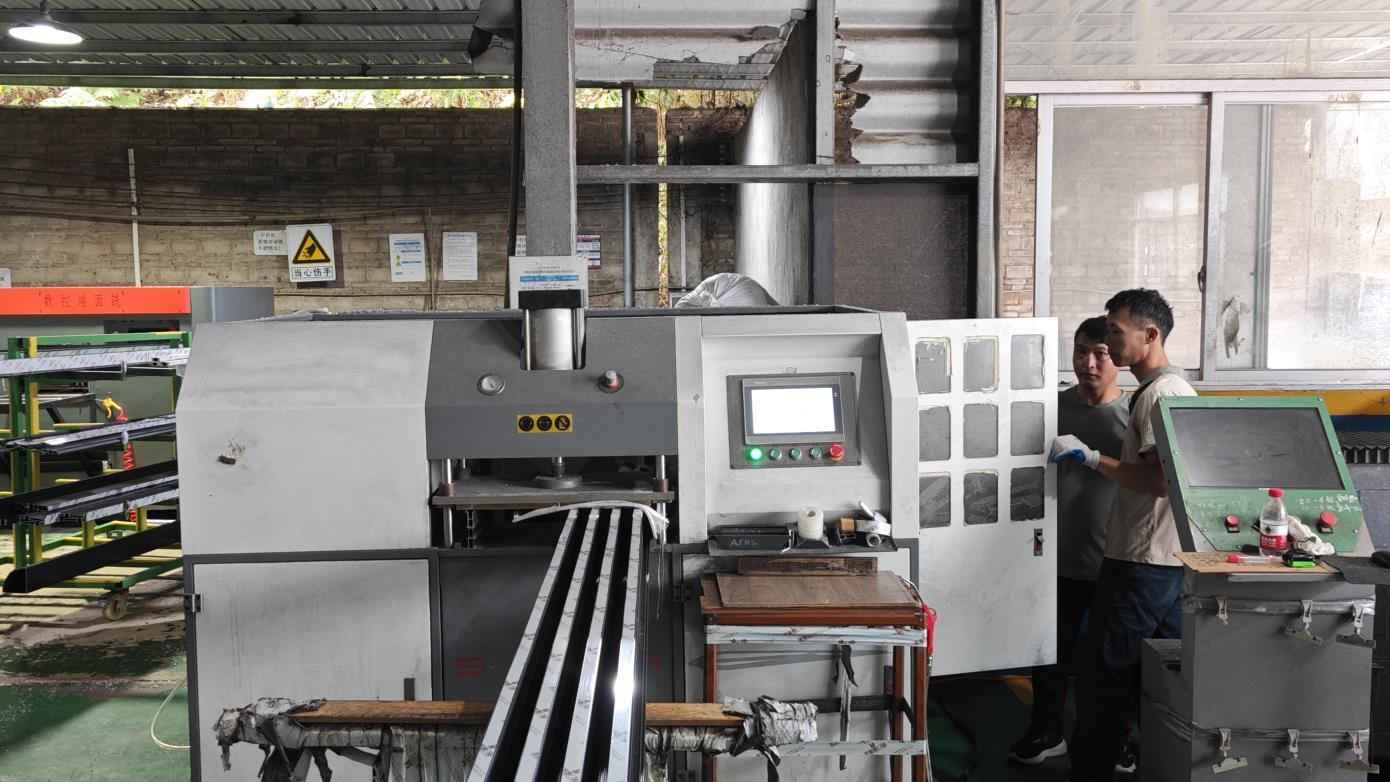
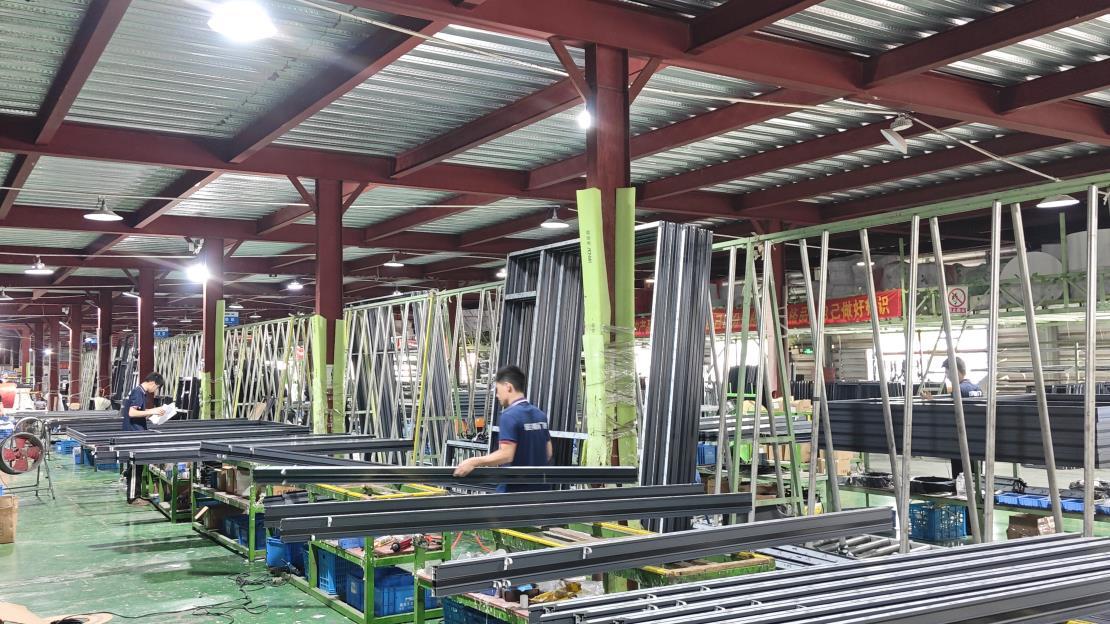
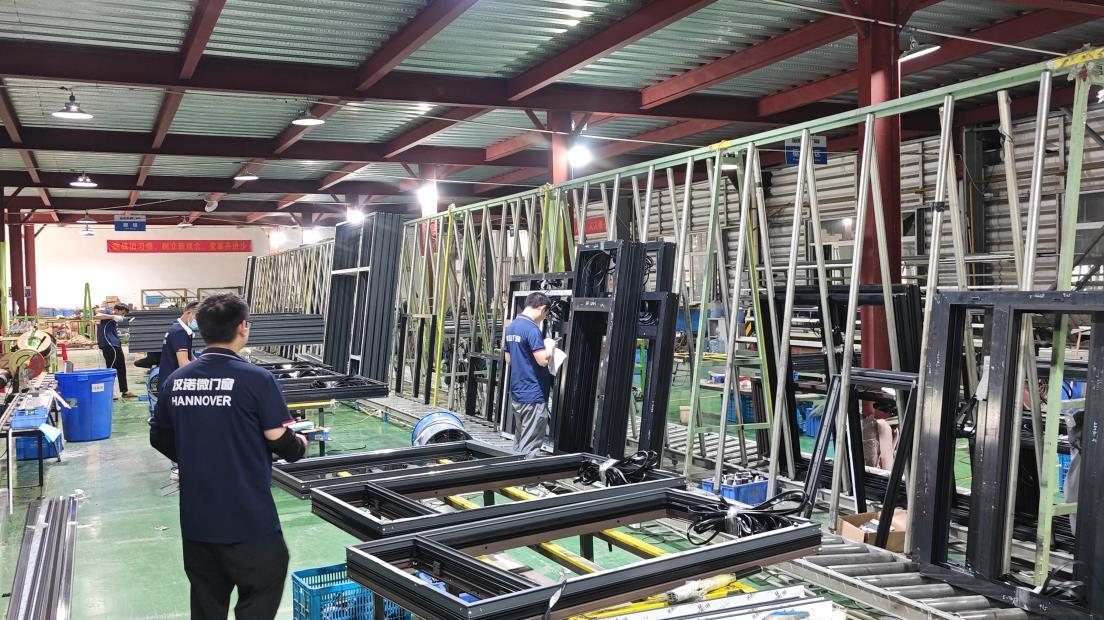
To consistently produce entry doors that withstand hurricane forces, extreme thermal gradients, and intense structural movement, every single phase of production at Chengdu Zenit is strictly regulated. From raw aluminum billet verification to multi-axis CNC milling, thermal strip threading, automated crimping, double-sealed glass insertion, and final rack debugging, our production workflow ensures zero-defect delivery.
Technical Roadmap: Thermal Break Innovations & Smart System Integration
Exploring next-generation materials science, aerodynamic glass coatings, structural load calculations, and IoT smart home access control.
The architectural fenestration sector is undergoing a rapid evolution toward net-zero operational energy and smart home integration. As a leading exporter, Zenit's engineering division focuses on four core technological pillars that define the next decade of aluminum main door manufacturing:
1. Multi-Chamber Thermal Polyamide Isolators (PA66 GF25)
Traditional non-thermal break aluminum doors allow rapid heat transfer, leading to high heating/cooling expenses and interior condensation. Zenit utilizes multi-chamber thermal breaks fabricated from Polyamide 66 reinforced with 25% short glass fiber (PA66 GF25). This composite matches the thermal expansion coefficient of aluminum while reducing thermal conductivity (K-value) by over 80%. When combined with warm-edge spacer bars and polyurethane insulation foam filling, system U-values drop to below 1.2 W/m²·K (0.21 BTU/h·ft²·°F).
2. Advanced Laminated & Low-E Glazing Physics
Main entry doors featuring glass lights incorporate double or triple-pane tempered glass units with soft-coat Low-Emissivity (Low-E) films. For hurricane-prone and high-security installations, Zenit integrates SentryGlas® (SGP) or Polyvinyl Butyral (PVB) interlayer laminates. If the outer pane shatters upon missile impact, the structural interlayer maintains structural integrity under cyclic wind pressures exceeding 9,000 Pascals (Pa).
3. Mechatronic Smart Access & Biometric Hardware Integration
Modern architectural entry doors require seamless hardware synthesis. Zenit integrates motorized multi-point locking systems (GU, Siegenia, Hoppe) compatible with biometric fingerprint scanning, RFID keycards, numerical keypads, and Apple HomeKit / Zigbee smart ecosystem integration. Wiring conduits are integrated directly within the extruded aluminum profile wall during CNC milling for clean aesthetics and tamper-proof security.
Multi-Point Lock & Hinge Engineering
Utilizing heavy-duty 3D adjustable 304 stainless steel barrel hinges and German 5-point locking mechanisms. Rated for over 200,000 continuous opening cycles under a panel weight capacity of up to 400 kg (880 lbs).
Acoustic Attenuation (STC & OITC Ratings)
Engineered acoustic perimeter gasket seals (EPDM compound) paired with asymmetric laminated glass configurations achieve Sound Transmission Class (STC) ratings exceeding 42 dB, blocking urban noise pollution.
Localized Architectural Application Scenarios & Regional Engineering
Customized fenestration solutions designed specifically for regional climate zones, structural codes, and local design aesthetics.
North America (USA & Canada)
Climatic Requirements: Hurricane resistance in coastal Florida/Texas; severe freeze-thaw protection in Northern US & Canada.
Zenit Engineering Solutions: Miami-Dade NOA approved impact glass systems, NFRC certified thermal breaks, and AAMA-compliant powder coatings. Includes ADA-compliant low thresholds for commercial applications.
Australia & New Zealand
Climatic Requirements: Extreme UV radiation, bushfire risk (BAL ratings), and severe coastal wind pressures.
Zenit Engineering Solutions: Full compliance with AS2047 and AS1288 standards. High-performance Qualicoat Class 2 powder coatings and integrated stainless steel mesh flyscreens for bushfire protection.
Western Europe & UK
Climatic Requirements: Stringent Passive House thermal performance (U-values < 1.0 W/m²K) and ultra-slim minimalist sightlines.
Zenit Engineering Solutions: CE marked, multi-chamber thermal breaks with low-E argon-filled triple glazing, concealed hinge hardware, and slim flush-mount pivot designs.
China Supply Chain Resilience & Cost-Efficiency Advantages
Leveraging deep industrial cluster integration, raw material scaling, and optimized logistics to maximize B2B procurement ROI.
Global procurement directors and commercial contractors choose Chinese aluminum main door exporters not only for competitive pricing, but for unmatched supply chain elasticity, rapid tooling lead times, and comprehensive industrial ecosystems. Chengdu Zenit captures these key regional advantages to deliver structural products faster and more cost-effectively than European or domestic North American manufacturers.
Vertical Upstream Integration
Direct proximity to primary aluminum smelters and billet extrusion mills allows Zenit to source custom profile alloy formulations (6063-T5, 6060-T66) with zero raw material delays and lower base metal costs.
Tooling & Rapid Customization
In-house CNC die tooling enables custom profile development within 15–20 days—compared to 8–12 weeks in Western markets—drastically shortening project procurement cycles for custom architectural specs.
Export Logistics & Protection
Fully automated protective packaging lines apply custom protective films, corner guards, and heat-treated export-grade plywood crates, ensuring zero transit damage across international sea freight routes.
Global Compliance Benchmarks & Risk Mitigation Protocols
Rigorous third-party certification frameworks ensuring seamless municipal building code approvals worldwide.
Navigating international building regulations requires transparent certification. Zenit subjects its door and window systems to extensive third-party laboratory testing to guarantee full compliance with regional codes:
North American Certifications (NFRC, CSA & Miami-Dade)
Tested in accordance with ASTM E1886, ASTM E1996, and TAS 201/202/203 protocols for large missile impact resistance. NFRC rated for solar heat gain coefficient (SHGC) and overall thermal transmittance (U-factor).
Australian Standards Compliance (AS2047 & AS1288)
Evaluated for structural deflection (AS4055), air infiltration, water penetration resistance (up to 600 Pa operational pressure), and ultimate strength under extreme Australian climate conditions.
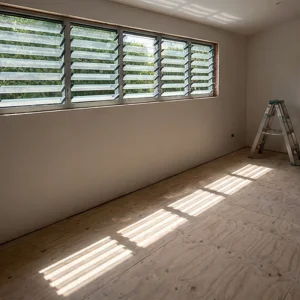
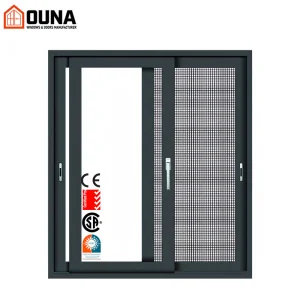
Additional Architectural Window & Door Portfolio
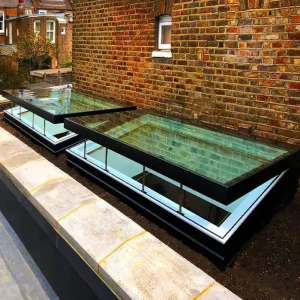
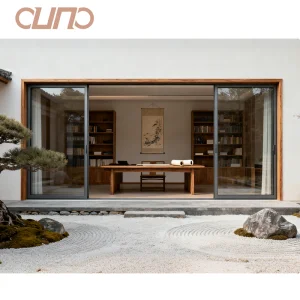
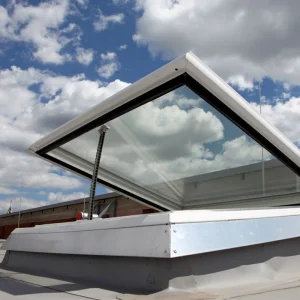
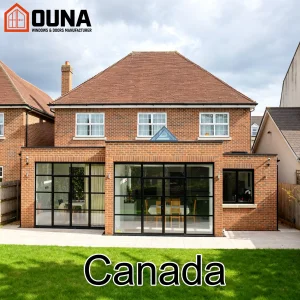
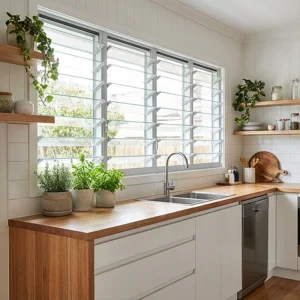
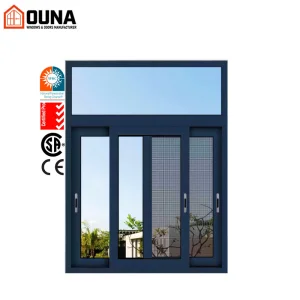
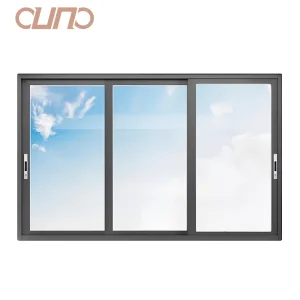
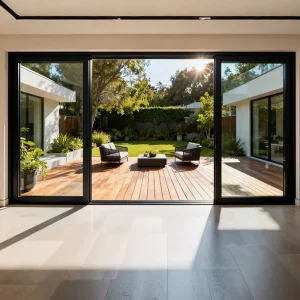
Explore our extended series of louvers, skylights, sliding doors, and hurricane-rated panoramic glazing options.
Frequently Asked Questions (Technical & Procurement Q&A)
Direct technical guidance for project managers, general contractors, and building material distributors.