 Zenit Window
Featured Architectural Aluminum Door & Window Systems
Explore our top-tier export systems engineered for extreme structural performance, thermal efficiency, and high-level intruder deterrence.
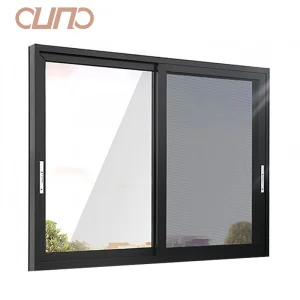
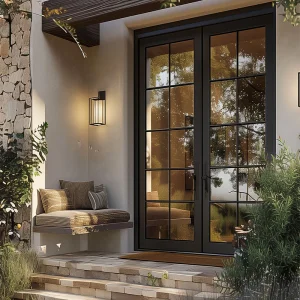
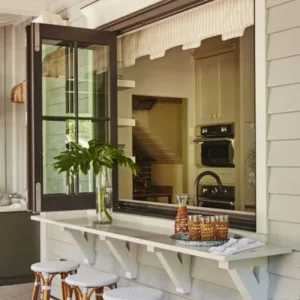
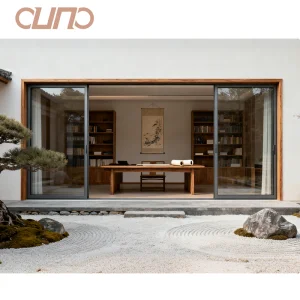
Global Commercial & Architectural Security Doors Landscape
Analyzing the shift toward high-performance architectural aluminum security envelopes in modern urban infrastructure and luxury developments.
In contemporary architectural design, the exterior door is no longer merely a point of ingress; it represents the primary barrier against environmental pressures, energy loss, and forced entry threats. The global demand for structural aluminum security doors has experienced exponential growth, driven by rapid urbanization, modern building codes, and escalating physical security requirements. Architects, commercial general contractors, and residential real estate developers increasingly prioritize structural aluminum systems due to their superior strength-to-weight ratio, extreme corrosion resistance, and structural versatility compared to traditional timber or vinyl alternatives.
High demand for NFRC-certified, thermal break aluminum doors capable of satisfying strict Title 24 energy codes and Miami-Dade County HVHZ wind-load testing up to 70 PSF design pressure.
Focused on extreme climate resilience, mandatory water-penetration resistance, AS5039 security mesh integration, and BAL-40 to BAL-FZ bushfire flame zone compliance.
Centrally focused on ultra-low U-values (under 0.8 W/m²K), triple-glazed acoustic isolation, and PAS 24 / EN 1627 burglar-proof multi-point mechanical hardware integration.
Factory Authority & Enterprise Capacity Profile
Inside Chengdu Zenit Window & Door Co., Ltd. — Operational Scale, R&D Rigor, and Quality Benchmark.
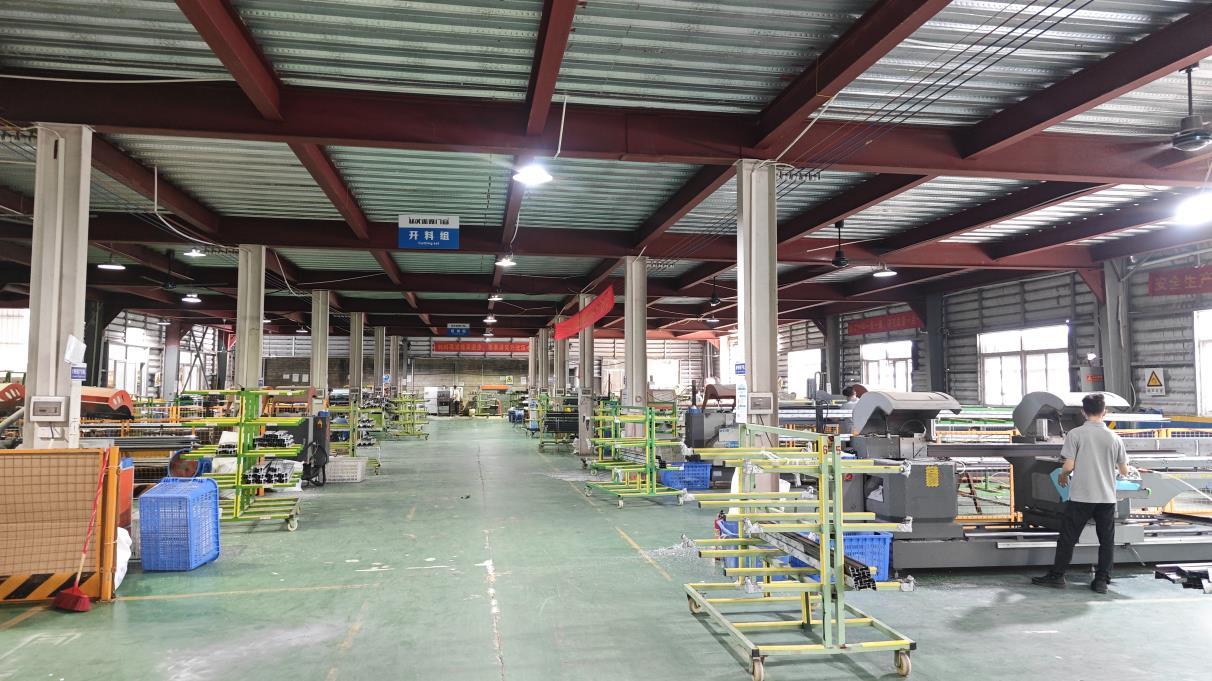
Founded in 2015, Chengdu Zenit Window & Door Co., Ltd. operates an advanced 25,000-square-meter manufacturing facility. Backed by 11 years of deep industry engineering expertise and 8 years of dedicated international trade experience, the company generates an annual export turnover reaching $26 million USD. Our primary export infrastructure directly serves North America, Australia, and Western Europe, fulfilling critical procurement demands for luxury residential builders, commercial architectural contractors, and direct building material distributors.
Quality control at Zenit is strictly managed by a team of 35 certified inspection technicians. Every production batch undergoes rigorous structural assessments, including digital air permeability testing, dynamic water tightness evaluation, hydrostatic pressure resistance, and frame corner shear strength verification. Supported by a robust network of over 600 raw material and hardware supply chain partners, Zenit delivers comprehensive architectural customization options—ranging from PA66 nylon thermal break profiles and custom anodized exterior finishes to multi-layered laminated bullet-resistant and triple-pane soundproof glazing units.
Driven by an active research and development division comprising 42 structural and software engineers, Zenit successfully developed and launched 50 newly patented architectural window and door systems over the past 12 months alone, solidifying its standing as an industry innovator in China's fenestration sector.
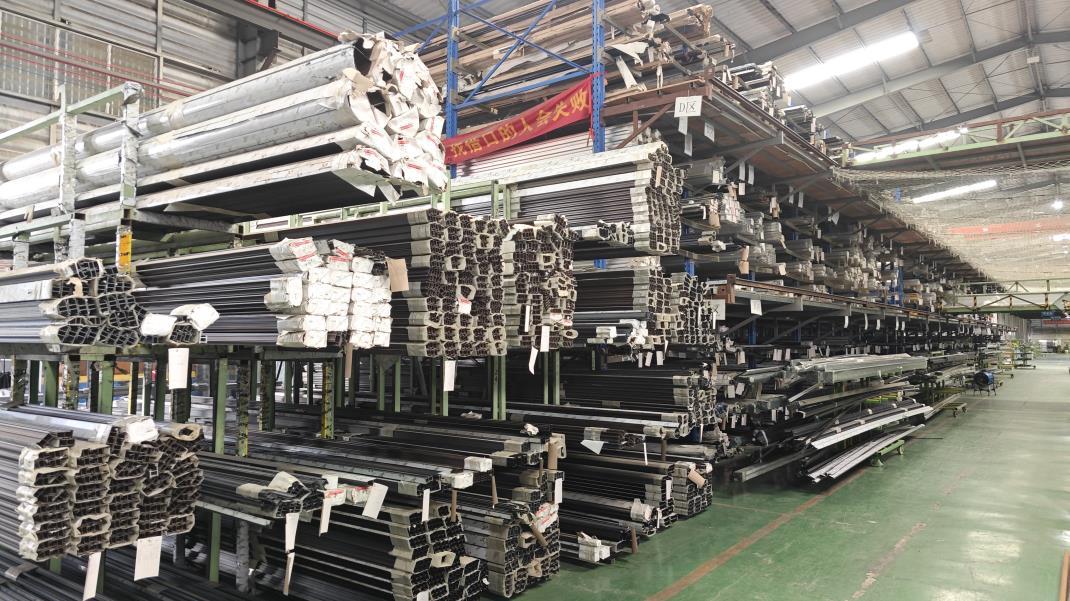
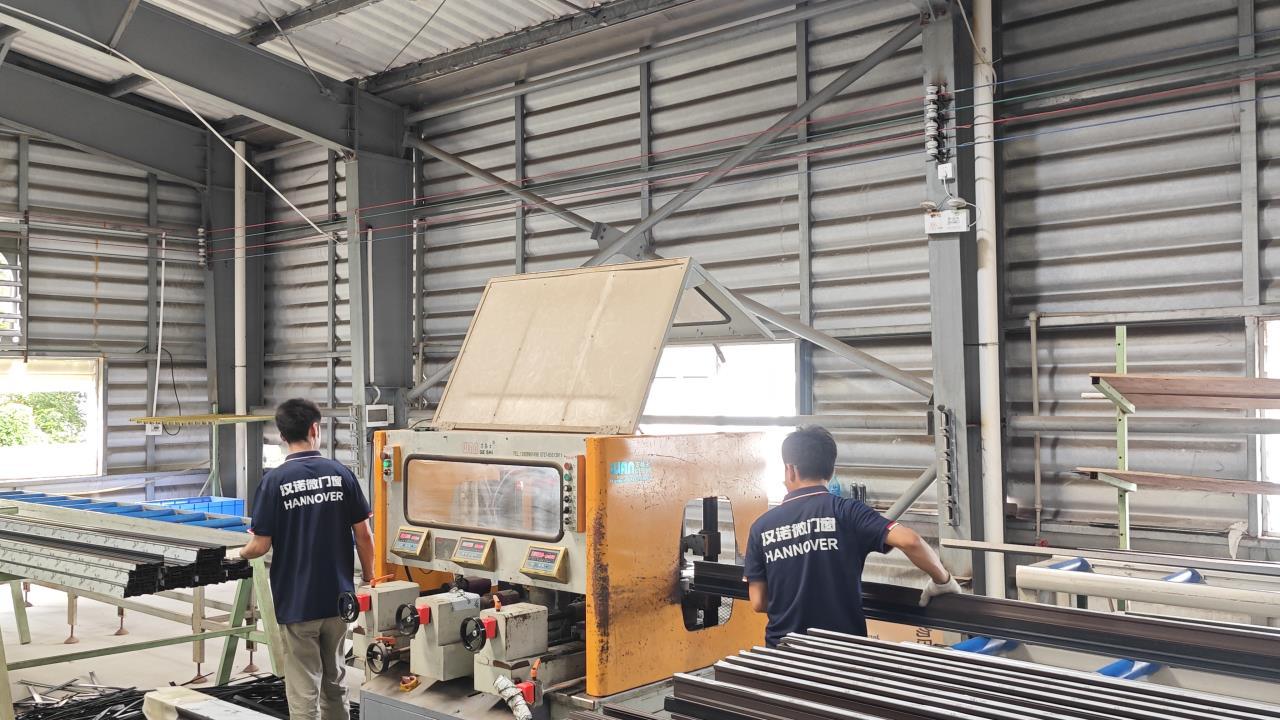
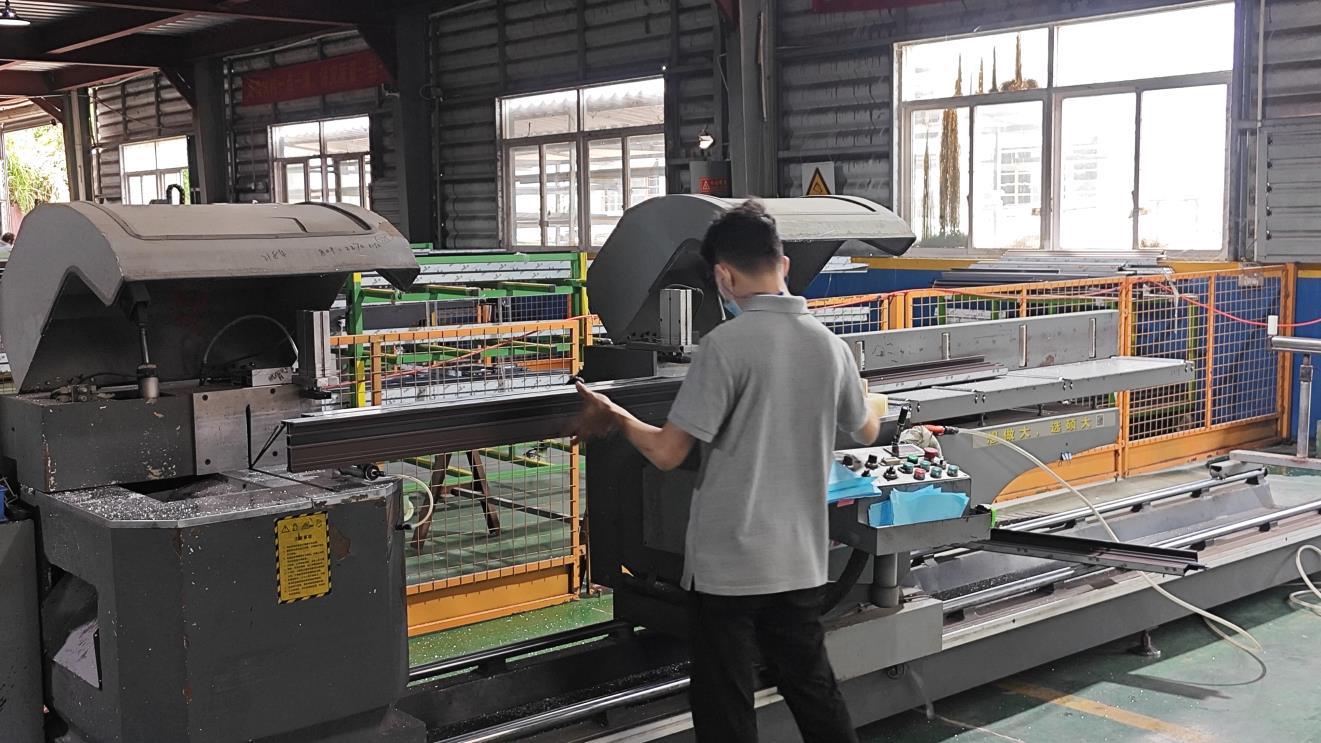
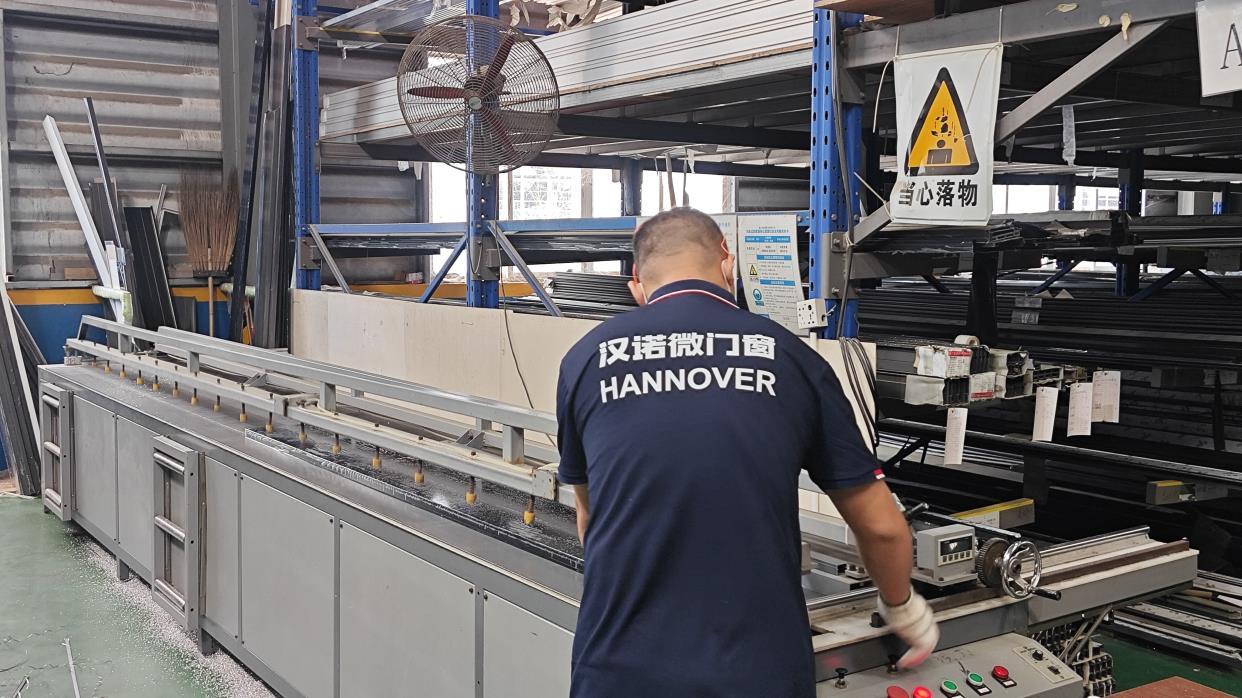
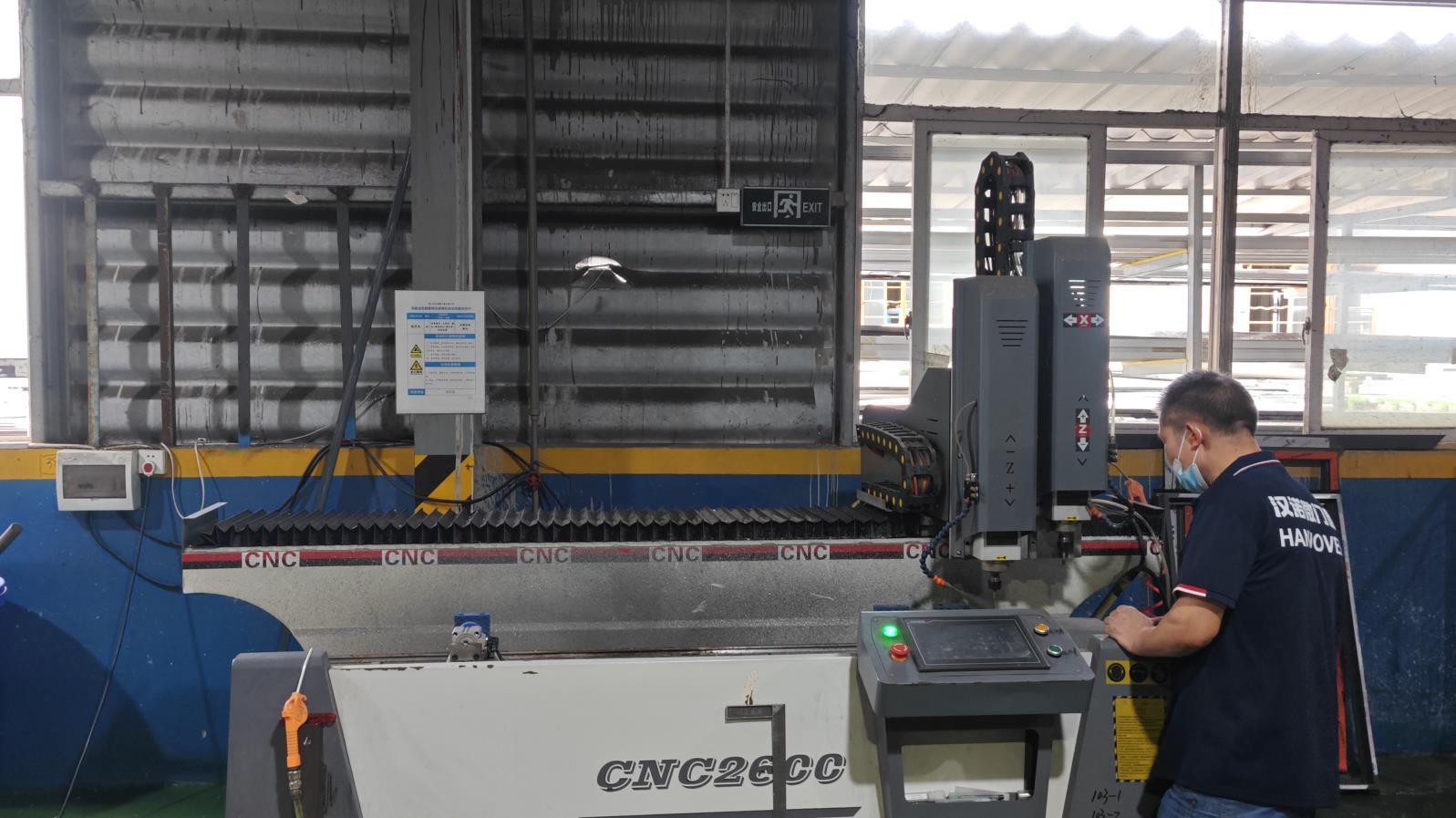
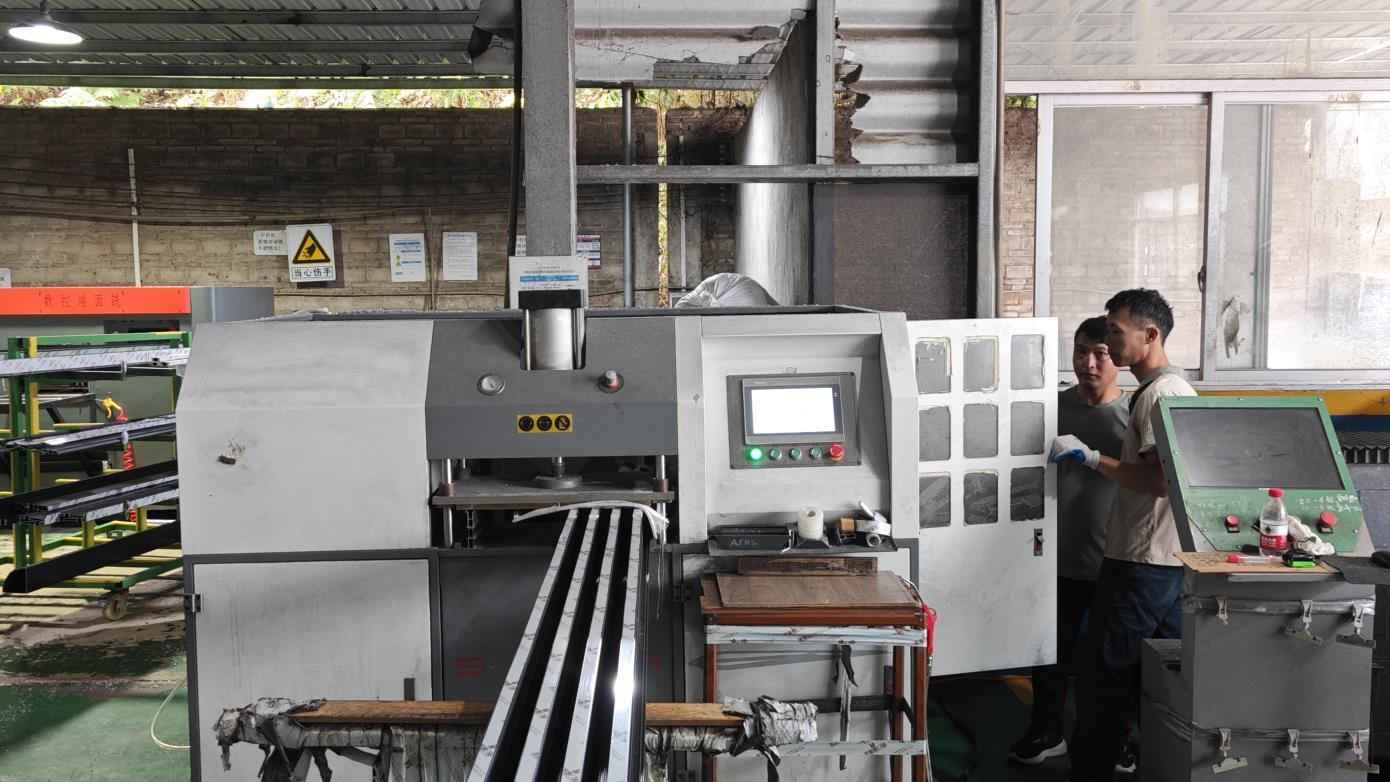
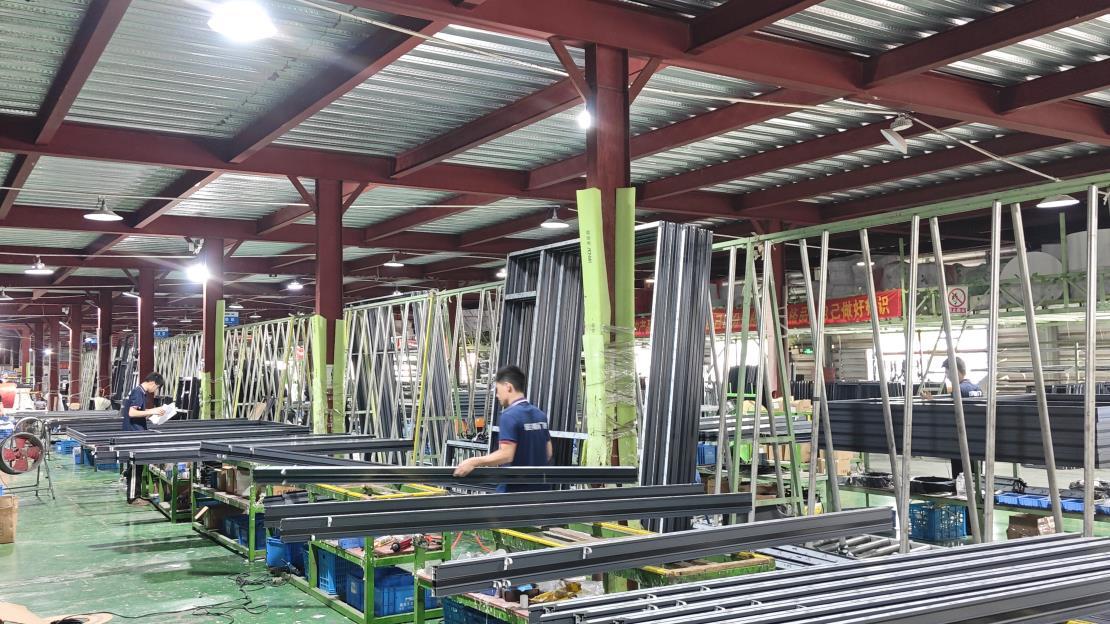
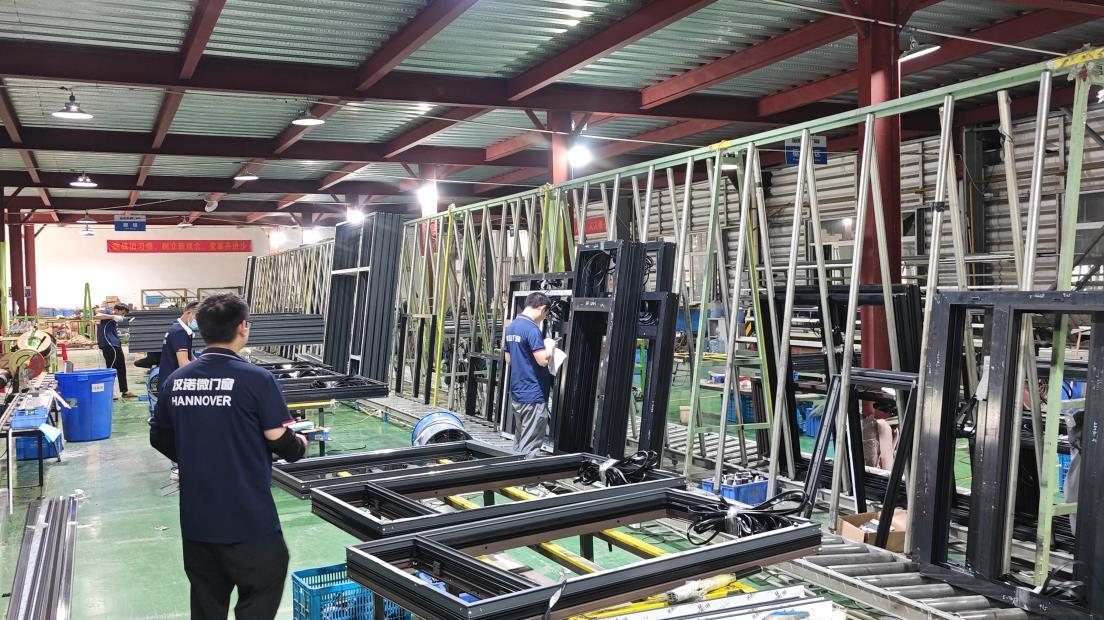
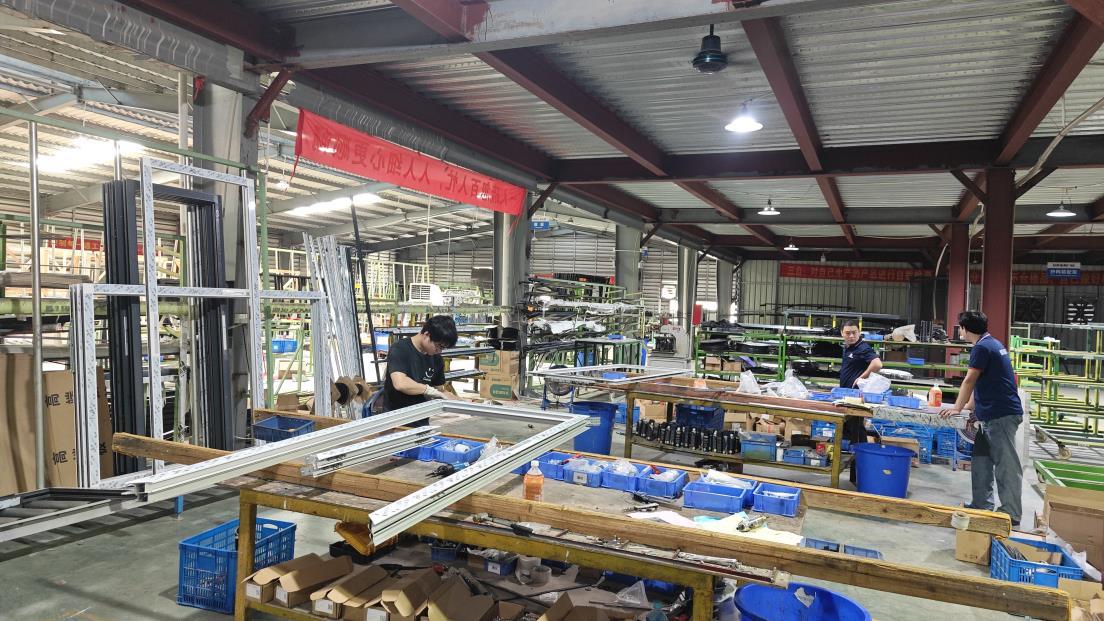
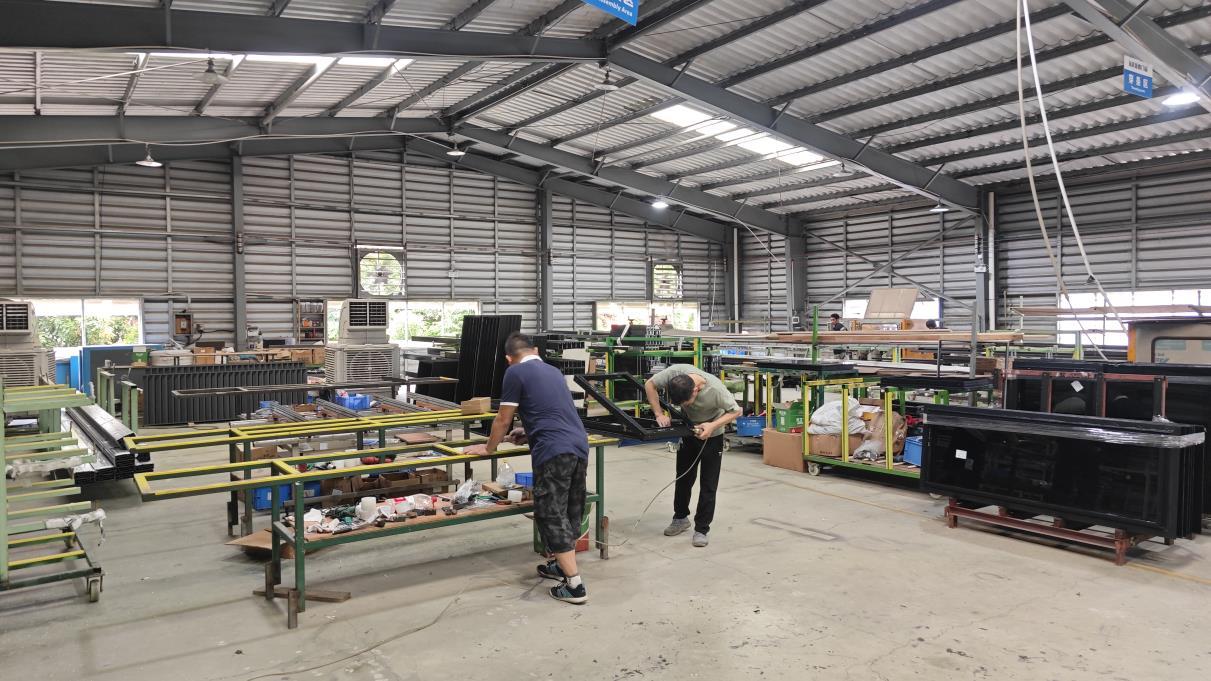
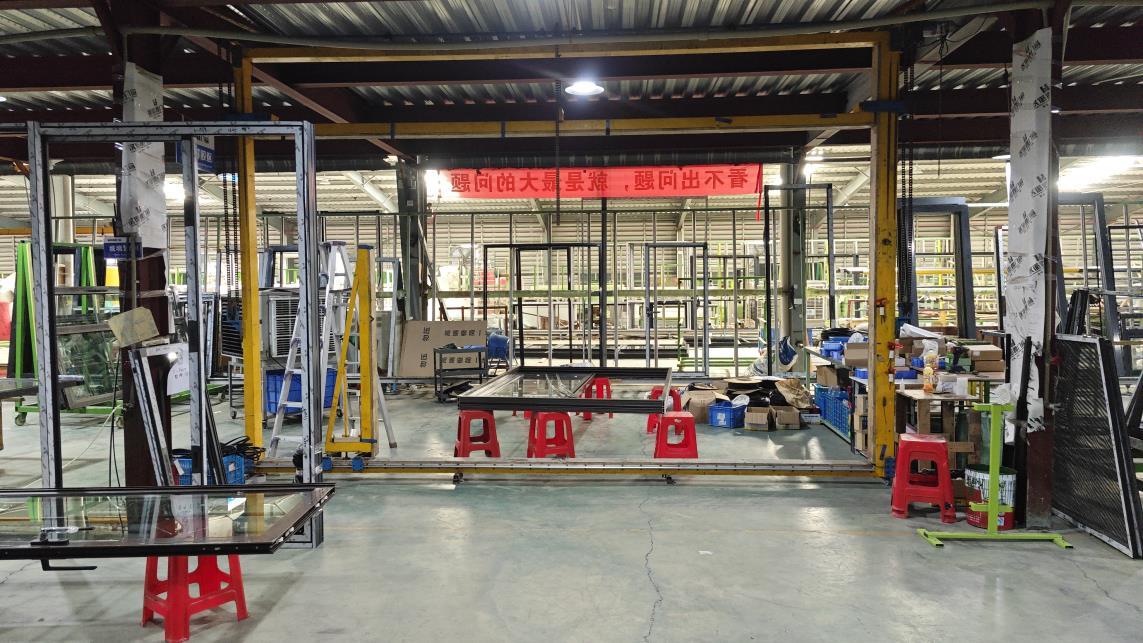
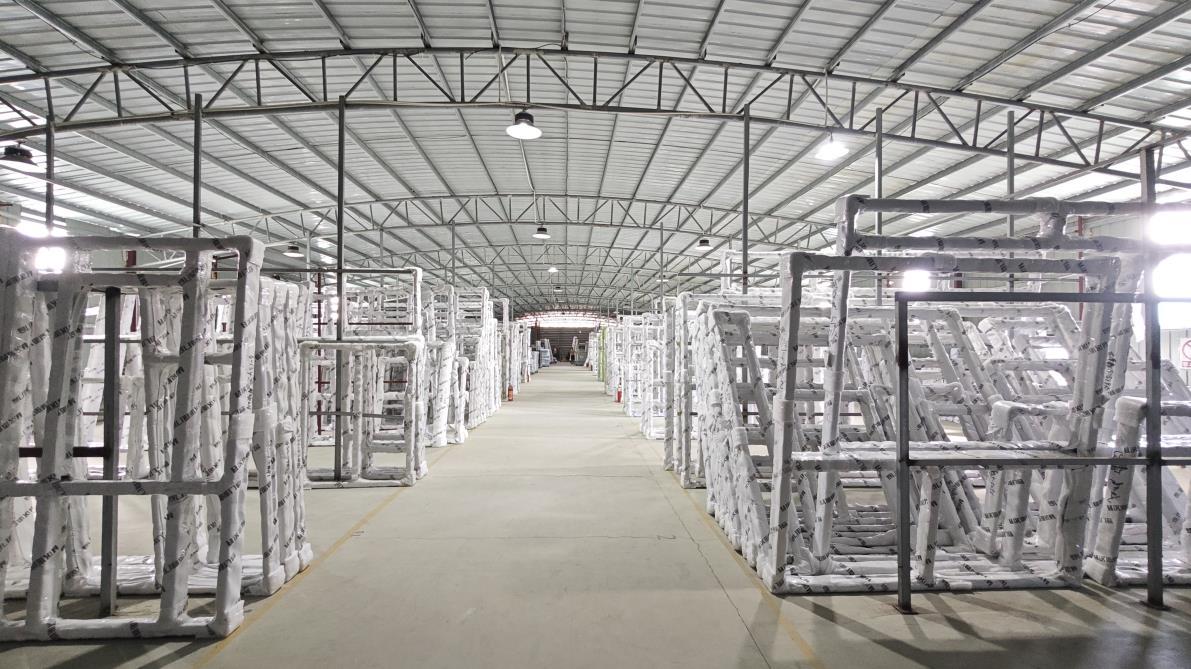
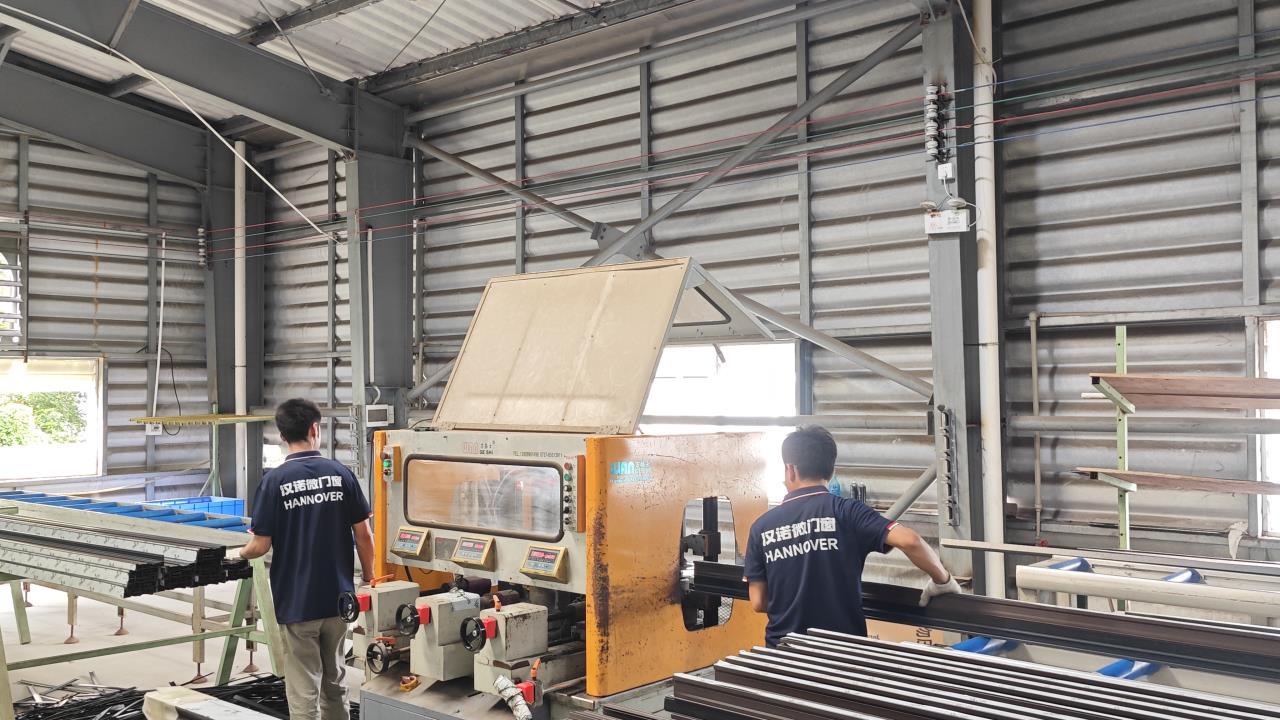
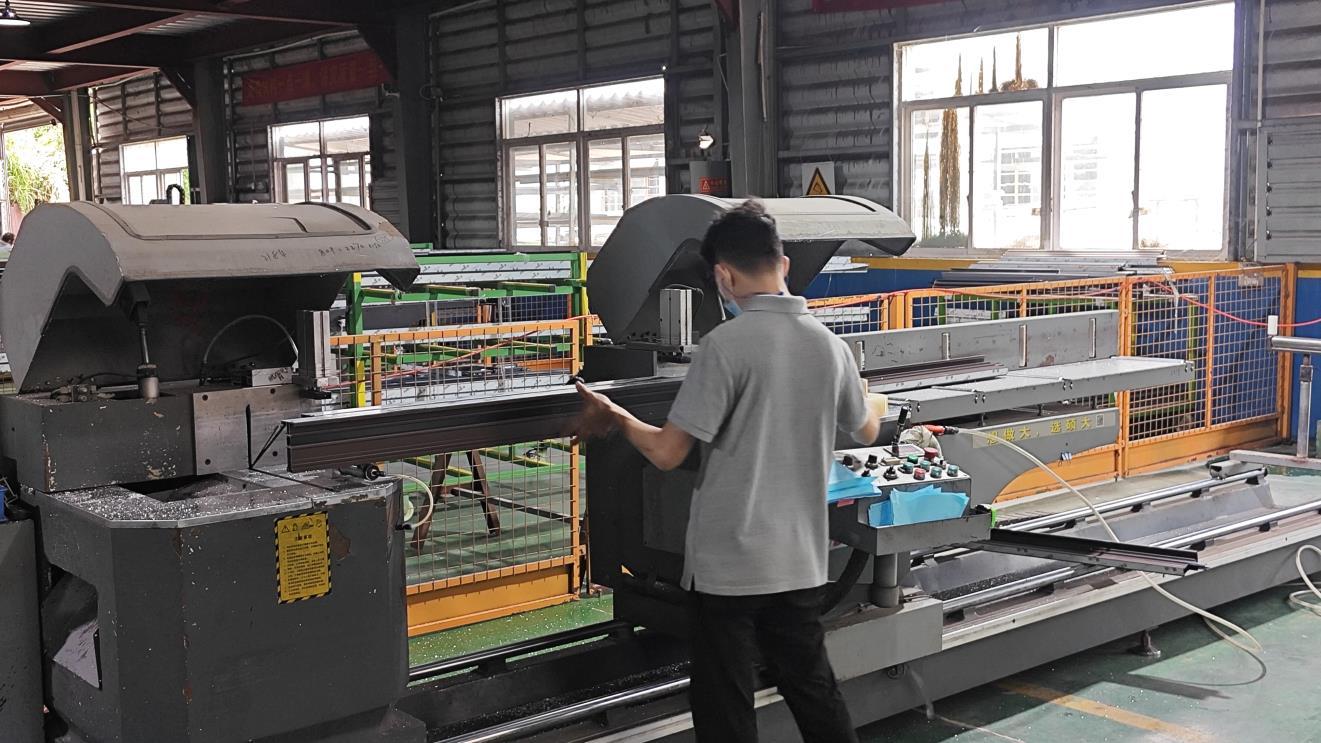
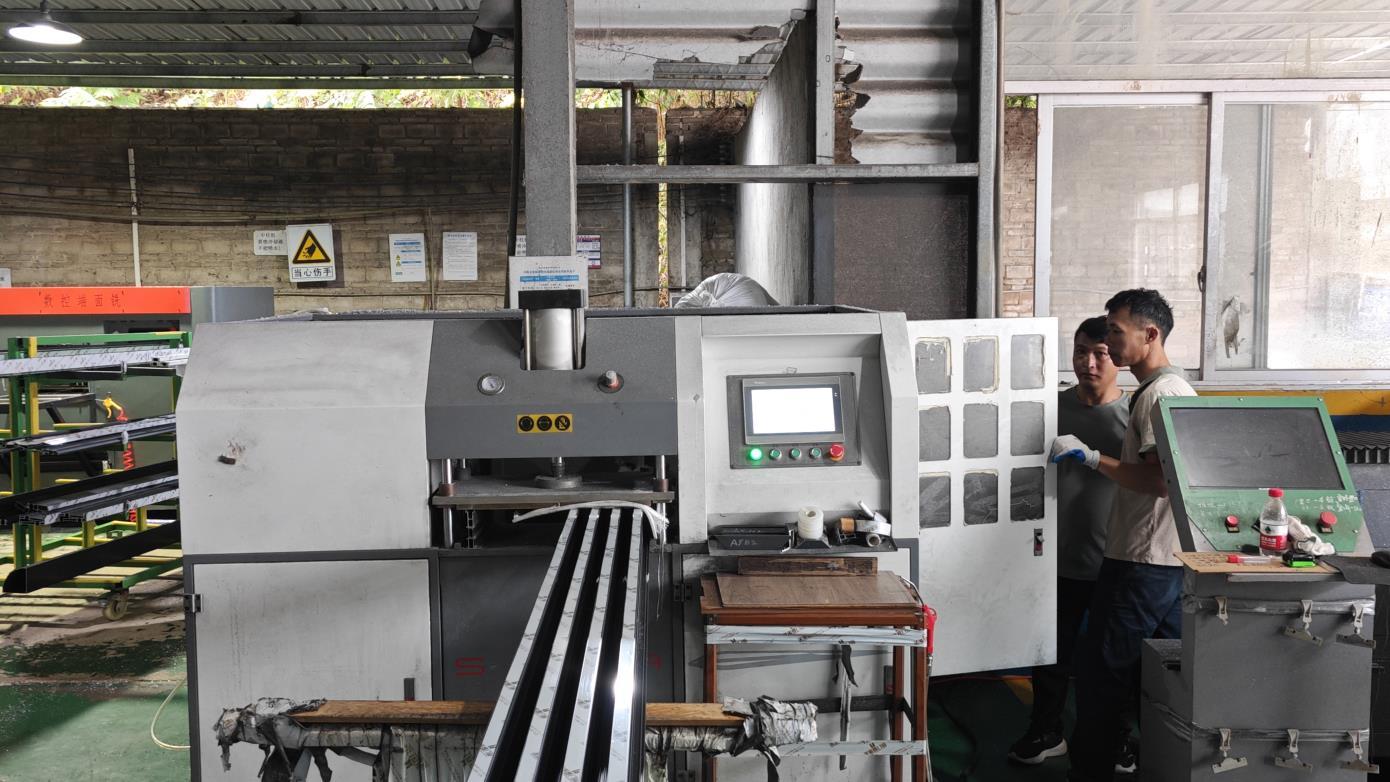
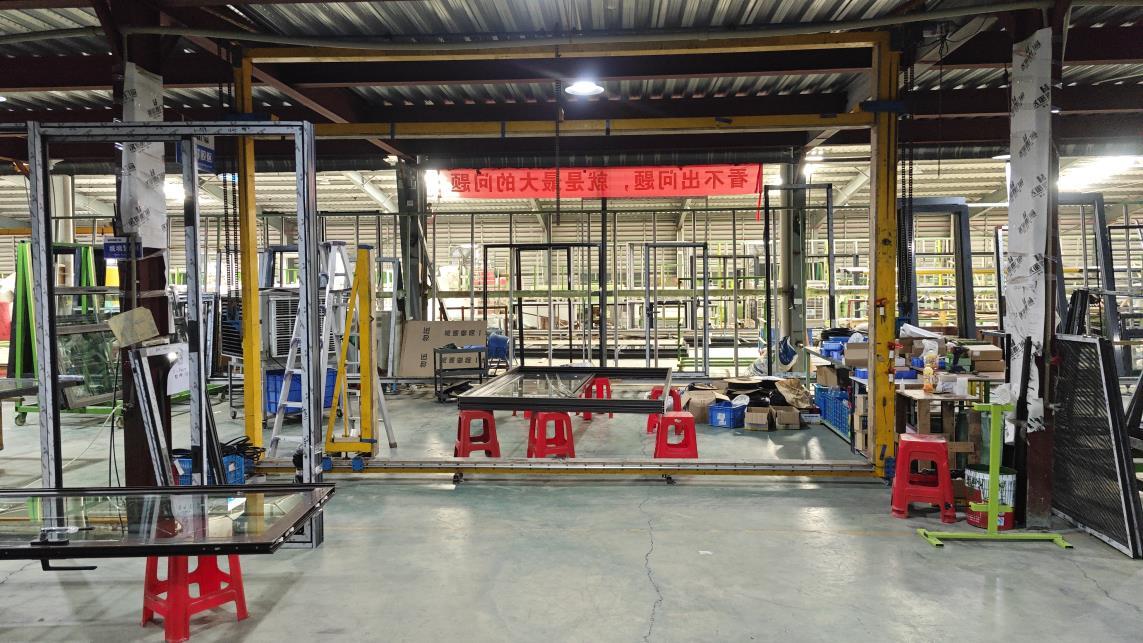
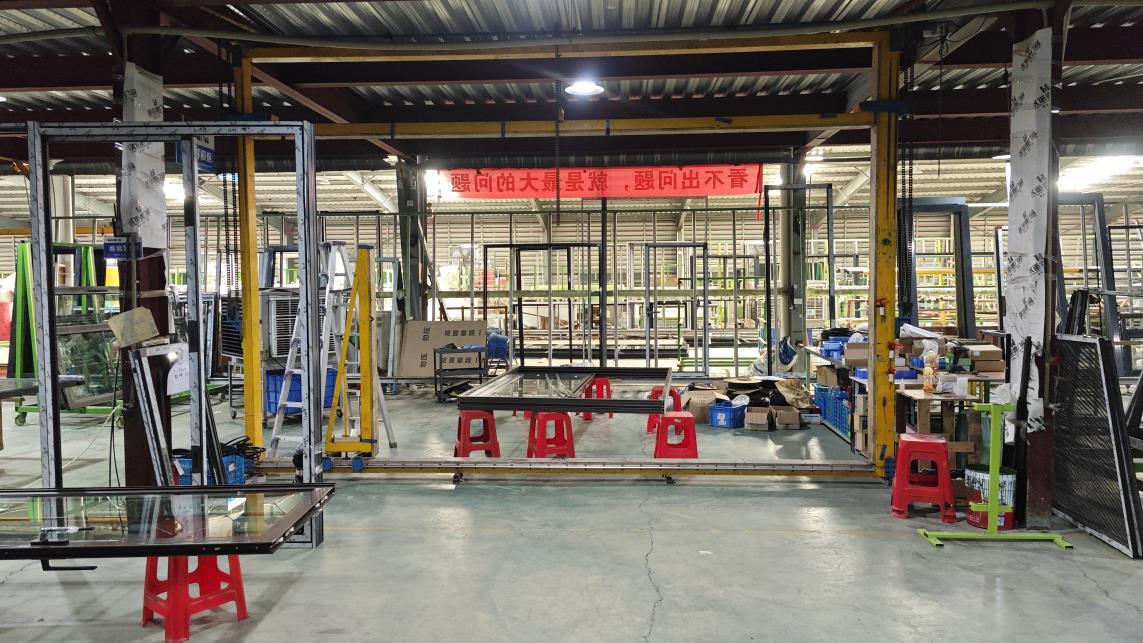
Precision Manufacturing & Workflow Control Grid
A transparent look into our 18-stage automated fabrication, assembly, and quality verification process.
Technical Specifications & Material Matrix
Engineering parameters defining high-security aluminum entrance systems, thermal breaks, and structural glazing.
| Performance Parameter | Engineering Standard / Specification | Architectural Application Advantage |
|---|---|---|
| Aluminum Alloy Profile | 6063-T6 / 6061-T6 High-Tensile Extrusion (Wall thickness 2.0mm - 3.0mm) | Prevents mechanical deformation under extreme physical impact or wind load. |
| Thermal Break Technology | Polyamide PA66 GF25 (25% Glass Fiber Reinforced Structural Insulation) | Eliminates thermal bridging; achieves U-values down to 1.1 - 1.4 W/m²K. |
| Burglary Resistance | EN 1627 Class RC2 / RC3 & PAS 24 Security Verification | Resists forced entry attempt via heavy manual levering tools for >15 minutes. |
| Hurricane Impact Rating | Miami-Dade NOA Approved, ASTM E1886/E1996 Large Missile Level D | Withstands 9 lb 2x4 timber missile impact at 50 ft/s followed by cyclical pressure. |
| Glazing Architecture | Double/Triple Tempered Laminated Low-E (SGP Interlayer optional) | Shatter-proof containment; blocking 99% UV rays and enhancing soundproofing (STC 42+). |
| Locking Mechanism | German Siegenia / Hoppe / Custom Multi-Point Hook Locking System | Locks frame into jamb across 5 to 7 peripheral points simultaneously. |
| Surface Coating | AkzoNobel Fluorocarbon (PVDF) Powder Coating / Hard Anodizing | AAMA 2605 compliant; 25-year resistance against salt spray, fading, and chalking. |
⚡ Localized Architectural Application Scenarios
Aluminum security doors manufactured by Zenit are custom engineered to adapt to localized climate challenges and regional regulatory demands:
Equipped with 316 marine-grade stainless steel hardware, continuous structural silicone glazing, and heavy-gauge reinforced aluminum extrusions to endure severe salt fog corrosion and category-5 hurricane winds.
Utilizing wide PA66 thermal break multi-chamber profiles, warm-edge spacer technology, and argon-gas filled Low-E triple glazing to maintain indoor thermal warmth and prevent interior condensation.
Combining asymmetric laminated glass configurations with multi-layer EPDM seals, dropping external environmental noise by up to 45 decibels for peaceful inner environments.
Supply Chain Resilience & Next-Gen Technical Roadmap
How Chinese manufacturing agility and technology integration are redefining global architectural fenestration.
China’s ecosystem for extruded aluminum products offers unmatched supply chain resilience. At Zenit Window & Door Co., Ltd., raw billet sourcing, anodizing, extrusion, CNC milling, and insulating glass unit (IGU) fabrication are tightly synchronized within a 50-kilometer industrial radius. This cluster efficiency dramatically reduces lead times—allowing full custom architectural door orders to move from CAD approval to container loading in as few as 20 to 25 days.
Zenit's R&D team is pioneering three core innovations for export lines:
1. Smart Access Integration: Embedded biometric facial recognition, RFID, and IoT smart home connectivity built directly into concealed aluminum door handles without compromising thermal integrity.
2. Ultra-Thin Vacuum Insulated Glass (VIG): Achieving U-values below 0.6 W/m²K within a lightweight, ultra-slim profile footprint.
3. Low-Carbon Hydro-Aluminium Profiles: Transitioning profile extrusion billets to 100% renewable energy smelters to meet stringent EU Carbon Border Adjustment Mechanism (CBAM) standards.
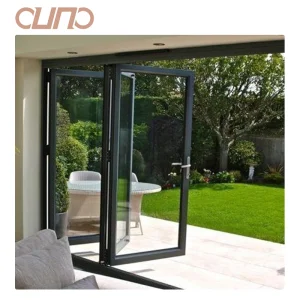
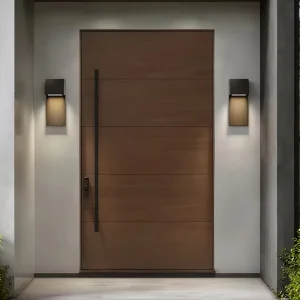
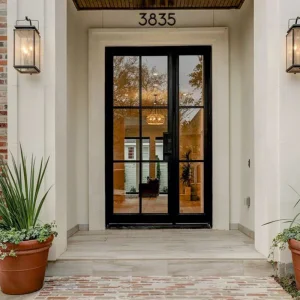
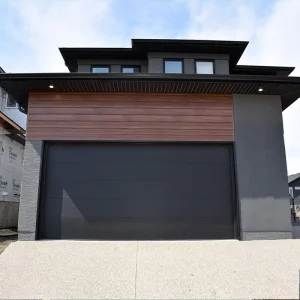
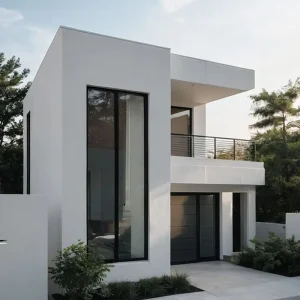
More Engineered Aluminum Door & Window Solutions
Explore the complete catalog of specialized architectural entry systems, bi-fold doors, and smart garage systems.
Frequently Asked Questions (B2B Procurement FAQ)
Answers to common structural engineering, certification, and shipping inquiries from global builders and wholesalers.