Top Trusted Aluminium Casement Windows Factories & Exporter

Global Commercial Whitepaper & Supply Chain Benchmark for High-Performance Thermal Break Engineering, Structural Architecture, and B2B OEM/ODM Procurement Solutions
Featured Architectural Solutions Showcase (Part I)

Explore our flagship certified window and door systems designed for residential, commercial, and structural infrastructure projects worldwide.
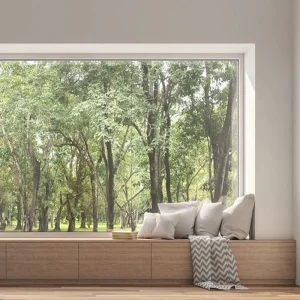
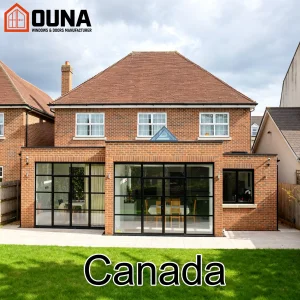
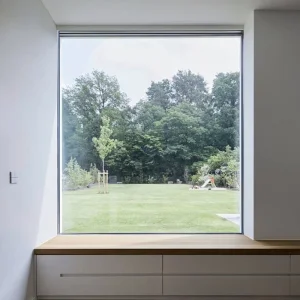
OUNA Thermal Break Aluminum Fixed Window
OUNA Thermal Break Aluminum Fixed Window for House Excellent Insulation and Noise Reduction Energy Saving for Bedroom
View Product Details
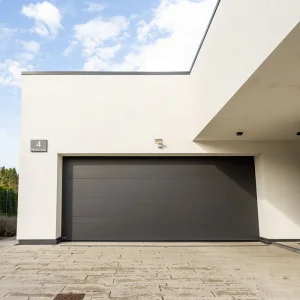
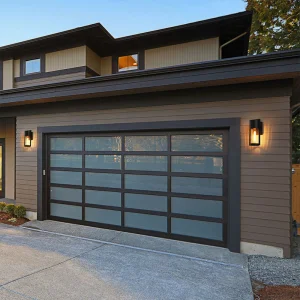
OUNA Overhead Automatic Aluminum Garage Door
OUNA Best Price Full Set of Overhead Automatic Aluminum and Tempered Glass Clear Garage Door Best Value Full ViewDoor
View Product Details
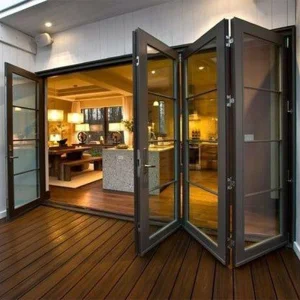
OUNA Aluminum Bifold Doors with Blinds
OUNA Customized Aluminum Sliding Folding Door Built-in Blinds Double Glazed Windows Bifold Doors for Exterior Application
View Product Details
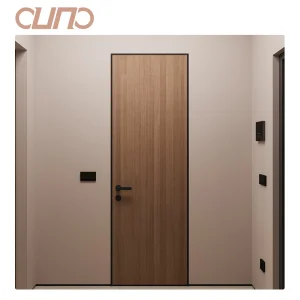
OUNA Aluminum Wrapped Solid Wood Door
OUNA Stable Aluminum Wrapped Solid Wood Door Resists Moisture and Warping for Lasting Use in Interior Spaces Finishes
View Product Details
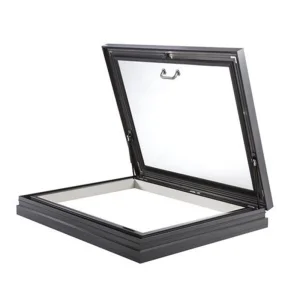
OUNA Aluminum Skylight Hidden Track
OUNA Rolling Open Style Aluminum Skylight with Hidden Track Design Creates a Sleek Modern Look for Villa and Modern Homes
View Product Details
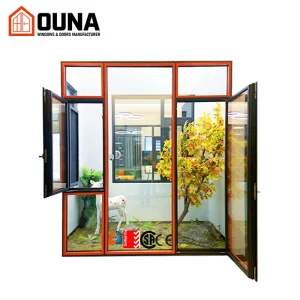
OUNA Tilt and Turn Hurricane Impact Windows
OUNA New Arrival Aluminum Window House Tilt and Turn Window Frame Hurricane Impact Proof NOA Slim Frame Casement Windows
View Product Details
OUNA AS2047 Certified Aluminum Window Door
OUNA Usa Project Villa As2047 Certified Aluminum Window Door Tempered Glass Heat Insulation Hurricane Impact Proof Other Windows
View Product Details
OUNA Insulated Aluminum Garage Door PU Foam
OUNA Insulated Aluminum Sectional Garage Door with PU Foam Core Automatic Electric Security Door for Homes and Villas
View Product Details
1. Executive Summary & Global Macro-Economic Landscape of Architectural Fenestration

The global market for architectural aluminium casement windows is undergoing a structural paradigm shift. Driven by stringent international energy efficiency mandates, such as the European Union’s Energy Performance of Buildings Directive (EPBD) and the United States International Energy Conservation Code (IECC), high-performance thermal break aluminium systems have transformed from luxury architectural options into mandatory building envelope standards. The global demand for structural aluminium fenestration is projected to expand at a compound annual growth rate (CAGR) of 6.4% through 2030, underpinned by massive commercial urbanization, residential energy retrofits, and high-rise structural demands.

Within this dynamic global environment, identifying top trusted aluminium casement windows factories and exporters is a critical strategic imperative for real estate developers, architectural contractors, engineering firms, and regional building material wholesalers. Modern casement windows are no longer merely aesthetic apertures; they are complex, multi-component thermodynamic barriers engineered to withstand extreme wind loads, prevent water ingress, eliminate thermal bridging, and deliver superior sound isolation.

Strategic Information Gain Benchmark

This industry report synthesizes practical empirical data, advanced physical engineering principles, structural compliance benchmarks (including NFRC, AS2047, and CE standards), and real-world supply chain metrics to provide B2B procurement officers with an authoritative technical evaluation model for sourcing premium aluminium casement window systems.

2. Enterprise Manufacturing Infrastructure & Operational Authority

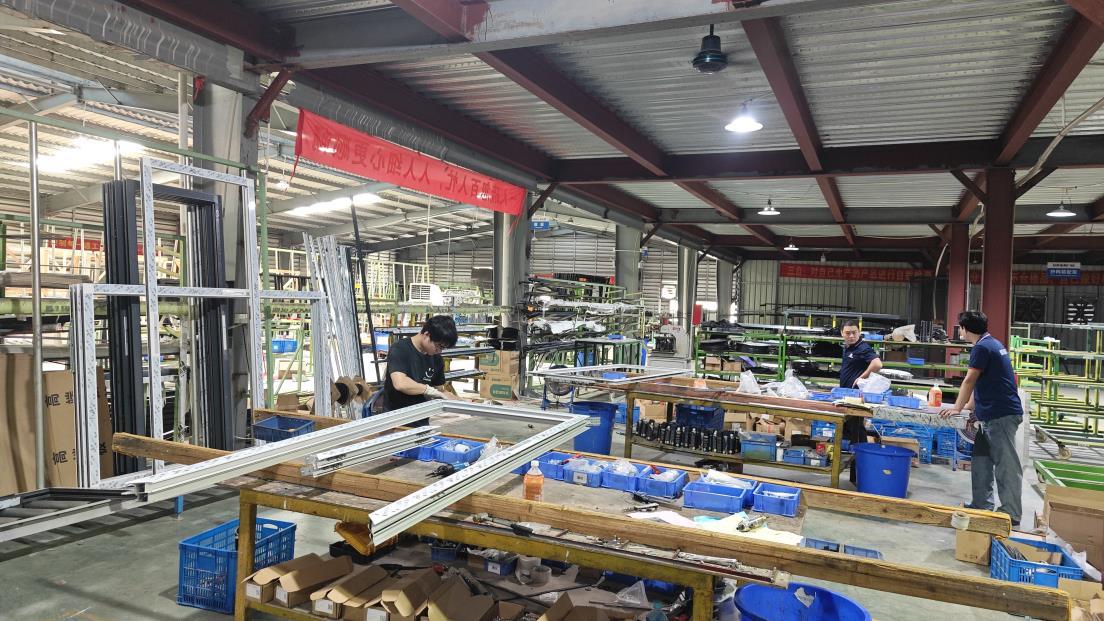
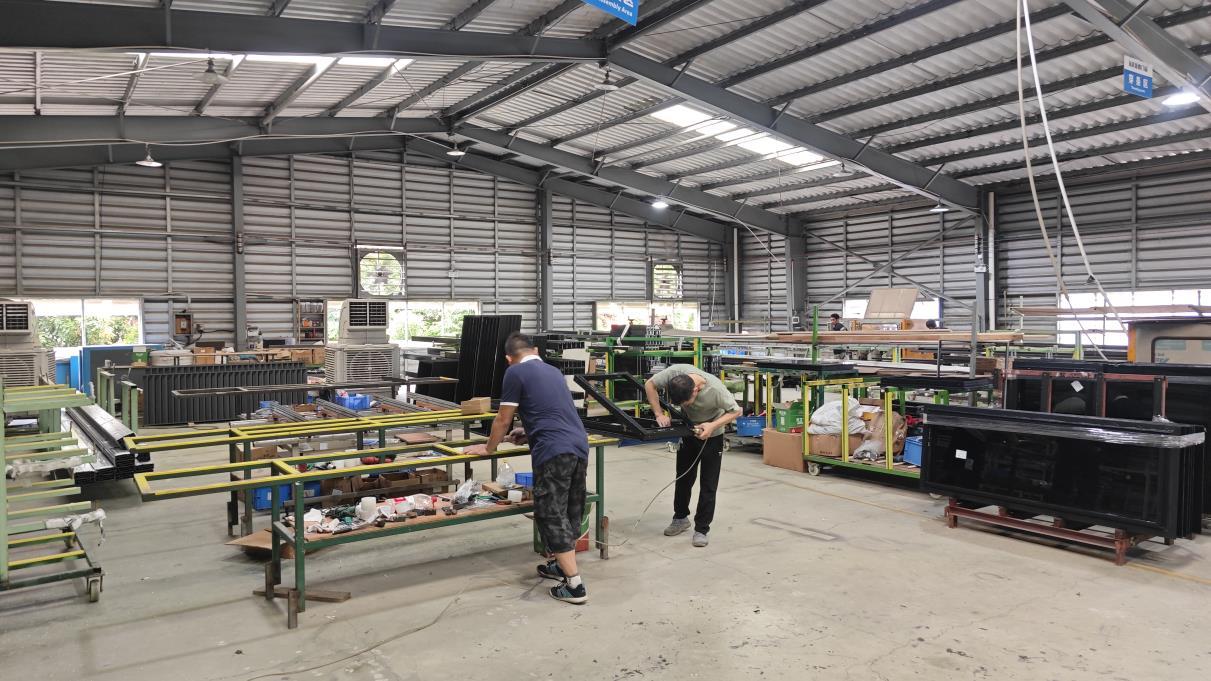
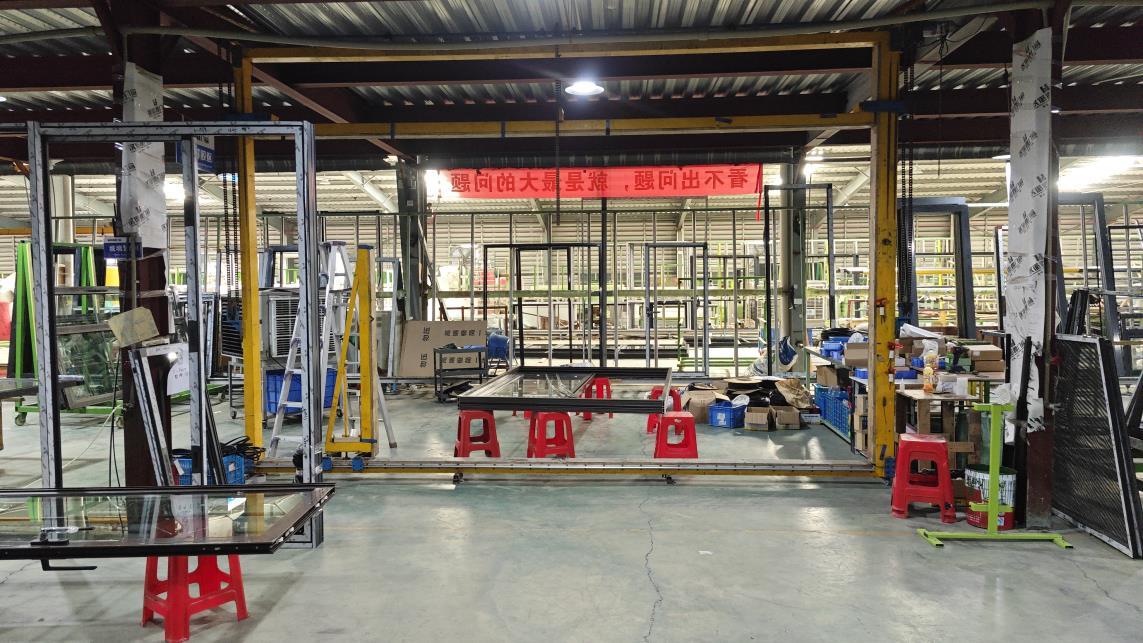
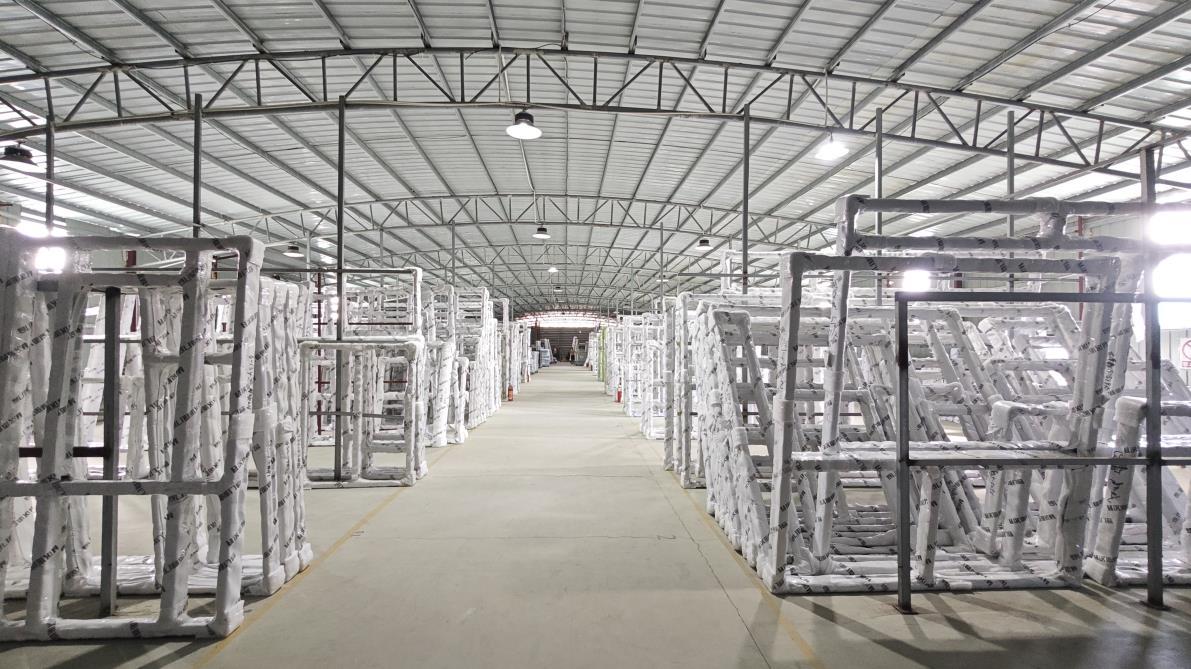
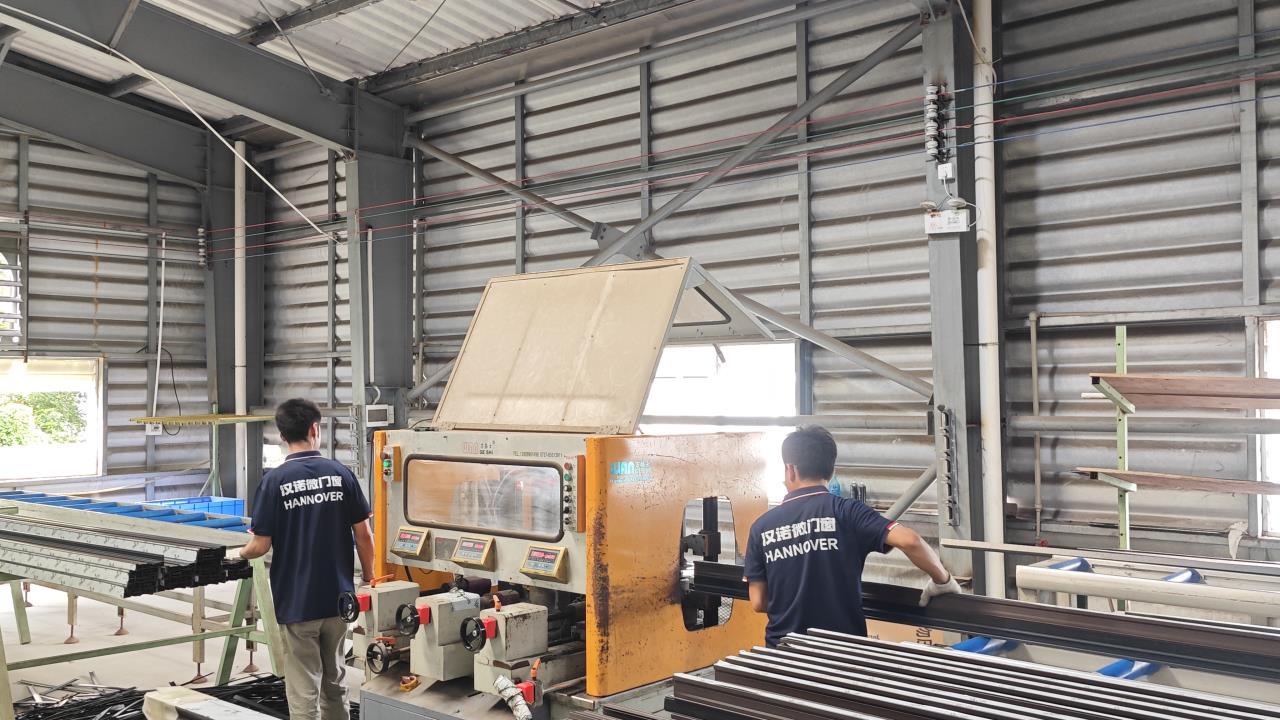
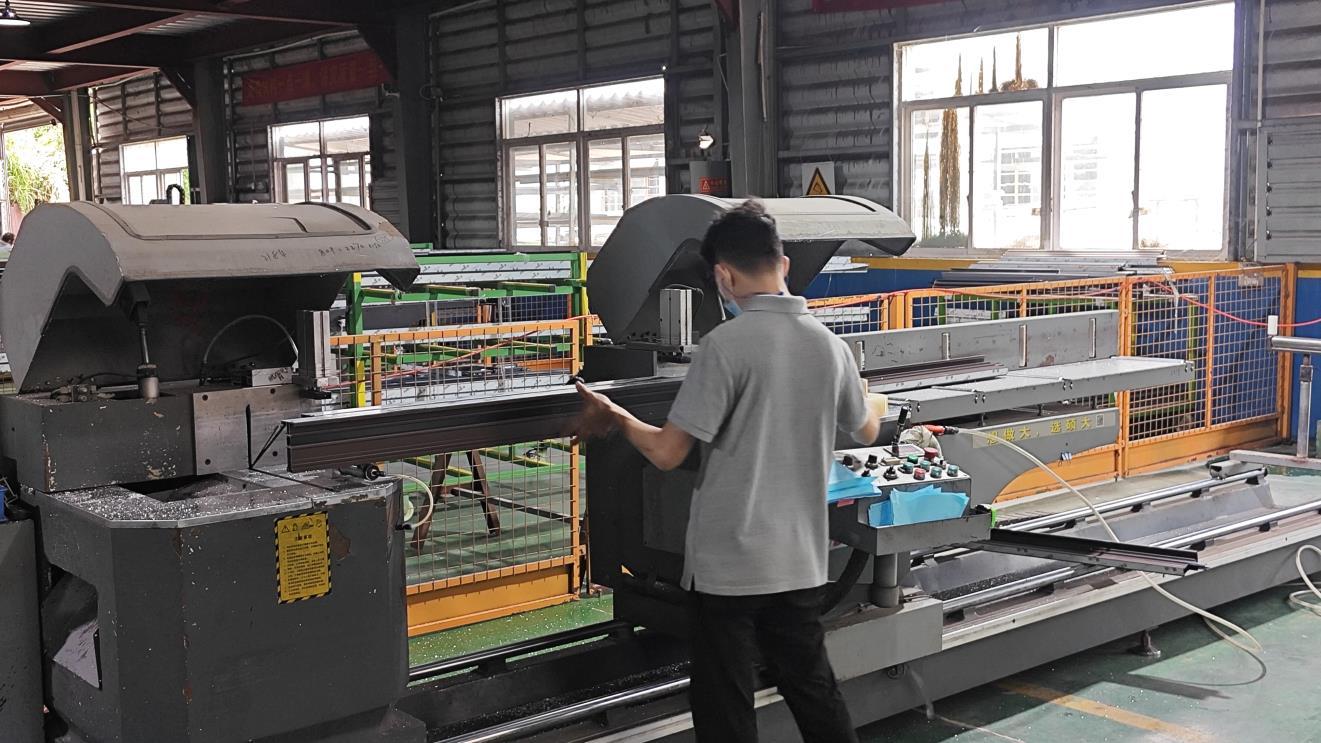
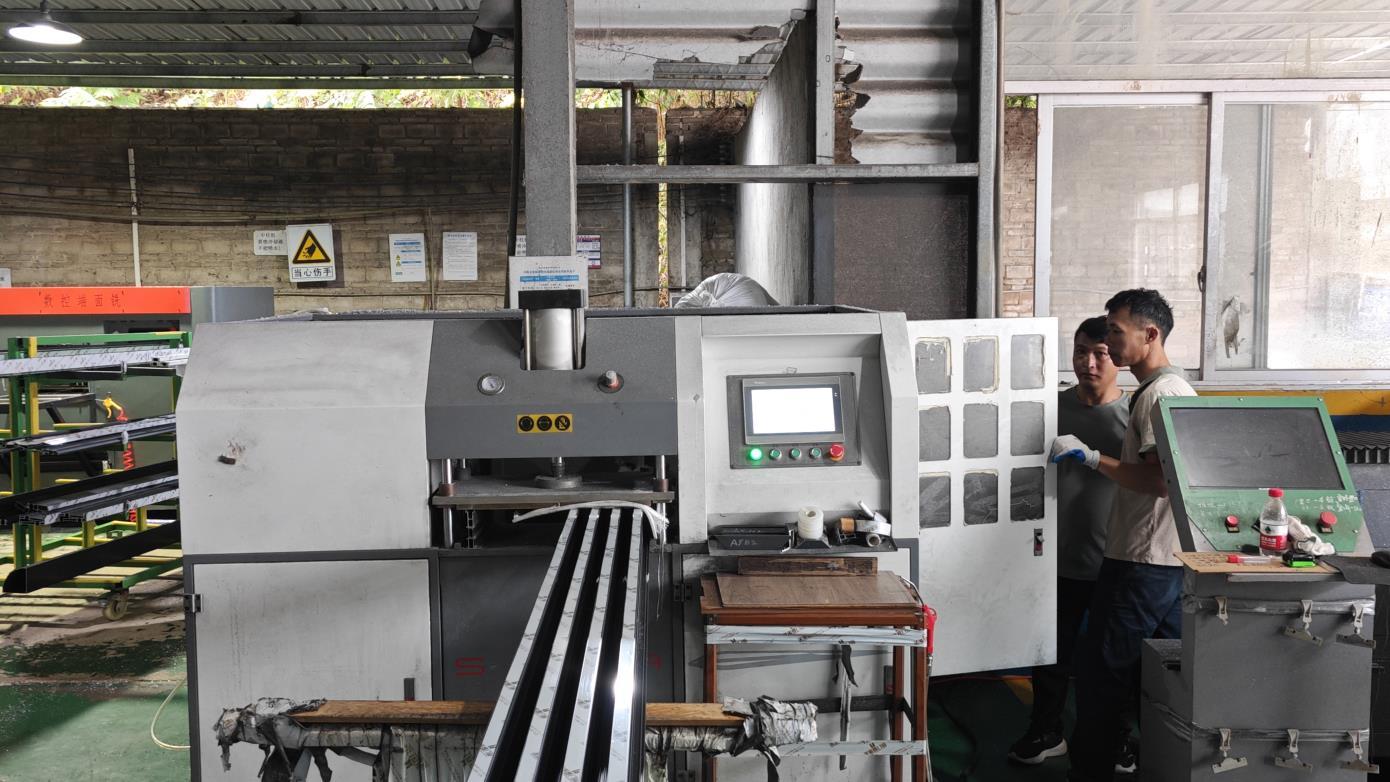
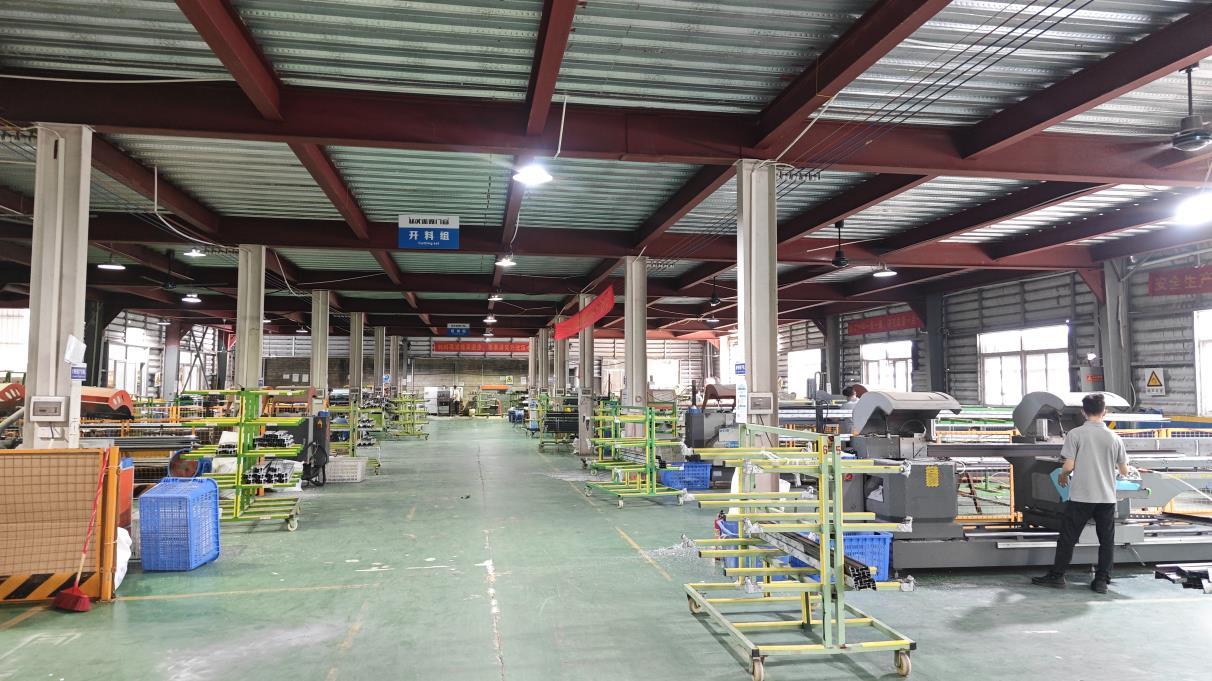
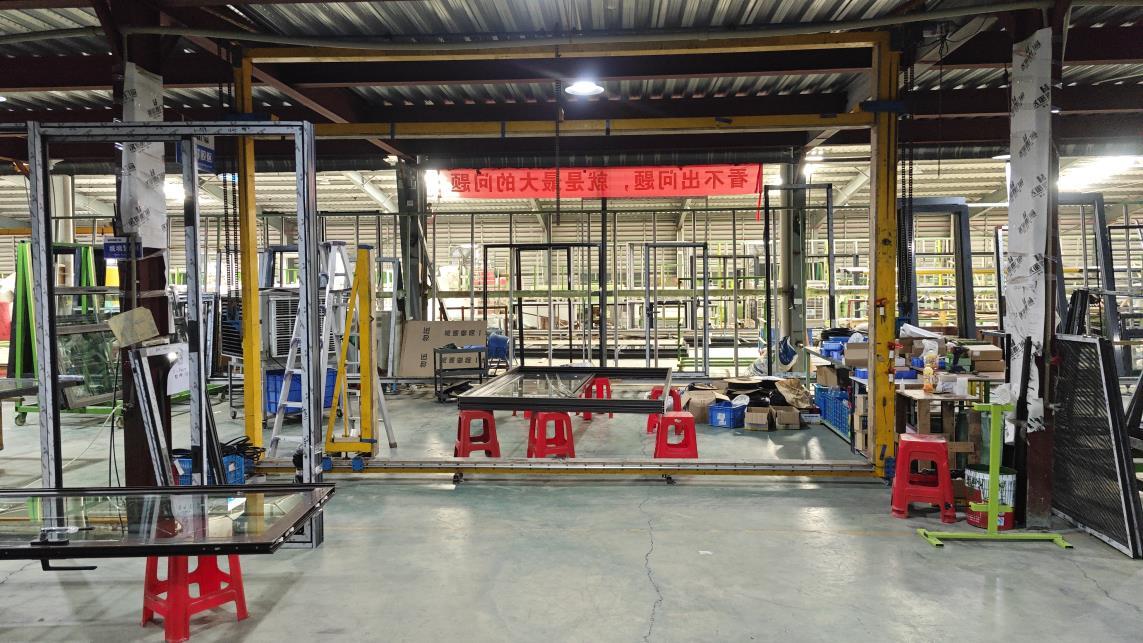
Founded in 2015, Chengdu Zenit Window & Door Co., Ltd. operates a state-of-the-art 25,000-square-meter integrated manufacturing facility. Backed by 11 years of core architectural engineering expertise and 8 years of dedicated international trade execution, the enterprise achieves an annual export turnover of $26 million. Zenit’s primary export footprint spans demanding regulatory markets including North America, Australia, and Western Europe, catering directly to Tier-1 residential home builders, commercial architectural contractors, and elite building material supply networks.

25,000 m²
Production Facility
$26 Million
Annual Export Turnover
35 Inspectors
Dedicated Quality Audit Team
42 Engineers
Active R&D System Division

Rigorous operational quality control is enforced across every stage of production by a specialized team of 35 quality assurance inspectors. These technicians perform continuous empirical testing, including multi-stage air permeability evaluations, hydrostatic water tightness checks under static and dynamic pressure differentials, and structural corner crimp strength shear tests. Supported by an extensive ecosystem of over 600 audited supply chain partners, Zenit delivers exhaustive customization options—ranging from architectural-grade PA66 polyamide thermal break profiles and custom anodized or PVDF fluorocarbon exterior coatings to triple-pane acoustic gas-filled insulated glazing units (IGU). Driven by an active research and development division of 42 design engineers, the facility successfully engineered and commercialized 50 new proprietary architectural window and door systems over the past fiscal year alone.

3. Integrated Precision Fabrication Workflow Matrix

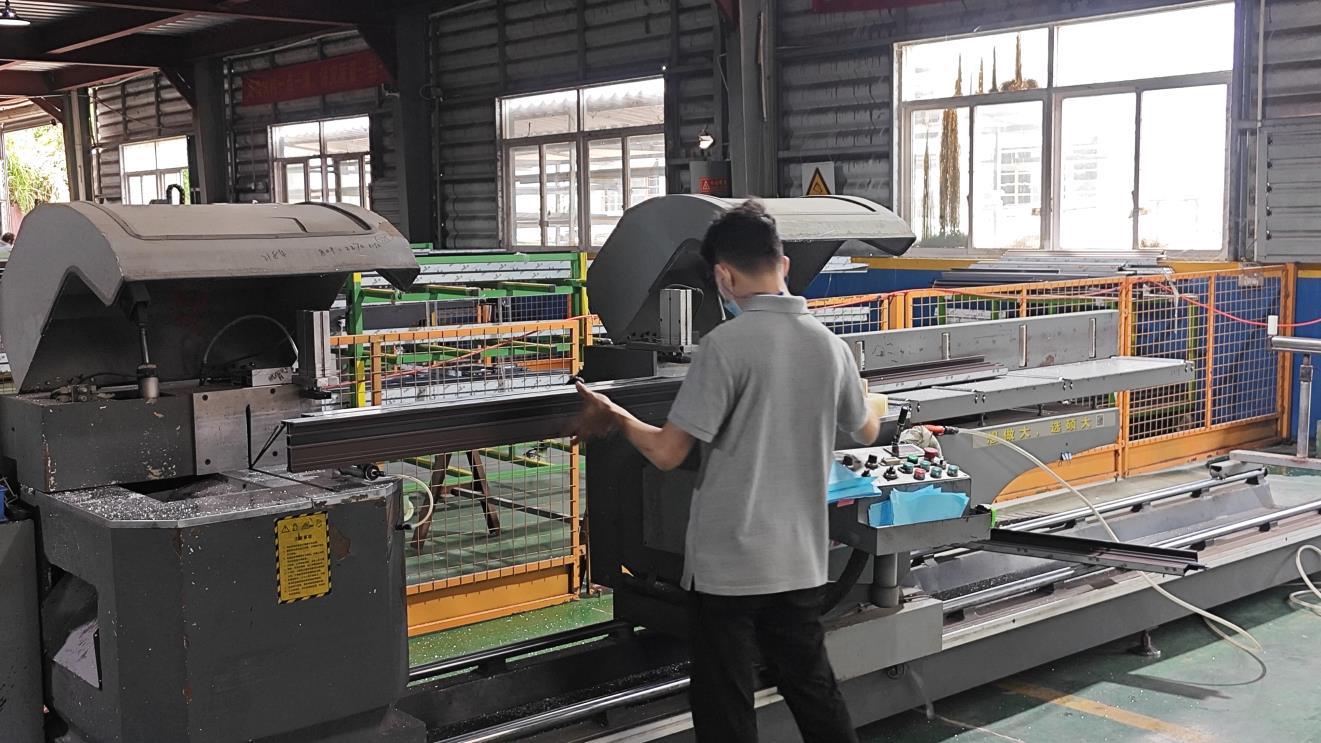
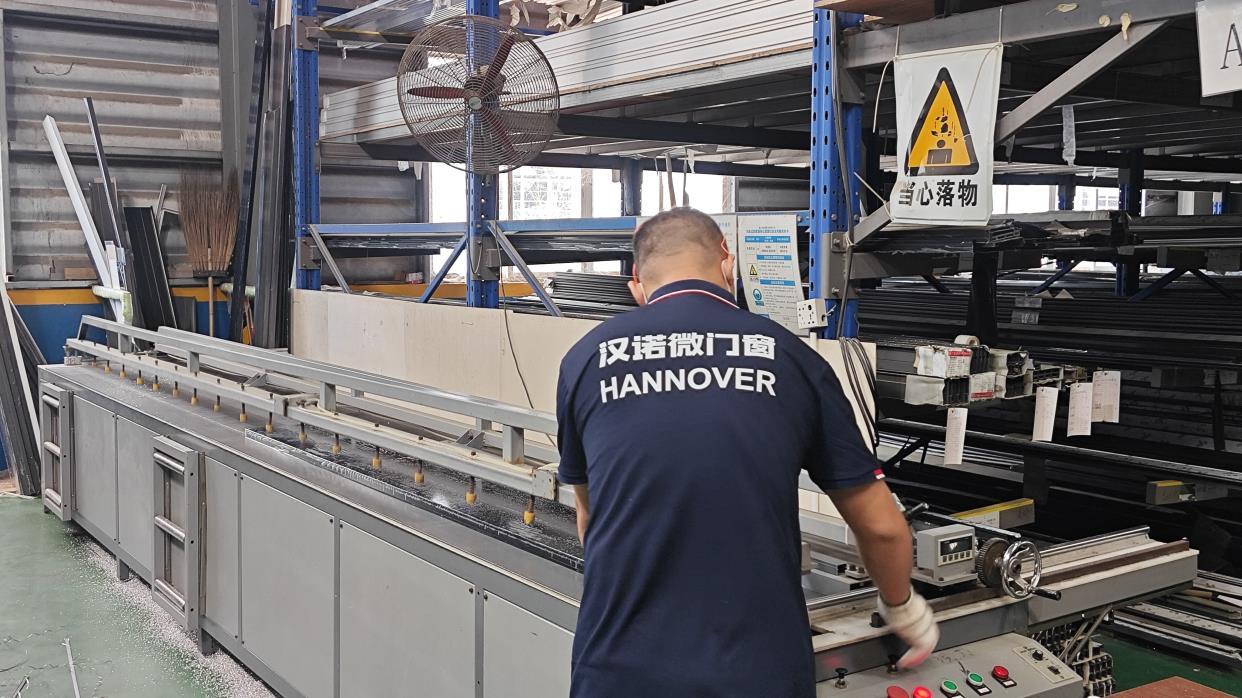
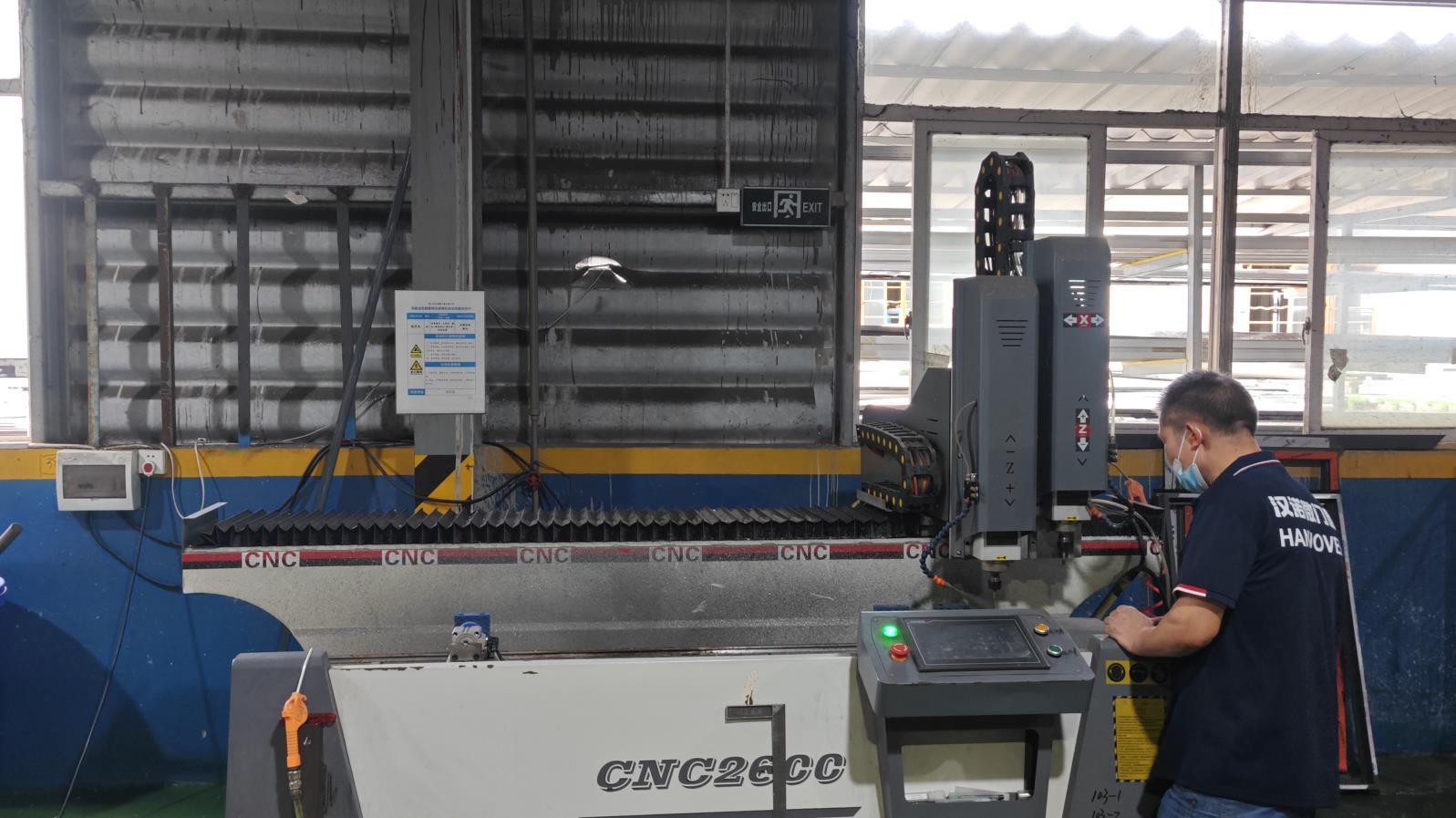
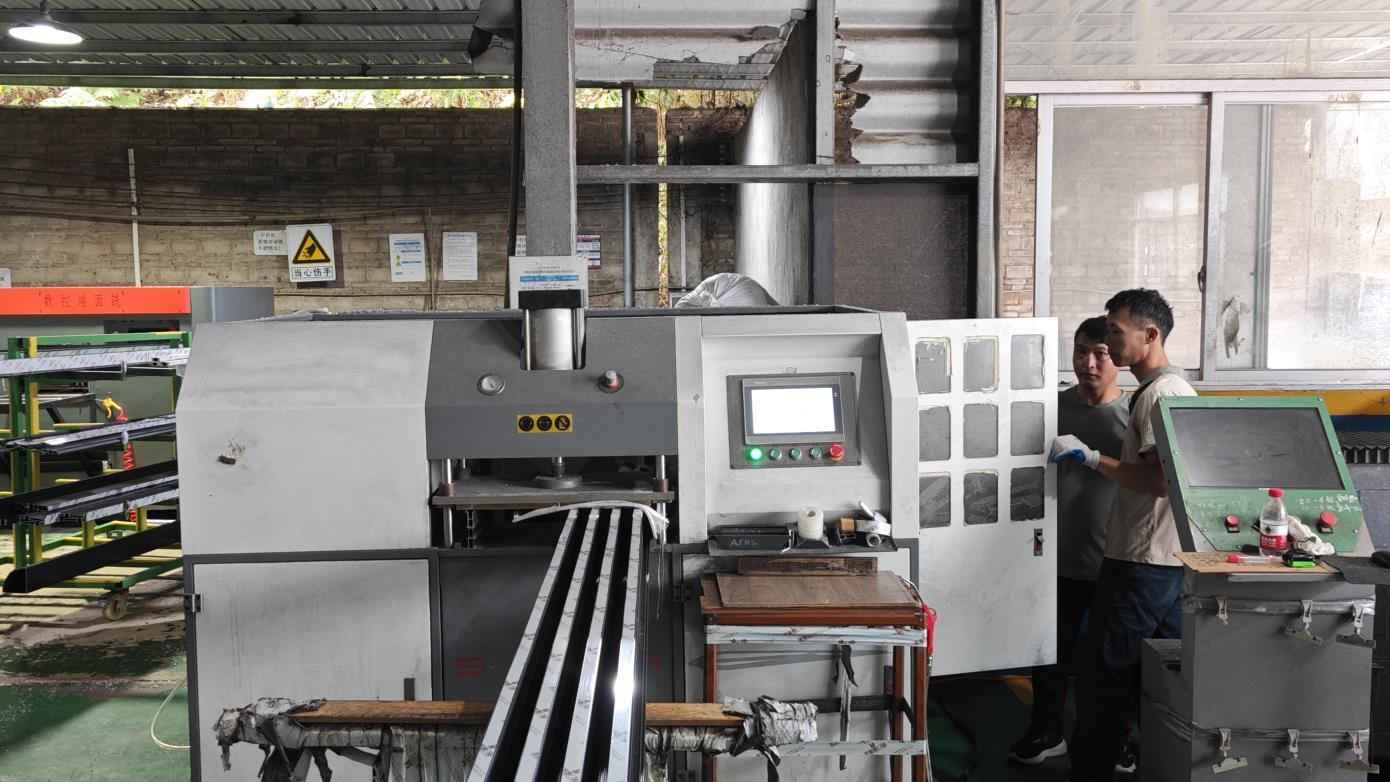
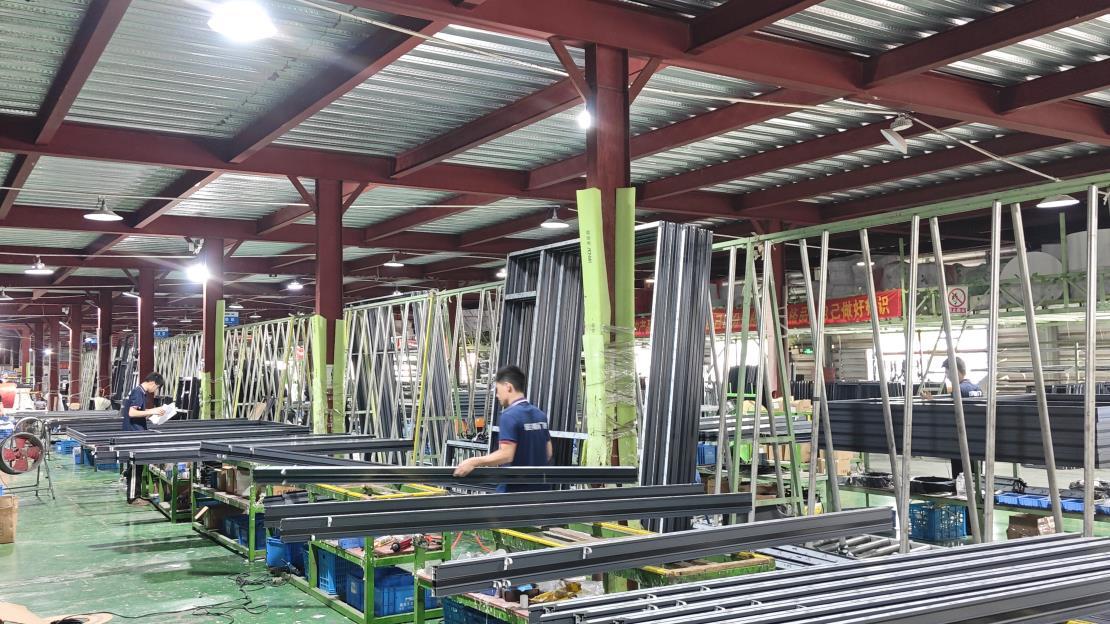
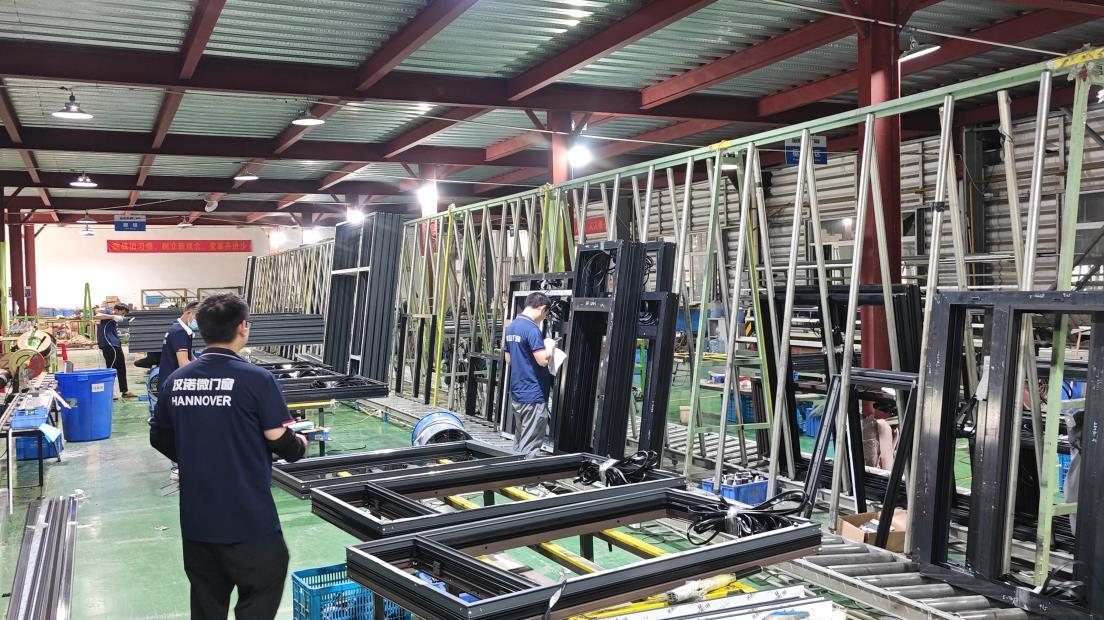
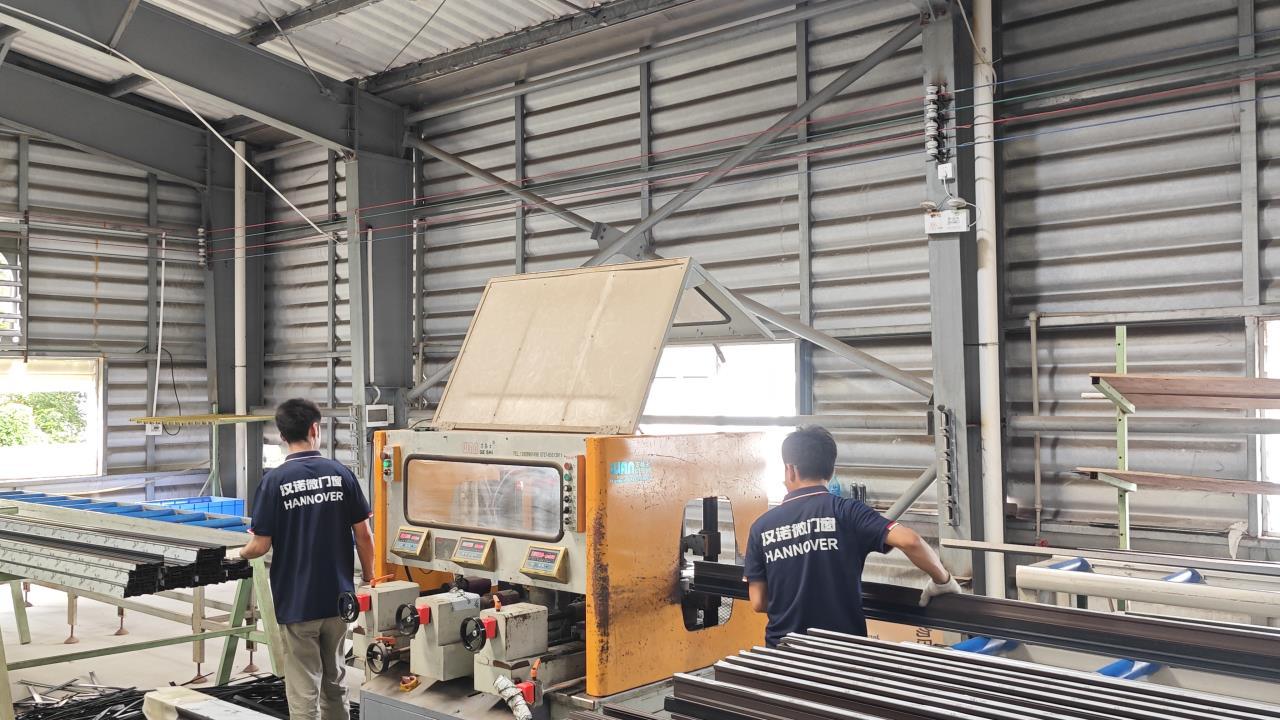
To guarantee strict dimensional tolerances (within ±0.5mm) and operational structural integrity across high-volume production, Chengdu Zenit implements an automated 18-stage manufacturing process. Each node in this pipeline utilizes advanced CNC machinery and digital quality audit protocols:
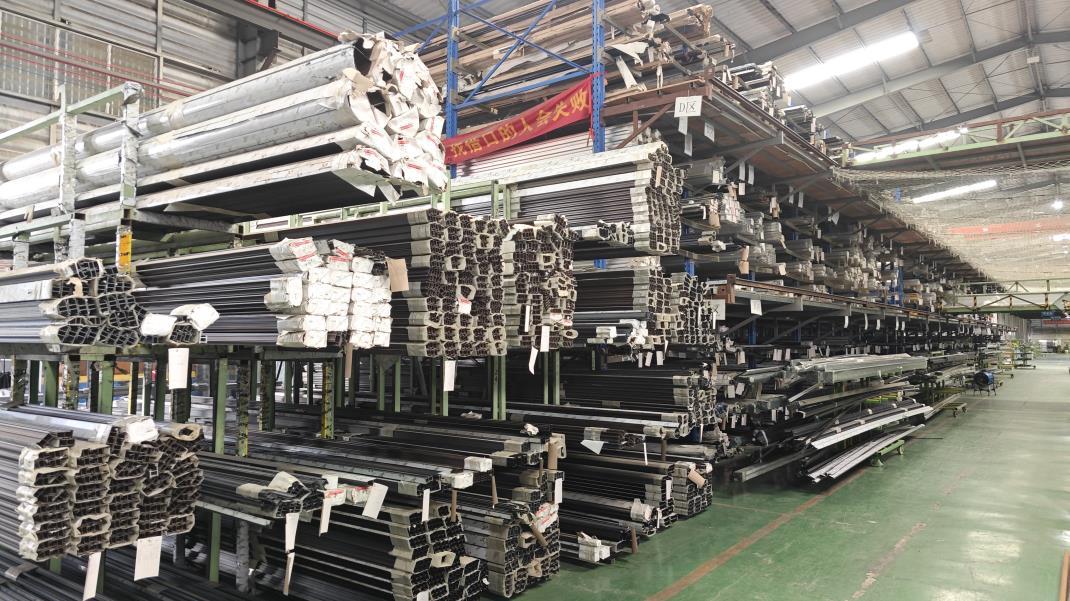
Raw Material Inspection
1. Raw Material
Thermal Strip Threading
2. Threading
Precision Profile Cutting 1
3. Cutting 1
Precision Profile Cutting 2
4. Cutting 2
CNC Machining Center 1
5. CNC Machining 1
CNC Machining Center 2
6. CNC Machining 2
Frame Corner Assembly 1
7. Assembly 1
Sealant Injection Assembly 2
8. Assembly 2
Hardware Fitting Assembly 3
9. Assembly 3
Glass Glazing Assembly 4
10. Assembly 4
System Operational Debugging
11. Debugging
Finished Product Warehouse
12. Warehouse
Automated Strip Threading Machine
13. Strip Machine
Dual-Head Precision Cutting Machine
14. Cutting Machine
5-Axis CNC Milling Machine
15. CNC Milling
Main Line Conveyor Assembly
16. Assembly Line
Multi-Point Quality Control Station
17. Quality Control
Hinged Testing & Debugging Rack
18. Debugging Rack
4. Engineering Physics: Thermal Dynamics, Structural Integrity & Global Certifications

Aluminium as a raw material possesses high inherent thermal conductivity (approximately 200 W/m·K). To render aluminium casement windows compliant with modern zero-energy building mandates, advanced engineering separates the exterior and interior extrusion profiles using low-conductivity polyamide insulating struts. Chengdu Zenit utilizes prime Polyamide 66 reinforced with 25% glass fiber (PA66 GF25), which drops the overall window system U-factor down to ultra-efficient levels (Uw ≤ 0.8 W/m²K when combined with triple Low-E glazing).

Target Export Market Required Certification / Compliance Thermal U-Factor Threshold Structural / Wind Load Specification
North America (USA / Canada) NFRC Certified / Miami-Dade NOA Impact Uw ≤ 0.20 Btu/h·ft²·°F (0.79 W/m²K) ASTM E1300 / TAS 201, 202, 203 (Hurricane DP70+)
Australia / New Zealand AS2047 / AS1288 Certified Uw ≤ 1.6 - 2.2 W/m²K (Climate Dependent) Ultimate Limit State (ULS) up to 4500 Pa (Wind Rating N6/C4)
European Union CE Mark / EN 14351-1 / Passivhaus Institute Uw ≤ 0.80 W/m²K (Passive House Standard) EN 12210 Wind Load Class C5 / EN 12208 Water Tightness Class E1050
United Kingdom UKCA Mark / Document L Compliance Uw ≤ 1.2 W/m²K (Retrofit & New Build) BS 6375 Parts 1 & 2 Weather Tightness & Mechanical Security
Structural Wind Load & Hurricane Impact Resilience (NOA Standards)

In hurricane-prone zones such as Florida, the Caribbean, and coastal Australia, casement windows must endure extreme cyclic wind pressure and high-velocity projectile impacts. Zenit’s hurricane-rated casement systems integrate heavy-duty extruded 6063-T6 architectural aluminium alloys with profile wall thicknesses up to 2.2mm. Combined with multi-layer SentryGlas® (SGP) laminated glass interlayers, these units resist impact energy exceeding 350 foot-pounds without structural breach, keeping the building envelope fully sealed during severe meteorological events.

5. Manufacturing Efficiency & Supply Chain Density in Chinese Production Hubs

The global dominance of Chinese fenestration manufacturing stems from unprecedented supply chain clustering and vertical integration. Unlike fragmented Western supply chains where profiles, extruded rubber seals, thermal break strips, architectural glass, and specialized hardware are sourced from disparate international vendors, Chengdu Zenit leverages localized industrial synergy:

  • Extrusion & Metallurgical Precision: Direct access to primary aluminium smelting facilities ensures consistent chemical purity in 6063, 6061, and 6005-T6 alloys, minimizing structural micro-fractures during cold crimping.
  • Hardware System Integration: Seamless co-engineering with premier hardware suppliers (including Siegenia, Hoppe, Sobinco, and domestic high-precision CNC locking mechanisms) guarantees hinge durability tested up to 50,000 continuous opening cycles.
  • Cost-to-Performance Ratio: Automated dual-axis CNC cutting stations, automated robotic glass sealant lines, and integrated powder coating loops reduce per-unit labor hours by 40% compared to European manufacturing plants, allowing Zenit to deliver premium architectural solutions at competitive wholesale pricing.
6. Future Industry Trends: Smart Envelopes, VIG & Circular Aluminium

The architectural window sector is undergoing rapid technological convergence. Developers and procurement directors evaluating supplier viability must align with factories actively investing in next-generation manufacturing tech:

Vacuum Insulated Glass
Replacing standard double IGUs, VIG achieves center-of-glass U-factors of 0.60 W/m²K in an ultra-slim 8mm profile thickness.
Electrochromic Tinting
Integration of smart dynamic glass allowing automated solar heat gain coefficient (SHGC) modulation via IoT building automation systems.
Low-Carbon Recycled Aluminium
Utilization of post-consumer recycled billet aluminium, reducing embodied carbon dioxide equivalent (CO2e) emissions by up to 75%.
7. Strategic B2B Sourcing Guide & Supplier Audit Protocol

When selecting an OEM/ODM export partner for large-scale commercial or residential developments, procurement committees must execute a rigorous four-phase verification framework to prevent field performance failures:

Phase 1: Metallurgical & Structural Material Validation
Verify mill test certificates (MTC) ensuring aluminium extrusions correspond strictly to 6063-T6 or 6061-T6 specifications. Ensure thermal break insulating strips are composed of genuine Polyamide PA66 GF25 rather than inferior PVC substitutes which suffer thermal degradation under UV exposure.
Phase 2: Corner Joint & Mechanical Integrity Audit
Demand corner joint shear test data. Premium casement window frames utilize dual-component corner crimping combined with injected structural epoxy adhesive, ensuring joints remain gas-tight and water-tight under continuous torsional stress.
Phase 3: Glazing Sealant & EPDM Weatherproofing Standard
Confirm weather stripping materials. Superior systems utilize co-extruded EPDM (Ethylene Propylene Diene Monomer) gasket seals with continuous vulcanized corner boots, avoiding low-cost TPE seals that shrink under temperature fluctuations.
Phase 4: Factory Acceptance Testing (FAT) & Sample Verification
Require pre-shipment mock-up testing for air infiltration (ASTM E283), static water resistance (ASTM E331), and structural performance (ASTM E330) conducted in an accredited NATA or ILAC lab environment.
8. Comprehensive Technical FAQ & Procurement Knowledge Base
Q1: What structural differences distinguish outward-opening casement windows from tilt-and-turn configurations?
Outward casement windows hinge along the vertical side frame and open outward, providing 100% full aperture ventilation and superior compression sealing under positive wind pressure. Tilt-and-turn windows utilize dual-action multi-point drive gear hardware, allowing inward tilting for secure rain-proof ventilation or full inward swinging for easy interior cleaning in high-rise structures.
Q2: How does a thermal break profile prevent condensation build-up inside building envelopes?
Condensation occurs when warm indoor humidity contacts a cold surface below the dew point temperature. A thermal break profile introduces a low-conductive PA66 polyamide barrier between the outer and inner aluminium extrusions, keeping the interior aluminium surface temperature significantly closer to ambient indoor room temperatures, thereby completely mitigating internal condensation.
Q3: Why is 6063-T6 the preferred aluminium alloy for architectural casement frame fabrication?
Aluminium alloy 6063-T6 offers an optimal balance of structural tensile strength (minimum yield strength 170 MPa), high corrosion resistance, and exceptional extrusion surface finish suitable for high-durability anodizing and architectural powder coating (such as AkzoNobel or PPG coatings).
Q4: What testing certifications are mandatory for exporting aluminium casement windows to Australia?
Exporting fenestration products to Australia requires full compliance with AS2047 (Windows and External Glazed Doors in Buildings) and AS1288 (Glass in Buildings). Testing must prove performance across deflection, air infiltration, operating force, water penetration resistance, and ultimate limit state wind pressure.
Q5: What acoustic rating can be achieved with double or triple glazed aluminium casement windows?
Standard double-glazed thermal break casement windows achieve a Sound Transmission Class (STC) of 32 to 38 dB. By utilizing asymmetric glass thickness combinations (e.g., 6mm exterior + 12mm Argon space + 8mm interior) or PVB/Acoustic laminated glass units, sound isolation performance reaches STC ratings of 42 to 48 dB, ideal for urban highway adjacent developments.
Q6: What is the typical production lead time for customized bulk OEM window orders from Chengdu Zenit?
Standard production lead time for customized architectural projects ranges from 25 to 35 calendar days following shop drawing sign-off and color sample approval. Prototype engineering and custom extrusion die tooling require an additional 10 to 15 days.
Featured Architectural Solutions Showcase (Part II)

Explore additional certified high-performance window systems, sliding doors, and minimalist panoramic fenestration units.
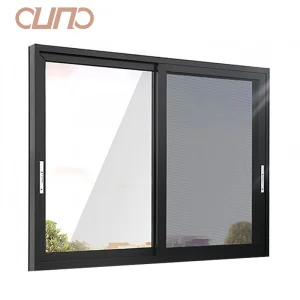
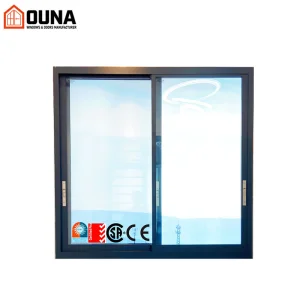
OUNA NFRC USA Project Double Glazed Sliding Windows
OUNA NFRC USA Project Double Glazed Sliding Windows Low-E Glass Thermal Break Aluminum Sliding Window With Mosquito Net
View Product Details
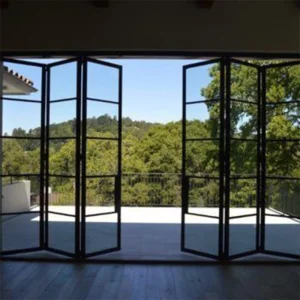
OUNA Exterior Aluminium Folding Door
OUNA Modern Design Exterior Aluminium Tempered Glass Folding Door Safe and Soundproof Bi-Folding Patio Door for Gardens
View Product Details
OUNA Office Entrance Glass Store Front Doors
OUNA Customized Office Entrance Doors Windproof Aluminum Frame Store Front Doors Glass Doors for Business Door
View Product Details
OUNA All-Aluminum Interior Soundproof Door
OUNA All-Aluminum Simple Bedroom Wooden Door Interior Soundproof and Moisture-Proof Aluminum Honeycomb Set Pure Aluminum Door
View Product Details
OUNA Panoramic View Fixed Window Slim Frame
OUNA Panoramic View Fixed Window Slim Frame Aluminum Design Minimalist Appearance for Villa Hotel Custom Color and Size
View Product Details
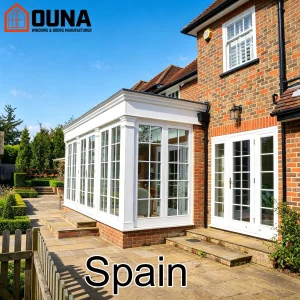
OUNA Spain Project CE Certification Window
OUNA Spain Project Engineering Ce Certification Sdl French Door Tempered Glass Aluminum Window Heat Insulation Other Windows
View Product Details
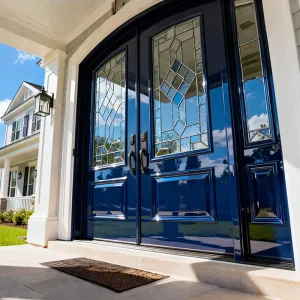
OUNA Contemporary Aluminum Front Door Villa
OUNA Contemporary Aluminum Front Door for Villa House Modern Exterior Entry Security Door CE ISO NFRC Certified Manufacturer
View Product Details
OUNA Hurricane Impact Proof Aluminum Window
OUNA Sliding Window Hurricane Impact Proof Aluminum Energy Efficient NFRC AS2047 Glass Double Glass Aluminum Window
View Product Details