Zenit Window
Engineered Architectural Doors & Systems
Explore our certified commercial and residential fenestration systems tailored for international compliance and extreme climatic resilience.
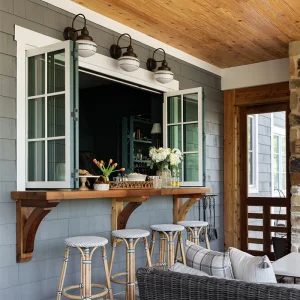
OUNA Waterproof Aluminum Folding Window Achieves High Ratings with Triple EPDM Seals and Integrated Drainage Channel Design
View Specifications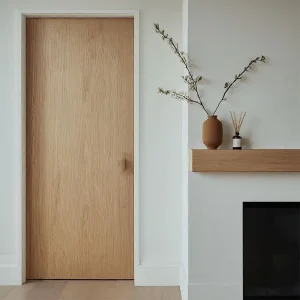
OUNA Premium Aluminum Wood Composite Interior Door With Solid Wood Core for Modern Bedroom and Living Room Custom Sizes
View Specifications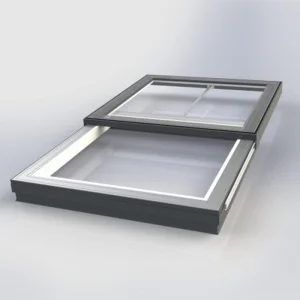
OUNA Transform Your Dark Attic Bright Aluminum Skylight Creates Airy and Spacious Feel Electric Opening for Easy Ventilation
View Specifications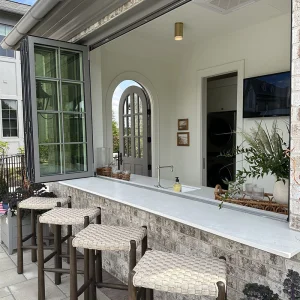
OUNA Home Office Reading Nook Aluminum Folding Window Floods Space with Natural Light and Offers Easy Access to Fresh Air
View Specifications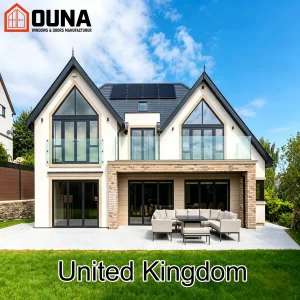
OUNA Uk Project Villa Ce Certified Aluminum Window Tempered Glass Heat Insulation Energy Efficient Folding Door Other Windows
View Specifications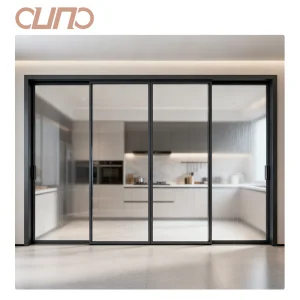
OUNA NFRC ISO Home Exterior Aluminum Alloy Low E Glass Slide Door Large View Double Glazed Soundproof Sliding Doors
View Specifications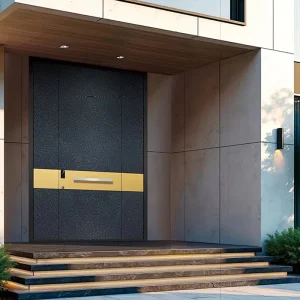
OUNA High Quality Aluminum Exterior Doors Residential Exterior Entry Doors Security CE ISO NFRC Certified for American Market
View Specifications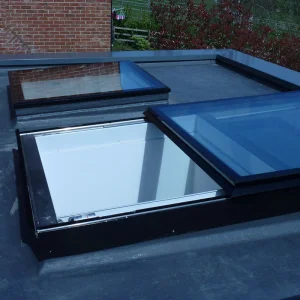
OUNA Kids Room Magic Skylight Safe Laminated Glass and Remote Control Fun to Watch Clouds and Stars Encourages Imagination
View SpecificationsChengdu Zenit Window & Door Co., Ltd.
A premier global manufacturing leader driving technological advancements in structural aluminum extrusions, thermal break insulation, and automated fenestration systems.
Founded in 2015, Chengdu Zenit Window & Door Co., Ltd. operates an expansive 25,000-square-meter state-of-the-art manufacturing facility engineered for precision architectural metal fabrication. Backed by 11 years of deep industry expertise and 8 years of dedicated global trade operations, the company has established itself as an authoritative tier-1 supplier, achieving an impressive annual export turnover of $26 million. Our strategic export footprint primarily spans demanding high-compliance regions including North America, Australia, and Western Europe, catering directly to commercial project developers, luxury residential home builders, architectural contractors, and Tier-1 building material wholesalers.
Total quality management (TQM) is enforced at every stage of production by our specialized team of 35 certified QA/QC inspectors. Every batch undergoes exhaustive diagnostic protocols, including real-time air permeability testing, dynamic water tightness calibration, structural wind-load deflection verification, and frame corner mechanical shear strength evaluations. Supported by a robust network of over 600 global supply chain partners, Zenit delivers fully customized fenestration solutions featuring advanced thermal break profiles (Polyamide PA66 GF25), custom fluorocarbon and anodized surface finishes, and high-performance triple-pane acoustic laminated glass. Driven by our forward-thinking R&D division of 42 structural engineers, Zenit successfully engineered and commercialized over 50 new high-efficiency architectural window and door systems over the past fiscal year alone.
Global Demand Dynamics for Aluminium Sliding Systems
Strategic analysis of shifts in structural glazing requirements, decarbonization mandates, and high-performance envelope engineering.
Energy Efficiency & Decarbonization Mandates
Modern building codes across North America (IECC, California Title 24) and Europe (EPBD directives) require building envelopes to dramatically reduce thermal bridging. High-performance aluminum sliding doors must achieve U-factors below 0.20 Btu/h·ft²·°F, demanding multi-cavity thermal breaks and Low-E argon-filled IGUs to satisfy net-zero carbon initiatives.
Extreme Environmental Resistance
Coastal and high-velocity hurricane zones (HVHZ) demand unprecedented structural load resistance. Global procurement specifications increasingly require sliding door assemblies to withstand dynamic design wind pressures up to 5000 Pa, with impact-resistant laminated glazing that passes rigorous ASTM E1886/E1996 missile tests without structural degradation.
Minimalist Architectural Sightlines
Contemporary architectural aesthetics favor expansive, unobstructed views with ultra-slim profile sightlines (as narrow as 18mm to 25mm interlock stiles). Structural engineers must balance structural rigidity—utilizing high-yield 6063-T6 or 6005-T6 aluminum alloys—with hidden sub-frame drainage and flush threshold configurations.
16-Step Precision Manufacturing & Quality Infrastructure
Inside Zenit's 25,000 m² automated facility: Every extrusion, thermal strip insertion, and corner joint undergoes strict mechanical calibration.
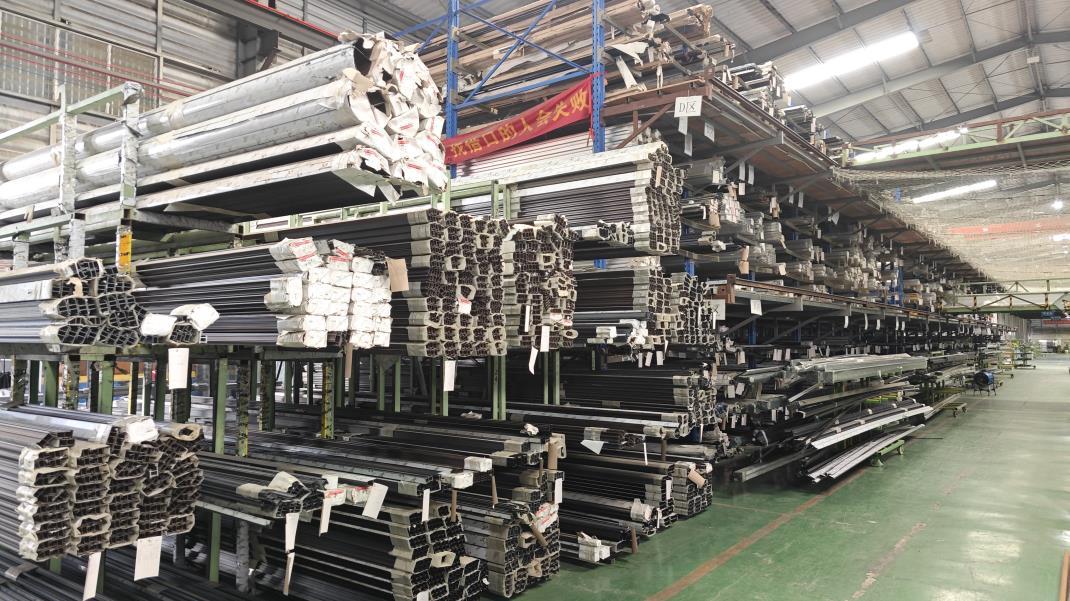 1. Raw Material
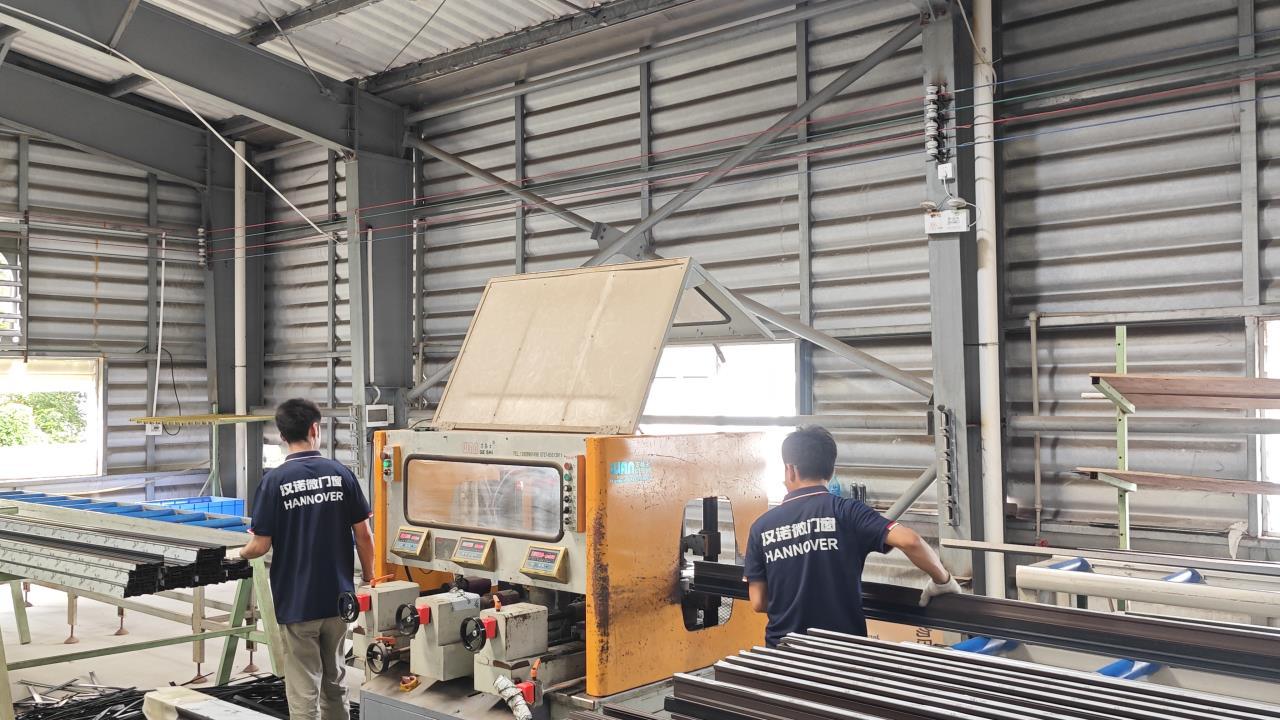 2. Threading
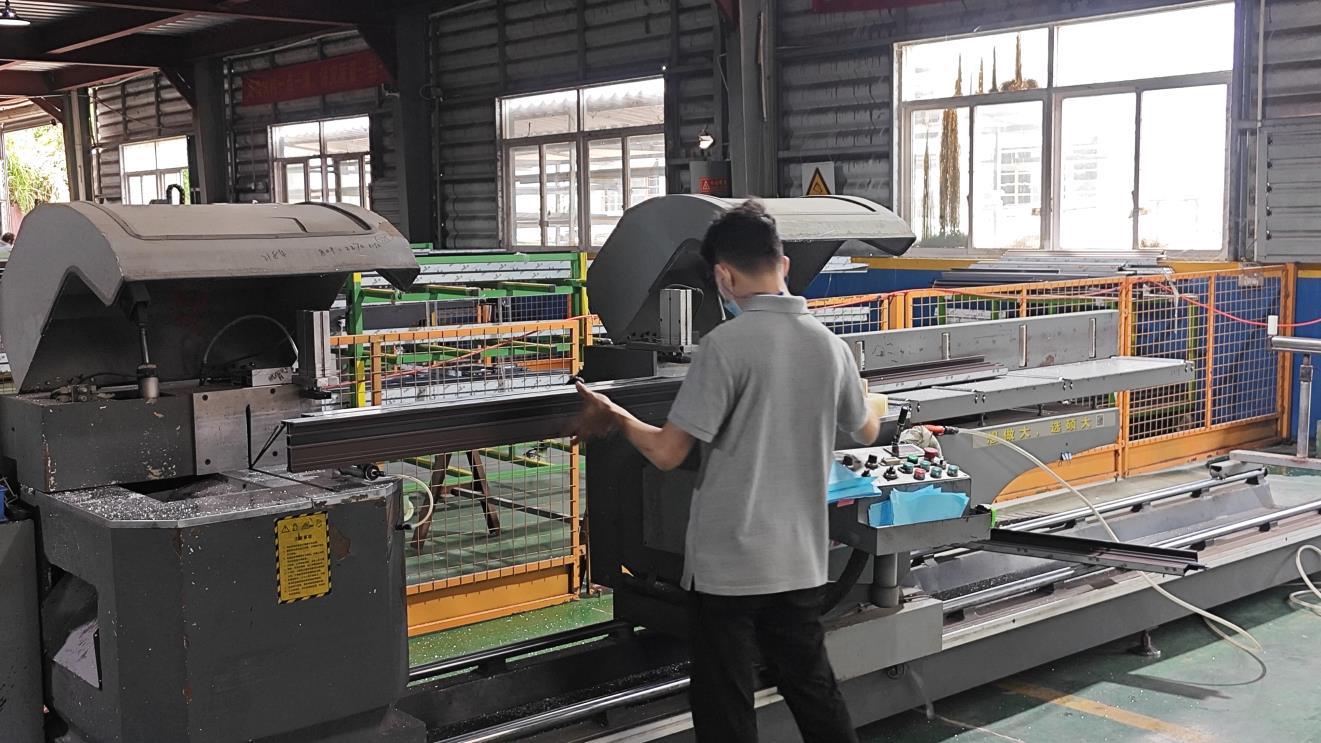 3. Cutting 1
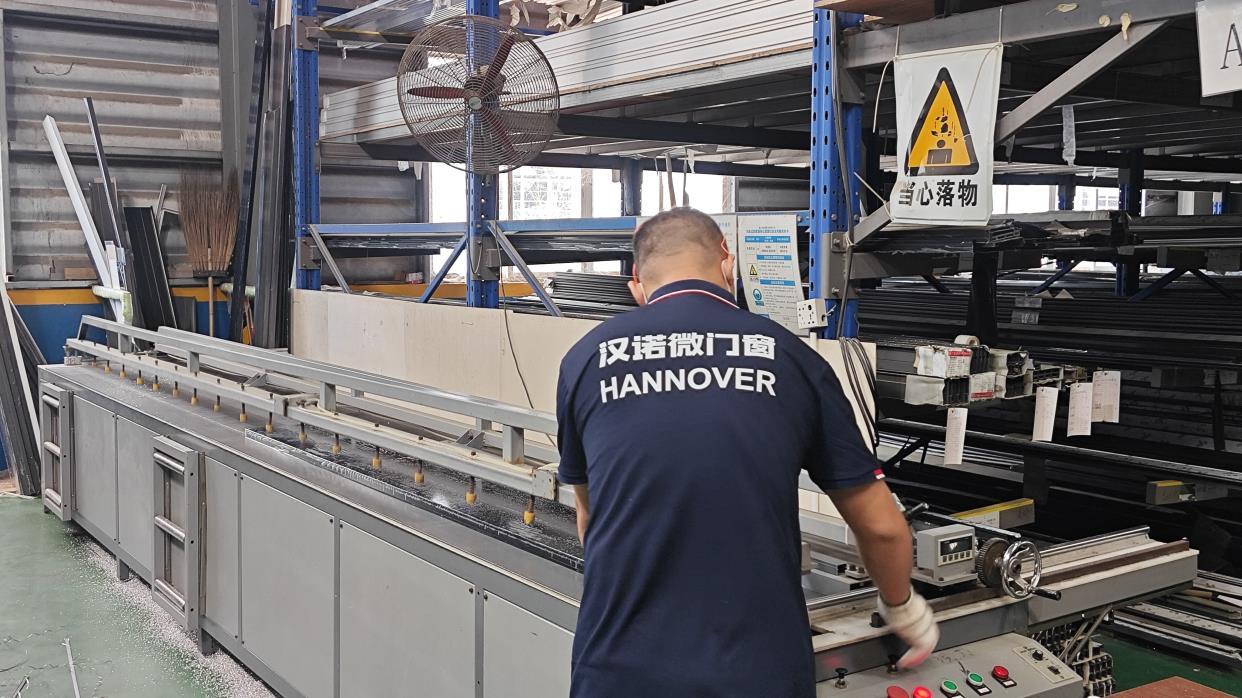 4. Cutting 2
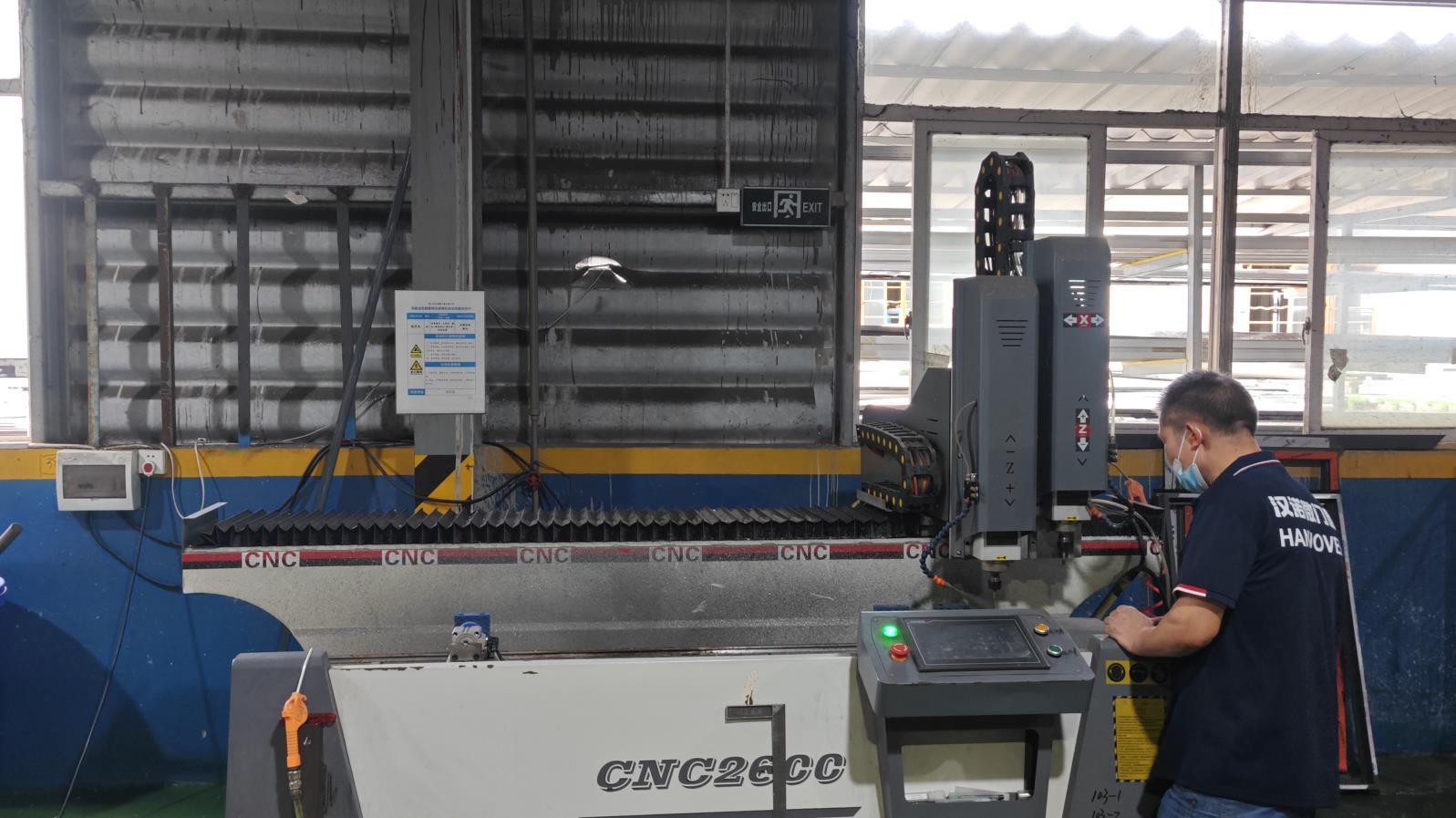 5. CNC Machining 1
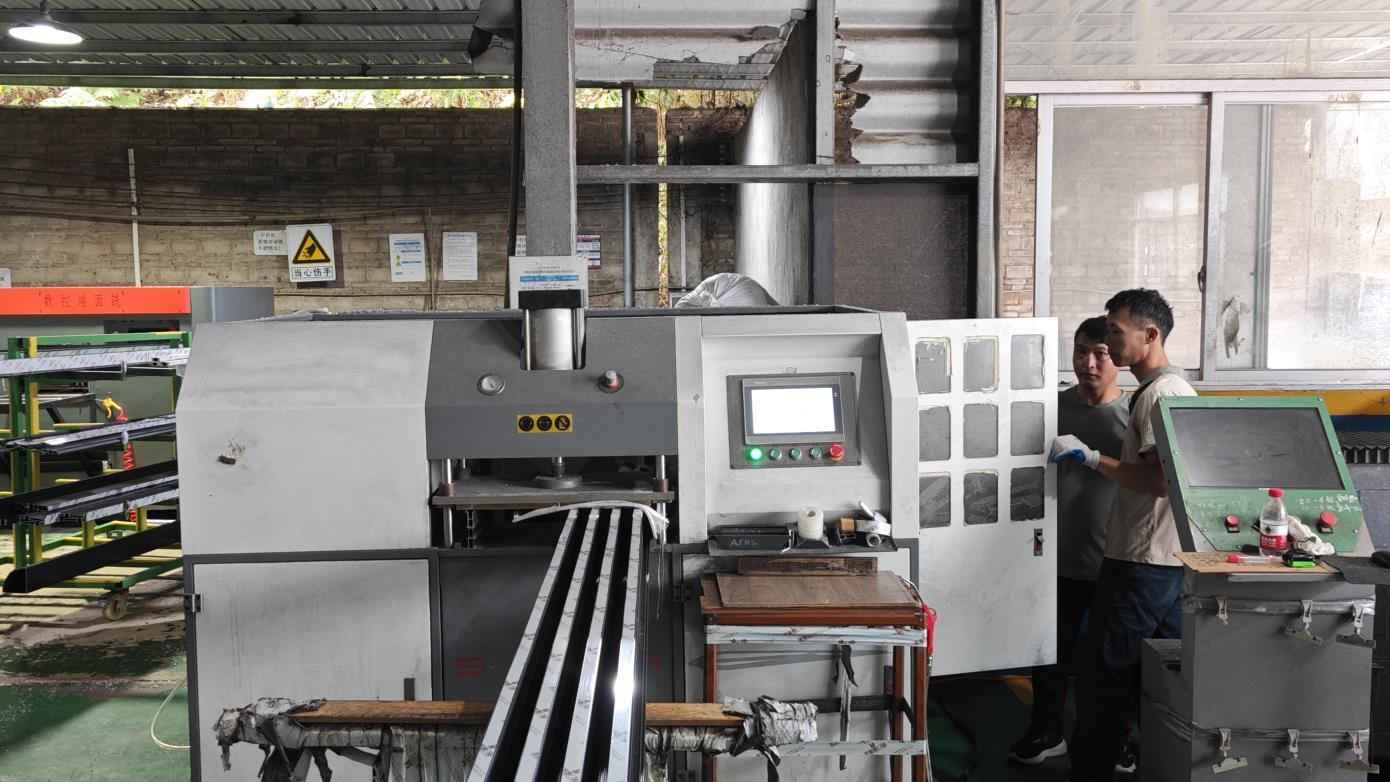 6. CNC Machining 2
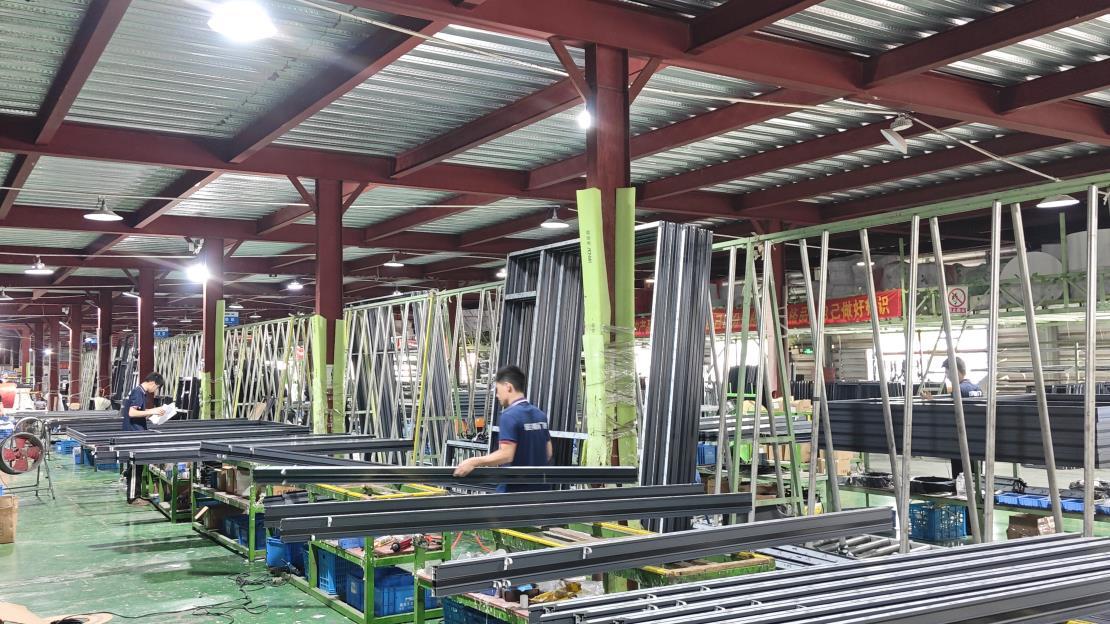 7. Assembly 1
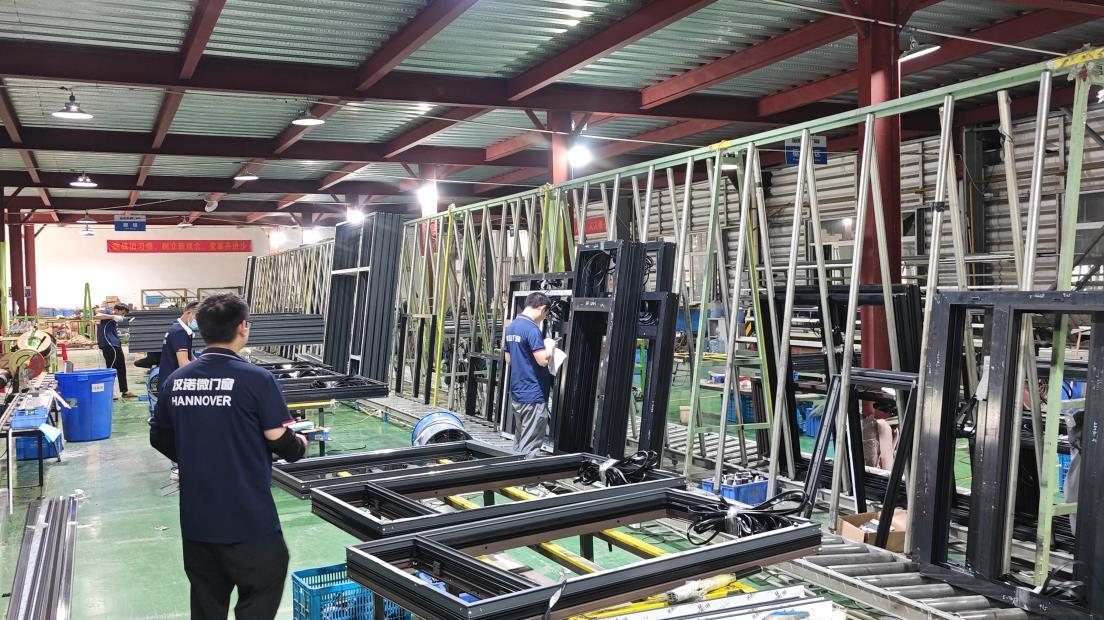 8. Assembly 2
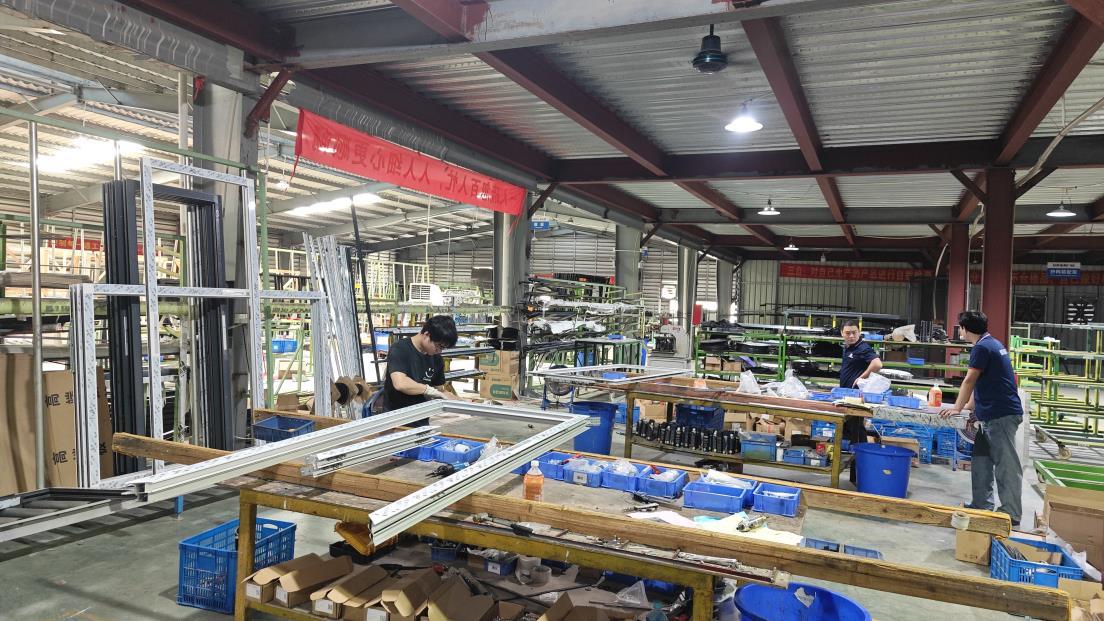 9. Assembly 3
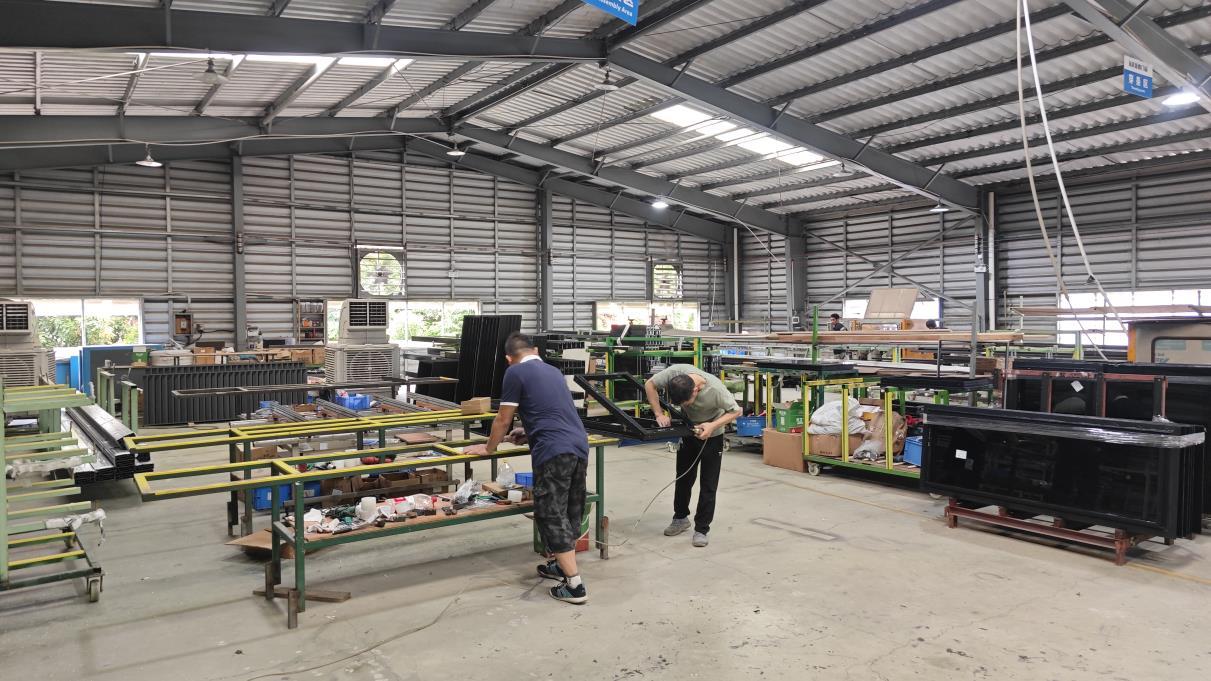 10. Assembly 4
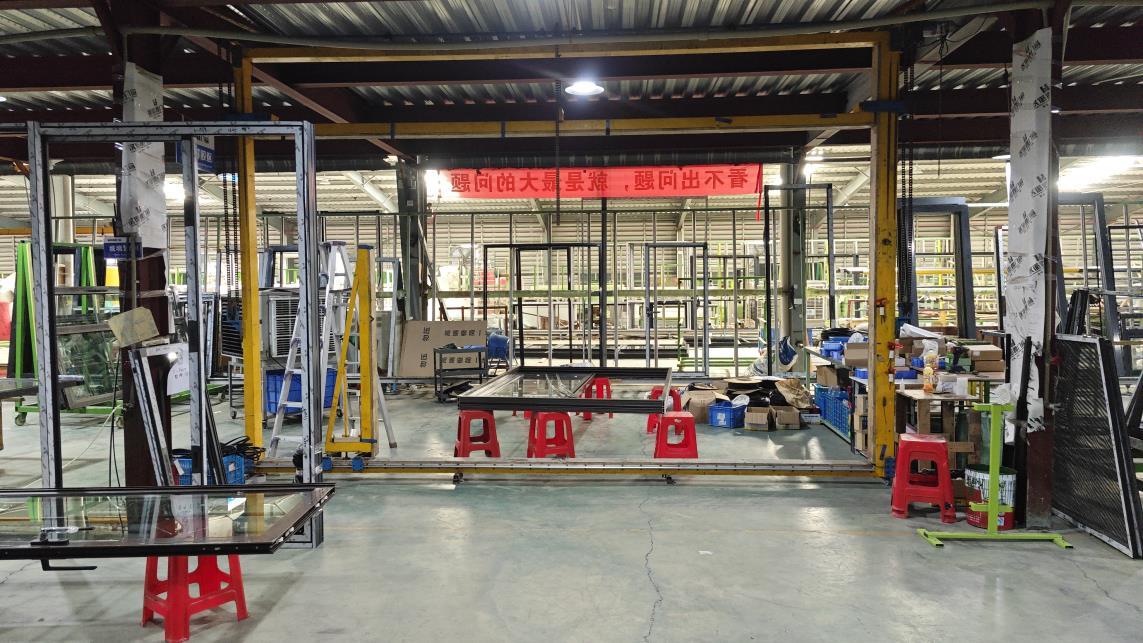 11. Debugging
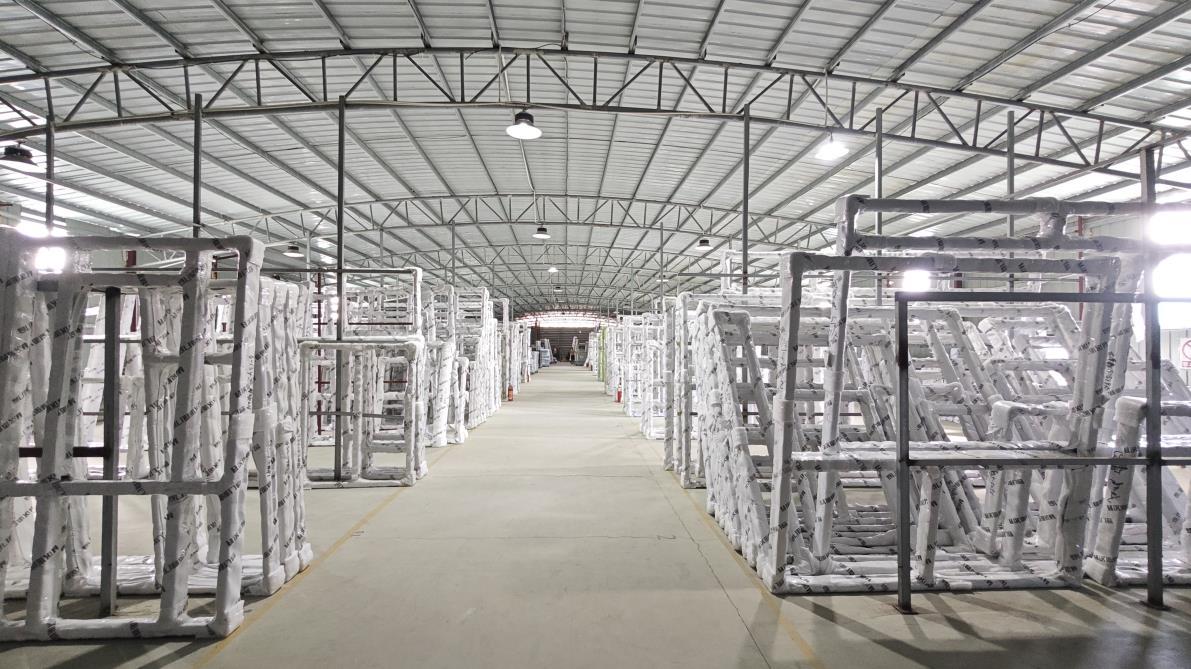 12. Warehouse
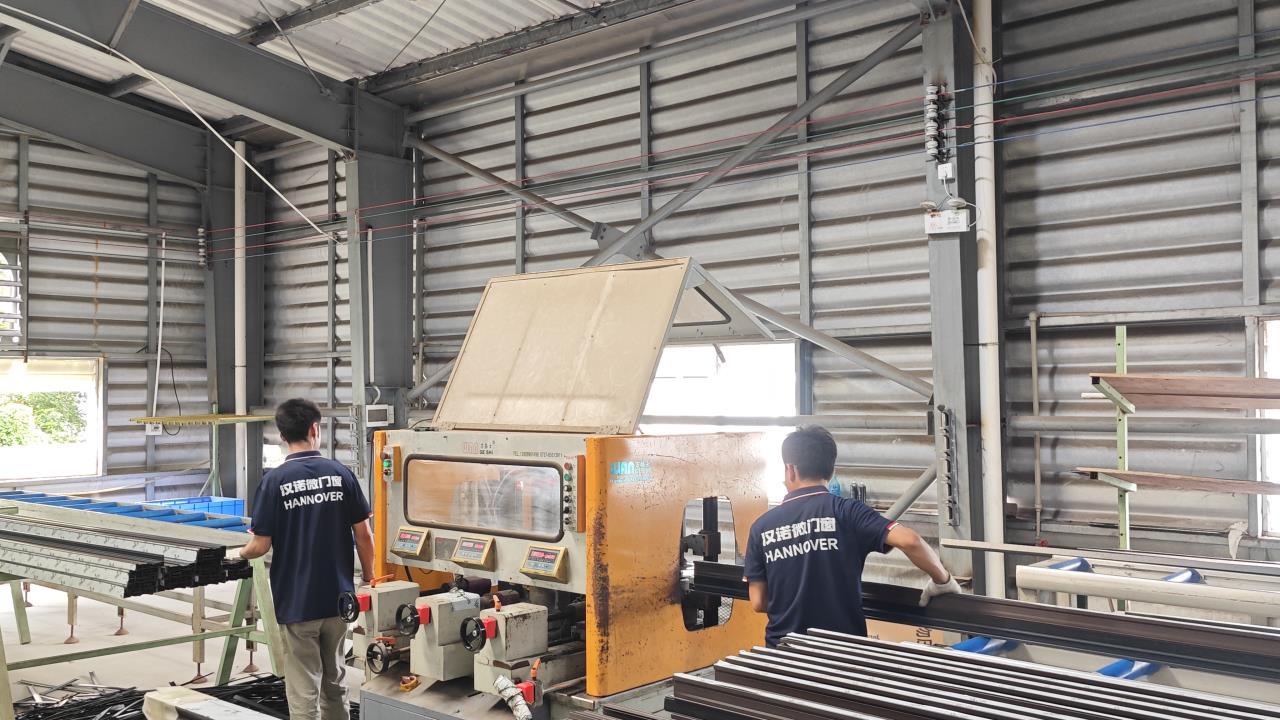 13. Strip Threading
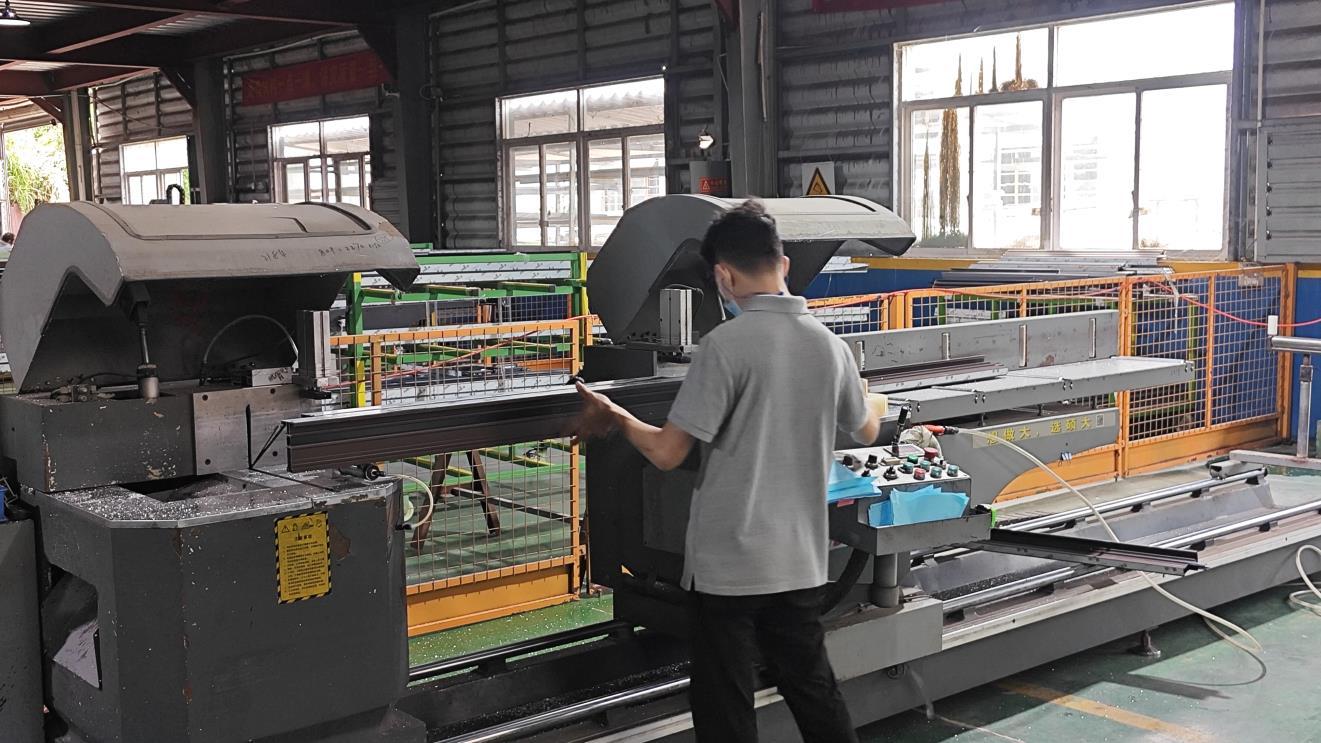 14. Cutting Machine
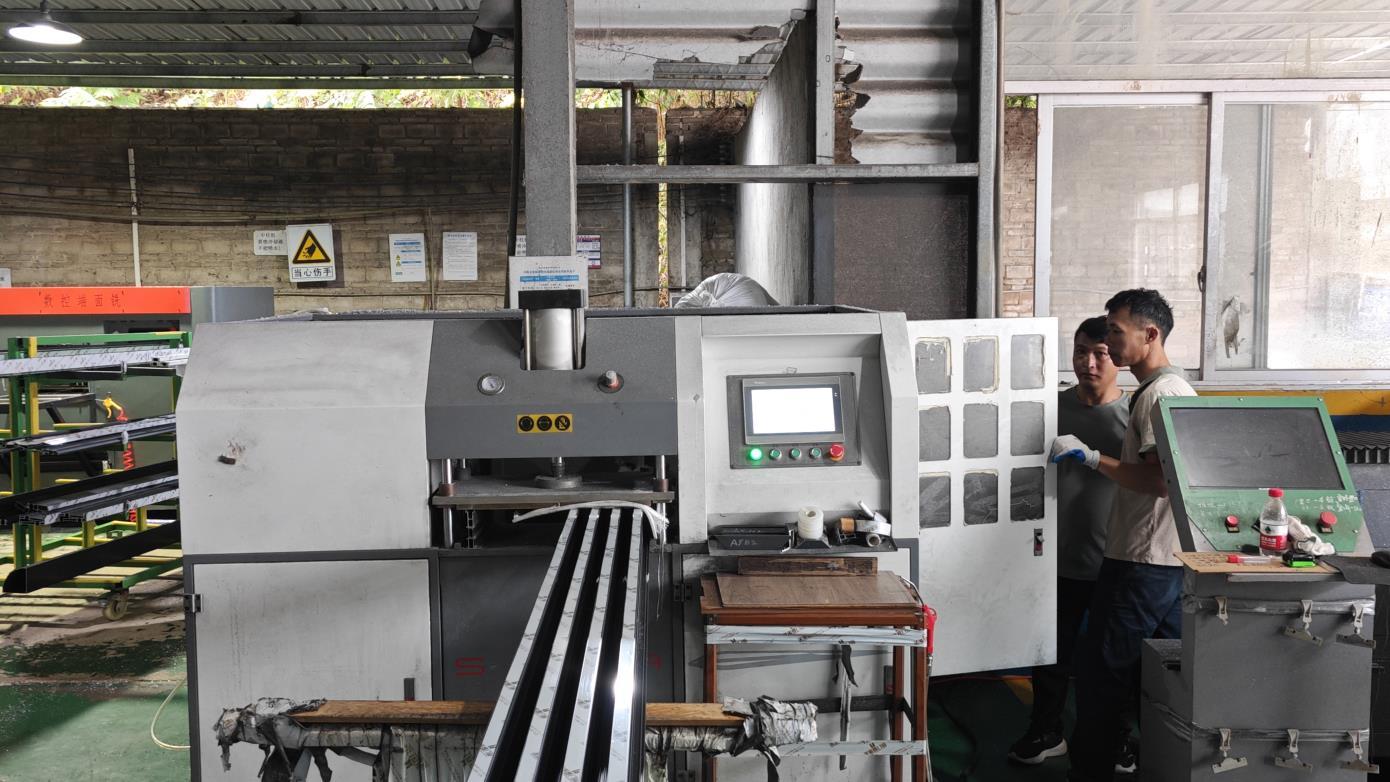 15. CNC Milling
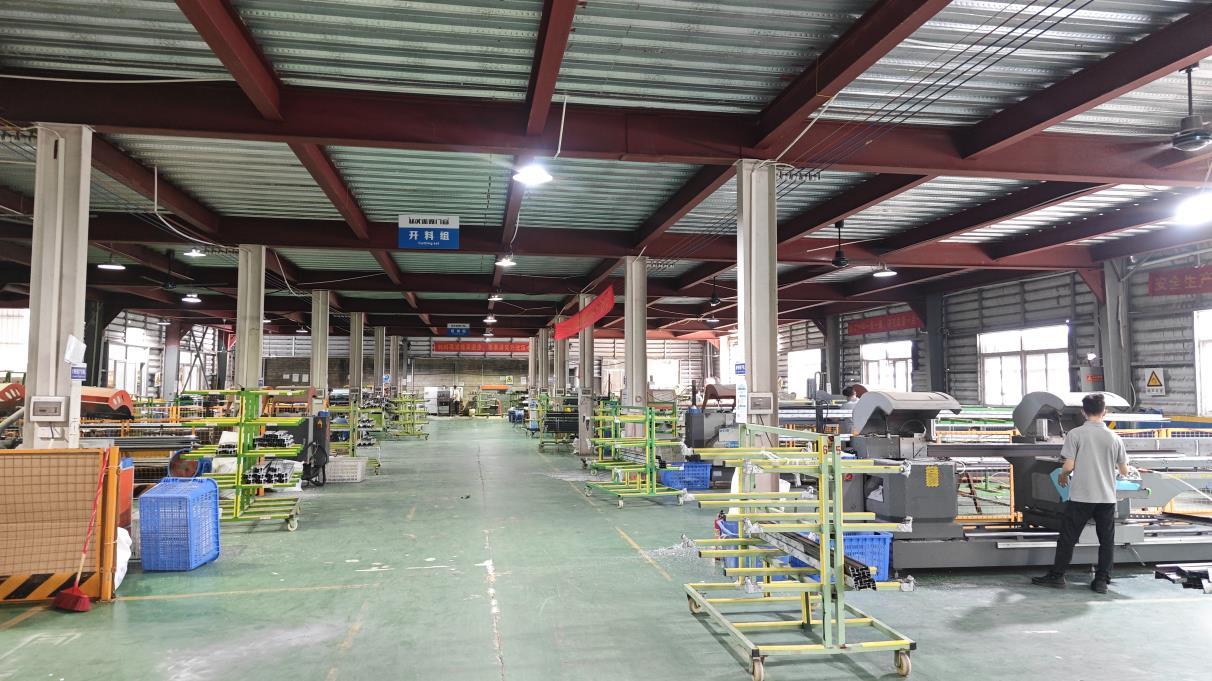 16. Assembly Line
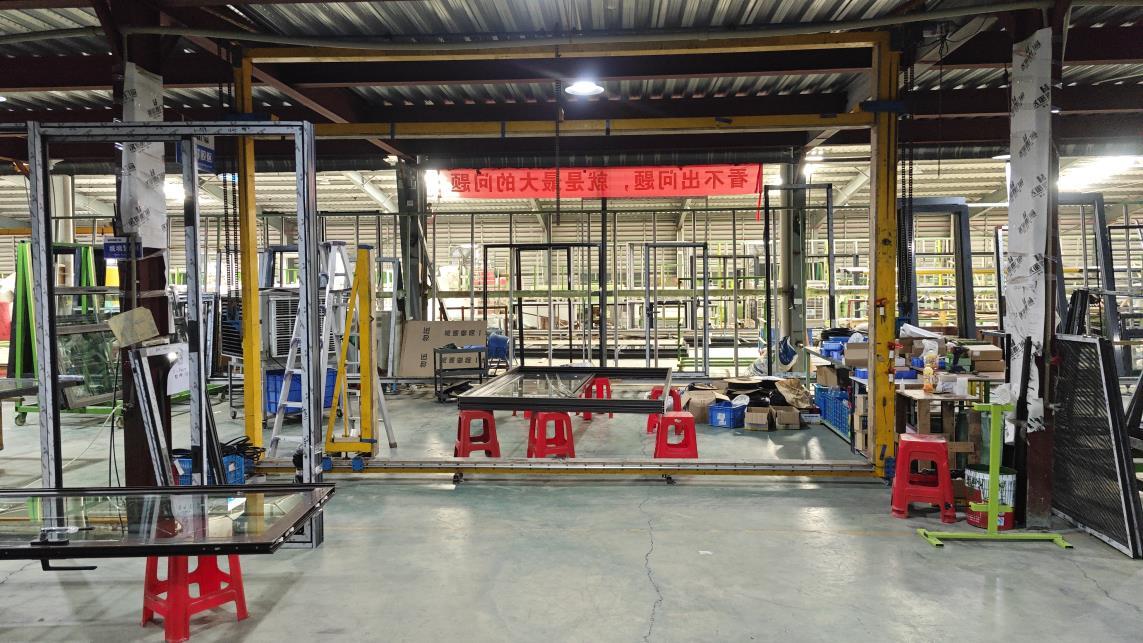
Quality Control (QC) Rigor
35 inspectors checking air tightness, structural deflection, and corner torque parameters.
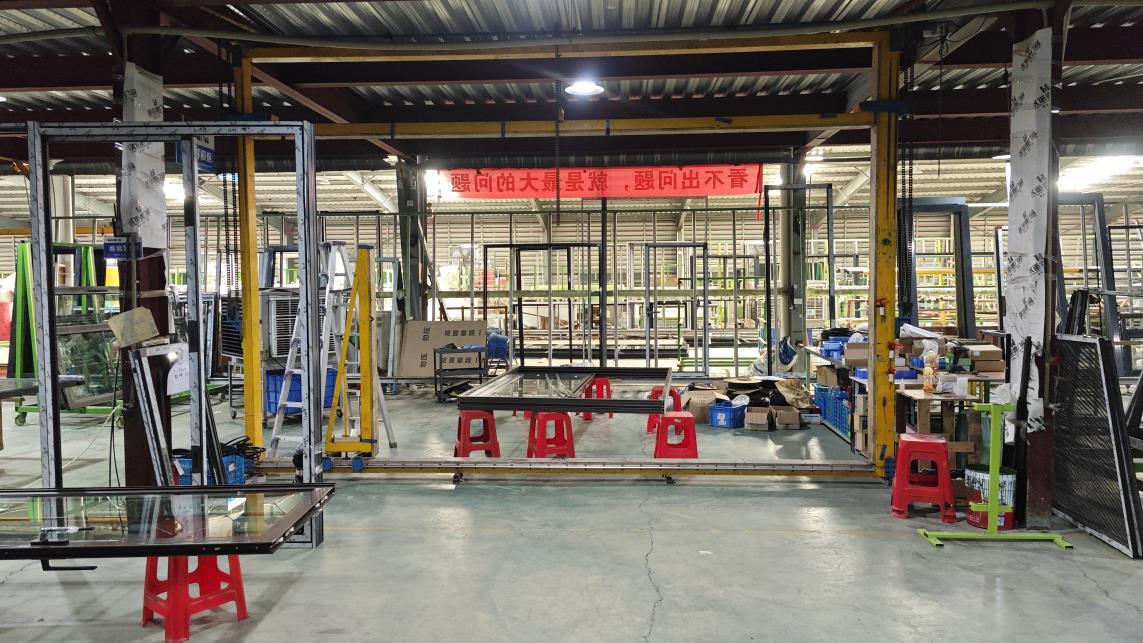
Debugging & Calibration Rack
Full 1:1 functional mock-up testing for smooth sliding force under 15N per sash.
Next-Gen Fenestration Technology Matrix
How Chengdu Zenit integrates advanced material science, smart automation, and thermal dynamics into future-proof sliding door assemblies.
The evolution of architectural aluminum sliding doors has shifted from basic space division to highly complex, multi-functional building envelope systems. Zenit’s R&D department operates at the intersection of structural engineering, thermodynamic physics, and smart home integration. Our 42-engineer team focuses on four core technological vectors that dictate the next decade of architectural performance:
1. Polyurethane & PA66 Thermal Matrix
To eliminate thermal bridging entirely, our latest profiles incorporate 34mm multi-cavity continuous Technoform Polyamide PA66 GF25 insulative strips filled with high-density polyurethane (PU) foam cores. This configuration reduces profile U-values ($U_f$) down to 1.1 W/m²K, making them suitable for Passive House certifications in extreme northern climates.
2. Concealed Motorized Automation & IoT
Modern commercial and luxury residential builds demand seamless automated operation. We have integrated ultra-quiet DC brushless motors embedded directly within the head frame track. Operating via smart home gateways (Zigbee/KNX/Wi-Fi), these motorized systems handle panel weights up to 600 kg per sash with obstacle pinch-protection sensors.
3. Dynamic Electrochromic & Solar Glazing
Through strategic partnerships with advanced glass fabricators, Zenit doors natively support electrochromic dynamic tinting. Glass opacity and SHGC parameters can adjust dynamically based on ambient solar radiation levels, cutting cooling loads by up to 30% while retaining structural visual clarity on demand.
International Compliance Matrix & Specs
Verified performance metrics across major international certification regimes including NFRC, CE Mark, and AS2047 standardizations.
| Performance Metric | North American Standard (NFRC / AAMA) | European Standard (CE / EN 14351-1) | Australian Standard (AS2047 / AS1288) | Zenit Factory Benchmark |
|---|---|---|---|---|
| Thermal Transmittance (U-Factor) | U ≤ 0.22 Btu/h·ft²·°F | Uw ≤ 1.2 W/m²K | U ≤ 1.8 W/m²K | Uw 0.95 - 1.1 W/m²K (Optimum) |
| Structural Wind Load Capacity | DP 50 - DP 80 (2400 - 3840 Pa) | Class C5 (2000 Pa) | N4 / N6 Rating (up to 4500 Pa) | Tested up to 5000 Pa (Severe Weather) |
| Air Infiltration Resistance | ≤ 0.1 cfm/ft² (@ 75 Pa) | Class 4 (600 Pa) | ≤ 0.5 L/s·m² (@ 150 Pa) | Class 4 Zero-Leakage Seal System |
| Water Penetration Resistance | ≥ 12 psf (575 Pa) | Class E1050 (1050 Pa) | ≥ 450 Pa High Sill threshold | Static & Dynamic Watertight to 1200 Pa |
| Acoustic Insulation (STC / Rw) | STC 38 - STC 45 | Rw 40 - Rw 48 dB | Rw 38 - Rw 46 dB | Up to STC 48 / Rw 50 dB (Triple Glazed) |
| Aluminum Profile Specification | 6063-T6 Structural Alloy | EN AW-6063 T6 | AS/NZS 1866 Grade | High-Tensile 6063-T6 (Wall Thick 2.0-3.0mm) |
Every fenestration assembly manufactured by Chengdu Zenit Window & Door Co., Ltd. is engineered to exceed global baseline requirements. Our engineering team prepares full submittal packages—including structural calculation reports, thermal modeling simulation outputs (THERM & WINDOW software), and structural shop drawings—tailored specifically to satisfy local building officials and third-party inspectors in North America, Australia, and Western Europe.
Custom OEM/ODM Sector Integration
From ultra-luxury residential villas to high-traffic commercial installations, Zenit delivers scalable manufacturing options.
Luxury High-Rise & Waterfront Villas
Designed for severe coastal exposure where salt spray, driving rain, and wind gusts threaten structural integrity. Incorporates anodized surface treatments (25+ microns) or fluorocarbon (PVDF) 3-coat paint finishes backed by a 25-year warranty against fading, chalking, and pitting corrosion.
Hospitality & Commercial Entrances
Heavy-duty commercial sliding doors engineered for million-cycle operational durability. Features heavy-gauge stainless steel multi-wheel roller carriages (heavy duty rating up to 400 kg per sash), heavy-use flush threshold tracks compliant with ADA handicap access codes, and integration with building access control systems.
Modular & Prefabricated Construction
Precision manufacturing guarantees tight frame dimensional tolerances within ±0.5mm. Factory-assembled or knock-down (KD) packaging options optimize freight logistics for modular building factories worldwide, reducing on-site installation labor costs by up to 40%.
Frequently Asked Questions (FAQ)
In-depth technical responses covering structural design, thermal insulation, global compliance, and supply chain logistics.
What makes Chengdu Zenit’s aluminum sliding door thermal break design superior to conventional profiles?
Zenit utilizes advanced continuous Polyamide (PA66 GF25) thermal barrier strips engineered with a 25% glass fiber reinforcement matrix. Unlike standard non-thermal aluminum profiles that readily conduct thermal energy, our multi-cavity thermal break profile creates an impenetrable barrier against heat transfer. When combined with double or triple insulated glass units (IGUs) filled with 90% Argon gas and Low-E coatings, our systems achieve total assembly U-factors as low as 0.95 W/m²K (U-0.17 Btu/h·ft²·°F), drastically cutting HVAC energy demands in both extreme hot and freezing climates.
How do your sliding door systems satisfy strict wind load and hurricane impact standards in North America and Australia?
Our structural engineering relies on prime 6063-T6 aluminum extrusions featuring profile wall thicknesses ranging from 2.0mm to 3.5mm at critical stress points. Structural interlock stiles are reinforced with internal steel mullions to withstand extreme wind pressures up to 5000 Pa (equivalent to Category 5 hurricane force winds). For coastal installations, we provide impact-resistant laminated glazing configurations featuring SentryGlas (SGP) or PVB interlayers certified under ASTM E1886/E1996 and AS2047 compliance standards.
What customization choices are available for surface finishes and architectural aesthetics?
Zenit offers comprehensive surface finishing technology within our integrated supply chain network. Finishing options include: 1) Fluorocarbon (PVDF) 3-coat spray coating delivering extreme UV resistance and color retention for 25+ years; 2) Architectural Anodizing (15 to 25 microns) offering metallic lusters resistant to abrasion and salt-air oxidation; 3) High-definition Wood Grain Thermal Transfer printing for luxury residential projects; and 4) Ultra-matte micro-textured powder coatings conforming to Qualicoat Class 2 standards.
How does Zenit maintain quality control across large-scale commercial OEM/ODM orders?
Our quality ecosystem is managed by a team of 35 dedicated inspectors operating under strict ISO 9001 quality management protocols. Every manufacturing run follows a rigorous 16-step quality gate process—from raw material spectral composition analysis to automated CNC milling verification and dynamic 1:1 functional debugging on our mock-up testing racks. We test 100% of finished sashes for air infiltration, water penetration resistance, and smooth hardware operation force before export packaging.
What hardware systems and security features are integrated into your sliding doors?
We partner with premier global hardware manufacturers such as Siegenia, Hoppe, Roto, and GU, alongside our proprietary high-load heavy-duty stainless steel rollers. Our systems feature multi-point security locking mechanisms with anti-lift pins, concealed burglar-resistant locking gear (RC2/RC3 rating equivalent), and integrated flush track options with stainless steel precision bearings capable of supporting up to 400 kg sliding sash panels with effortless manual glide force (<15 N).
What are the lead times and shipping packaging specifications for international orders?
Standard production lead times range from 25 to 35 business days depending on custom extrusion profiles and glass specifications. For export logistics, products are packaged using sea-worthy heavy-duty reinforced wooden crates, fully wrapped with protective polyethylene film, corner protectors, and desiccant packs to prevent moisture corrosion during ocean transport. We offer complete knock-down (KD) packaging or fully assembled pre-glazed frames based on client site requirements.
Can Zenit sliding door systems integrate with Smart Home Automation networks?
Yes, our smart motorized series features hidden, built-in drive units compatible with major automation standards (KNX, Zigbee, Control4, Crestron, or dry-contact relays). The motorized system features quiet opening/closing cycles (<35 dB), app-based remote management, rain-sensor automated closing, and optical safety light curtains to ensure immediate stop-and-reverse action if an obstacle is detected.
What acoustic soundproofing performance can be achieved with Zenit sliding glass doors?
Through asymmetric glass thickness configurations (e.g., 6mm Low-E + 12Argon + 4mm + 0.76PVB + 4mm Laminated), our double and triple glazed sliding door units achieve sound transmission class (STC) ratings up to 48 dB (Rw 50 dB). This dramatically reduces high-frequency highway traffic and airport urban noise, creating serene interior spaces in busy urban developments.
High-Performance Fenestration Lineup
Discover our custom louvers, motorized vertical hung windows, slim patio sliders, and smart exterior doors.
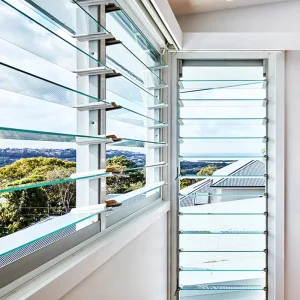
OUNA New Design Factory Doors Window Custom Residential Bathroom Aluminium Louver windows Design Price Wooden Louvered windows
View Specifications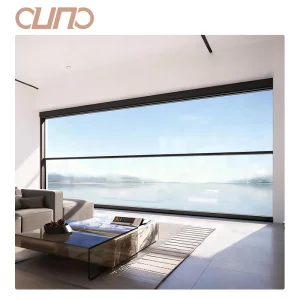
OUNA NFRC Double Glaze Motor Electric Aluminium Vertical Sliding Automatic Single Hung Vertical Lift up Windows
View Specifications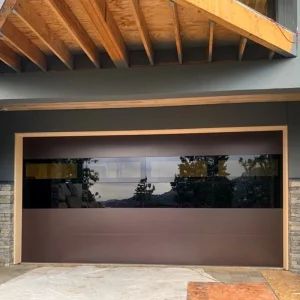
OUNA Custom Modern Design Waterproof Smart Electric Garage Door Aluminum Glass Exterior for Villas Factory Direct
View Specifications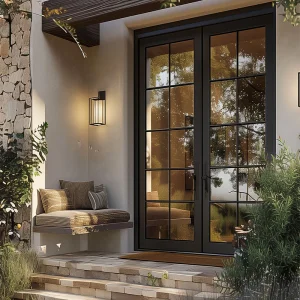
OUNA Hotel Grade Aluminum French Doors Durable and Stylish for Apartment Balcony and Commercial Building Entrances
View Specifications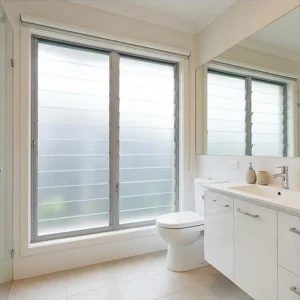
OUNA Modern Electric Motorized Aluminum Blinds with Remote Control for Large Windows and Facades Smart Home System Compatible
View Specifications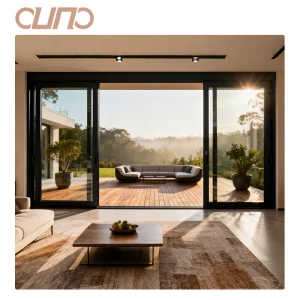
OUNA ISO CE Hotel Outdoor Aluminum Alloy Slim Frame Glass Slide Door Double Glazed Low E Insulated Sliding Doors
View Specifications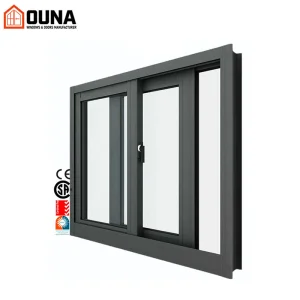
OUNA Windproof Double Glazed Aluminium Windows Hurricane Impact Proof Low-E Glass Aluminum Sliding Window With Mosquito Net
View Specifications