Zenit Window
Explore high-performance thermal break aluminium window systems, impact-resistant sliding profiles, skylights, and custom architectural glazing solutions engineered to NFRC, AS2047, and CE standards.
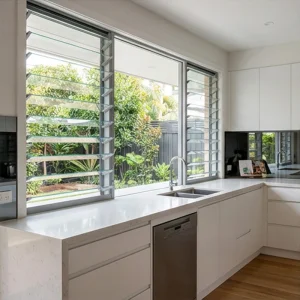
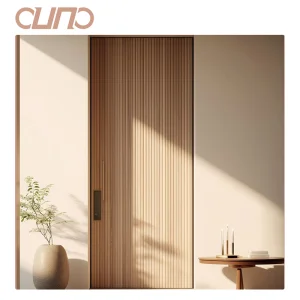
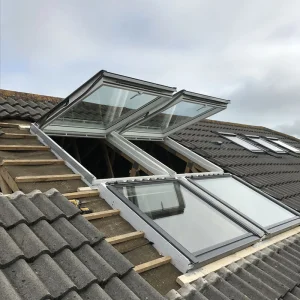
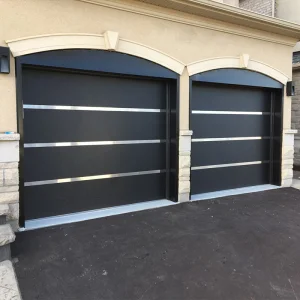
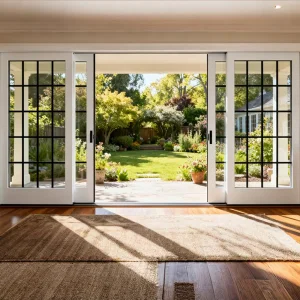
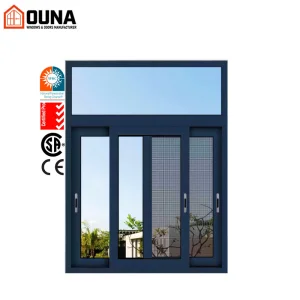
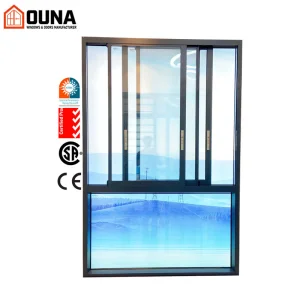
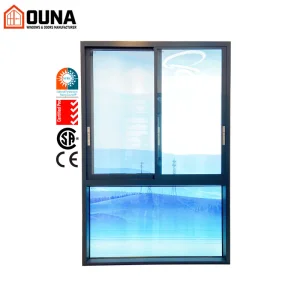
Navigating structural changes in global construction procurement, thermal break innovation, raw material index pricing, and energy compliance standards.
The commercial and luxury residential building envelope industry has undergone a radical shift. As international energy codes mandate stringent U-factor requirements (often under 1.4 W/m²K) and aggressive Solar Heat Gain Coefficients (SHGC), architectural aluminium window systems have evolved from basic fenestration into highly engineered thermal barriers. For global property developers, main contractors, and building material distributors, procurement officers searching for "China best aluminium windows prices" are no longer merely comparing base unit pricing per square meter. Instead, search intent centers around total cost of ownership (TCO), compliance certification (NFRC, AS2047, CE, CSA), structural wind load durability, and supply chain continuity.
Understanding how price quotes are structured by major Chinese fenestration producers allows commercial procurement directors to optimize project budgets without compromising structural integrity or thermal efficiency. Aluminium window prices typically scale according to frame wall thickness (ranging from 1.4mm for standard residential casements to 2.0mm–3.0mm for heavy-duty structural curtain walls or hurricane-rated systems), surface finishing options (Anodizing, Electrophoresis, PVDF Fluorocarbon Coating vs Standard Powder Coating), and insulated glass unit (IGU) specs (such as double-pane Low-E tempered glass filled with 90% Argon gas vs triple-pane soundproof laminated glass).
Backed by a decade of manufacturing precision, robust R&D, and certified quality control for global compliance.
Founded in 2015, Chengdu Zenit Window & Door Co., Ltd. operates a state-of-the-art 25,000-square-meter manufacturing facility. Backed by 11 years of deep industry expertise and 8 years of dedicated global trade experience, the company achieves an annual export turnover of $26 million. Our primary export markets cover North America, Australia, and Western Europe, catering directly to residential home builders, architectural contractors, and building material wholesalers who demand uncompromising quality and transparent factory-direct pricing.
Quality control at Zenit is managed by a specialized team of 35 dedicated inspectors who perform rigorous air permeability testing, water tightness checks, structural wind pressure endurance, and frame corner strength evaluations on every production run. Supported by an expansive network of over 600 supply chain partners, Zenit delivers comprehensive customization options including thermal break profiles, custom anodized finishes, and triple-pane soundproof glass. Driven by an active internal R&D division of 42 experienced engineers, we successfully developed and released 50 new architectural window systems over the past year alone.
35-Inspector QC Rigor
Every window profile undergoes stringent air tightness (ASTM E283), water resistance (ASTM E331), and structural load testing (ASTM E330) before packing.
42 R&D Engineers
Continuous engineering innovations result in over 50 new thermal-break profile designs annually, tailoring products to shifting building codes in North America and Europe.
600+ Ecosystem Partners
Robust upstream integration with certified primary billet extruders, PPG PVDF coating plants, and world-leading hardware brands (HOPO, Siegenia, Roto).
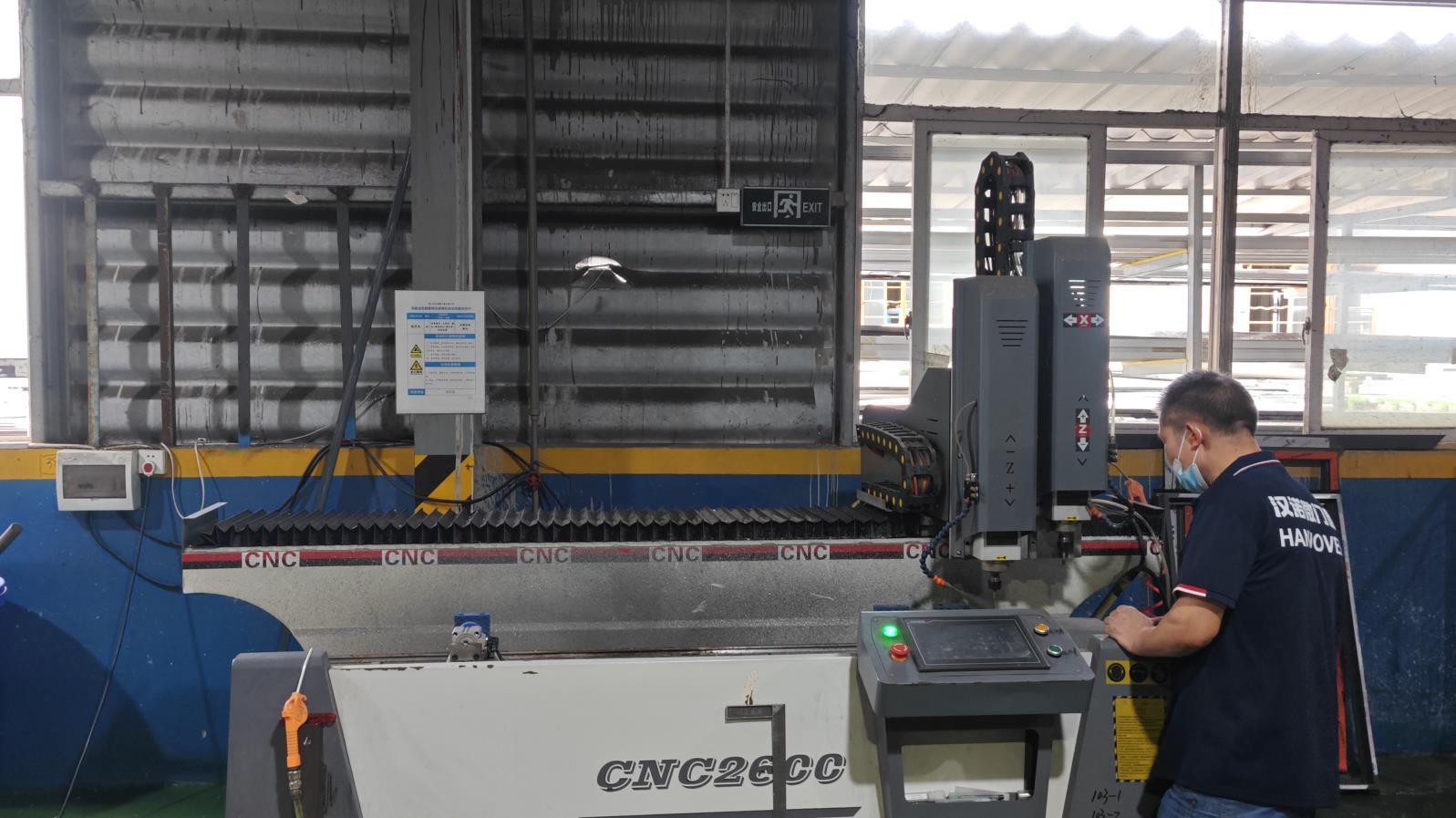
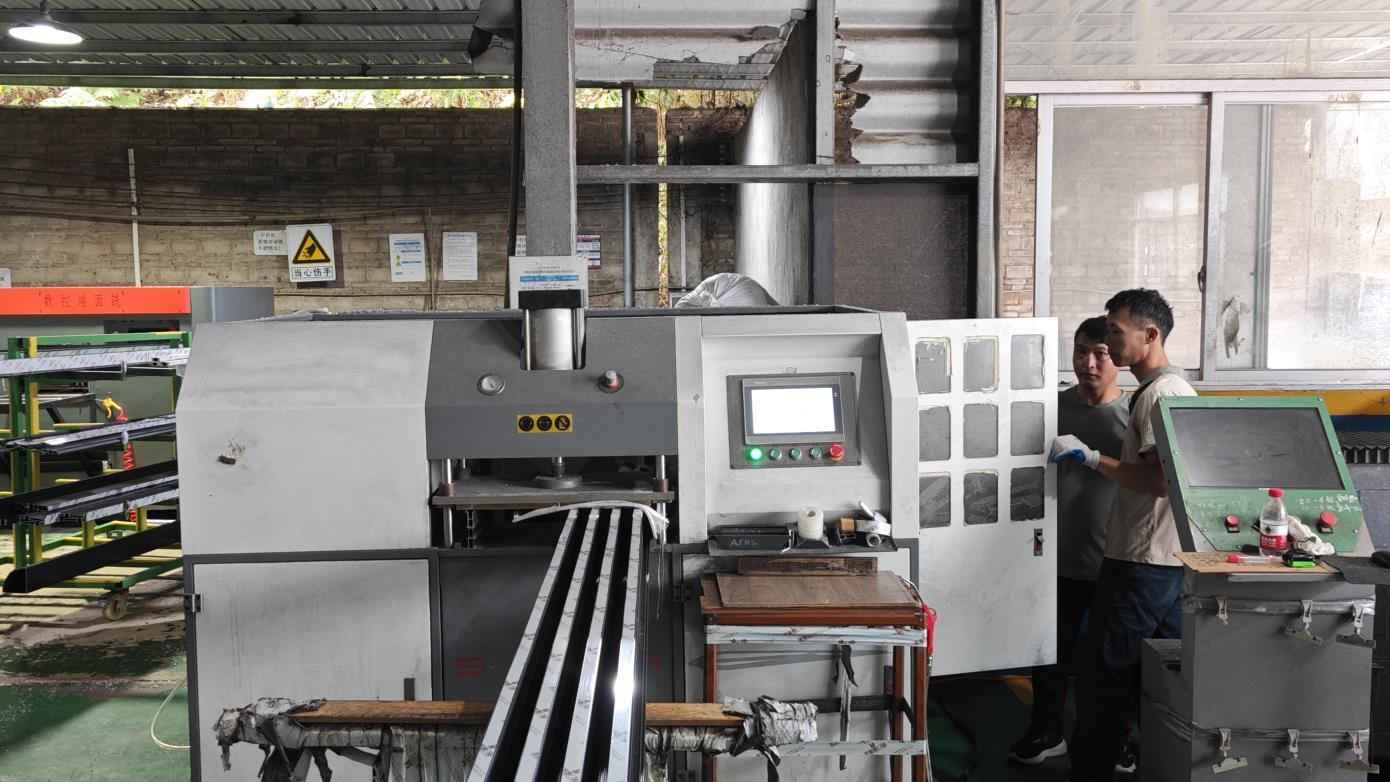
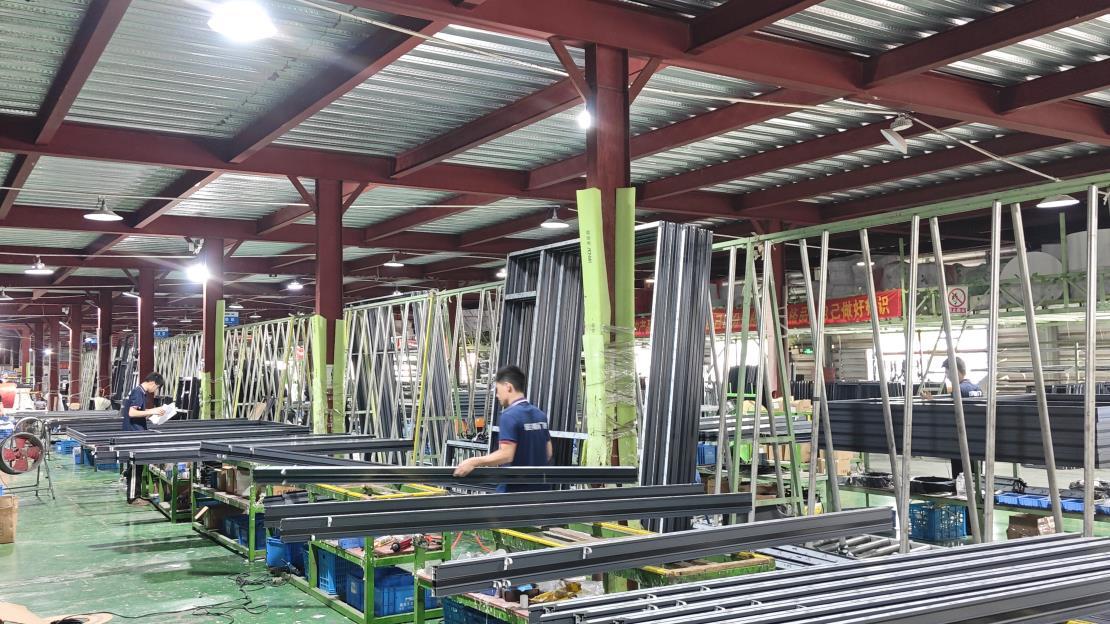
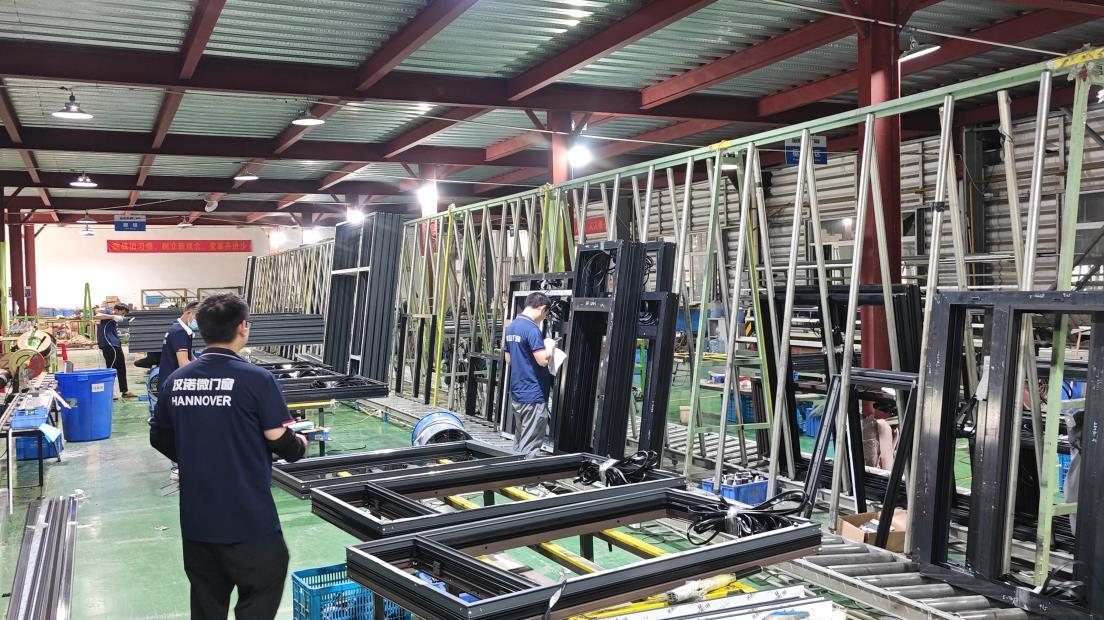
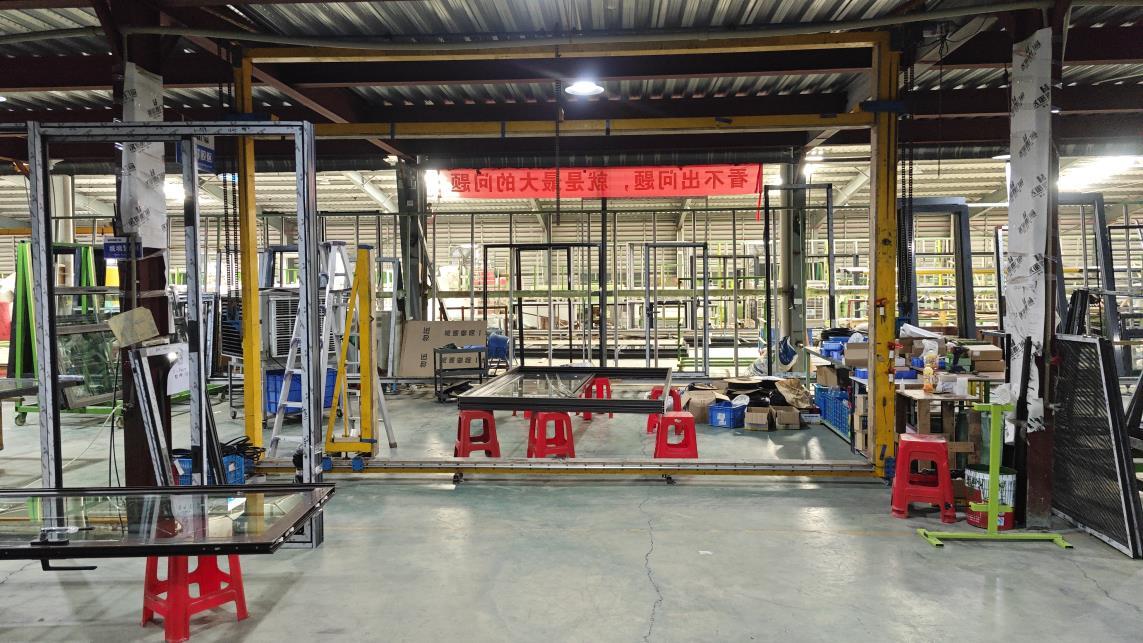
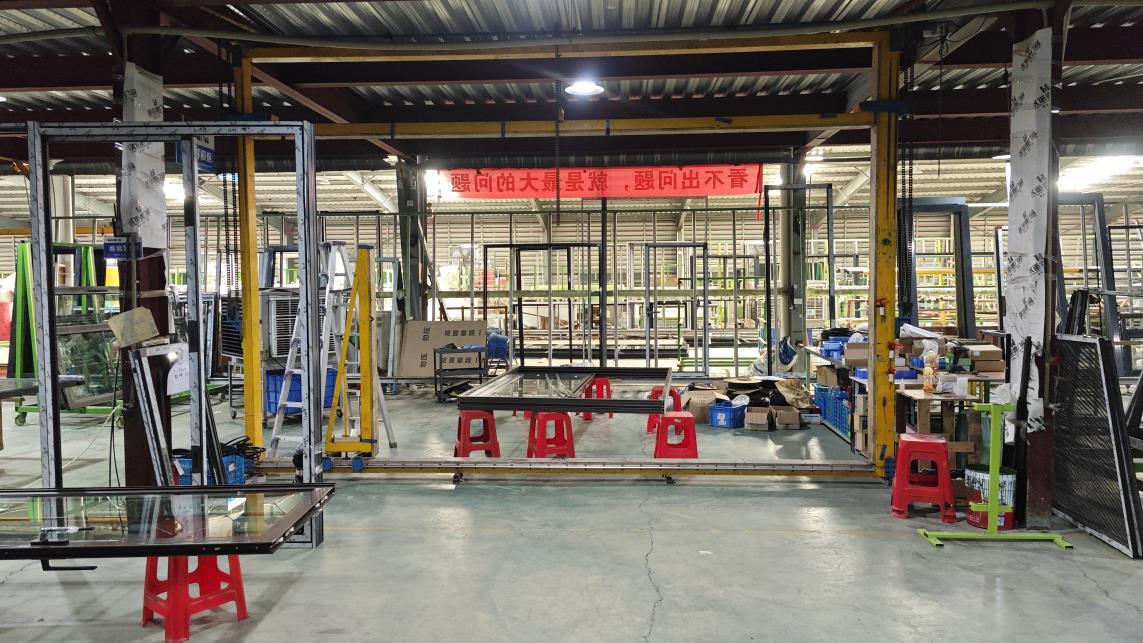
Inside Zenit's 25,000m² facility: High-precision automated tooling ensures dimensional stability within ±0.5mm tolerances across all window profiles.
The benchmark for evaluating China aluminium windows manufacturers lies in their factory workflow transparency and CNC precision machinery. Below is an exhaustive operational breakdown of Zenit's production line, from raw 6063-T5 aluminum extrusions to final debugging and quality sign-off.
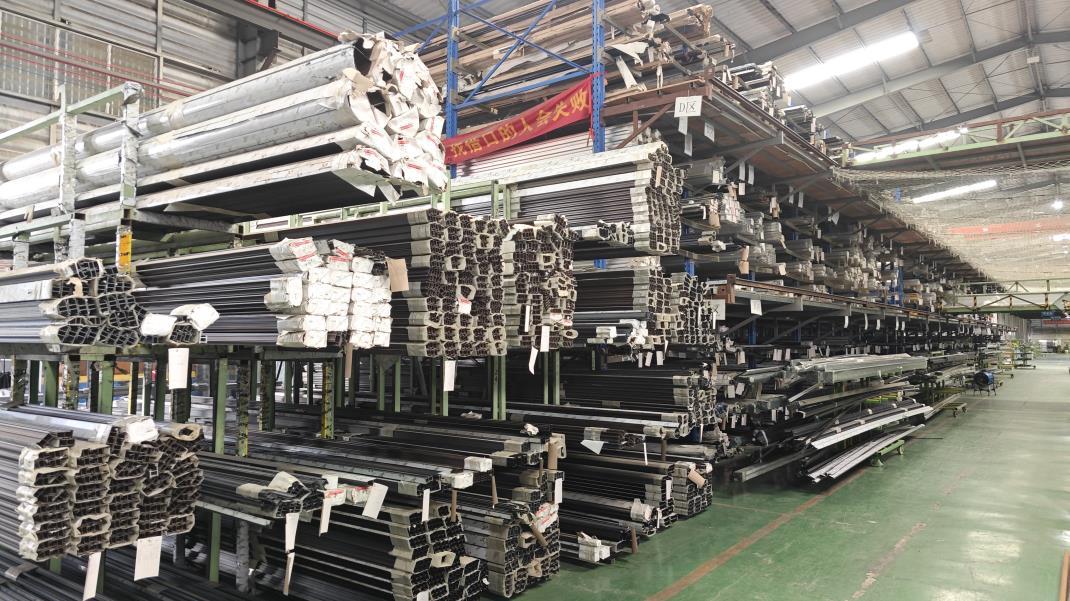
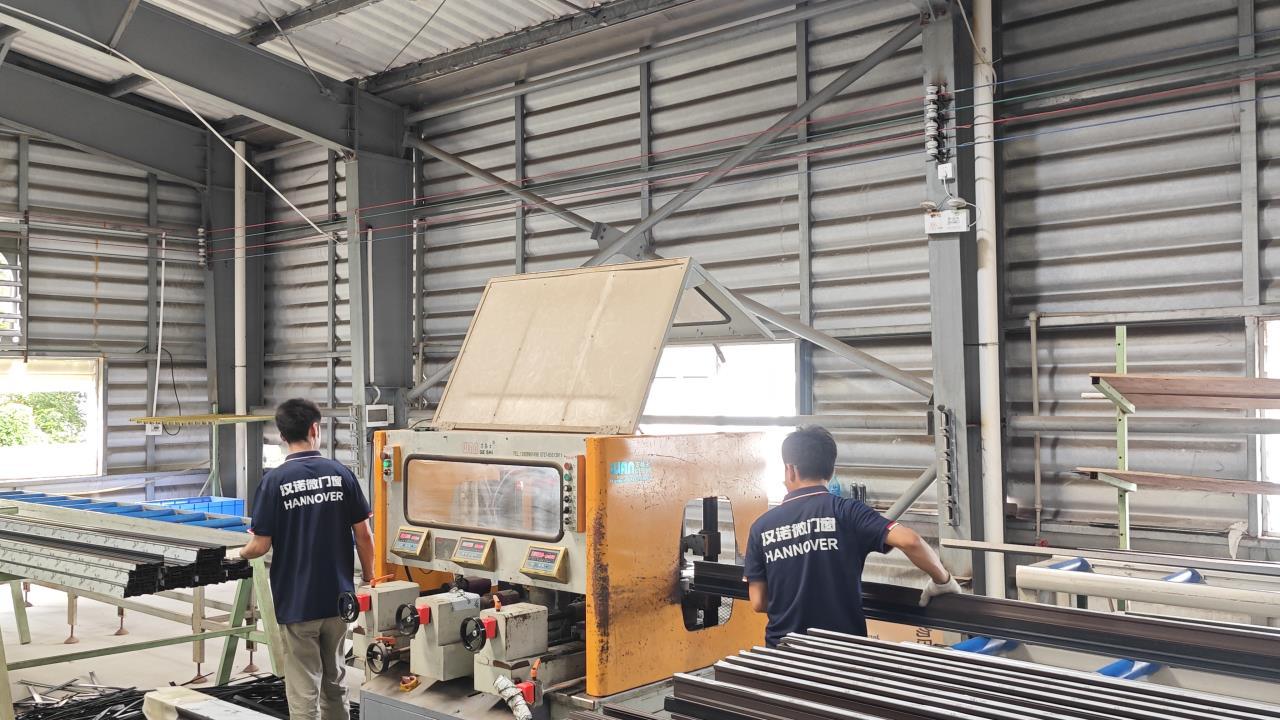
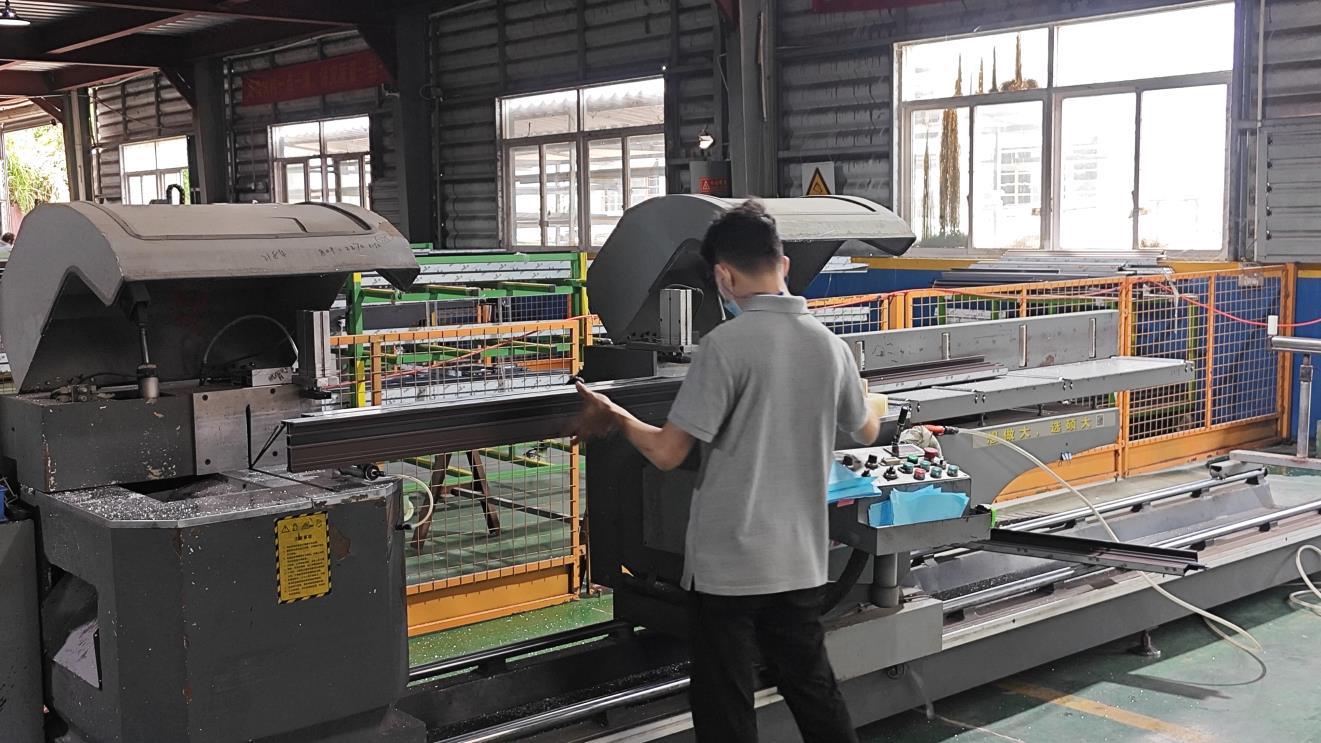
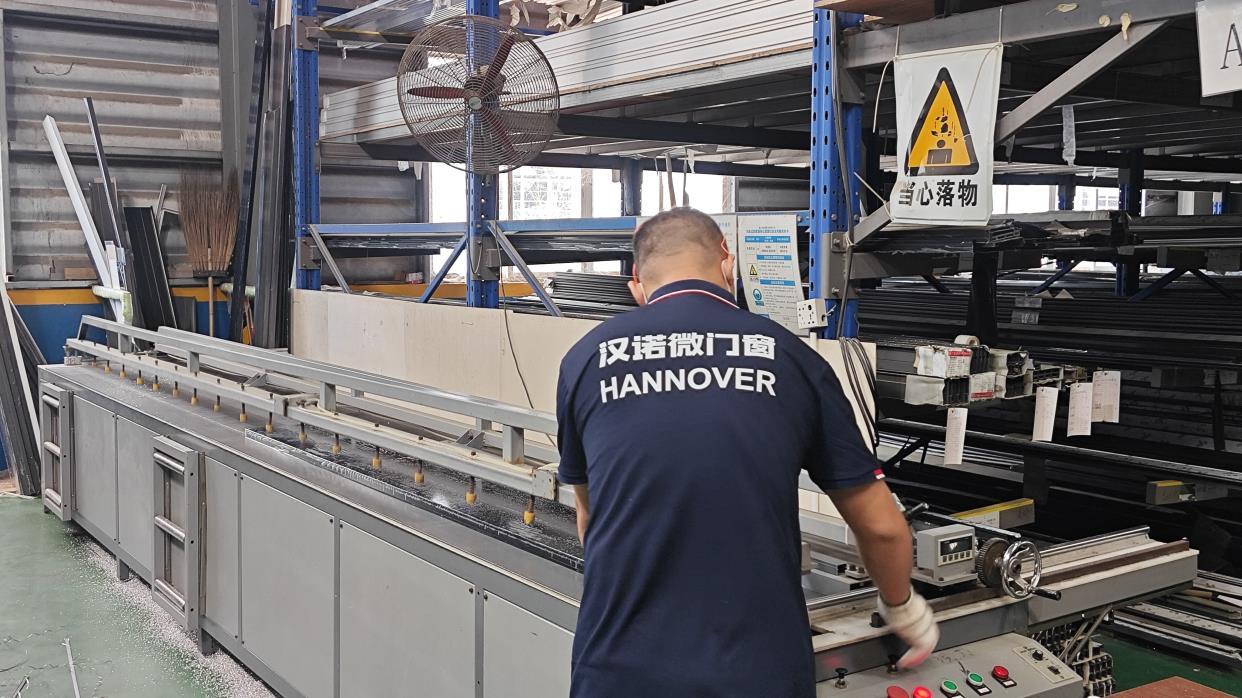
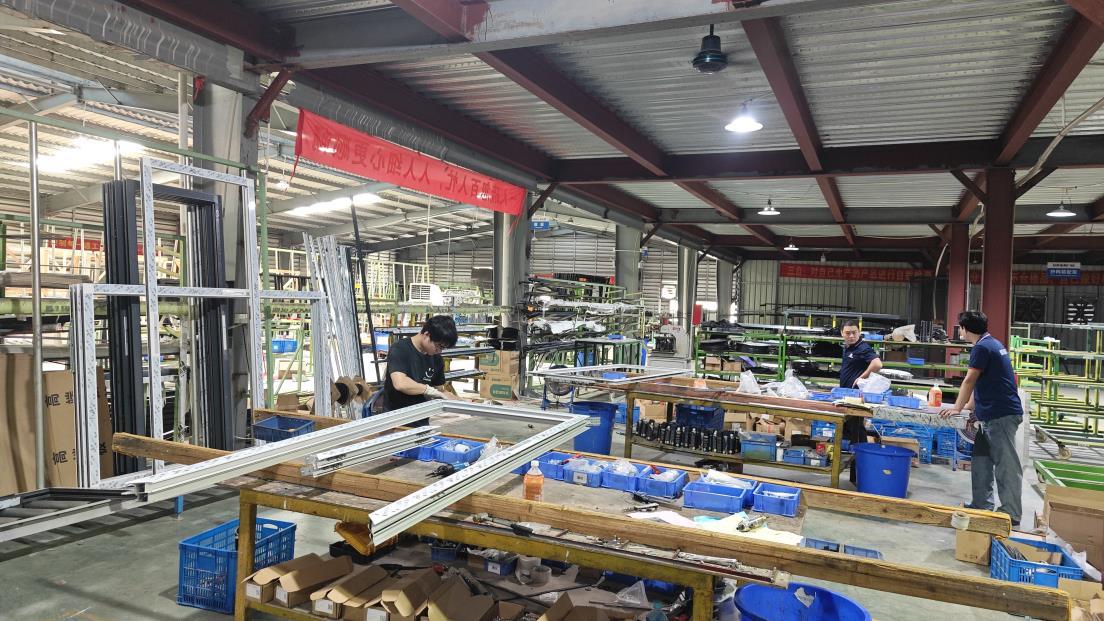
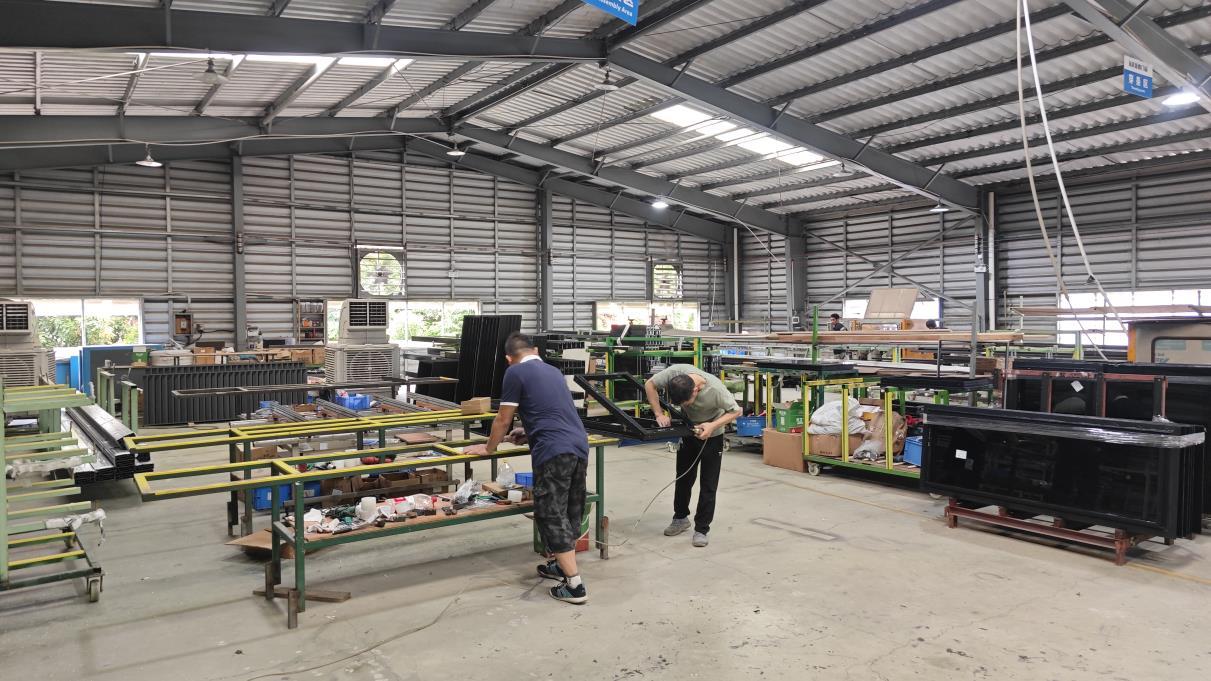
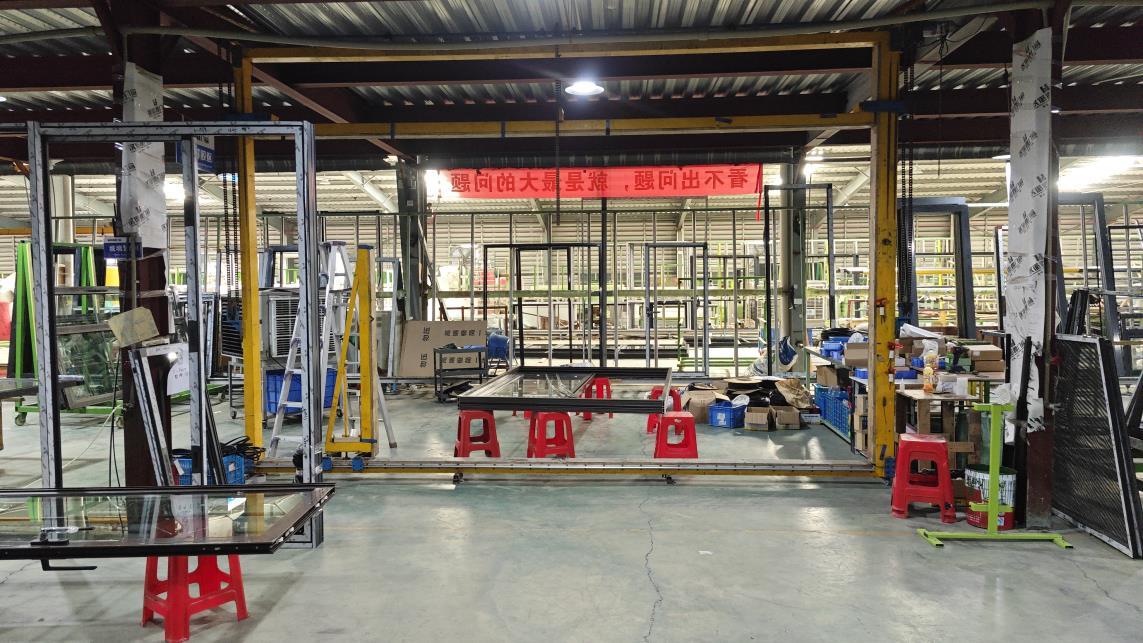
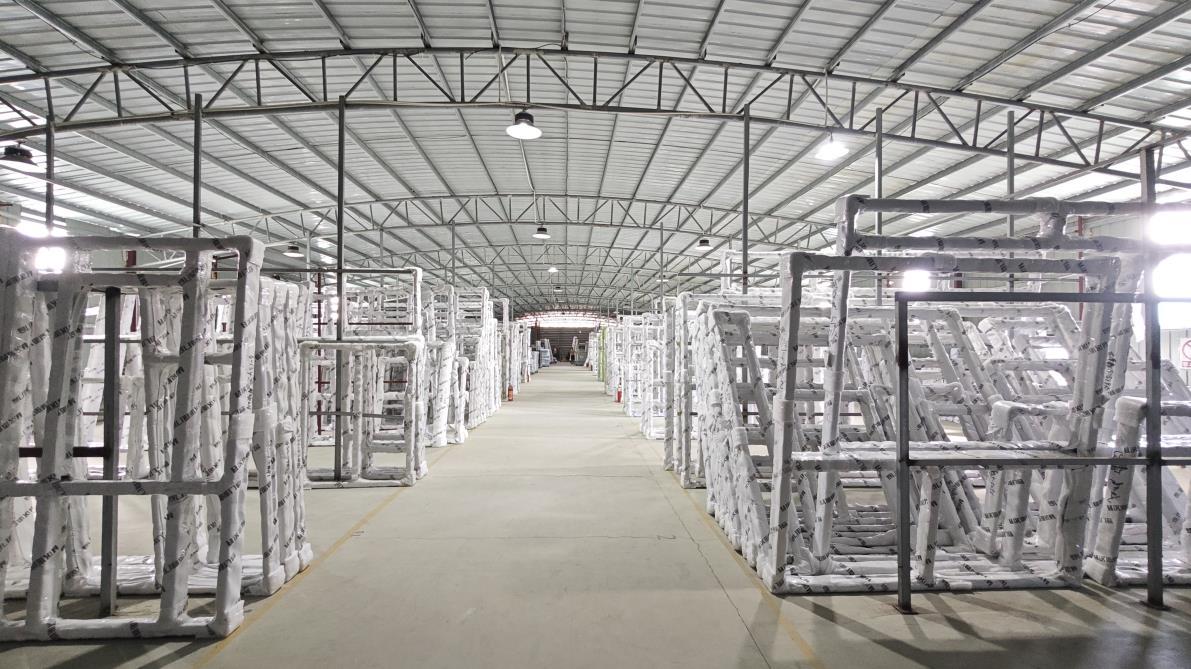
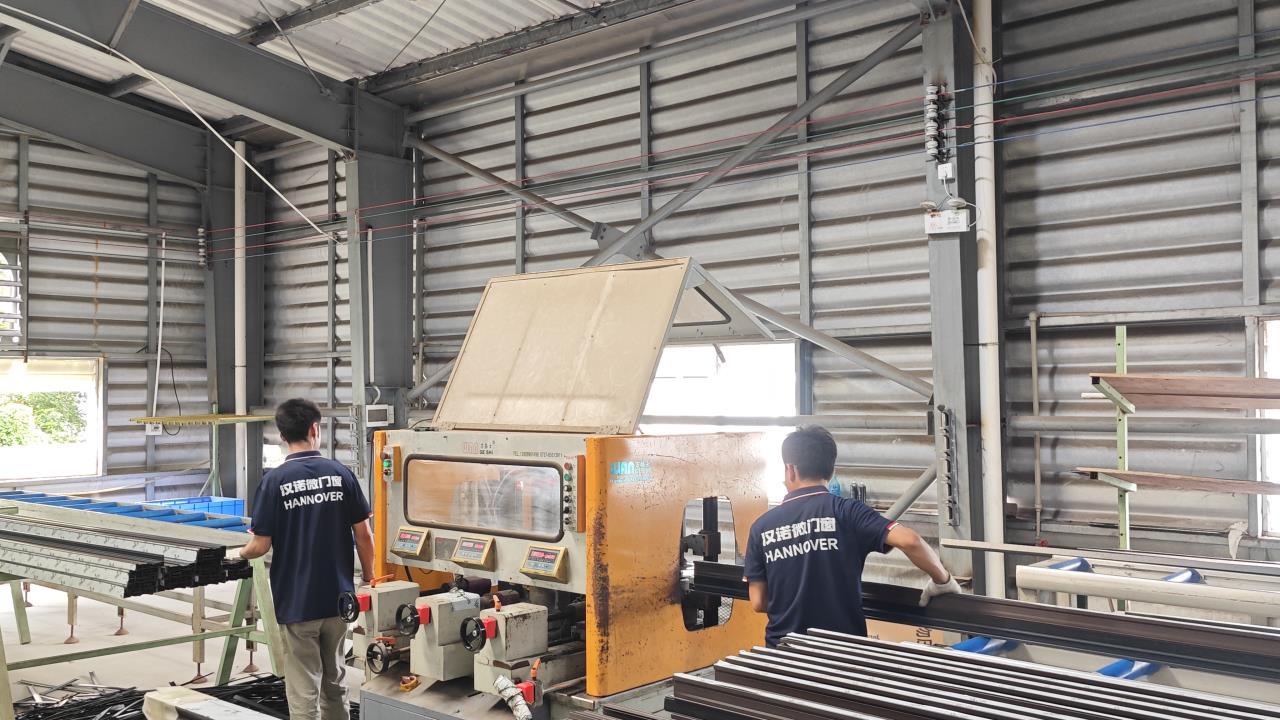
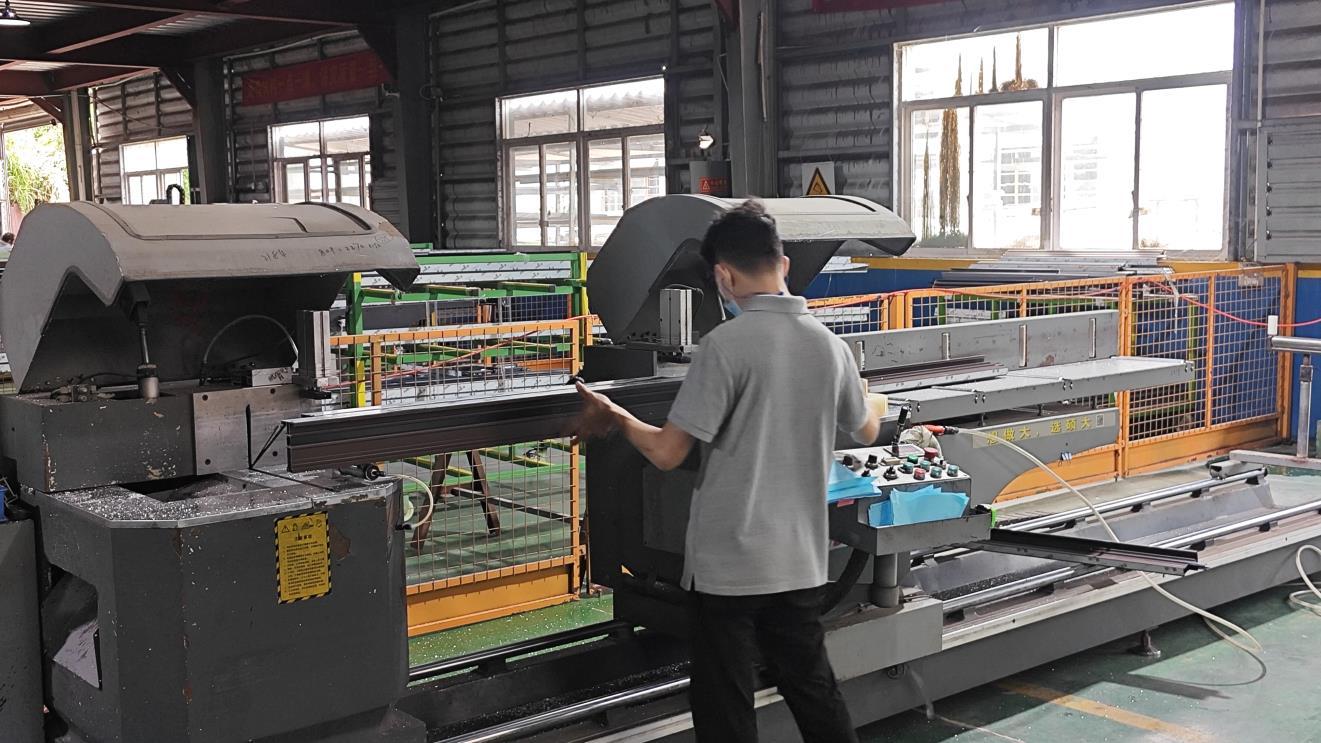
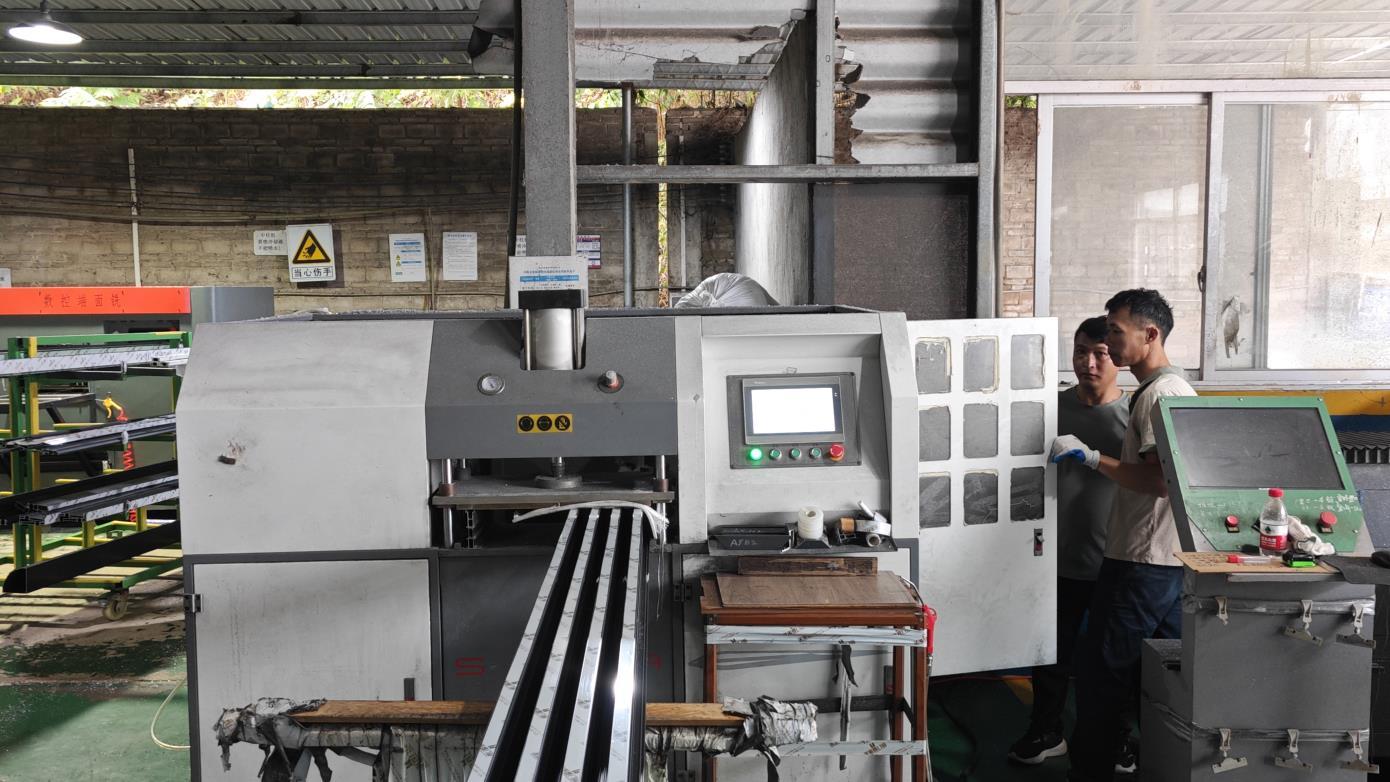
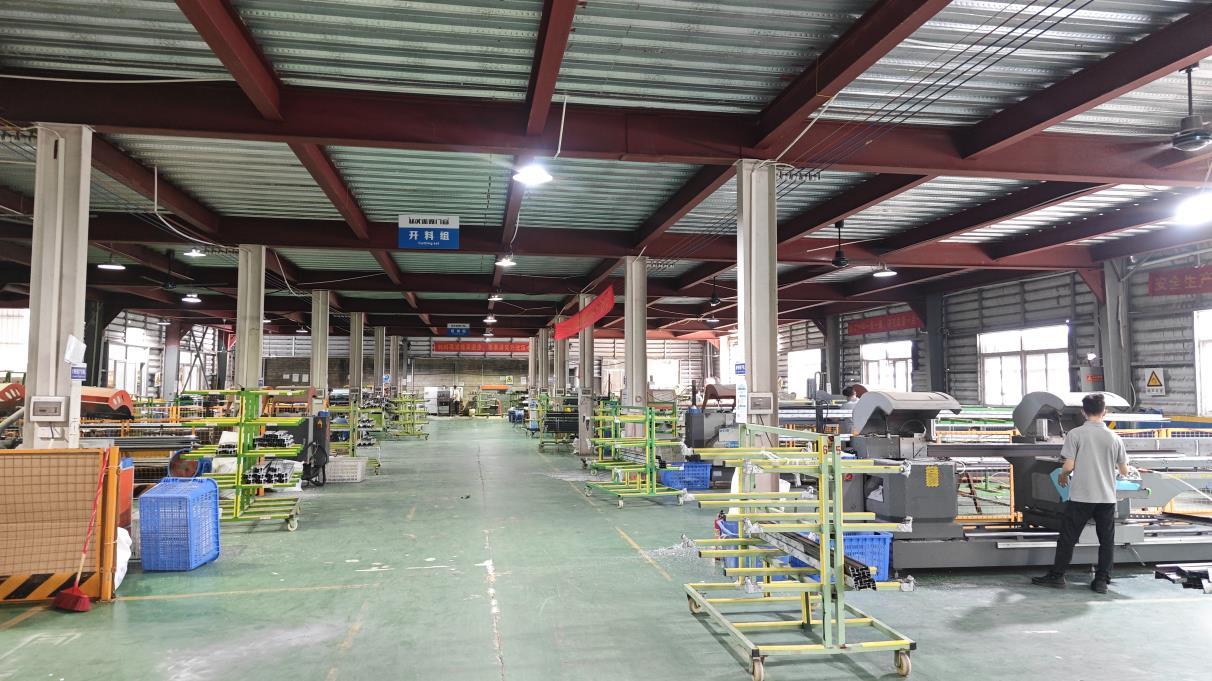
Direct factory cost breakdowns per square meter based on configuration, thermal performance rating, and regional engineering standards.
To assist procurement managers, quantity surveyors, and developers in financial modeling, the following matrix breaks down typical FOB China factory pricing vs installed performance specifications. Prices vary based on profile wall thickness (1.4mm - 2.2mm), glass configuration (Double vs Triple Low-E Argon), and hardware origins (Domestic Top Tier vs German Imports).
| Window System Type | Typical Profile Spec | Glass Configuration (IGU) | Thermal U-Factor (W/m²K) | Est. FOB China Price ($/m²) |
|---|---|---|---|---|
| Standard Non-Thermal Casement | 1.4mm 6063-T5 Profile | 5mm + 12A + 5mm Double Tempered | 2.8 – 3.2 | $45 – $75 / m² |
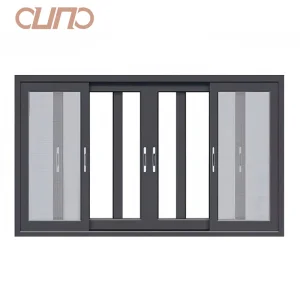
| Thermal Break Sliding Window | 1.4mm - 1.8mm (PA66 Strip) | 6mm Low-E + 12Argon + 6mm Tempered | 1.8 – 2.2 | $80 – $135 / m² |
| High-Performance Tilt & Turn | 2.0mm Heavy Duty Thermal Break | 5mm Low-E + 16A + 5mm + 16A + 5mm Triple | 1.1 – 1.4 | $140 – $210 / m² |
| Hurricane Impact Sliding Window | 2.0mm - 2.5mm Reinforced Wall | 6mm Low-E + 12A + 6mm/0.76PVB/6mm Laminated | 1.4 – 1.8 | $160 – $260 / m² |
| Architectural Curtain Wall System | 2.5mm - 3.0mm Mullions / Transoms | 8mm Low-E (Soft Coat) + 16A + 8mm Structural | 1.2 – 1.6 | $180 – $320 / m² |
How top Chinese manufacturers align production with strict North American, Australian, and European building codes.
North America: NFRC & CSA
Procurement for US and Canadian markets requires compliance with NFRC (National Fenestration Rating Council) protocols for total window U-factor, SHGC, and Visible Transmittance (VT). Thermal break designs utilizing 24mm+ PA66 insulation strips combined with Argon-filled Low-E triple glazing are essential to pass Energy Star 7.0 standards in Northern climate zones.
Australia: AS2047 & AS1288
The Australian standard AS2047 dictates performance criteria for air infiltration, water penetration resistance (up to 450Pa or higher for coastal zones), and ultimate strength deflection. Glazing must comply with AS1288 safety requirements, requiring certified toughened or laminated glass with rigorous quality stamp tracking.
Europe: CE & EN 14351-1
European specifications focus heavily on low thermal transmittance (Uw values < 1.0 W/m²K for Passive House projects) and acoustic isolation (STC ratings > 42 dB). Factory production control (FPC) systems and EN 14351-1 CE testing ensure structural safety and acoustic comfort in high-density urban developments.
The future of aluminium window manufacturing lies in the convergence of AI-driven automated cutting, ultra-narrow sightlines (minimalist frames with visible profile width under 20mm), dynamic electrochromic smart glass integration, and low-carbon recycled aluminum billets. Leading factories like Zenit are actively reducing carbon footprints through green aluminum procurement and solar-powered manufacturing lines, matching international ESG requirements for sustainable commercial developments.
In-depth answers to common technical and commercial queries for international building material buyers.
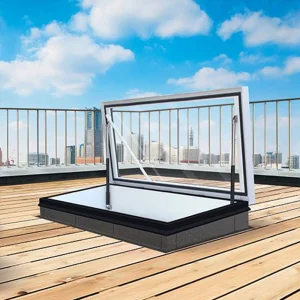
Explore our expanded range of commercial garage doors, entrance systems, high-load skylights, and panoramic glass curtain walls.