 Zenit Window
High-Performance Architectural Entrance & Fenestration Systems
Direct factory supply solutions engineered for structural strength, thermal efficiency, and exterior security compliance across global markets.
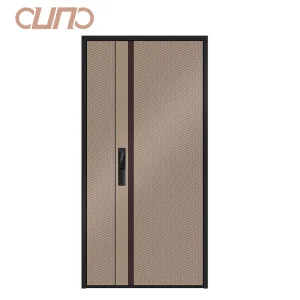
The Strategic Evolution of Aluminum Front Doors in Global Architecture
In contemporary architectural design and commercial construction, the front entrance serves as both a primary structural envelope boundary and the definitive focal point of architectural aesthetic identity. Globally, the commercial and residential construction sectors are witnessing a structural migration away from traditional timber and unplasticized polyvinyl chloride (uPVC) entrance assemblies toward high-grade extruded aluminum front doors. This shift is driven by stringent global energy compliance standards (such as NFRC in North America, CE EN 14351-1 in Europe, and AS2047 in Australia), increasing demand for extreme weather resiliency, and the commercial requirement for low-maintenance structural integrity.
Structural Superiority & Longevity
Aluminum alloys (notably 6063-T6 and 6005-T6) offer exceptional strength-to-weight ratios. Unlike wood, aluminum front doors do not warp, swell, rot, or degrade under prolonged UV exposure or fluctuating ambient humidity, ensuring decades of operational stability.
Advanced Thermal Break Efficiency
By integrating multi-chambered polyamide (PA66 GF25) thermal barrier strips between exterior and interior extrusions, modern aluminum front doors eliminate thermal bridging, enabling U-factors as low as 0.8 to 1.2 W/m²K for Passive House designs.
Integrated Security & Hardware
Precision CNC milling allows seamless integration of multi-point locking systems, anti-burglary continuous hinges, biometrics, and smart IoT access control directly within reinforced aluminum profiles.
Chengdu Zenit Window & Door Co., Ltd.
A verified tier-1 direct manufacturer scaling global architectural fenestration solutions across major international markets.
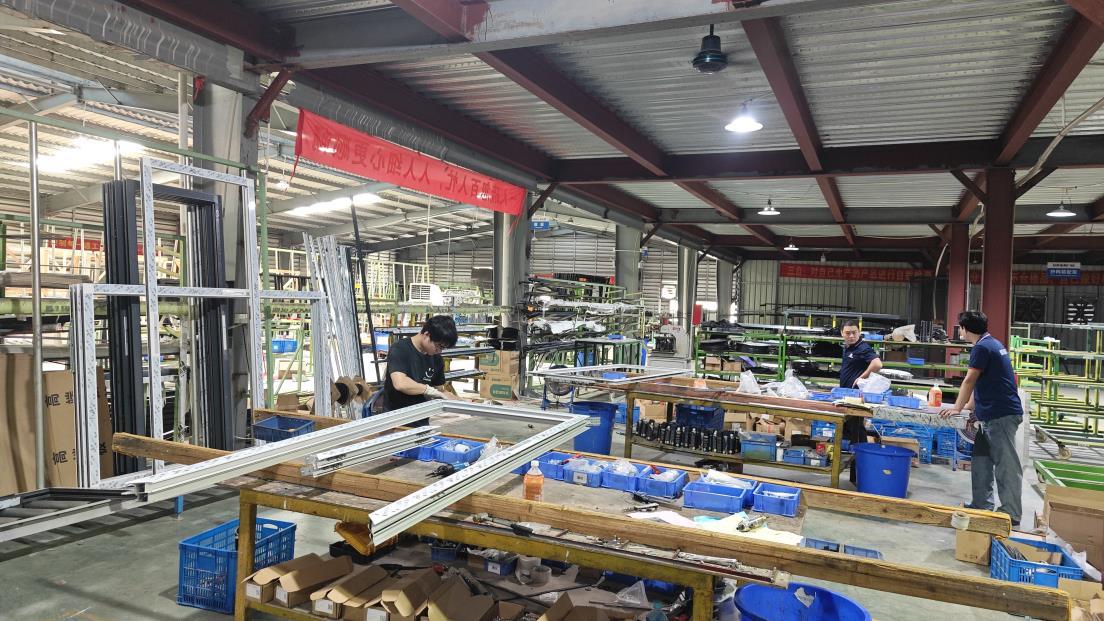
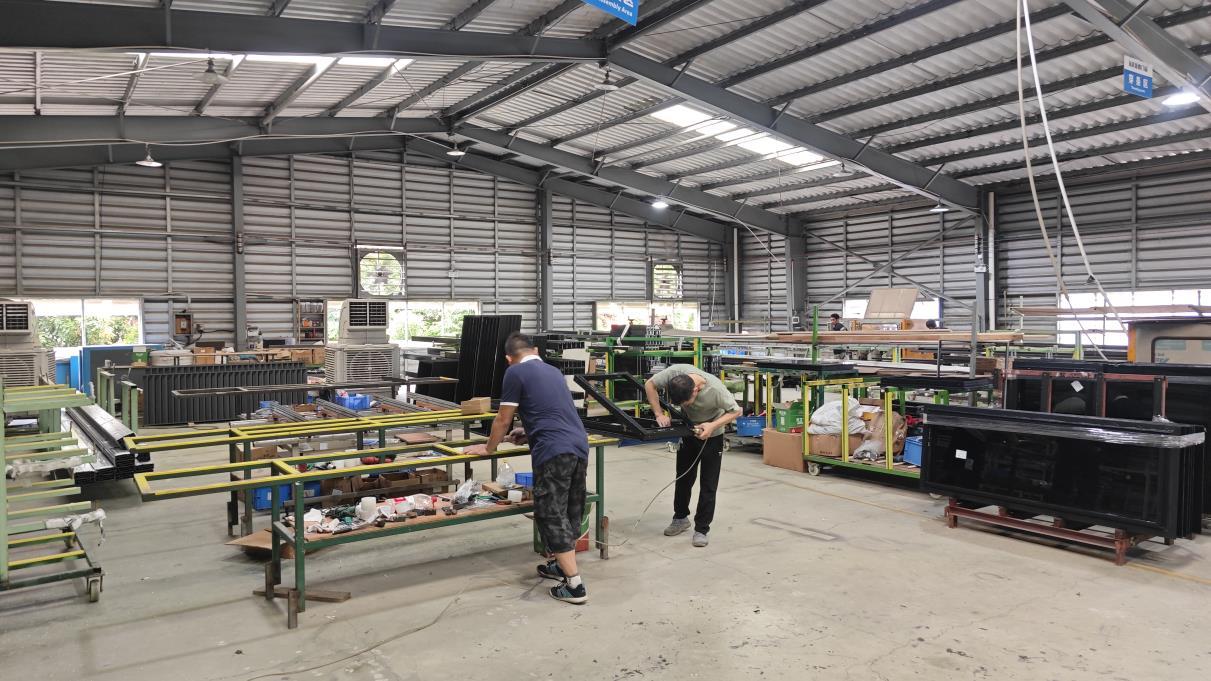
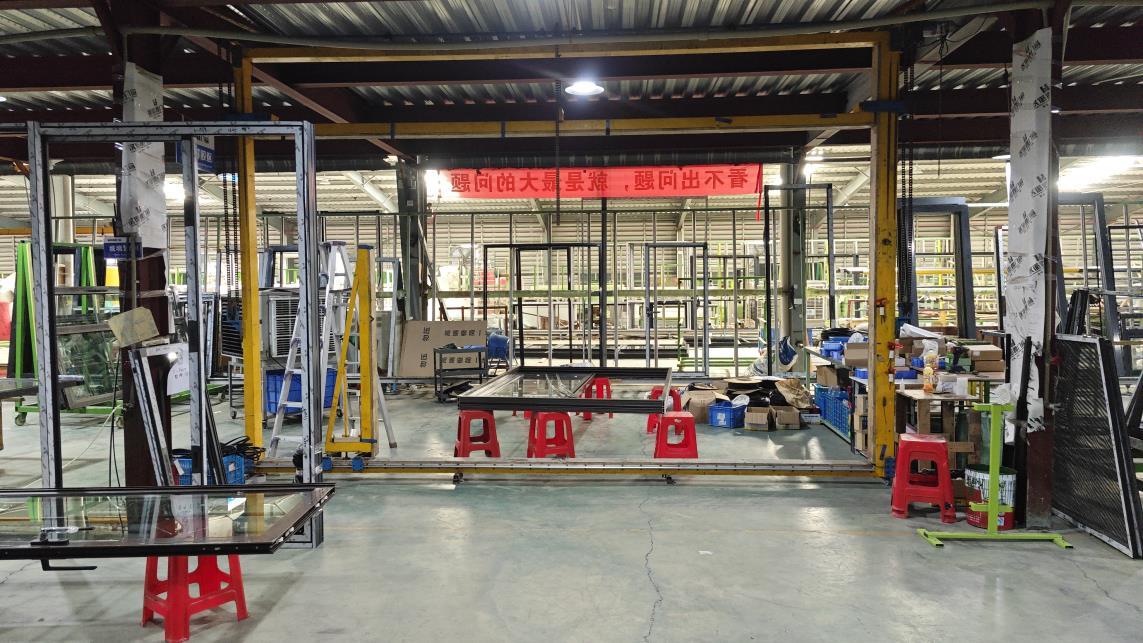
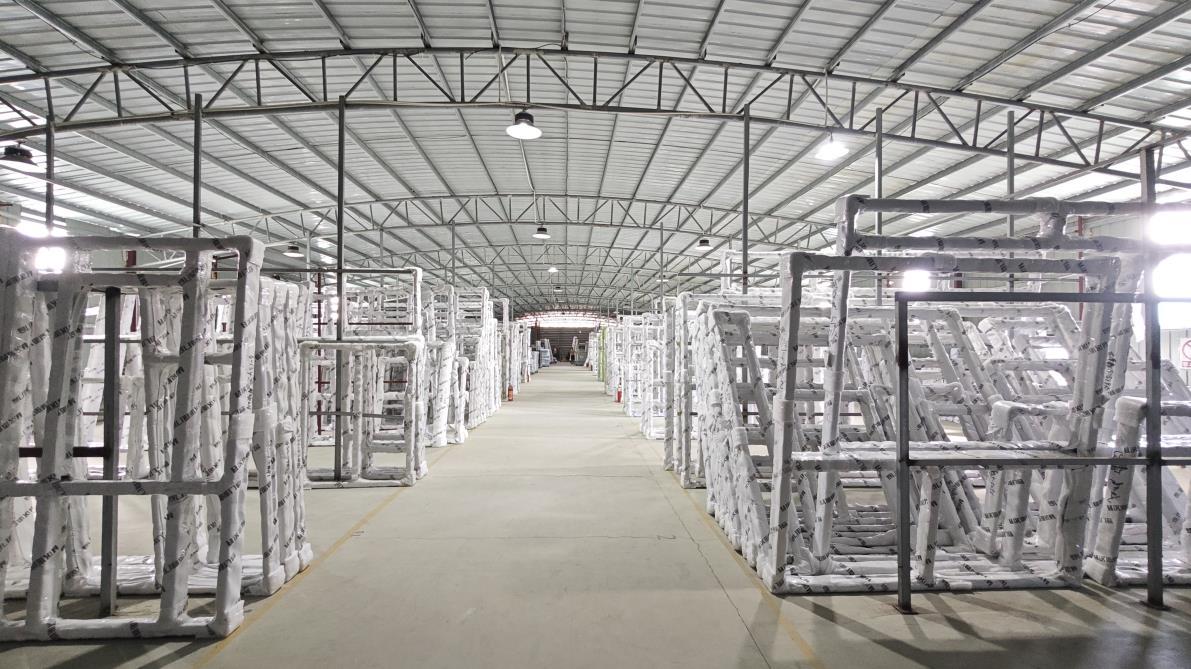
Founded in 2015, Chengdu Zenit Window & Door Co., Ltd. operates a 25,000-square-meter manufacturing facility. Backed by 11 years of industry expertise and 8 years of global trade experience, the company achieves an annual export turnover of $26 million. Our primary export markets cover North America, Australia, and Western Europe, catering to residential home builders, architectural contractors, and building material wholesalers.
Quality control is managed by a team of 35 inspectors who perform rigorous air permeability testing, water tightness checks, and frame corner strength evaluations. Supported by over 600 supply chain partners, Zenit delivers comprehensive customization options including thermal break profiles, custom anodized finishes, and triple-pane soundproof glass. Driven by an active R&D division of 42 engineers, we released 50 new architectural window systems over the past year.
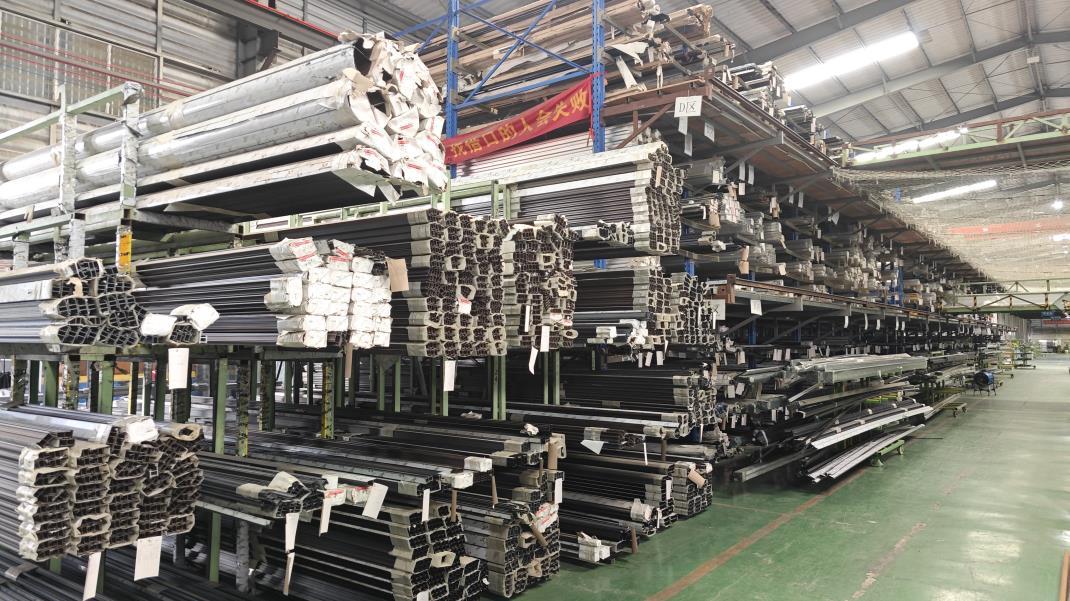
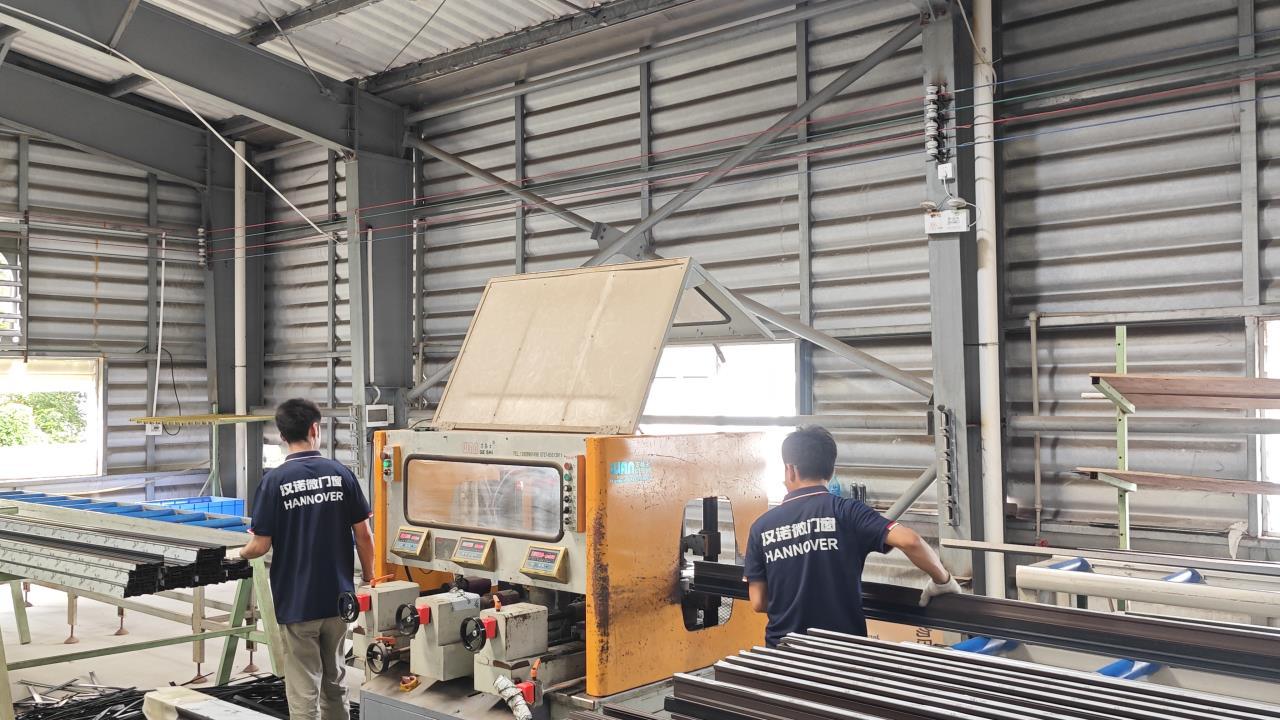
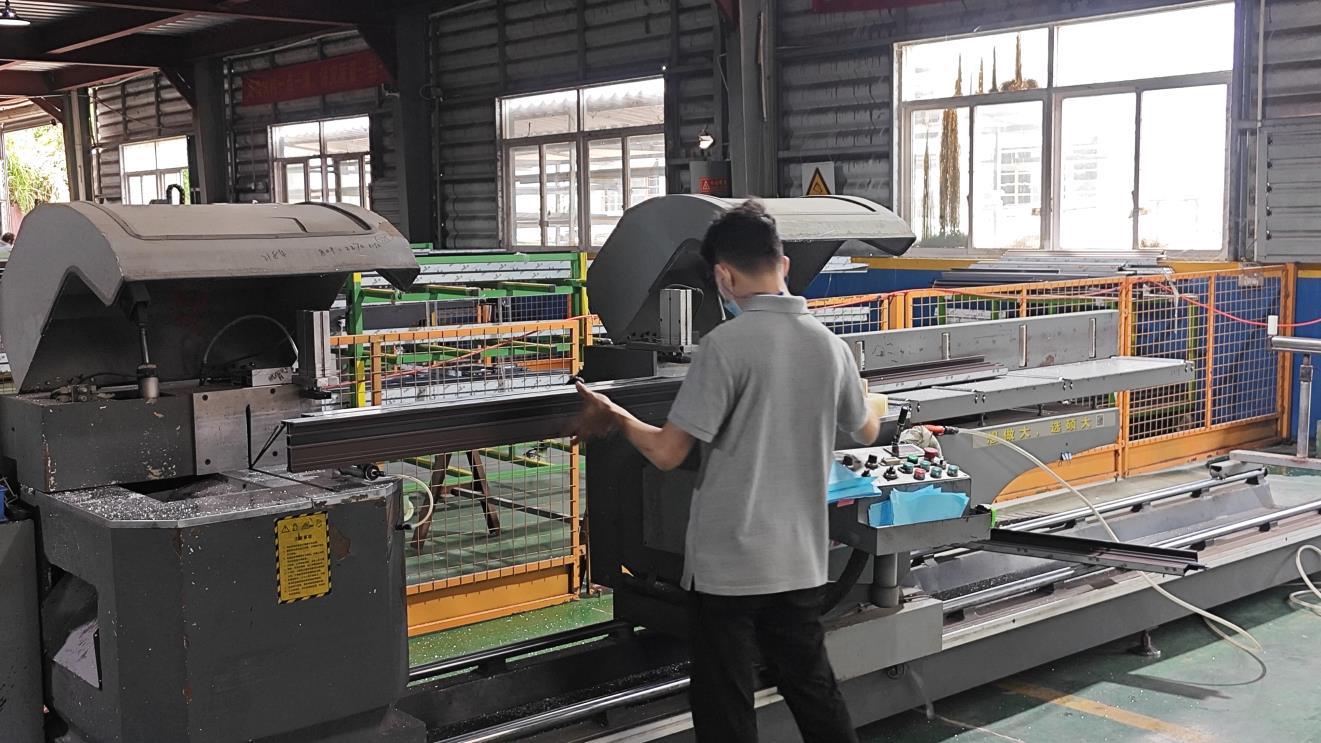
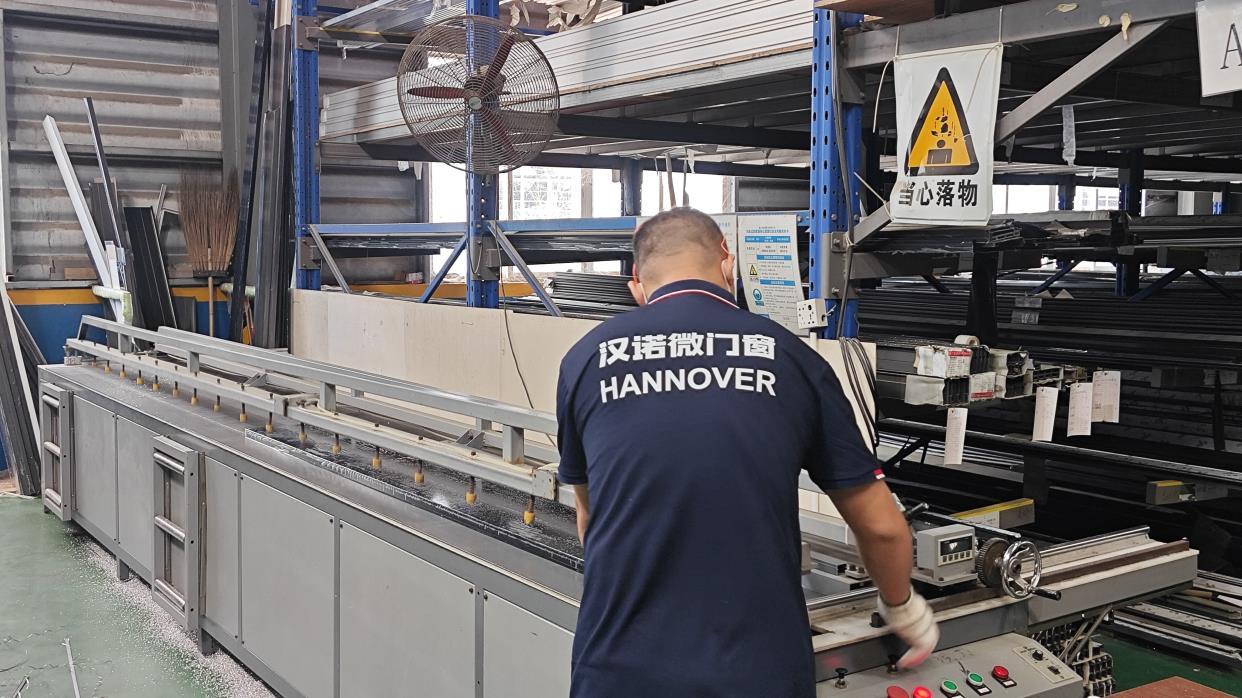
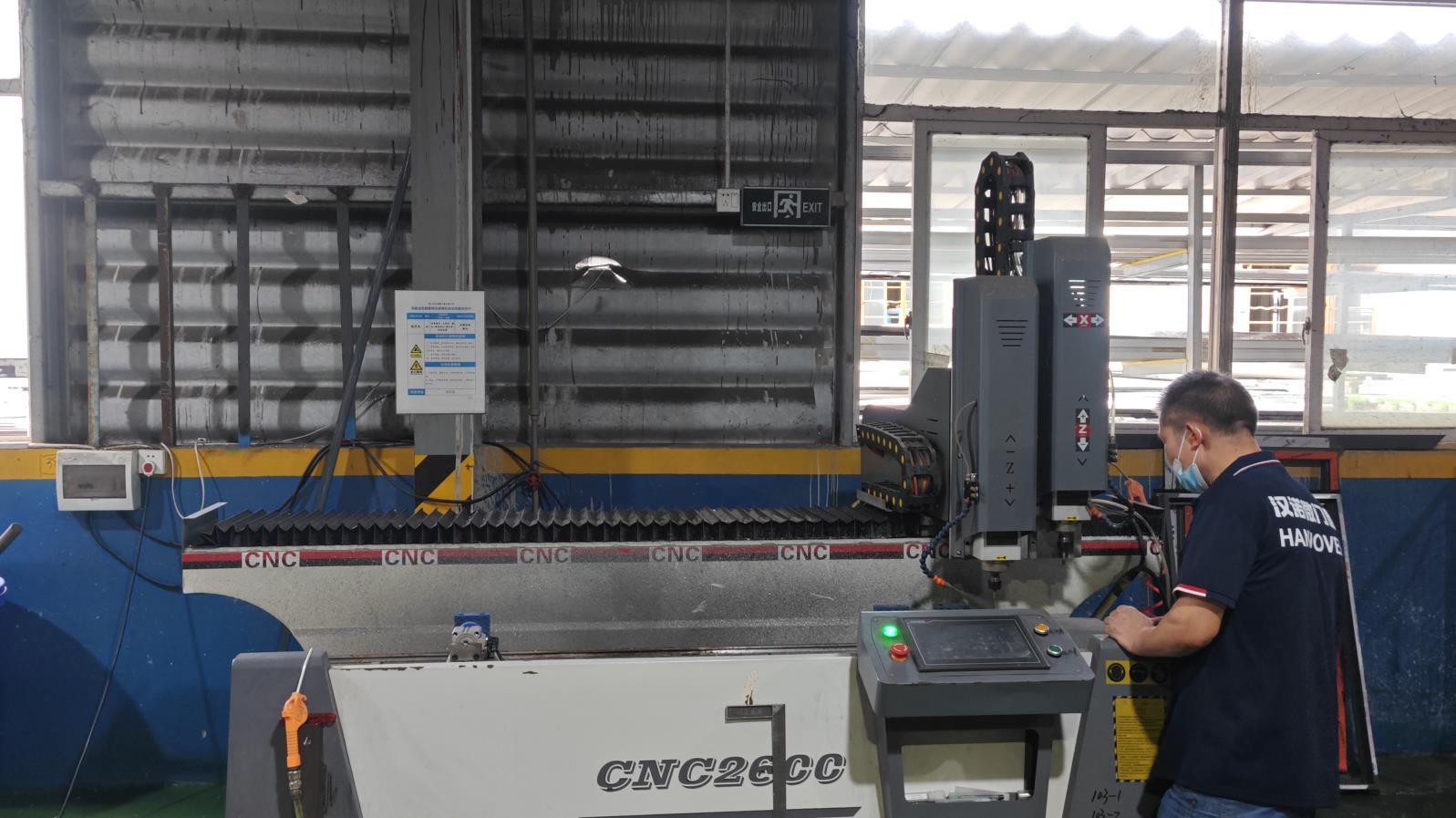
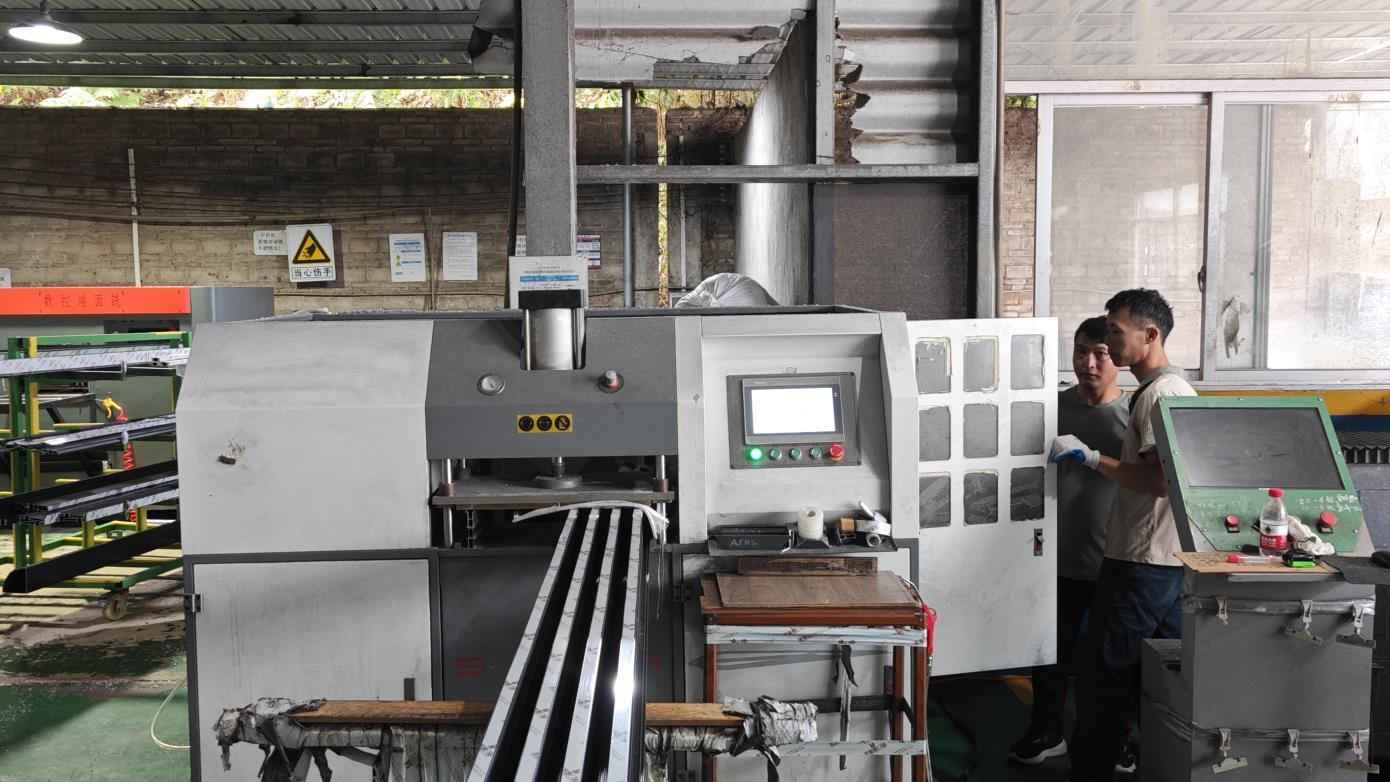
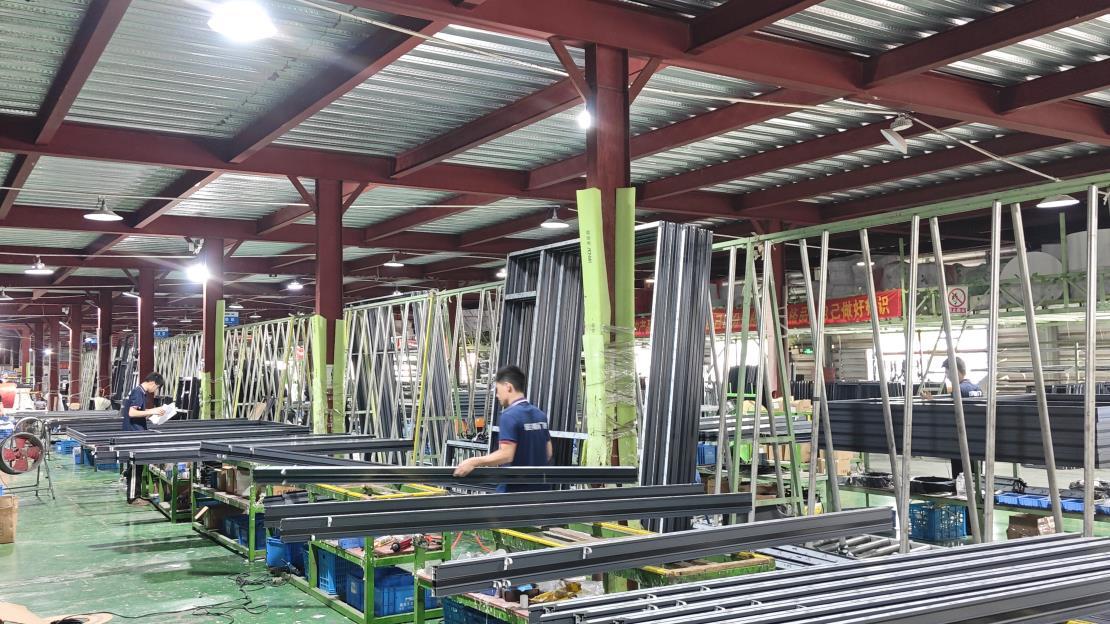
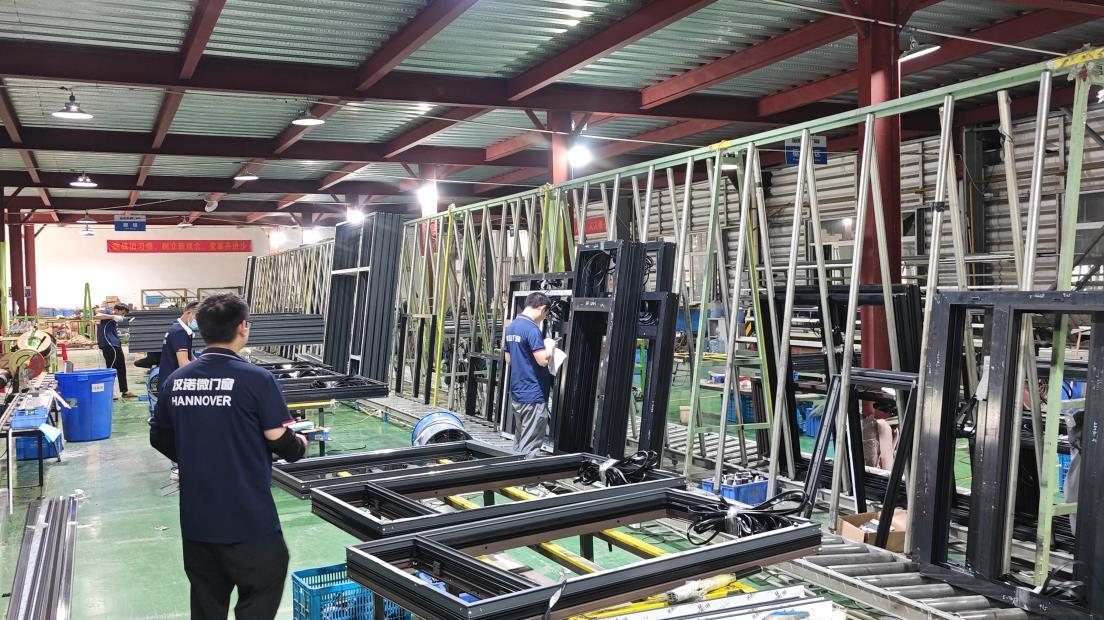
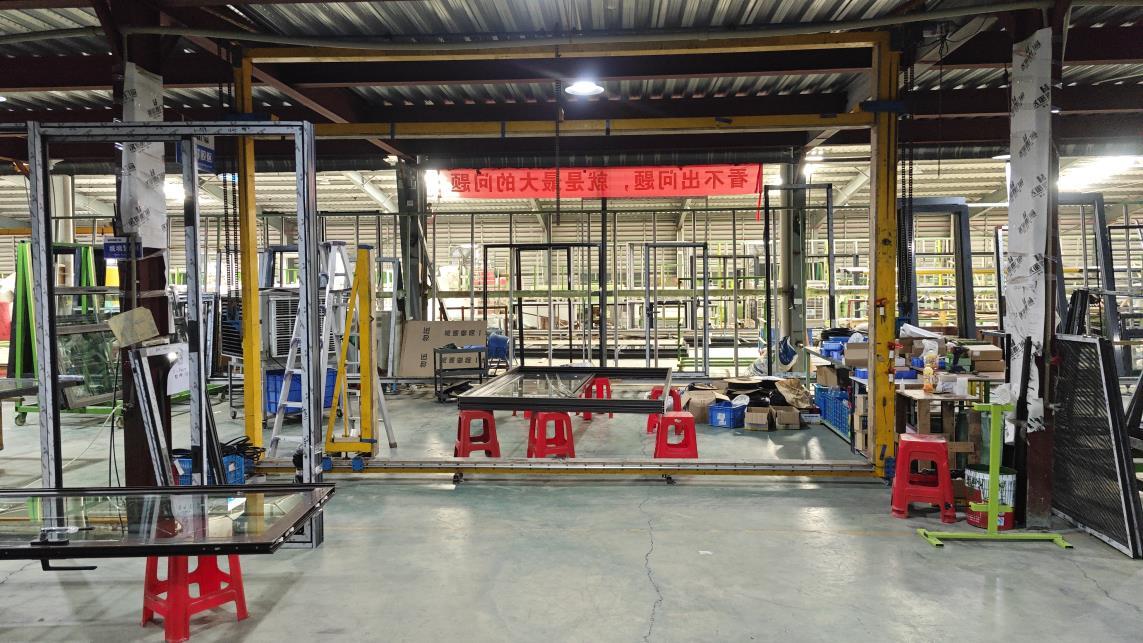
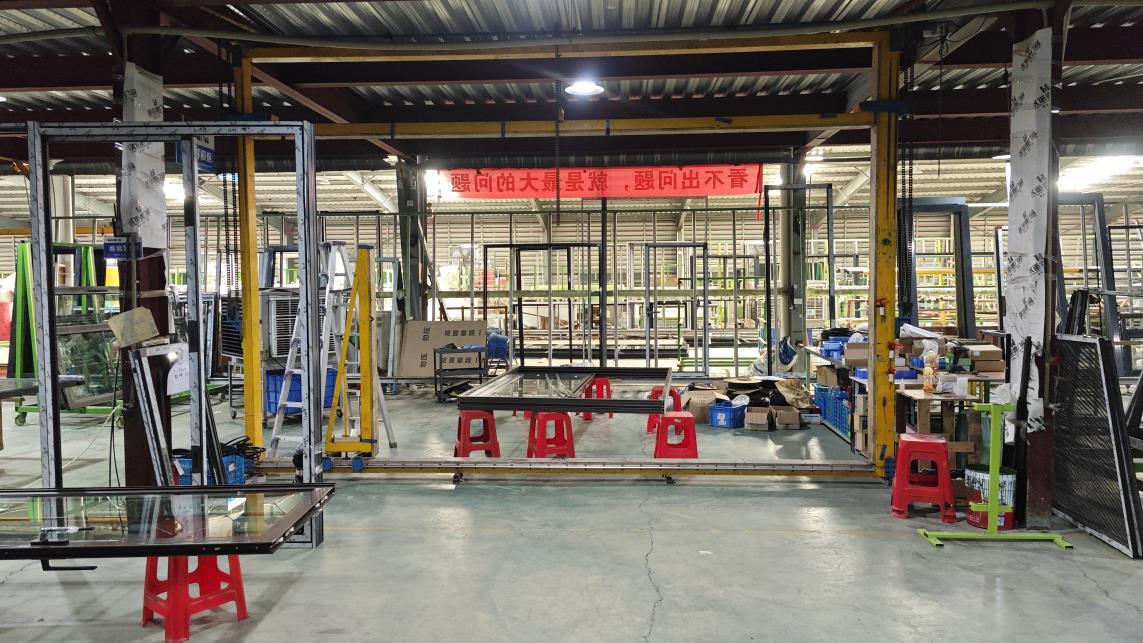
State-of-the-Art Production Roadmap & Manufacturing Verification
Full vertical integration from raw 6063-T6 billet processing to CNC multi-axis milling, automated thermal strip insertion, and multi-stage QC validation.
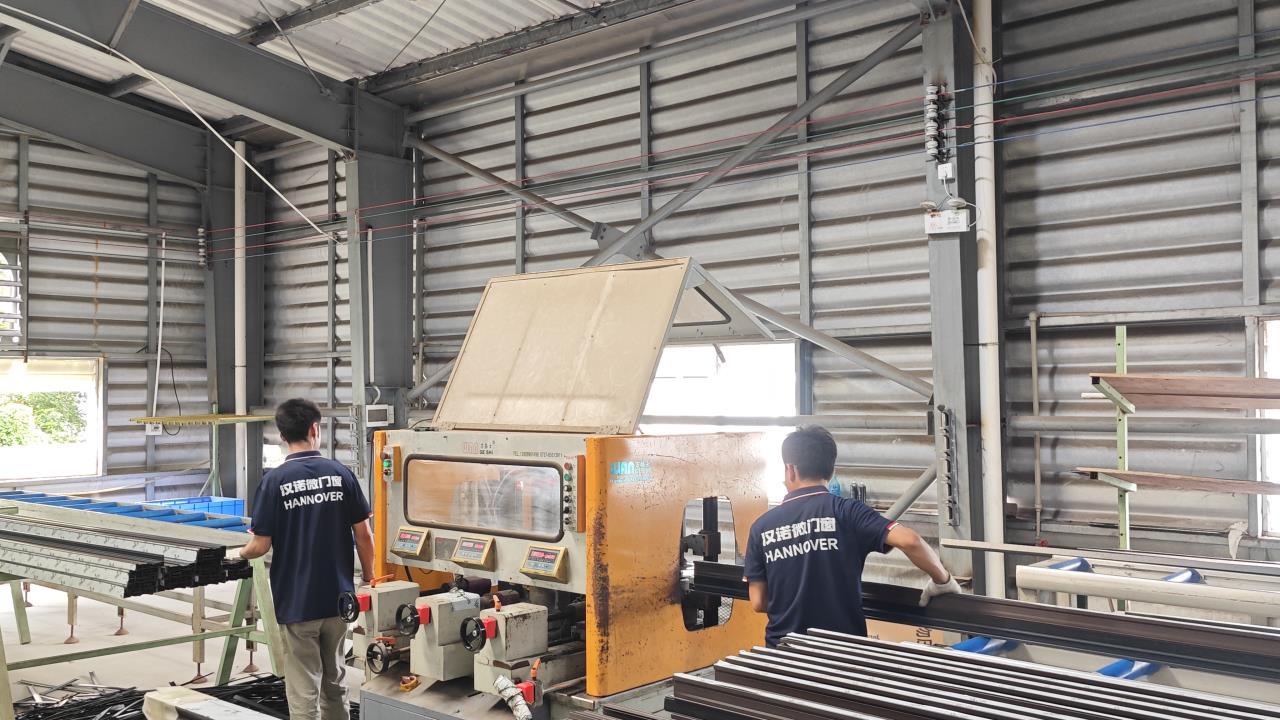
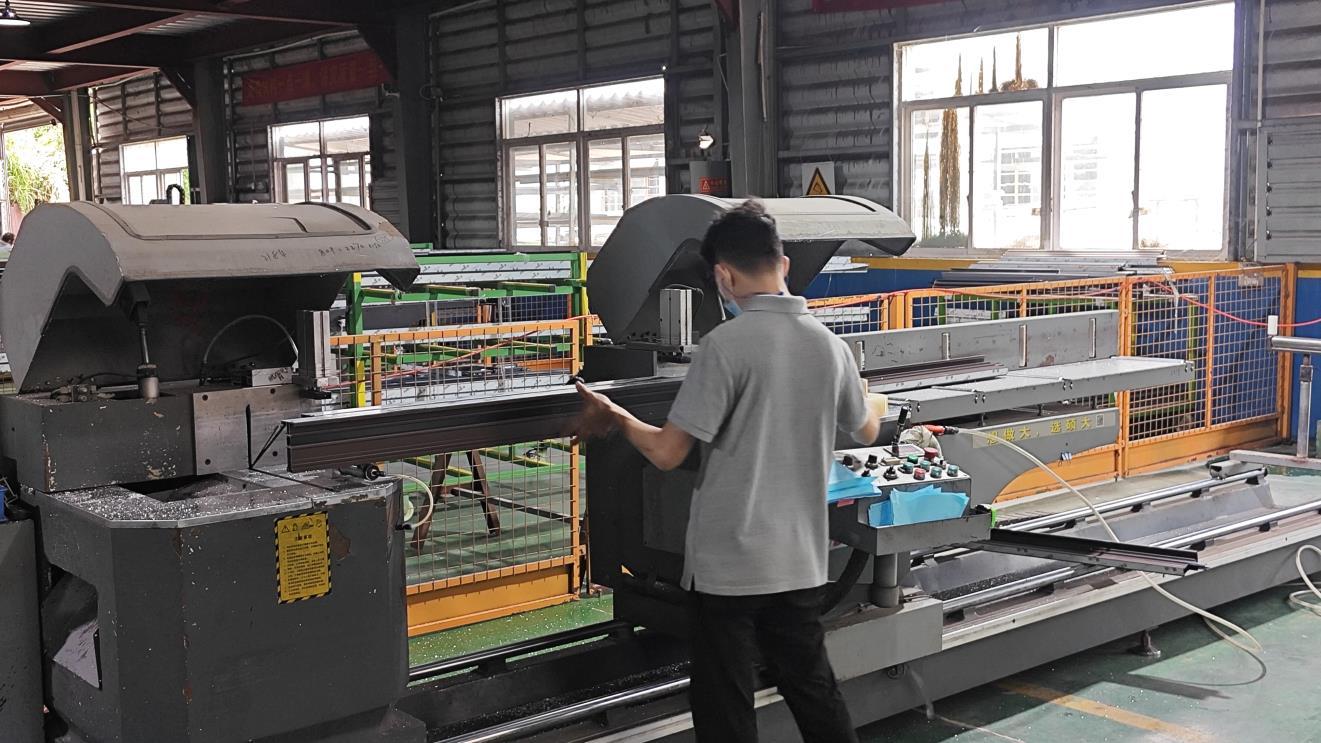
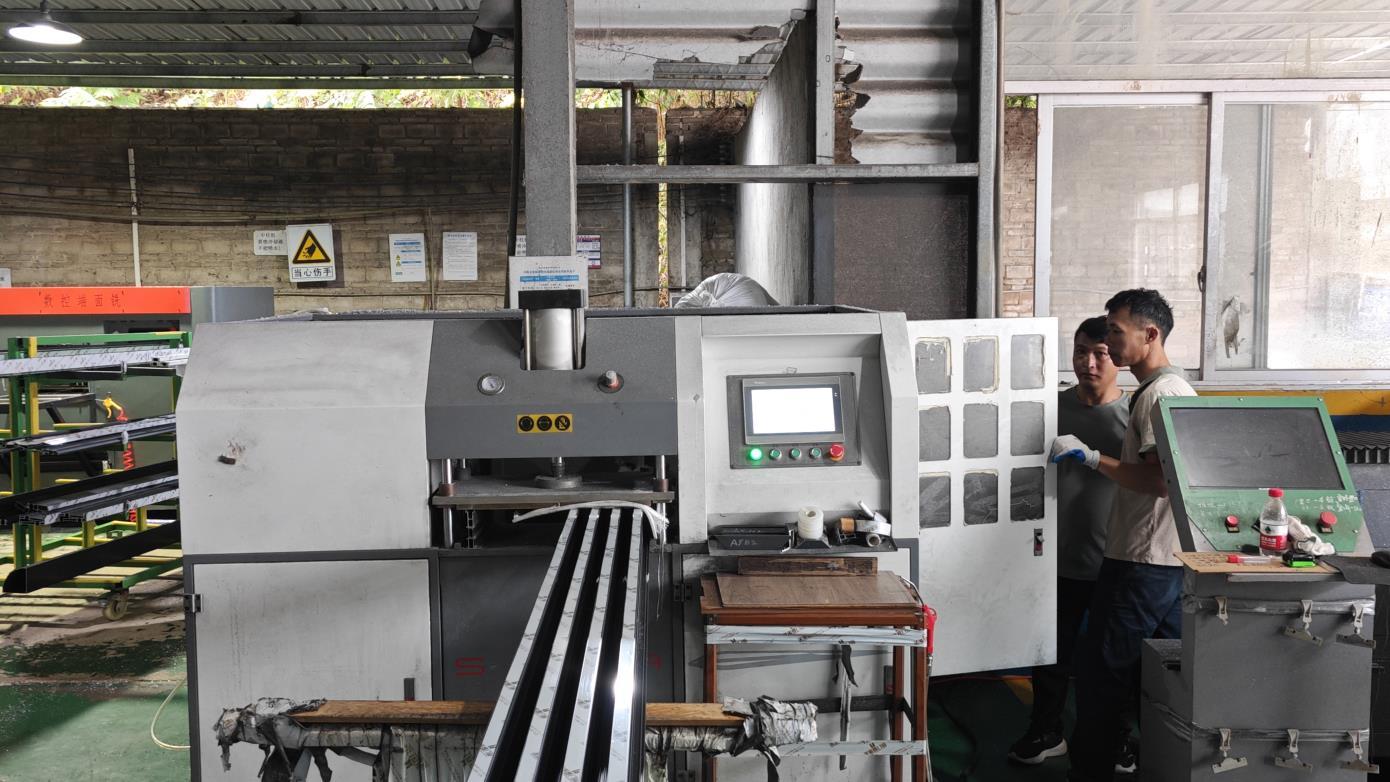
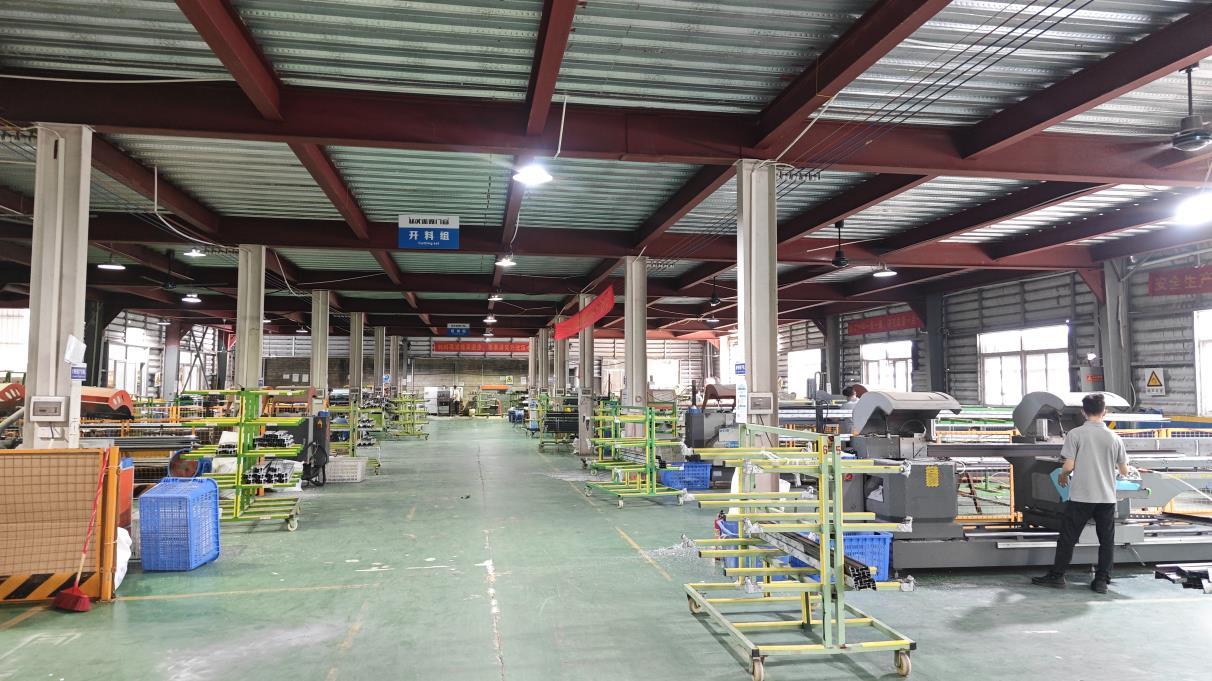
China Factory Supply Chain Resilience & Cost Optimization
Why global architectural buyers, commercial developers, and distributors leverage China's integrated aluminum manufacturing ecosystem.
Vertical Raw Material Integration
By tapping into centralized upstream refining, extrusion hubs, and specialized anodizing/powder-coating facilities across Sichuan and Guangdong, Zenit reduces material lead times by up to 35% compared to European or North American manufacturers.
Eco-Systemic Component Sourcing
With over 600 qualified supply chain partners, our assembly lines seamlessly integrate European-standard hardware (such as Siegenia, Hoppe, and Roto) with custom domestic high-precision thermal strips (PA66 GF25) and specialized impact glass.
Economies of Scale & Customization
Our 25,000 m² factory combines high-volume automated throughput with modular OEM/ODM tooling flexibility, enabling builders to procure custom-dimensioned, architectural-grade entry doors at direct factory pricing.
Localized Architectural Applications & Building Code Compliance
Custom-engineered entrance door configurations modified to meet strict climatic, structural, and regulatory demands across key export destinations.
North American Standard (NFRC & HVHZ)
Climatic Scenarios: High-velocity coastal hurricane zones (Florida/Caribbean) and severe winter zones (Northern US & Canada).
Compliance Protocols: Reinforced thermal break profiles compliant with NFRC thermal conductivity guidelines. Optional SentryGlas® laminated interlayers providing Florida Building Code High-Velocity Hurricane Zone (HVHZ) impact rating against missile strikes and positive/negative wind pressures exceeding 70 PSF.
Australia & NZ (AS2047 & AS1288)
Climatic Scenarios: Intense solar UV exposure, bushfire-prone zones (BAL ratings), and high coastal salinity environments.
Compliance Protocols: Structural testing engineered to satisfy AS2047 windows and doors standards, featuring AS1288 safety glazing. Fluorocarbon (PVDF) and 25-micron anodized surface finishes engineered to prevent oxidation in coastal environments (C4/C5 corrosion categories).
Western Europe (CE & Passive House)
Climatic Scenarios: Strict low-carbon residential mandates, modern minimalist architecture, high acoustic damping needs.
Compliance Protocols: Fully certified CE EN 14351-1 entrance assemblies. Triple-glazed Argon-filled low-E glass options achieving airtightness Class 4, water tightness E1050, and overall system heat transfer coefficients matching Passive House criteria ($U_w \le 0.8 \text{ W/m}^2\text{K}$).
Technical Development & Next-Generation Front Door Outlook
Pioneering smart integration, sustainable material circularity, and ultra-insulating architectural facades.
Smart IoT Biometrics
Seamless integration of flush-mounted facial recognition cameras, 3D biometric fingerprint scanners, and hidden motorized multi-point locks connected directly to smart home automation platforms (Zigbee/Matter/Z-Wave).
Aerogel Thermal Barriers
R&D focus on replacing traditional insulating foams inside extrusion cavities with silica aerogel infills, providing superior thermal resistance without increasing profile sightline thickness.
BIPV Solar Glass Skins
Incorporation of semi-transparent Building Integrated Photovoltaic (BIPV) glass vision panels within main entrance assemblies to generate localized auxiliary power for smart locking hardware.
Zero-Carbon Extrusions
Transitioning extrusion billets to 100% renewably powered hydro-aluminum smelters, achieving verified Environmental Product Declarations (EPD) for green building LEED v4 credits.
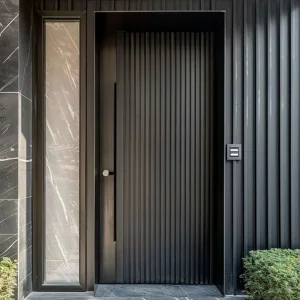
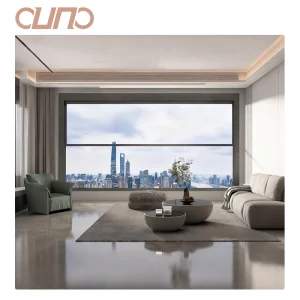
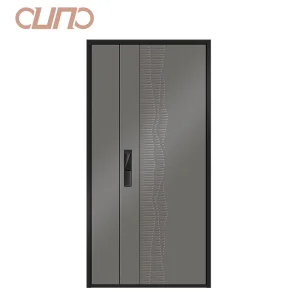
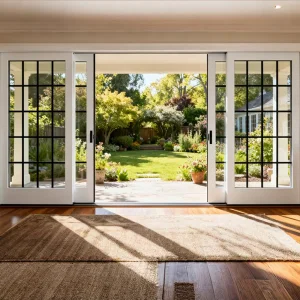
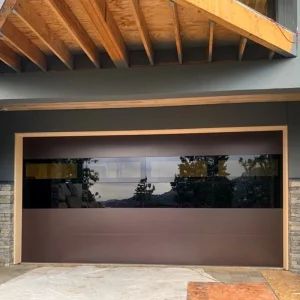
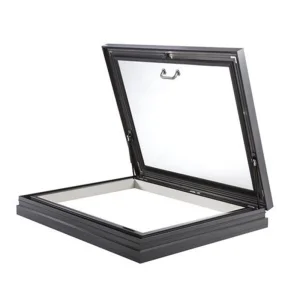
Specialized Security Doors, Skylights & Commercial Storefronts
Explore our complementary engineered systems designed for commercial entrances, residential luxury villas, and multi-family developments.
Frequently Asked Questions (FAQ) for B2B Buyers
Addressing critical engineering, manufacturing capacity, structural testing, and procurement inquiries.