 Zenit Window
Featured BiFold Systems for Nagoya Architectural Projects
Explore our flagship high-performance structural folding glass systems, engineered specifically to satisfy Japanese JIS standards, extreme typhoon wind loads, and tight urban footprint requirements in the Greater Nagoya Area.
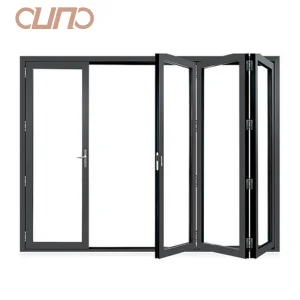
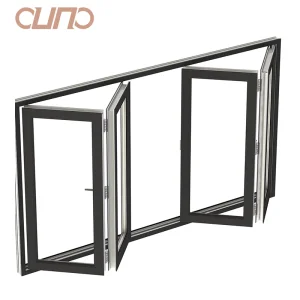
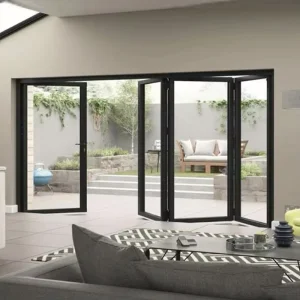
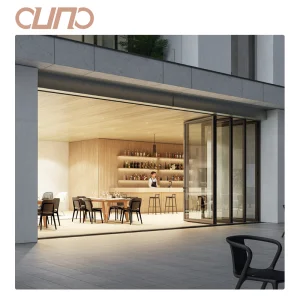
Nagoya’s Architectural & Commercial Landscape: Demand for Advanced BiFold Doors
As the industrial powerhouse of Japan’s Chubu region, Nagoya occupies a unique position in global architecture and urban development. Famous for its high concentration of manufacturing excellence, automotive engineering giants, and technological innovation centers, Nagoya’s real estate landscape is undergoing a massive structural transformation. From the urban high-rise redevelopments surrounding Nagoya Station (Meieki) to luxury residential enclaves in Chikusa-ku, Showa-ku, and Yagoto, the demand for high-end opening systems—specifically thermally isolated architectural aluminum BiFold doors—has reached an all-time high.
Climatic Resilience for Aichi Prefecture
Nagoya experiences a humid subtropical climate (Köppen Cfa), characterized by hot, humid summers with high typhoon incidence and cold, piercing winter winds blowing off the Ibuki Mountains (Ibuki-oroshi). Standard off-the-shelf sliding doors fail to provide adequate thermal comfort or weatherproofing under these demanding conditions. Modern architectural projects in Nagoya demand multi-chambered polyamide thermal break profiles paired with Low-E argon-insulated double or triple glazing to satisfy Japan's stringent Energy Conservation Standards (Zone 6 requirements).
Space Optimization & Indoor-Outdoor Flow
Land optimization is paramount in Nagoya’s urban commercial corridors like Sakae and Fushimi. BiFold doors allow commercial spaces—such as open-air cafes, automobile showrooms, high-end retail storefronts, and penthouse lounges—to open up 95% of their total frame opening width. Unlike conventional sliding patio doors which restrict openings to 50%, accordion bi-folding systems seamlessly connect indoor commercial environments with outdoor terraces, maximizing usable floor area during pleasant weather seasons.
Technical Whitepaper: Engineering BiFold Systems for Japanese Standards
Procuring architectural doors for Japanese construction requires absolute precision, compliance with Japanese Industrial Standards (JIS), and structural integrity against severe seismic loads (earthquakes) and typhoons. Chengdu Zenit Window & Door Co., Ltd. custom-engineers BiFold systems designed to pass rigorous global structural criteria including AS2047, NFRC, and Japanese Building Code specifications.
| Performance Parameter | Zenit Technical Standard | Engineering Significance for Nagoya Projects |
|---|---|---|
| Thermal Transmittance (U-Value) | 1.2 - 1.8 W/m²·K (System Dependent) | Exceeds Aichi Prefecture Zone 6 Energy Efficiency codes; drastically reduces HVAC energy loads during humid summers and freezing winters. |
| Wind Pressure Resistance | Up to 4500 Pa (Design Pressure Peak) | Certified hurricane/typhoon proofing; guards structural glass against extreme coastal wind pressures in Nagoya Port and elevated towers. |
| Water Tightness (JIS A 4702) | Class W-5 (750 Pa Peak Resistance) | Multi-point EPDM gasket seals with integrated weep-hole drainage channels prevent water ingress during torrential typhoon rainstorms. |
| Acoustic Sound Insulation | 35 dB - 42 dB Reduction Rating | Crucial for urban projects along the Shinkansen rail corridor or busy Nagoya expressways (Ring Route 1), creating tranquil indoor spaces. |
| Structural Frame Alloy | 6063-T6 High-Precision Extruded Aluminum | Enhanced tensile strength and corrosion resistance, ideal for humid environments and coastal industrial regions. |
| Surface Finish Technology | Qualicoat Powder Coating / Fluorocarbon (PVDF) | UV-resistant finishes that endure harsh weather without chalking, fading, or peeling over 25+ years of operational life. |
Heavy-Duty Hardware & Roller Mechanism
BiFold panels rely completely on their top-hung or bottom-running roller machinery. Zenit incorporates heavy-duty stainless steel (SUS304/SUS316) double-wheel carriage assemblies capable of supporting panel weights up to 150 kg per leaf. This ensures effortless fingertip operation, silent sliding, and zero panel sagging even after 100,000+ opening cycles.
Sub-Floor Concealed Flush Thresholds
Universal design (Barrier-Free) is a core component of contemporary Japanese architecture. Our low-profile recessed floor tracks sink flush with interior flooring surfaces, eliminating tripping hazards for commercial hospitality projects while maintaining tight weather seal integrity through continuous magnetic seal strips.
Seismic Displacement Adaptability
Due to Japan’s seismic activity, static rigid door frames are vulnerable to frame deformation during tremors. Zenit’s expansion joints, specialized silicone sealant grooves, and flexible EPDM gaskets allow for frame racking adjustments without shattering double-glazed tempered glass units.
China Industry 4.0: Supply Chain Resilience & Cost-Efficiency Advantages
Procuring high-end custom aluminum BiFold doors directly from domestic Japanese manufacturers often involves astronomical costs, rigid system constraints, and extended lead times of 16 to 24 weeks. By leveraging Chengdu Zenit’s advanced Industry 4.0 manufacturing infrastructure, Nagoya general contractors, architectural designers, and building material distributors achieve substantial cost savings while maintaining uncompromising quality.
1. End-to-End Vertical Supply Chain Integration
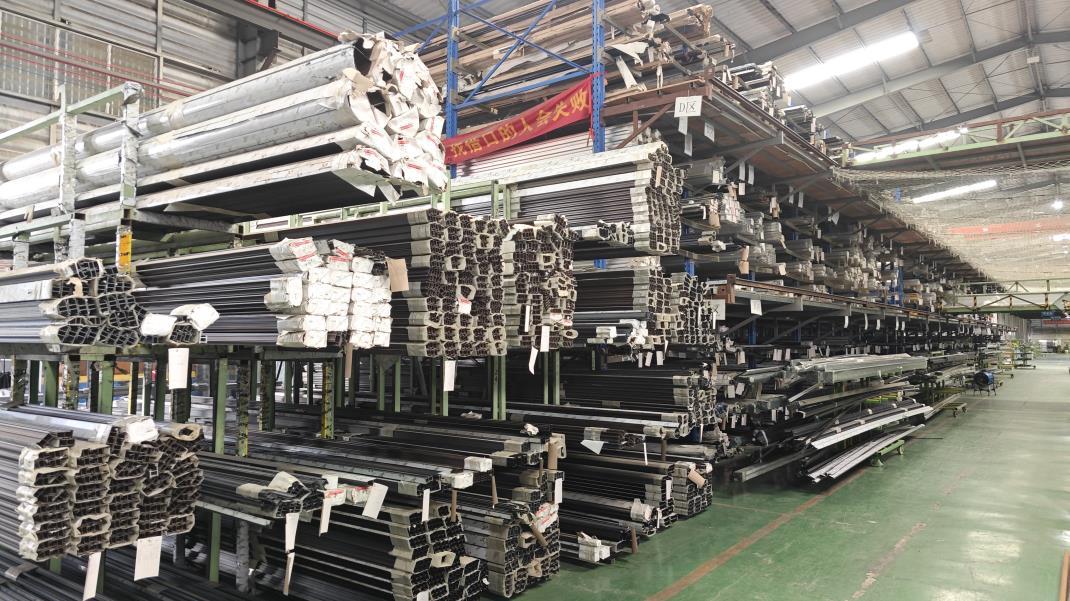
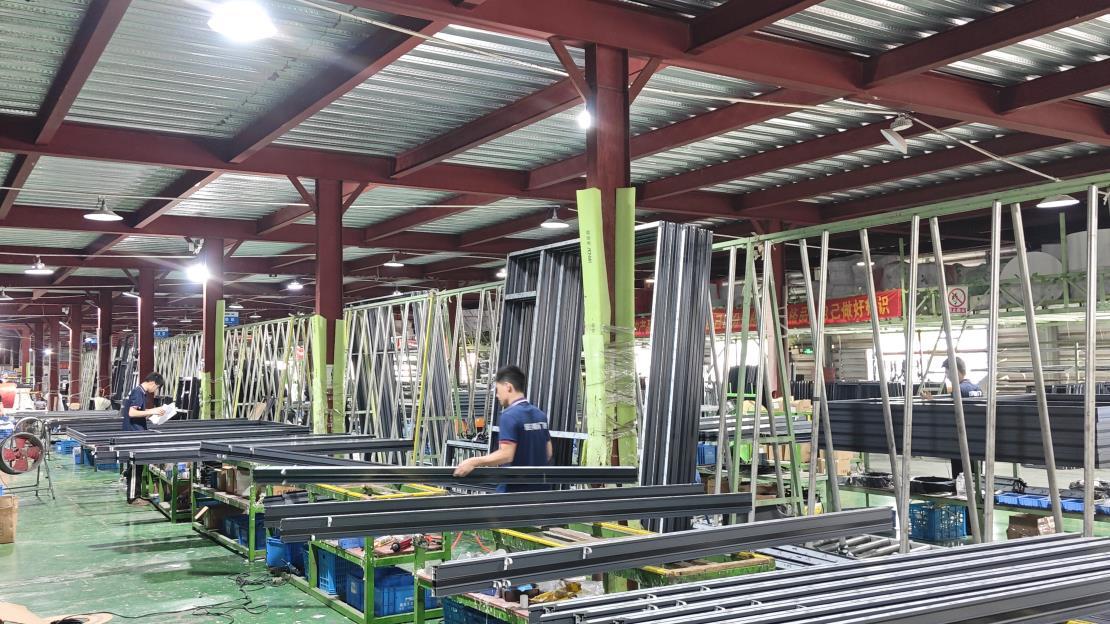
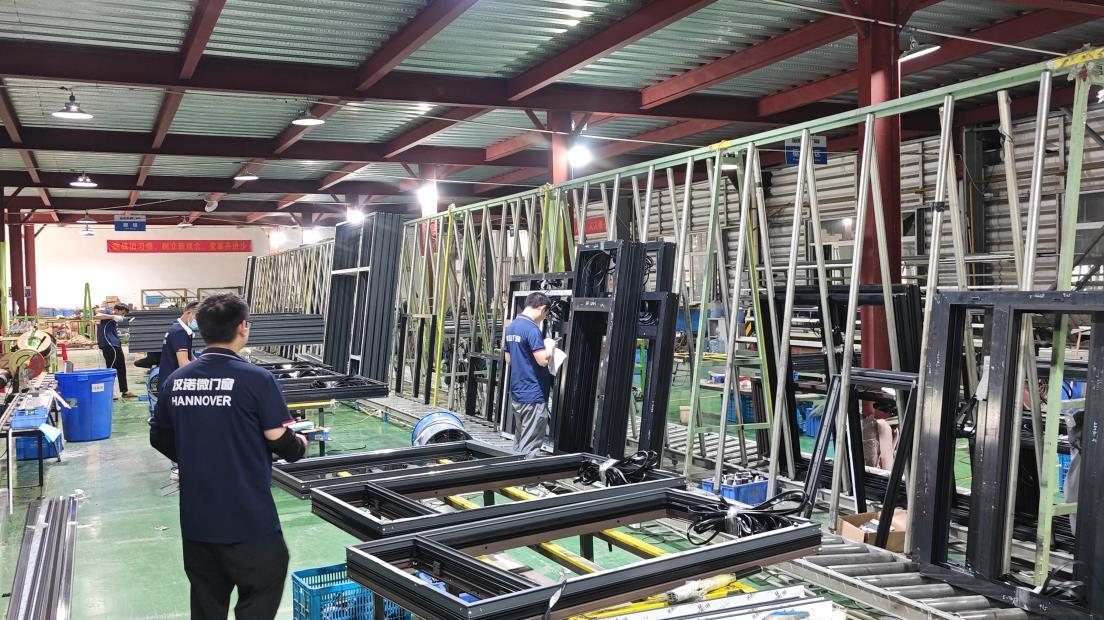
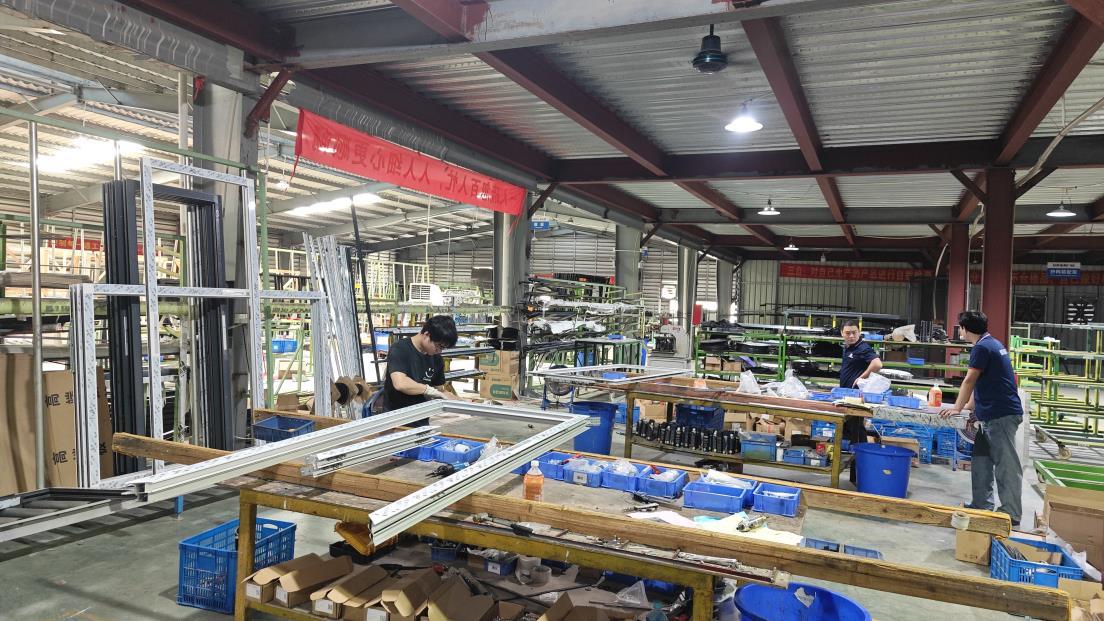
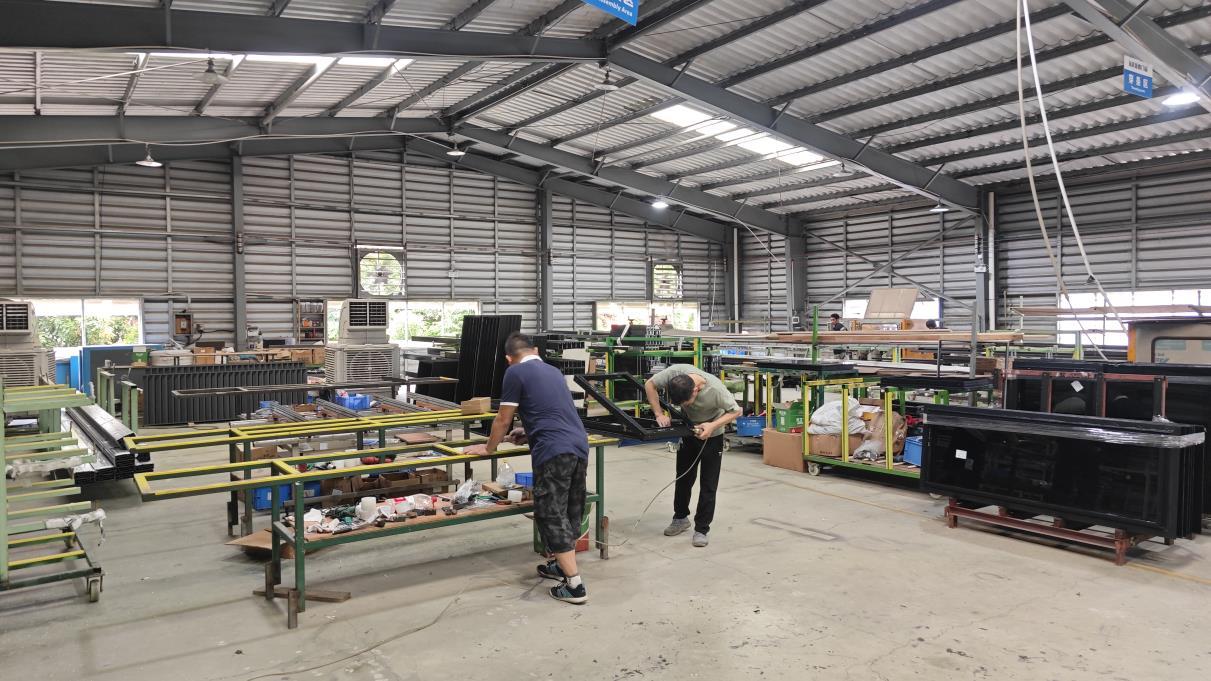
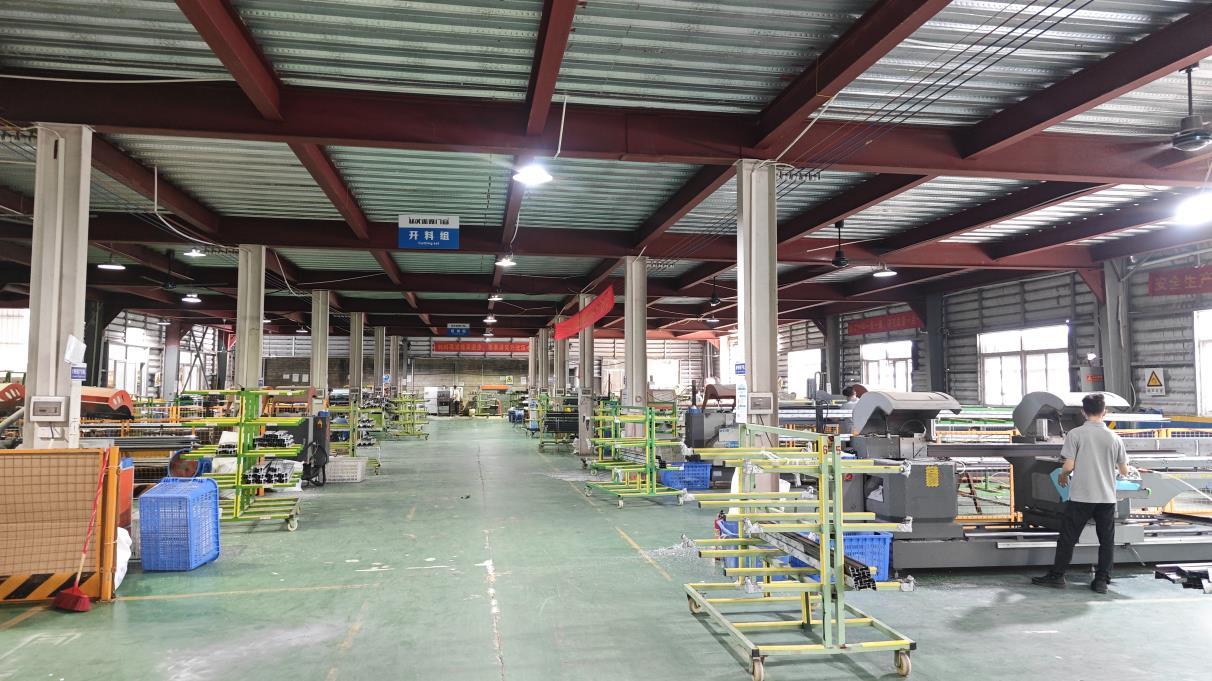
Zenit operates a consolidated 25,000-square-meter manufacturing ecosystem. Backed by over 600 specialized supply chain partners, we control every production step in-house: from raw aluminum ingot extrusion, thermal break polyamide strip threading, automated precision CNC milling, glass double-glazing assembly, to rigorous quality inspection. This vertical integration eliminates middleman markups, reducing unit costs by 30% to 45% compared to local Japanese fabricators.
2. Automated CNC Machining Precision
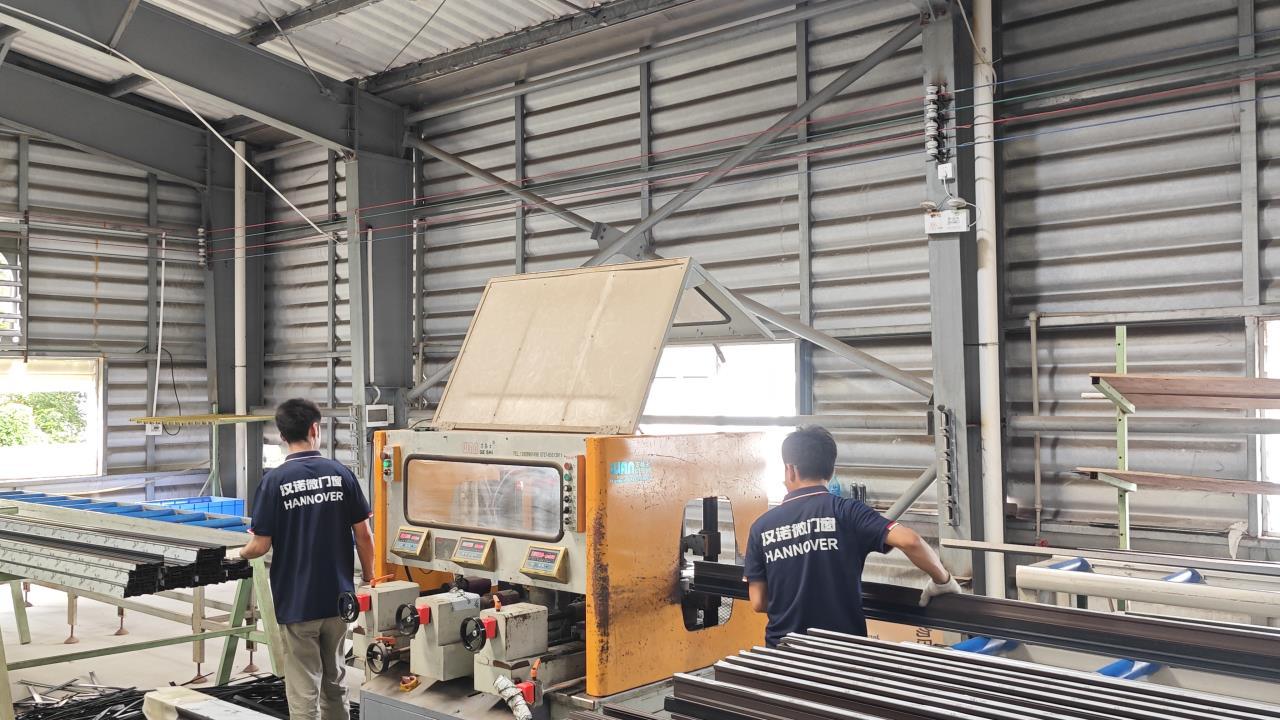
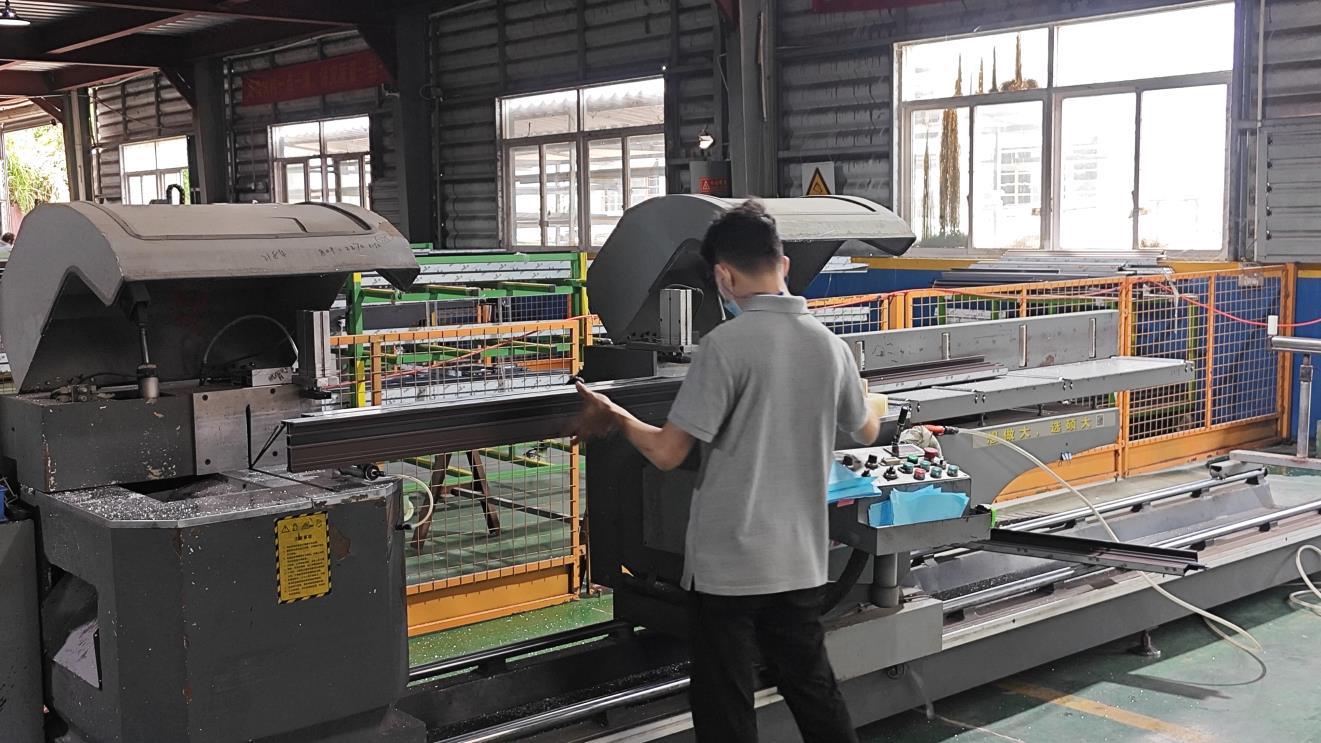
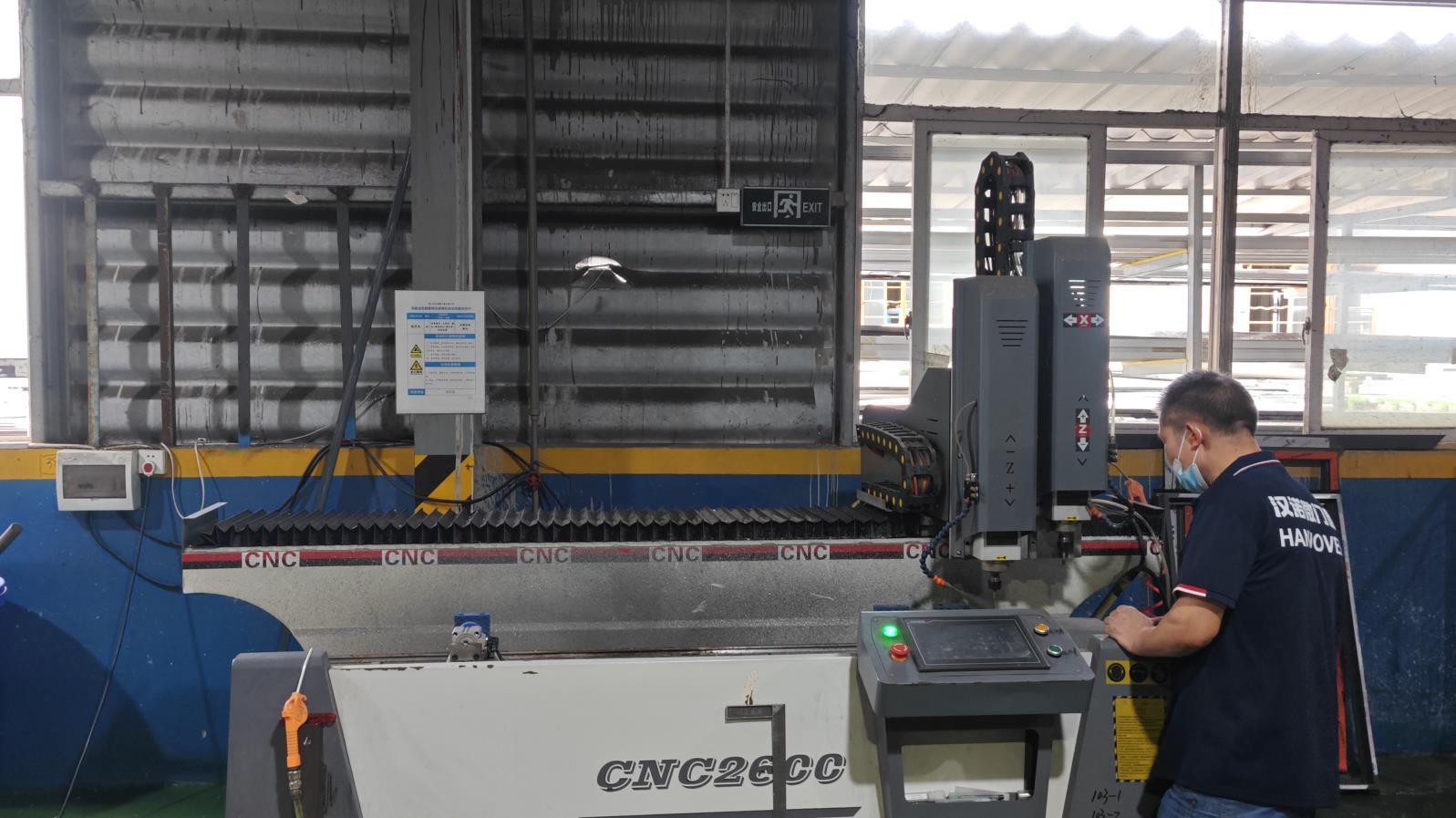
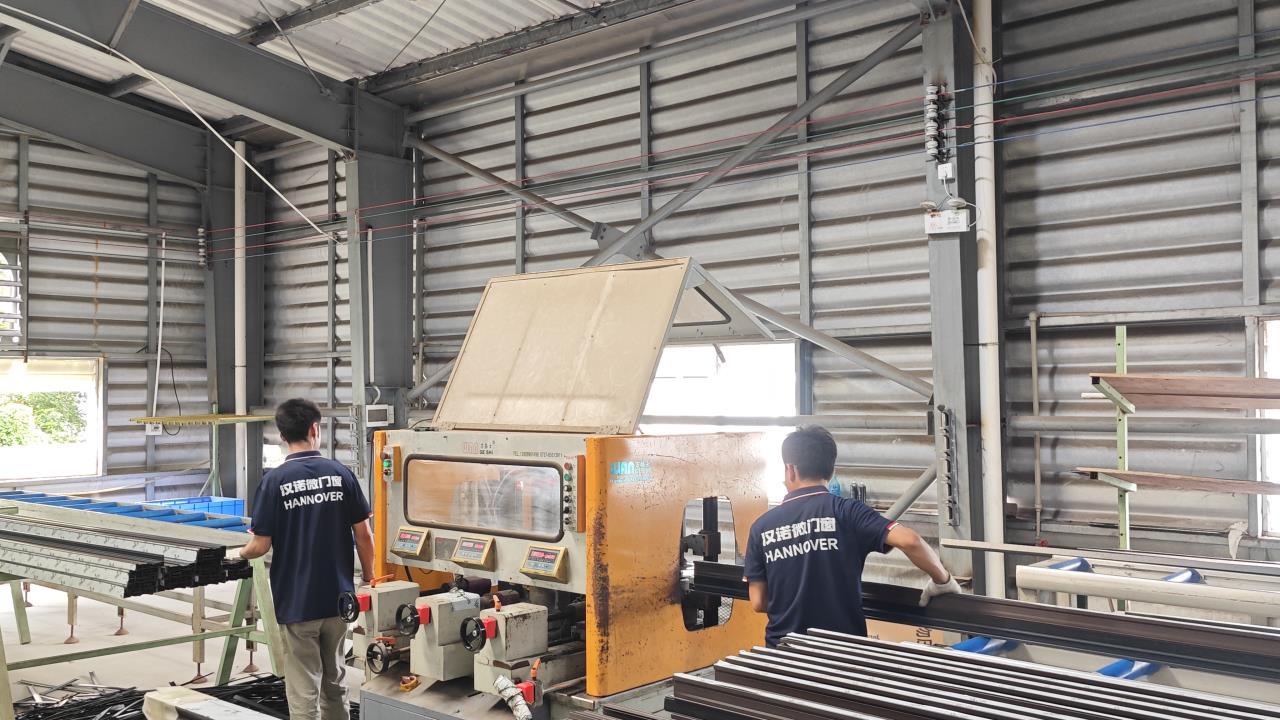
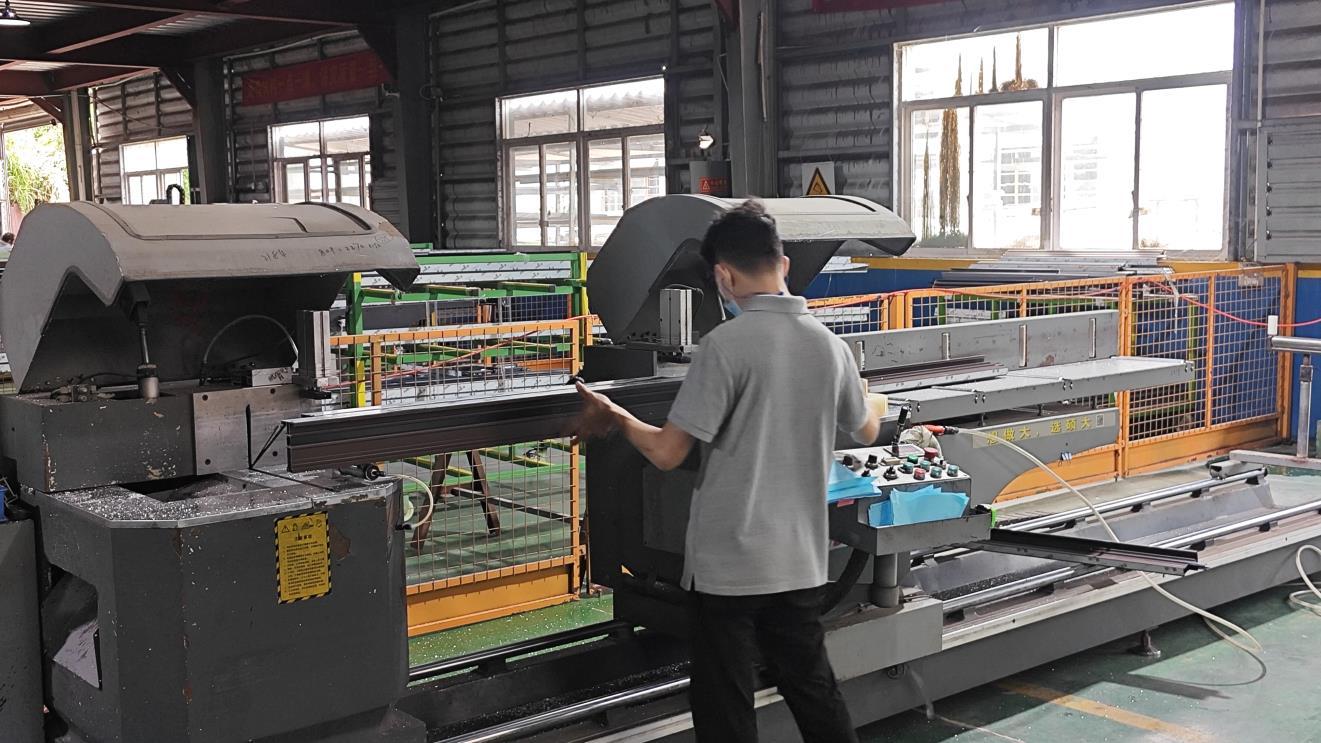
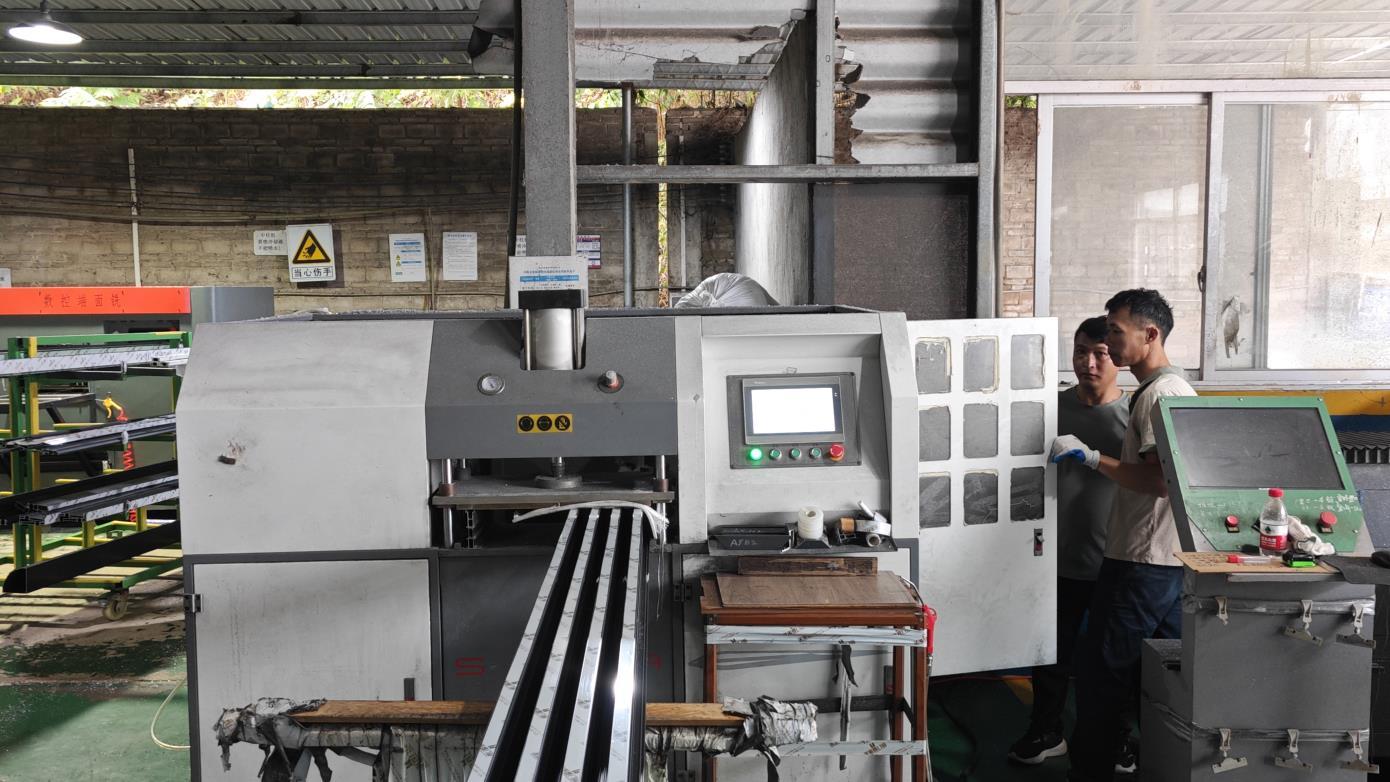
Our active R&D division of 42 engineers utilizes fully automated 5-axis CNC milling centers capable of cutting, drilling, and routing aluminum extrusions with a tolerance accuracy of +/- 0.05mm. This guarantees that every folding panel component aligns flawlessly during installation at your Nagoya job site, minimizing labor costs for local Japanese installation crews.
3. Rapid Lead Times to Nagoya Port
Located strategically with direct multimodal logistics links to coastal shipping hubs, Zenit streamlined export protocols allow standard custom order manufacturing within 20 to 25 days. Maritime transit directly to the Port of Nagoya takes approximately 4 to 7 days, ensuring your construction project remains strictly on schedule without project delay penalties.
4. Customized OEM/ODM Flexibility
Unlike domestic catalog-only suppliers who refuse custom profile adjustments, Zenit offers complete customization: custom anodized colors, custom frame extrusion profiles, specialized glass coatings (Reflective, Low-E, Tinted, Acoustic Laminated), integrated motorized blinds, and automated vertical bi-fold configurations.
Localized Application Scenarios Across Greater Nagoya
Our architectural folding glass systems are engineered for diverse structural environments across Aichi Prefecture, balancing structural aesthetics with unmatched functional utility.
Sakae & Meieki Commercial Outlets
Ideal for street-level retail stores, luxury cafes, and open-front restaurants. Automated frameless or slim-line bi-fold glass systems attract foot traffic, maximize natural daylighting, and transform closed indoor retail setups into inviting open-air customer spaces instantly.
Suburban Villas in Chikusa & Showa-ku
High-end residential villas in Nagoya's elite residential districts benefit from heavy-duty thermal break bi-fold patio doors. Homeowners enjoy wide panoramic garden views, high security multi-point locking systems, and superior thermal insulation against seasonal weather shifts.
Chubu Industrial Facility Partitions
Industrial plants and automotive technology offices in Toyota City and Nagoya Port utilize indoor acoustic bi-fold partition walls to create flexible conference spaces, cleanroom enclosures, and administrative sub-divisional areas with minimal footprint loss.
About Chengdu Zenit Window & Door Co., Ltd.
Founded in 2015, Chengdu Zenit Window & Door Co., Ltd. operates a 25,000-square-meter manufacturing facility. Backed by 11 years of industry expertise and 8 years of global trade experience, the company achieves an annual export turnover of $26 million. Our primary export markets cover North America, Australia, and Western Europe, catering to residential home builders, architectural contractors, and building material wholesalers.
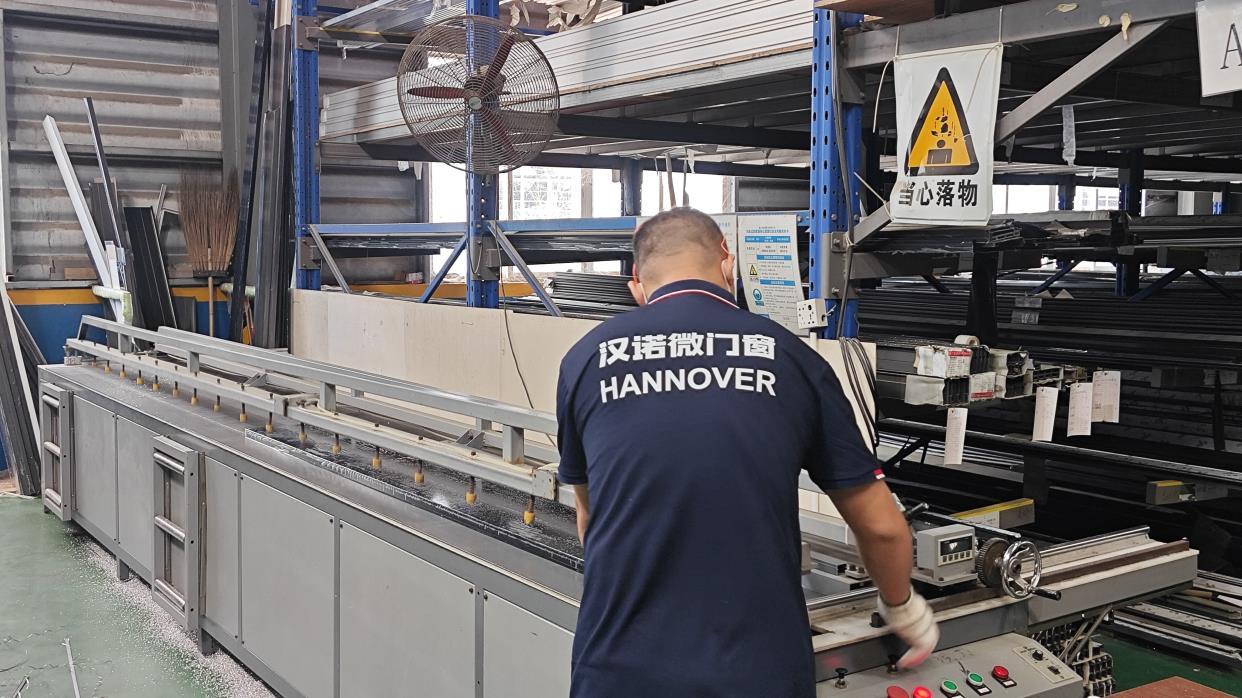
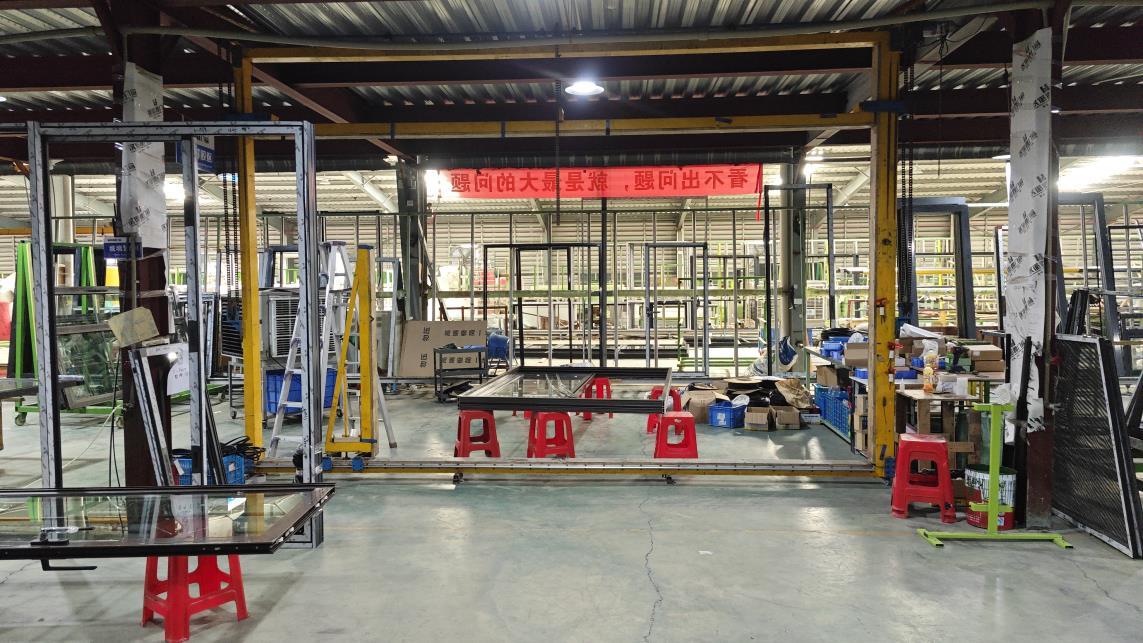
Quality control is managed by a team of 35 inspectors who perform rigorous air permeability testing, water tightness checks, and frame corner strength evaluations. Supported by over 600 supply chain partners, Zenit delivers comprehensive customization options including thermal break profiles, custom anodized finishes, and triple-pane soundproof glass. Driven by an active R&D division of 42 engineers, we released 50 new architectural window systems over the past year.
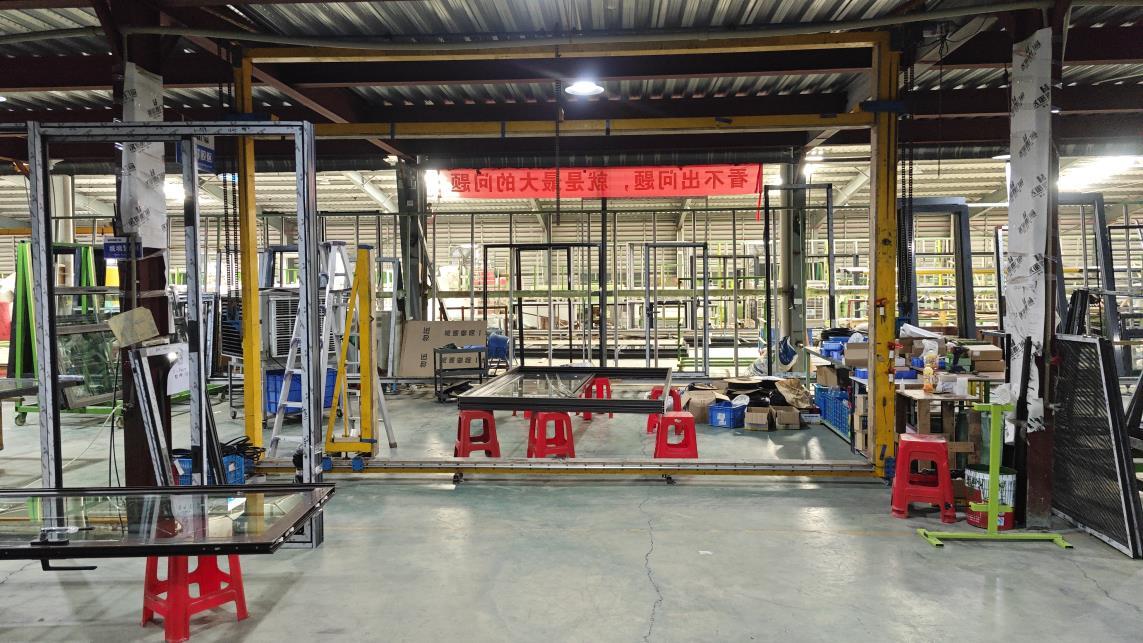
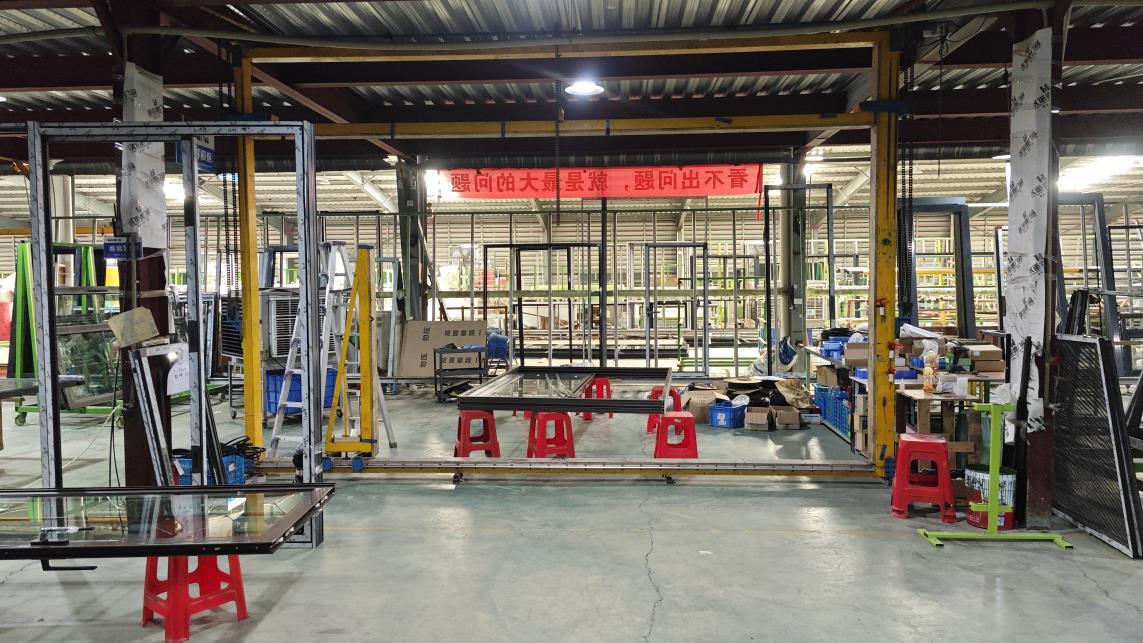
Factory Manufacturing & Quality Inspection Workflow
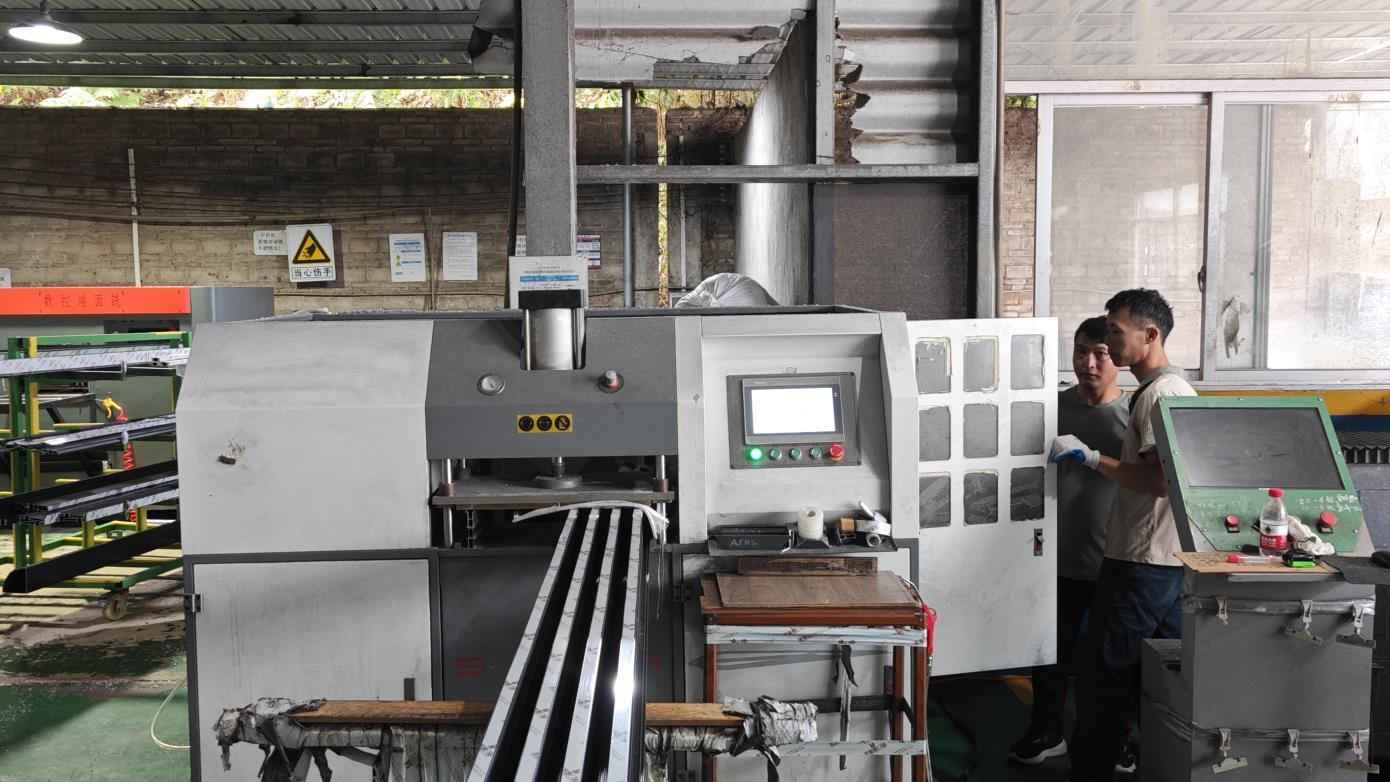
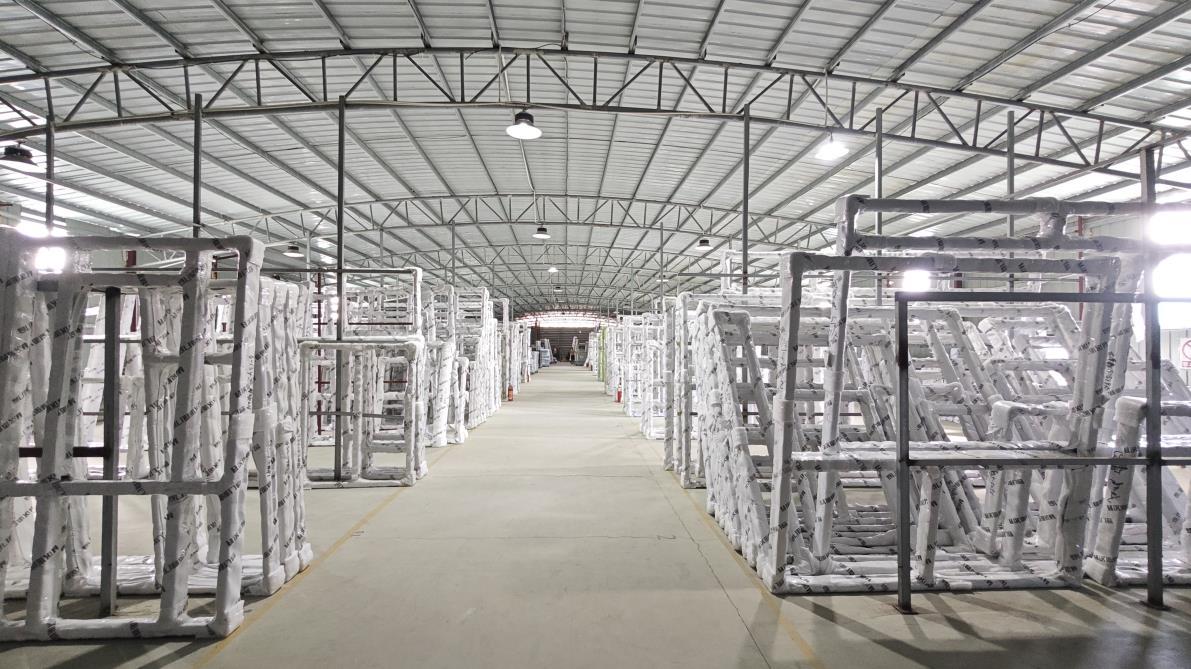
Transparency at every stage: From raw extrusion inspect to CNC machinery, automated assembly, and debugging.
Frequently Asked Questions (FAQ) for Nagoya Buyers & Specifiers
Require Engineering Support or Custom Quotations for Nagoya Projects?
Connect with our senior facade engineering specialists today. Receive direct OEM factory pricing, full technical CAD drawings, and custom structural calculation reports within 24 hours.
Request Factory Quote & CatalogFull Range of Architectural BiFold & Folding Door Systems
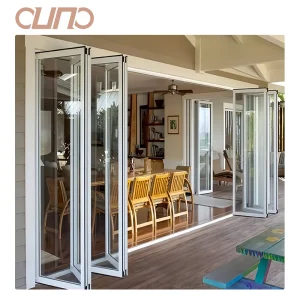
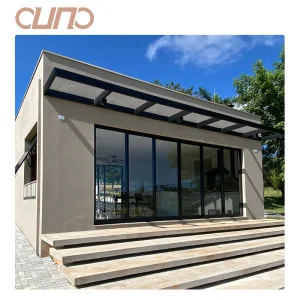
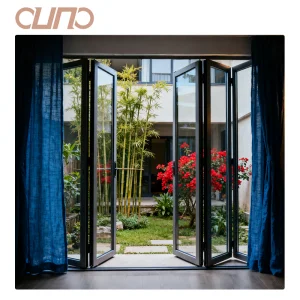
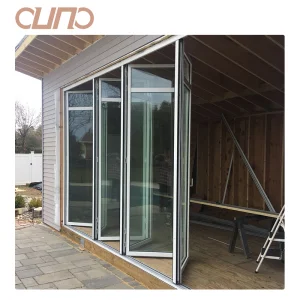
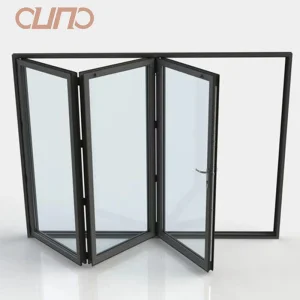
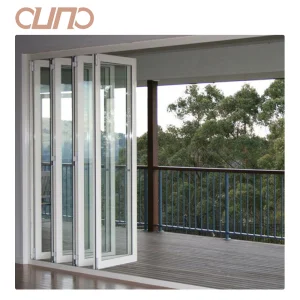
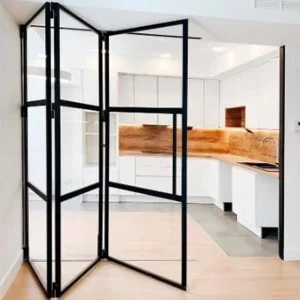
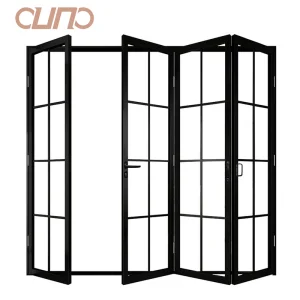
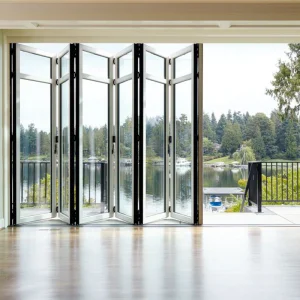
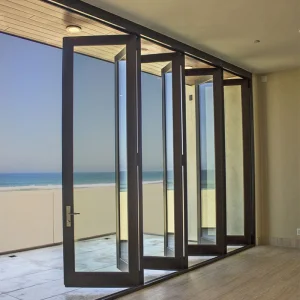
Browse our comprehensive portfolio of hurricane impact, soundproof acoustic, thermal break, and frameless folding glass door solutions for commercial and residential developments.
Partner with a Trusted Global BiFold Door Manufacturer
Whether you are managing a commercial renovation in Sakae, a residential subdivision in Chikusa-ku, or importing building materials for Chubu distribution, Chengdu Zenit delivers world-class precision engineering.
Send Inquiry Now - Get Direct Factory Pricing