 Zenit Window
Riyadh Specialized Motorized Vertical Sliding Windows
Precision-engineered thermal break glass lift systems tested for extreme ambient conditions in Saudi Arabia (Zone 1 Climate).
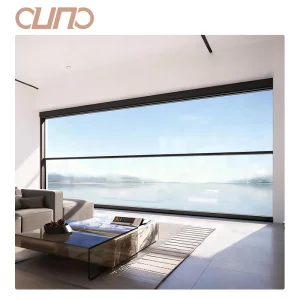
OUNA NFRC Double Glaze Motor Electric Aluminium Vertical Sliding Automatic Single Hung Vertical Lift up Windows
View Technical Specs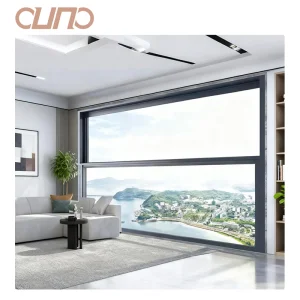
OUNA Intelligent Electric Remote Control Lift Window Double Glazed Vertical Sliding Automatic Single Hung Vertical Lift Windows
View Technical Specs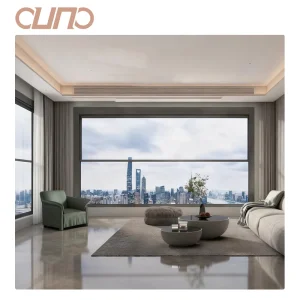
OUNA Modern Electric Vertical Lift Balcony Window System Custom Safety Aluminium Alloy Glass Stainless Steel Screen Netting
View Technical Specs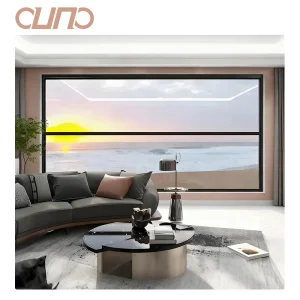
OUNA Modern Intelligent Electric Lift Aluminium Double-Paned Tempered Glass Window Sound Insulation Vertical Balcony Hanging
View Technical SpecsElectric Lifting Windows in Saudi Arabia: Architectural Transformation & Solar Load Control
A comprehensive technical report on how automated vertical sliding guillotine systems are redefining high-end residential and commercial facades across Riyadh, Jeddah, and NEOM.
Severe Desert Climate Resilience
Riyadh experiences solar irradiance surpassing 1,000 W/m² during peak summer months. Zenit's electric lifting windows feature dual-sealed EPDM gaskets and PA66-GF25 thermal breaks that eliminate structural thermal bridging under intense ambient heat.
Smart Automation & BMS Integration
Equipped with low-noise (<38dB) Italian and German-standard tubular drive systems, our vertical lift windows connect seamlessly to RS485, KNX, Zigbee, and Crestron protocols for unified HVAC and daylight management in Saudi smart homes.
Dust & Sandstorm Infiltration Proof
Riyadh’s seasonal "Shamal" sandstorms introduce ultra-fine silica particles. Our multi-stage continuous brush seals and multi-point perimeter locking keep indoor air quality immaculate while preventing mechanism jamming.
Macro Analysis: Saudi Arabia's Architectural Evolution under Vision 2030
The Kingdom of Saudi Arabia is undergoing an unprecedented architectural renaissance. Backed by mega-developments such as the New Murabba in Riyadh, the King Abdullah Financial District (KAFD) expansion, and high-end residential enclave projects in Al-Malqa, Hittin, and Al-Nakhil, the demand for high-performance fenestration has shifted dramatically. Standard casement and basic manual sliding windows no longer fulfill the structural, aesthetic, and energetic requirements of modern Saudi architecture.
Electric Lifting Windows (Vertical Guillotine Systems) have emerged as the primary solution for architectural engineers seeking maximum panoramic sightlines without compromising thermal insulation or space efficiency. By motorizing the vertical glass panels, these systems transform static fenestration into dynamic indoor-outdoor spaces—serving as both structural glass balustrades when lowered and hermetically sealed thermal barriers when fully elevated.
Global Industry Benchmark & Technical Standards (SASO / SEEC Compliance)
Deploying fenestration solutions into the Central Region of Saudi Arabia requires strict adherence to the Saudi Standards, Metrology and Quality Organization (SASO) and the Saudi Energy Efficiency Center (SEEC) building codes. Solar Heat Gain Coefficients (SHGC) must be maintained below 0.23, while total Window U-values must not exceed 1.4 W/m²K to mitigate cooling loads that account for up to 65% of residential electrical consumption in Riyadh.
Zenit’s motorized vertical sliding systems utilize custom-extruded 6063-T6 aluminum alloy profiles engineered with heavy-duty structural wall thicknesses (up to 3.0mm). Combined with argon-filled, double- or triple-paned tempered Low-E glass units featuring SentryGlas® (SGP) structural interlayers, our windows comfortably absorb wind pressure loads up to 4.5 kPa while resisting extreme temperature differentials between interior air-conditioned spaces (21°C) and exterior desert heat (52°C).
Enterprise Scale & Smart Manufacturing Ecosystem
Original Text & Technical Facility Background: Chengdu Zenit Window & Door Co., Ltd.
Founded in 2015, Chengdu Zenit Window & Door Co., Ltd. operates a massive 25,000-square-meter manufacturing facility. Backed by 11 years of deep industry expertise and 8 years of global trade experience, the company achieves an annual export turnover of $26 million. Our primary export markets cover North America, Australia, Western Europe, and the Middle East—catering directly to residential home builders, architectural contractors, and building material wholesalers.
Quality control is strictly managed by a dedicated team of 35 inspectors who perform rigorous air permeability testing, water tightness checks, and frame corner structural strength evaluations. Supported by over 600 supply chain partners, Zenit delivers comprehensive customization options including thermal break profiles, custom anodized finishes, and triple-pane soundproof glass. Driven by an active R&D division of 42 engineers, we released 50 new architectural window systems over the past year.
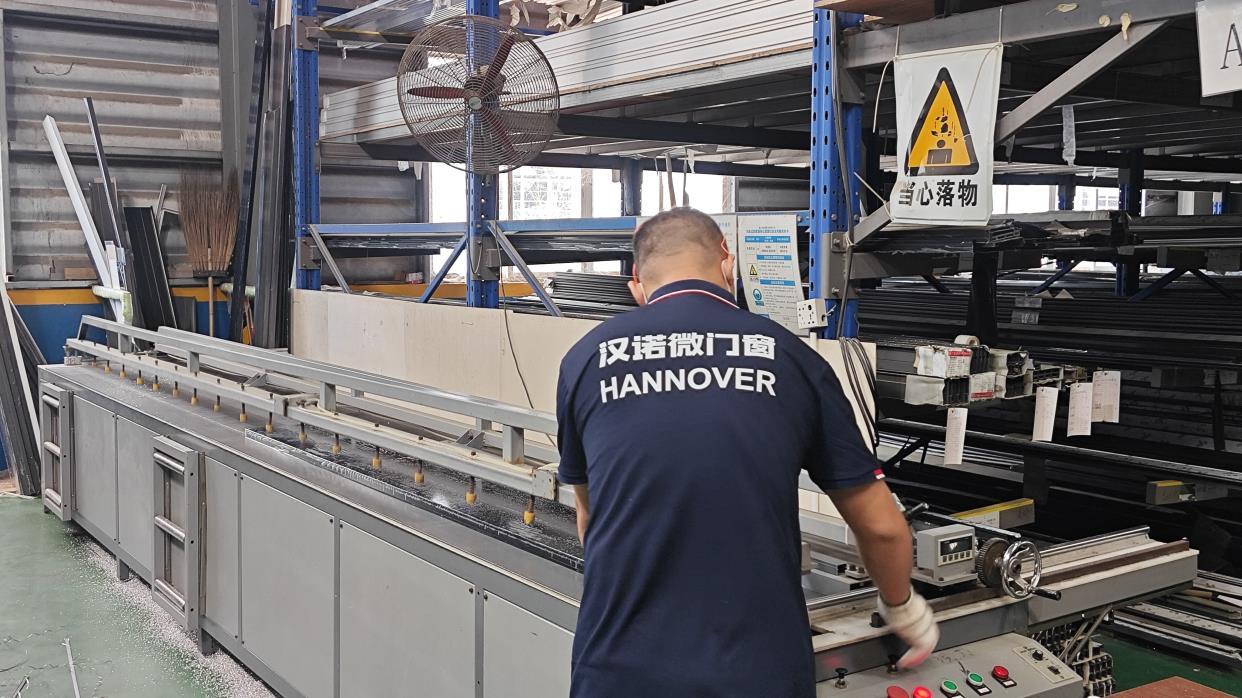
Precision Fabrication & QC Testing Stations
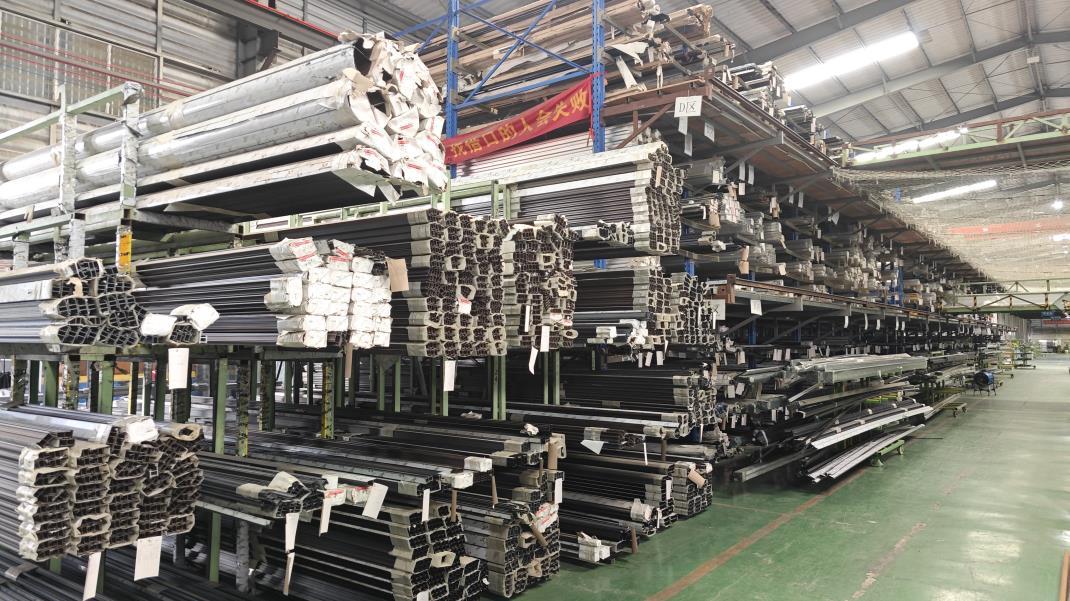 Raw Material
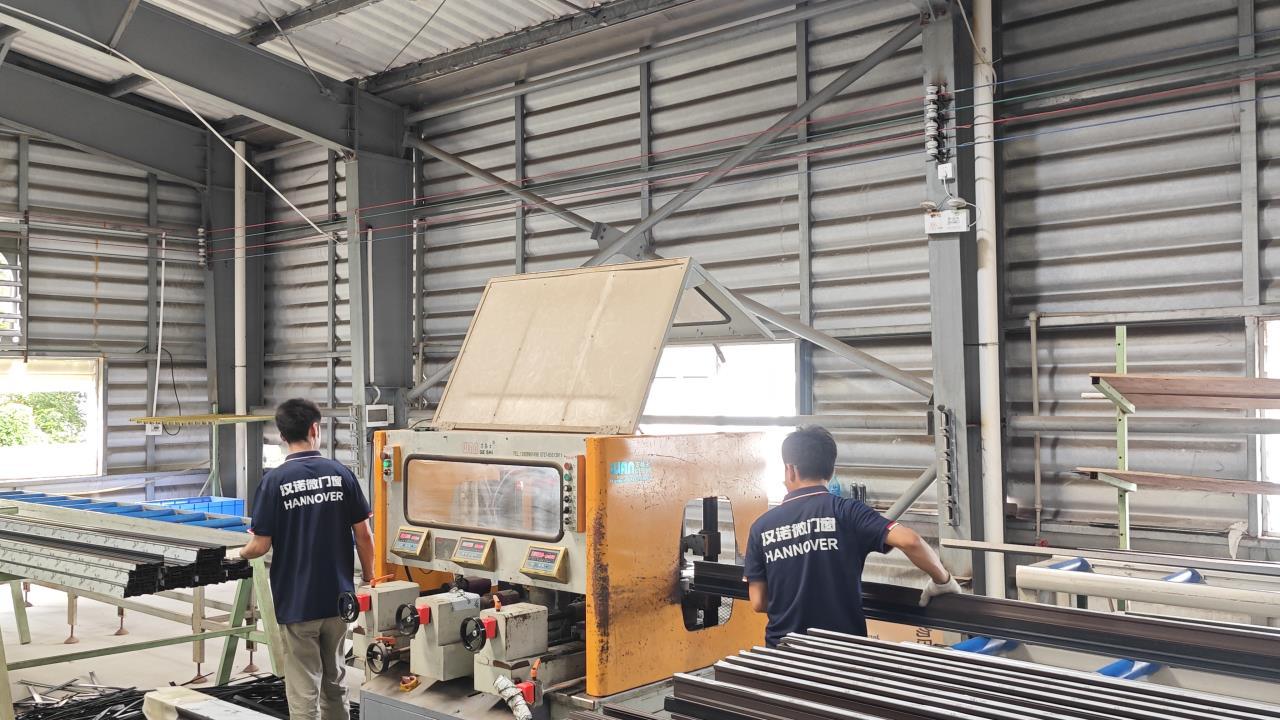 Threading
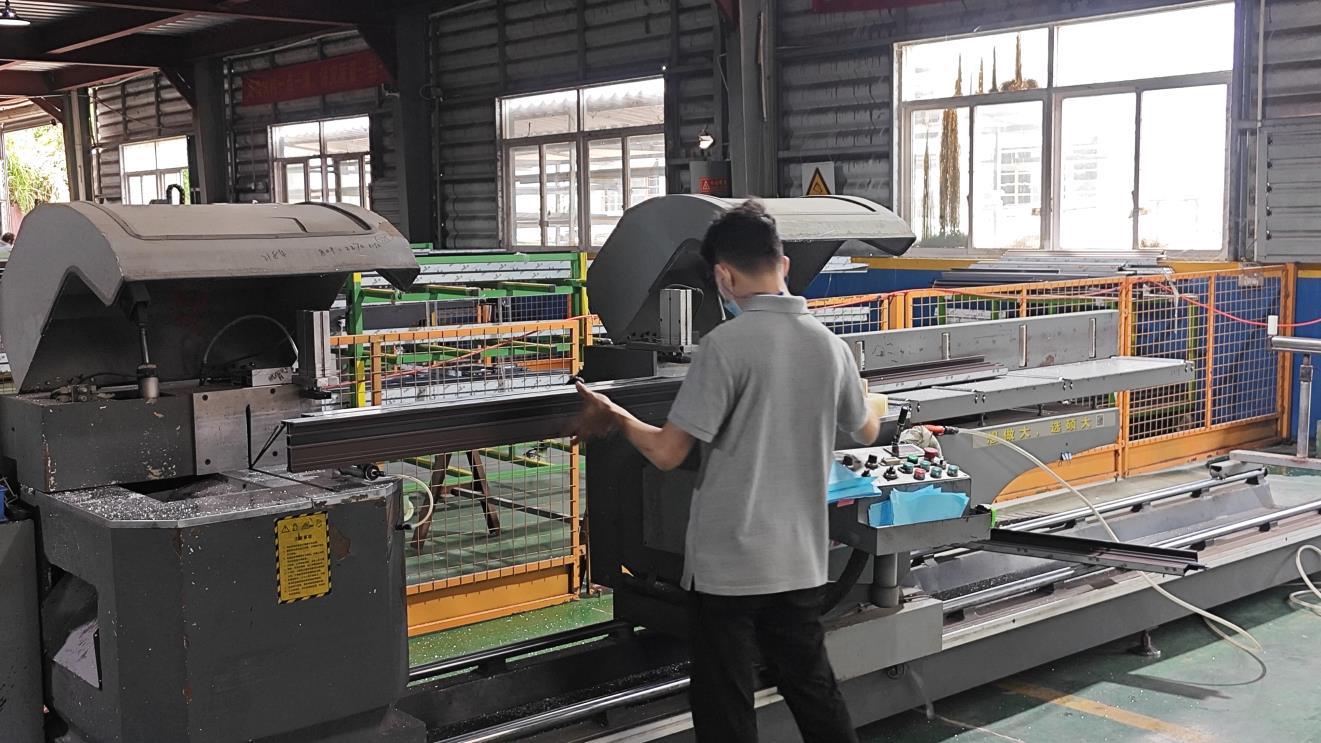 Cutting 1
 Cutting 2
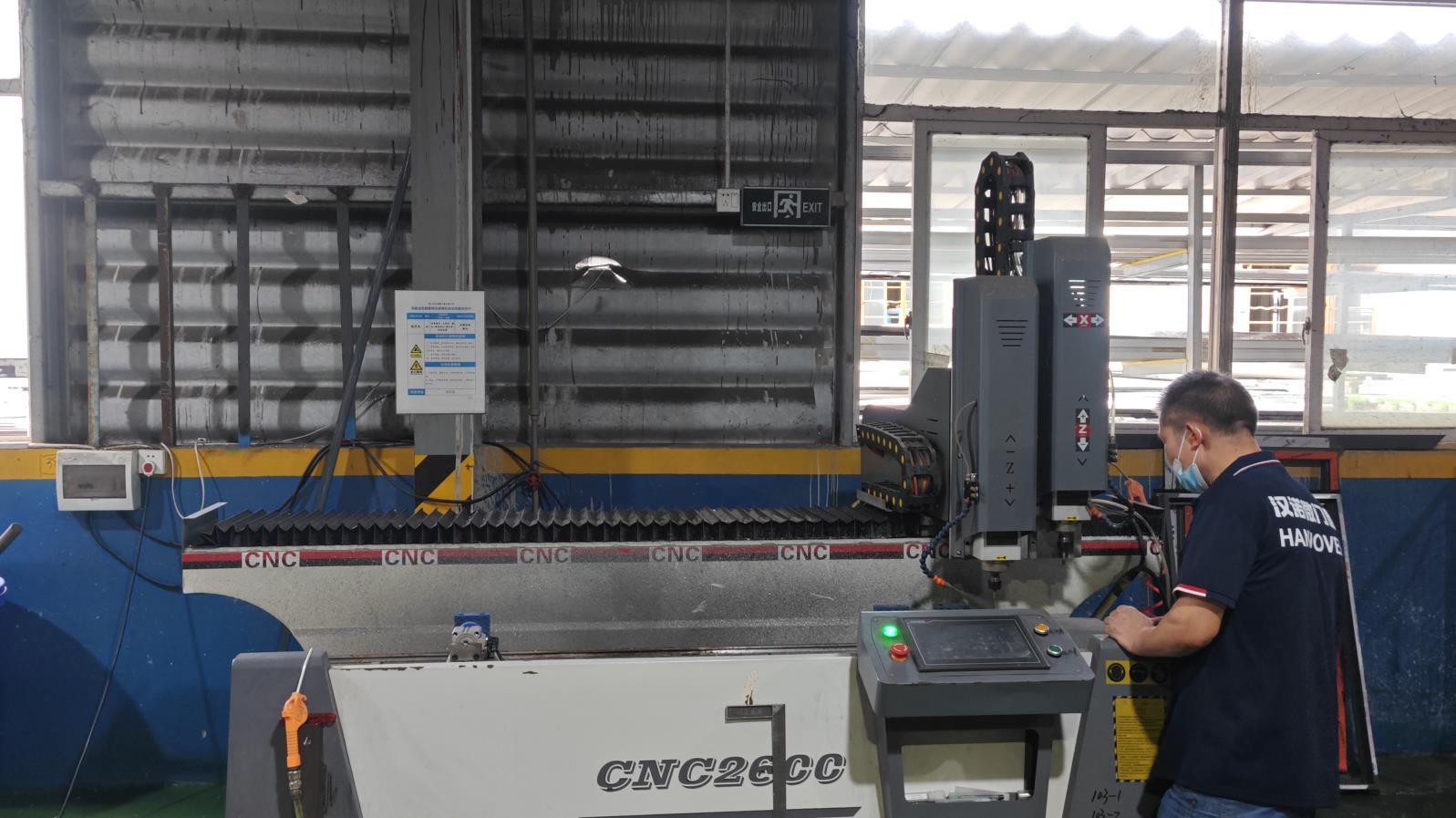 CNC Machining 1
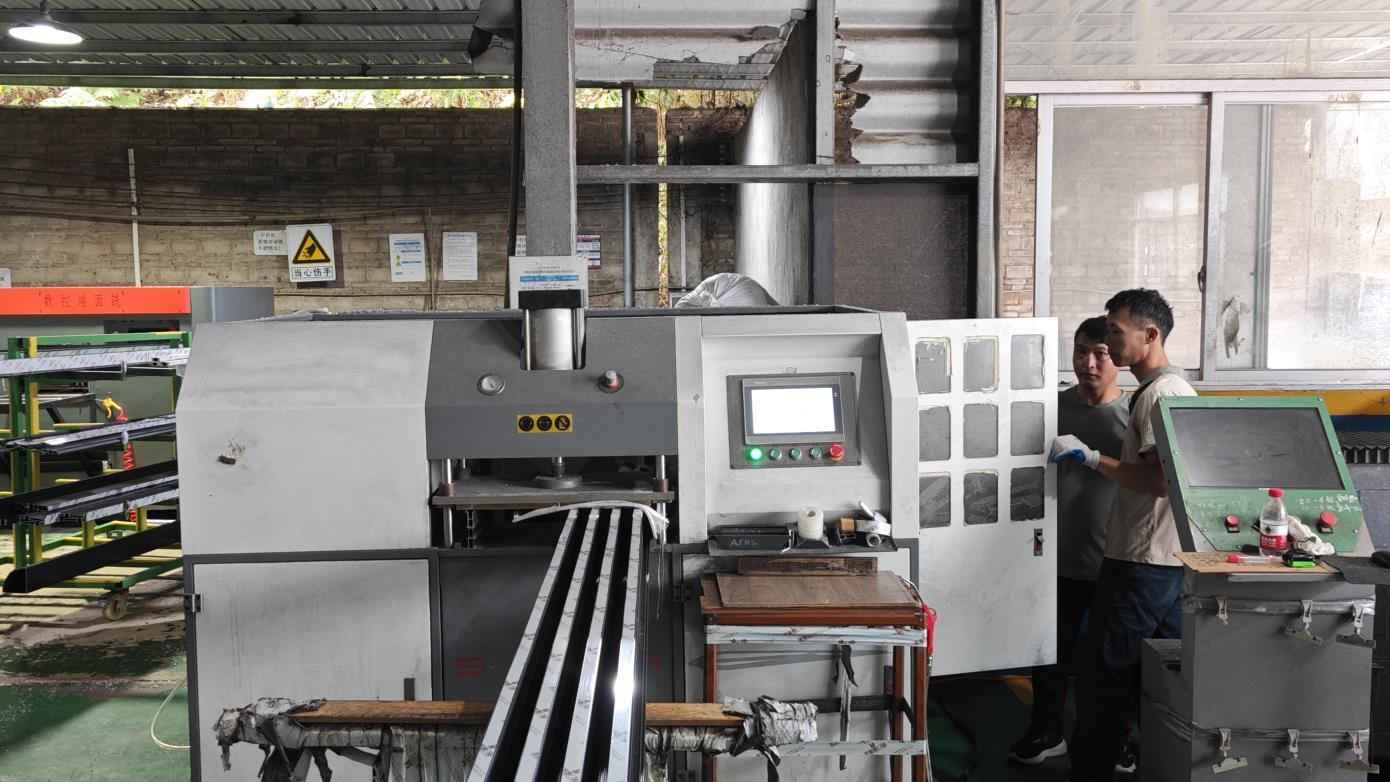 CNC Machining 2
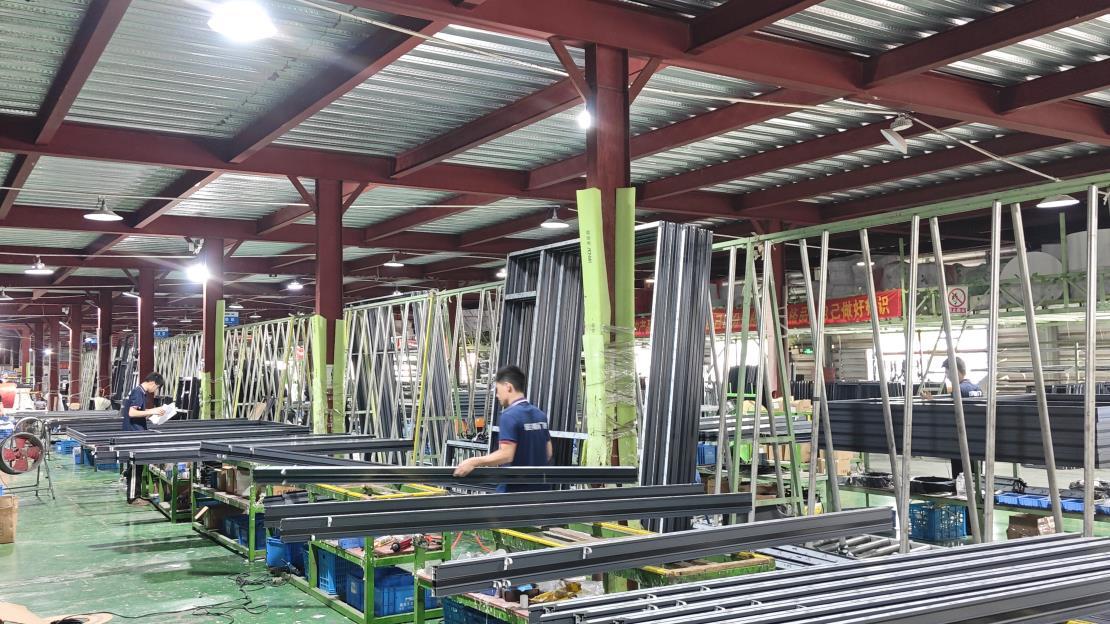 Assembly 1
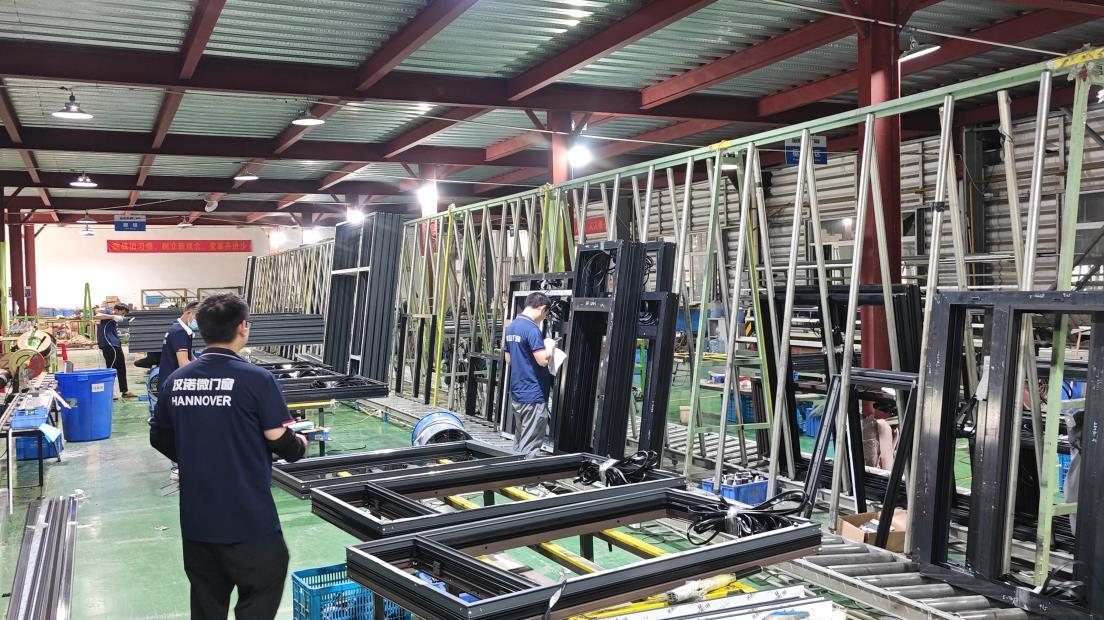 Assembly 2
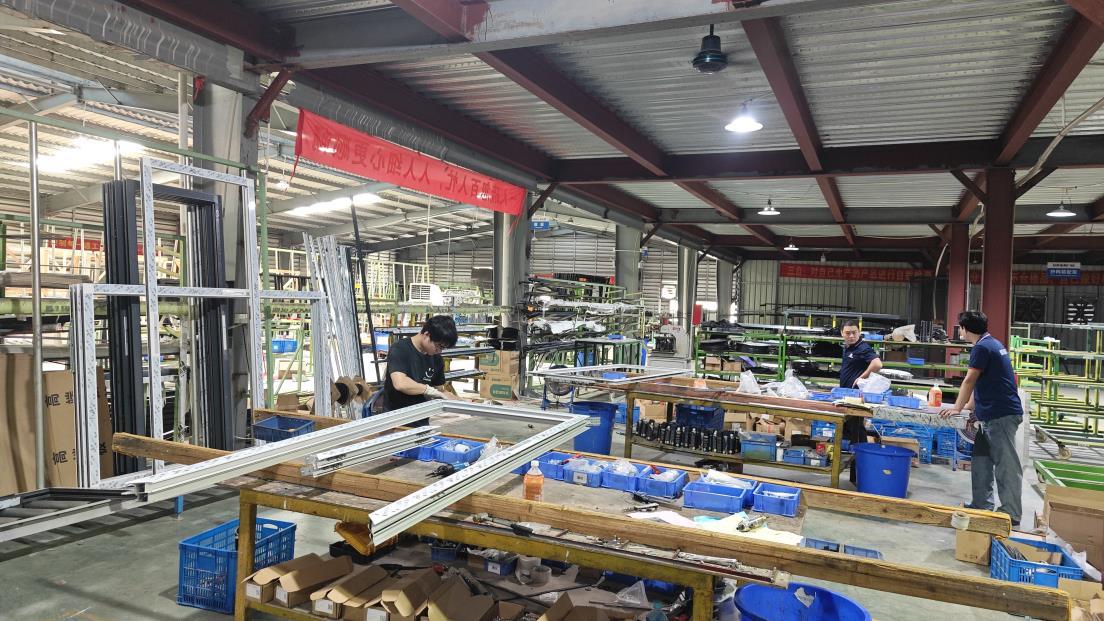 Assembly 3
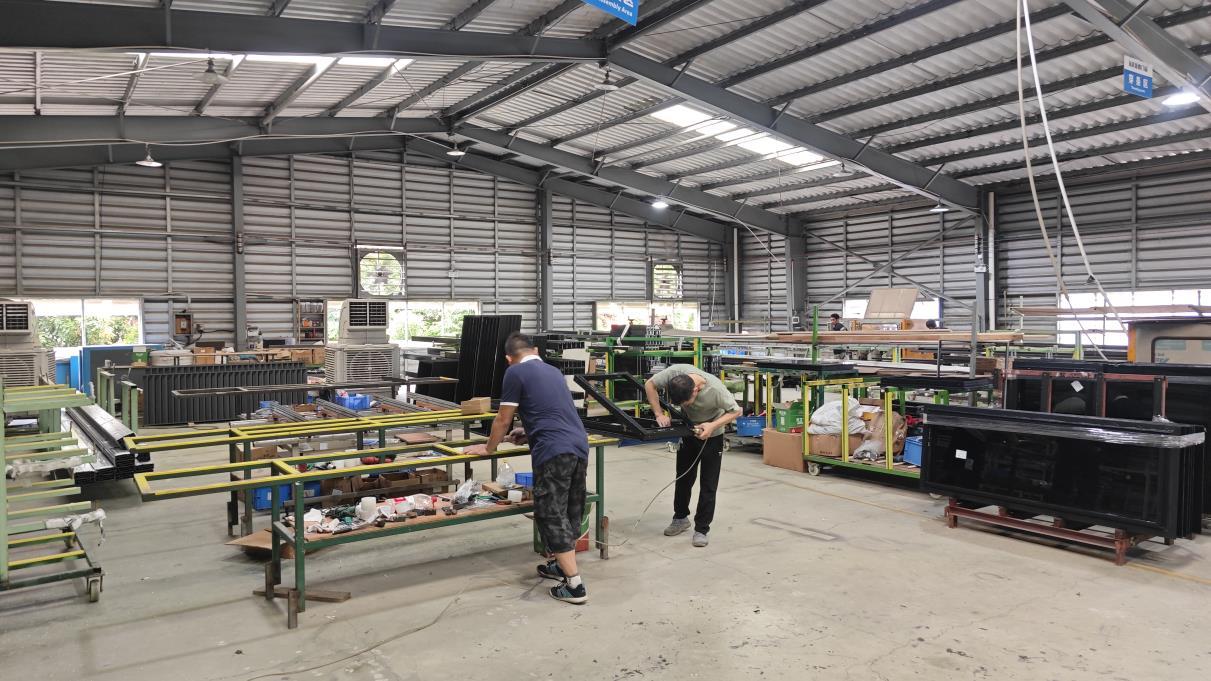 Assembly 4
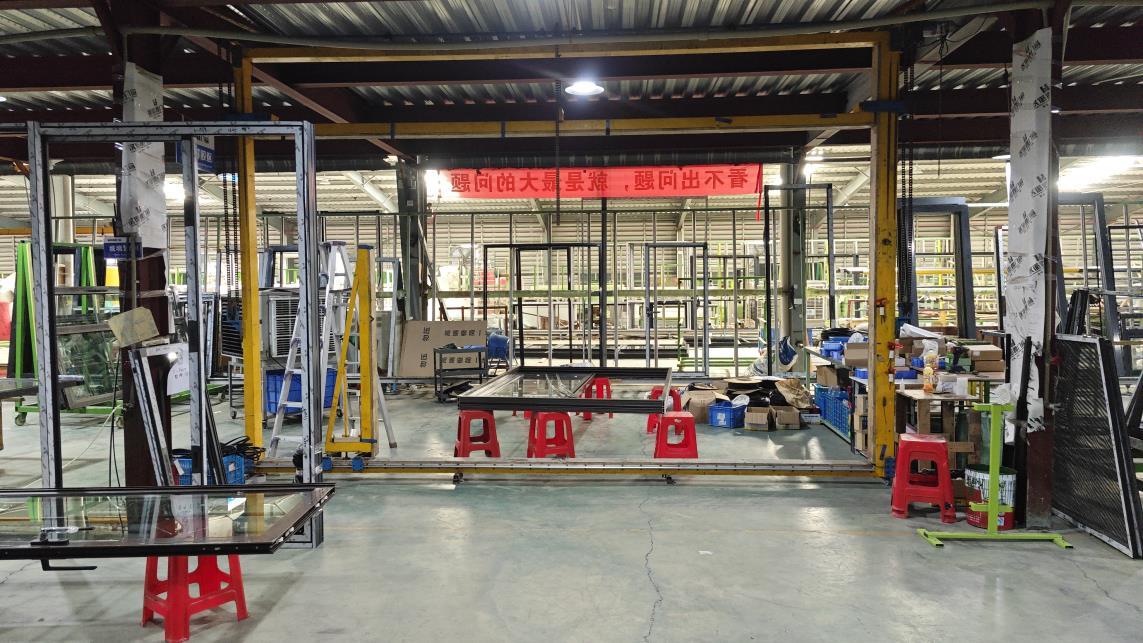 Debugging
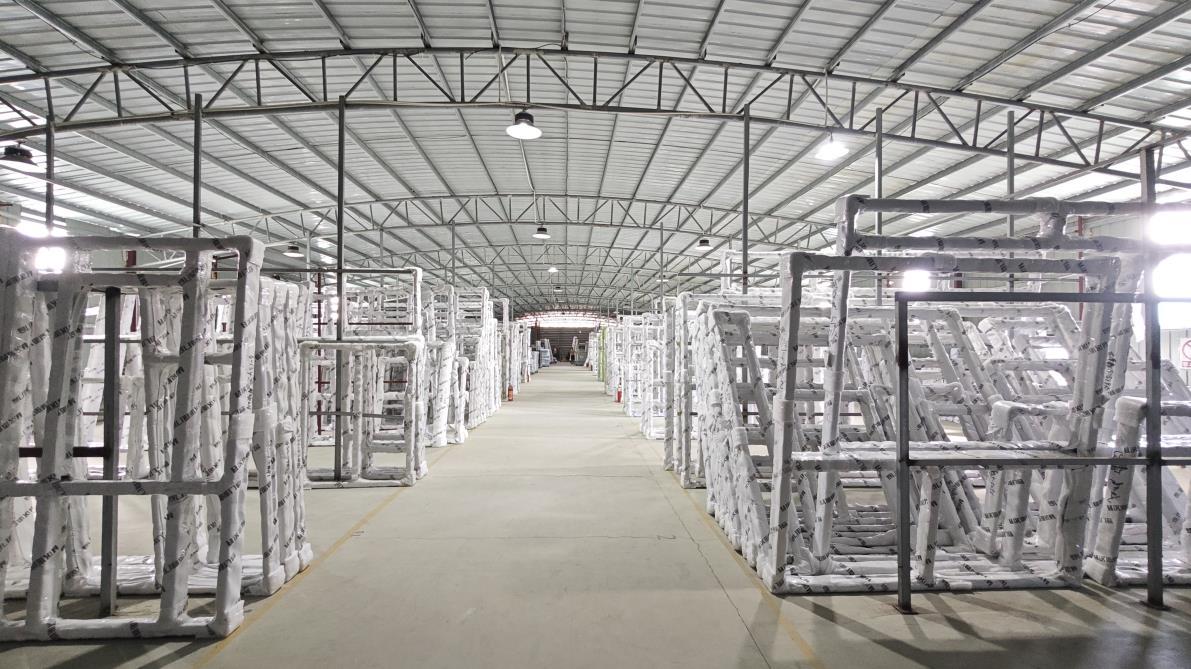 Warehouse
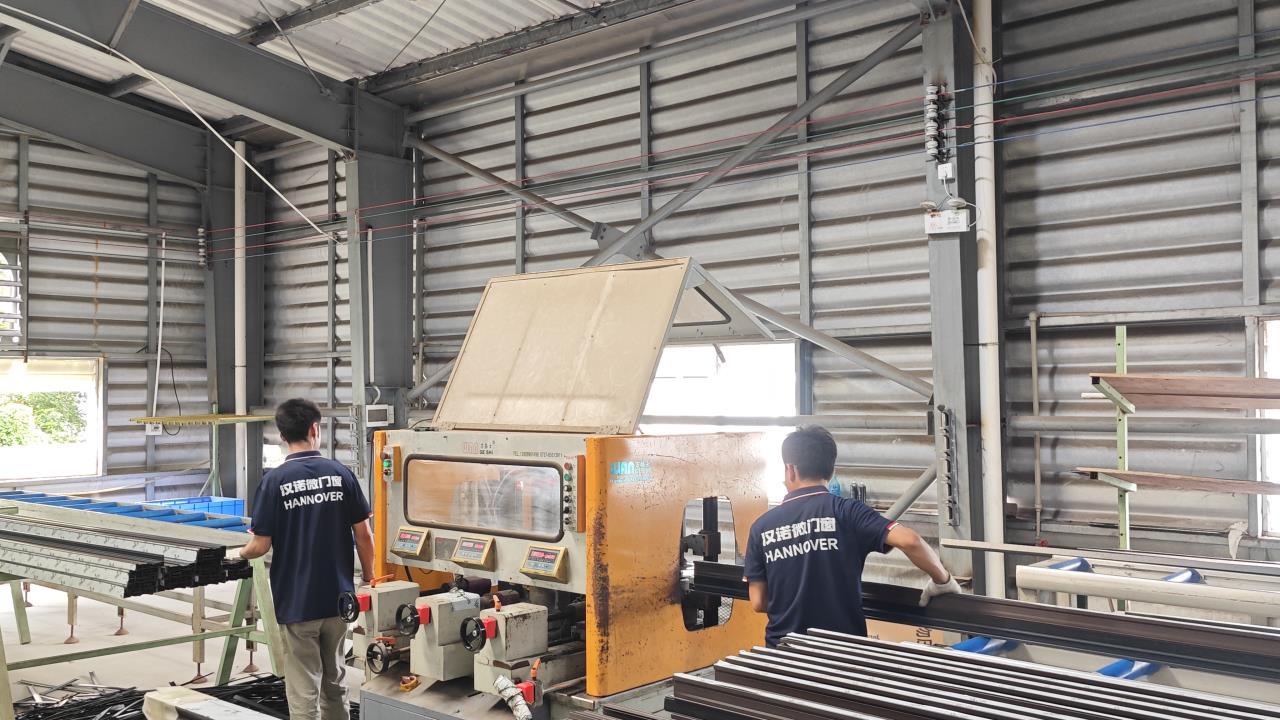 Strip Threading Machine
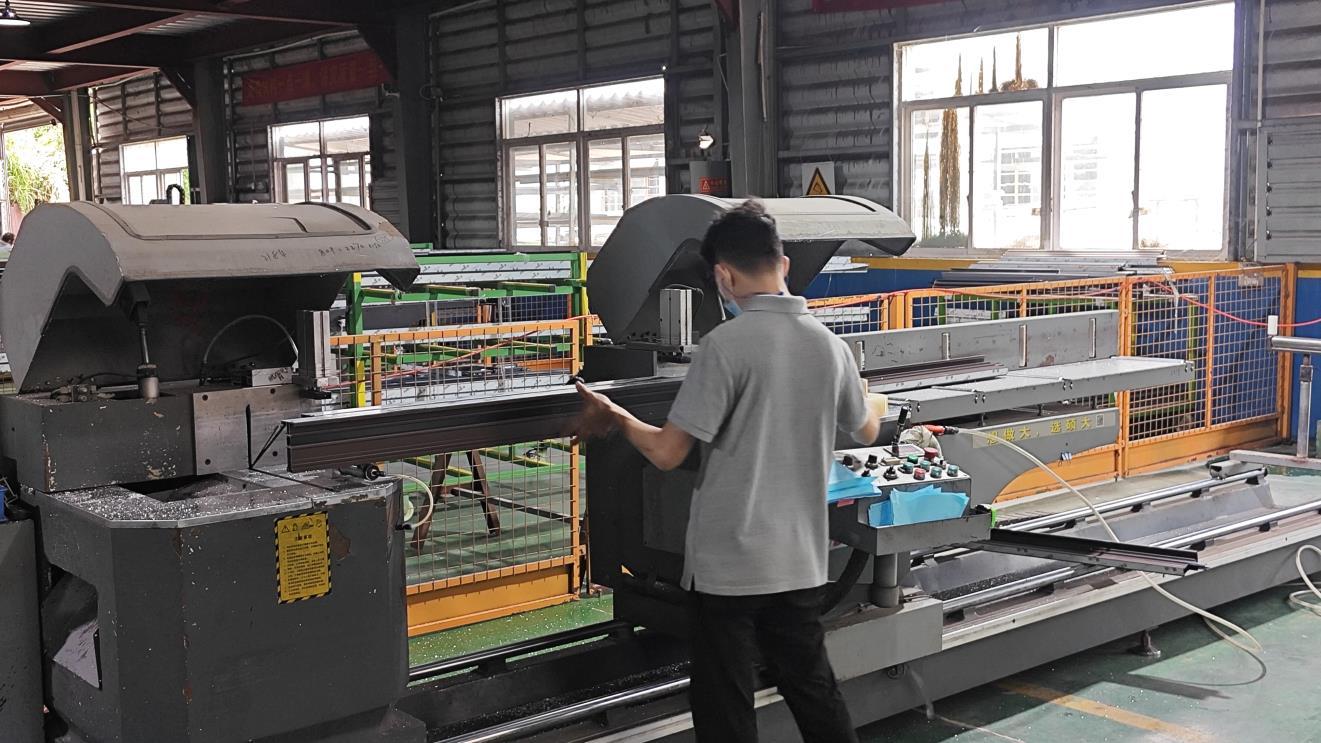 Cutting Machine
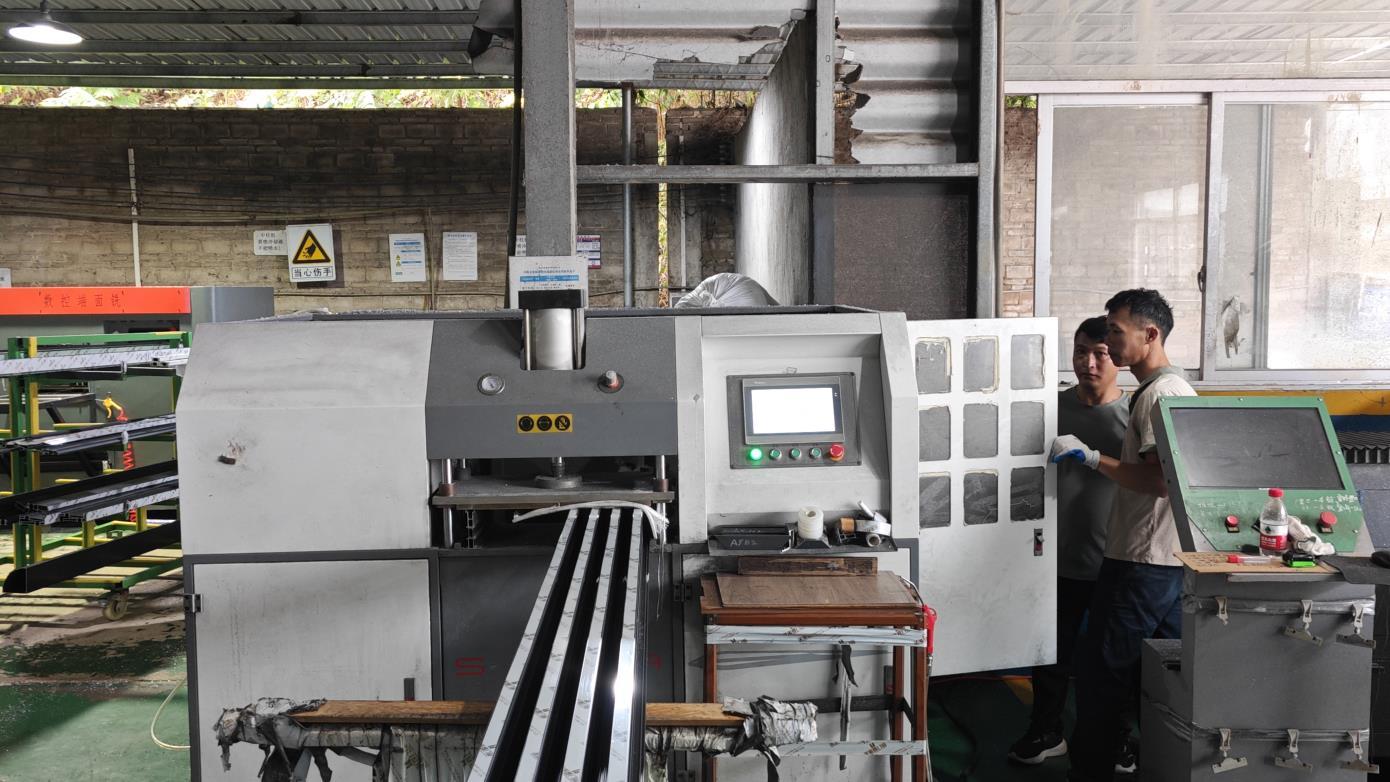 CNC Milling Machine
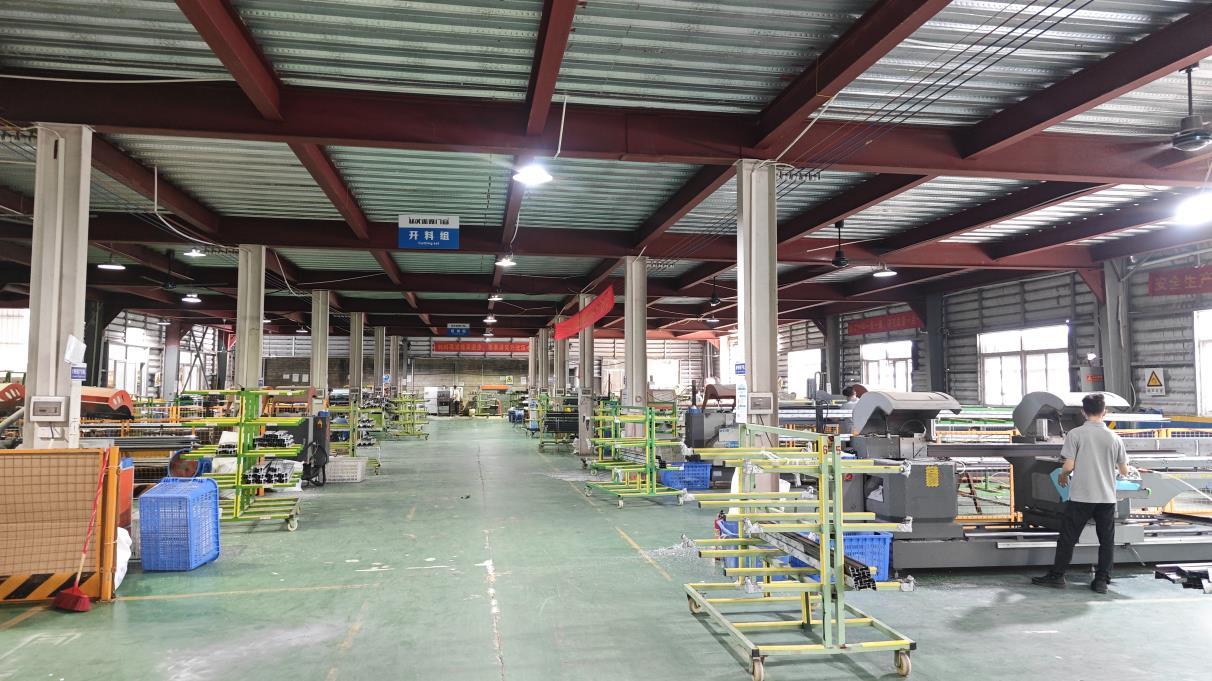 Assembly Line
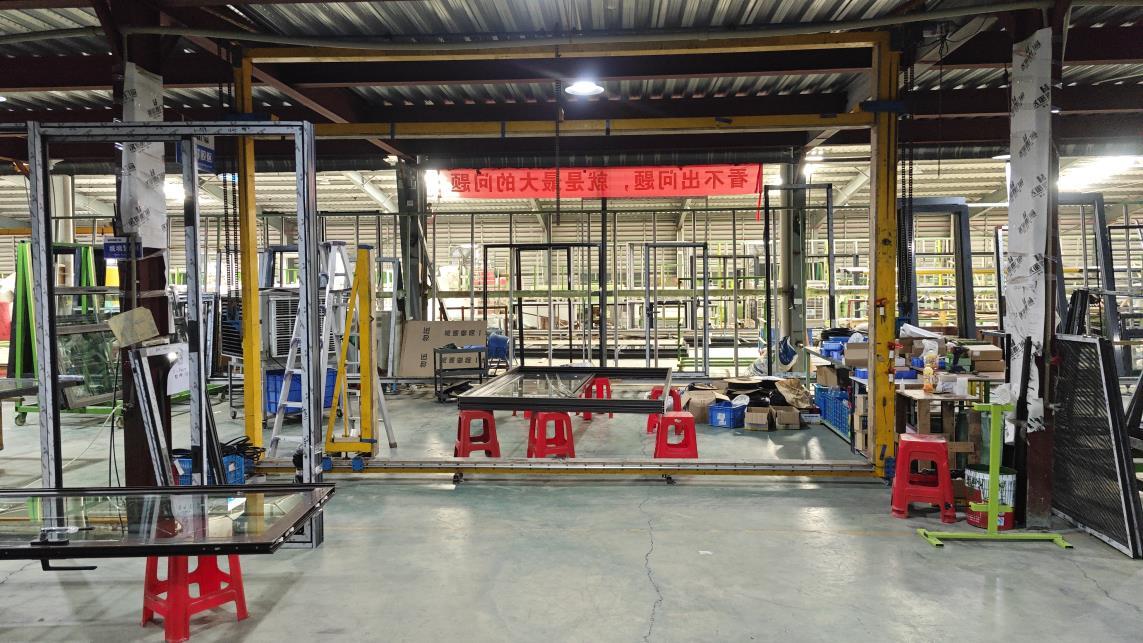 Quality Control (QC)
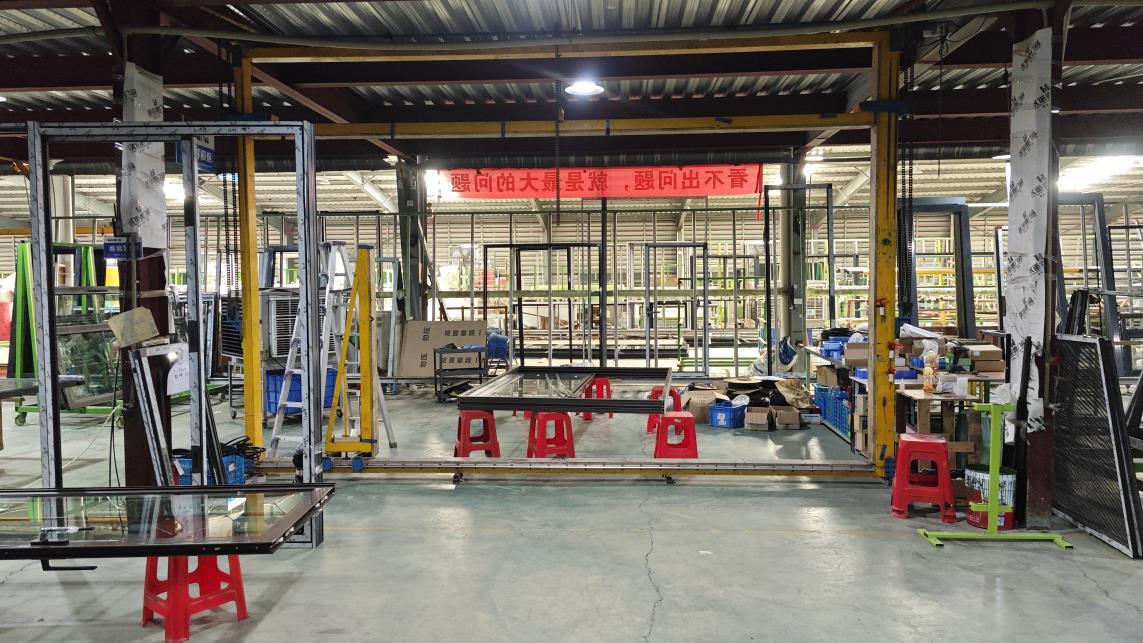 Debugging Rack
Electric Guillotine Lift vs. Traditional Fenestration
Quantitative analysis comparing motorized vertical lifting windows against standard sliding and casement systems in high-ambient Middle Eastern climates.
| Performance Parameter | Zenit Electric Lifting System | Standard Aluminum Sliding | Traditional Outward Casement |
|---|---|---|---|
| Thermal Transmittance (U-Value) | 1.2 - 1.4 W/m²K (PA66 Thermal Break) | 2.8 - 3.5 W/m²K (Non-Thermal) | 1.8 - 2.2 W/m²K |
| Air Infiltration Rating | Class 4 (EN 12207) Continuous EPDM | Class 2 Brush Seal (Leaks under wind) | Class 3 Compression Gasket |
| Wind Load Resistance | Up to 4,500 Pa (High-Rise Tested) | 1,800 Pa Limit | 2,500 Pa Limit |
| Acoustic Insulation (STC) | 42 - 45 dB Sound Proofing | 25 - 28 dB Noise Passage | 32 - 35 dB Noise Reduction |
| Drive & Safety Sensors | Dual-Chain Drive + Anti-Pinch Infrared | Manual Pull / No Safety Lock | Manual Friction Stay |
| Riyadh Sandstorm Protection | Hermetic Pressure Seal Mechanism | Dust Ingress Through Track Gaps | Seal Degrades Under Direct Sun |
Architectural Applications Across Riyadh & KSA Megaprojects
Custom structural configurations engineered for residential compounds, luxury villas, commercial drive-thrus, and hotel sky lounges.
Luxury Villa Balconies & Penthouses
Replaces traditional glass railings in locations like Diriyah and Al-Bujairi. When open, the lower panel acts as a solid glass balustrade compliant with international safety codes (1.1m height standard). When closed, it forms a completely sealed climate-controlled envelope.
Commercial Cafés & Hospitality Rooftops
Used widely along Tahlia Street and Northern Ring Road dining districts. Allows restaurant operators to transform indoor dining areas into al-fresco spaces during pleasant winter months with the press of a single smart control button.
Severe Wind & High-Rise Facades
Specifically reinforced for high-altitude installations in towers across the King Abdullah Financial District (KAFD), offering superior deflection resistance against high-velocity desert thermal updrafts.
Full Range of Electric Lifting & High-Performance Architectural Windows
Explore our NFRC, AS2047, and SASO certified motor-driven sliding windows, storefront doors, and thermal break solutions.
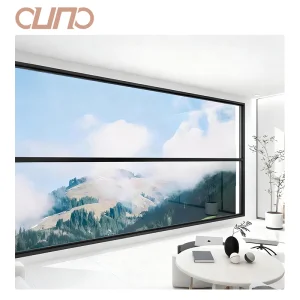
OUNA Electric Smart Balcony Aluminium Sliding Window with Insect Screen Lift Curtain Hanging AS2047 Electric Lifting Window
View Details & Pricing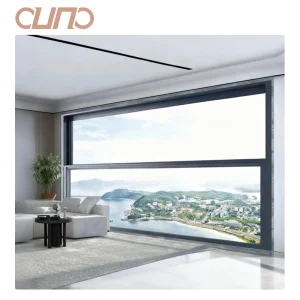
OUNA Large Size Electric Lift Window Double Tempered Glass Aluminum Motor Smart Vertical Sliding Windows with Mesh Screen
View Details & Pricing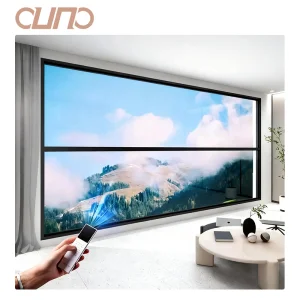
OUNA Automatic Aluminum Windows Tempered Glass Electric Vertical Sliding Window Balcony Awning Windproof Netting Exteriors Mesh
View Details & Pricing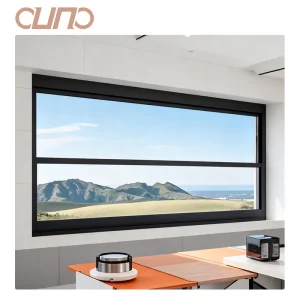
OUNA Customized Large Size Motorized Electric Vertical Sliding Lifting Aluminium Double Glass Window European Aluminum Alloy
View Details & Pricing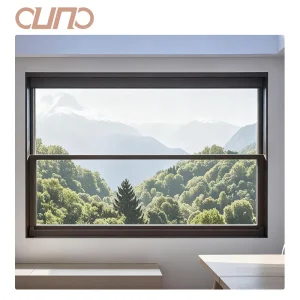
OUNA Modern Design Automatic Vertical Slide Windows Tempered Glass Aluminum Electric Energy-saving Lift Window with Screen Mesh
View Details & Pricing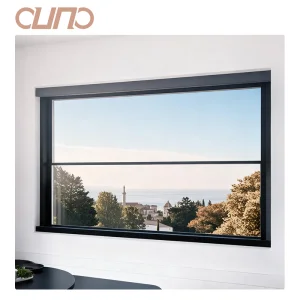
OUNA Aluminum Glass Smart Sliding Windows Double Tempered Glass Automatic Vertical Slide Electric Lift Window with Screen Mesh
View Details & Pricing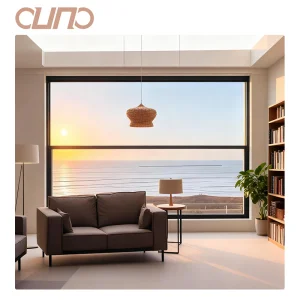
OUNA Modern Design Smart Vertical Automatic Sliding Windows Tempered Glass Aluminum Glass Electric Lift up Window for Houses
View Details & Pricing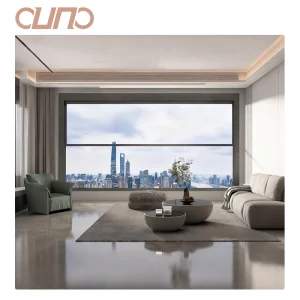
OUNA Automatic Vertical Slide Guillotine Windows Smart Remote Control Aluminum Glass Electric Lift up Window with Mesh Screen
View Details & Pricing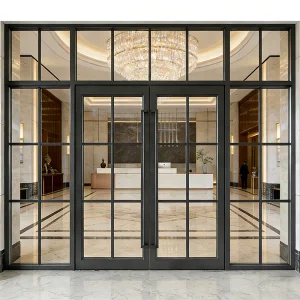
OUNA Modern Exterior Anti-Theft Windproof Aluminum Alloy Framed Glass Commercial Storefront Push-Pull Door
View Details & Pricing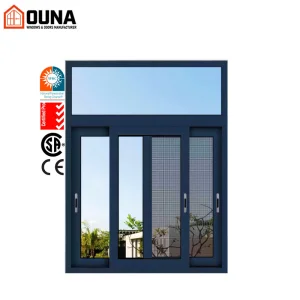
OUNA Customized Aluminum Sliding Window Double Tempered Glass Thermal Break Energy Efficient Soundproof NFRC AS2047 Certified
View Details & Pricing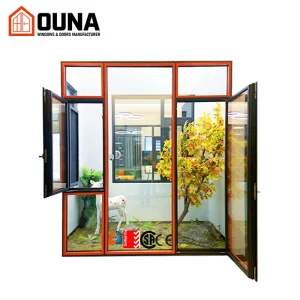
OUNA New Arrival Aluminum Window House Tilt and Turn Window Frame Hurricane Impact Proof NOA Slim Frame Casement Windows
View Details & Pricing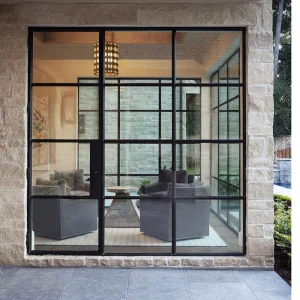
OUNA Custom Size Aluminum Double Door with Grid Design Soundproof Glass Door for Residential Entrance
View Details & PricingEngineering Questions for Riyadh Developers & Contractors
Expert answers regarding installation, shipping to Saudi Arabia, smart integration, and climate endurance.
How do Zenit electric lifting windows handle severe Riyadh sandstorms?
Our guillotine systems utilize dual-layer continuous EPDM gasket seals paired with side-channel high-density nylon brush barriers. When fully closed, the electric motor applies a active compression force that creates a hermetic seal, completely blocking fine desert dust (PM2.5 / PM10) from infiltrating interior spaces.
What happens during a power outage in Saudi Arabia?
Every Zenit electric lifting system can be optioned with an integrated 24V lithium battery backup system (UPS). In the event of a power disconnection, the window retains sufficient battery capacity to perform up to 50 complete open-close cycles. Manual override mechanisms are also available.
Are Zenit products compliant with SASO and Saudi Building Codes?
Yes. Our glass configurations utilize double/triple toughened Low-E glass units meeting SASO thermal transmittance standards (U-Value ≤ 1.4 W/m²K; SHGC ≤ 0.23). We supply all required SABER certification and technical compliance dossiers for seamless Saudi Customs clearance.
What safety features prevent injuries during automated window operation?
Safety is paramount. All electric guillotine windows feature built-in infrared safety beams and anti-pinch smart current sensors. If any object, child, or pet is detected in the closing path, the vertical motion immediately stops and reverses direction automatically within 0.1 seconds.
What is the lead time for B2B bulk orders shipped to Dammam or Jeddah ports?
Standard production lead time for custom engineering orders is 20-25 business days at our 25,000 m² Chengdu facility. Ocean freight shipping to King Abdulaziz Port (Dammam) or Jeddah Islamic Port typically takes 18-22 days, backed by sea-worthy wooden crate packaging.
Can these windows integrate with existing Smart Home controllers?
Absolutely. Our motor controller modules support dry contact switches, Tuya Wi-Fi/Zigbee, RS485 Modbus, and KNX protocols. You can operate the lifting windows via wall switches, smartphone apps, handheld RF remotes, or voice control (Alexa/Google Home).
Accelerate Your Architectural Projects in Riyadh
Work directly with Chengdu Zenit Window & Door Co., Ltd. — 42 R&D Engineers, 35 Quality Inspectors, and 25,000 m² of High-Tech Manufacturing Excellence.
Send Inquiry Now